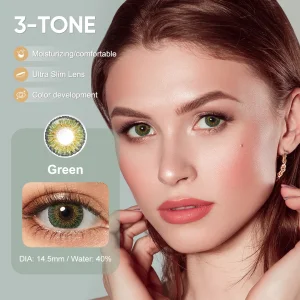
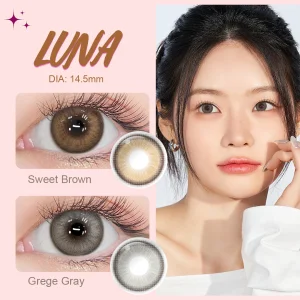
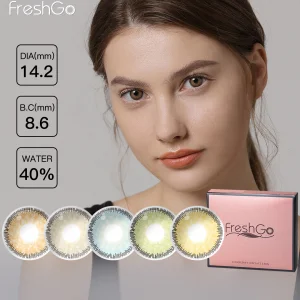
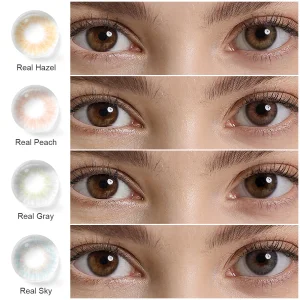
Fresh Lenses
Fresh Lenses
Fresh Lenses
Explore our leading B2B cosmetic & novelty lines, engineered for maximum physiological safety and rich color payoff.
Global Export Track Record
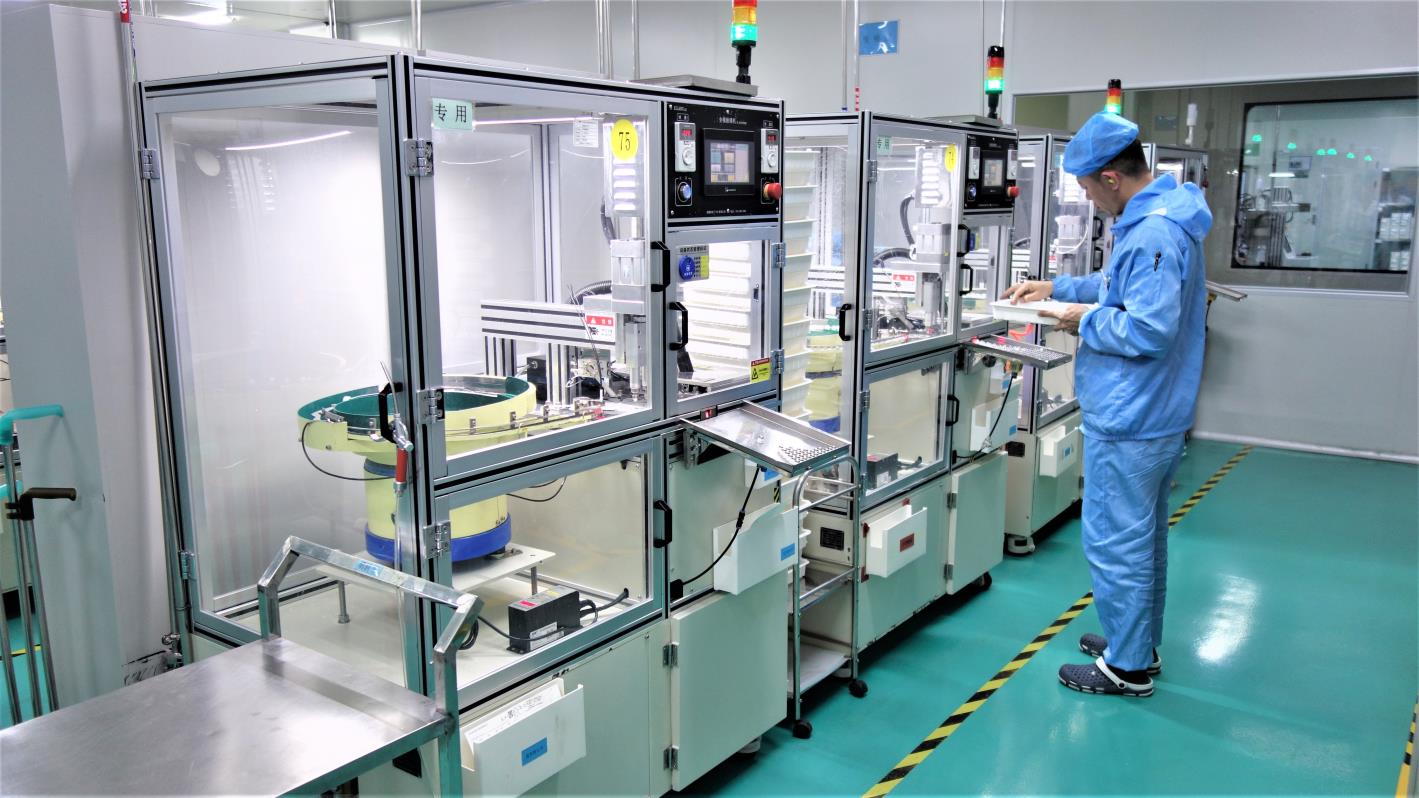
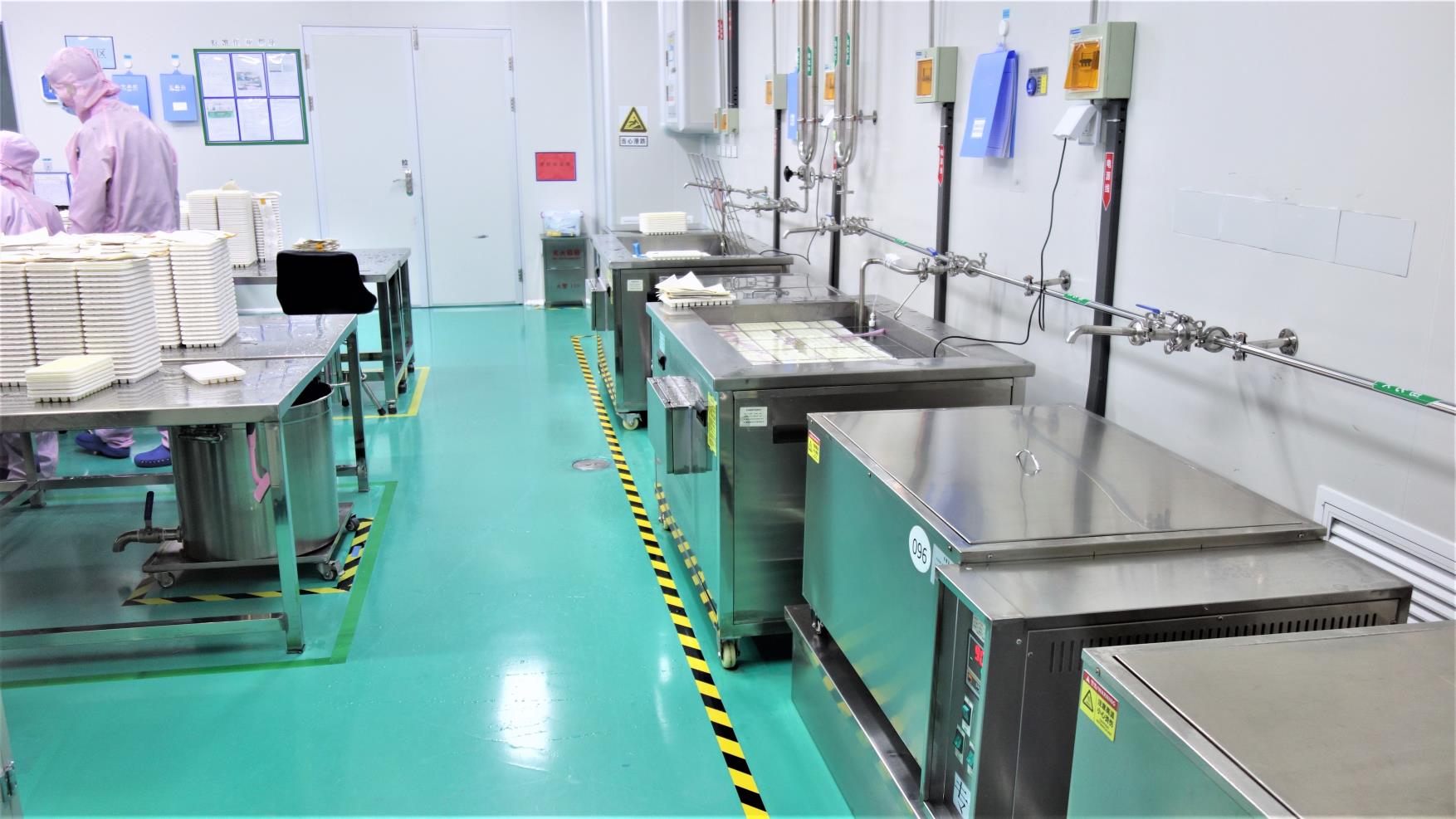
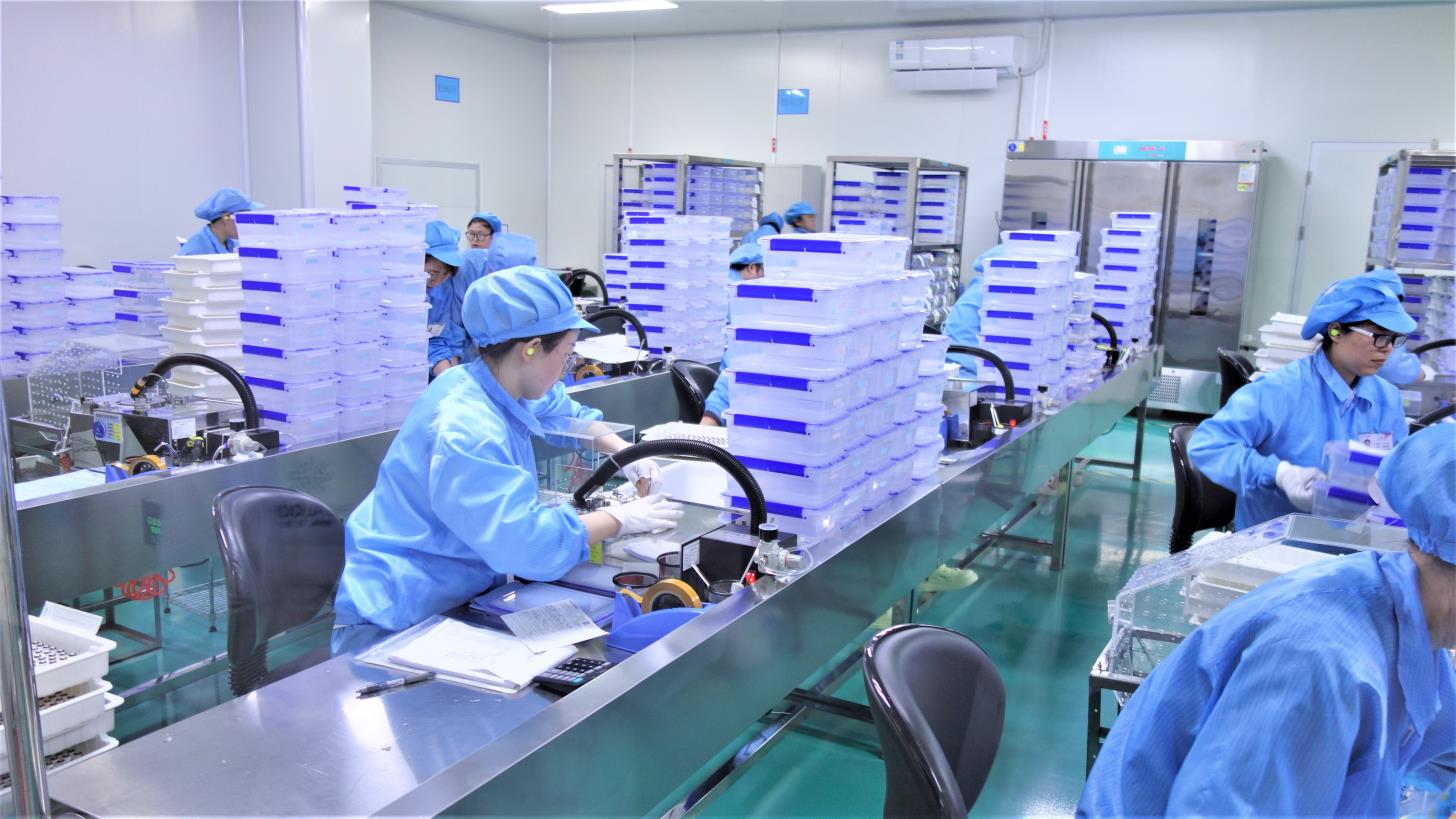
Class-100k Clean Room
Inline Process Control
Dedicated R&D Department
Technical Insights, Biological Safety Standards, and Market Optimization Strategies for Global B2B Optical Importers
The global demand for specialty, theatrical, and novelty contact lenses has evolved from simple seasonal cosplay modifications into a high-growth sector within the cosmetic contact lens market. In 2024, the commercial lens market is characterized by a surge in demand for custom graphic designs, vivid pigmentation, and prosthetic applications. These optical medical devices must cater to rigorous safety metrics while delivering high visual opacity to cover dark eyes effectively.
Currently, brands, wholesale networks, and independent specialty retailers face significant barriers. Sourcing high-quality, compliant novelty lenses requires alignment with manufacturers capable of executing precise graphic overlays without compromising oxygen permeability (Dk/t) and water retention. Historically, cheap novelty lenses suffered from low breathability, pigment leakage, and decentration issues. Today's commercial B2B buyers mandate materials that adhere to rigid physiological parameters, ensuring wearability remains comfortable over extended durations.
At Shenzhen Fresh Vision Co., Ltd., our engineering department focuses on soft hydrophilic polymers to guarantee optimal ocular compatibility. Our standard product lines, including the *Spanish*, *Hidrocor*, and *Luna* series, utilize a custom-formulated 40% water content soft hydrogel (often featuring HEMA-based copolymers). This specific formulation achieves the ideal equilibrium between shape retention, mechanical strength, and hydration performance.
A key technological challenge in novelty lens fabrication is color printing. Our technical roadmap utilizes dual-layer sandwich printing. The pigment layers are completely sealed inside the matrix of the lens, preventing direct contact between the ink and either the cornea or palpebral conjunctiva. This eliminates pigment migration risks and potential inflammatory responses.
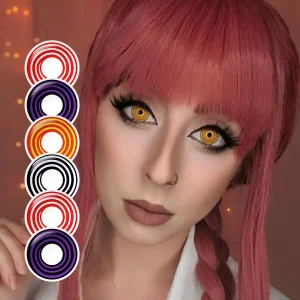
Every lens features a modern multi-curve edge contour that mirrors the natural geometry of the sclera and cornea. This profile aids tear circulation behind the lens, minimizing dry eye symptoms and boosting centration stability, which is essential for pattern alignment in theatrical or sharingan cosplay contact lenses.
| Parameter / Property | Standard Specification Range | Specialized / Prosthetic Range | Clinical Significance |
|---|---|---|---|
| Base Curve (BC) | 8.5mm - 8.6mm | Customizable 8.4mm - 8.8mm | Controls centration, corneal movement, and overall physical fit. |
| Diameter (DIA) | 14.0mm - 14.2mm | 14.5mm (Enlarging) | Determines coverage; larger options are ideal for visual enlarging effects. |
| Water Content | 38% - 42% (Nominal 40%) | Custom levels on demand | Provides equilibrium between lens durability and active hydration. |
| Material Composition | HEMA-based Hydrogel | Advanced Silicone Hydrogel (on-demand) | Dictates the baseline oxygen permeability of the lens matrix. |
| Manufacturing Process | Cast Molding / Wet-Casting | Lathe Cutting (Custom / Prosthetic) | Directly influences edge thickness uniformity and reproducibility. |
B2B buyers face distinct consumer demographics across the globe. Understanding these localized trends allows importers to fine-tune their purchasing allocations:
Step-by-step overview of our Shenzhen facility's 100% trace-monitored medical device assembly lines.
Ultra-precise optical mold insertion and verification.
Controlled dosage of hydrogel monomer under micro-filtration.
Thermal and UV-based curing cycles lock structural cross-linking.
Gentle extraction of the dry polymer matrix from molds.
Prolonged hydration cycle converts rigid polymer into soft hydrogel.
Precision robotic film suction centers lenses prior to testing.
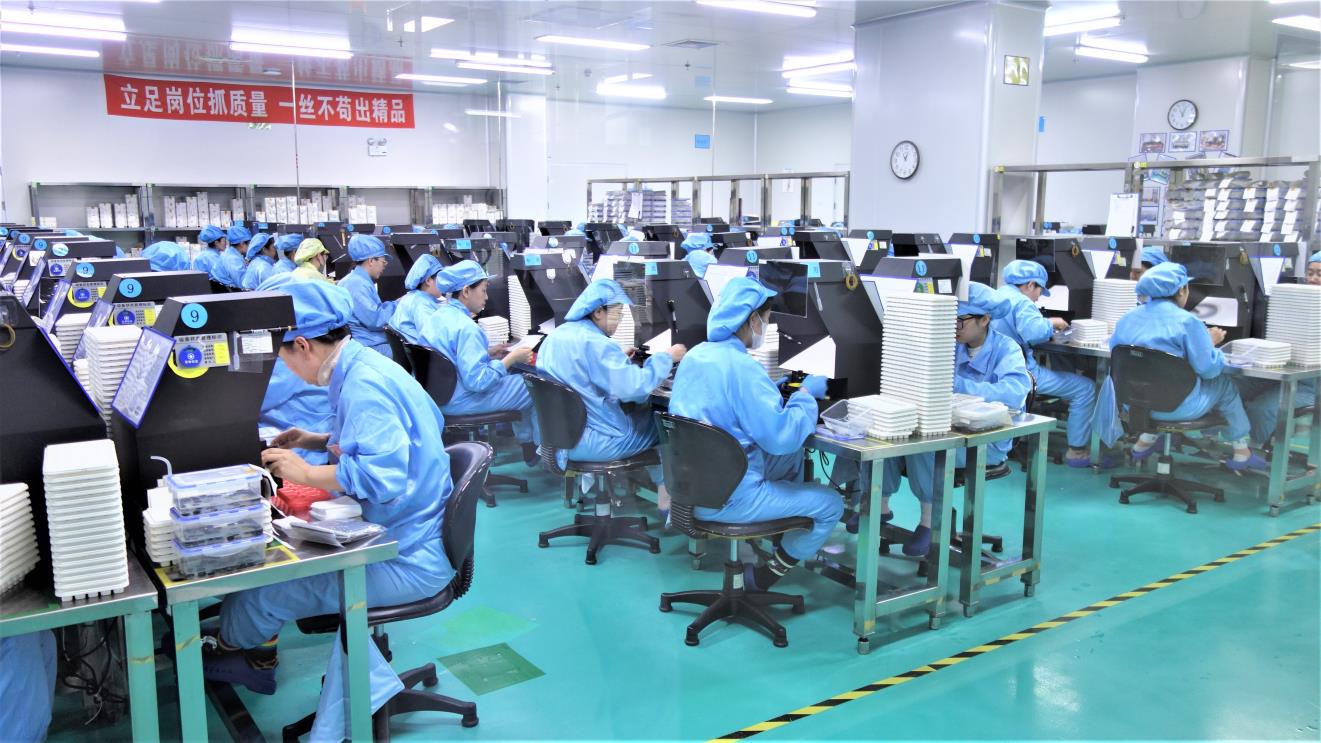
100% digital check for cosmetic flaws, bubbles, and edge defects.
Automated dispensing of buffered, isotonic saline solution.
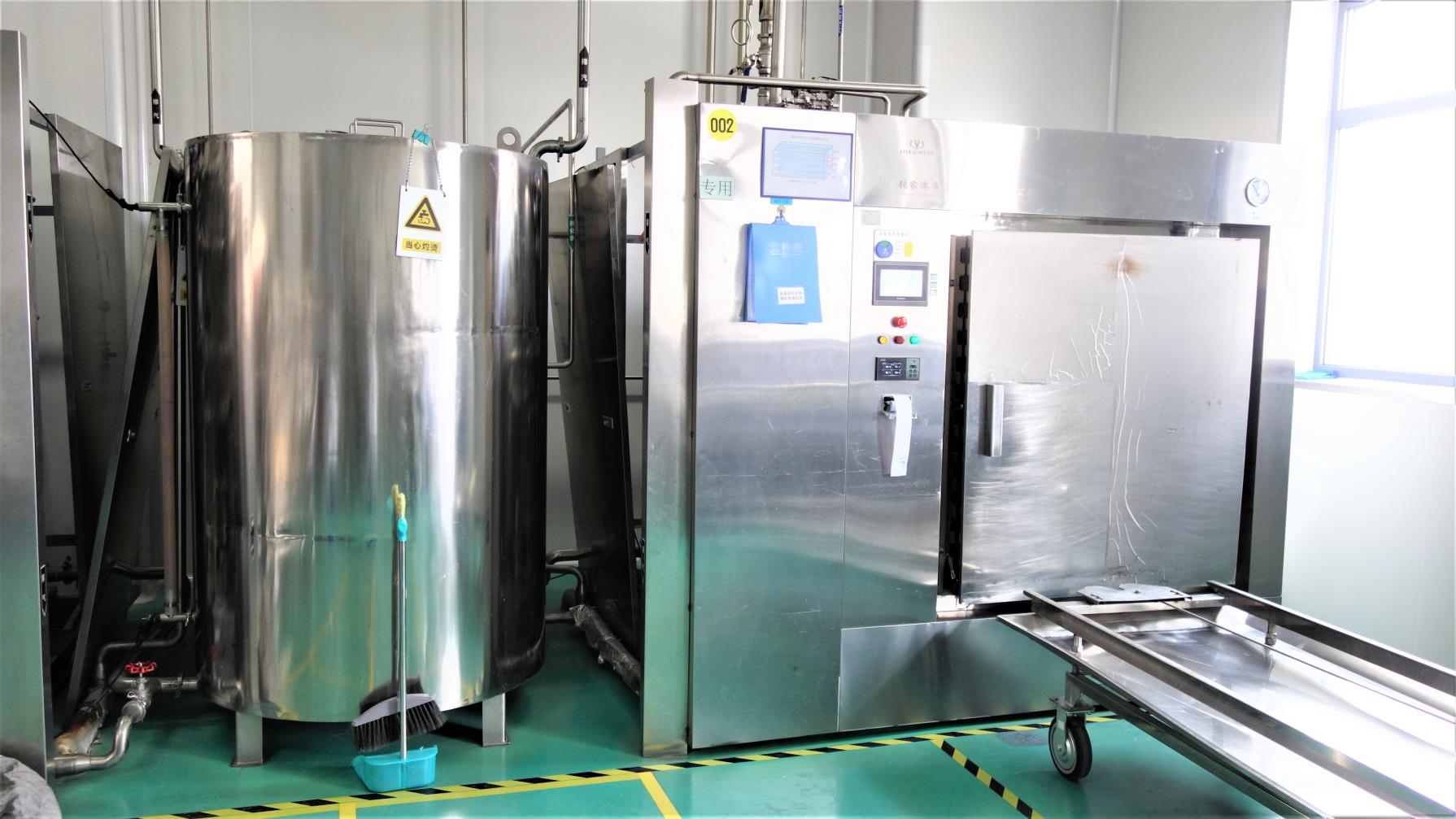
Autoclave cycles eliminate microbiological contaminants.
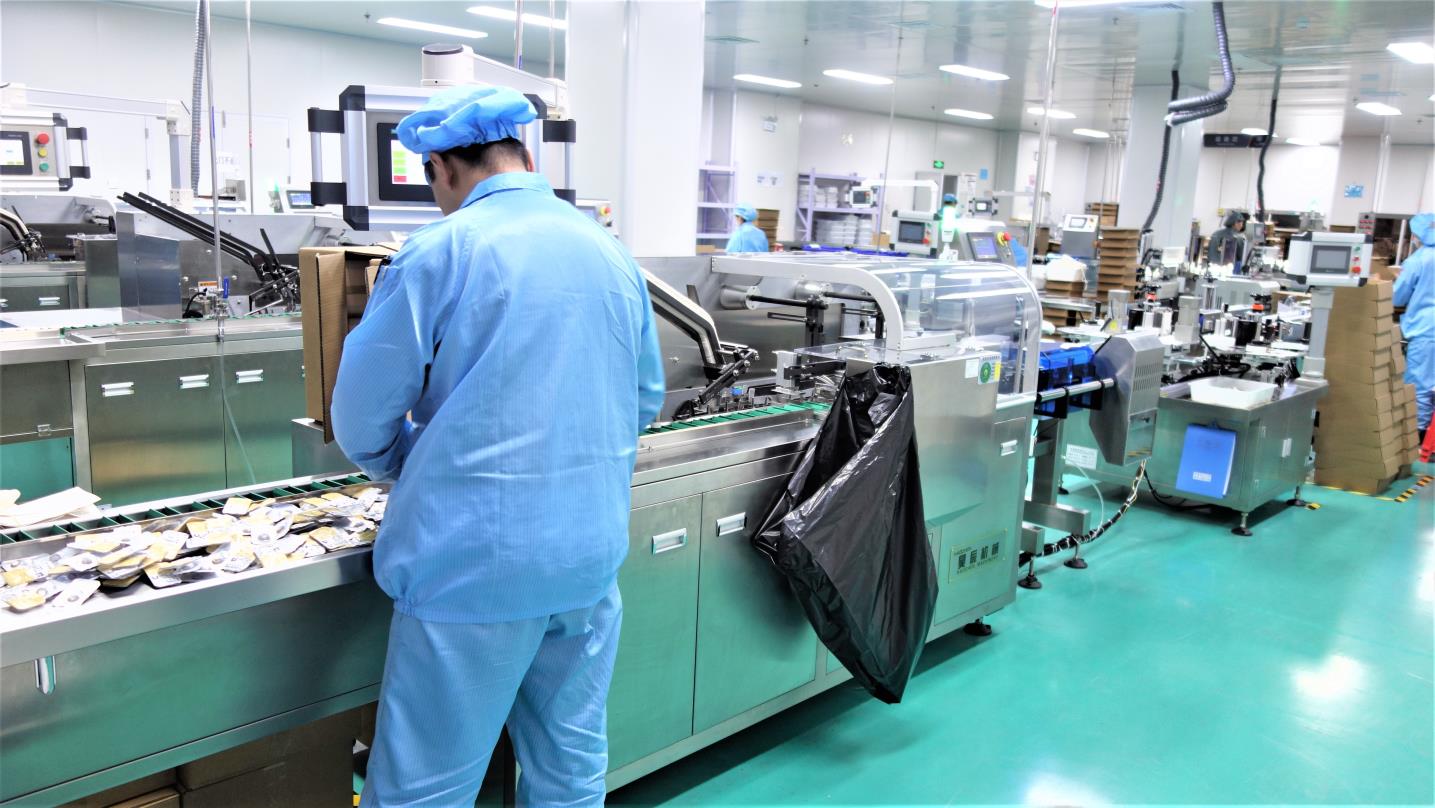
Hermetic foil sealing blocks microbial ingress during storage.
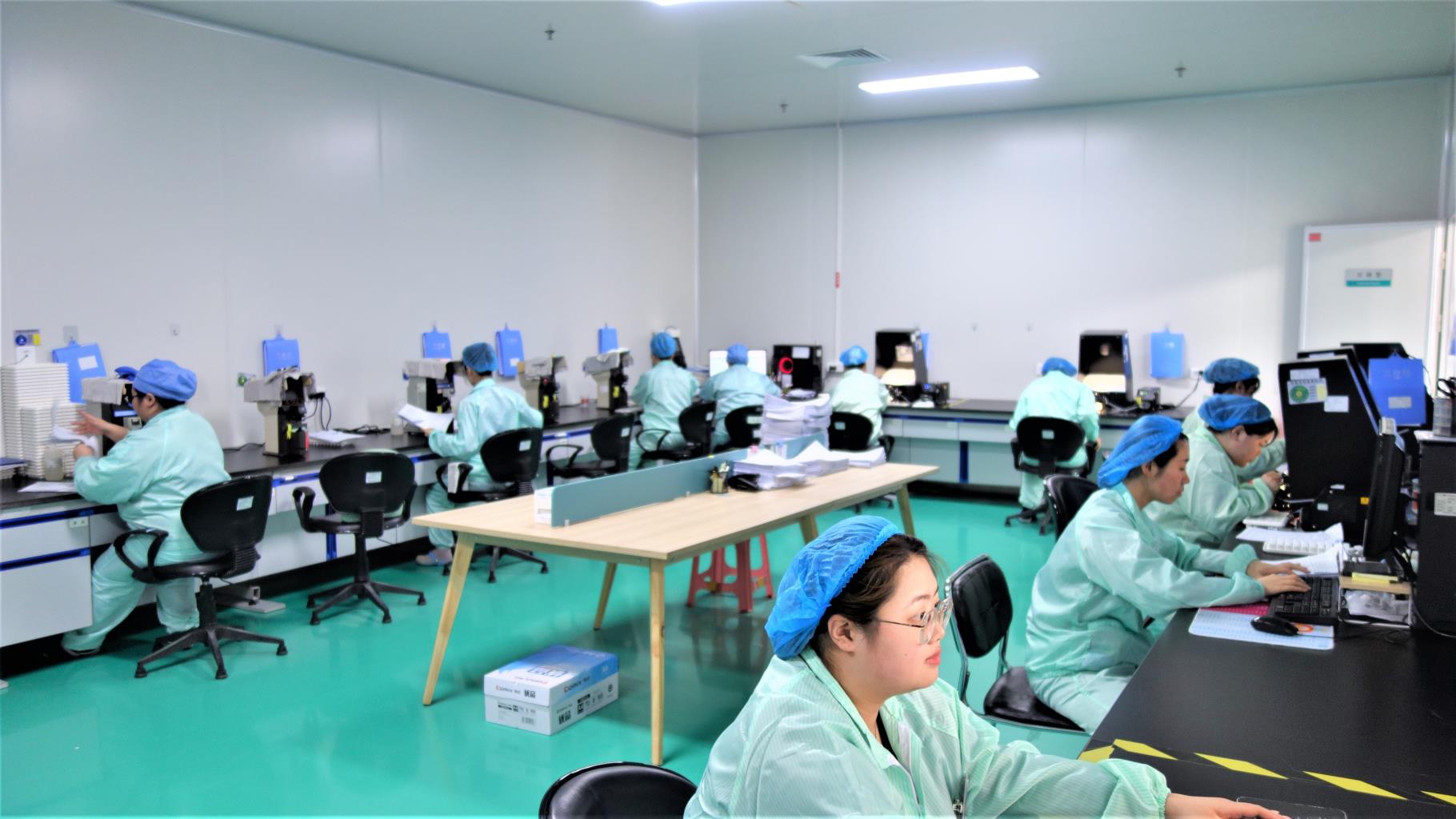
Comprehensive batch checks verify optical power, BC, and diameter.
Demoulding machines ensure minimal mechanical strain on raw shapes.
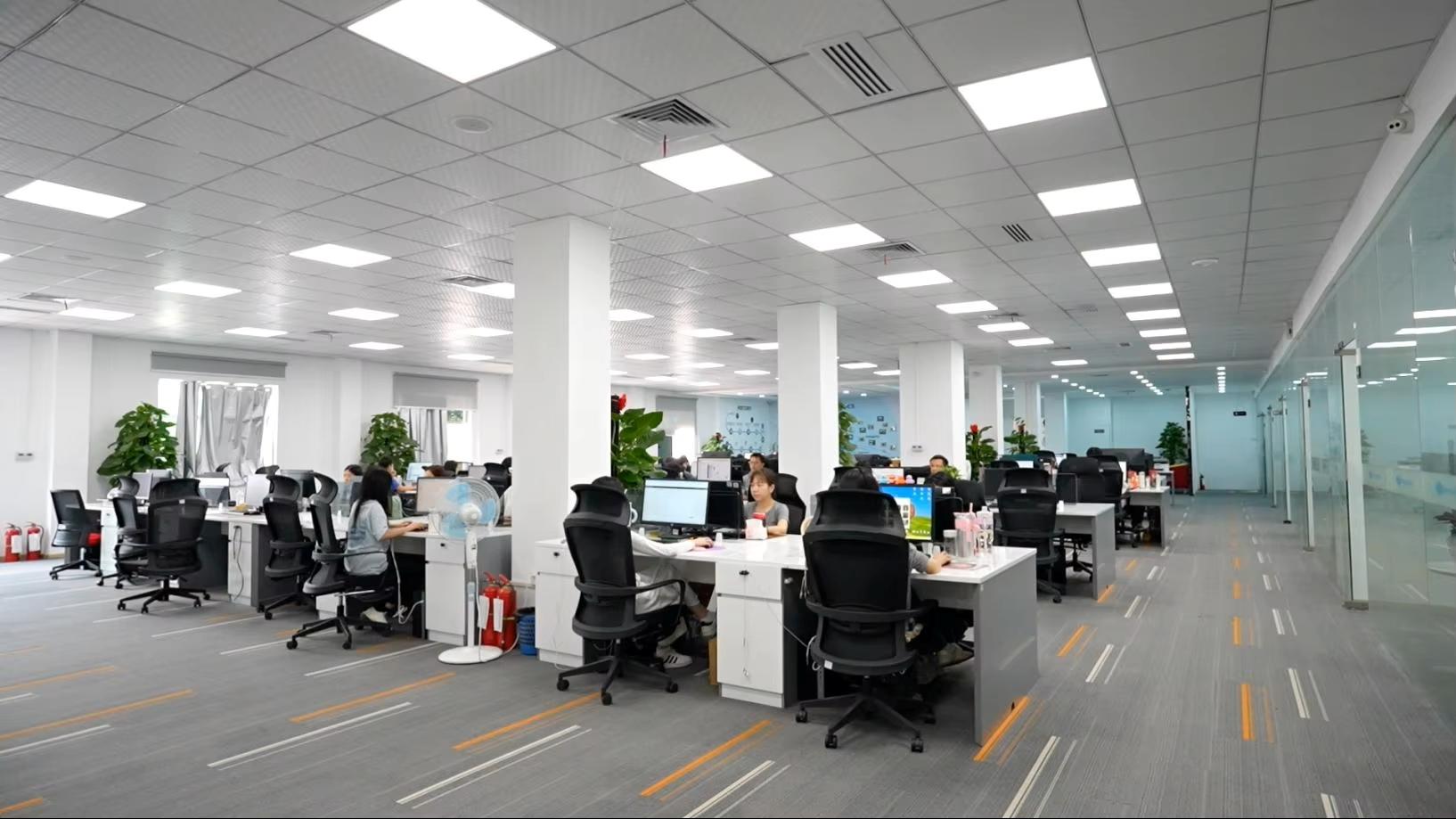
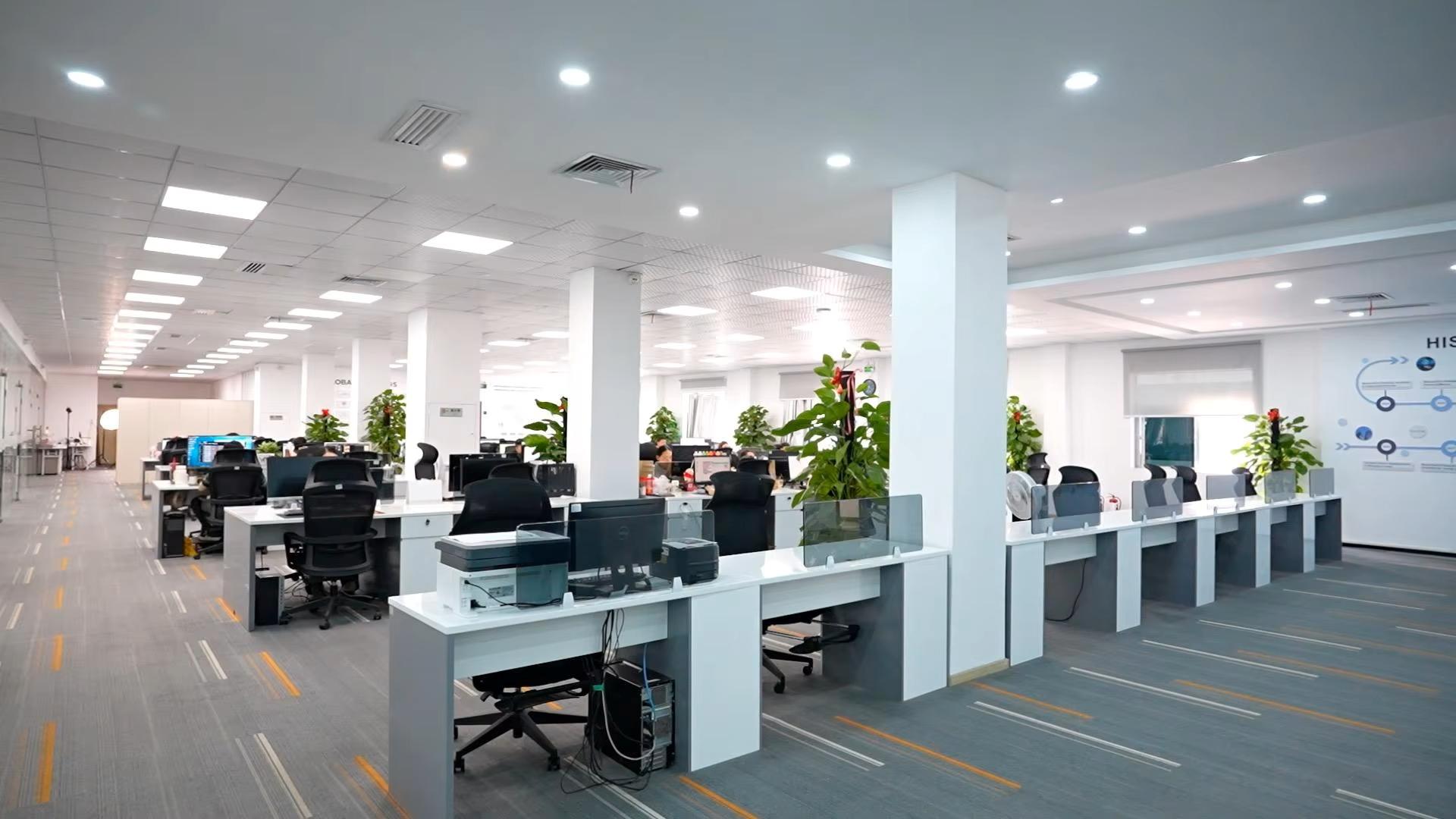
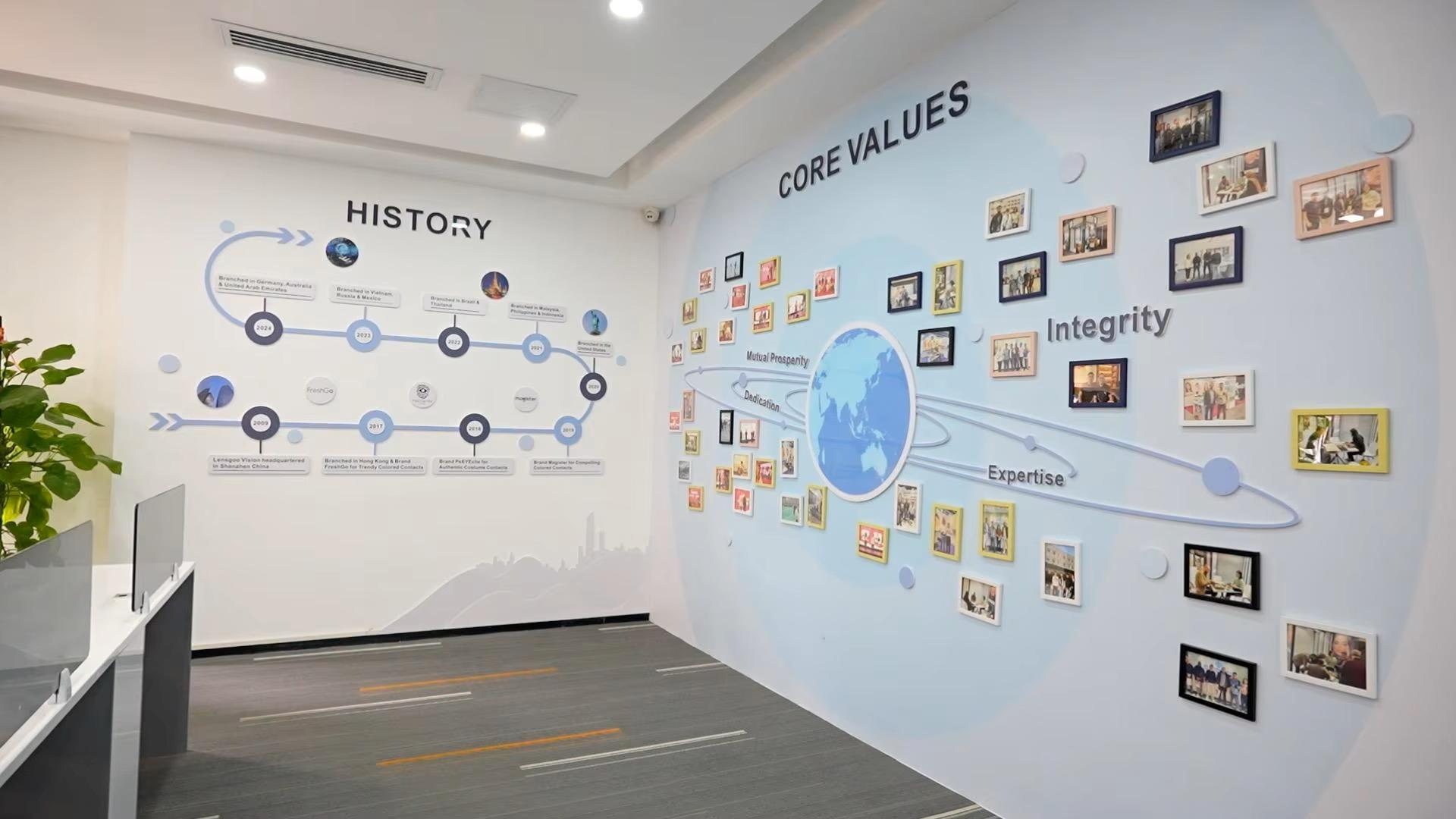
Established on January 26, 2016, Shenzhen Fresh Vision Co., Ltd. represents the modern intersection of advanced medical manufacturing and rapid B2B logistics. Operating out of an 1,100 square meter facility located within Shenzhen's industrial cluster, we capitalize on the region's unmatched electronics, materials, and automation technology supply chains.
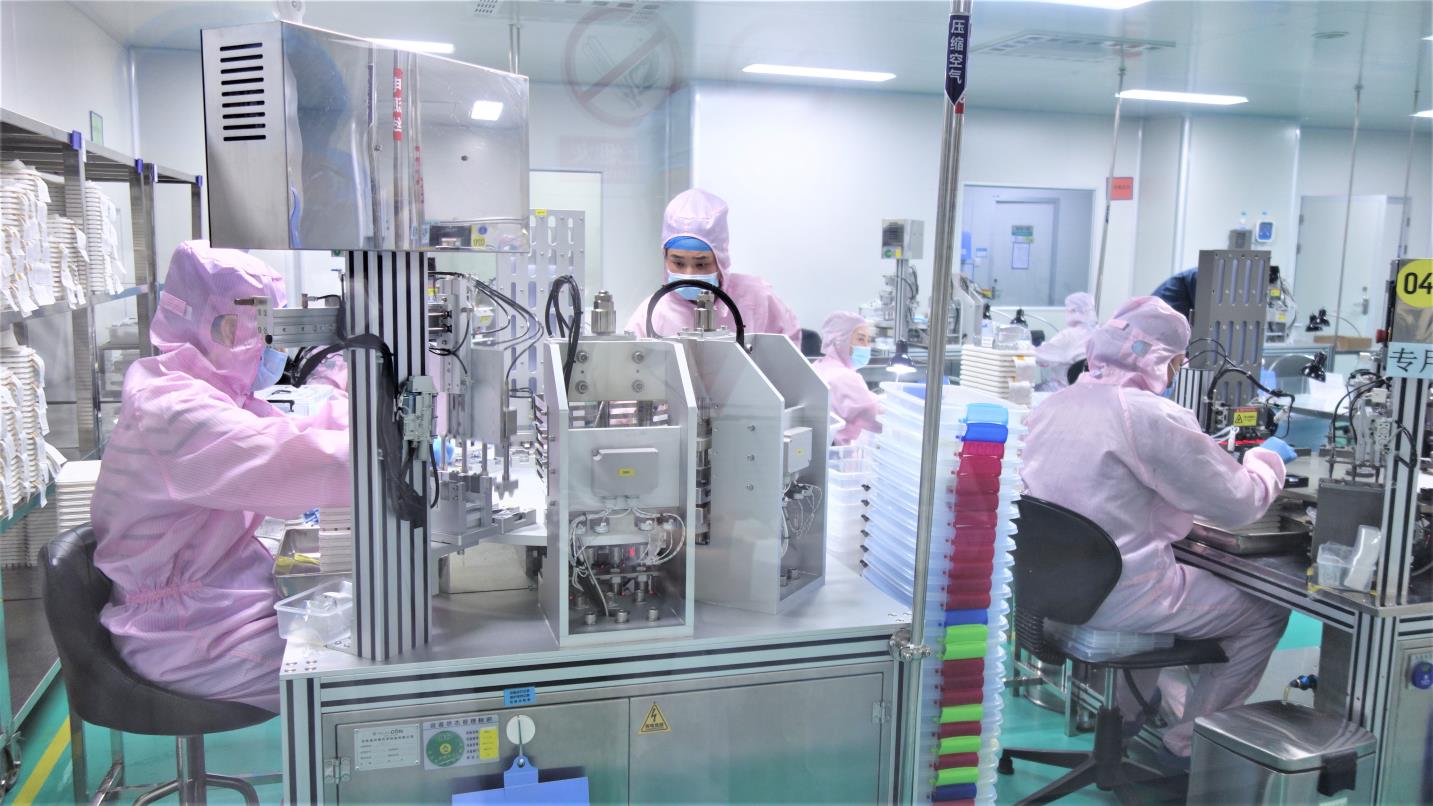
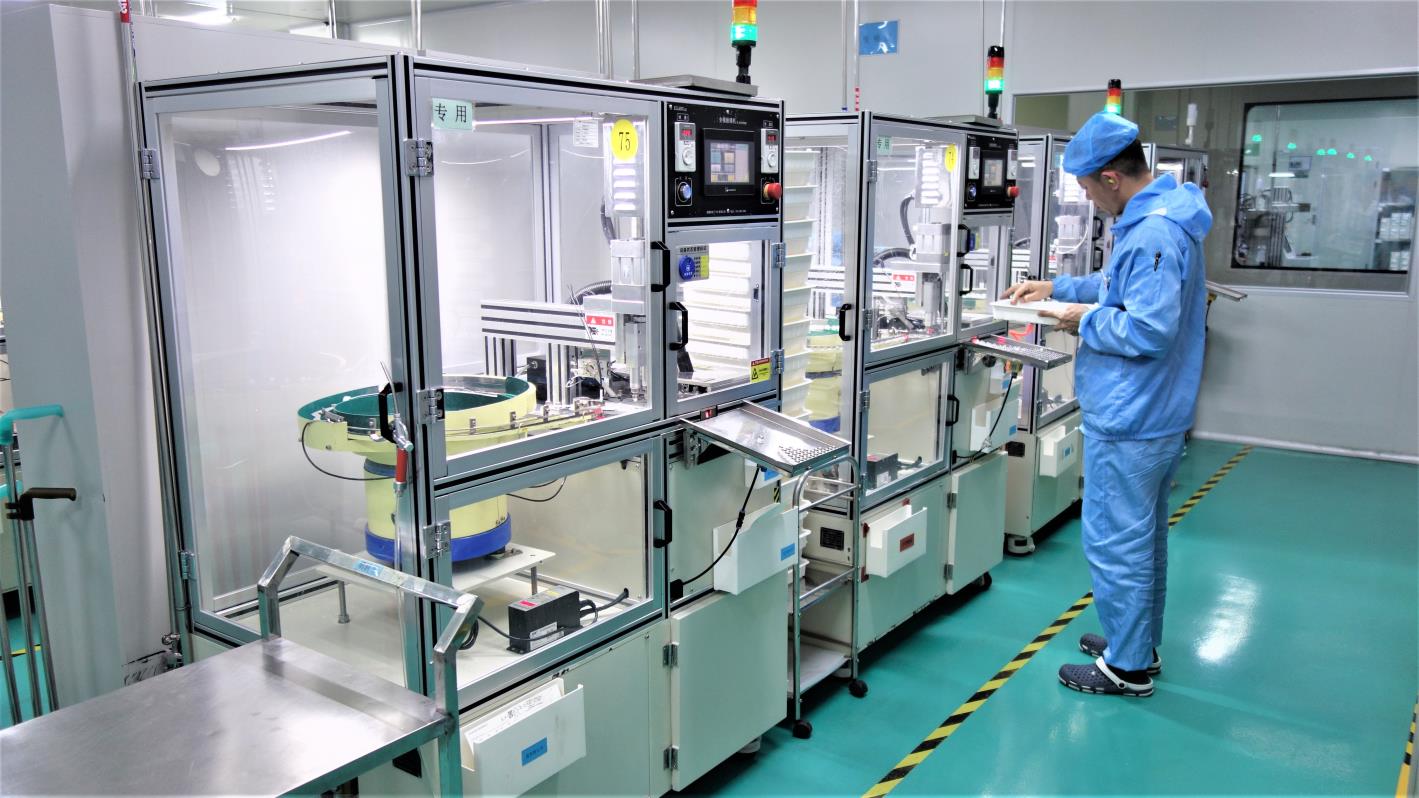
Our facility features automated machinery designed to maintain consistent output while minimizing human error:
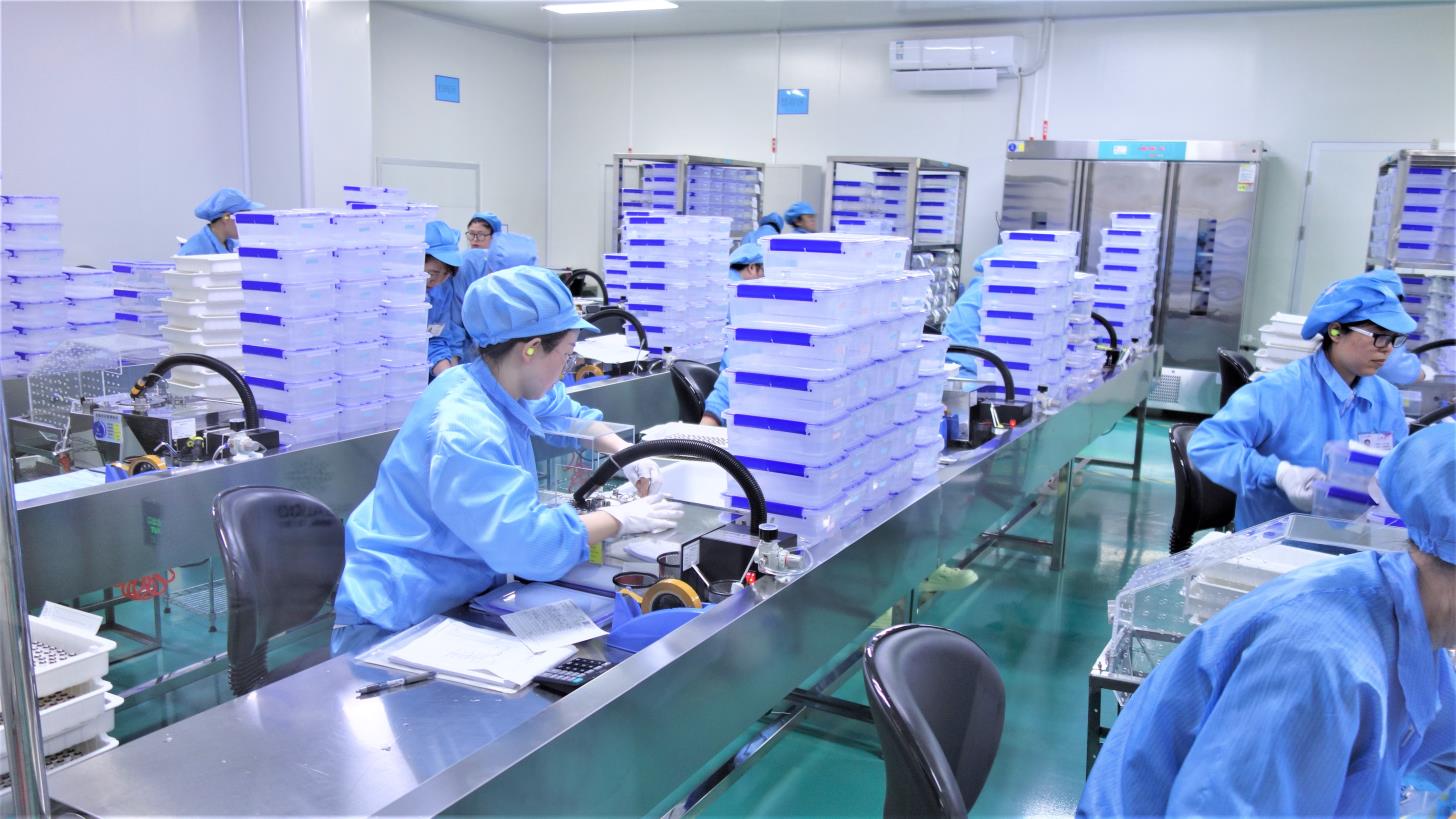
Our film suction systems isolate delicate polymer shapes without scratching their optical zones.
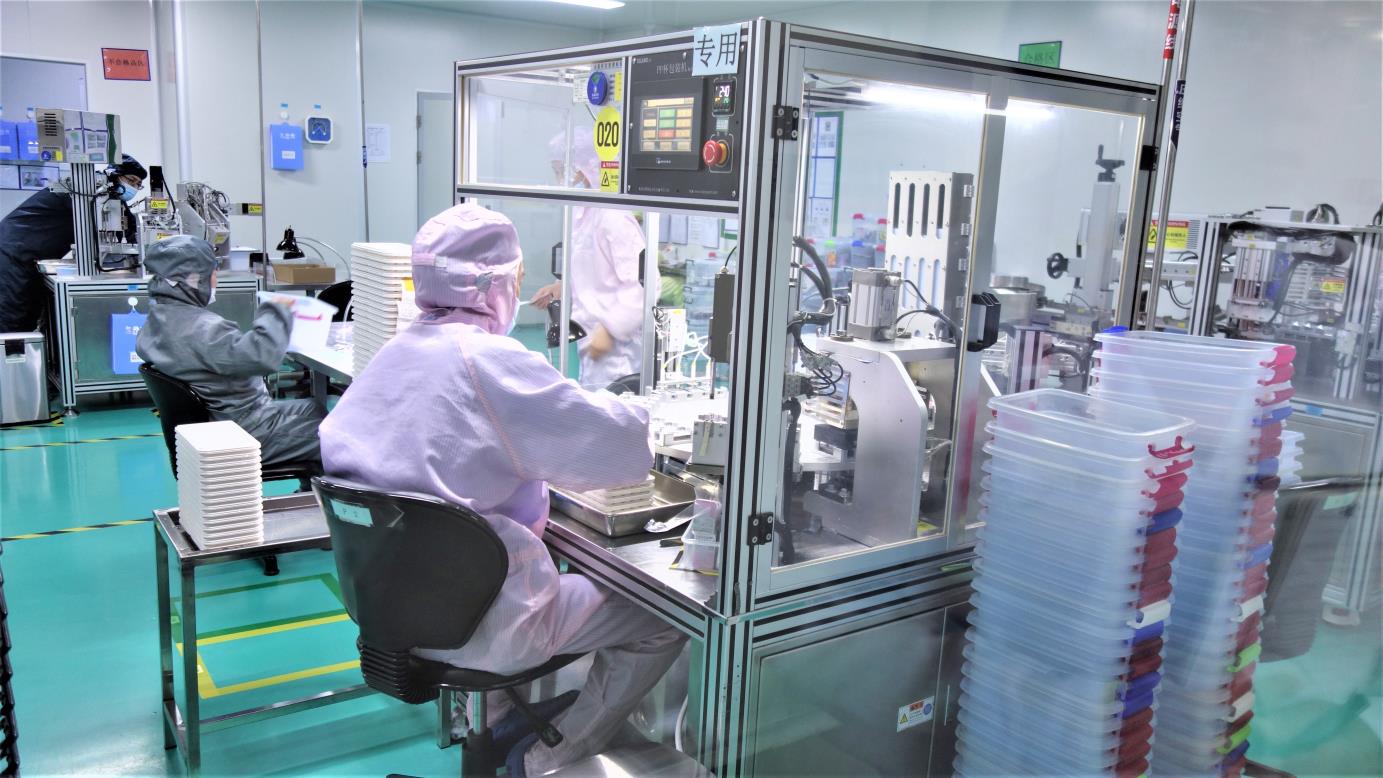
High-speed saline filling machines deposit isotonic formulations under Class 100 sterile hoods.
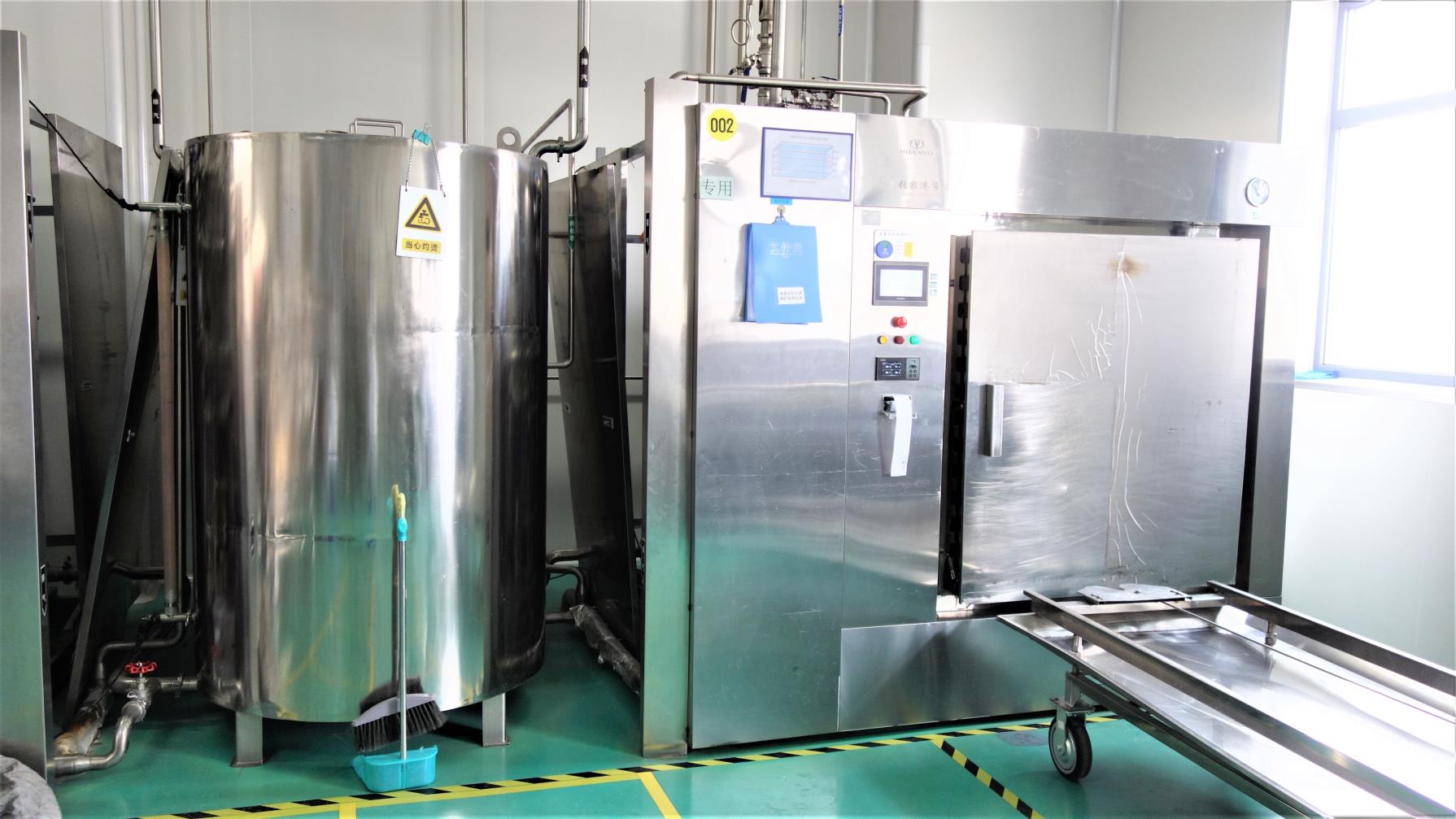
Industrial steam sterilization cabinets eliminate microbial threats before final quality checks.
Our R&D department comprises 5 specialized engineers (3 holding graduate degrees, 2 holding junior college credentials in optical physics and chemical formulation). This core team enables comprehensive customization options, including sample processing, graphic pattern development, and complete tailored product designs.
To verify compliance and ensure safety, we employ dedicated diagnostic tools to analyze every batch:
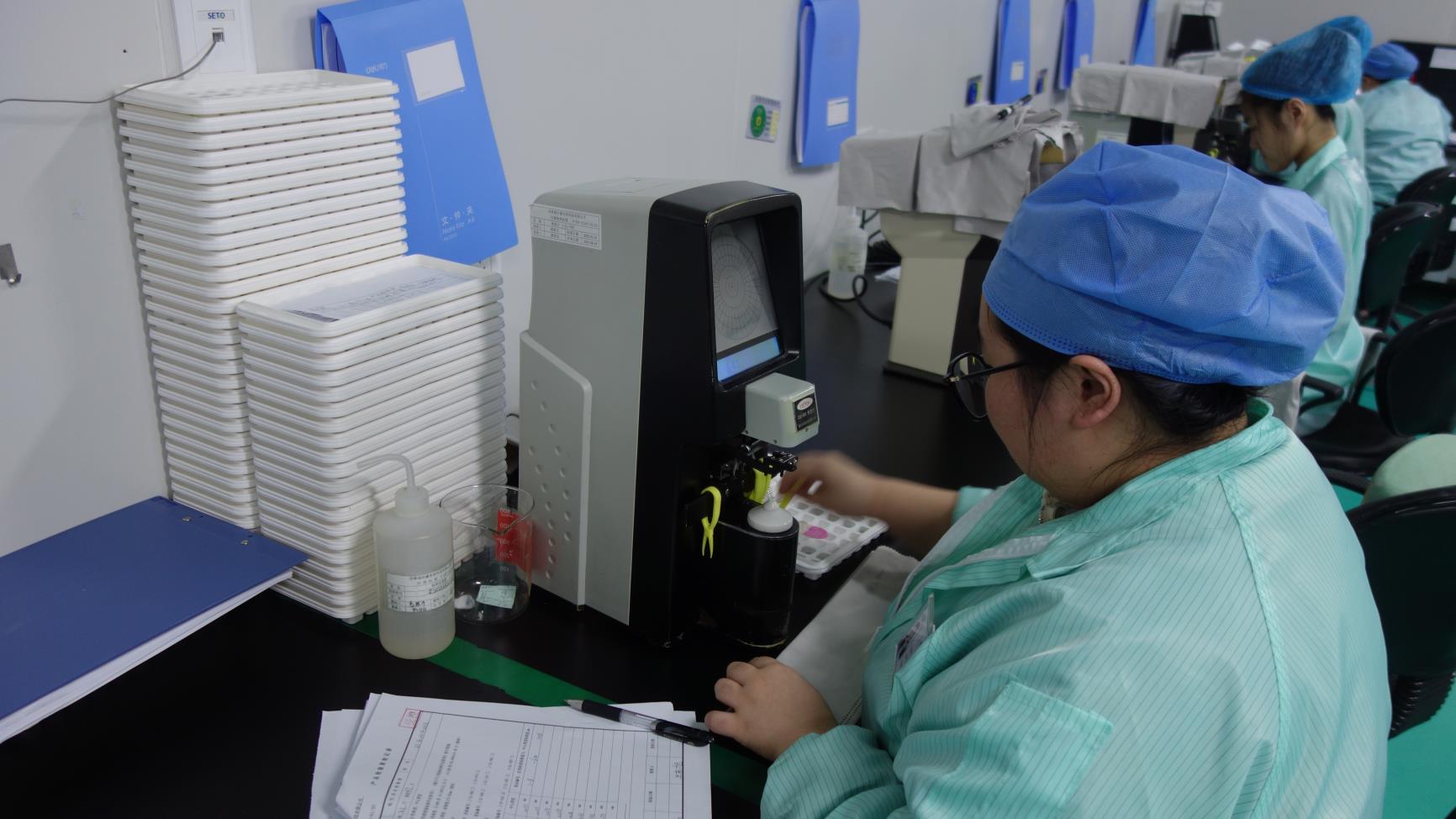
Measures exact spherical power and back focal length to ensure optical clarity.
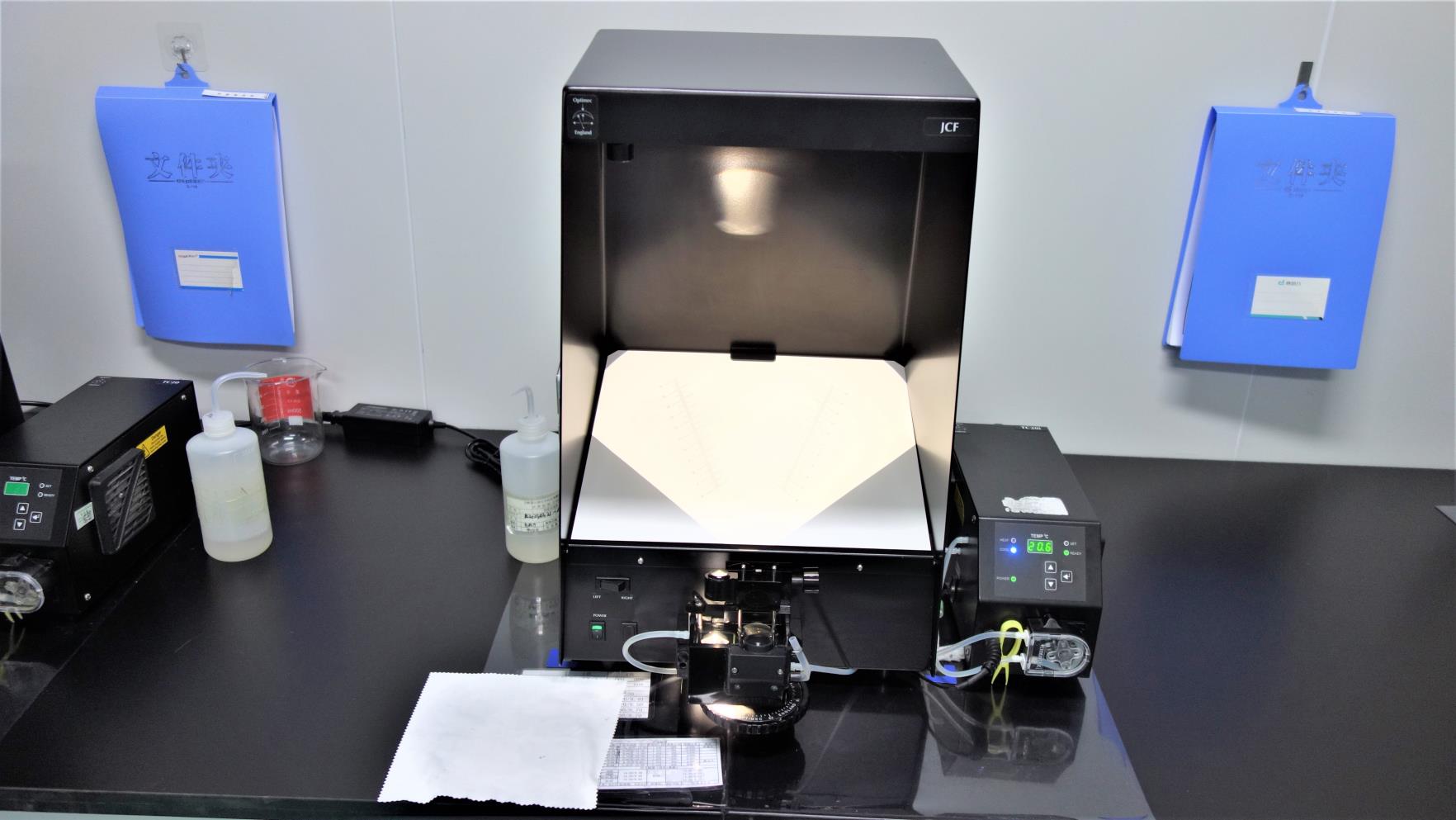
Projects scaled lens profiles to detect edge deformities or micro-tears.
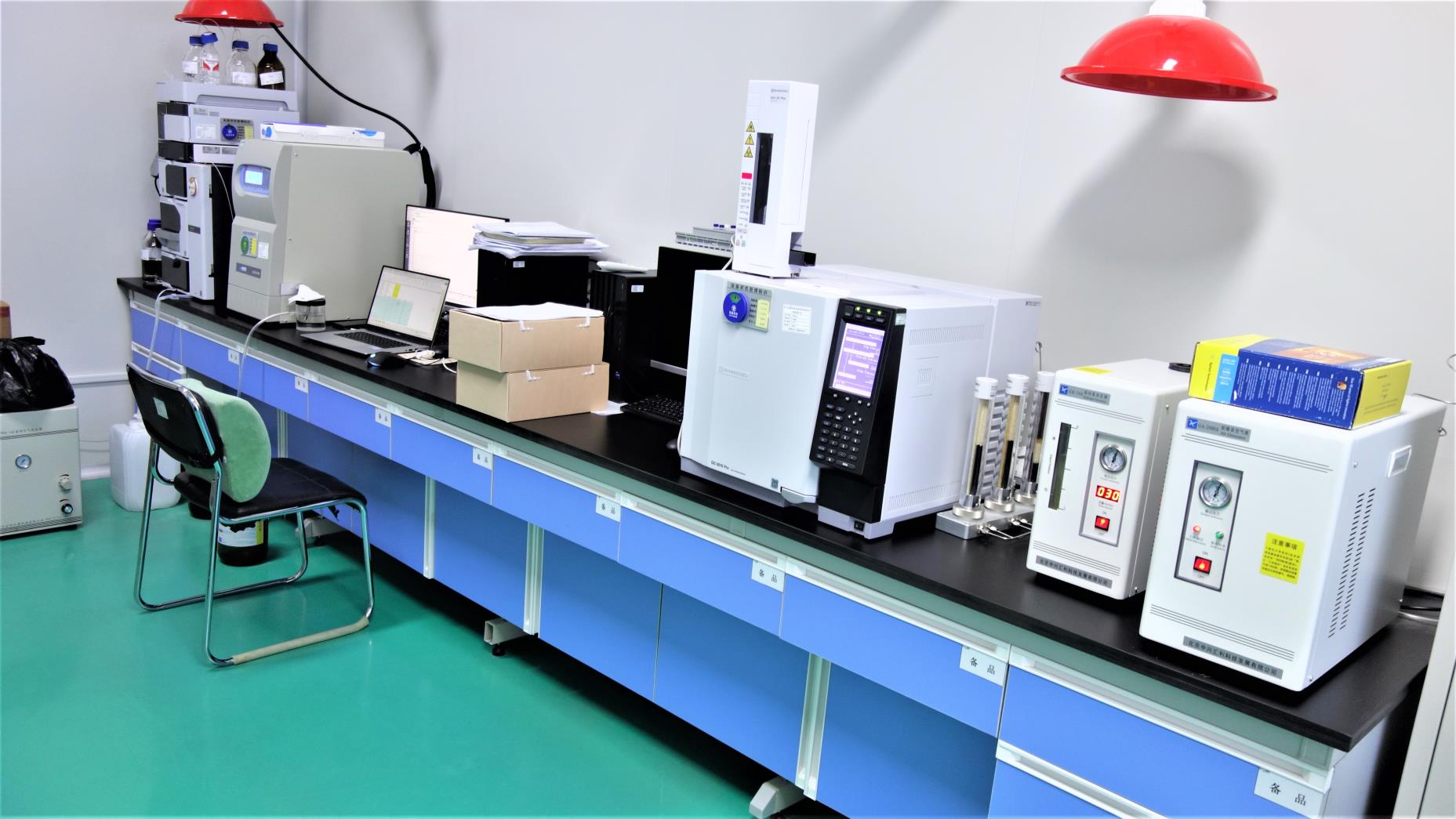
Analyzes pigment absorption bands, ensuring color layers do not bleed or absorb harmful radiation.
These quality assurance tools support 100% inline inspection, verifying that each lens matches the mechanical specifications required by international import standards.
The future of specialty contact lens manufacturing centers on two major pillars: enhanced biocompatibility and smart decorative technology.
Key questions answered by our engineering and export compliance teams.
We utilize a double-sandwich printing technology where the FDA-approved cosmetic color pigments are fully encapsulated between the inner and outer hydrogel layers. This ensures the pigment never makes direct contact with the ocular tissue, preventing irritation, scratching, or dye migration.
For OEM orders featuring custom graphic designs, the MOQ generally starts at 1,000 pairs per design, depending on the complexity of the art. We support custom base curves, diameter variations (e.g., 14.0mm to 14.5mm), and power ranges (plano to corrective prescriptions). Package design customization is also supported.
Our manufacturing occurs within a Class-100k cleanroom facility certified under ISO quality management guidelines. Lenses undergo automated steam sterilization cycles in industrial autoclave cabinets, ensuring a Sterility Assurance Level (SAL) of 10^-6 before final packaging.
Based in Shenzhen, we utilize a highly integrated domestic materials network. For international shipping, we maintain partnerships with key transport hubs and operate dispatch arrangements via warehouses in Spain and France. This allows us to offer swift delivery options directly to European Union countries, bypassing customs delays.
Yes, we support full traceability for all raw materials. From monomer sourcing to pigment lots and foil packaging materials, each production run is assigned a unique batch code. This allows us to track material components down to the original supplier in the event of quality reviews.
We offer pre-production samples for evaluation. Quality claims are handled through our OQC department, which reviews retention samples from the corresponding batch. If any variance is confirmed, replacements are shipped under our B2B warranty terms.
Broaden your portfolio with our prescription-ready, natural-color, and specialty theatrical lines.