Prescription Lenses Factories & Exporters

High-Yield Optical Manufacturing, Advanced Cast Molding Automation, and Global OEM/ODM Distribution Frameworks for Certified Corrective Contact Lenses.

1. The Global Landscape of Prescription Lens & Contact Lens Export

Analyzing structural demand, regulatory standards, and spatial clusters in corrective ocular lens manufacturing.

The global corrective vision industry is undergoing an unprecedented technological transformation. As digital device usage increases worldwide, optical correction demand is skyrocketing. Once considered purely clinical devices, prescription contact lenses now intersect with cosmetic enhancements. This hybrid demand has catalyzed a high-growth market segment: corrective contact lenses with power, ranging from minor myopia control to complex multi-focal designs. Global business enterprises, retail chains, and D2C brands require reliable manufacturing partners capable of combining scientific precision with efficient production schedules.

International sourcing of prescription contact lenses requires navigating a complex regulatory landscape. Exporting these class II and class III medical devices requires adherence to international quality management guidelines. Importers in major consumption hubs such as North America, Europe, and the Middle East rely heavily on certified suppliers. Compliance with regulatory standards such as ISO 13485 (Medical Devices Quality Management Systems), the European CE Mark, and FDA registrations represents the baseline barrier to entry for any exporter aiming to serve global distribution networks.

10+
Years of Exporting Excellence
1,100㎡
Modern Production Facility Area
100%
Traceability of Raw Materials
25%
North American Market Share

Within this globalized supply chain, manufacturers located in southern China's industrial zones, particularly in Shenzhen, have emerged as primary sourcing partners. These facilities offer an efficient combination of specialized engineering expertise, advanced automation, and established raw material supply lines. By integrating high-precision mold fabrication, automated injection curing, and rigorous quality check protocols, these factories provide global brands with cost-efficiency, reliable quality, and customizable packaging solutions.
2. The End-to-End Production Process of Contact Lenses

An inside look at our advanced manufacturing workflow, highlighting automated processes and quality gates.

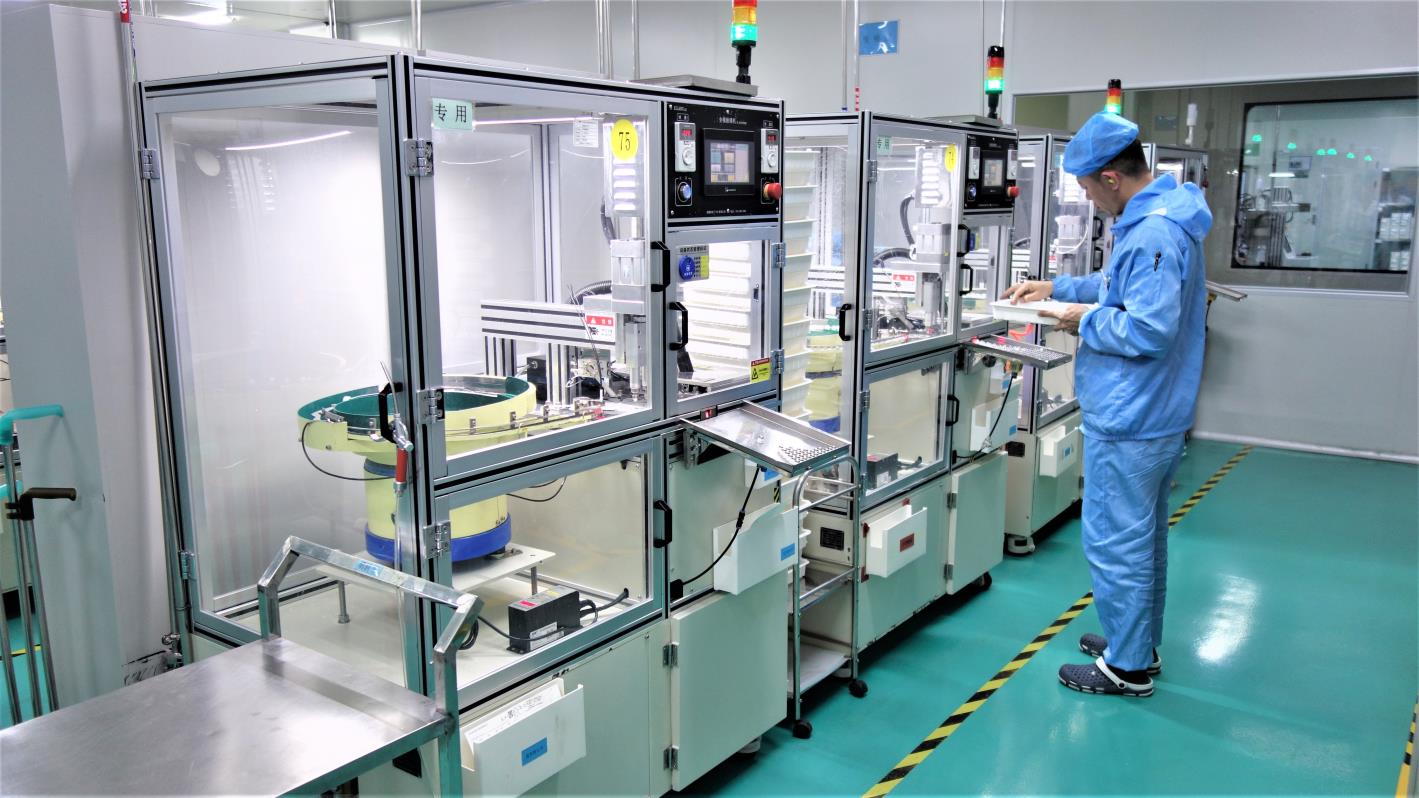
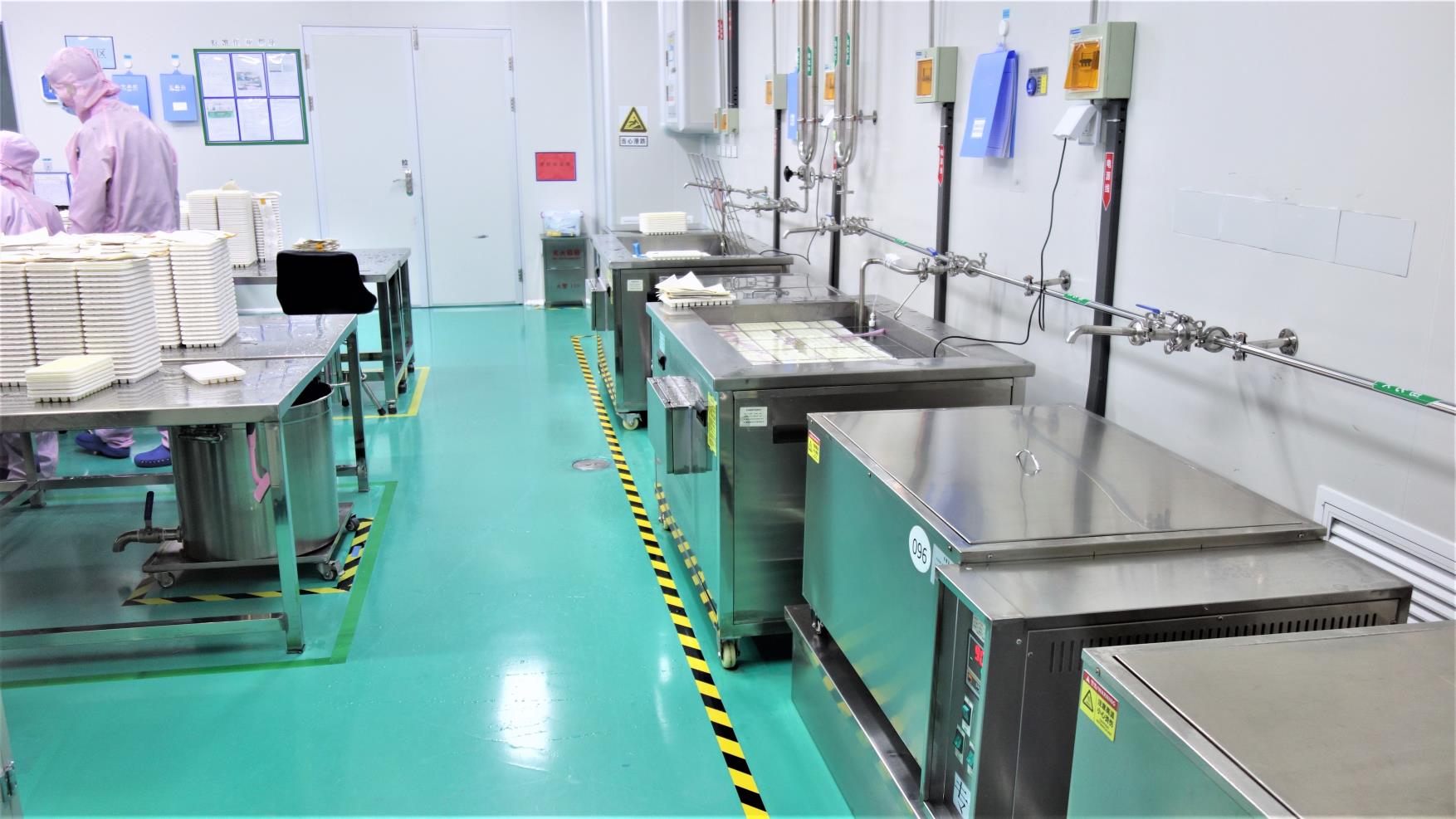
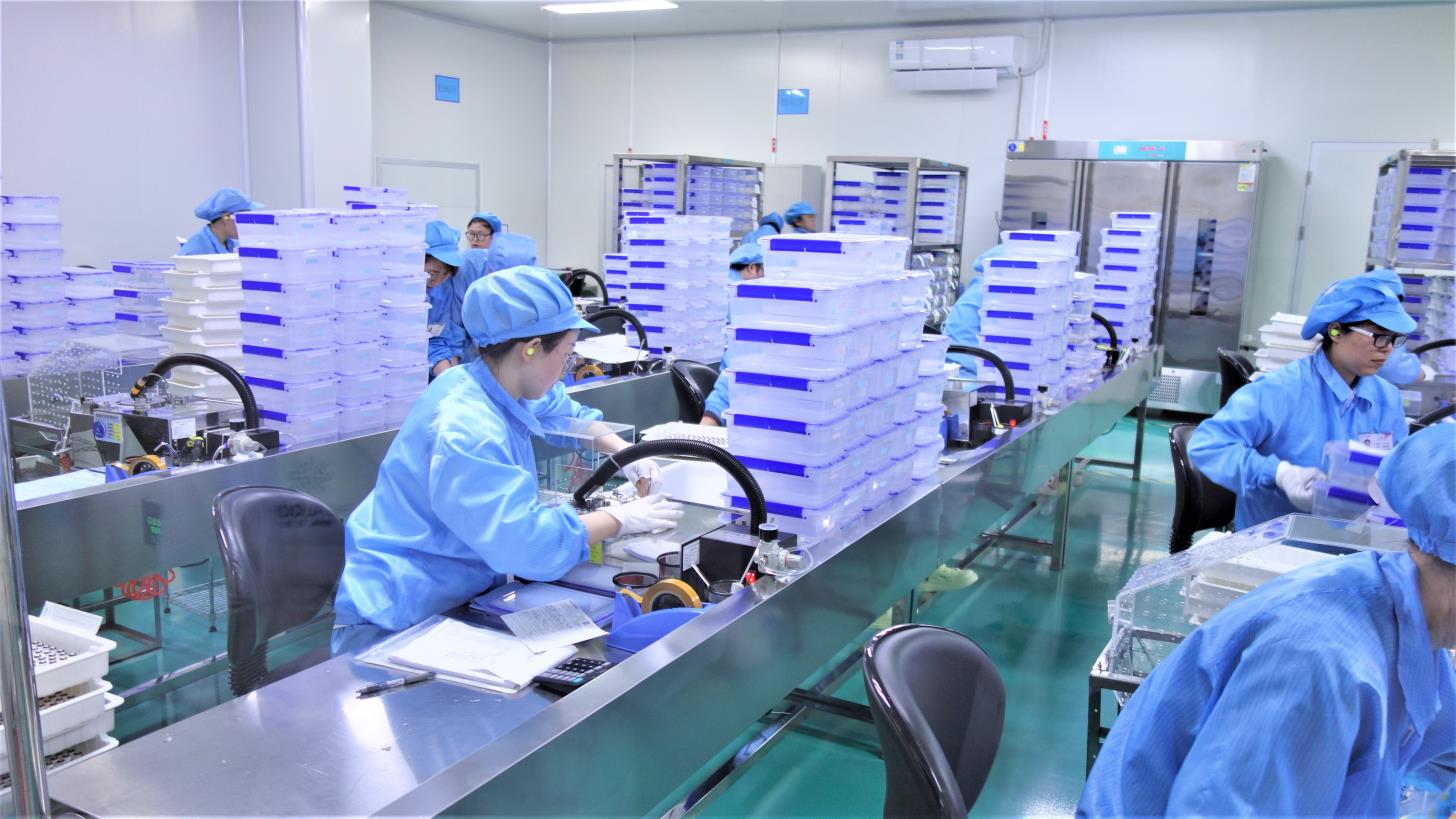
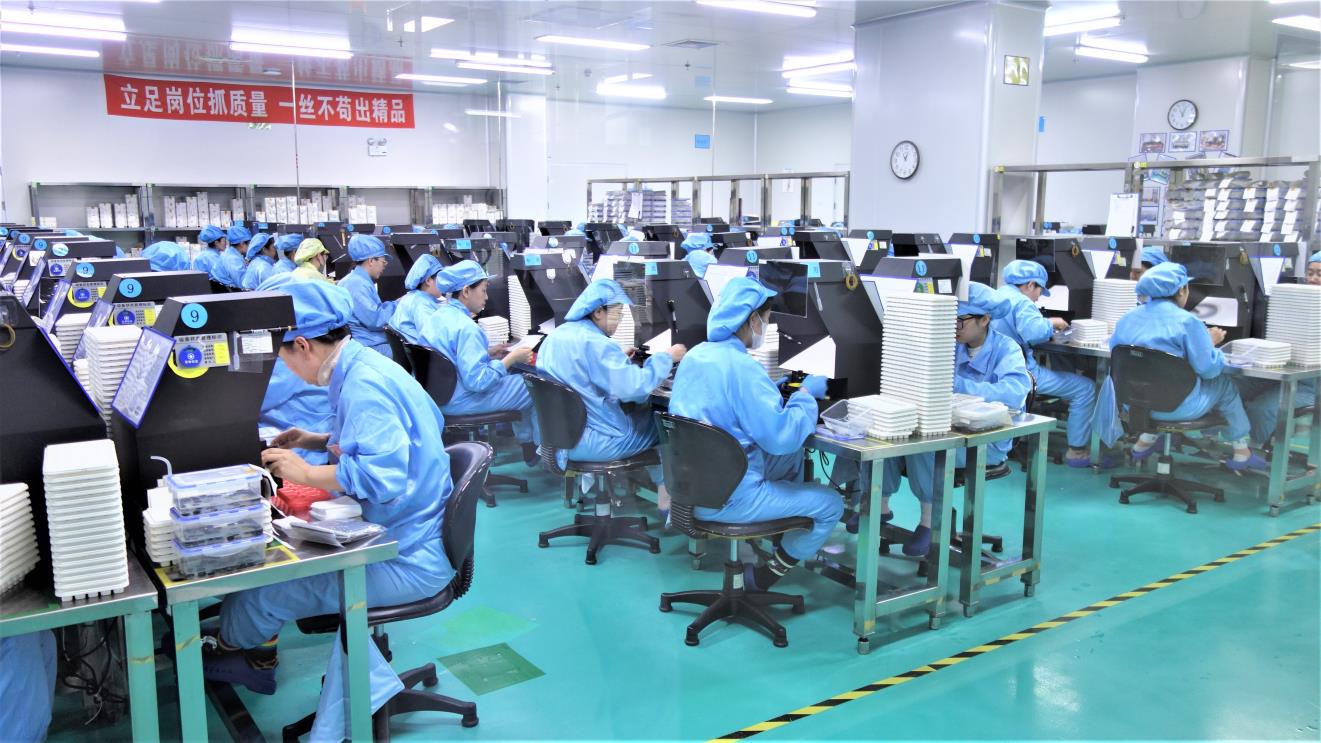
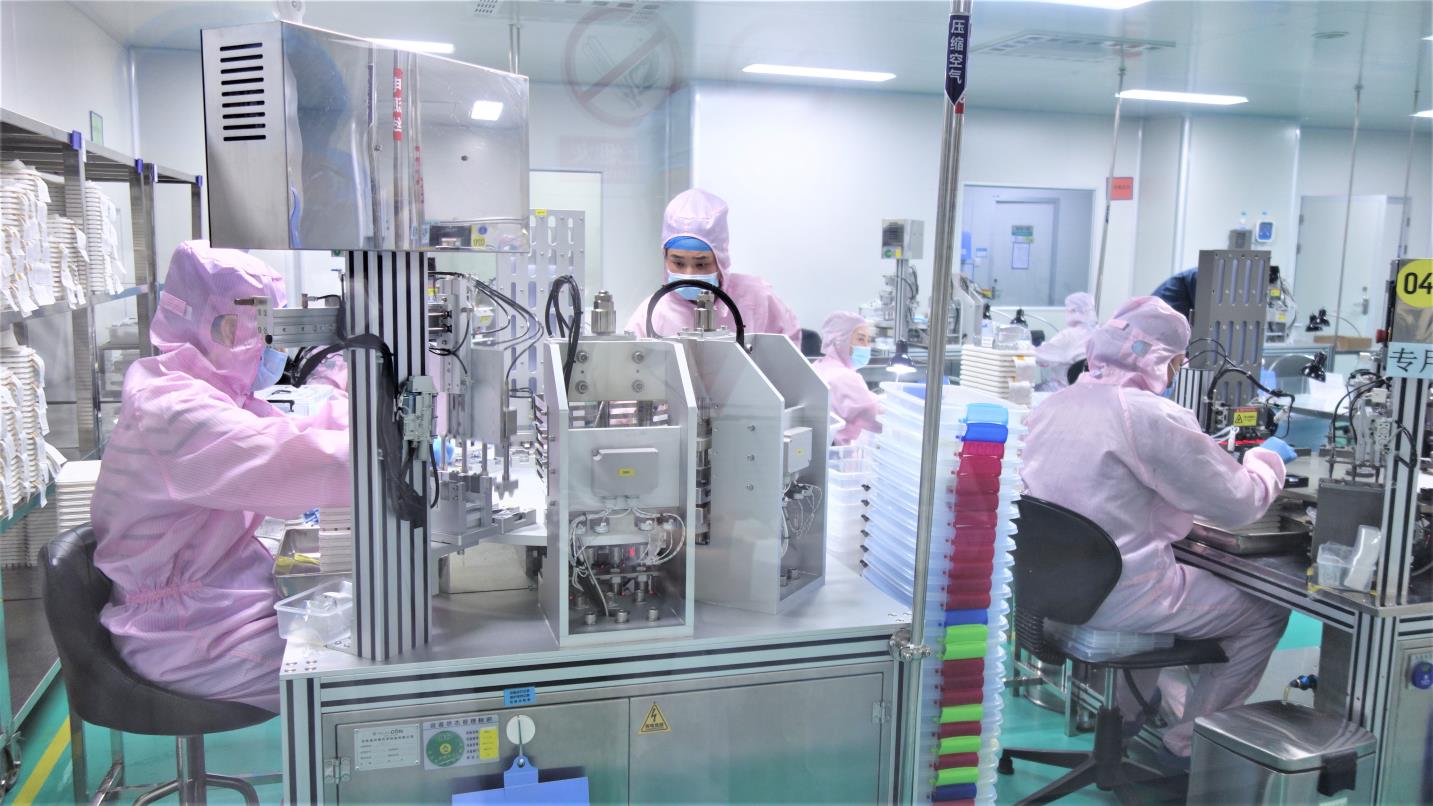
Producing corrective soft contact lenses is a highly technical, multi-step process. High-precision manufacturing is essential to prevent microscopic defects that could cause ocular irritation. The production workflow combines advanced polymer chemistry with high-speed automation. Below, we document each key stage of production, demonstrating our commitment to quality at every step.

Molding Stage
1. Precision Molding

Injecting liquid prepolymers into high-precision optical molds to shape the lens base and corrective curves.

Thermal Curing
2. Controlled Curing

Exposing the liquid monomer mixture to UV or thermal energy profiles to initiate polymerization.

Hydration process
3. Hydration & Equilibration

Extracting impurities and hydrating the polymerized material to achieve correct water content and shape.

Demoulding
4. Automated Demoulding

Separating the cured lens from the male and female mold halves without causing micro-tears.

Soak and disinfect
5. Soak & Disinfect

Purifying lenses in sterile saline solutions to stabilize their dimensions and prepare them for packaging.

Film Suction
6. Film Suction Transfer

Using automated suction systems to transport fragile lenses between process lines without physical contact.

Inspecting
7. Optical Inspection

Inspecting lenses for edge quality, surface defects, and corrective accuracy under magnification.

Filling
8. Automated Filling

Dispensing buffered saline solution into blisters to ensure stability throughout the shelf life.

Sterilization
9. Steam Sterilization

Autoclaving sealed lenses at elevated temperatures to guarantee complete sterility.

Packing
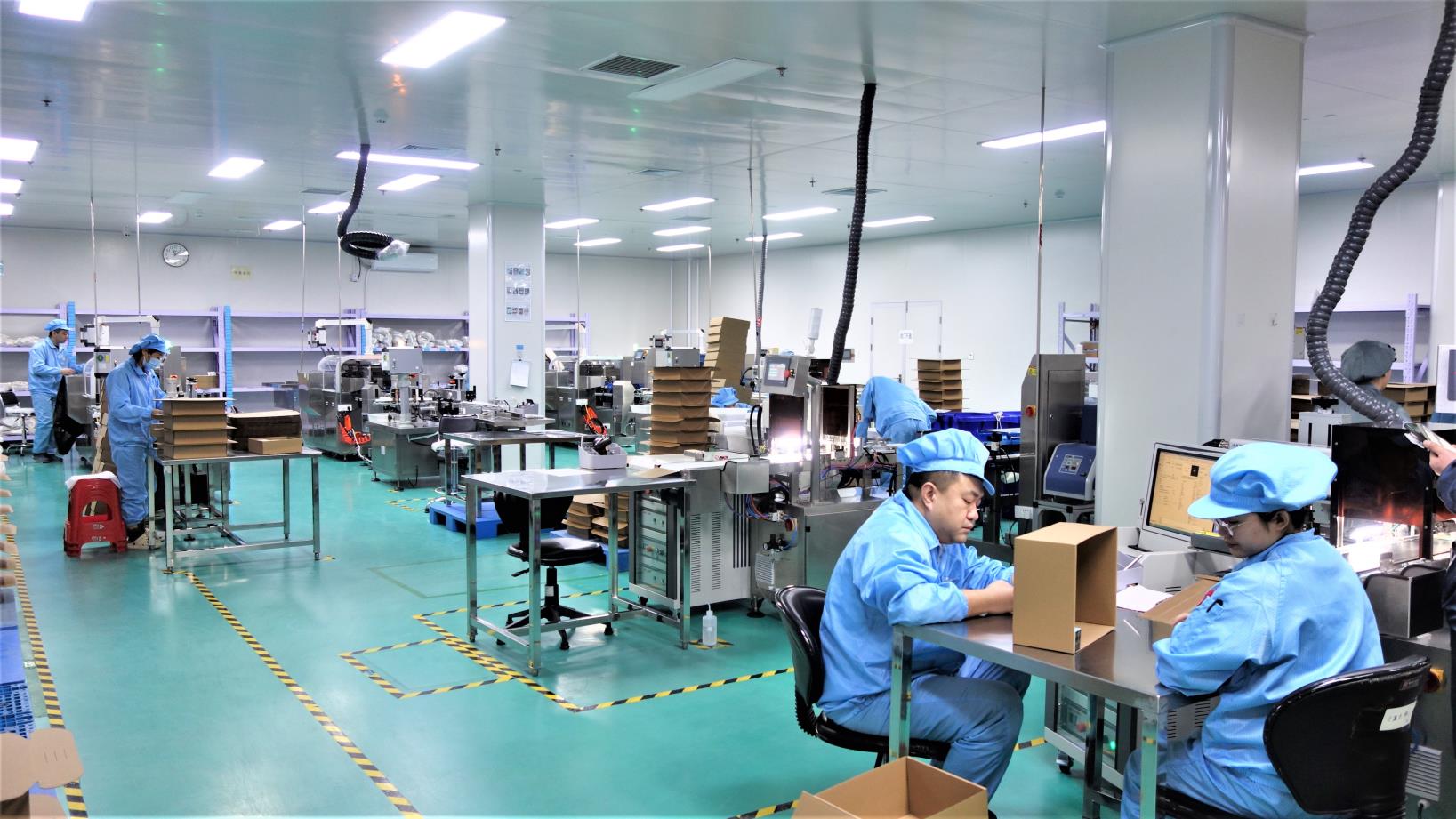
10. Sealing & Packaging

Applying foil layers and printing batch codes to complete the packaging process.

OQC
11. Outgoing Quality Control

Performing physical testing, documentation audits, and final product release verification.

This modular process is managed using computerized systems that record performance metrics in real-time. By automating critical steps such as demoulding, solution filling, and laser-guided visual inspection, we maintain cleanroom standards and improve overall production yield. This controlled manufacturing environment ensures consistent quality, even during high-volume production runs.

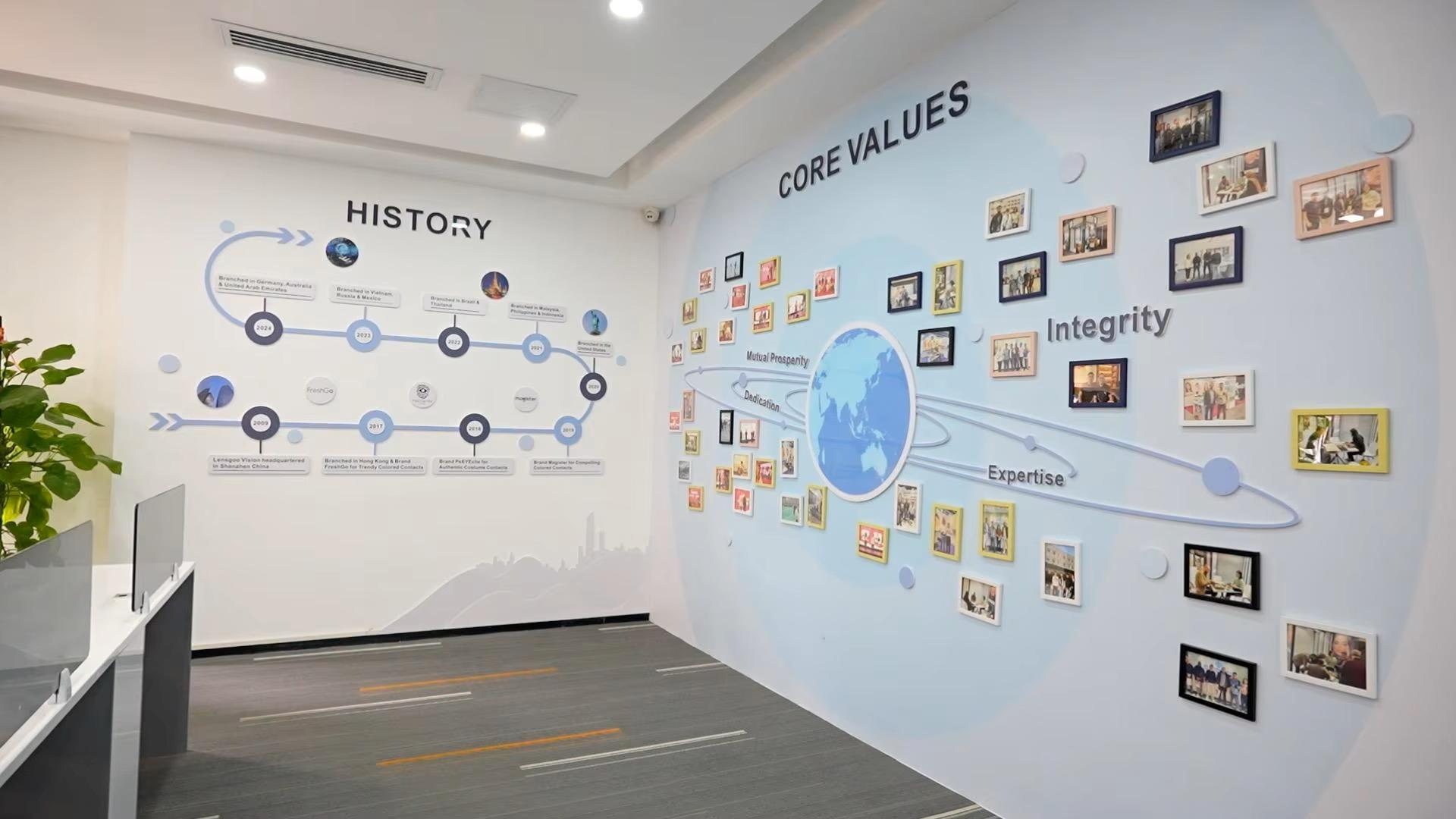
3. Shenzhen Fresh Vision Co., Ltd. - Factory Profile & Operations

Established in 2016, our facility is engineered to deliver high-performance optical products to global distributors.

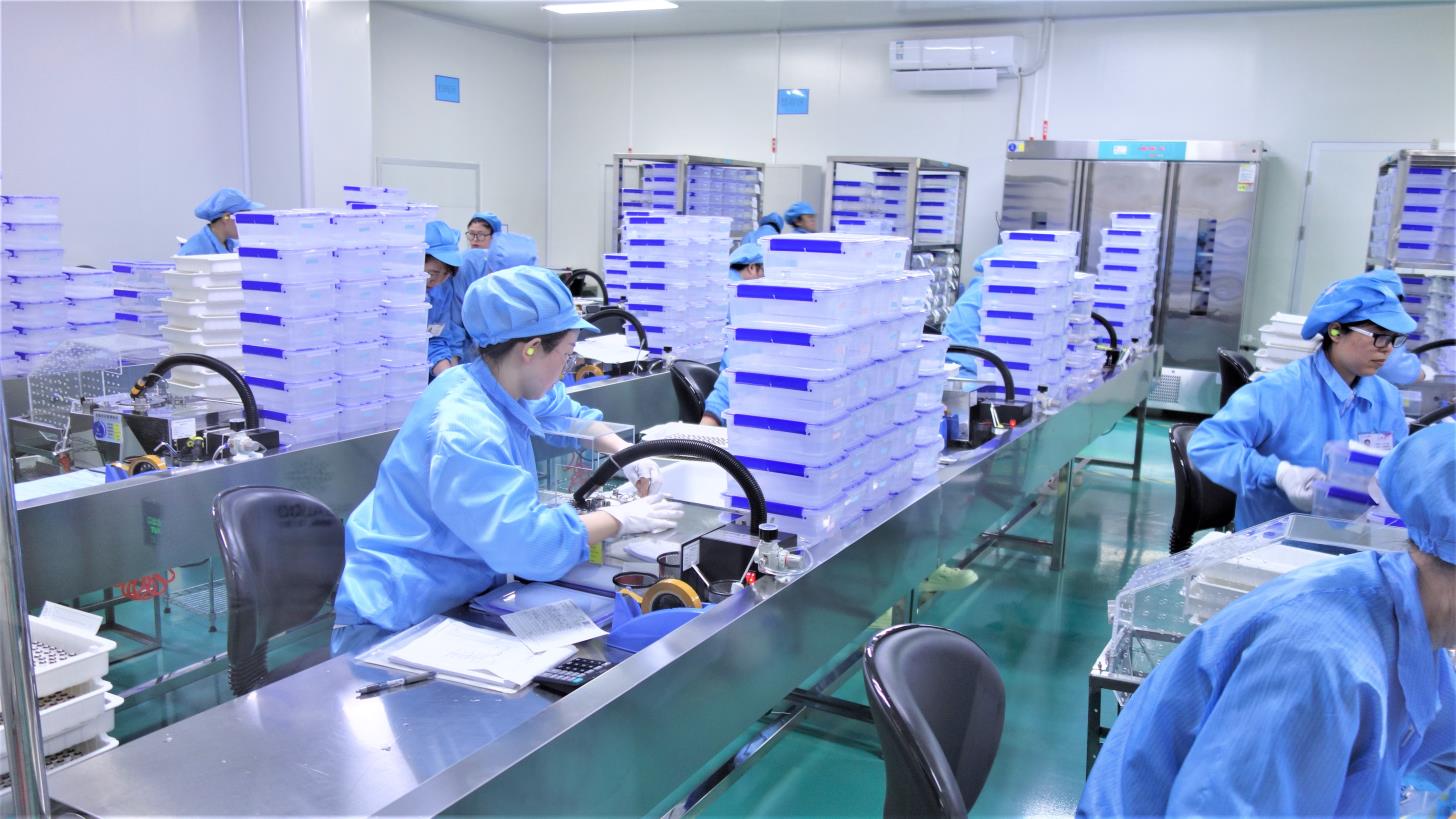
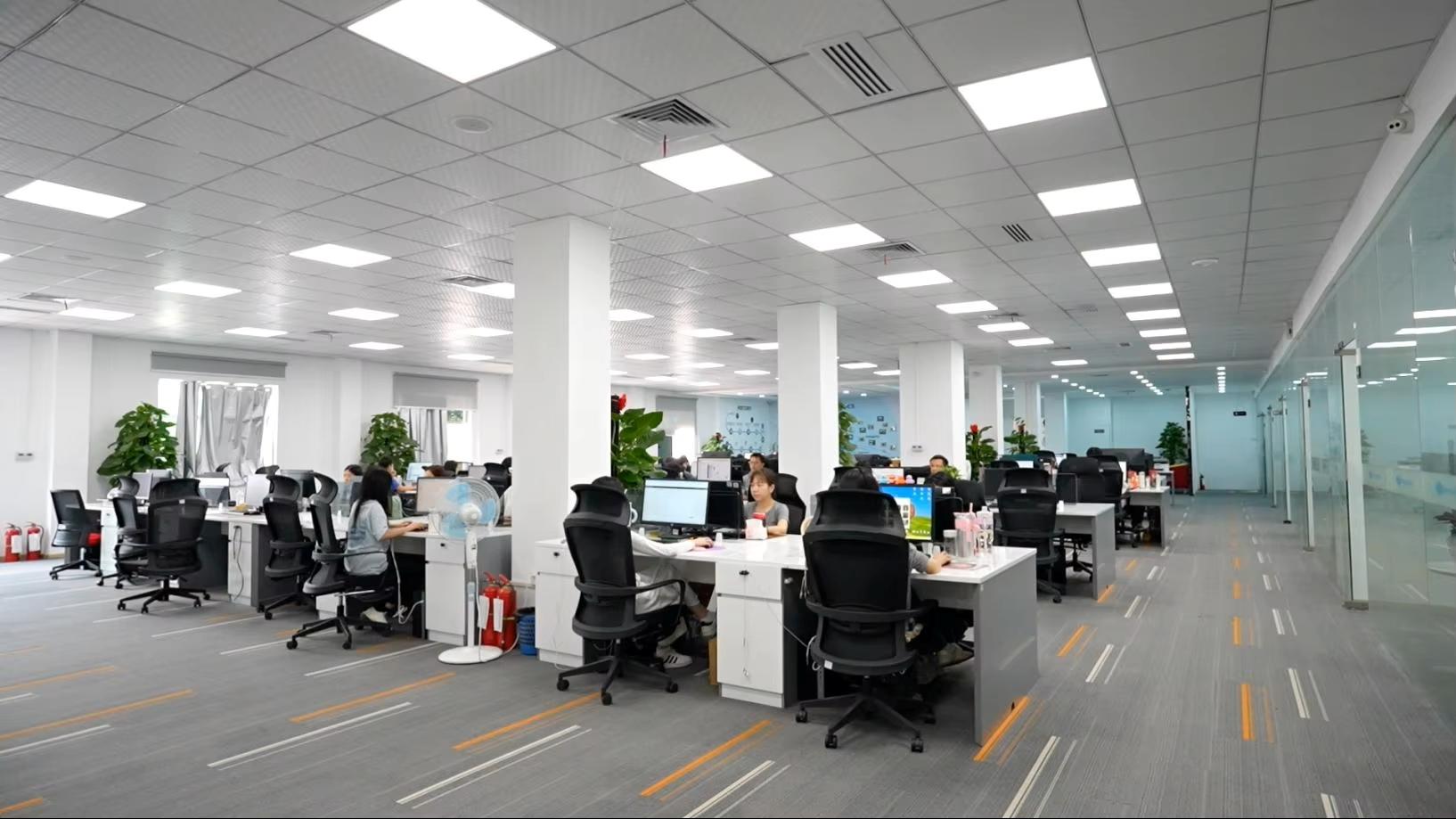
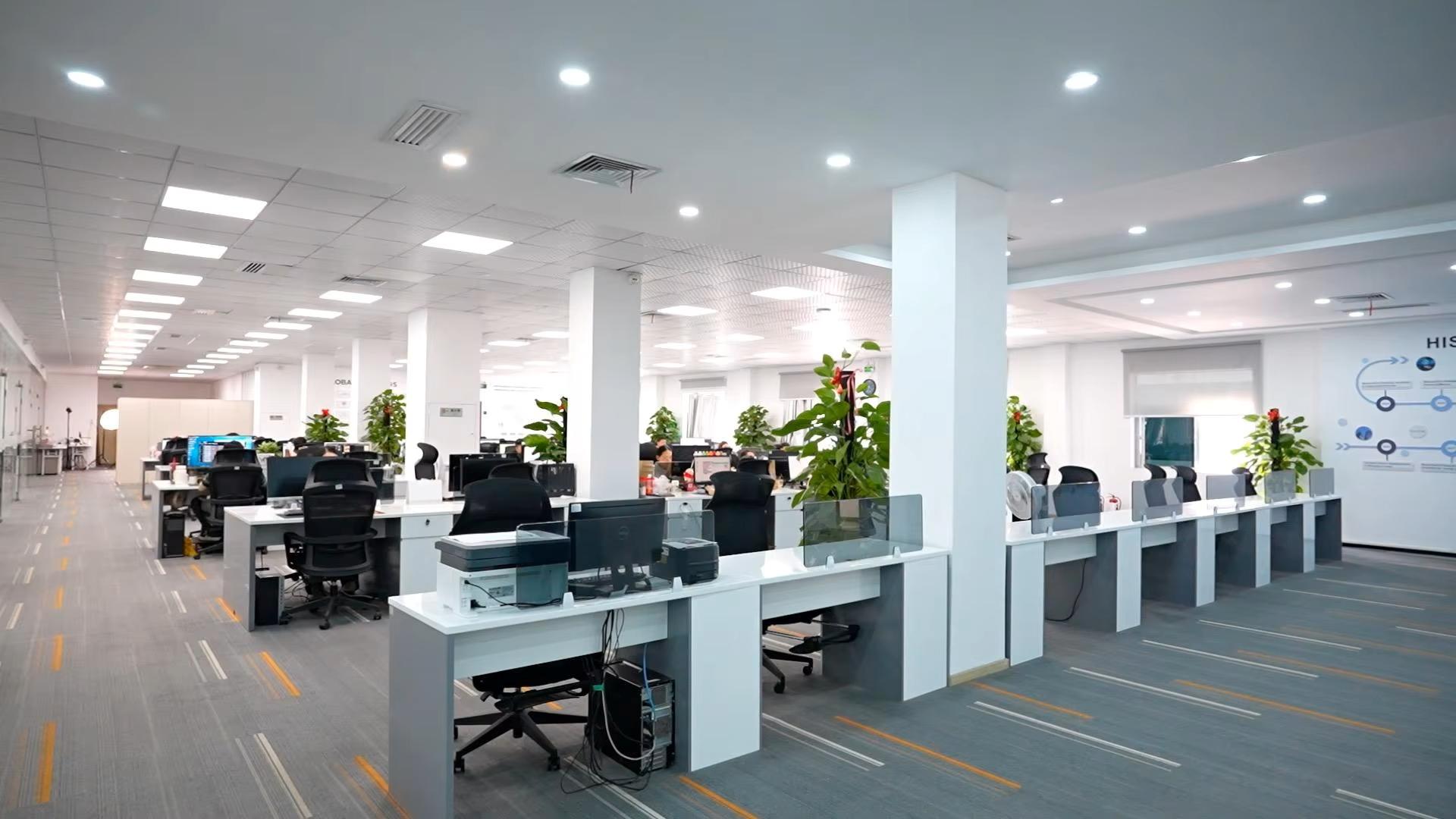
Our manufacturing capabilities are centered at Shenzhen Fresh Vision Co., Ltd., a professional manufacturer registered in early 2016. Located in Shenzhen, the optical production center of Southern China, our factory manages a modern 1,100 square meter production facility. We have dedicated the past ten years to optical exports, developing a reliable supply chain that serves clients in North America (25%), Southeast Asia (20%), the Middle East (10%), and other regions worldwide.

Our customer base is diverse, ranging from D2C contact lens brands to traditional wholesale distributors, local optometrists, and medical distribution groups. To support this global client base, we operate multilingual sales and support channels in English, Spanish, and Chinese. This ensures clear communication from product design through to regulatory compliance documentation.

Factory Profile & Specifications

  • Date of Registration: January 26, 2016
  • Facility Area: 1,100 Square Meters
  • Industry Experience: 10 Years
  • Supported Languages: English, Spanish, Chinese
  • Core Export Markets: North America, Southeast Asia, Middle East
  • Main Client Types: Brands, Wholesalers, Retailers, Optical Labs

Shenzhen's industrial ecosystem provides significant advantages. The city offers access to highly precise injection molding tools, high-purity medical polymers, and efficient international logistics hubs. This concentration of resources allows us to maintain a stable supply chain, reduce lead times for custom formulations, and offer competitive pricing. We help brand owners launch new product lines quickly, scaling up production from prototypes to high-volume commercial batches.

4. R&D Capabilities, Laboratory Testing & Production Machinery

Analyzing the engineering capabilities and advanced inspection systems behind our optical products.

Innovation in lens materials and surface designs requires continuous research and development. Our R&D team consists of five specialized optical engineers, including three holding graduate degrees and two with junior college technical degrees. This team focuses on optimizing lens hydration profiles, improving oxygen permeability, and developing new pigments for colored corrective lenses. By refining our materials, we produce lenses that offer long-lasting comfort and resist protein buildup.

Advanced Manufacturing Machinery

Demoulding Machine
Demoulding Machine

High-precision automated separator used to release cured lenses from cast molds without damaging edges.

Film Suction Machine

Automated handling system that transfers wet-stage lenses using gentle vacuum suction to prevent structural defects.

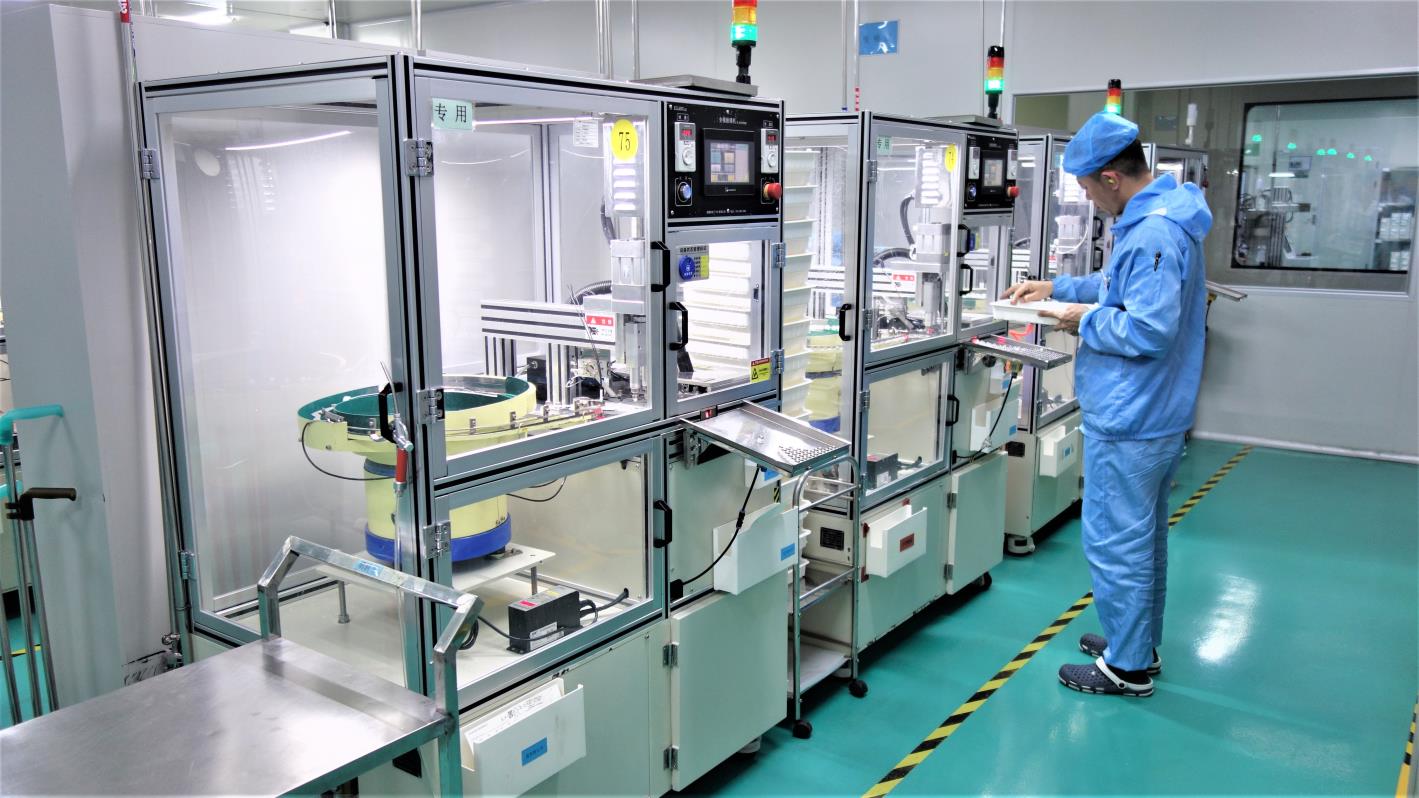
Filling Machine
Filling Machine

Automated, sterile liquid dispenser that packages lenses in fresh saline solution.

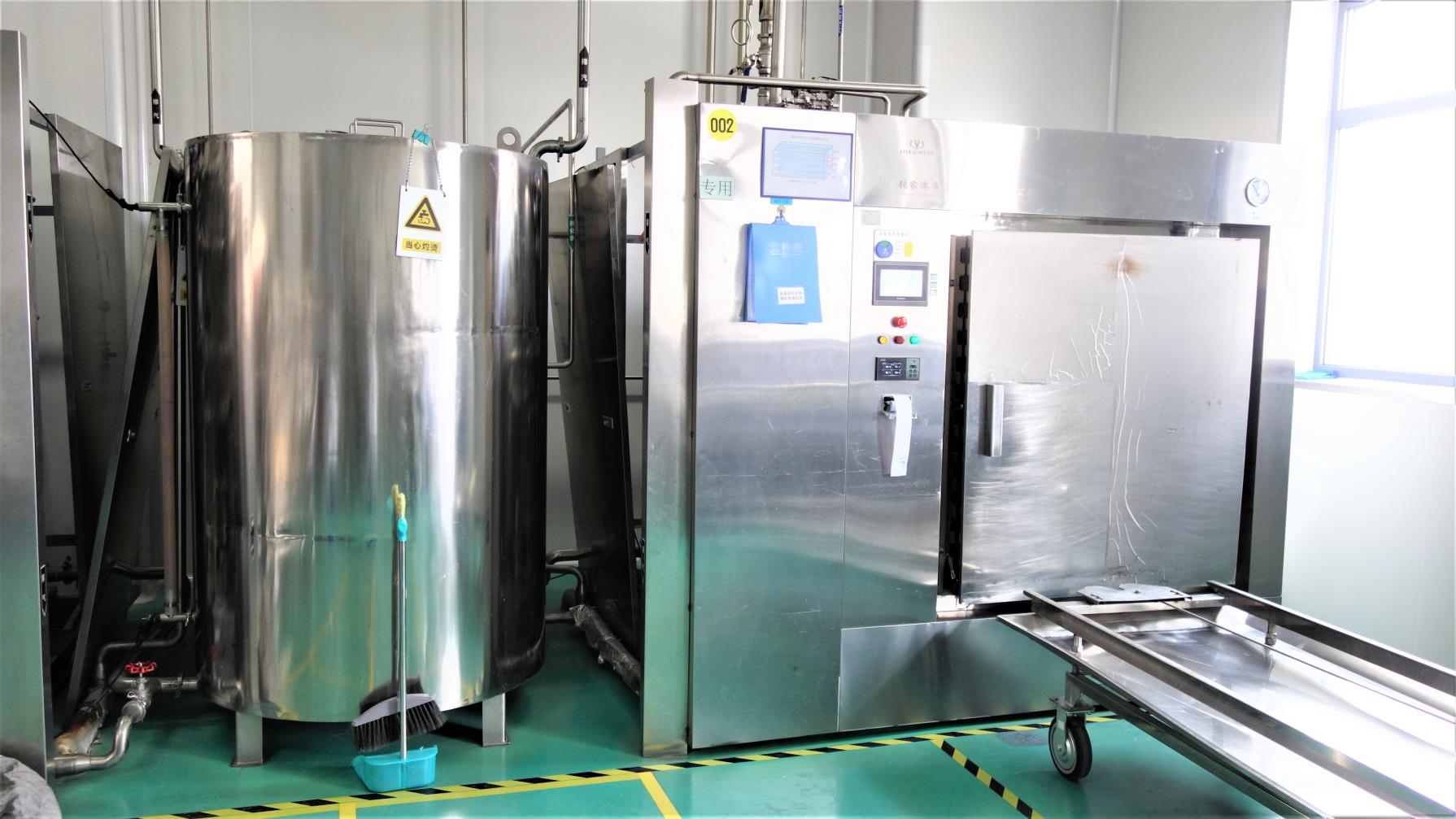
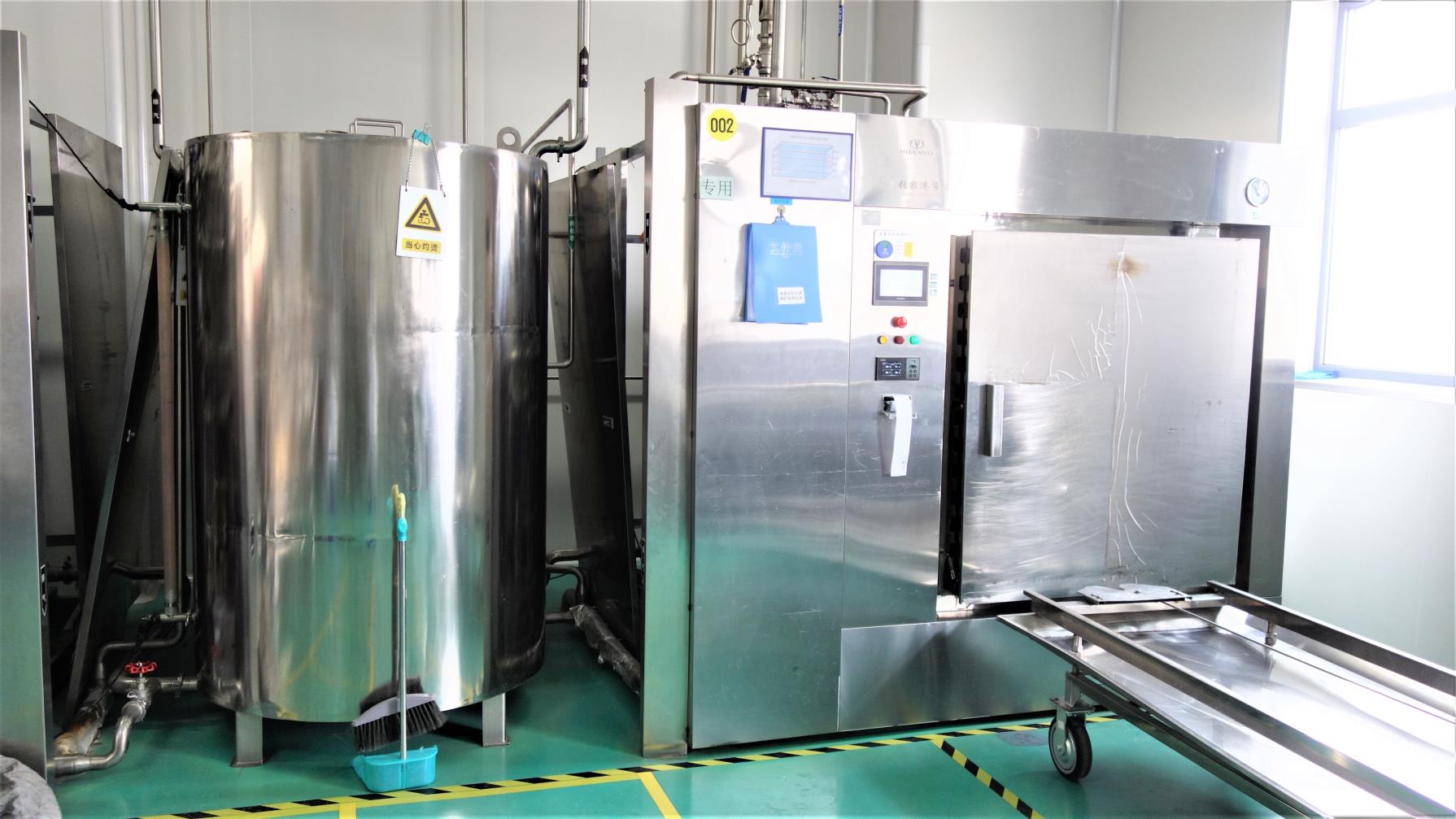
Sterilization Cabinet

High-pressure saturated steam autoclave that sterilizes sealed blisters to ensure patient safety.

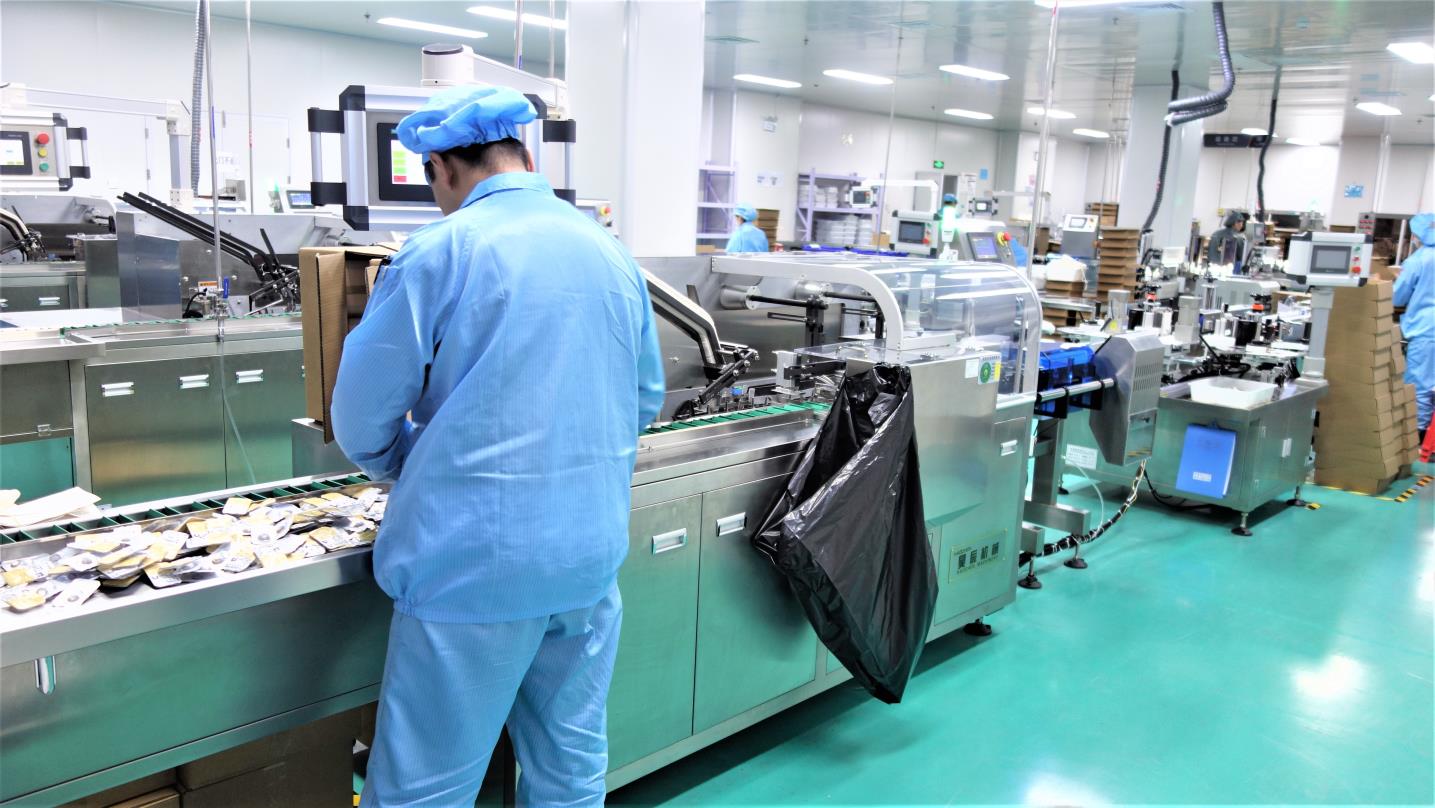
Packaging Machine
Packaging Machine

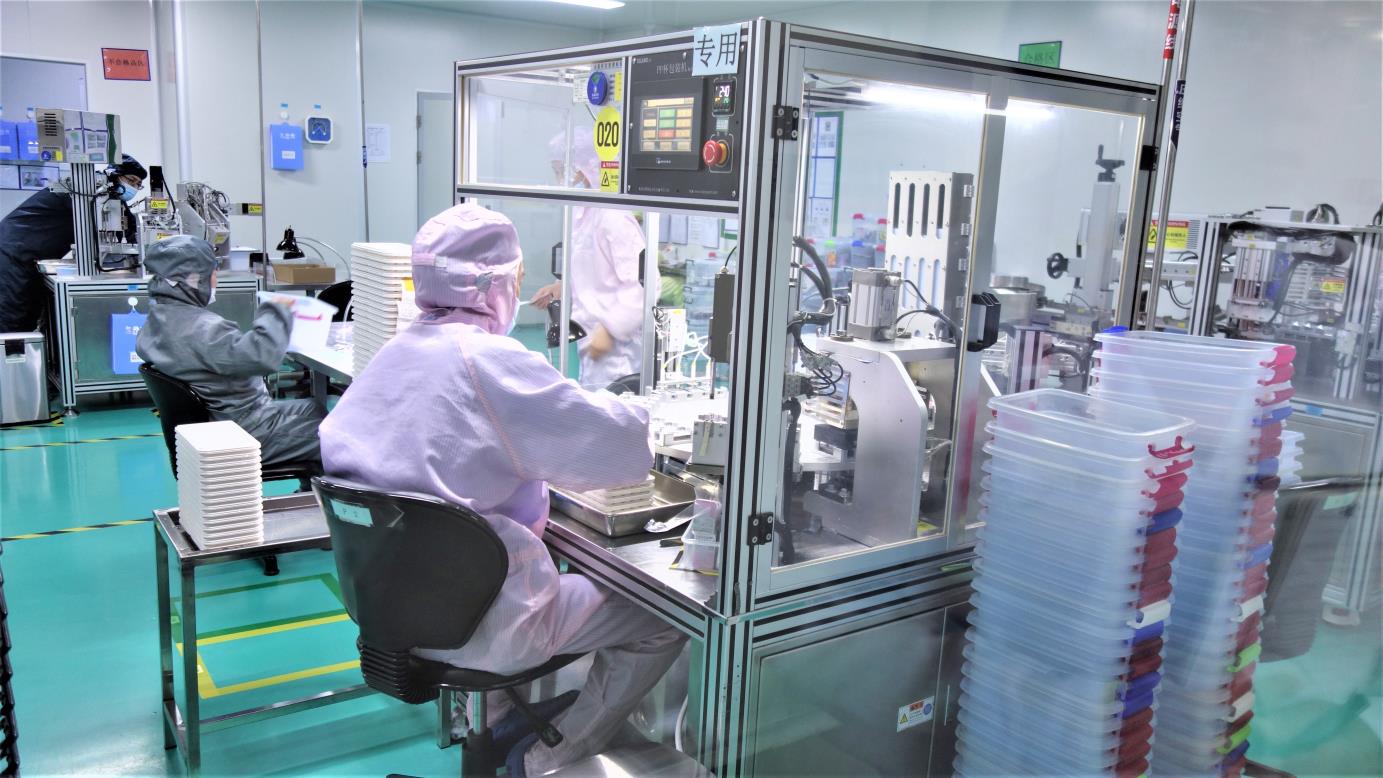
Integrated system that seals primary blisters with protective foil layers and prints production tracking numbers.

Metrology & Quality Assurance Systems

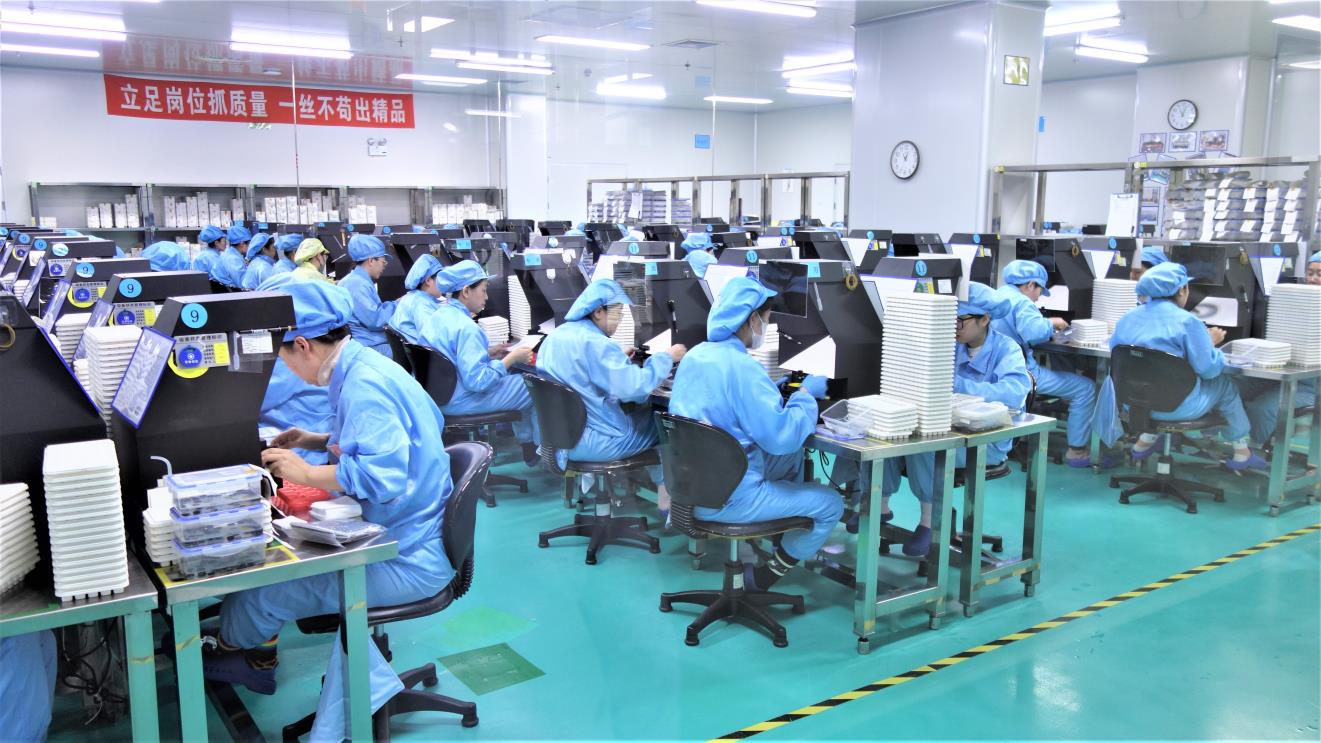
Inspecting Station
In-Line Inspection Station

Magnification monitoring systems used to check physical parameters during production.

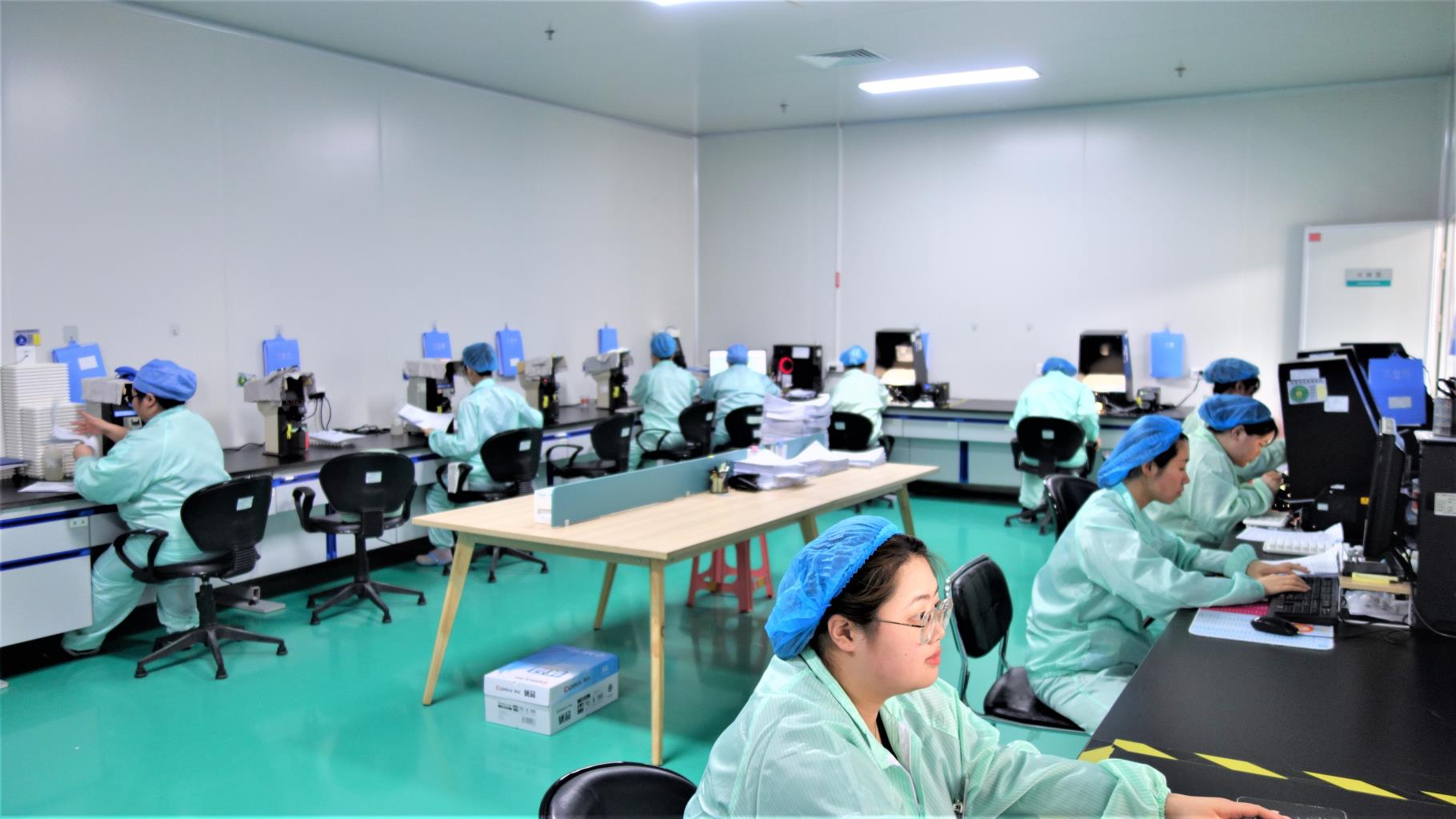
OQC Laboratory
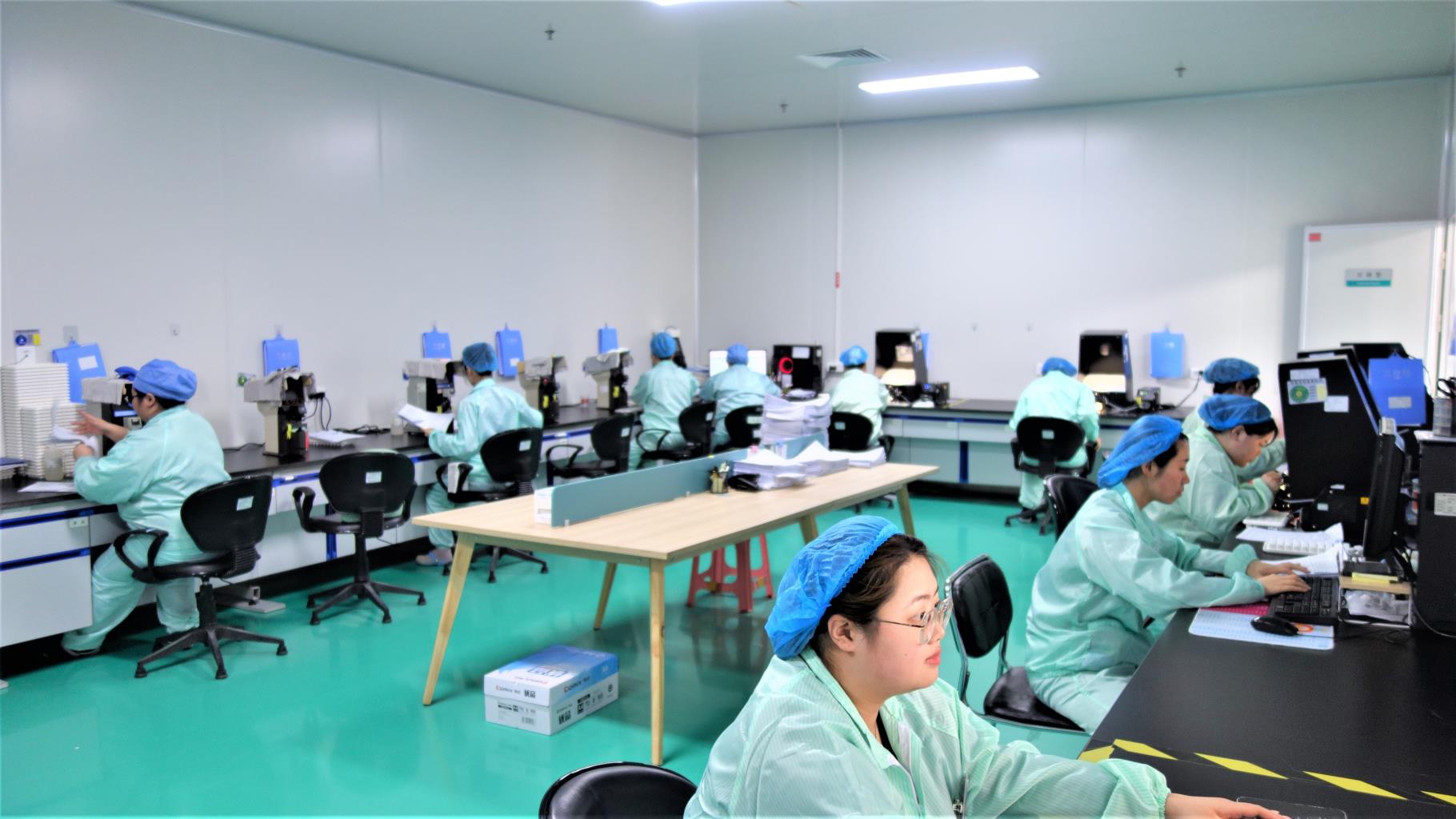
OQC Laboratory

A controlled laboratory where outgoing batches are verified against international standards.

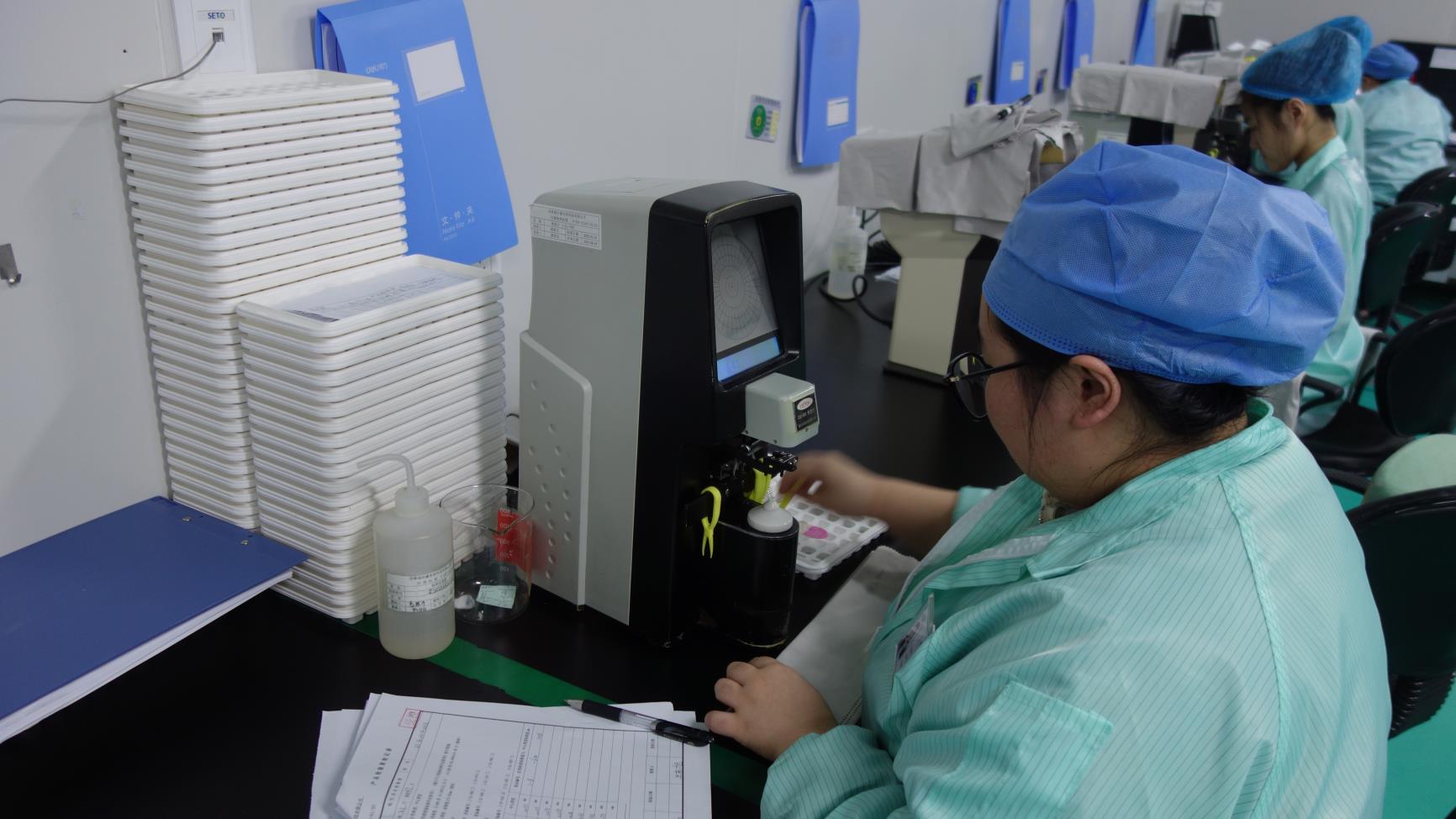
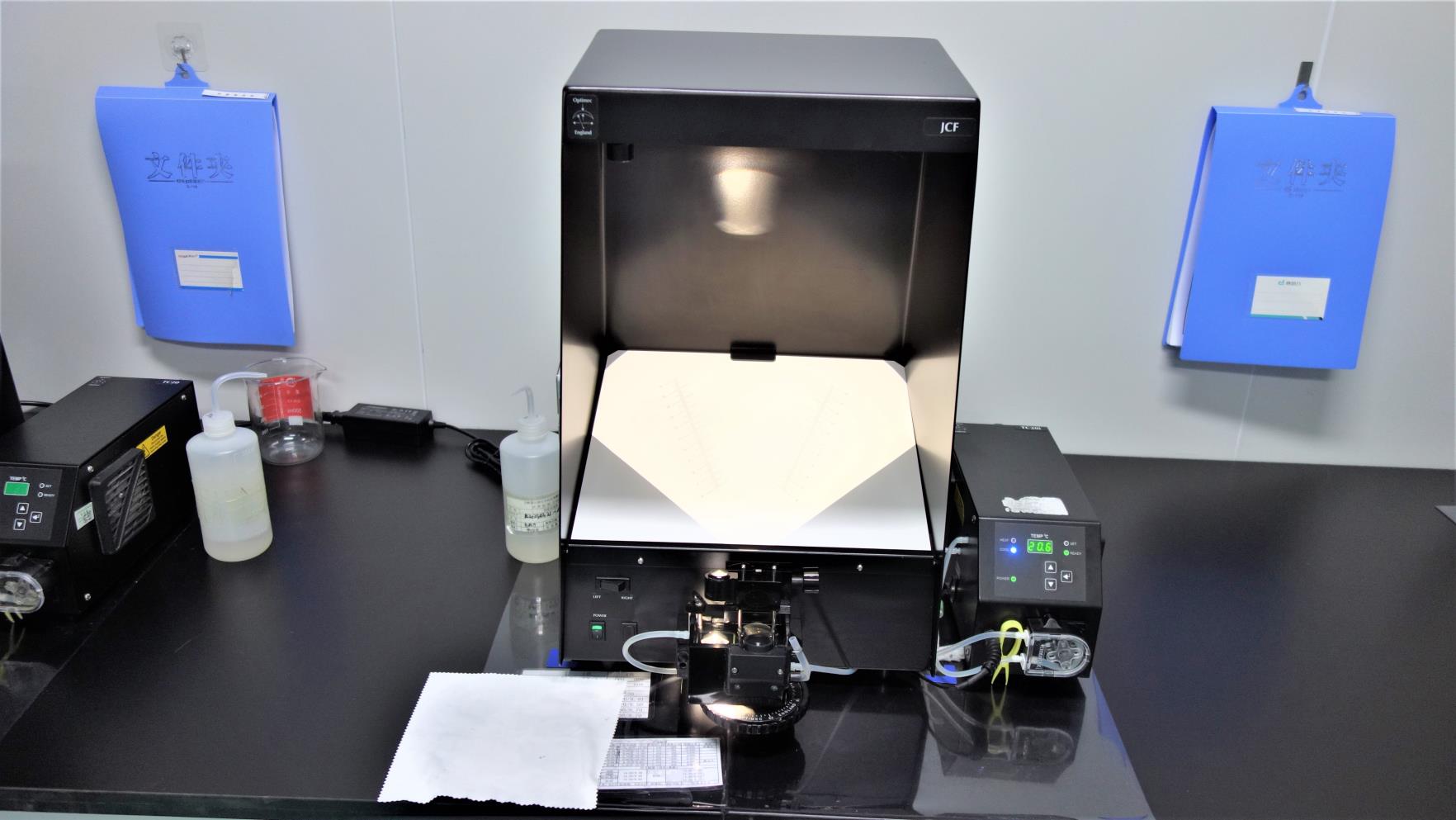
Focimeter
Focimeter System

An optical instrument used to measure the spherical, cylindrical, and axis power of prescription lenses.

Projector System
Optical Projector

An inspection device that projects a magnified image of the lens to check edge contours and look for micro-cracks.

Spectral Equipment
Spectral Transmission Analyzer

A spectrophotometer used to verify UV block ratings and evaluate the color consistency of decorative lenses.

To ensure consistent quality, we maintain a complete quality control loop. We support full raw material traceability, verifying the origin and batch characteristics of all polymers. Quality checks are conducted on every production line, combining automated optical systems with manual inspections under magnification. Final validation is carried out in our Outgoing Quality Control (OQC) lab, ensuring all shipments meet customer requirements.

5. Application Scenarios & B2B Sourcing Strategies

How global optical brands, distributors, and clinics utilize our customized manufacturing services.

Our customers operate across several business models, each with distinct requirements for products and packaging:

D2C E-Commerce Brands

Online retailers require fast inventory turnover, custom packaging, and products that follow current fashion trends. We support D2C businesses by providing customized box graphics, private label branding, and smaller initial minimum order quantities (MOQs) for testing new product lines.

National Distributors and Wholesalers

Large-scale importers require consistent quality across high-volume shipments, competitive pricing, and full regulatory compliance. We provide batch-to-batch consistency, complete documentation for customs clearance, and structured shipping support to meet their supply chain needs.

Optometric Practices & Retail Chains

Optometry clinics and retail groups prioritize optical accuracy, material safety, and patient comfort. Our lenses feature precise power parameters and high water content, helping clinics provide reliable vision correction to their patients.

6. Future Innovations in Contact Lens Technology

Looking ahead at material advancements, manufacturing efficiency, and sustainable processes.

The contact lens industry continues to advance in materials and manufacturing methods. Key developments include:

Silicone Hydrogel Materials

Silicone hydrogels offer significantly higher oxygen permeability compared to traditional hydrogels. This material helps keep eyes healthy during long wear times. We are continually testing new polymer blends to improve oxygen transmissibility while maintaining soft, comfortable wear.

Sustainable Manufacturing

Modern factories are adopting eco-friendly production practices. We focus on reducing plastic waste during the molding process, recycling process water, and using energy-efficient autoclaves to lower our environmental footprint.

Precise Multi-Focal Designs

As the global population ages, demand for presbyopic correction is growing. Advanced CNC mold tooling allows us to produce multi-focal lenses that provide clear vision at all distances, expanding our product offering for global markets.

7. Frequently Asked Questions for B2B Sourcing

Answers to common questions about compliance, order processing, and factory customization options.

What is your typical manufacturing lead time for custom OEM orders?
For custom OEM orders, production lead times generally range between 20 to 35 business days. This timeframe includes private label box printing, automated vial or blister filling, sterilization, and final QC testing. Standard, non-customized inventory can often be prepared and shipped within 5 to 10 business days.
How does your factory ensure the safety and biocompatibility of your lenses?
We use medical-grade HEMA-based co-polymers sourced from certified chemical suppliers. Every batch of raw material undergoes quality checks before entering production. Our processes follow ISO 13485 guidelines, and we perform biological safety evaluations to confirm the safety and comfort of our products.
What packaging options do you offer for prescription contact lenses?
We offer packaging in both PP blisters and glass vials. Our design team can print custom brand artwork directly onto the foil seals, outer paper boxes, and carton inserts. We provide complete labeling services, including UPC barcodes, lot numbers, and expiration dates.
Can I order samples with specific prescription powers before placing a bulk order?
Yes, we provide sample sets across a range of prescription strengths. These samples allow your team to verify physical dimensions, base curve fit, material hydration, and optical clarity prior to signing a bulk manufacturing agreement.
What is your approach to handling custom base curve and diameter requests?
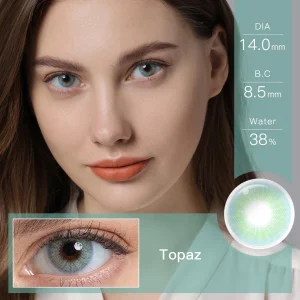
Standard orders are produced using our high-yield molds (typically 14.0mm to 14.5mm diameter and 8.5mm to 8.6mm base curve). For large-volume buyers, we can develop custom tooling to meet specific base curve, diameter, or thickness requirements. Please contact our engineering team to discuss feasibility and minimum run sizes.
How do you maintain quality control on automated high-speed production lines?
Our lines combine automatic and manual monitoring. Optical sensors verify lens dimensions immediately after demoulding. We also conduct manual sample inspections during hydration, filling, and final packaging. Every batch undergoes autoclave sterilization, and a final quality check validates optical power and sterility before shipment.
All Prescription Lenses Products