Fresh Lenses
Fresh Lenses
Fresh Lenses
Browse our selection of highly sought-after medical-grade colored and corrective contact lenses. Ready to ship globally, manufactured under strict international quality guidelines.

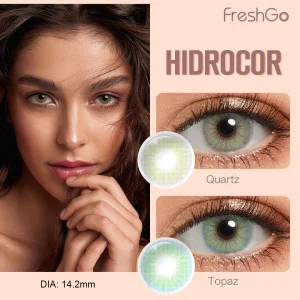
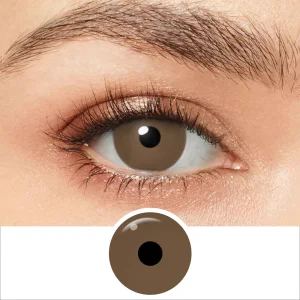
The global contact lens industry is undergoing a structural transition. Traditionally, optical distribution was governed by slow, highly centralized manufacturing models characterized by long lead times (ranging from 60 to 90 days) and high minimum order quantities (MOQs). While this model catered to standardized prescription spherics, it failed to keep pace with the hyper-fragmented, trends-driven cosmetic lens sector and the fast-moving e-commerce landscape.
Today, digital retail, cosmetic beauty culture, and theatrical/gaming micro-trends demand extreme agility. Enterprise buyers, clinical distributors, and DTC e-commerce brands cannot afford to wait months for stock. The solution is the Ready-To-Ship (RTS) model. By keeping extensive inventory of pre-sterilized, pre-packaged, and compliance-certified contact lenses in high-demand cosmetic and prescription variants, professional suppliers allow global businesses to operate with minimal inventory risk and immediate fulfillment capabilities. This dynamic helps brands capitalize on viral trends (e.g., social media aesthetic drops, Halloween seasons, festival surges) with near-zero time-to-market.
The global contact lens market is projected to expand significantly, driven by an aging population requiring vision correction and a surge in cosmetic and colored lens usage. From North America to Southeast Asia, consumers are treating contact lenses not just as medical necessities, but as essential cosmetic accessories.
Accounts for approximately 25% of our trade volume. Here, compliance with strict regulatory bodies and demand for daily disposable silicone hydrogel lenses lead the market trends.
Representing 20% of distribution channels, this market thrives on hyper-expressive cosmetic and circle lenses (big-eye effect) fueled by localized pop culture and beauty trends.
Comprising 10% and growing rapidly, these regions prioritize CE-marked, premium yearly and monthly disposable lenses with natural pigmentation gradients.
To serve this diverse geographical matrix, suppliers must offer multi-lingual operations, diverse material properties (like poly-HEMA and Silicone Hydrogels), and variations in water content to match localized climatic preferences and dry-eye prevalence.
Combining a decade of optical manufacturing experience with state-of-the-art production automation, we deliver compliant, high-permeability contact lenses globally.
At Shenzhen Fresh Vision Co., Ltd., technology meets ophthalmology. We accept sample processing, graphic processing, and customized on-demand (OEM/ODM) orders. Our dedicated R&D division includes five structural engineers (3 holding post-graduate degrees, 2 holding junior college qualifications) who continuously refine optical curvature designs and pigment encapsulation technologies.
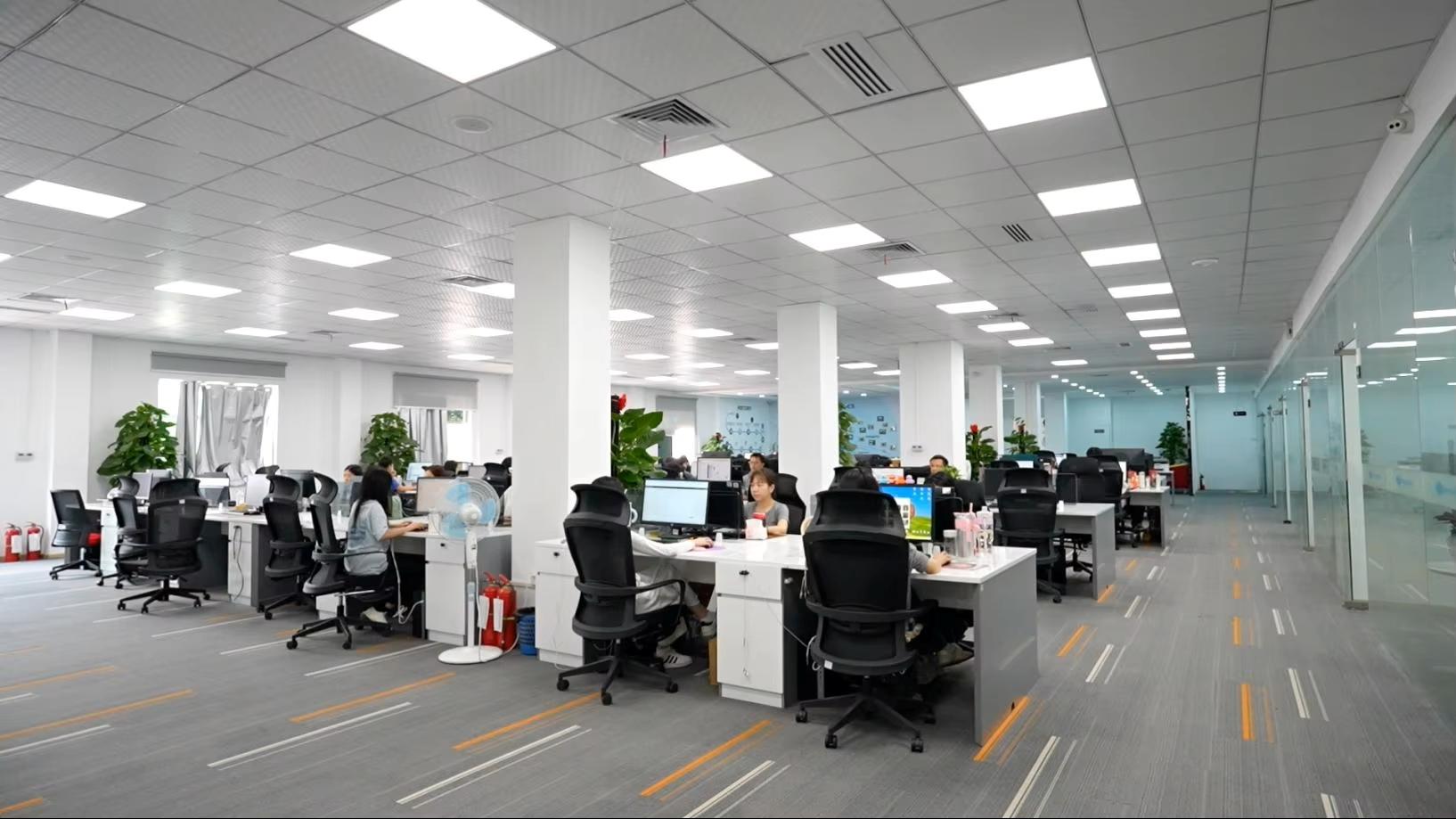
We employ wet-molding technology, advanced optical polymers, and medical-grade autoclaves to guarantee clarity and biocompatibility.
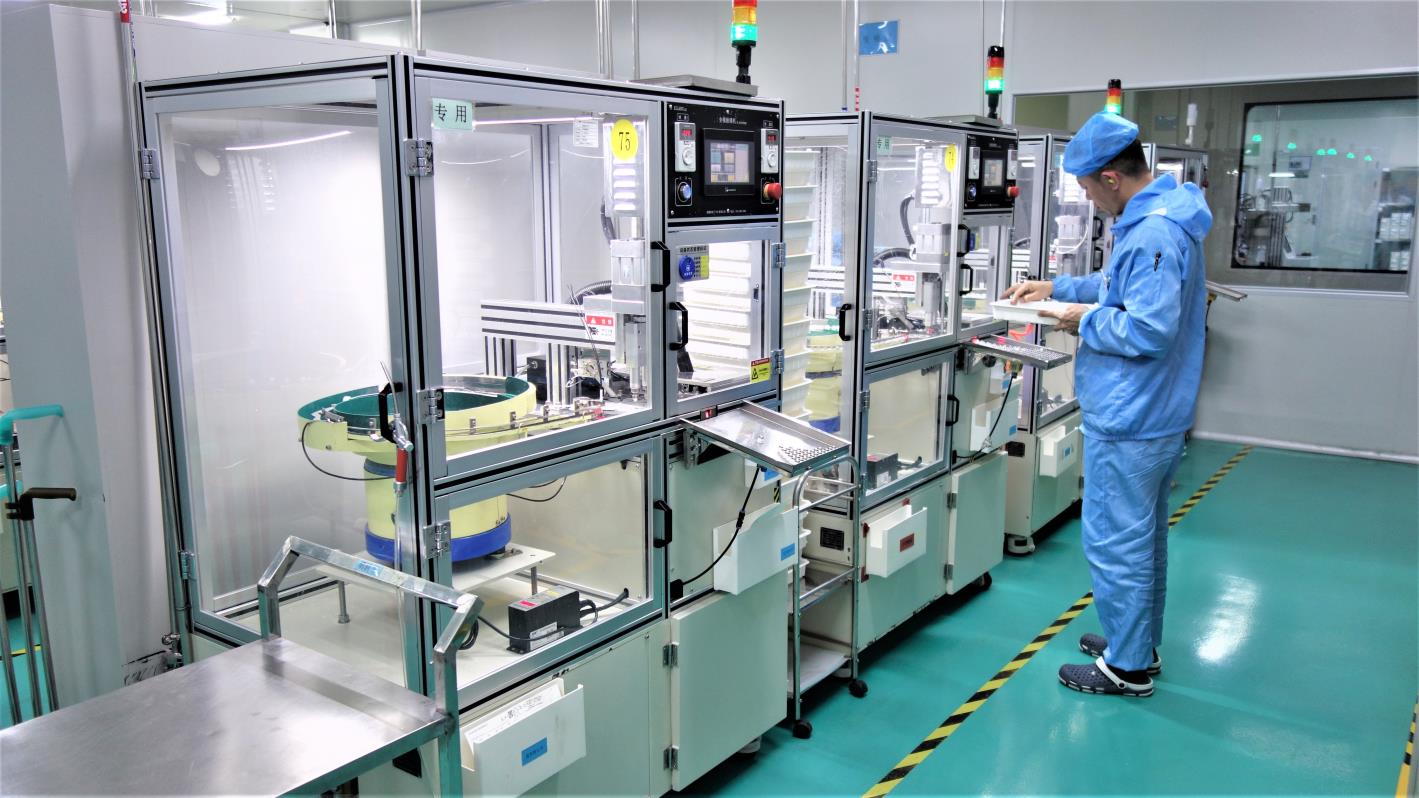
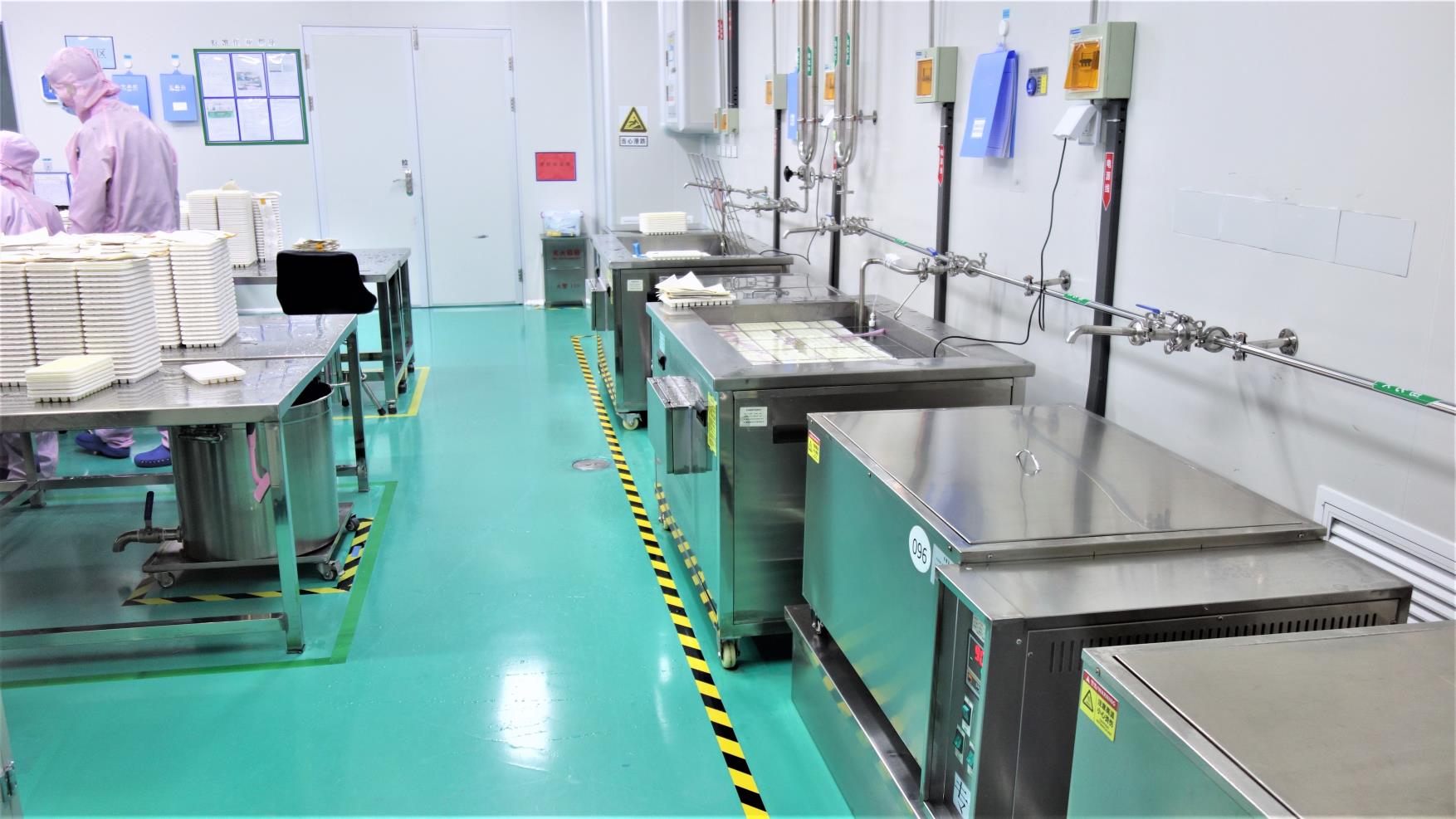
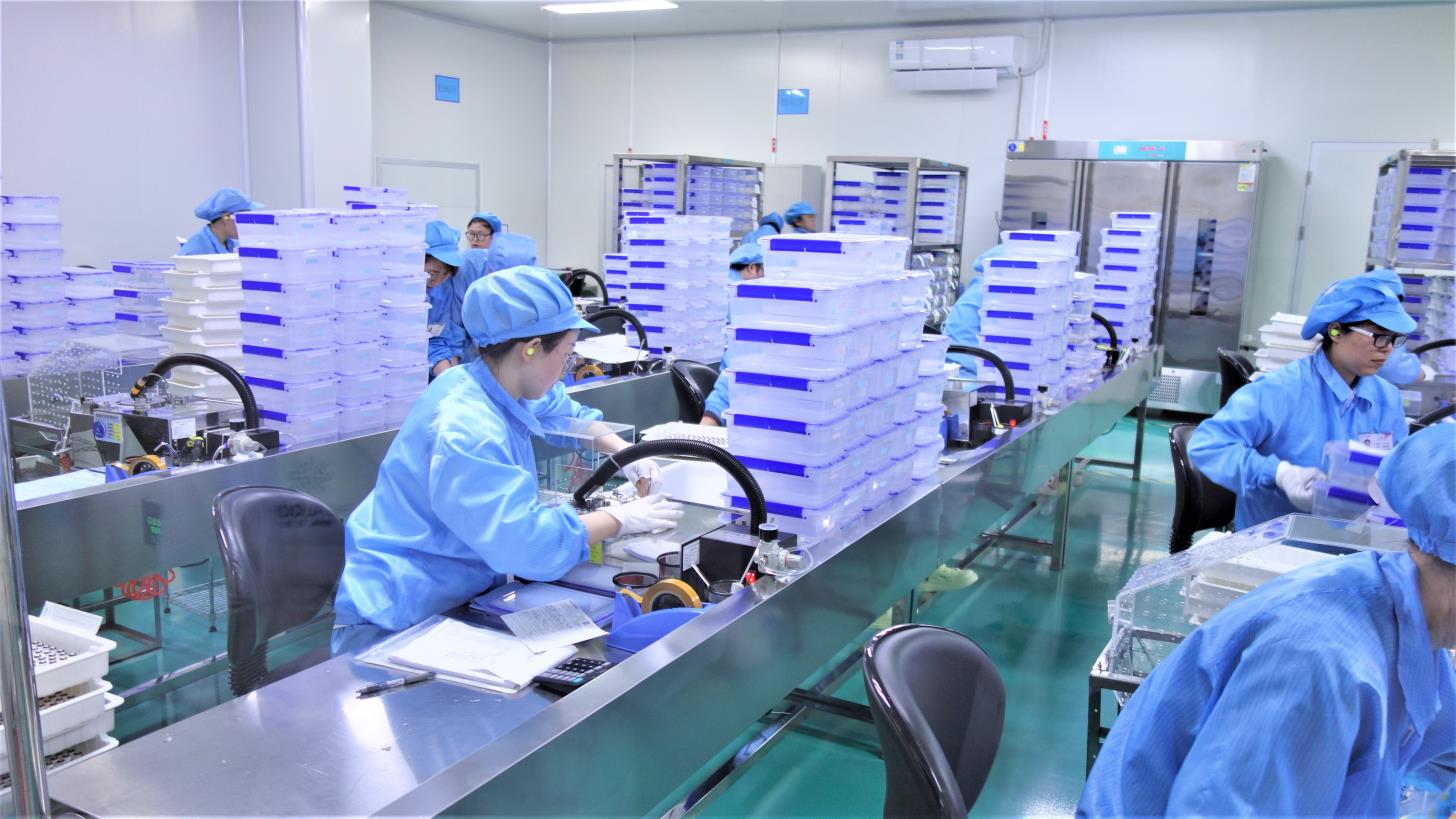
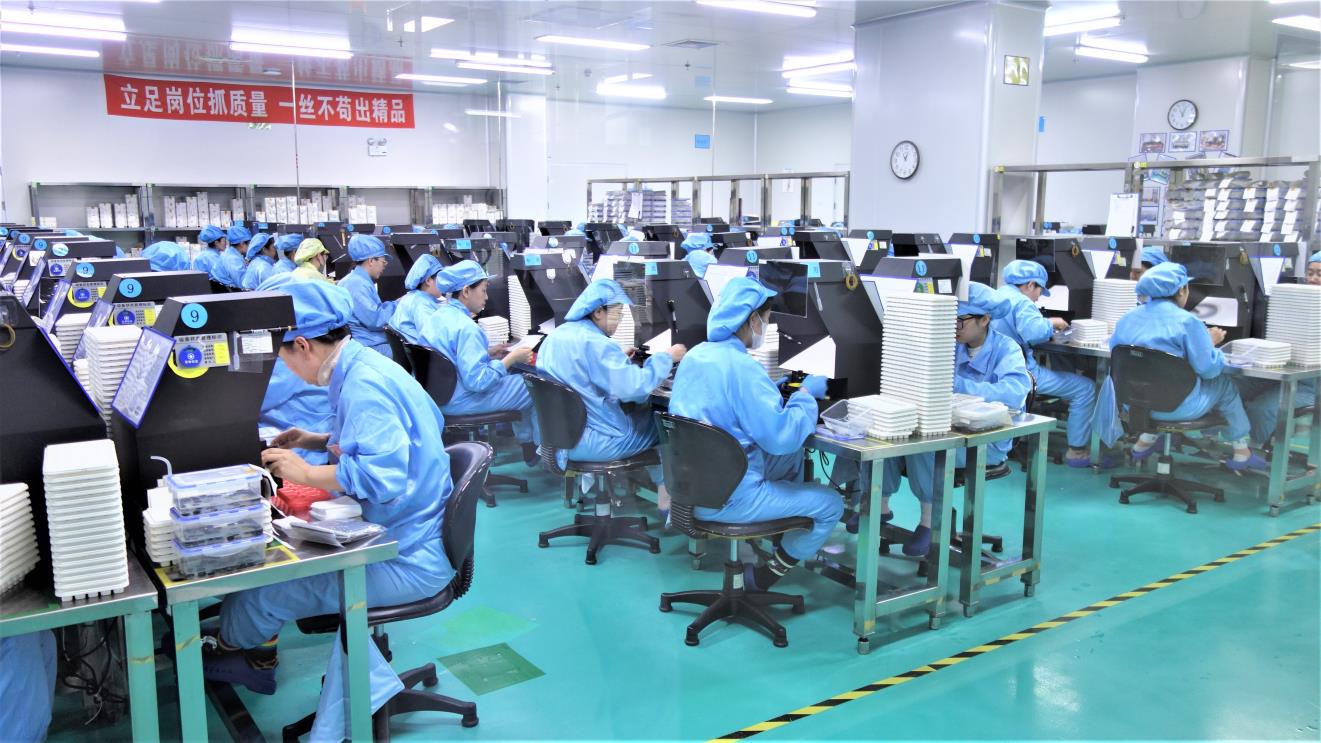
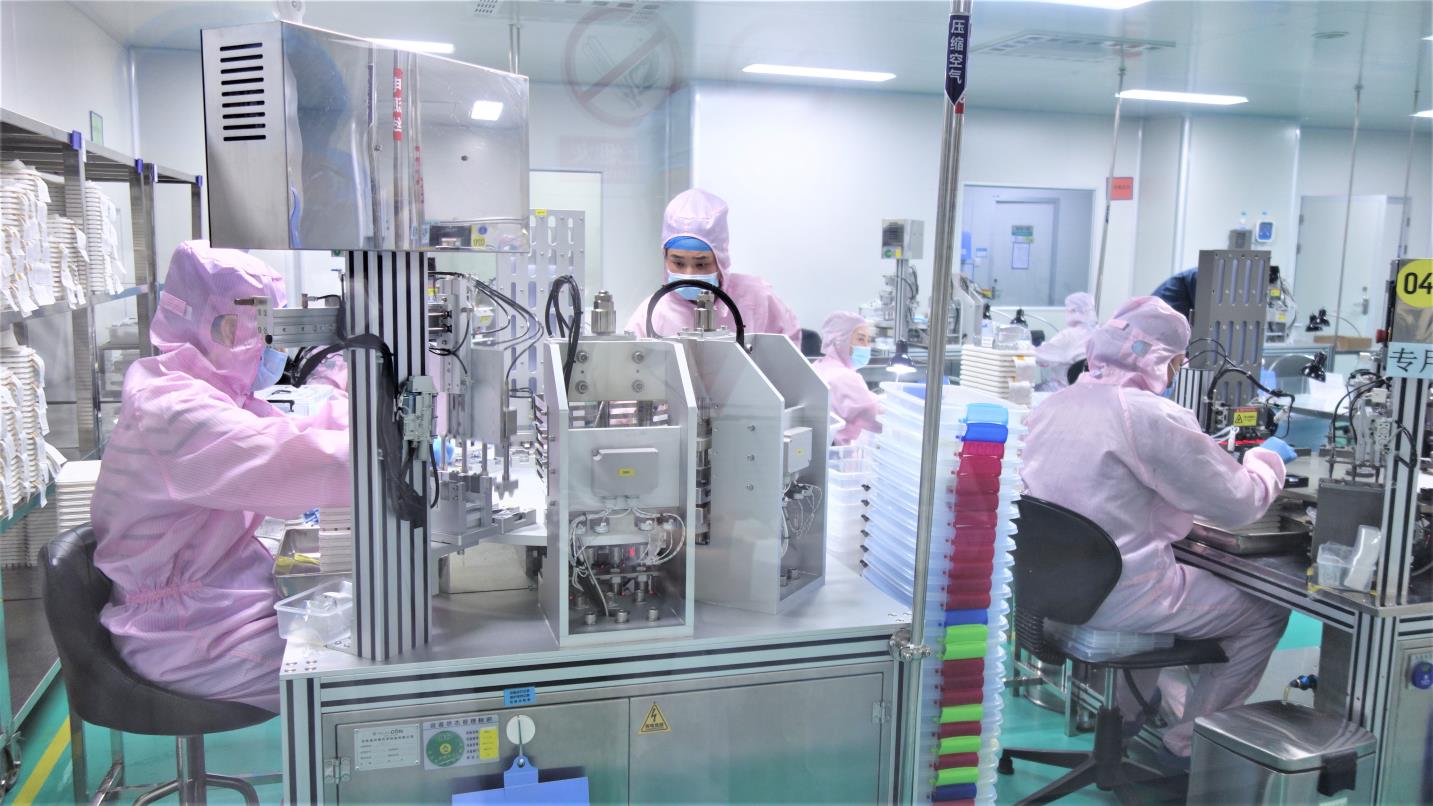
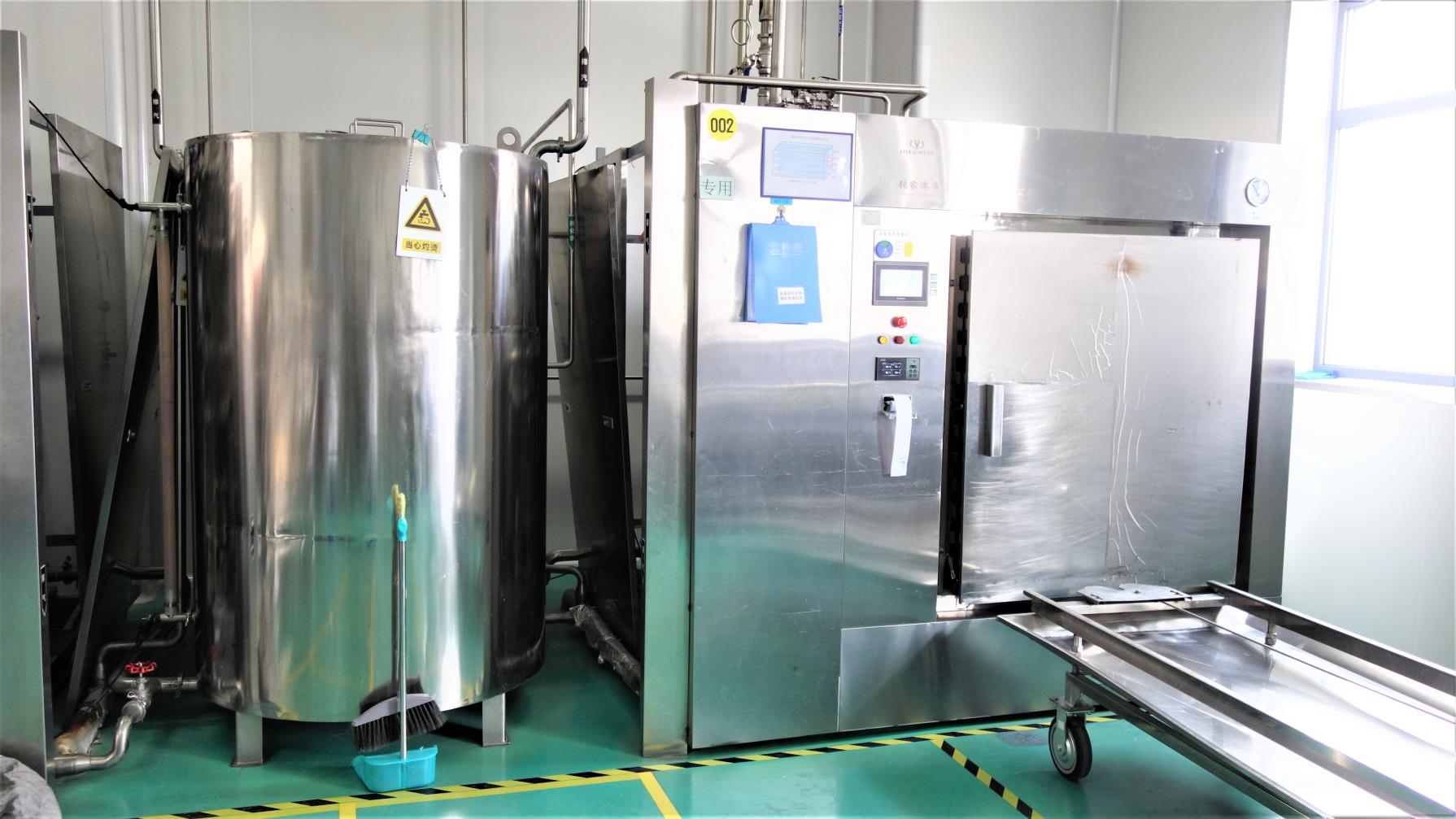
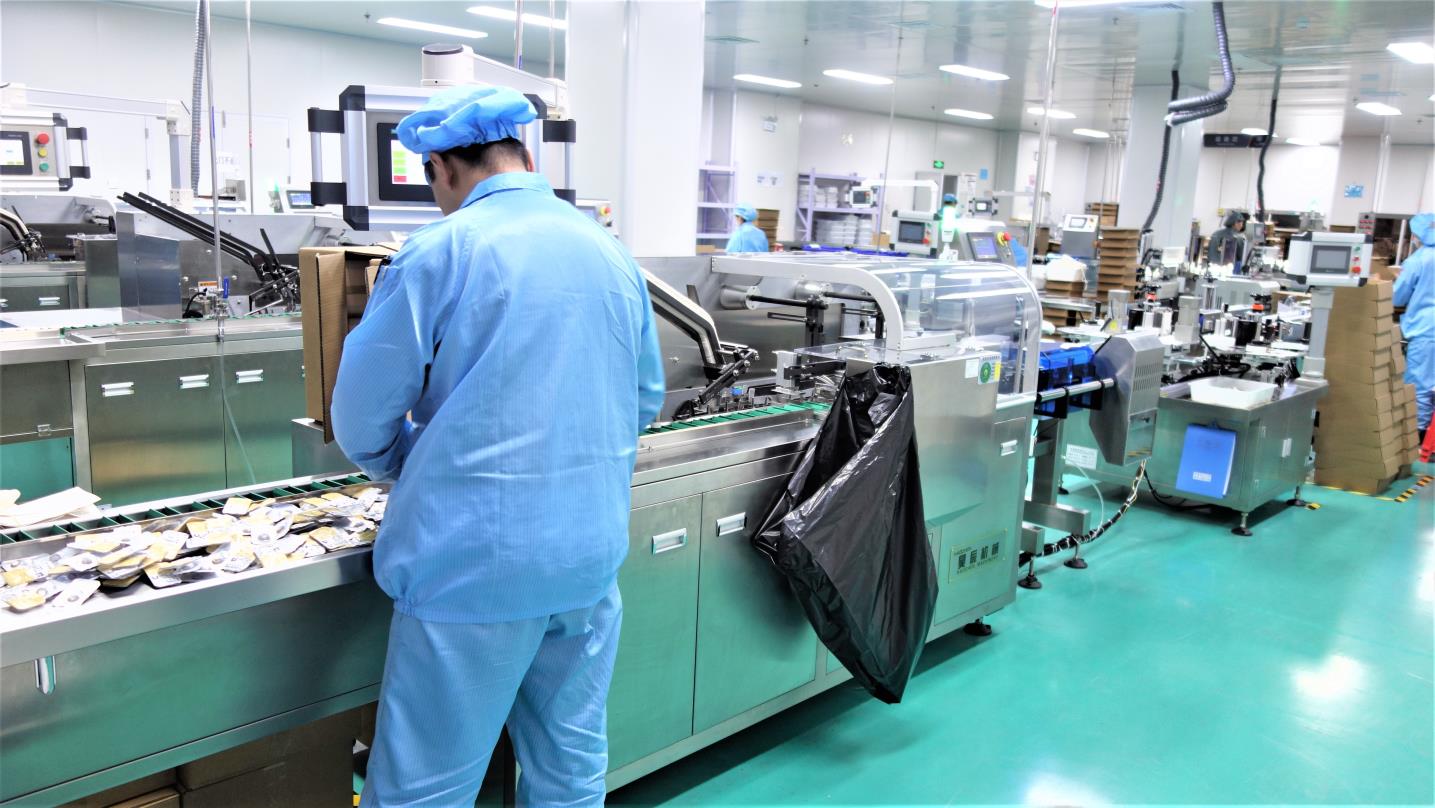
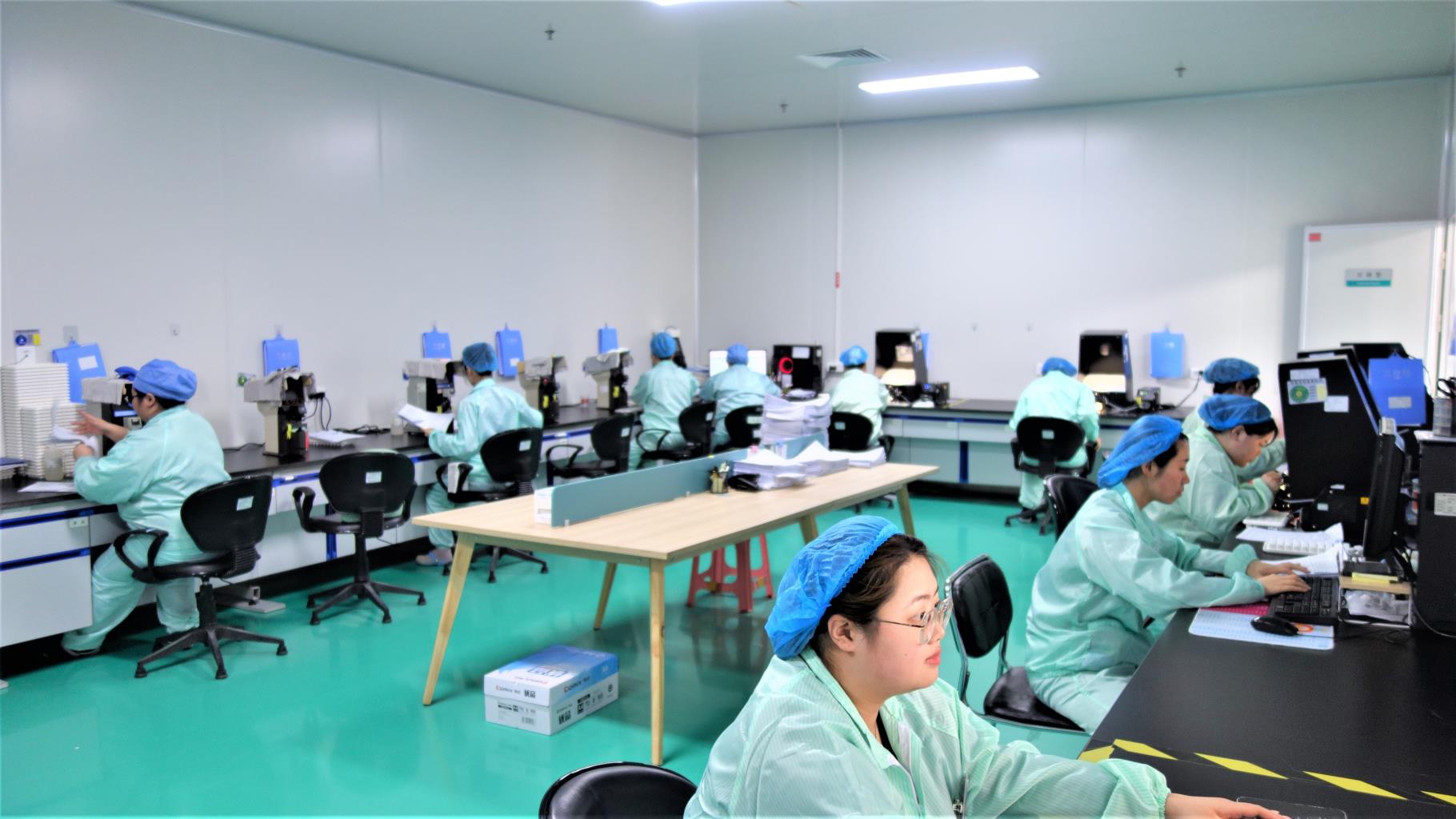
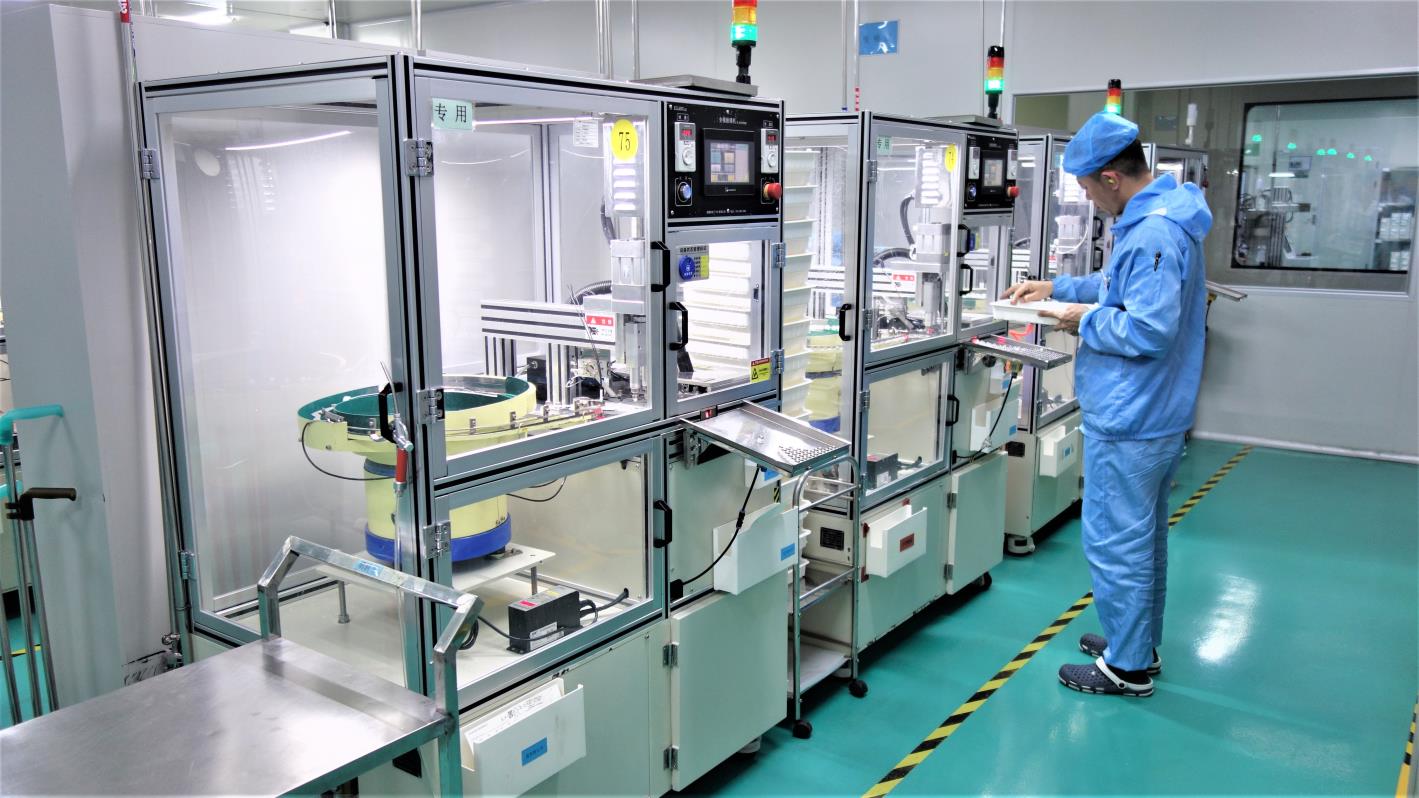
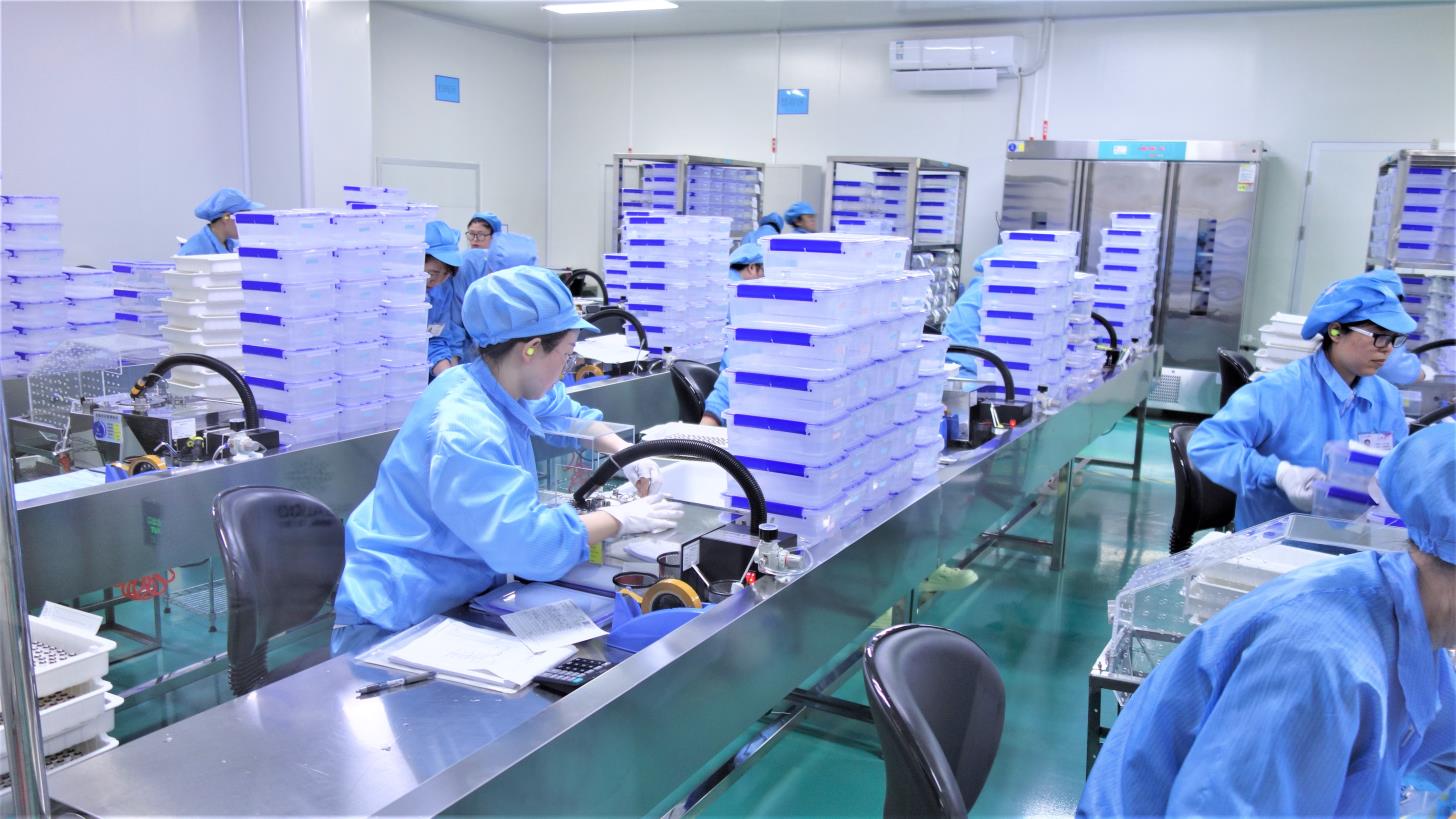
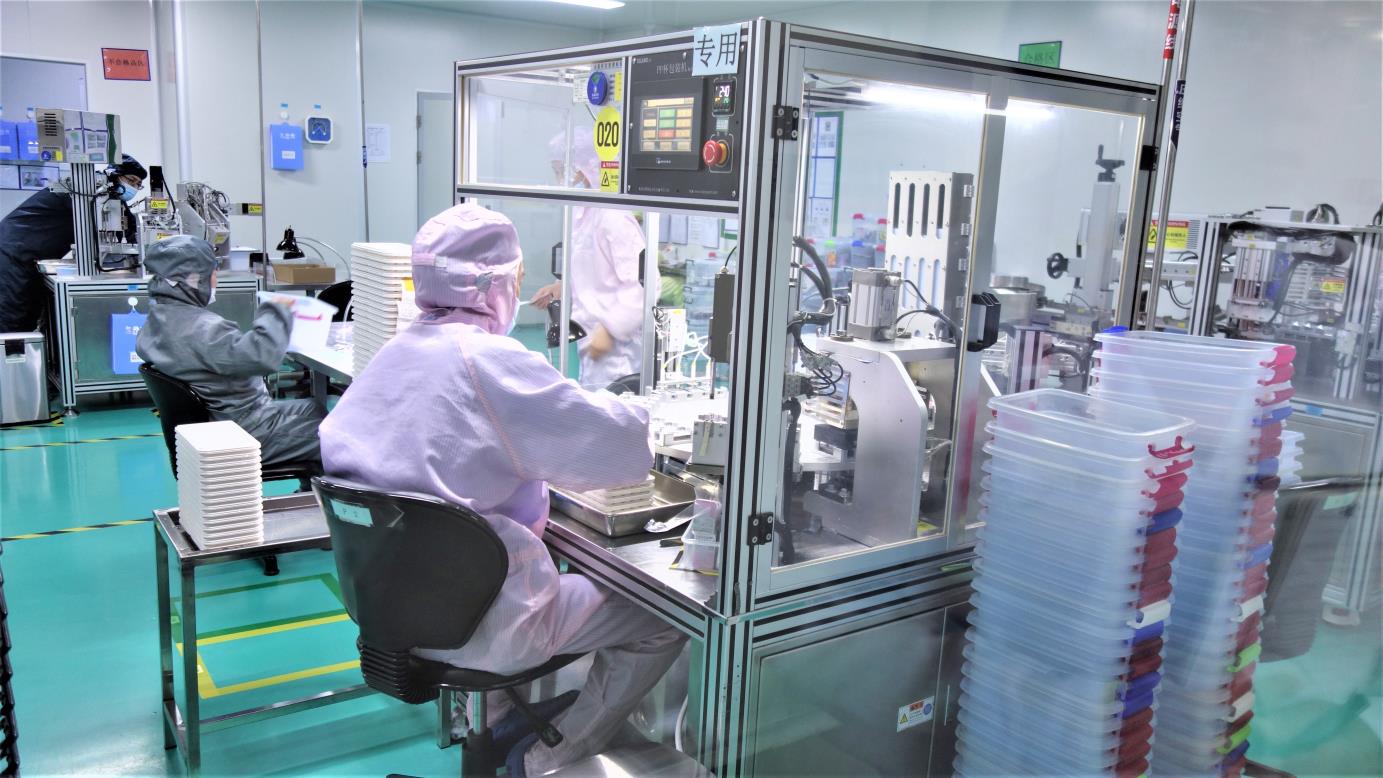
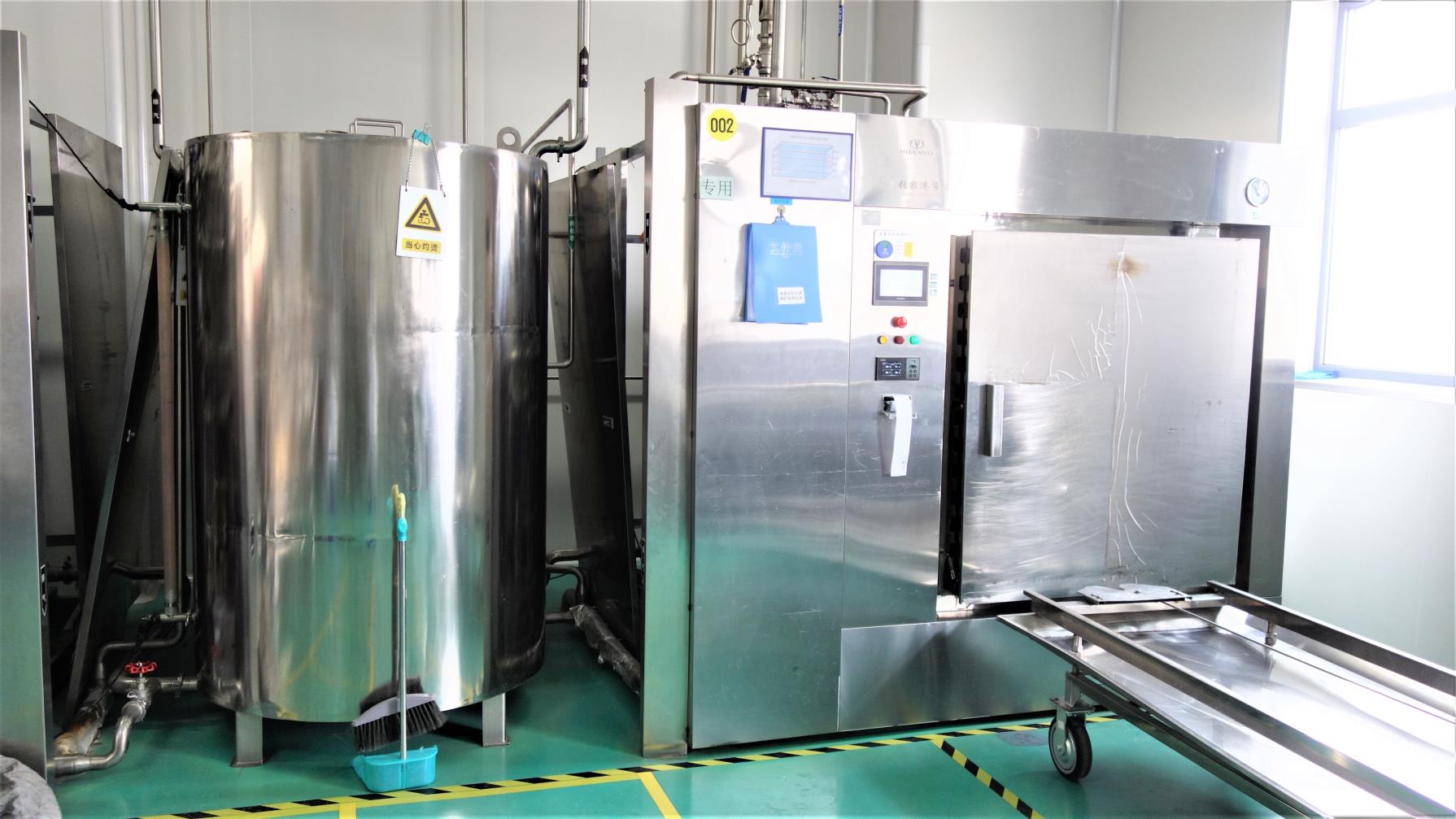
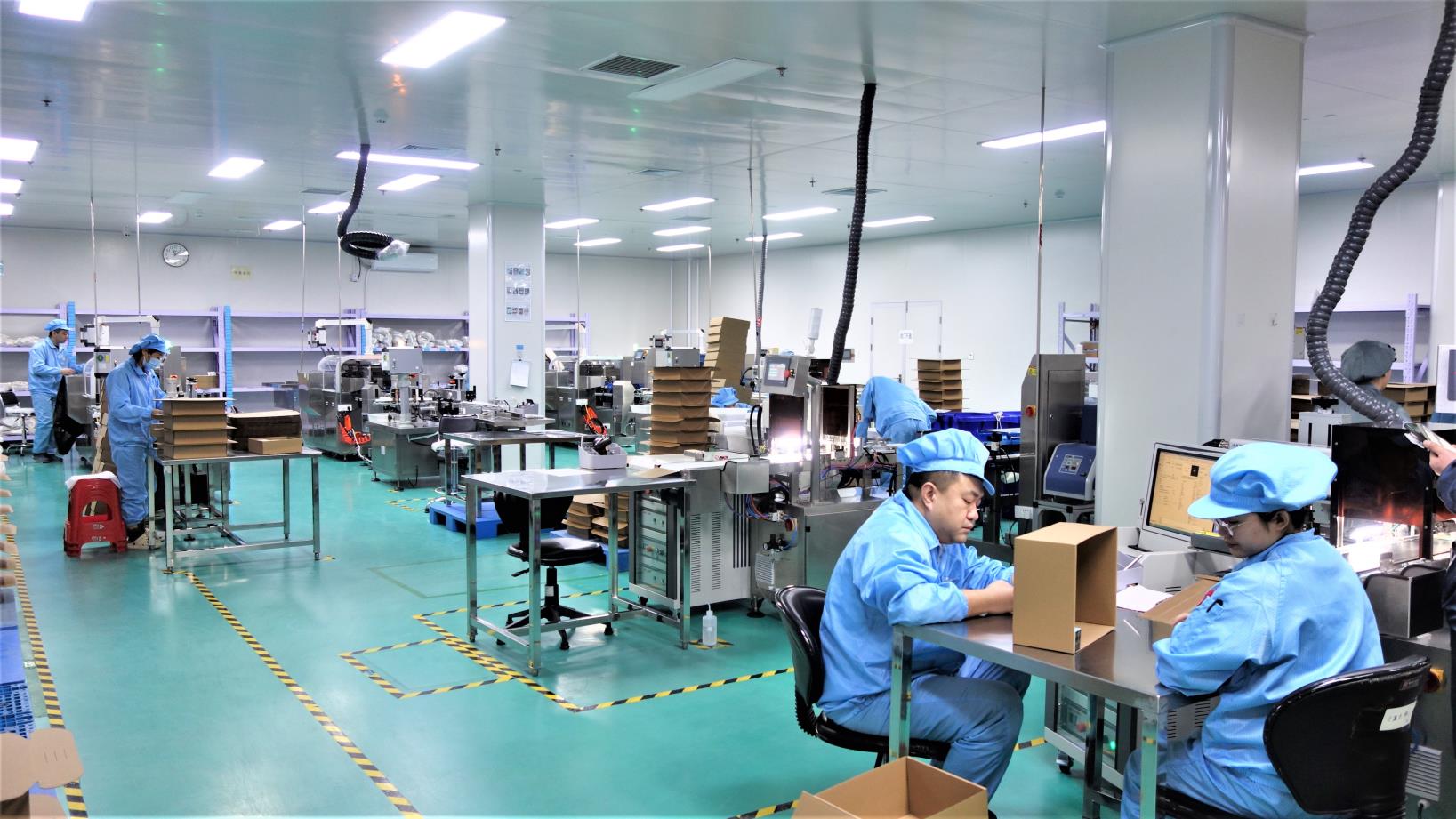
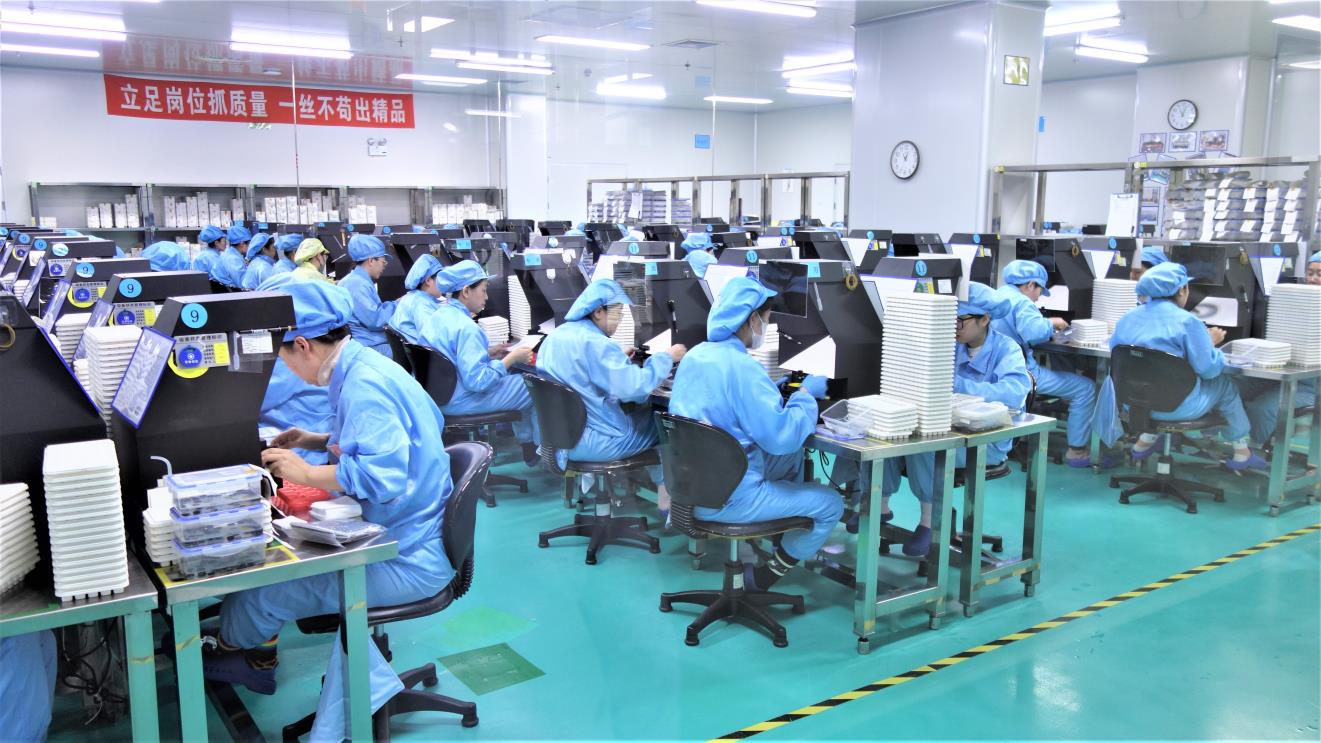
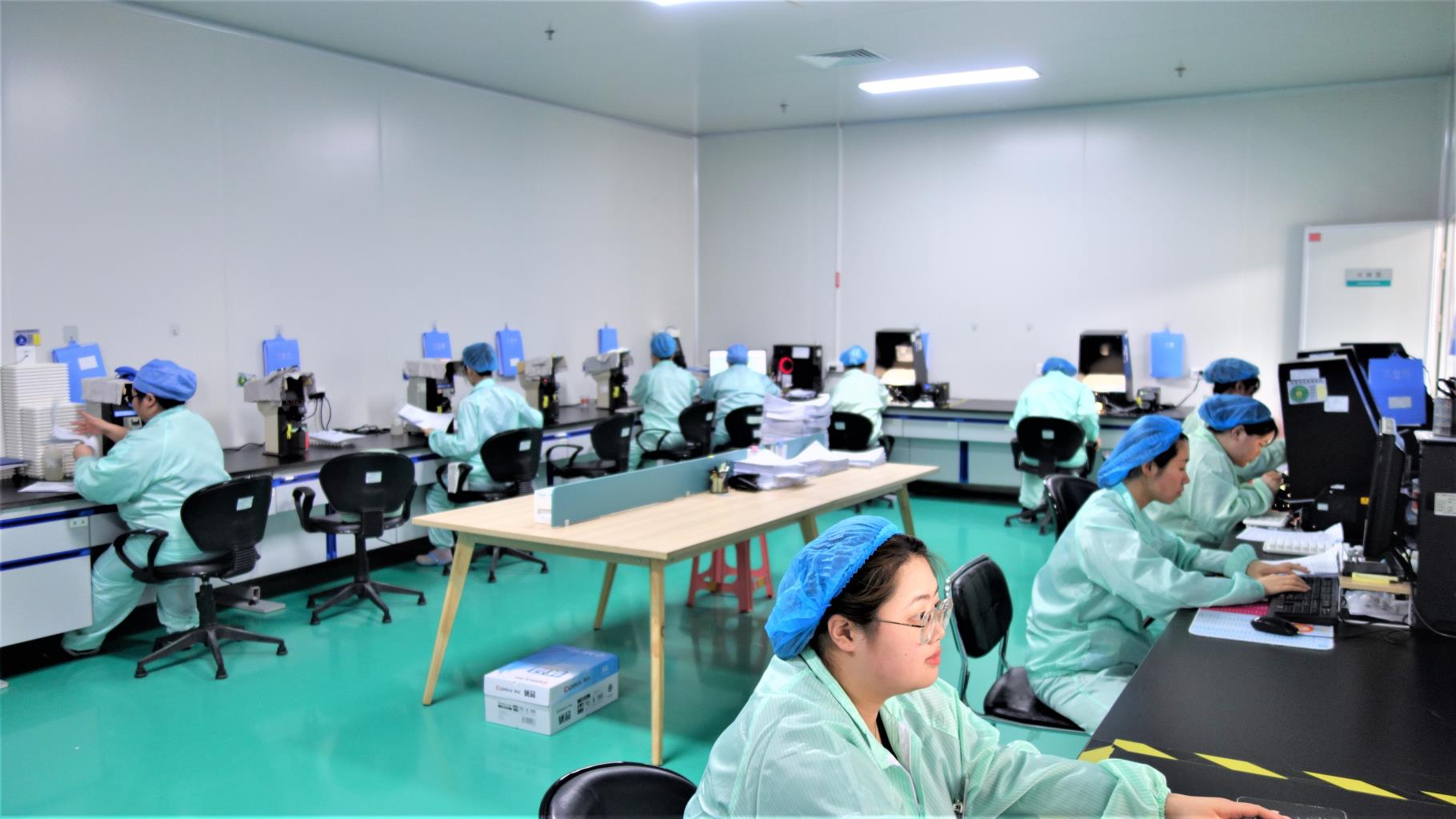
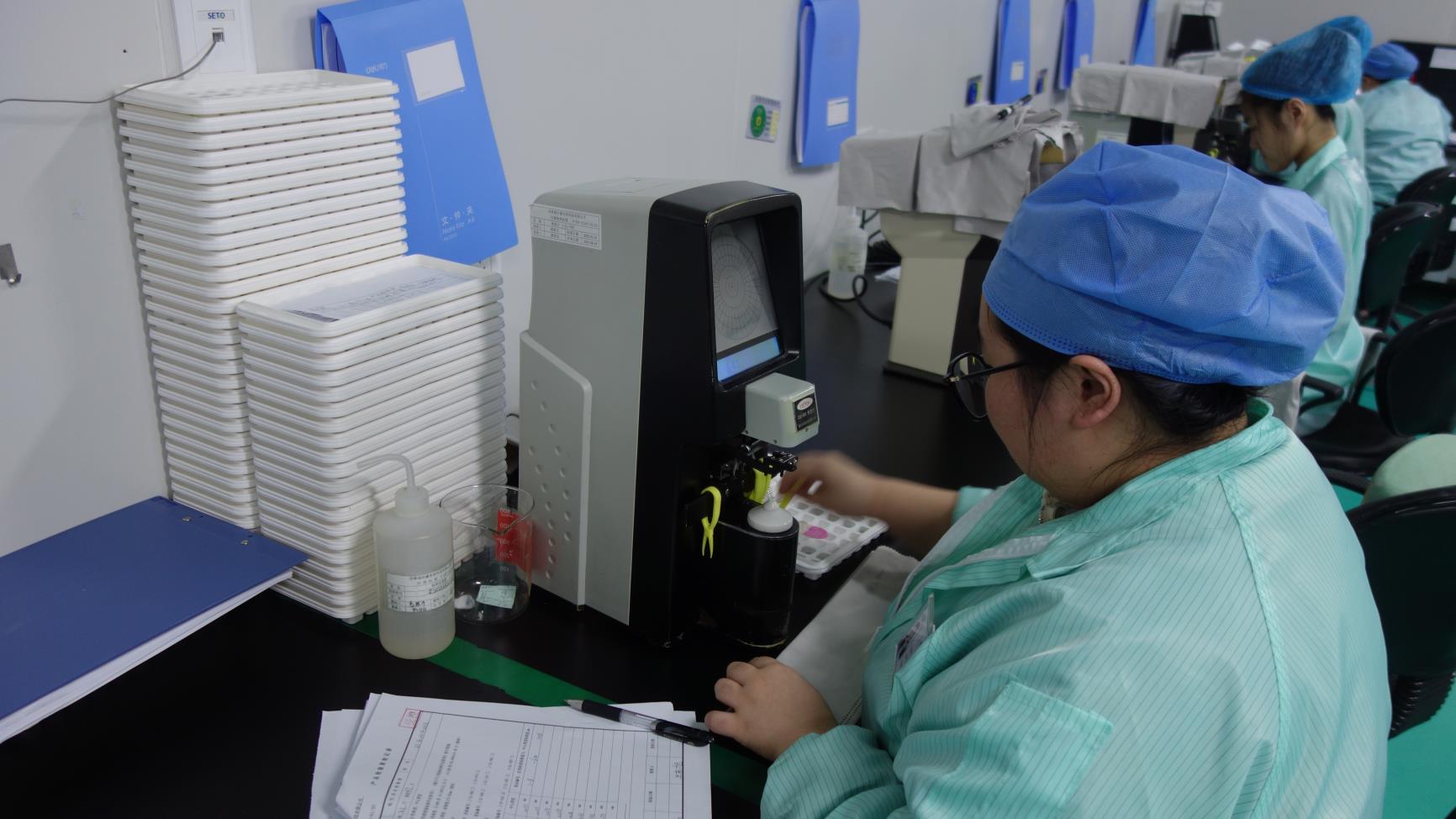
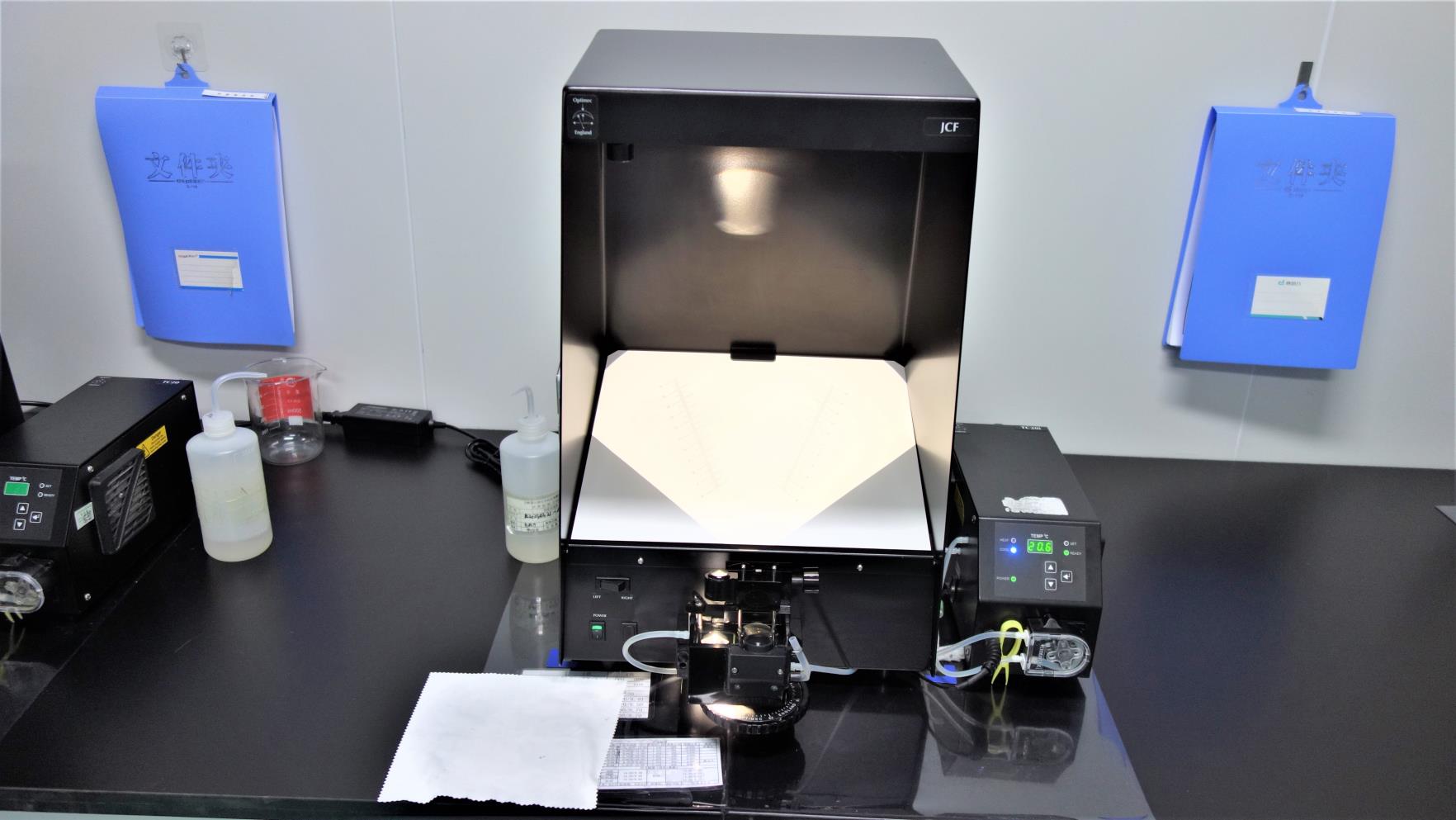
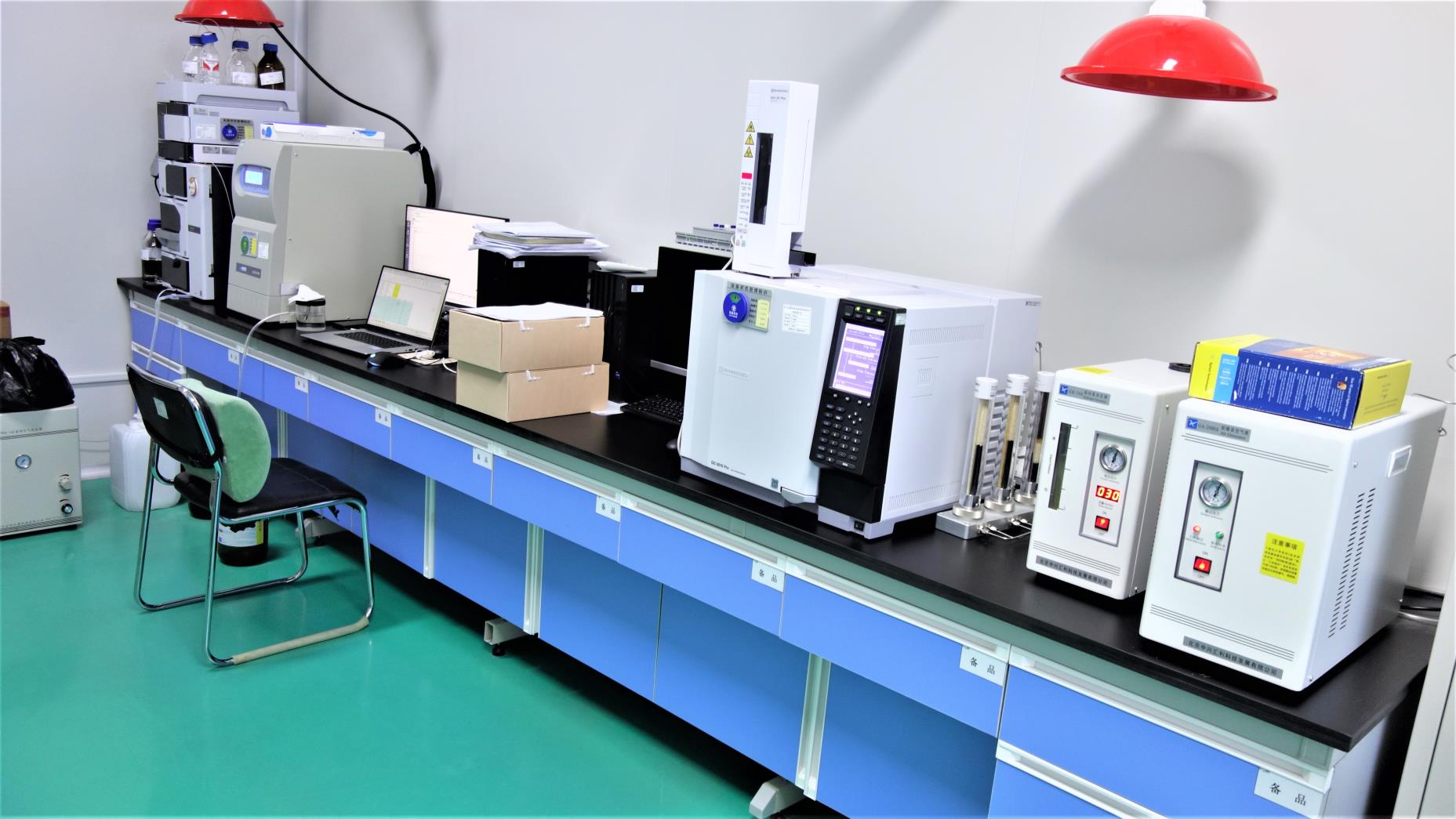
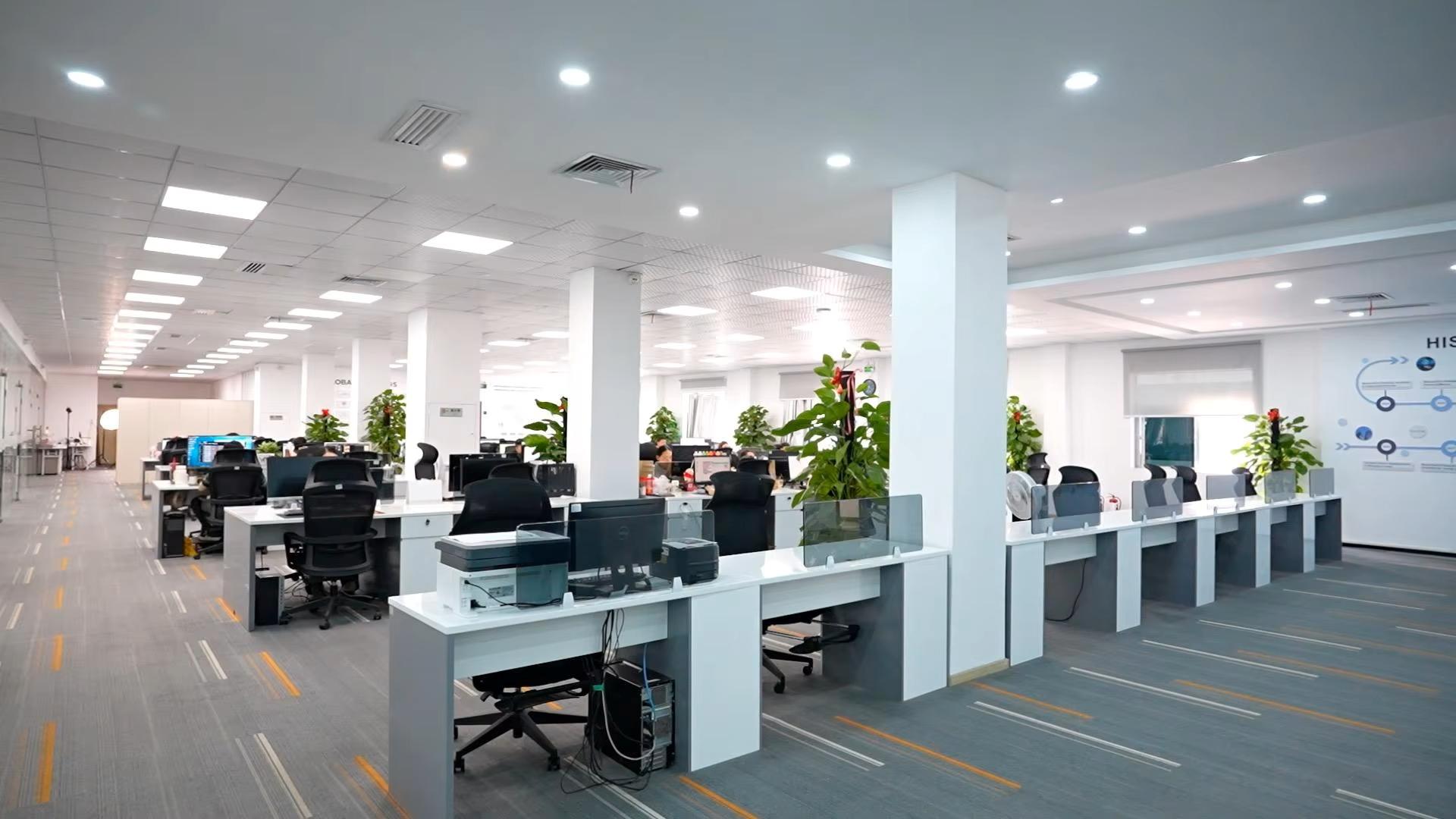
Our dust-free GMP cleanroom facility for hydrogel polymerization and precise secondary cutting.
Why do leading global brands source colored contact lenses from China? The answer lies in unmatched supply chain integration and manufacturing efficiency.
First, the domestic presence of raw material manufacturers for optical polymers (HEMA, EGDMA, NVP) reduces cost overheads while maintaining rigorous quality standardizations. Second, advanced molding technologies, like the dry-cast and semi-molding processes, have been scaled up with automated demolding and optical alignment inspection lines. This automation reduces human error, guarantees stability in lens thickness profiles, and maintains uniform edge configurations.
Furthermore, China's logistical infrastructure makes it possible to transport bulk products to major hubs in North America and Europe via express shipping in as little as 3 to 7 business days. This logistics network is the backbone of the Ready-to-Ship (RTS) framework, allowing overseas distributors to maintain lean inventories without risking stock-outs.
Our inventory caters to a wide spectrum of visual applications. Different regional demographics demand specialized lens properties. Below are the primary application scenarios for our global supply chains:
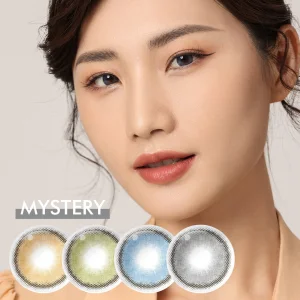
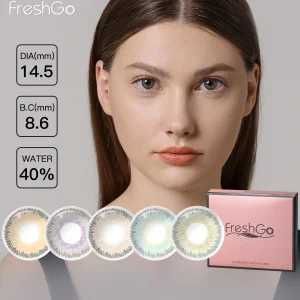
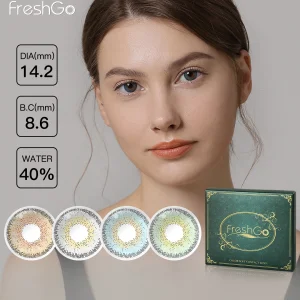
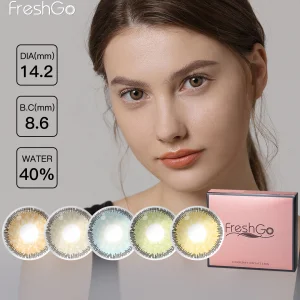
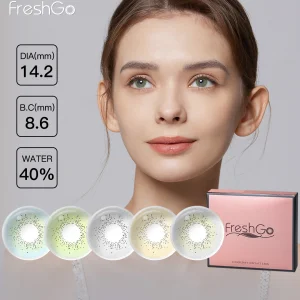
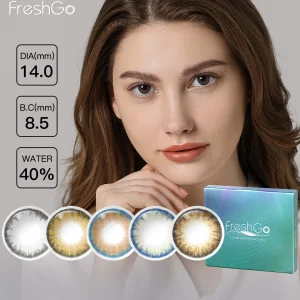
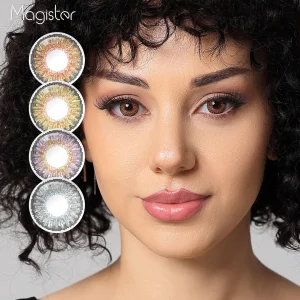
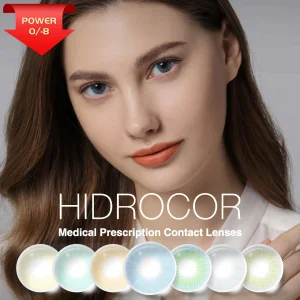
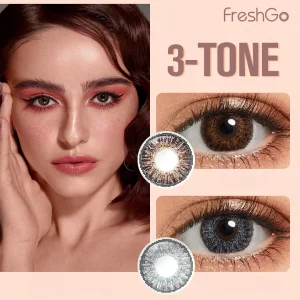
Designed with natural iris textures, utilizing 1-tone, 2-tone, and 3-tone printing layers. Popular in daily grooming routines, cosmetics channels, and professional bridal applications. Brands like HIDROCOR and Freshgo cater specifically to these natural blending needs.
Featuring highly opaque pigments and specialized structures like Black Sclera (22mm) and Sharingan crazy lenses. Primarily sourced by costume shops, gaming distributors, and event supply houses during Halloween and cultural conventions.
Beyond color, corrective functions are integrated. Clear soft lenses with varying prescription strengths (diopters ranging from -0.50 to -8.00) are manufactured under strict optical focus tolerances to ensure comfort and vision correction.
For patients with corneal opacities or structural iris disfigurements, our specialized prosthetic lenses help restore natural eye appearance, matching the healthy eye's coloration and pupil structure.
Understanding where the contact lens market is headed is vital for strategic planning. We anticipate several major developments in the coming five years:
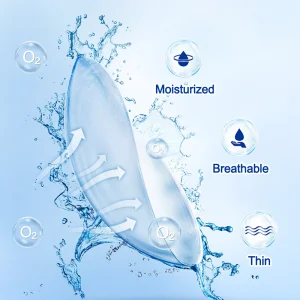
Dk/t values (oxygen transmissibility) are under scrutiny. The transition from traditional hydrogels (like HEMA) to third-generation silicone hydrogels is accelerating, allowing for extended wear times and reduced corneal hypoxia.
Technological focus is on "sandwich technology"—completely sealing pigment particles inside the lens structure so they never come into direct contact with the cornea or palpebral conjunctiva.
Transitioning to biodegradable foil lids and thinner plastic blisters to reduce carbon footprints, aligning with global corporate social responsibility mandates.
Find answers to regulatory, manufacturing, and logistic queries relative to sourcing RTS contact lenses.
The main advantage is speed-to-market. RTS models let brands purchase smaller initial batches of pre-made, pre-tested, and pre-packaged lenses. This reduces cash flow pressure, eliminates the typical 45-to-90-day production lead time, and permits immediate order fulfillment.
We trace all chemical monomers used in our polymer formulations. Every batch of HEMA or hydrophilic copolymer is documented from synthesis to hydration. This guarantees our lenses remain free of heavy metals and impurities that could cause ocular irritation.
Yes. While we maintain a massive RTS inventory of popular brands like Freshgo, Magister, and Pseyeche, we also offer sample processing, graphic design, and custom packaging. OEM/ODM branding is available for clients meeting our minimum custom production run requirements.
We employ a multi-layered quality control framework. This includes optical parameter check using advanced focimeters, surface curvature inspection with high-resolution projectors, and spectrophotometry to assess light transmission profiles. Finally, every batch goes through autoclave sterilization and Outgoing Quality Control (OQC).
Our primary distribution channels are North America (25%), Southeast Asia (20%), and the Middle East (10%). We support clients in English, Spanish, and Chinese to guarantee smooth communication, shipping preparation, and contract handling.
No. Professionally manufactured cosmetic lenses use the same medical-grade hydrogel polymers as clear corrective lenses. By utilizing sandwich encapsulation technology, the coloration layer is sealed between clear polymer surfaces, preventing direct contact with ocular tissue.
Lenses must be stored in sterile saline or multipurpose contact lens solutions. They should never contact tap water. Our Yearly Disposable lenses must be cleaned after every use, while daily disposables should be discarded immediately after removal to ensure hygiene.
Yearly disposable lenses can be used for up to 12 months after the blister seal is opened, provided they are properly cleaned, disinfected, and stored after each wear. Sealed lenses have a shelf life of up to 5 years from the sterilization date printed on the pack.
Select from our best-selling ranges below to expand your brand's optical catalog instantly.