Fresh Lenses
Fresh Lenses
Fresh Lenses
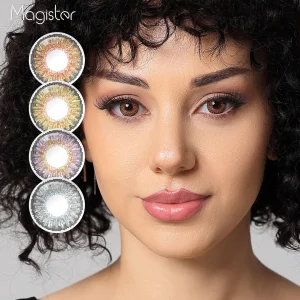
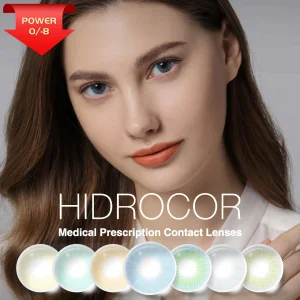

The optical industry in Latin America is witnessing an unprecedented transition. Headed by the economic powerhouse of São Paulo, demand for premium-grade contact lenses—ranging from therapeutic corrective spheres to high-pigment cosmetic alternatives—is growing at a compound annual rate (CAGR) of 6.8%. Historically, local distributors faced significant market constraints, including volatile production times and long lead times of 60 to 90 days.
As an established industry pioneer, Shenzhen Fresh Vision Co., Ltd. addresses these systemic challenges through our state-of-the-art Ready-To-Ship (RTS) supply model. By pre-allocating inventory, utilizing advanced logistics pathways, and maintaining compliance standards that align with Brazilian ANVISA standards, we enable optical retailers, brand developers, and medical chains in São Paulo to keep inventory low and turnover high. Our local commercial channels bypass traditional supply bottlenecks, allowing direct shipping from our quality-certified facilities to central warehouses across Brazil.
Brazil stands as the single largest medical device and optical consumer market in South America. In São Paulo, which accounts for over 35% of the country’s total optical consumption, contact lenses are no longer viewed merely as clinical prosthetics. The modern consumer sees them as essential cosmetic accessories, heavily driven by beauty culture and influencer marketing.
However, local manufacturing options in Brazil face substantial raw material shortages and high operational costs. This has made importers and brand business owners increasingly dependent on high-quality external suppliers. The critical differentiator for success in São Paulo's market is ANVISA compliance. The Agência Nacional de Vigilância Sanitária mandates rigorous sterilization standards, product biocompatibility, and material traceability. Shenzhen Fresh Vision meets these demands by providing complete material dossiers, ISO 13485 clinical parameters, and CE-certified production lines.
By bridging the manufacturing efficiency of our facility with localized custom clearance networks, we provide a stable, consistent product pipeline. Our RTS model helps mitigate the volatile fluctuations of the Brazilian Real (BRL) by allowing buyers to purchase stock in modular, high-turnover batches rather than committing capital to massive, slow-moving maritime freight imports.
In the global contact lens supply chain, agility is key. The traditional OEM model requires a 30 to 45-day production cycle, followed by customs processing. In contrast, our Ready-To-Ship (RTS) operational model keeps millions of units of our most popular colors and prescriptions pre-packaged and ready for flight.
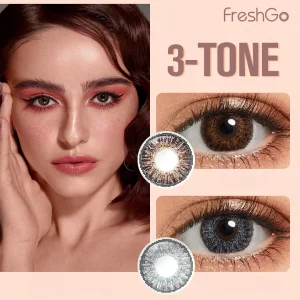
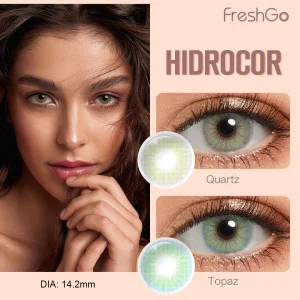
For a distributor located in Vila Mariana or Pinheiros in São Paulo, this translates to unparalleled flexibility. When a specific shade of colored lenses (such as Hidrocor or 3-Tone Green) becomes popular on social media, you can order, import, and stock your shelves before the trend shifts. Our RTS workflow includes multi-lingual customer support (Spanish, English, Chinese) and specialized custom clearing support to ensure seamless integration into South American distribution loops.
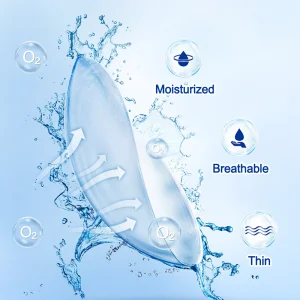
Our contact lenses are crafted from premium hydrogel materials (Polymacon, HEMA, and Silicon Hydrogel), striking the perfect balance between high water content and exceptional oxygen permeability (Dk/t). This prevents corneal hypoxia and ensures all-day comfort, which is especially important in urban climates like São Paulo.
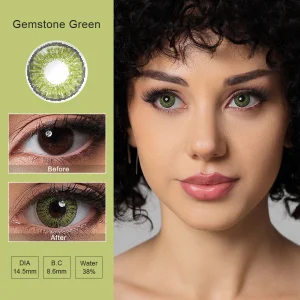
Furthermore, our cosmetic contact lenses employ a multi-layered sandwich printing technology. The color pigments are sealed between the inner and outer lens layers, preventing direct contact with the cornea. This guarantees color vibrancy without compromising safety or biocompatibility.
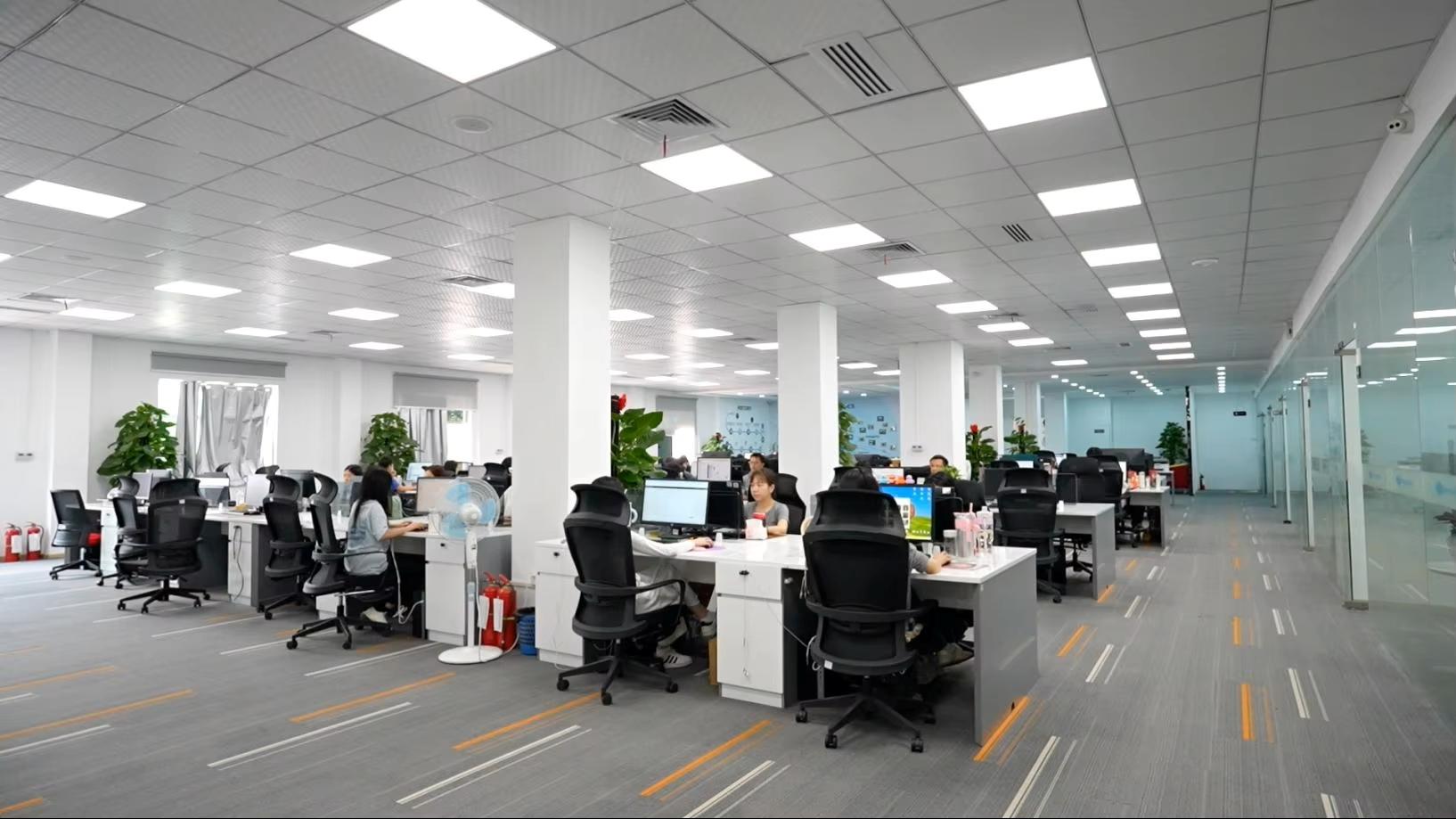
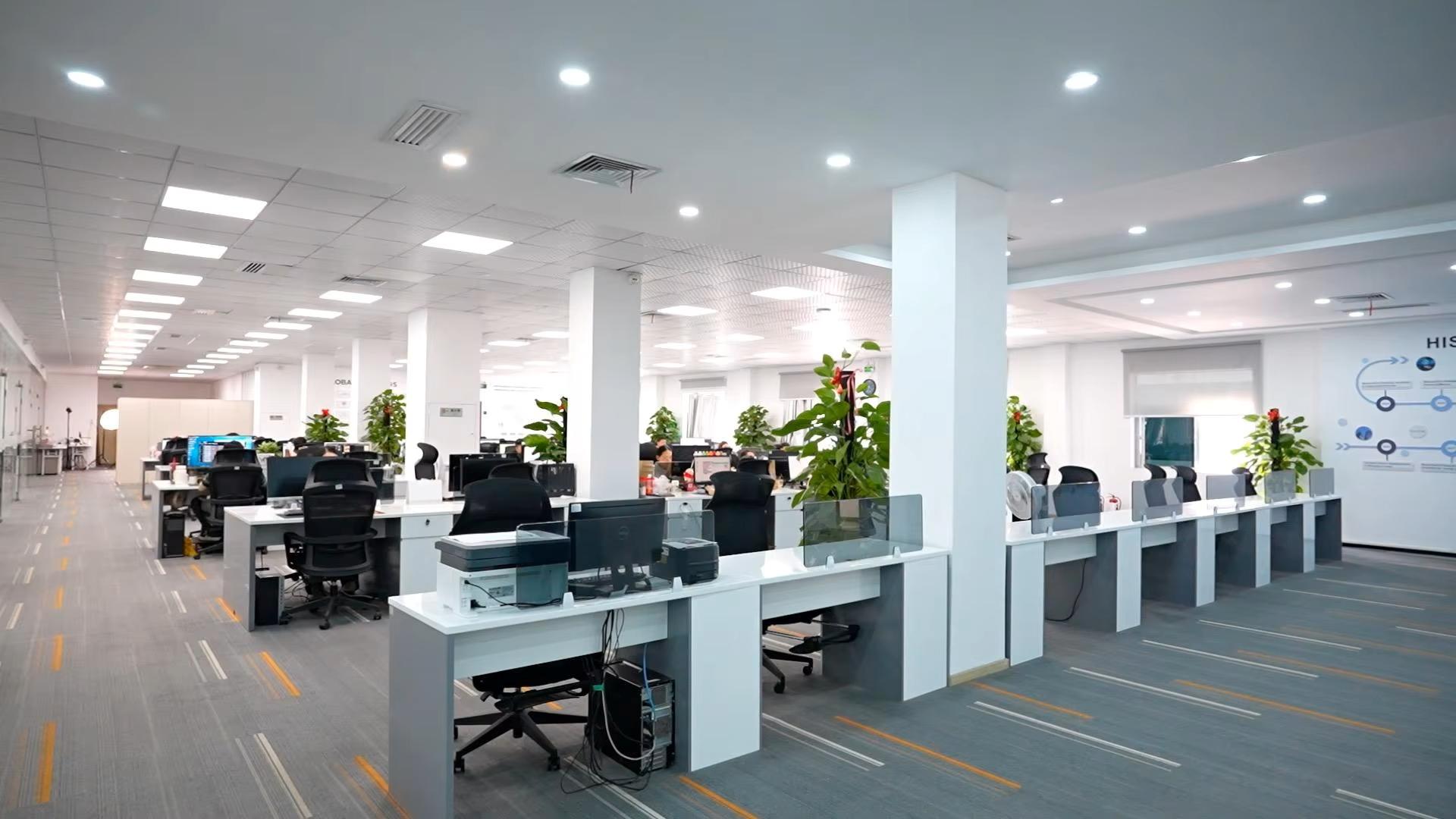
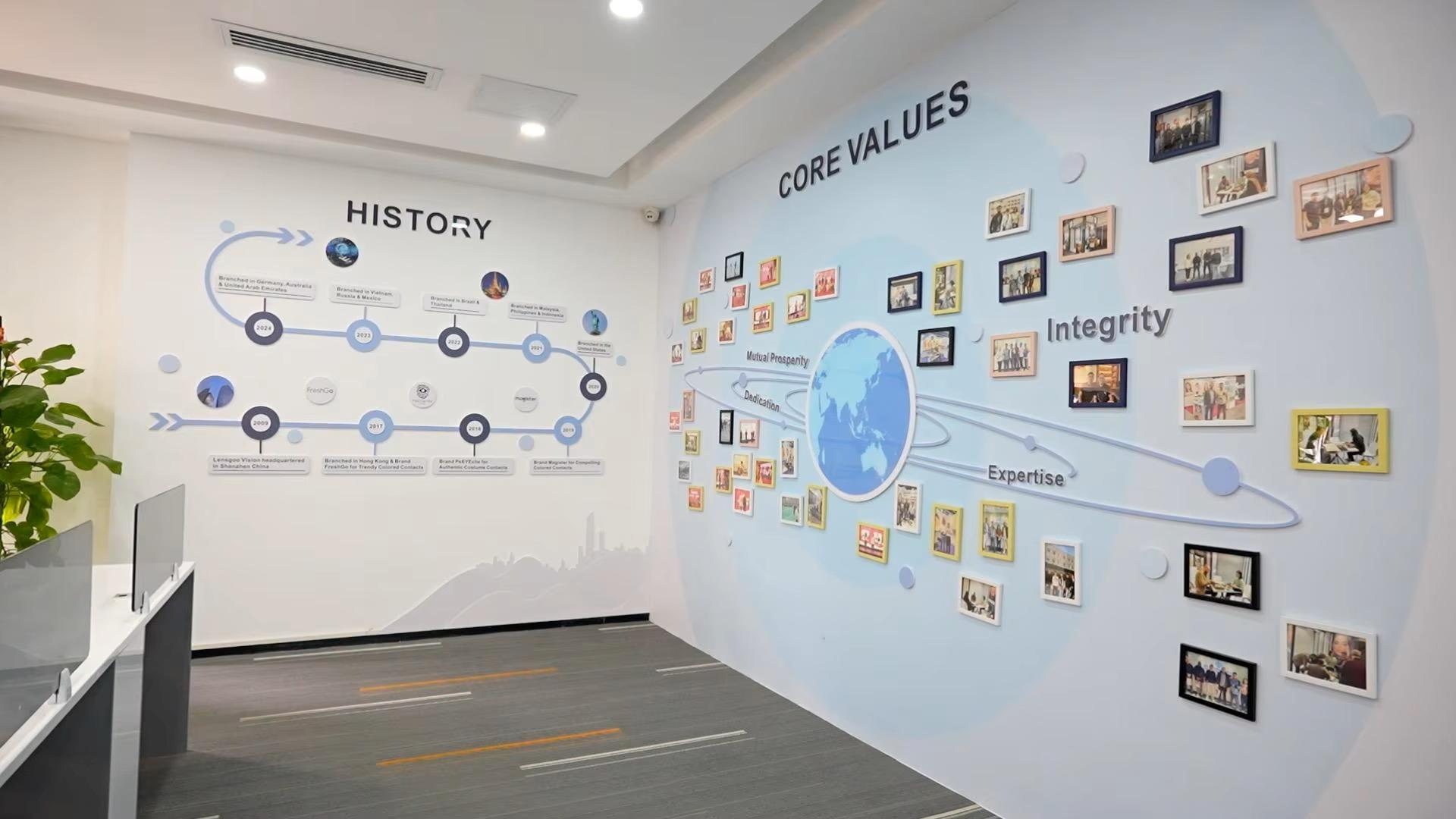
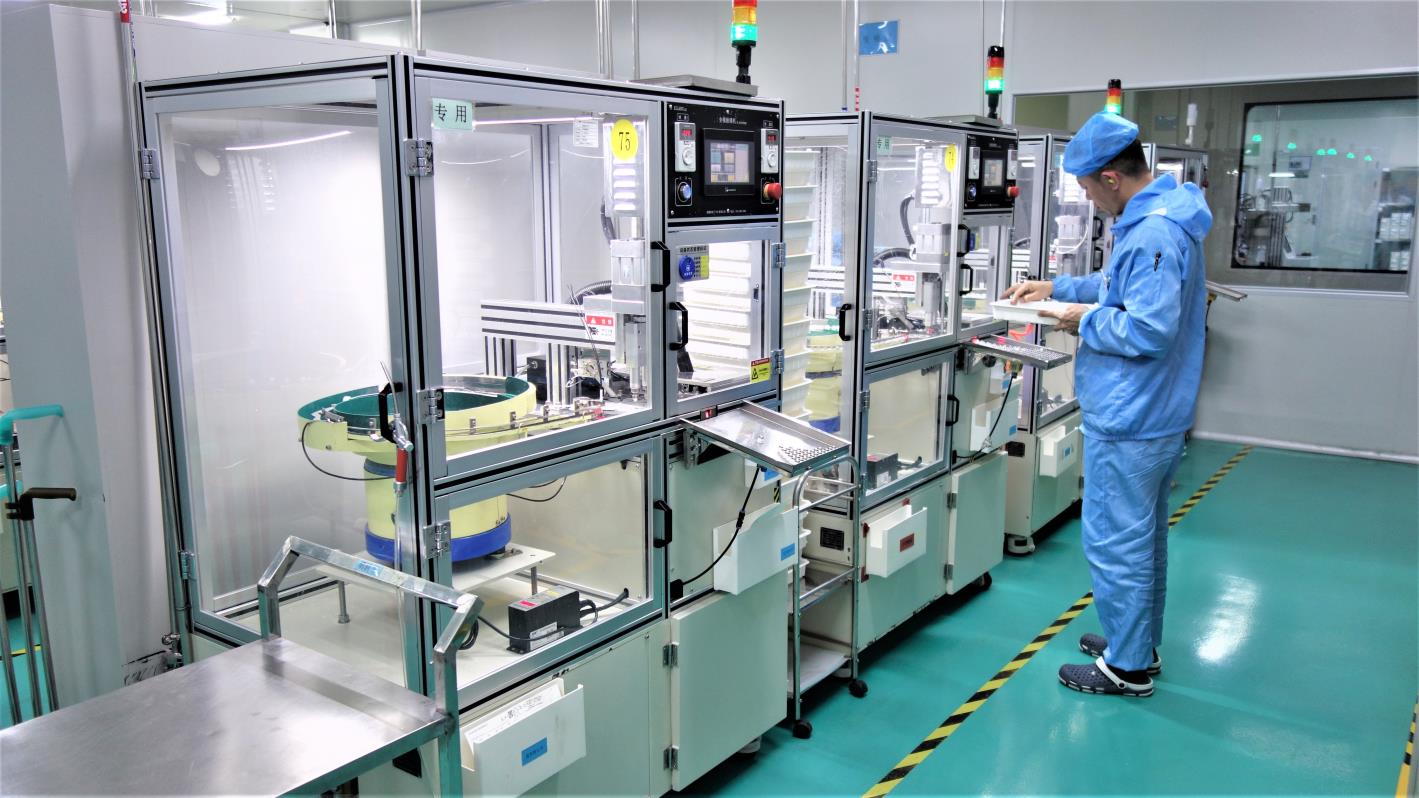
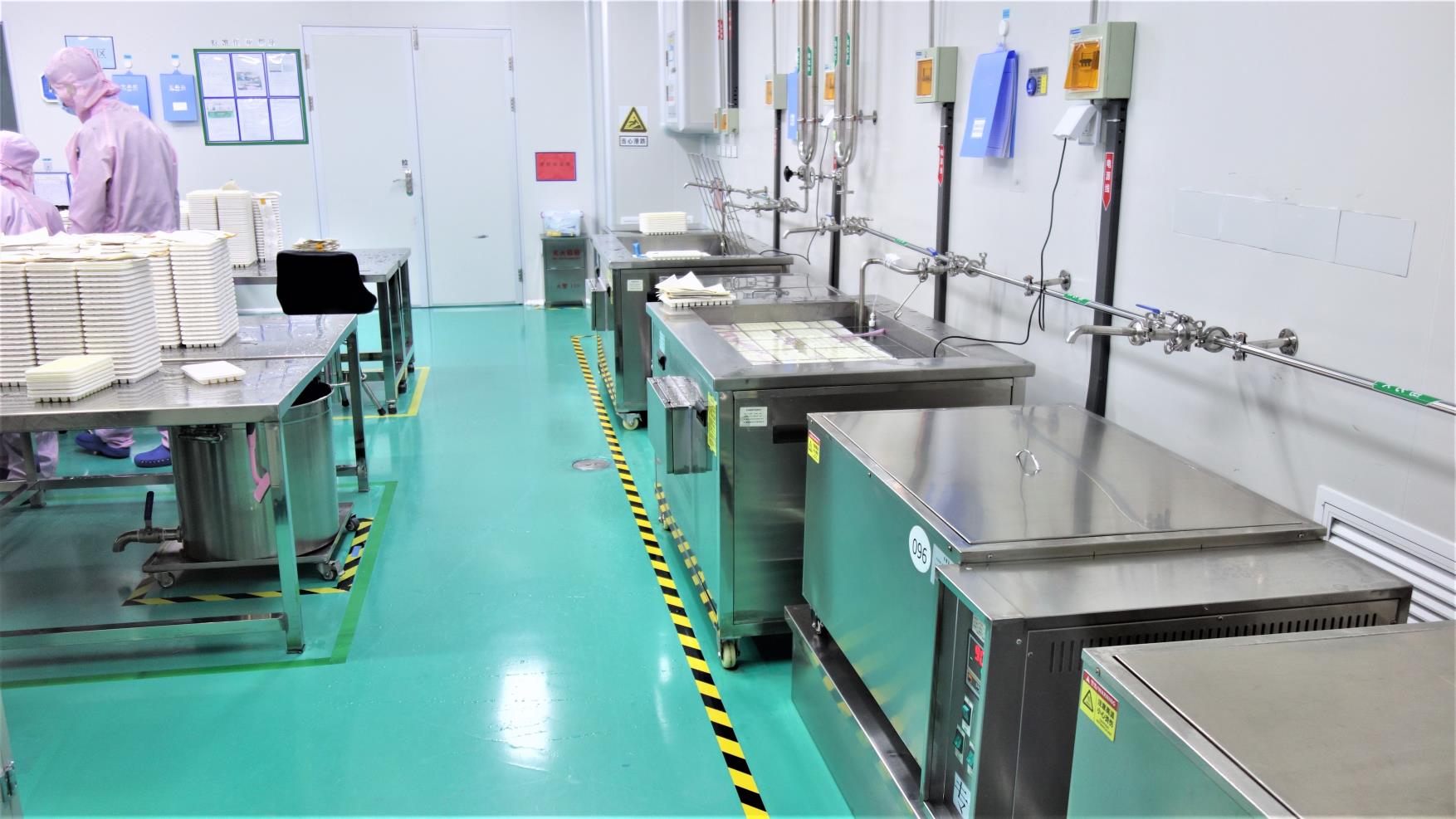
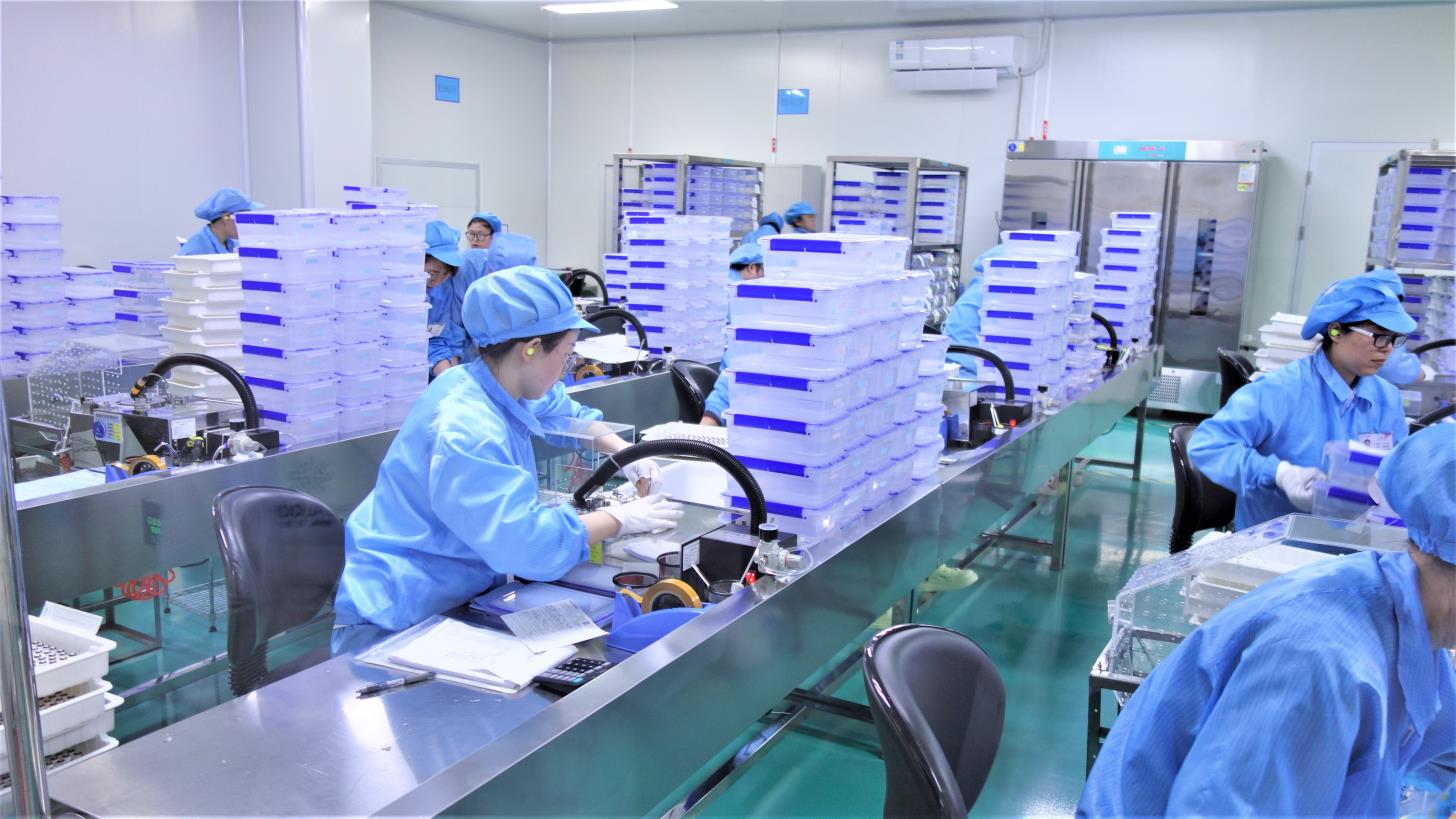
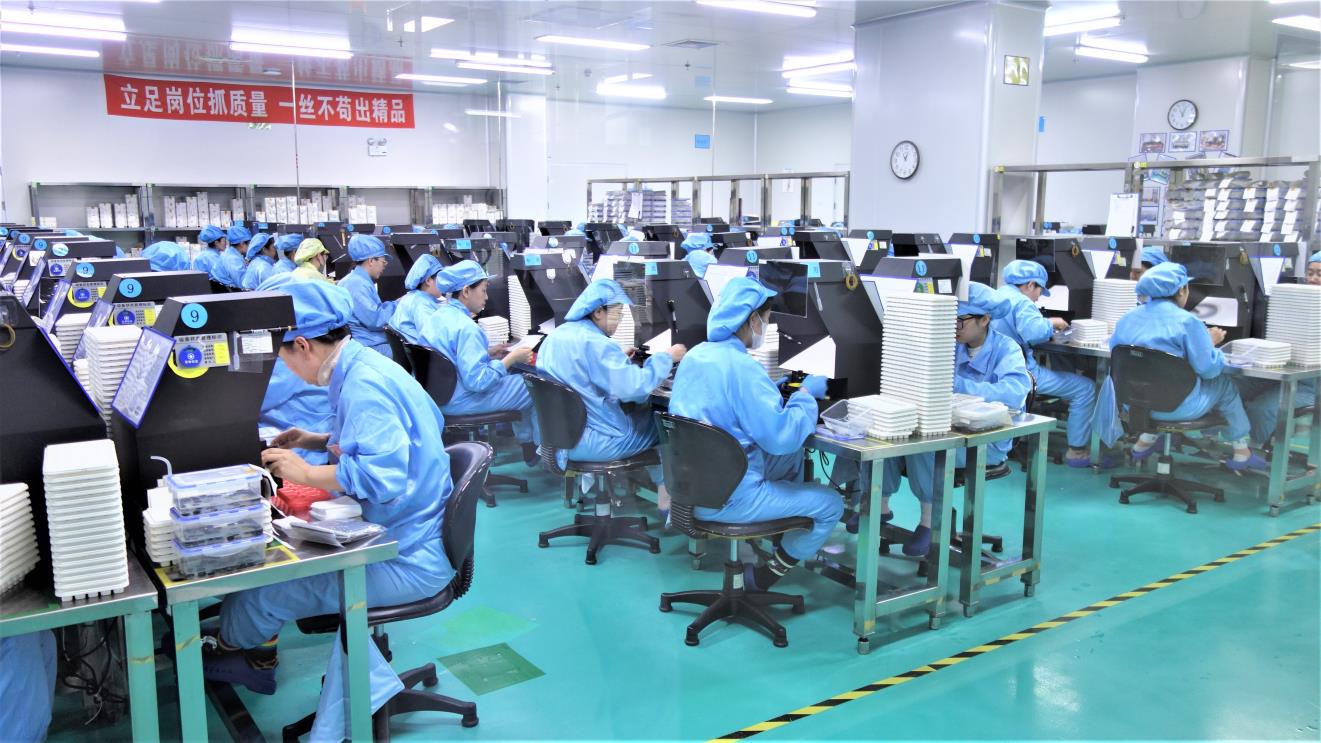
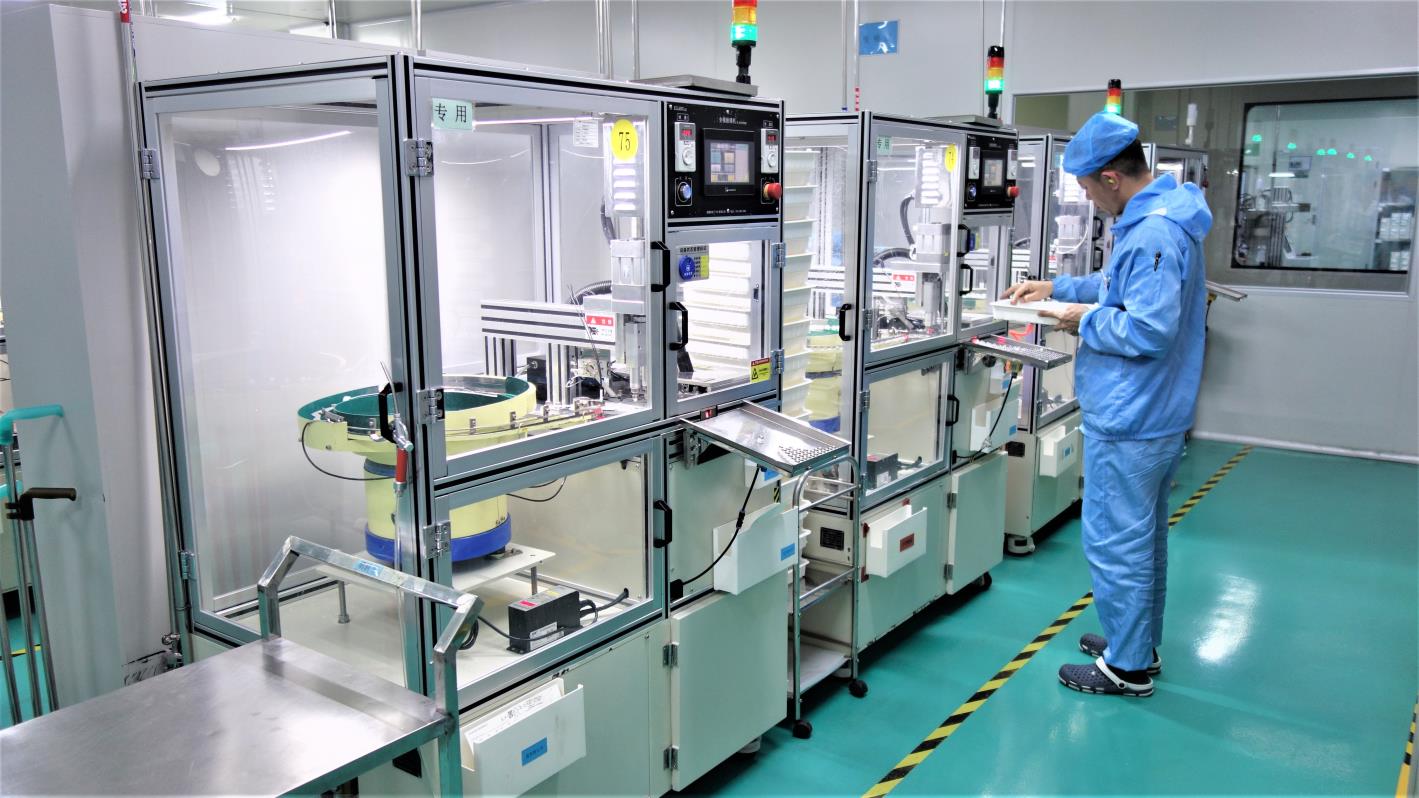
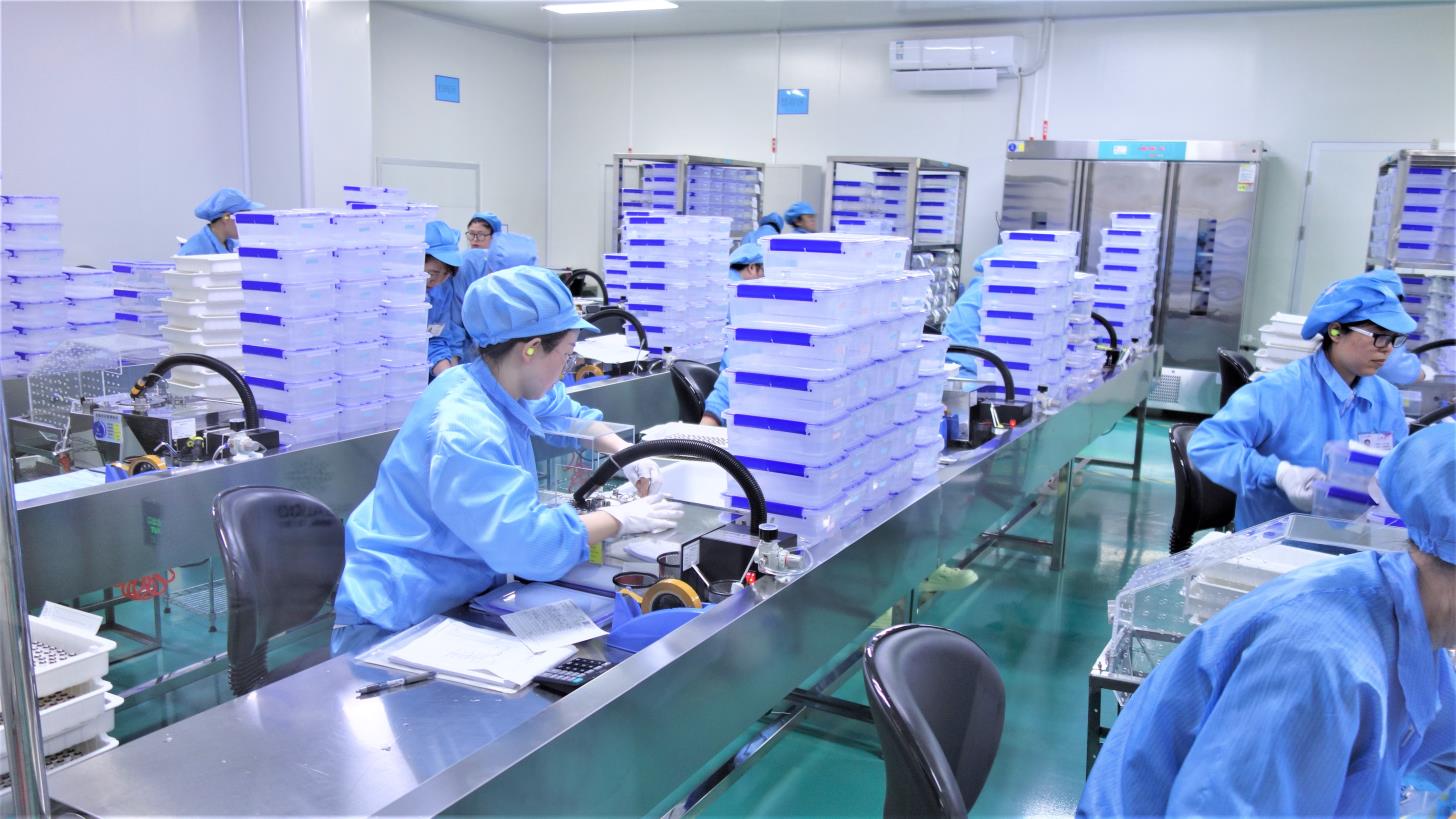
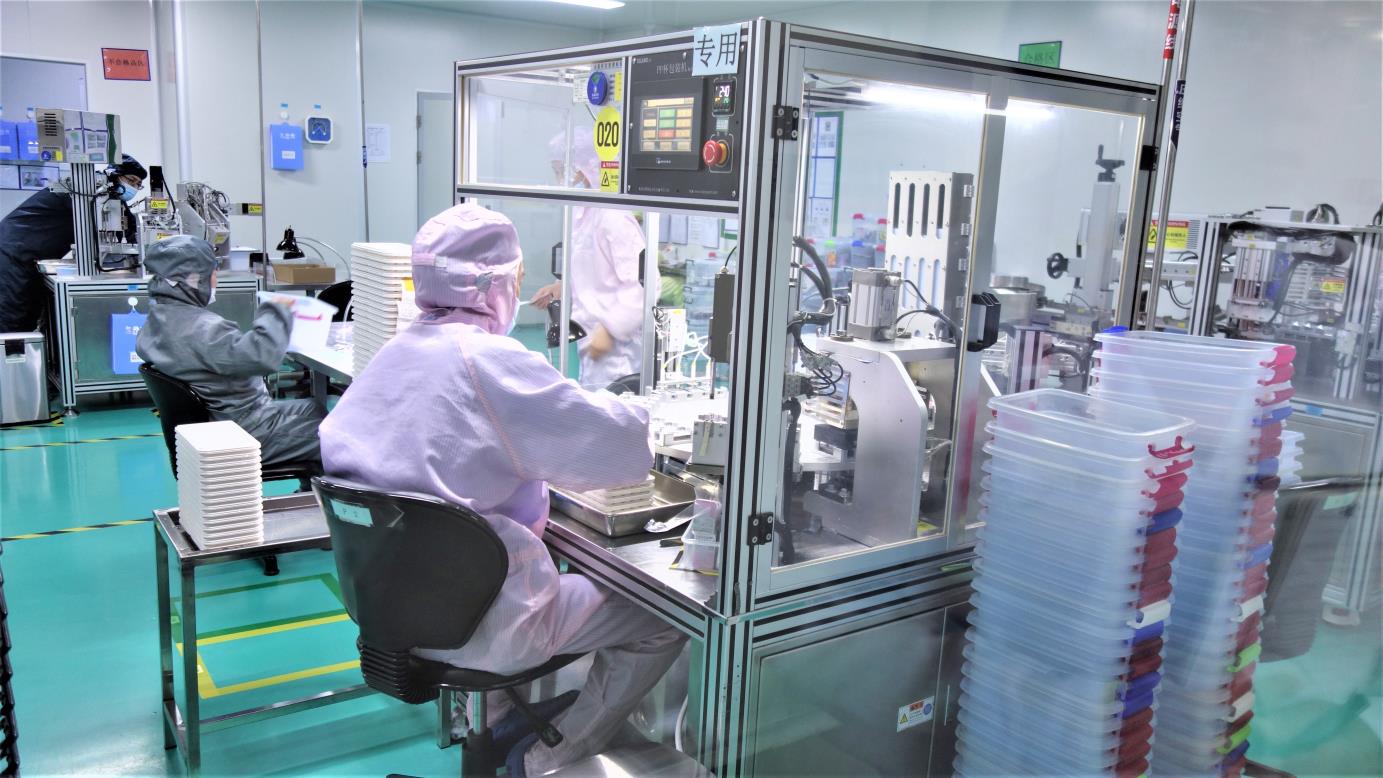
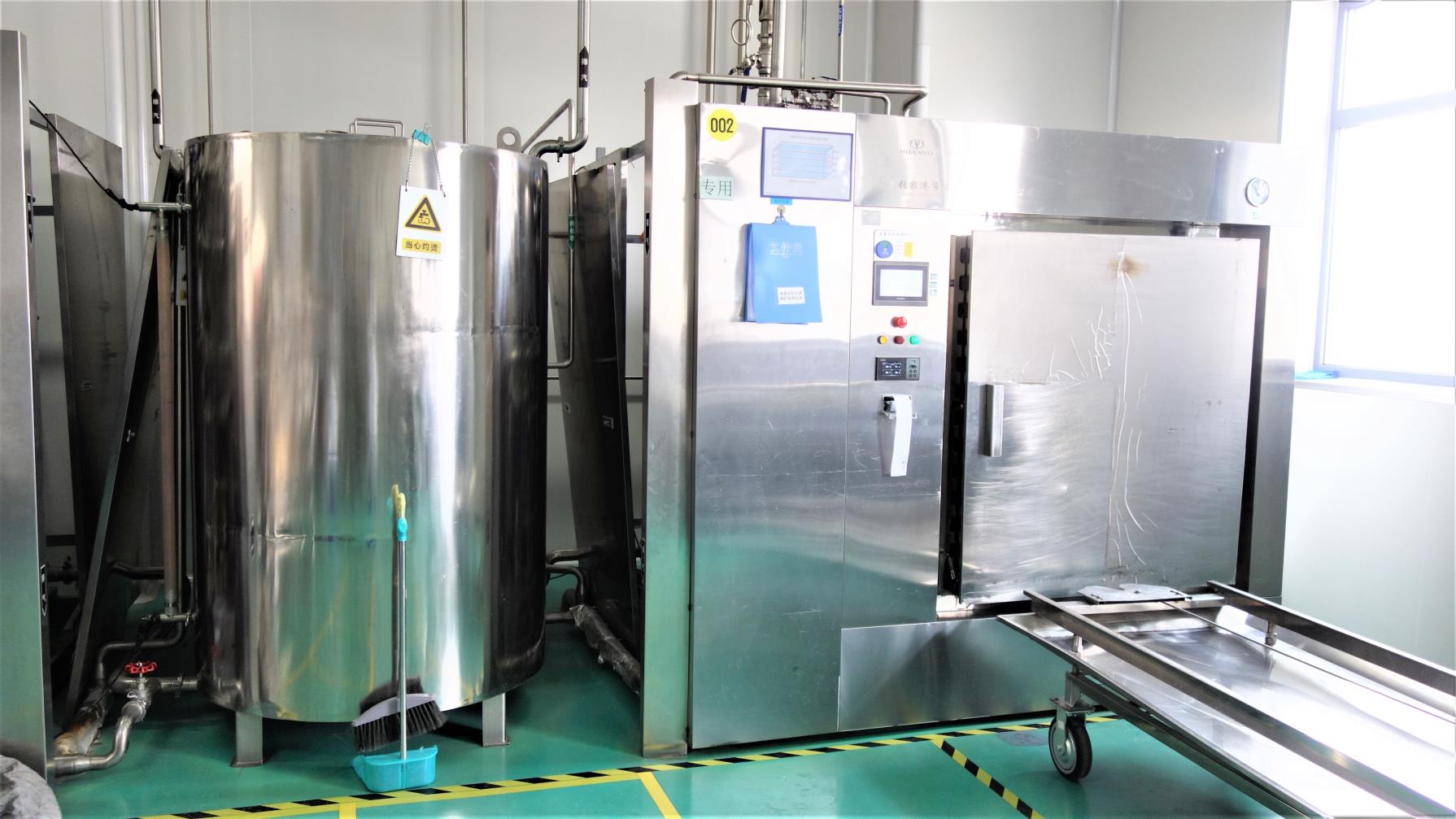
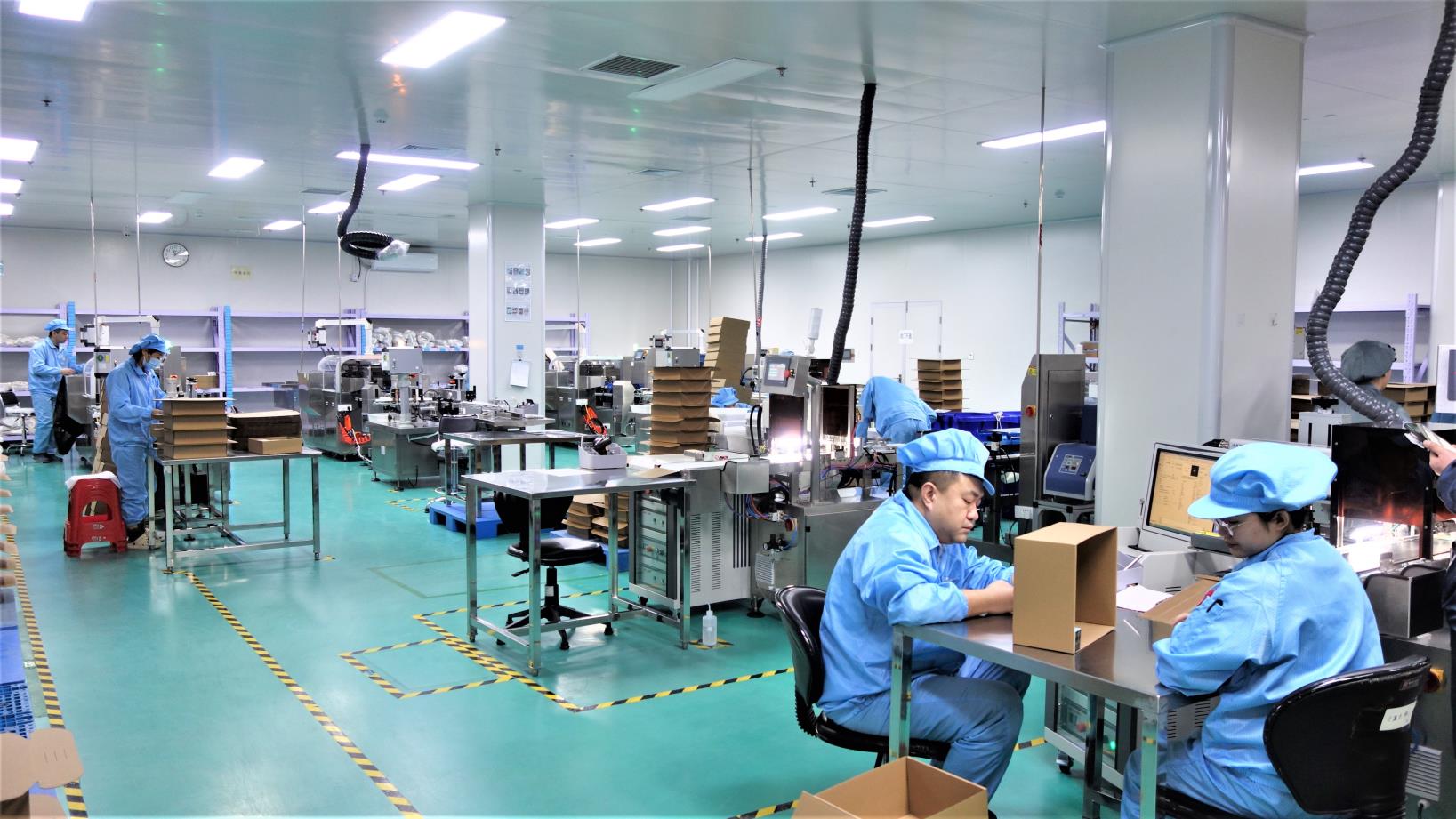
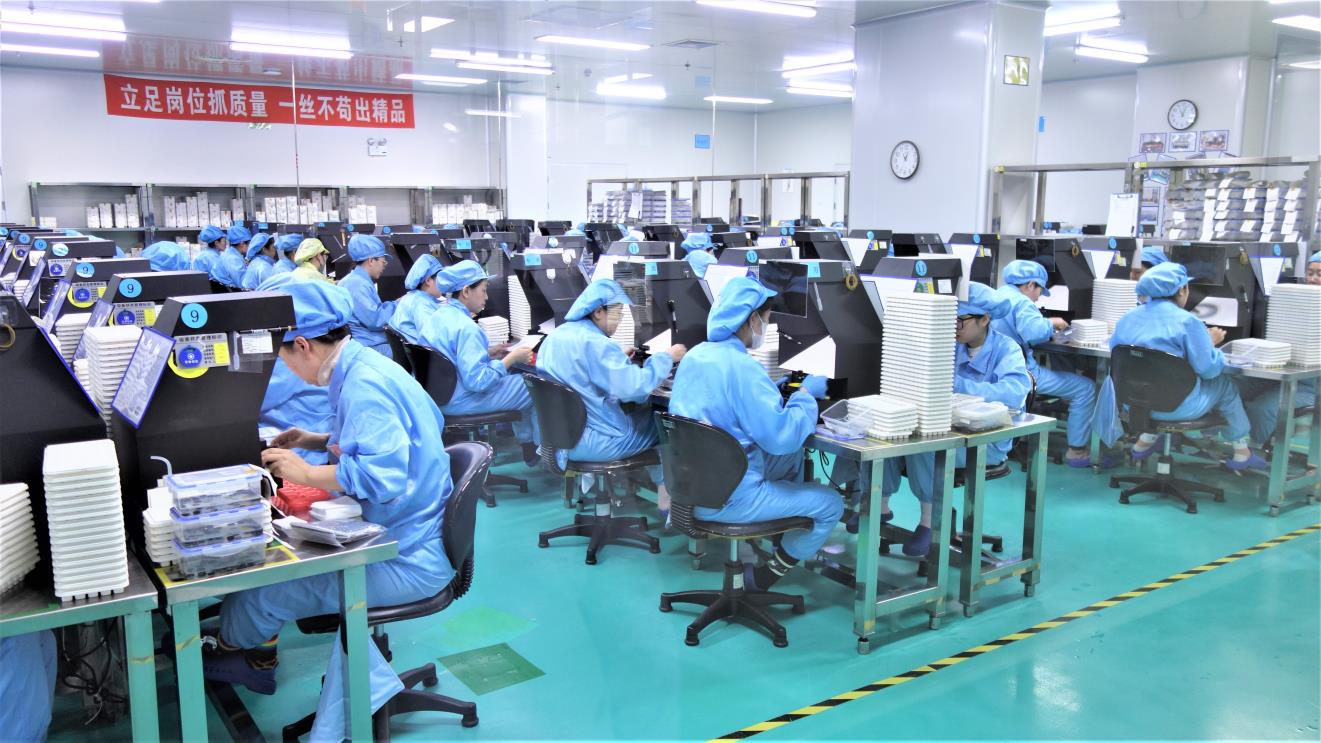
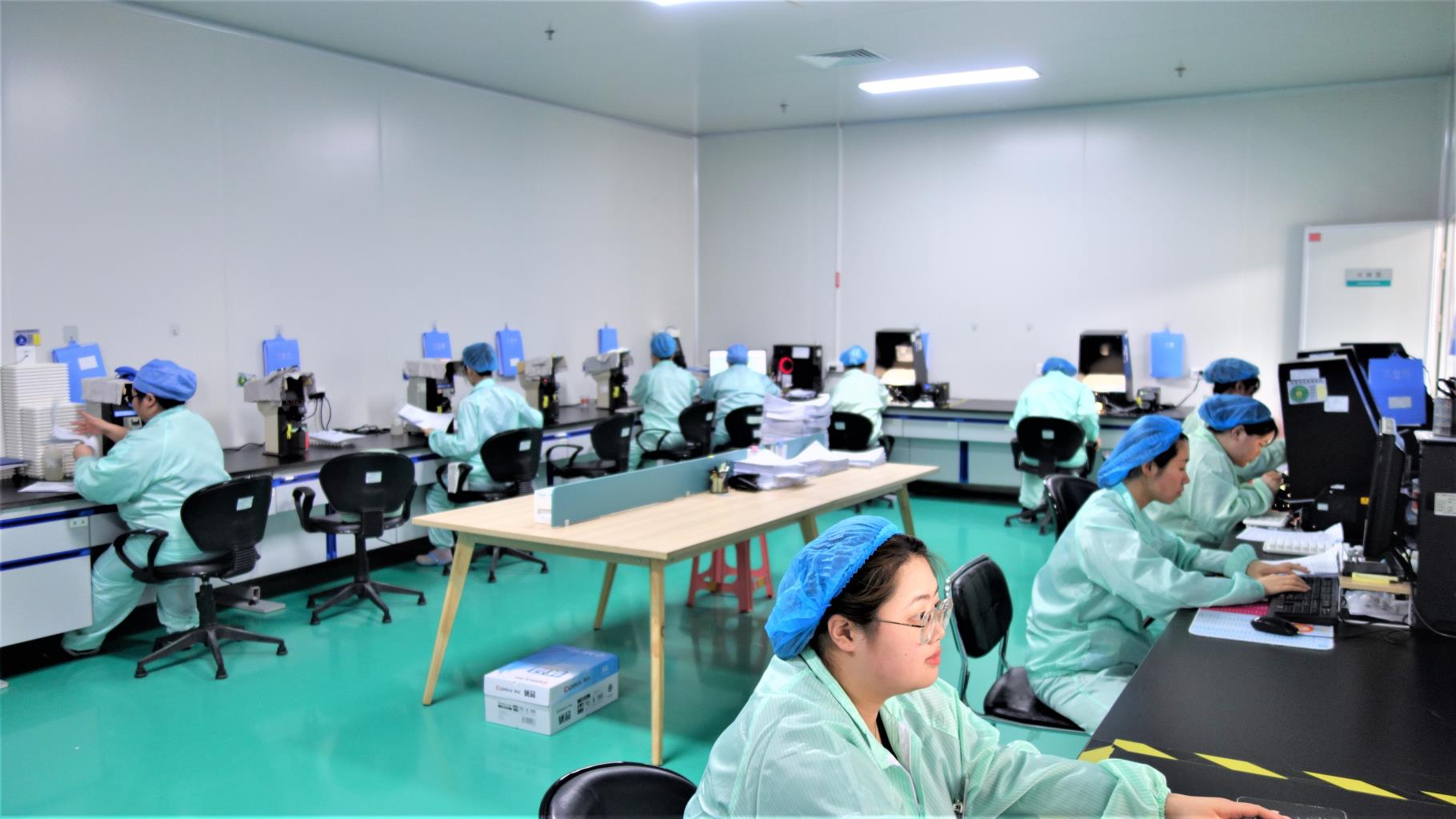
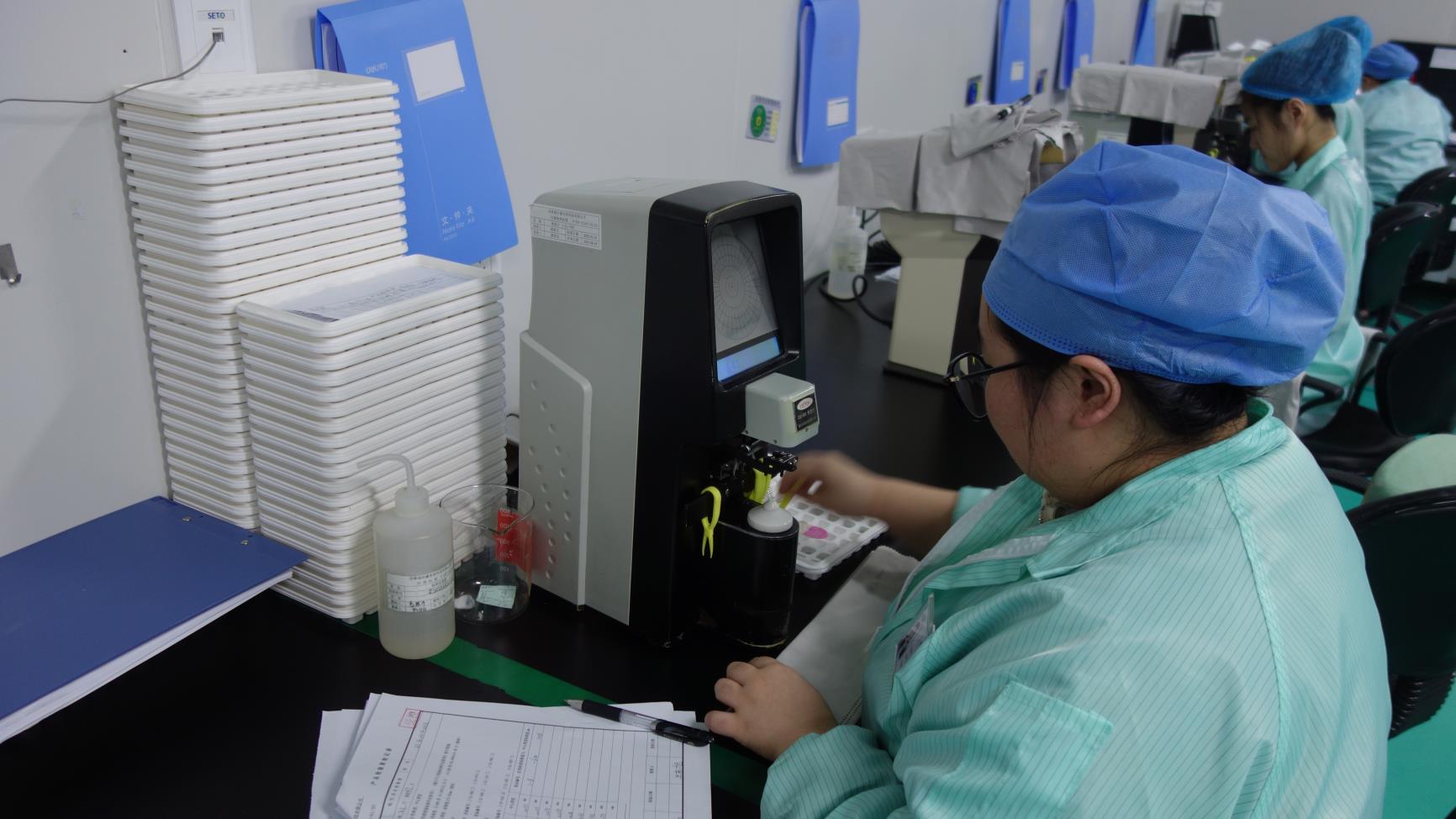
Every single lens undergoes automated inspections and physical testing protocols. Below is our verified manufacturing workflow and R&D laboratory equipment, ensuring 100% traceabilty of raw materials and finished lots.
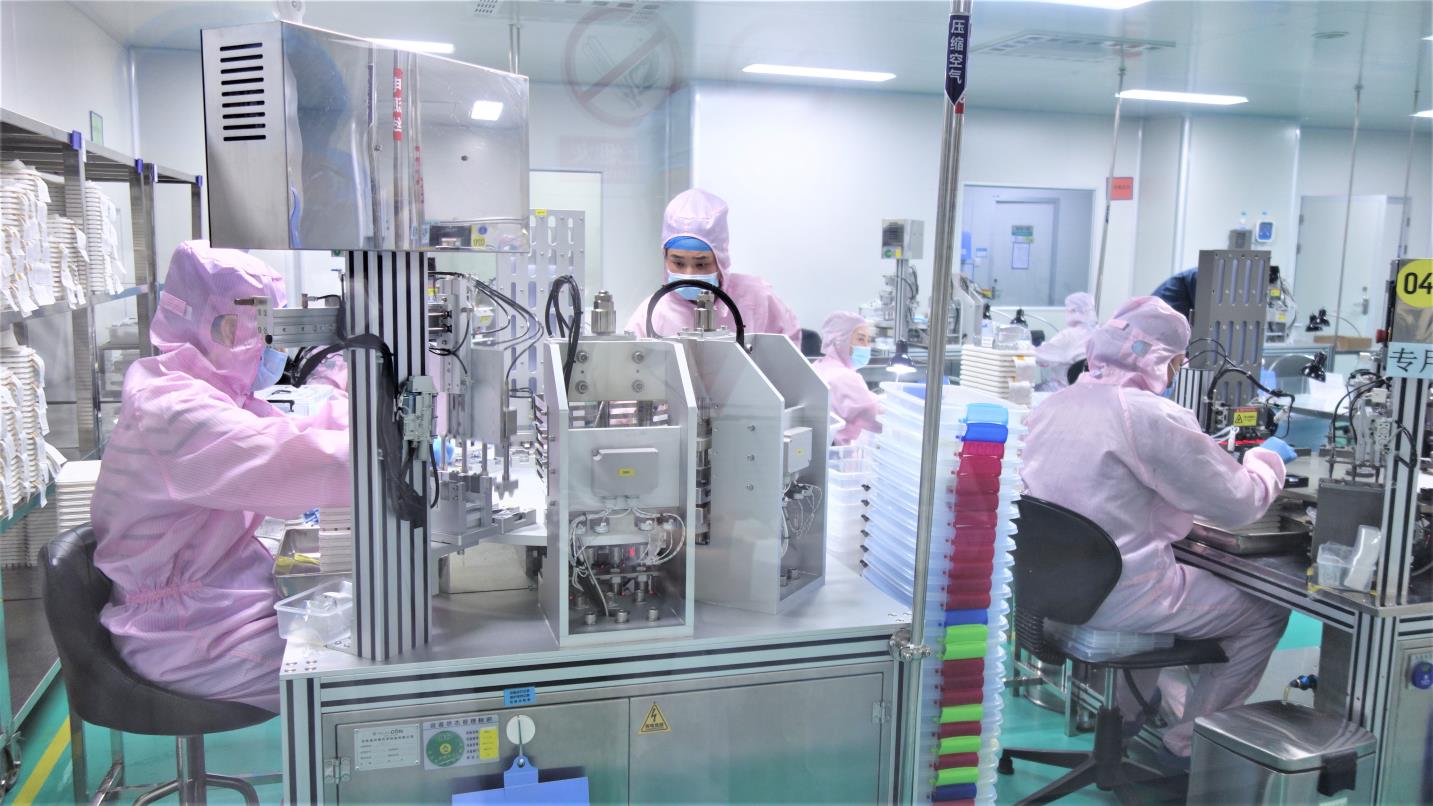
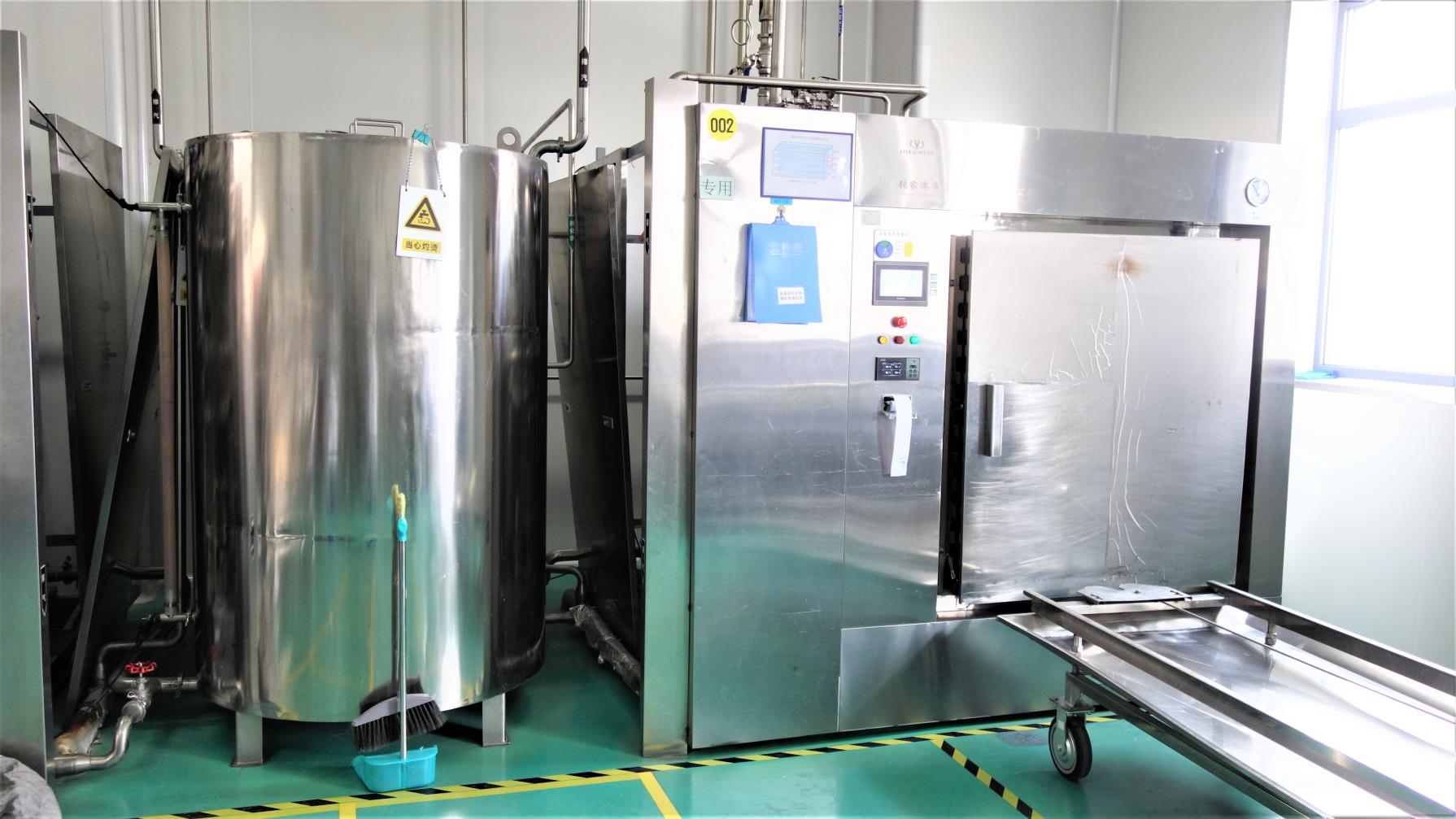
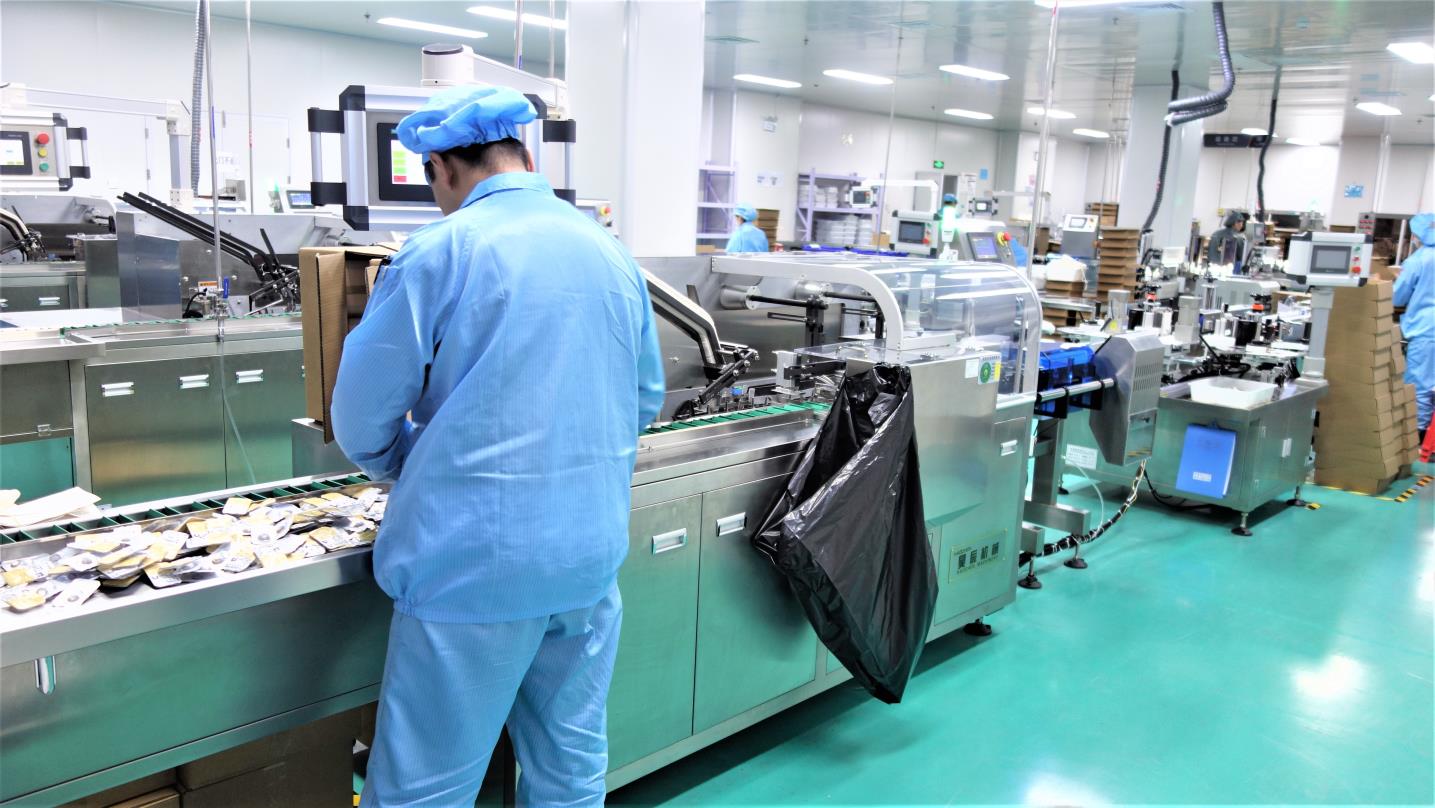
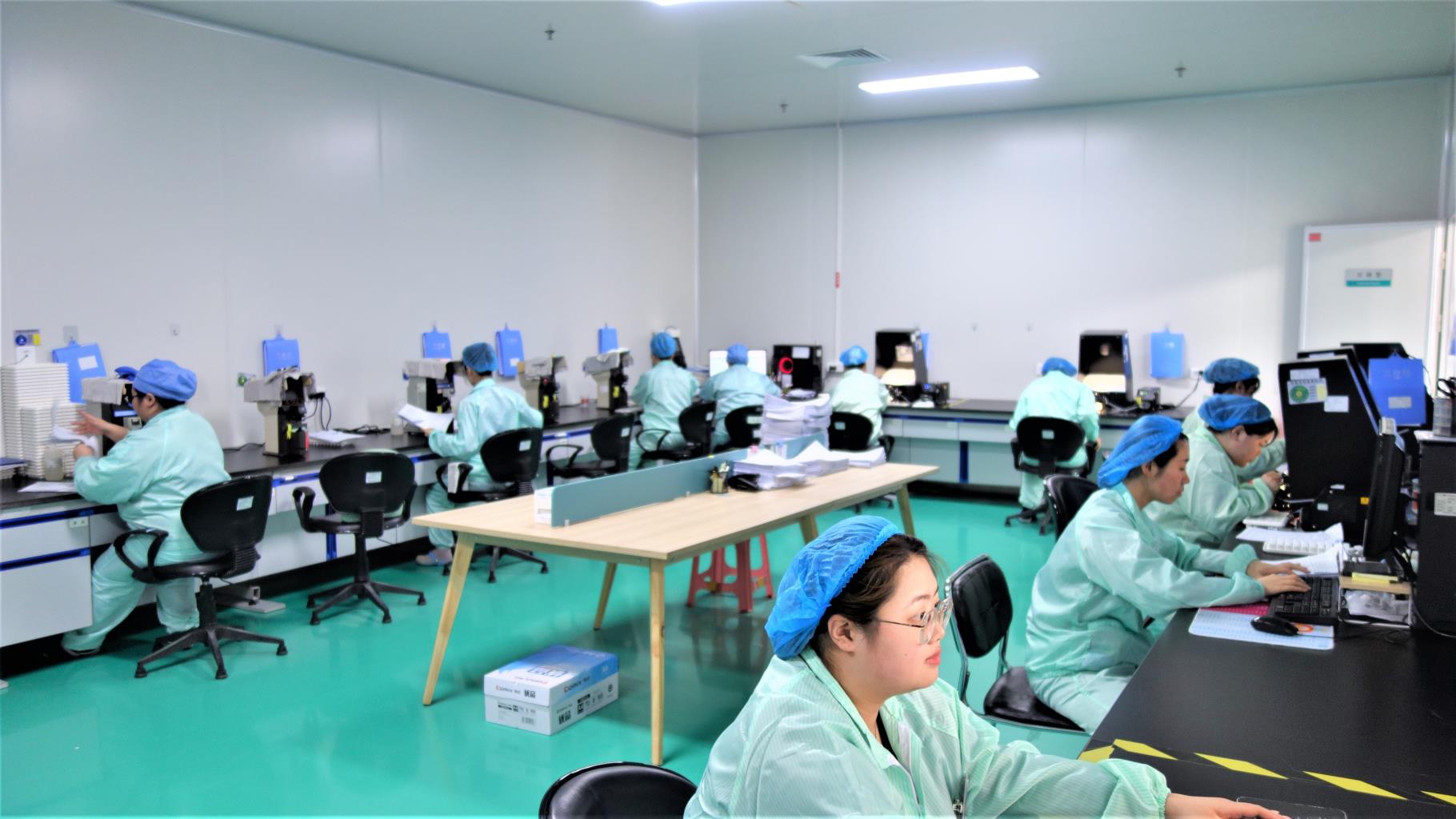
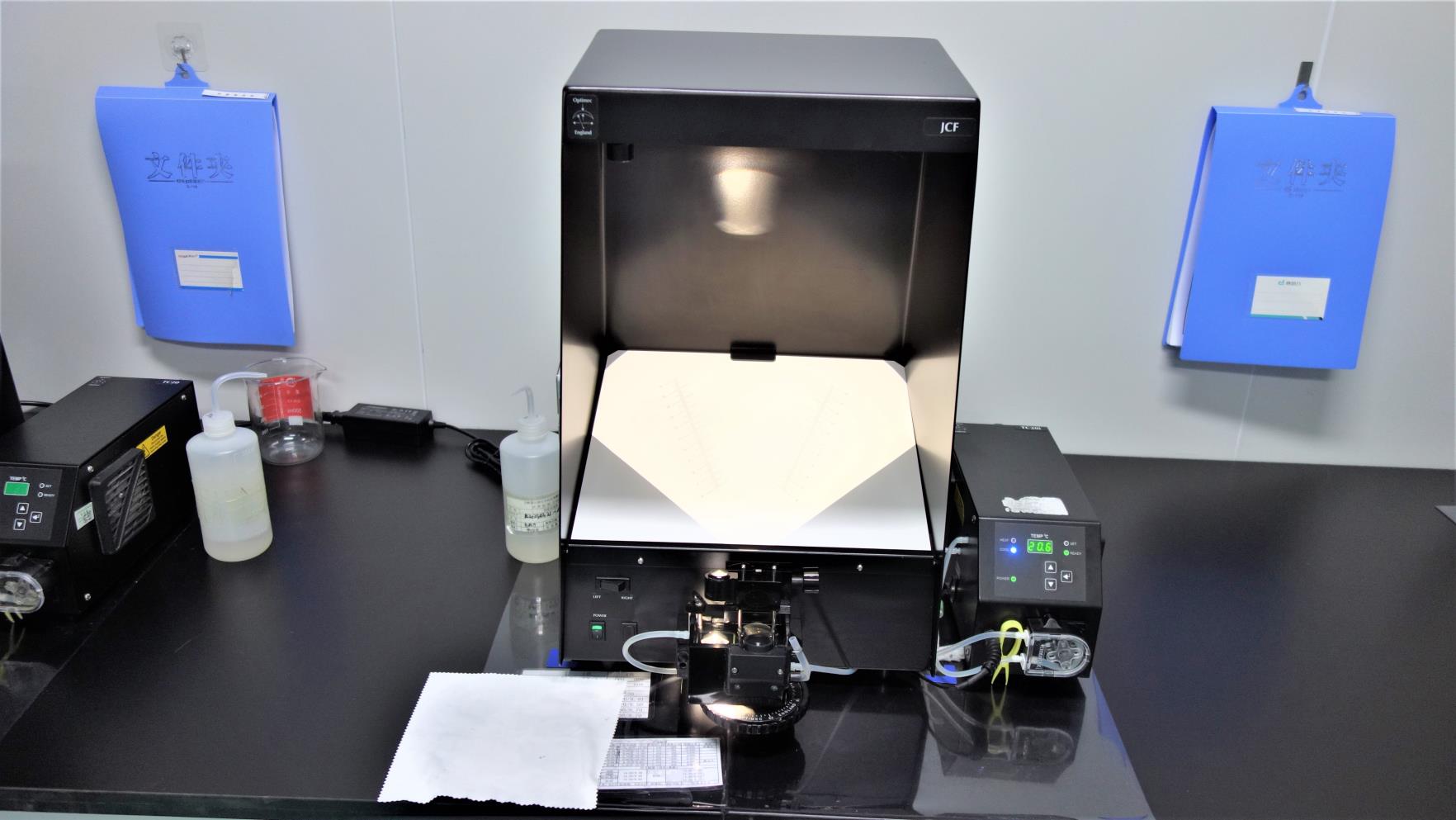
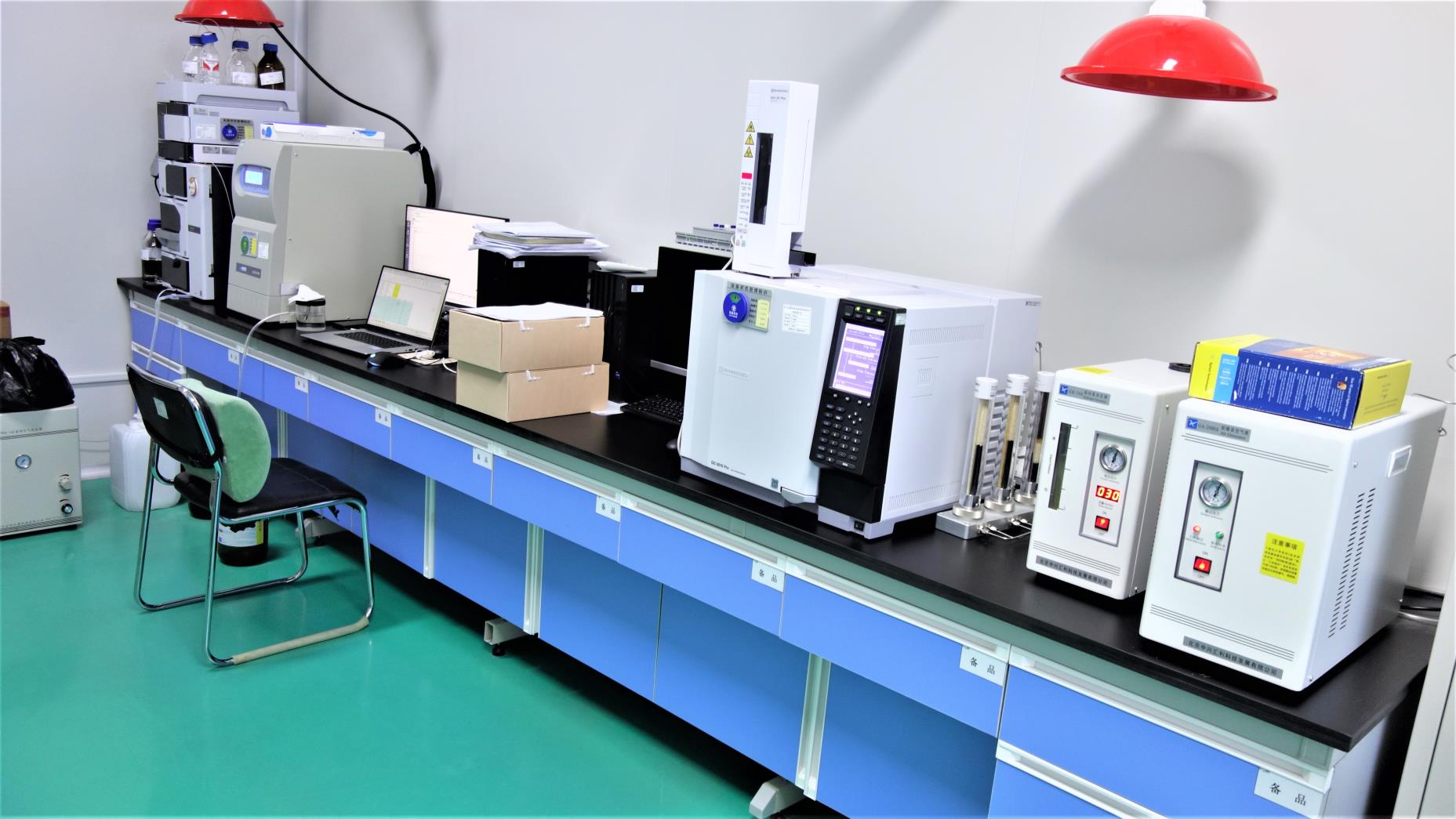
Importing medical devices into Brazil requires navigating complex regulatory standards. Under Brazilian law, contact lenses are classified as health products (Produtos para Saúde) and require registration with ANVISA. Shenzhen Fresh Vision makes this registration process easier by providing our partners with:
With our experienced export division, we help distributors secure customs clearance at Congonhas or Guarulhos Airports, avoiding unexpected cargo delays.
To remain competitive in today's digital market, retailers must optimize their operations. Relying on large warehouse inventories ties up capital. Our RTS system enables a modern business strategy:
By partnering with us, you can test new lens lines with minimal initial capital. Our low MOQ (Minimum Order Quantity) on standard colors allows you to gauge local interest before committing to larger production runs. Once demand is validated, you can scale orders seamlessly, taking advantage of bulk discounts. This fast cycle-time is essential for capturing market share and maintaining healthy margins.