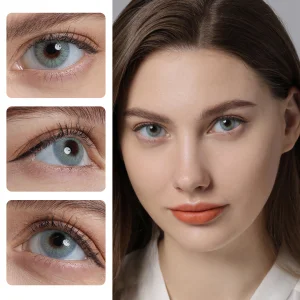
Fresh Lenses
Fresh Lenses
Fresh Lenses
Explore our elite tier of certified medical prescription lenses tailored for high UV resistance and long-lasting optical comfort across the Gilbert, Line, and Phoenix Islands.
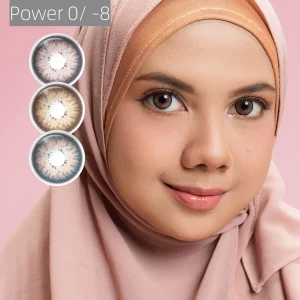

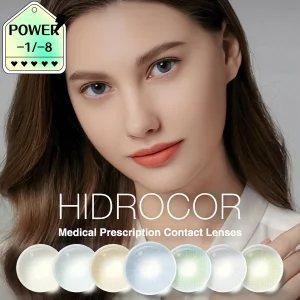
Kiribati, an archipelagic nation comprising 33 low-lying coral atolls scattered across millions of square kilometers in the Central Pacific, presents highly unique operational conditions for optical distribution. The high-salinity environment, intense tropical ultraviolet radiation (UV indices frequently exceeding 11+), and maritime shipping logistics necessitate prescription lenses that offer superior physical integrity and biological protection.
For optical clinics and wholesale importers in Tarawa, Betio, and Kiritimati, importing high-quality hydrogel and silicone hydrogel lenses with optimized moisture retention is critical. Standard lenses dry out rapidly under high wind and salt spray conditions. Therefore, our formulation implements a proprietary moisture-locking matrix combined with UV-blocking materials designed to minimize cornea exposure to intense tropical sunlight.
By establishing a resilient supply pipeline directly from our advanced production facilities to Pacific maritime hubs, we guarantee temperature-stable shipping packaging that maintains sterile solution density despite extended oceanic transit times.
Shenzhen Fresh Vision Co., Ltd. operates a premier 1,100 square meter facility utilizing state-of-the-art cast-molding methodologies. In the global contact lens ecosystem, precision mold demoulding, high-grade hydration cycles, and sterilization absolute values are critical indicators of optical comfort.
| Material Parameter | Hydrogel Performance Metric | Clinical Advantage for Pacific Climates |
|---|---|---|
| Water Content | 38% - 42% Optimized Water Content | Reduces dehydration rate under high-temperature wind currents. |
| Oxygen Permeability (Dk/t) | High Oxygen Transmission Rate | Ensures corneal respiration during extended daily wear cycles. |
| Base Curve (BC) | 8.5mm - 8.6mm Standard Curves | Fits a wide demographic profile for optimal mechanical centration. |
| Thickness (t) | 0.08mm Ultra-Thin Center | Sub-micron edge profile minimizes foreign body sensation. |
| UV Filtration | UV-A > 85%, UV-B > 95% | Protects internal eye structures against equatorial radiation. |
Every lens undergoes a comprehensive multi-tier sterilization and inspection protocol to guarantee optical accuracy and safe biological compatibility.
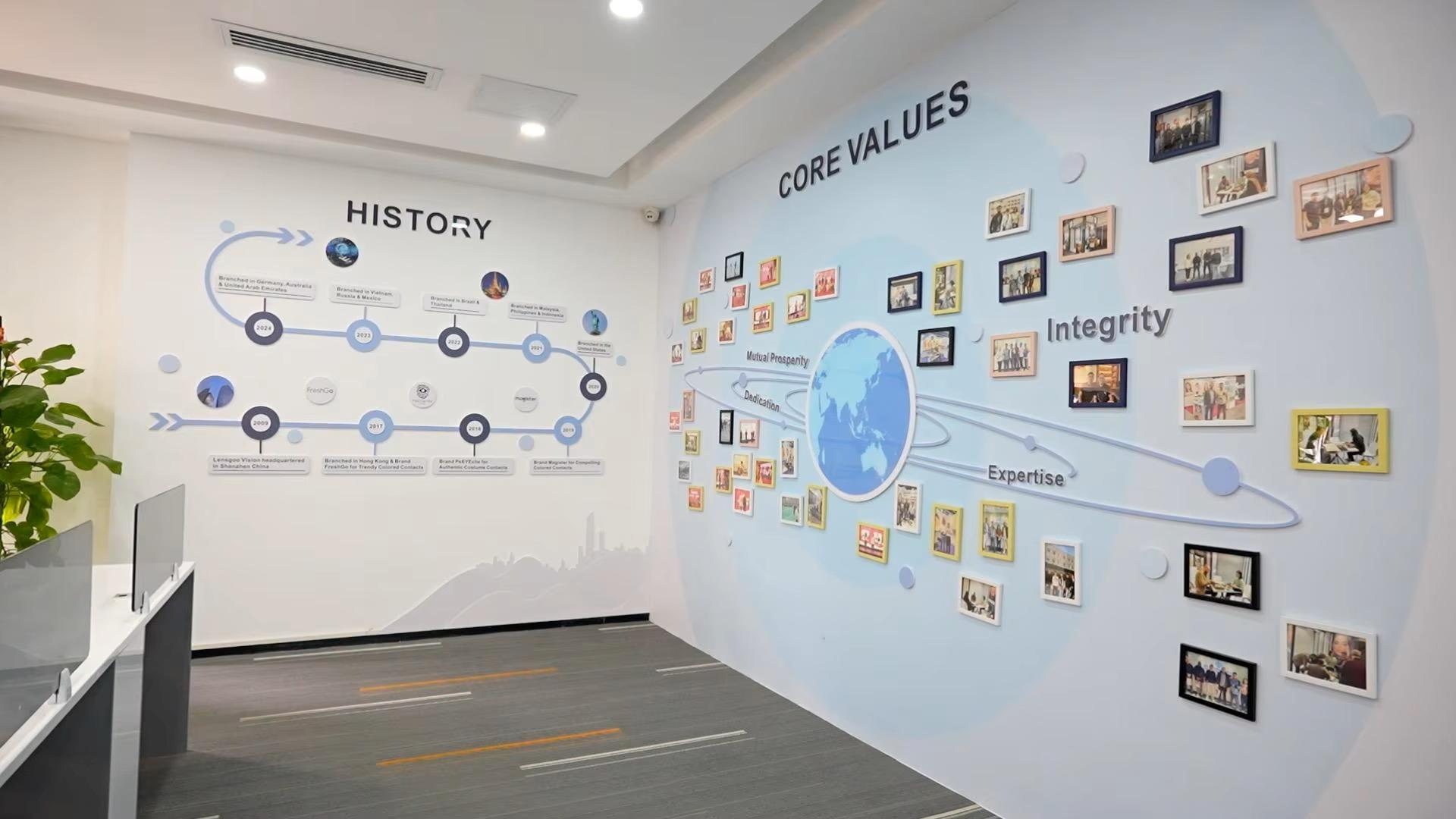
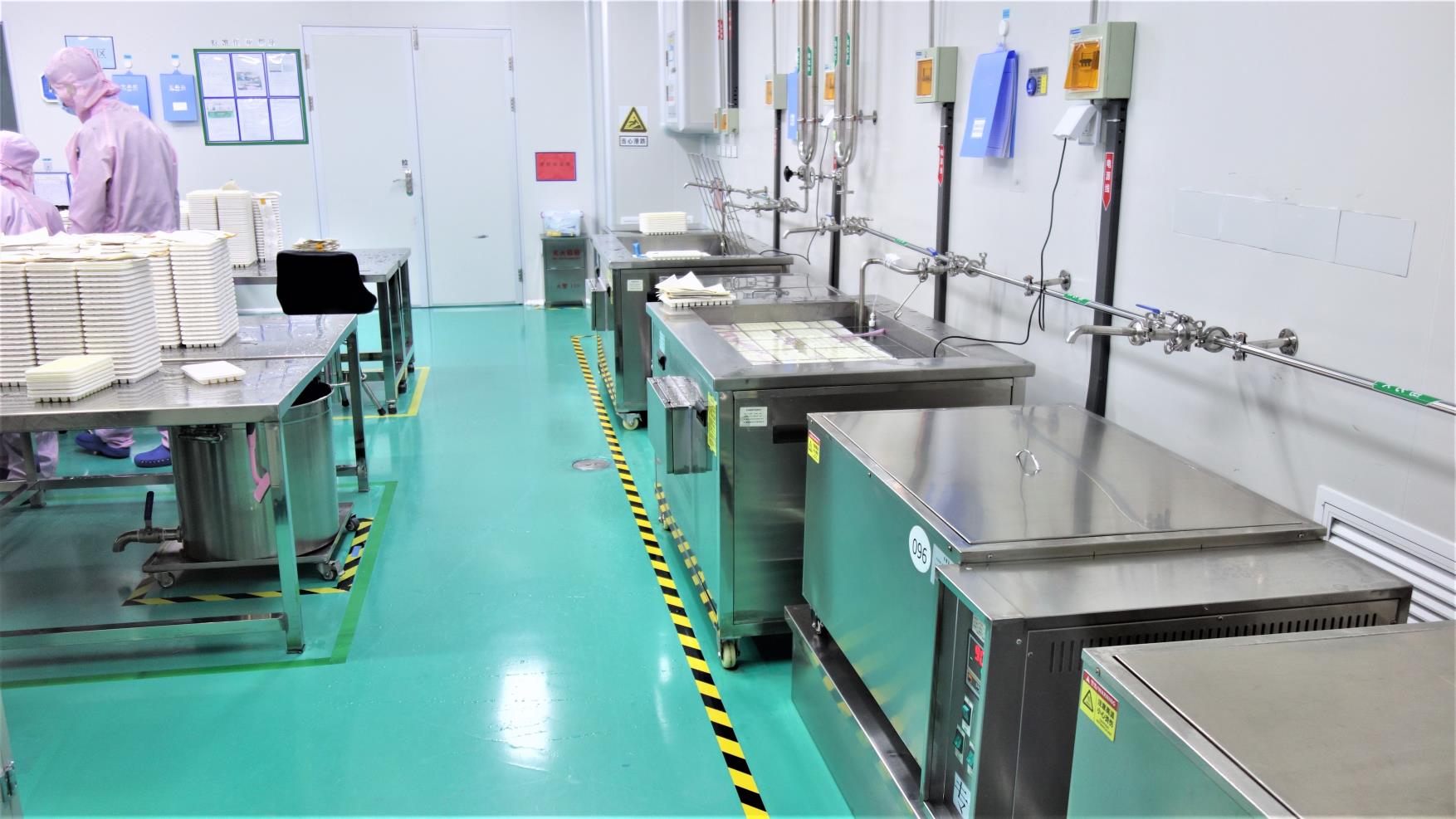
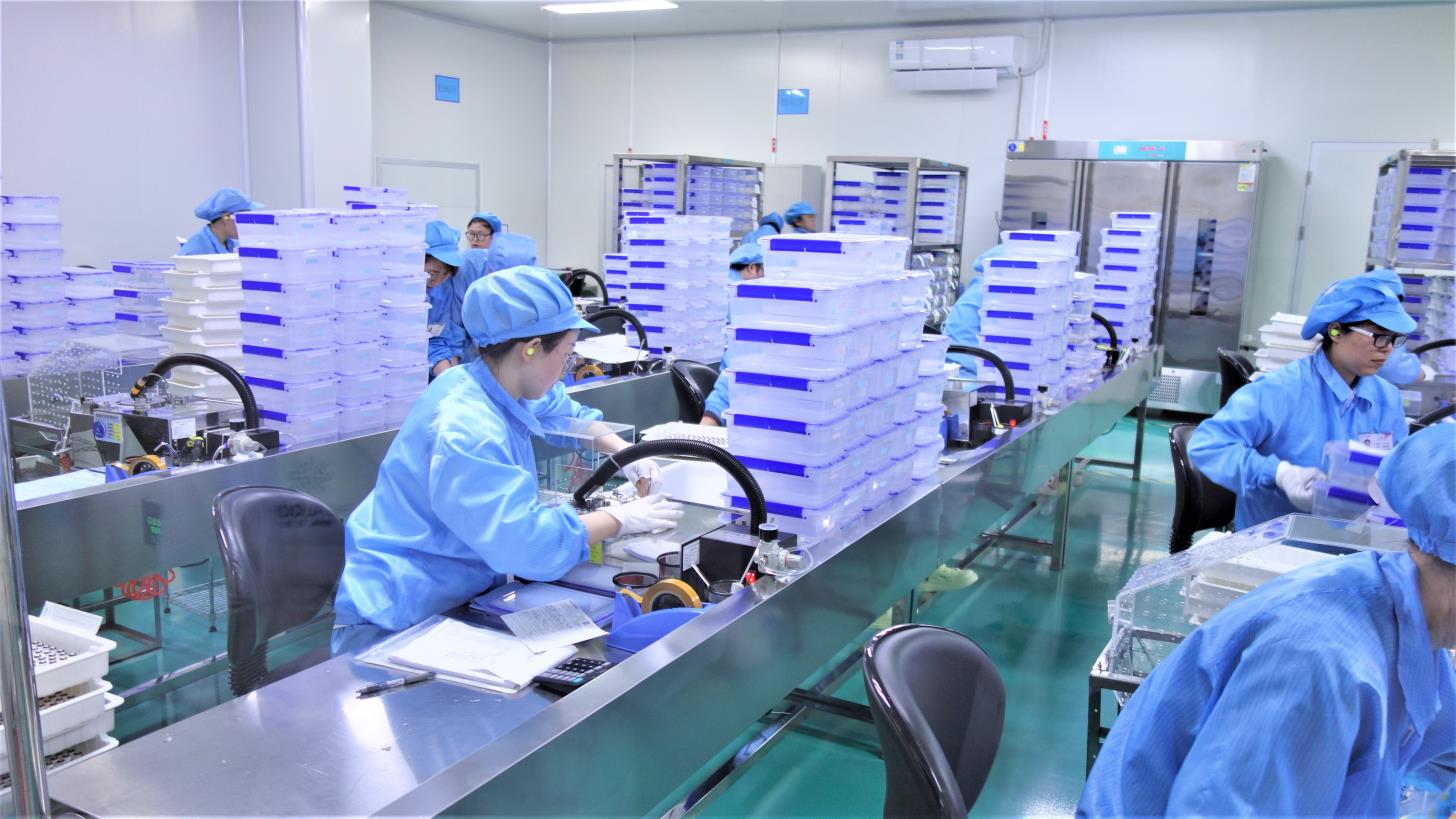
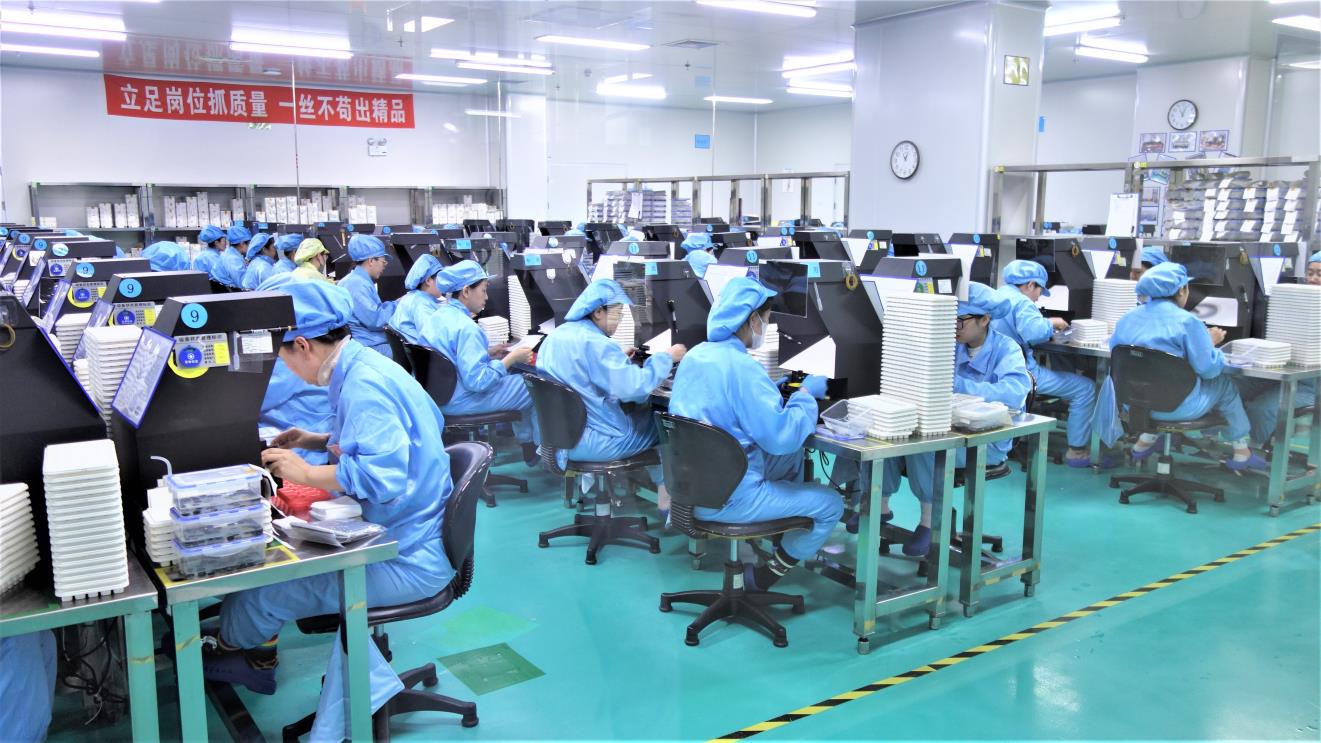
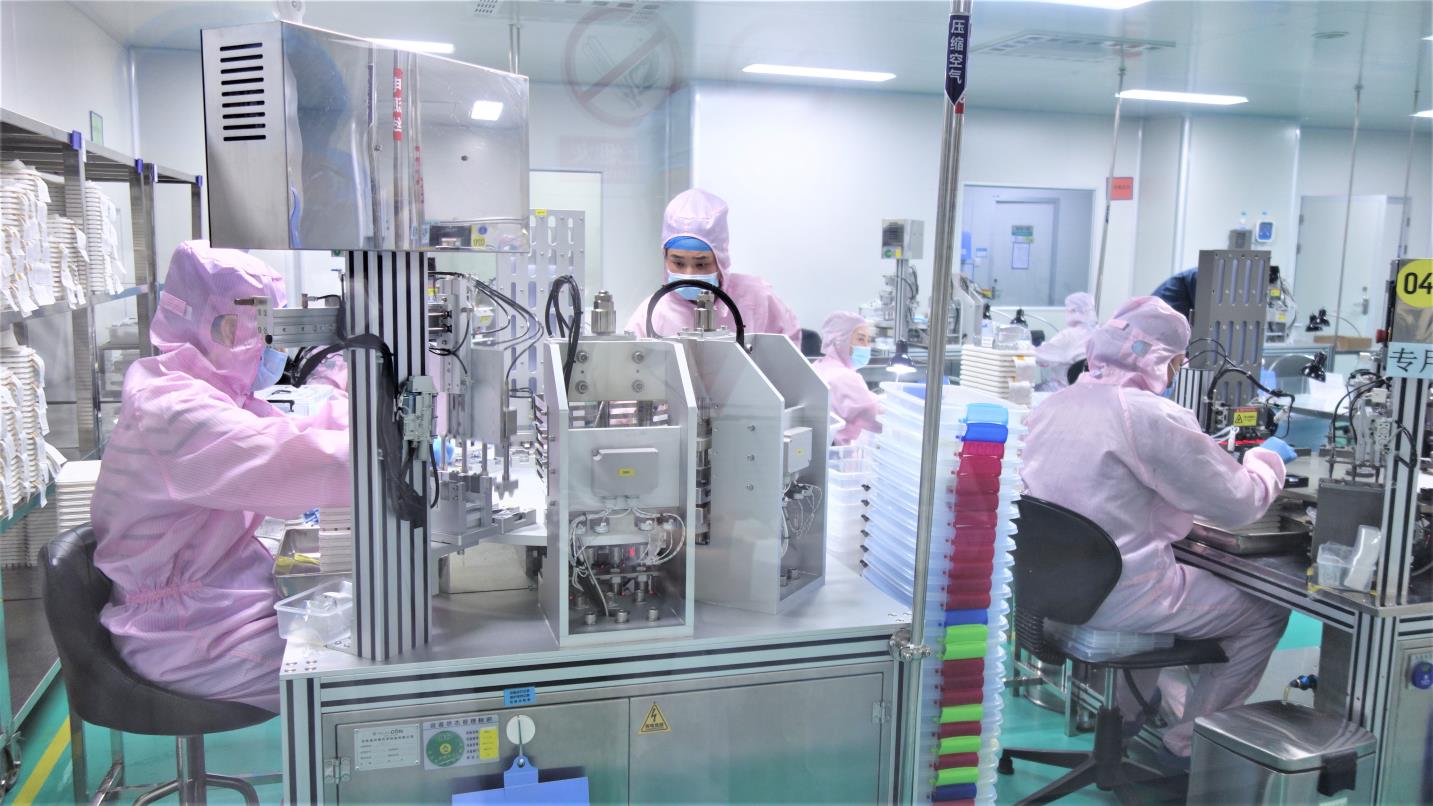
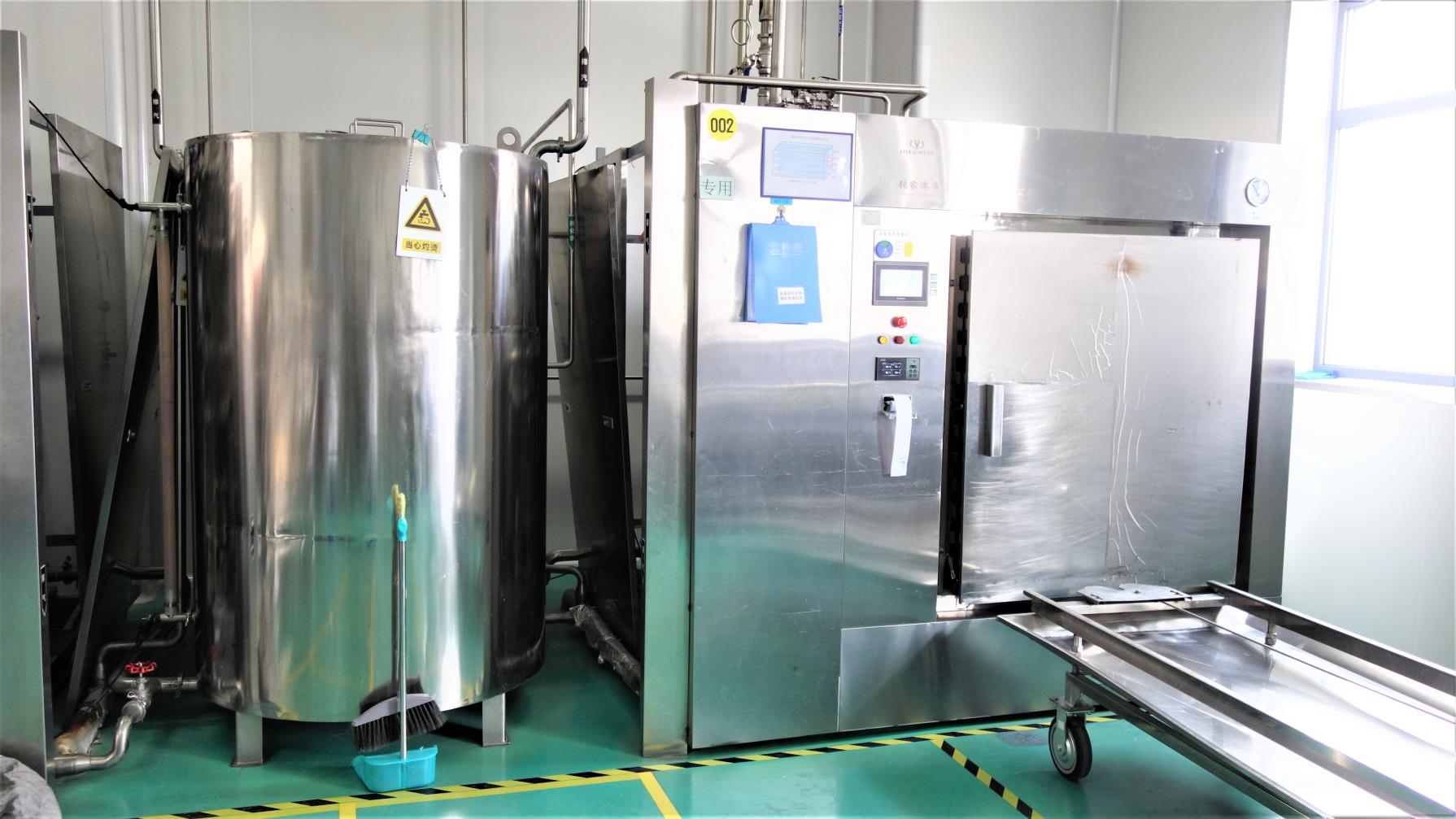
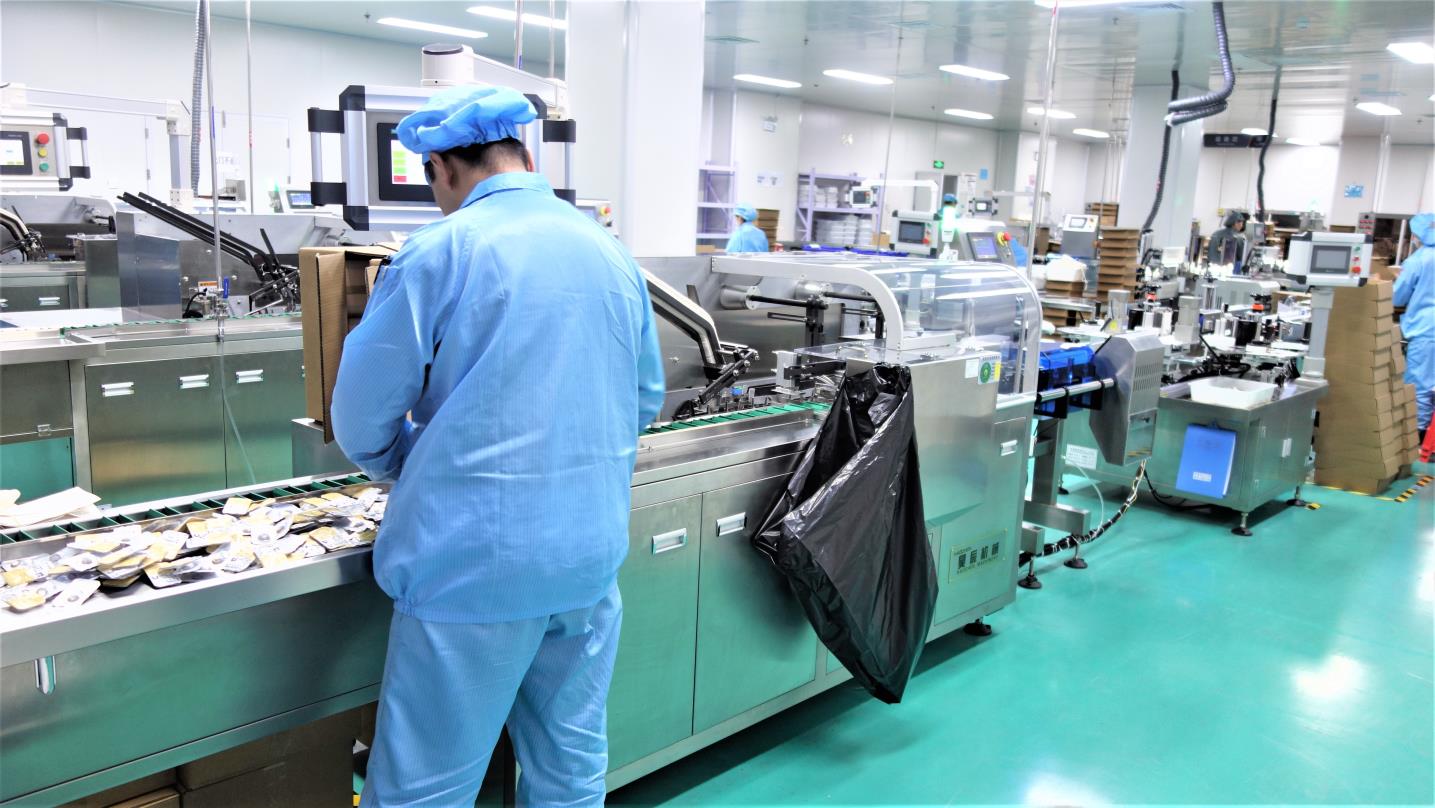
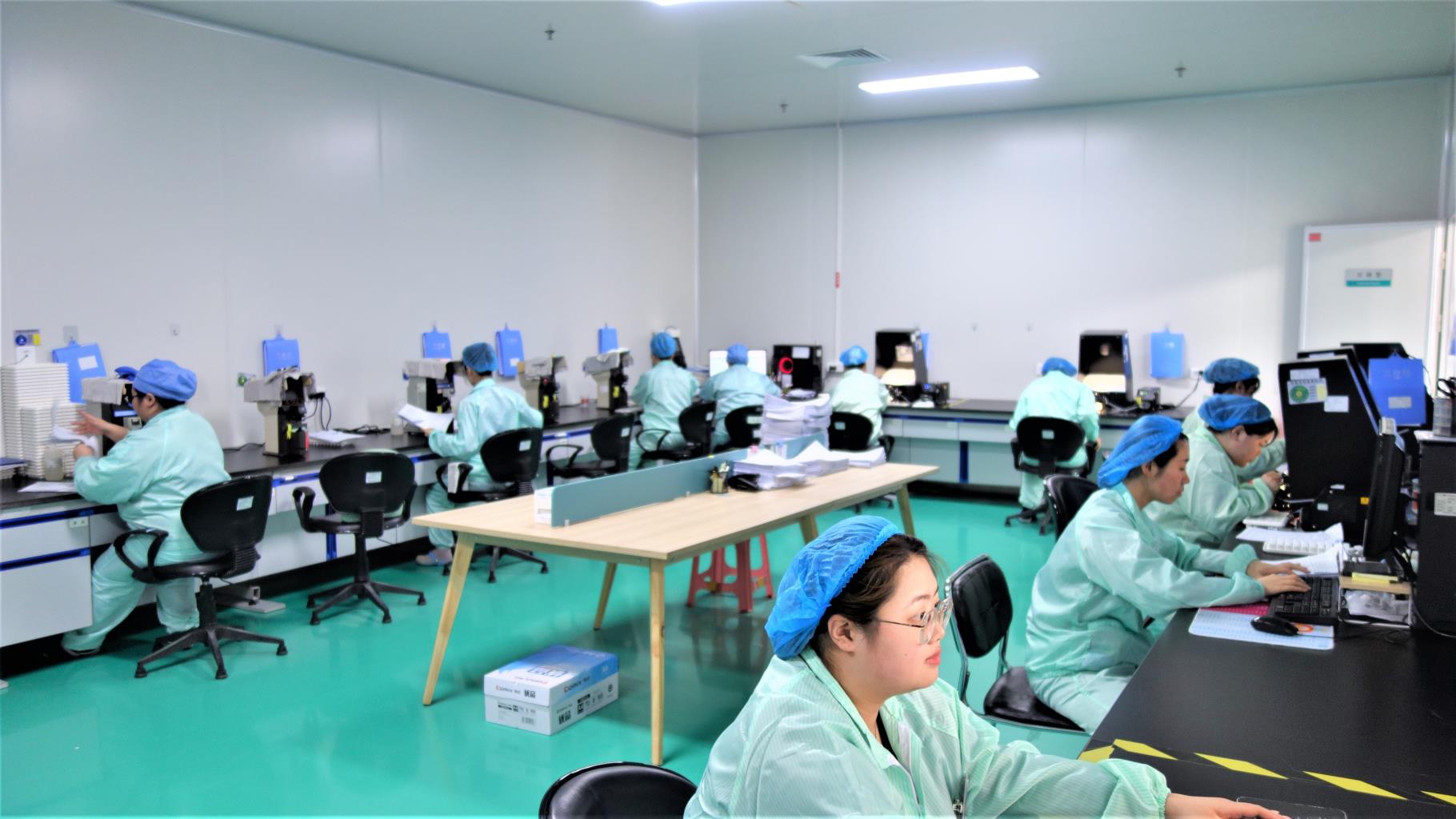
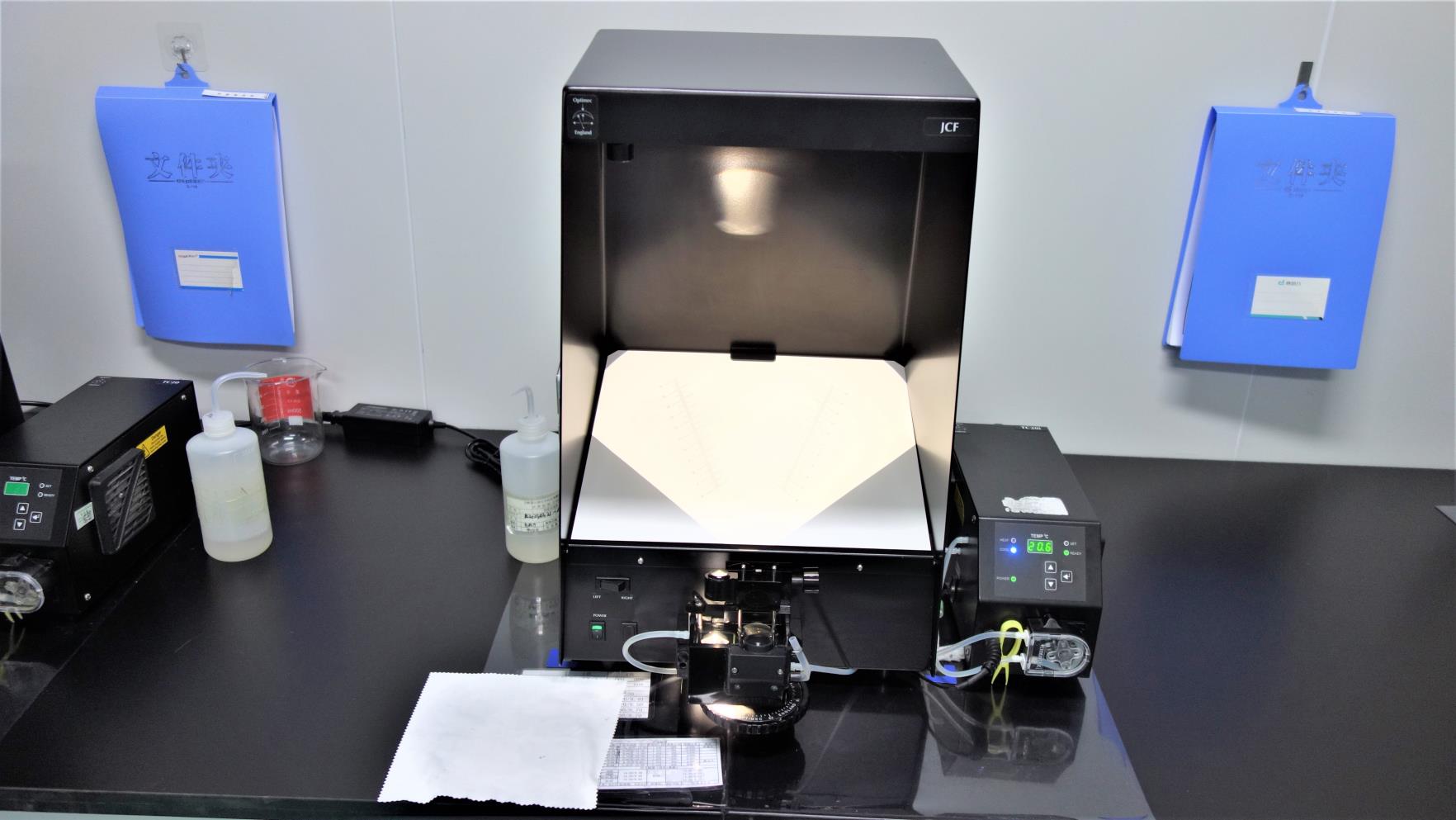
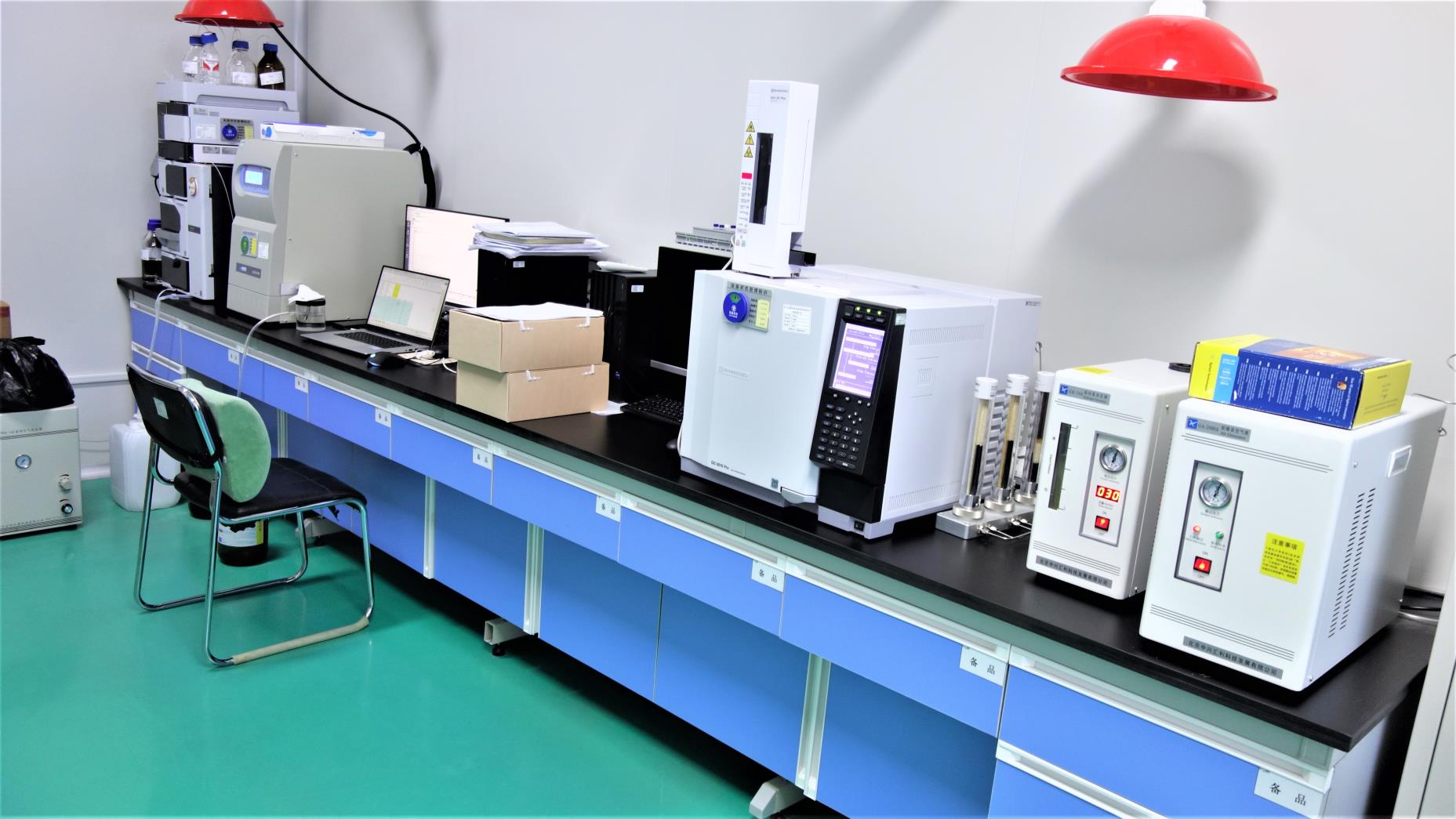
We leverage specialized lab equipment including Demoulding Machines, Film Suction Machines, filling apparatuses, massive sterilization cabinets, and high-precision analytical tools like Projectors, Focimeters, and Spectral analyzers to ensure raw material traceability and absolute consistency.
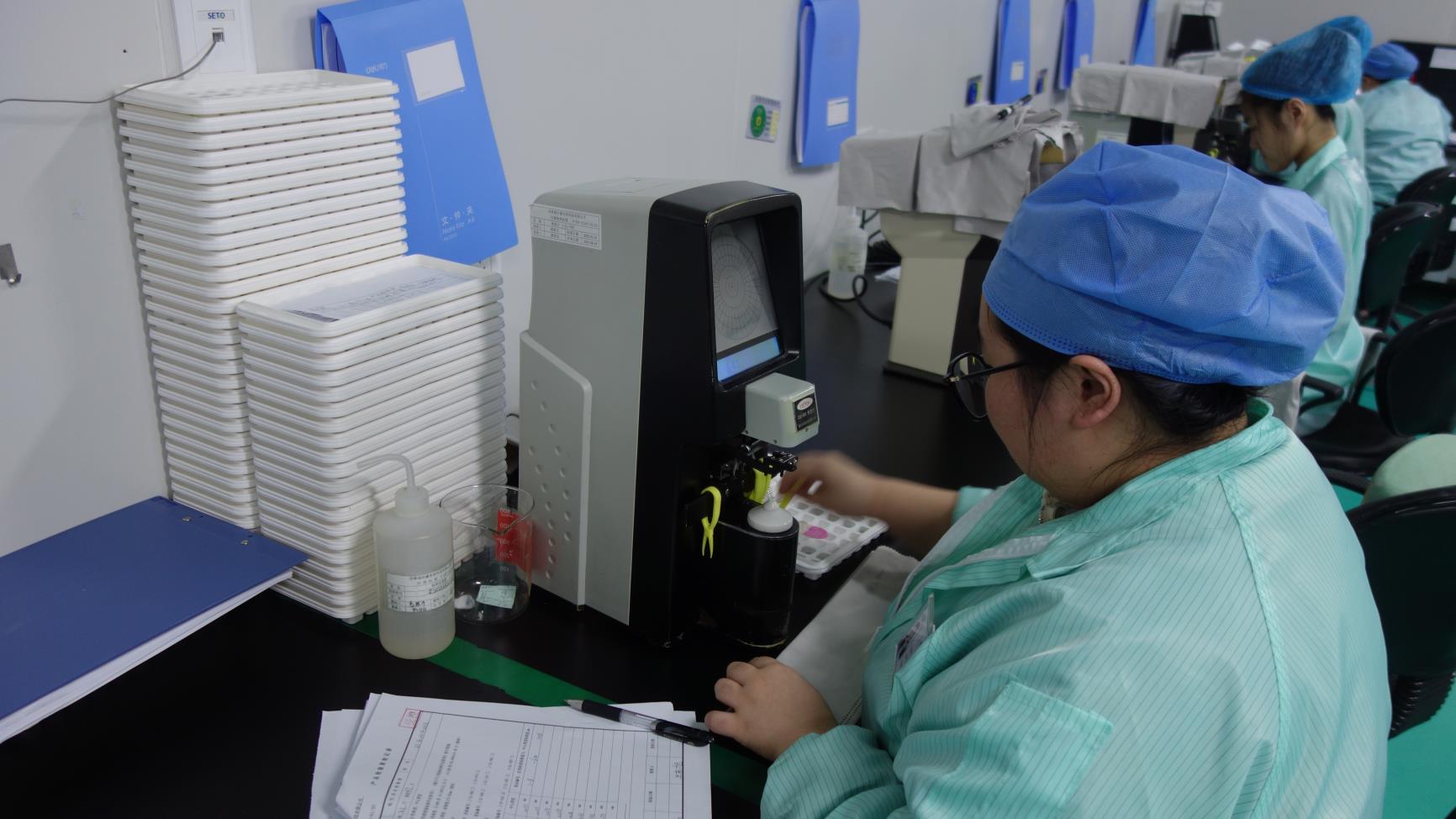
Request Factory Compliance CertificateOur commitment to clinical superiority is underpinned by continuous testing using advanced equipment. Because contact lenses sit directly on the cornea, thickness deviation or power inaccuracy can lead to refractive asthenopia, headache, and long-term discomfort. This is why our quality laboratory utilizes high-precision metrological equipment:
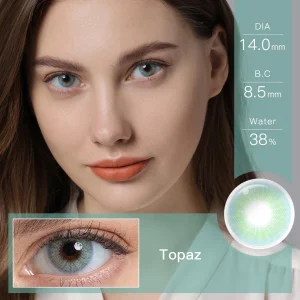
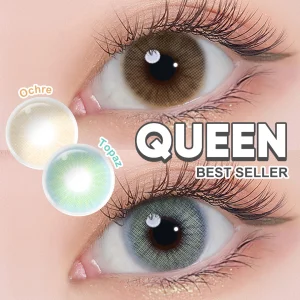
Bulk pricing options, diverse color aesthetics, and specialized myopia configurations available for import. Direct sea-freight and air-freight options serving the Pacific region.

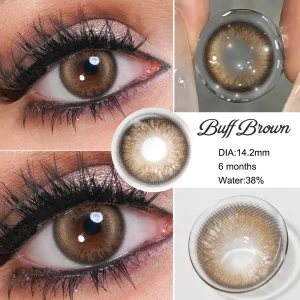
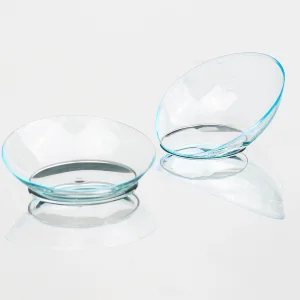

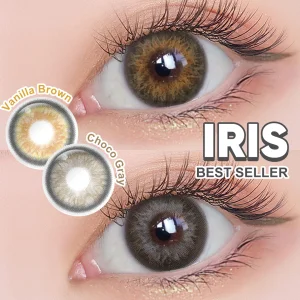
Importing ophthalmic medical devices into South Tarawa (Betio Port) requires a thorough understanding of the local customs regulations under the Ministry of Health and Medical Services (MHMS) of Kiribati. Because prescription contact lenses are categorized as regulated optical devices, every batch we export comes with a comprehensive compliance dossier, including Certificates of Conformity, sterile processing data sheets, and ISO 13485 manufacturing logs.
We work closely with local ocean freight and air cargo forwarding companies to expedite entry protocols. To avoid cargo holding delays at Bonriki International Airport, our document packaging includes pre-cleared customs codes, detailed ingredient and polymer sheets, and temperature monitoring stamps. This ensures that the products enter the local clinical supply chain without regulatory delays.
Our optical laboratory is dedicated to researching polymer formulations that balance visual clarity with optimal biological safety.
Our lenses feature a micro-tapered edge profile. By reducing the thickness of the lens periphery, we minimize the physical impact against the upper eyelids during blinking. Additionally, the inclusion of hydrophilic monomer matrices prevents moisture loss, maintaining a consistent tear layer even in salty, windy atoll environments.
For colored prescription lenses, we utilize a triple-layer embedding method. The color particles are sandwiched securely between two layers of clear polymer material. This structural isolation ensures that dye pigments never contact corneal cells directly, eliminating pigment-migration issues and maximizing long-term eye health.
Clear explanations of our technical standards, ordering protocols, and regional logistics support for business partners in Kiribati.
Our manufacturing facility (Shenzhen Fresh Vision Co., Ltd.) complies strictly with global healthcare standards. Our cleanroom facilities and production processes conform to ISO 13485 standards. We supply full trace certificates for raw materials, proving strict biological compatibility and optical accuracy across all export batches.
We work with global express carriers and specialized Pacific freight forwarders. For air cargo, we route shipments through international gateways like Nadi (Fiji) or Brisbane (Australia) directly to Tarawa. For bulk maritime consignments, we ship via temperature-insulated sea-containers to protect liquid solutions and container seals from degradation caused by temperature spikes.
We support growing businesses with flexible MOQs. For existing standard designs, we can supply stock orders with minimal requirements. For custom packaging, graphic design, and custom brand box OEM services, we offer low-risk entry tiers. Contact our growth team to design a packaging solution that matches your target market.
We implement a triple-stage quality assurance protocol: 100% optical profiling of base curves, automated lens power scanning using precise digital projection equipment, and sterilizing all blister packs in medical-grade autoclaves. Our 5-engineer R&D department regularly reviews traceability reports for every batch before packaging.