Fresh Lenses
Fresh Lenses
Fresh Lenses
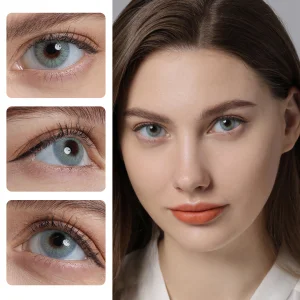
Select, high-diopter corrective contact lenses tailored to the physiological standards and market demands of Central Asian optical hubs.

An authoritative analysis of corrective lens imports, consumer demand, and regulatory compliance within the Eurasian Economic Union (EAEU).
As Kyrgyzstan continues its economic modernization, the demand for high-quality vision correction solutions has surged exponentially. Historically reliant on traditional spectacles, the younger demographics and working professionals in metropolitan areas like Bishkek, Osh, and Jalal-Abad are rapidly shifting toward soft contact lenses (SCLs) and corrective colored prescription lenses. This transition is driven by rising visual demands from digital screen exposure, an increasing emphasis on aesthetic personalization, and the active lifestyle preferences of Central Asian consumers.
However, local production of high-precision prescription lenses within the Kyrgyz Republic remains extremely limited. Optical retailers, ophthalmology clinics, and regional distributors are structurally reliant on foreign manufacturers to fulfill domestic requirements. This creates a critical supply bottleneck where local distributors must balance product safety, custom prescription parameters, high optical quality, and cost-effective shipping logisitics.
"For Kyrgyz optical enterprises, sourcing directly from audited, vertically-integrated manufacturers in China offers the only viable pathway to achieve sustainable margins while adhering to strict EAEU medical standards."
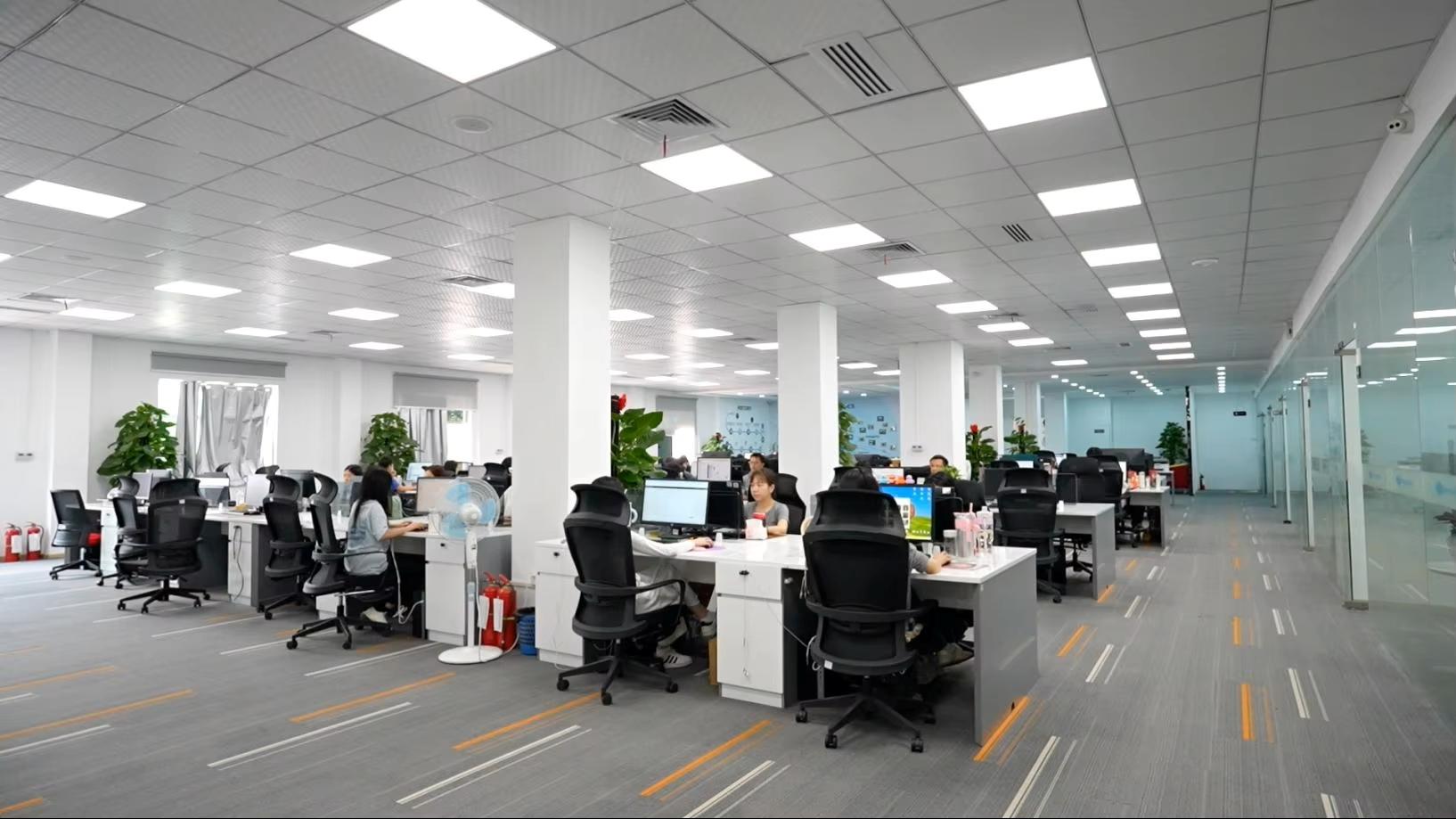
How Shenzhen Fresh Vision Co., Ltd. ensures medical-grade accuracy and structural stability for every prescription lens shipped to Central Asia.
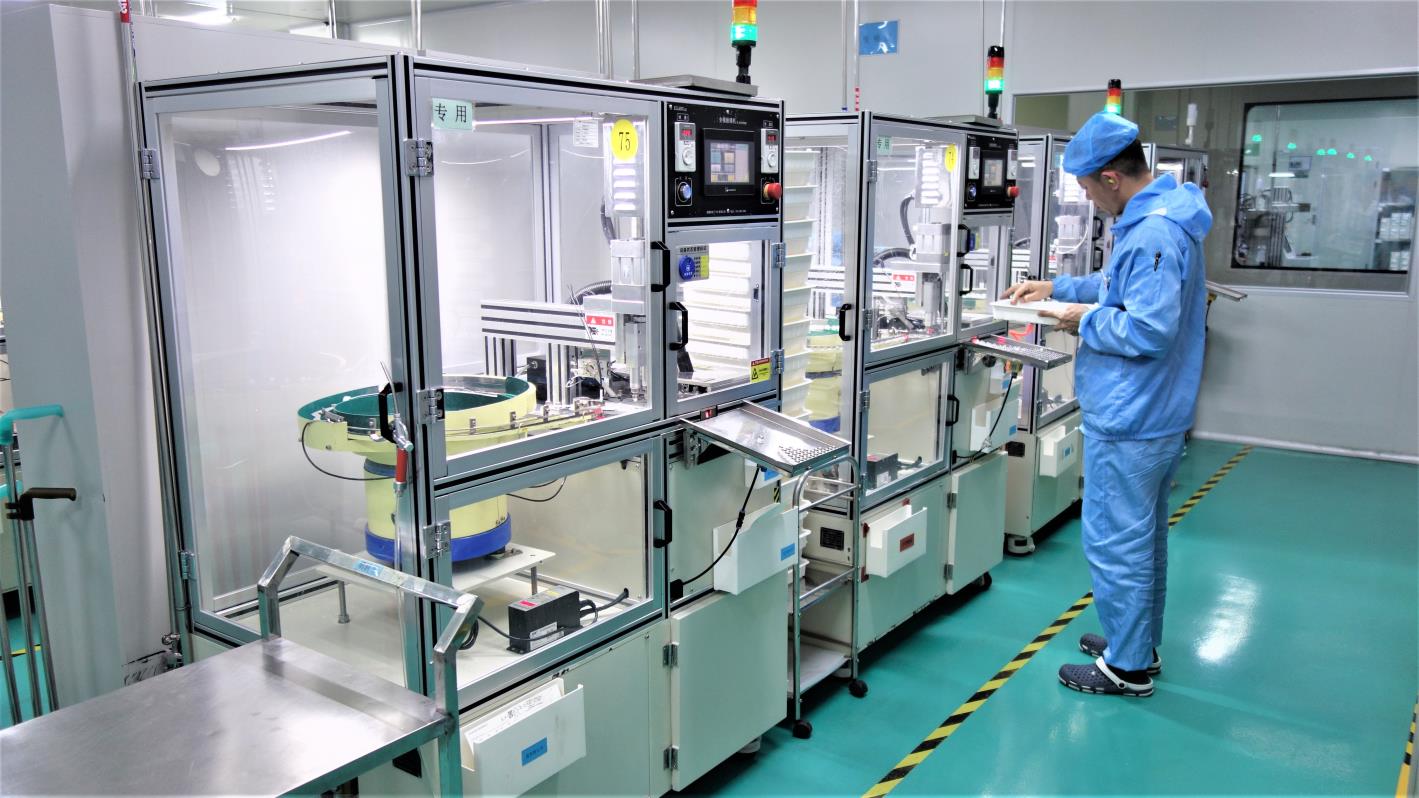
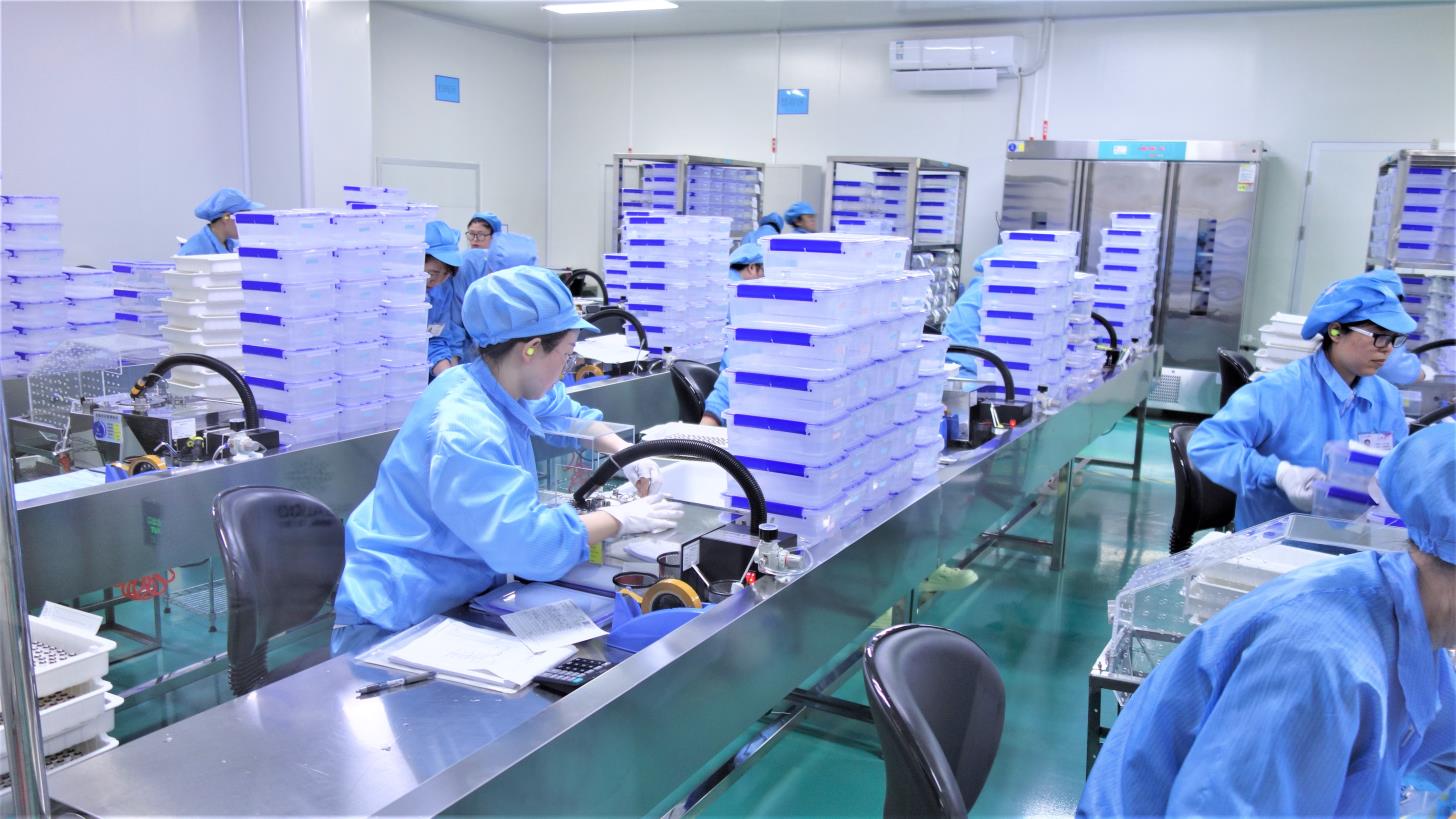
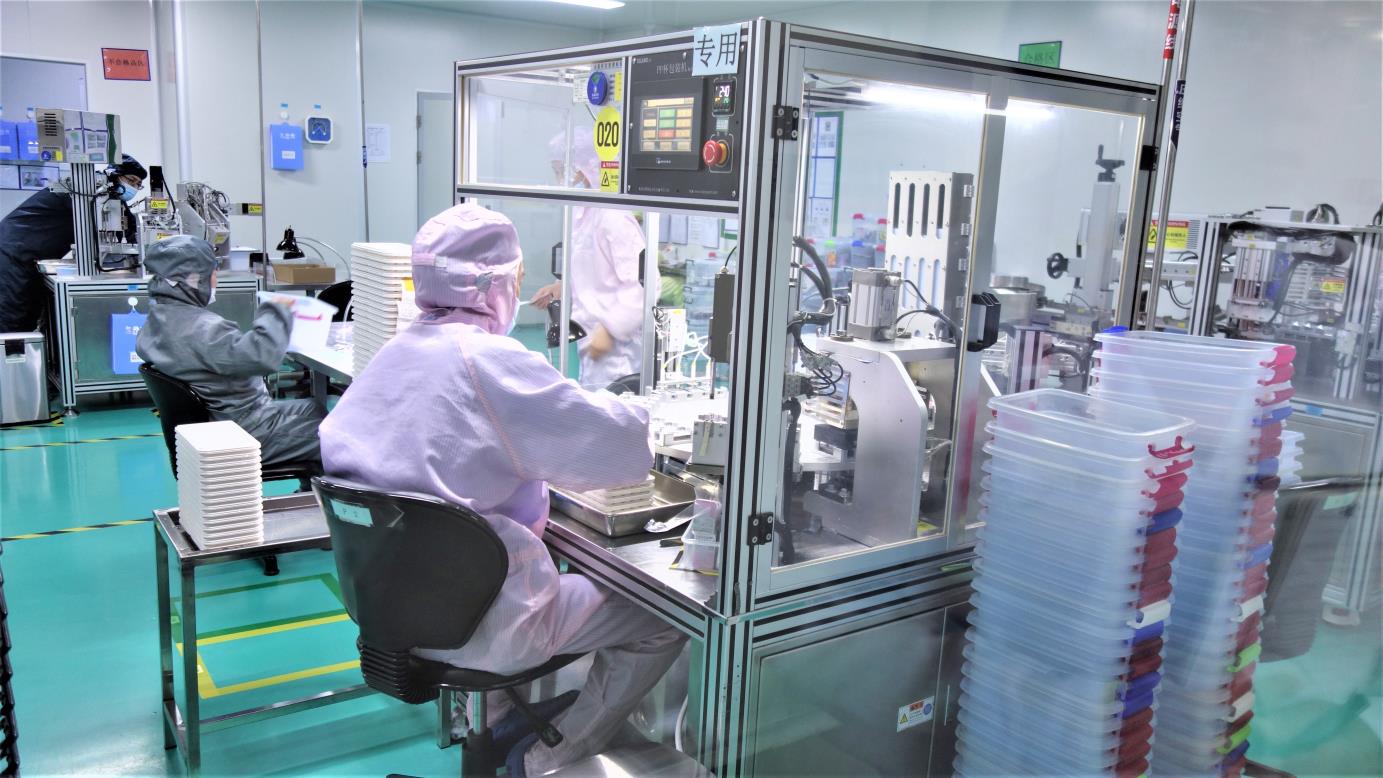
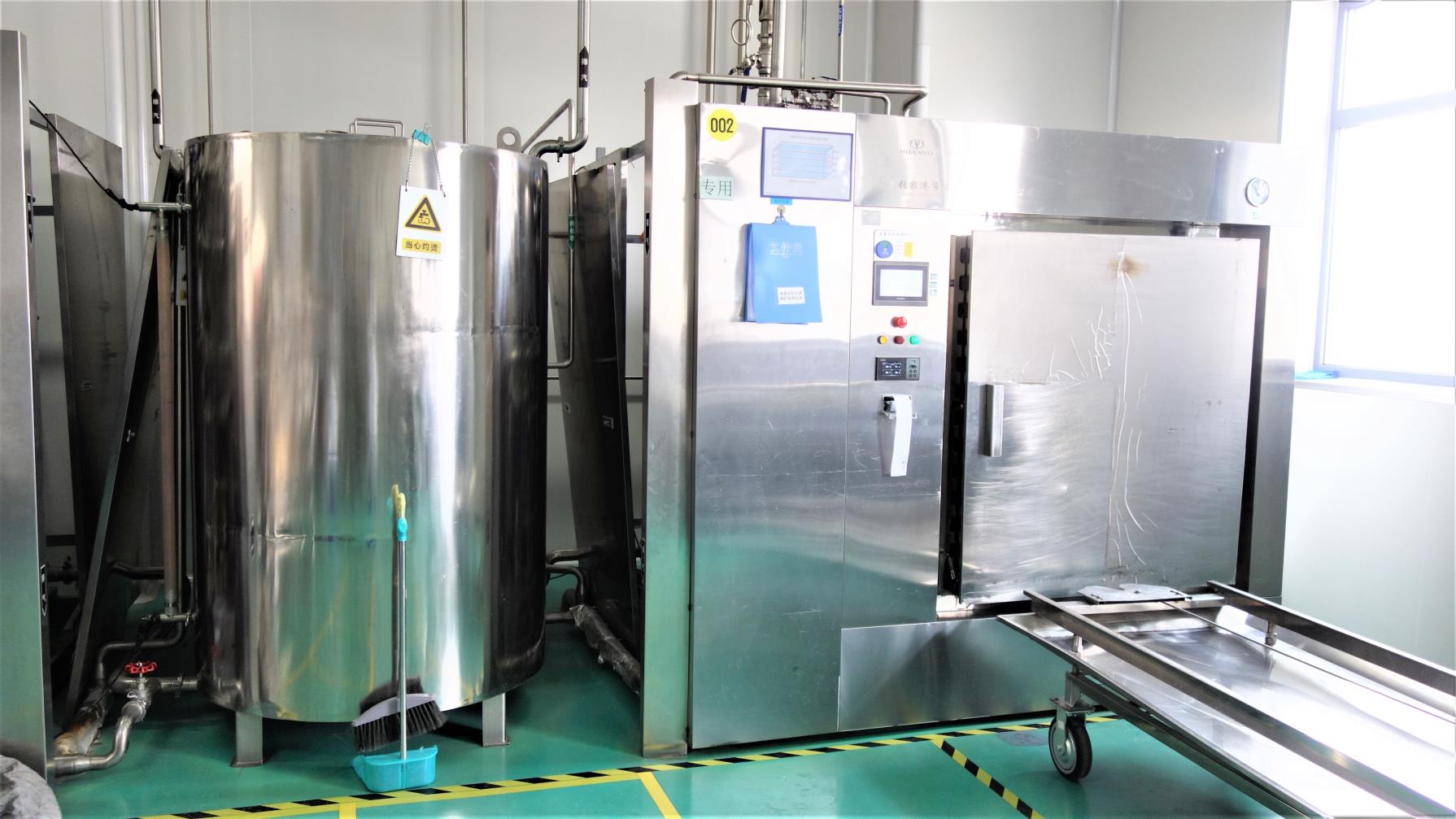
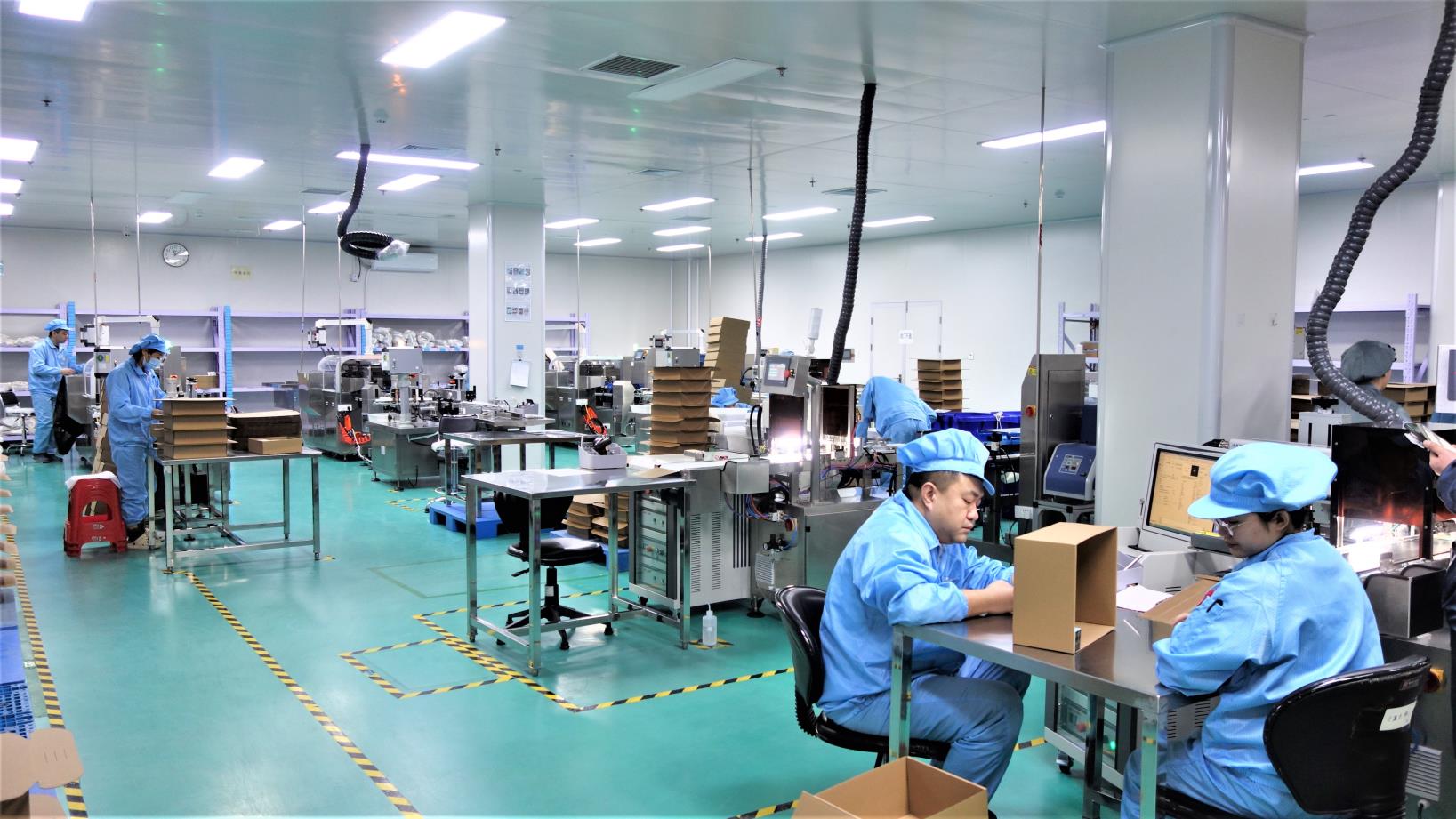
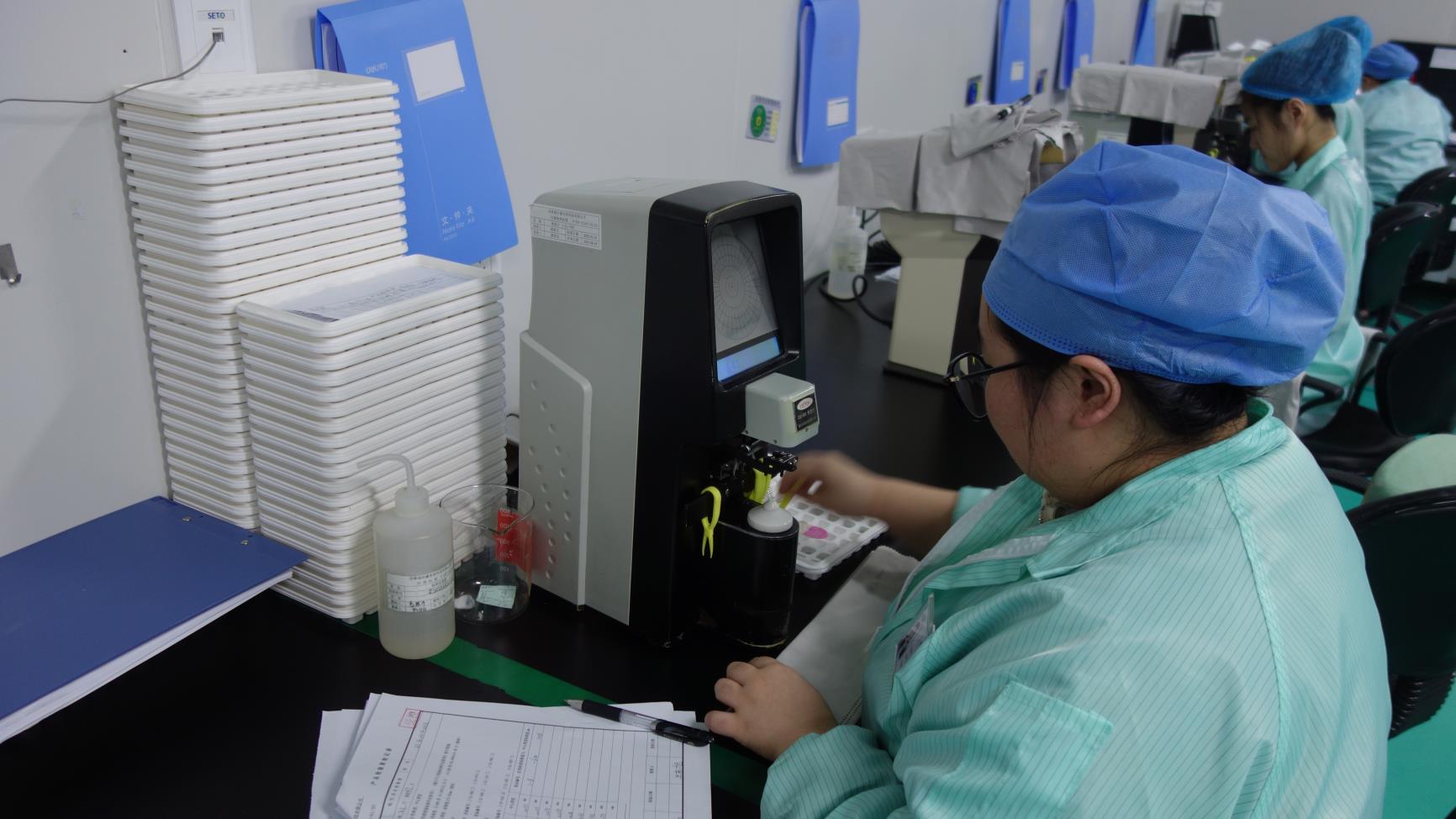
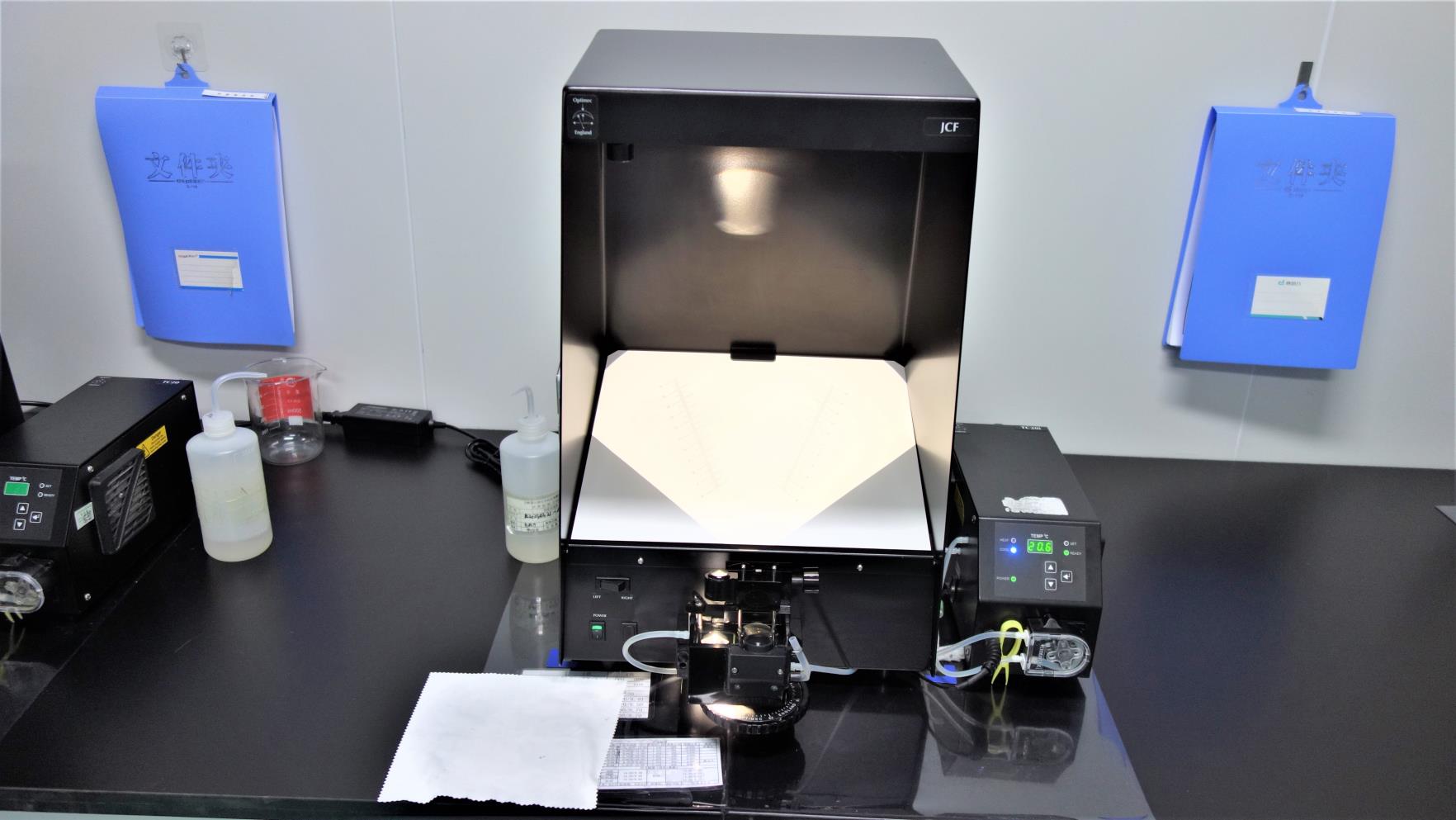
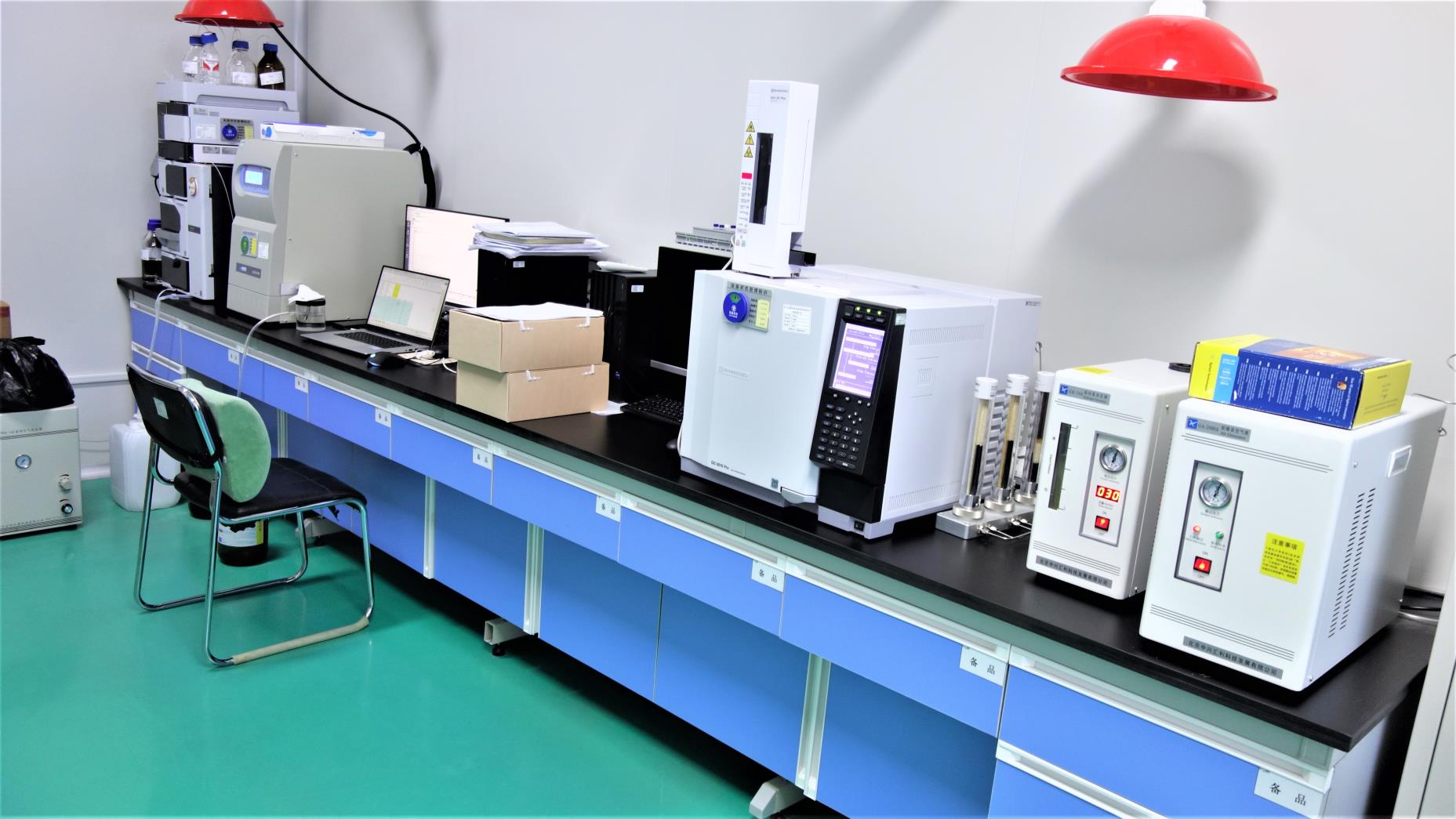
Established in 2016, Shenzhen Fresh Vision Co., Ltd. represents the apex of modern contact lens manufacturing. Operating a highly specialized 1,100 square meter facility, we combine advanced automation with manual oversight to secure perfect repeatability. Our production line incorporates strict sterilization, precision demoulding, automated filling, and advanced optometric verification using cutting-edge focimeters and projectors.
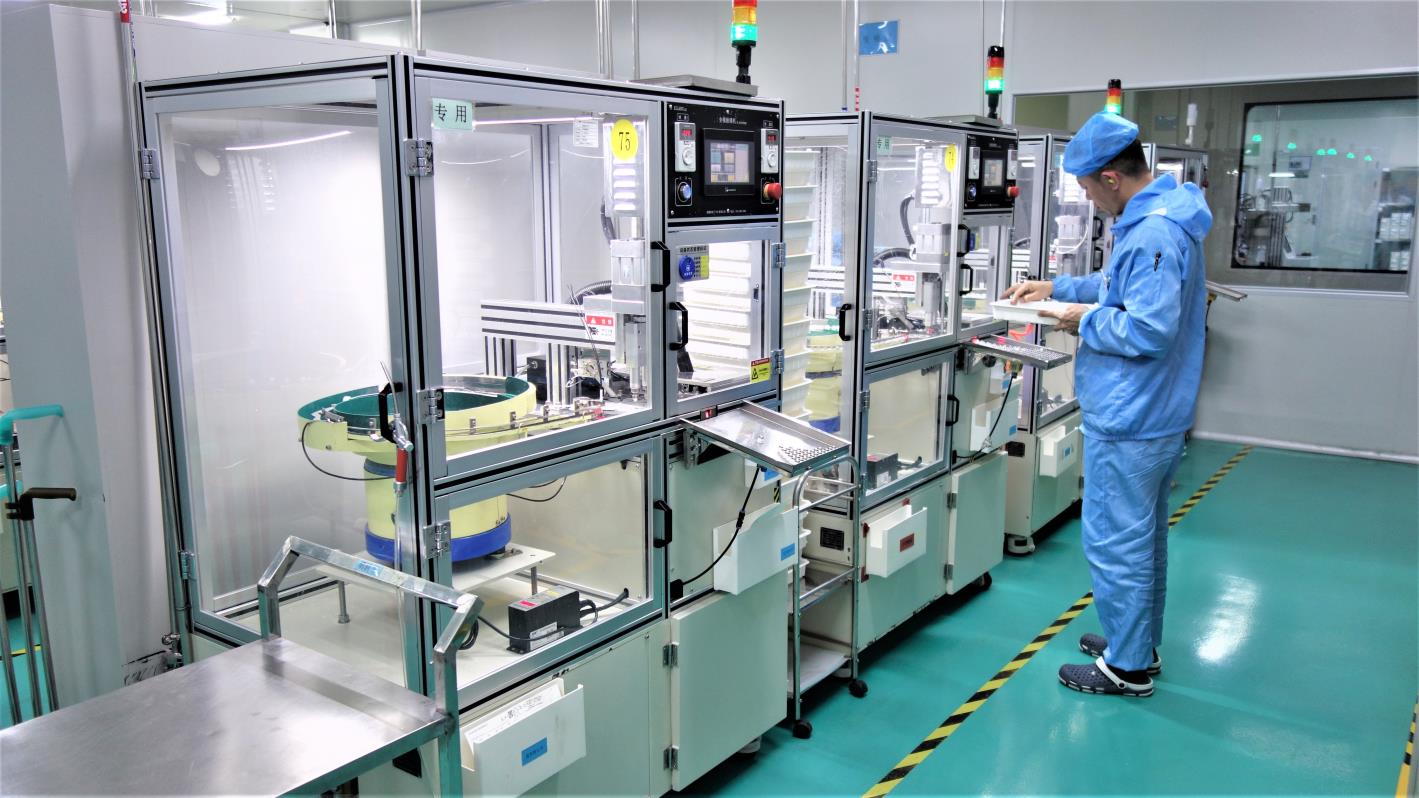
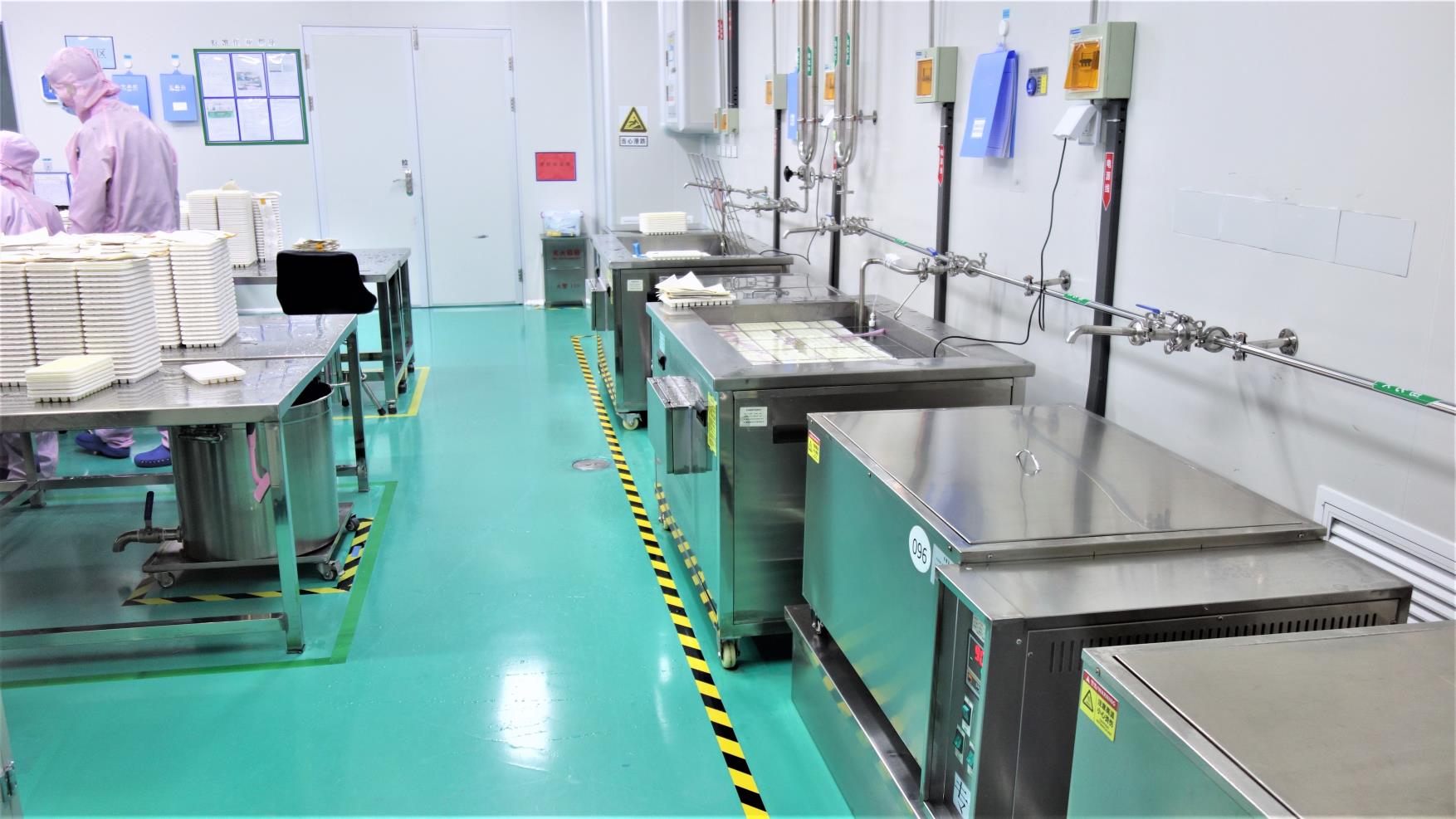
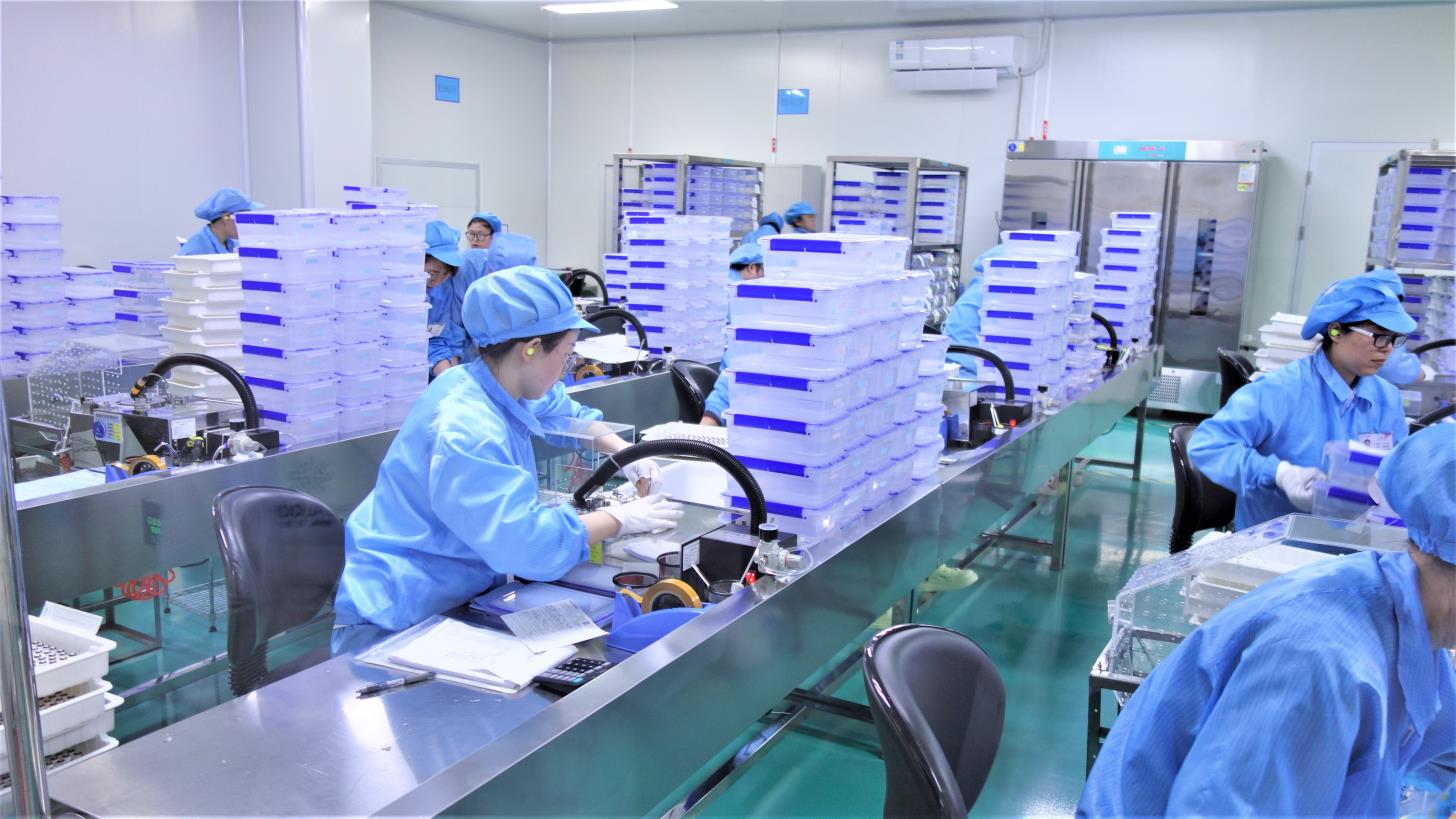
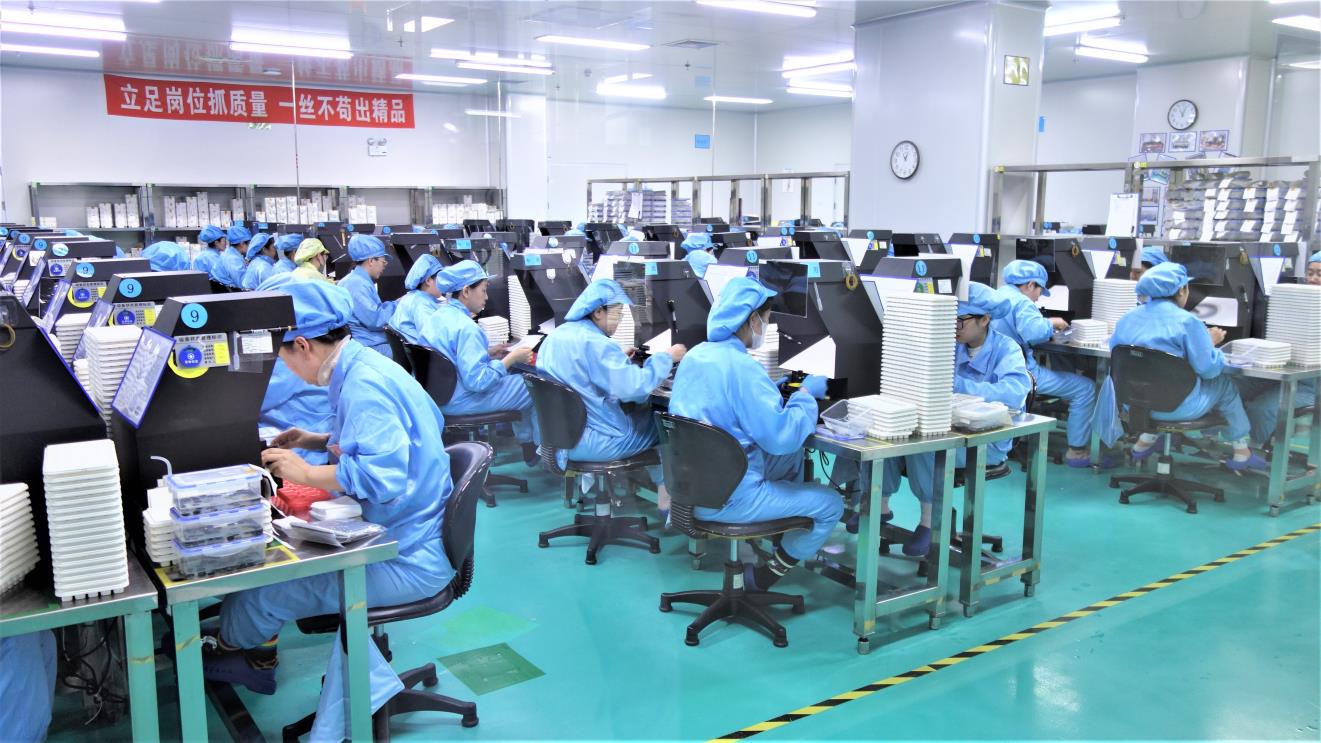
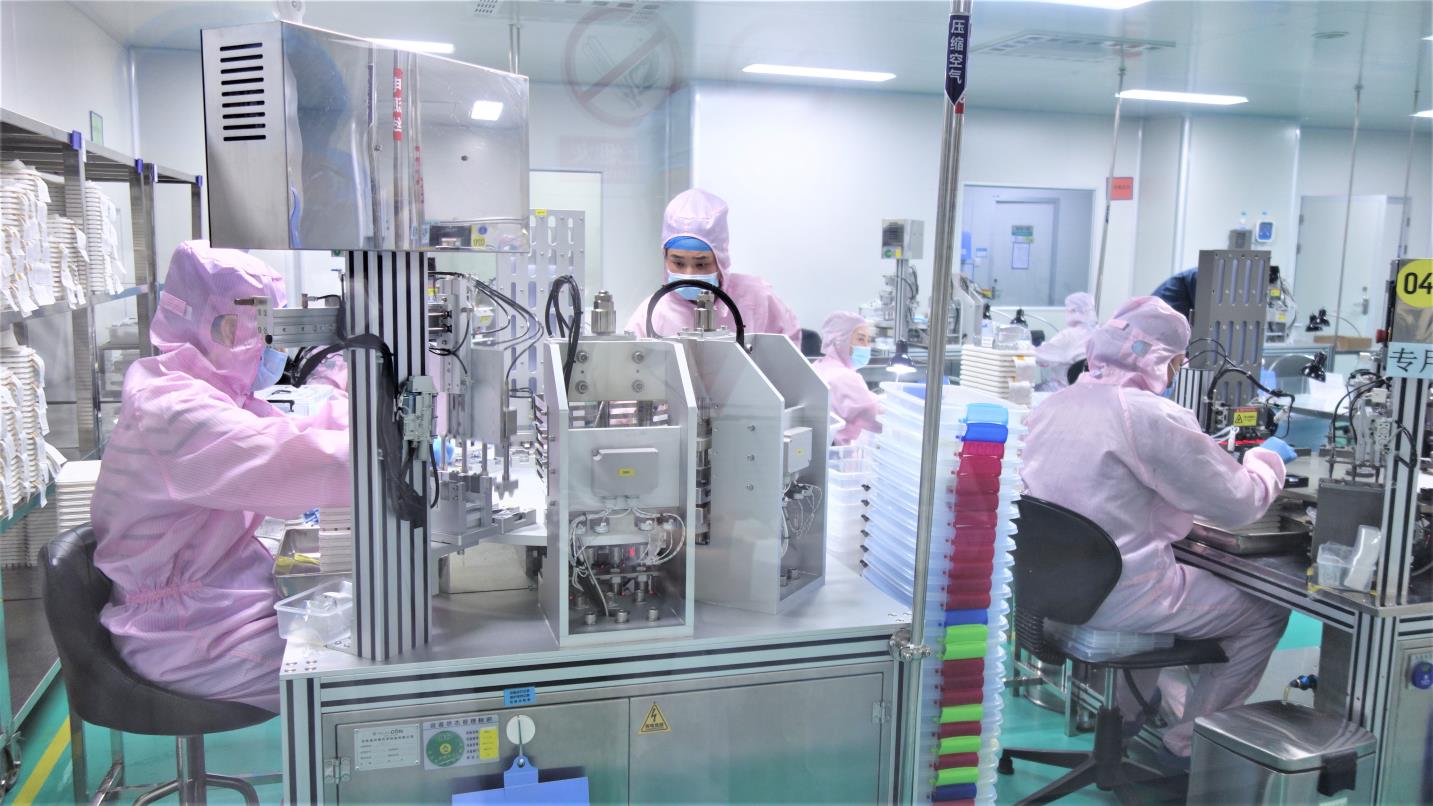
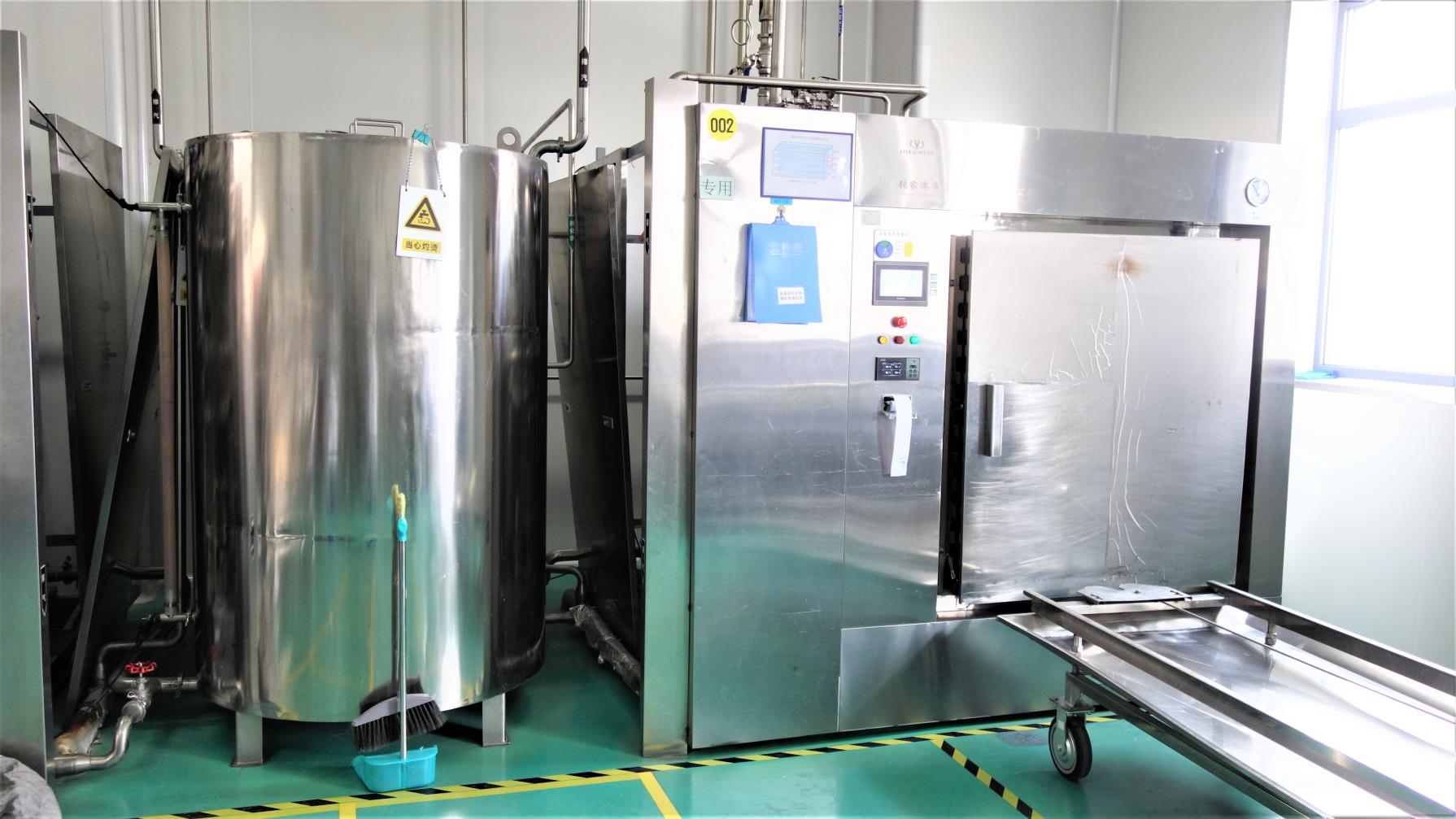
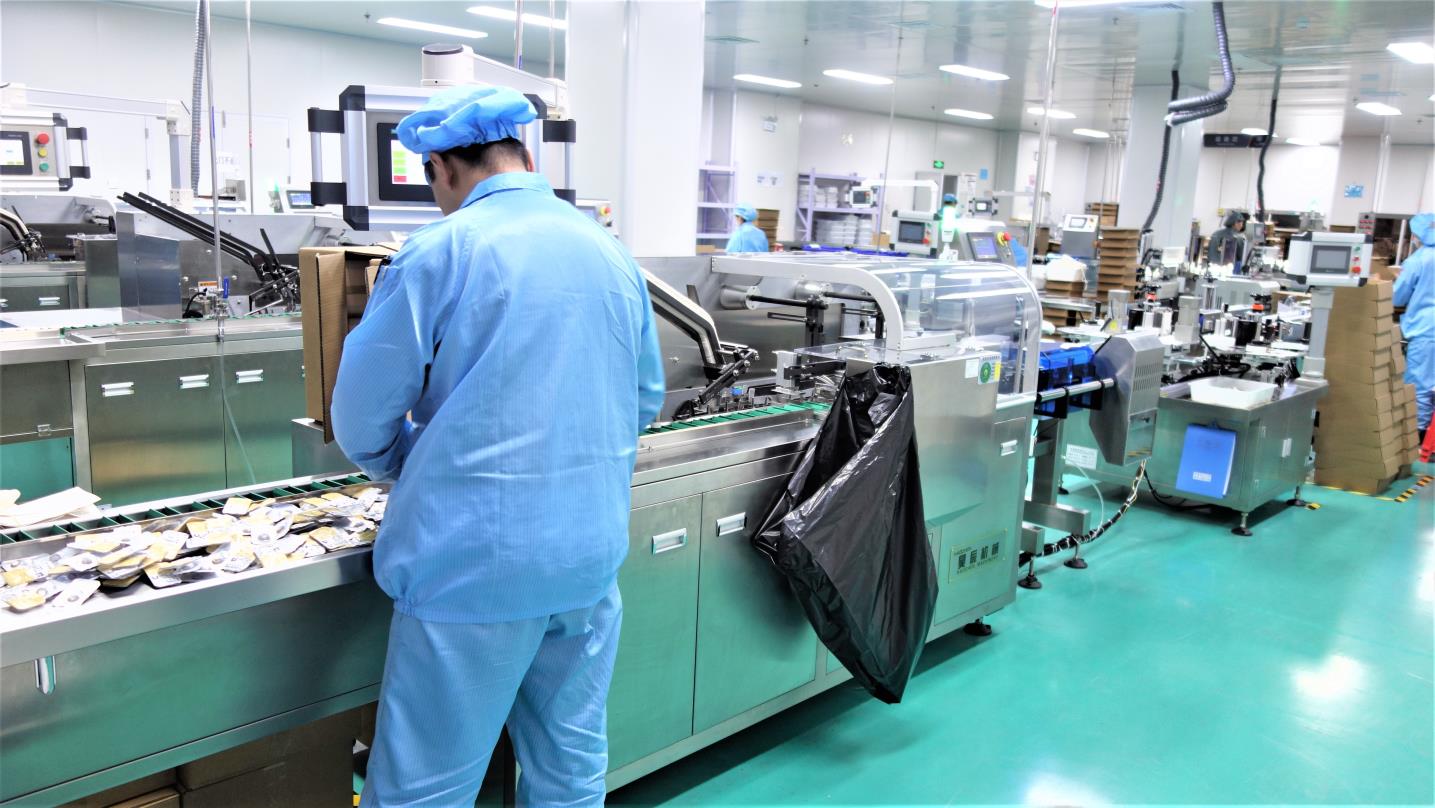
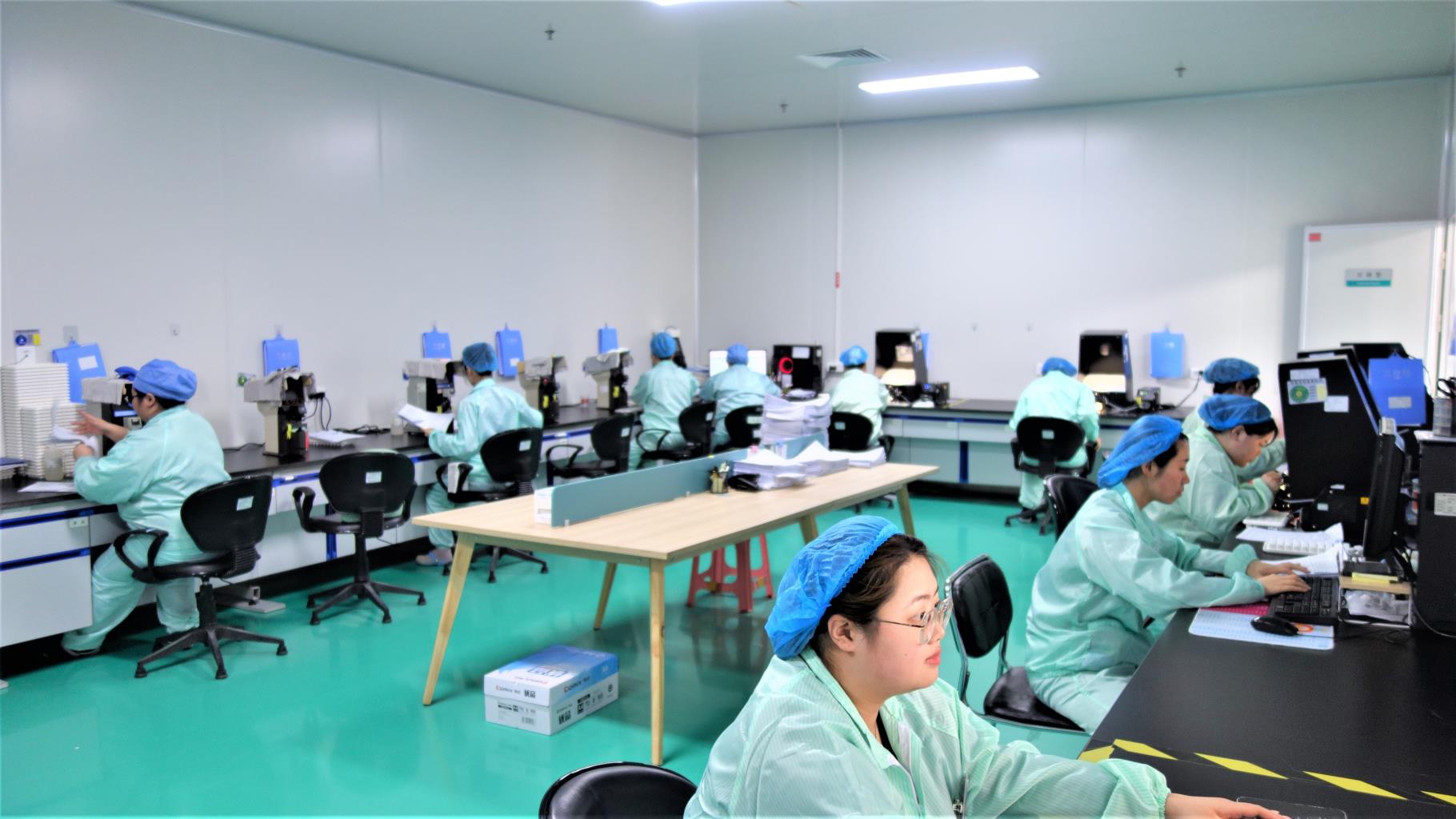
We deploy certified automation systems to eliminate manual variation and safeguard corrective power consistency down to ±0.25D.
Optimized freight, customs clearance, and regulatory compliance paths designed for regional optical distributors in Bishkek.
Leveraging the proximity of Xinjiang land ports (Torugart and Irkeshtam passes), we organize efficient trucking options directly from our mainland hub to Bishkek and Osh, cutting transit times down to 8-12 days.
We supply standard certificate profiles, raw material safety datasheets (MSDS), and production batch records compliant with the Eurasian Economic Commission requirements, smoothing the import custom process.
To facilitate flawless technical integration, our trade division operates fluently in English and Chinese, offering direct interface options for Central Asian procurement managers.
Flexible customization options, bespoke optical packaging, and tailored production parameters for major retail brands.
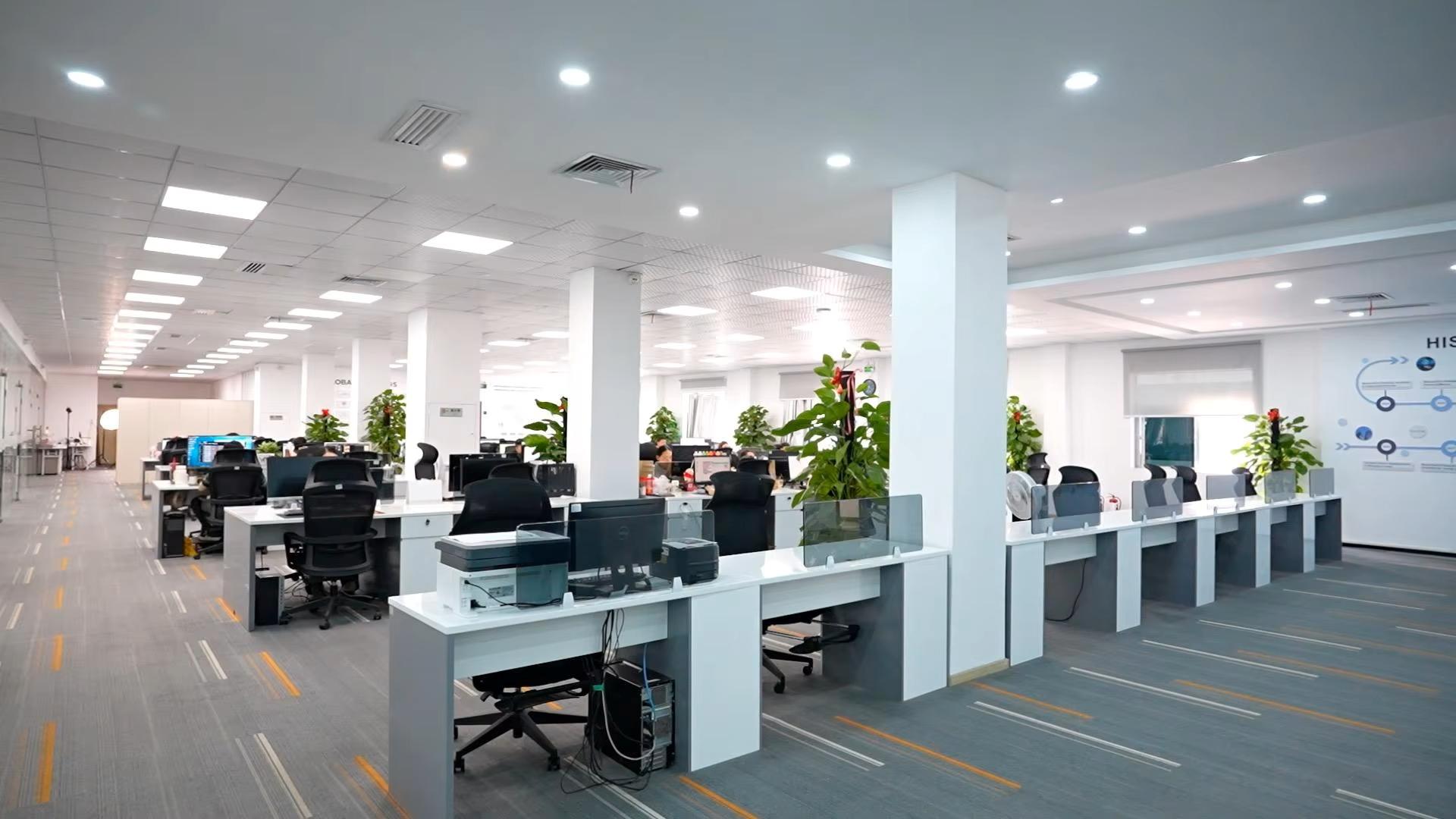
When international medical groups or private label brands source prescription lenses, they evaluate more than just cost per unit. The criteria focus heavily on material purity, structural durability, oxygen transmission rates, and design flexibility.
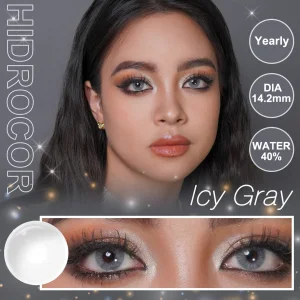
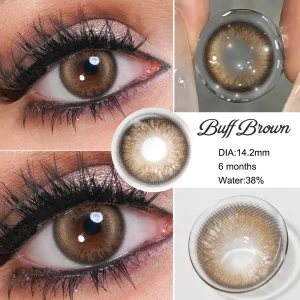
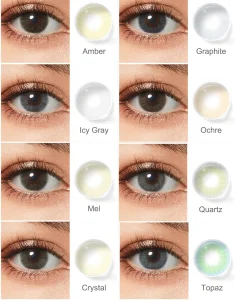
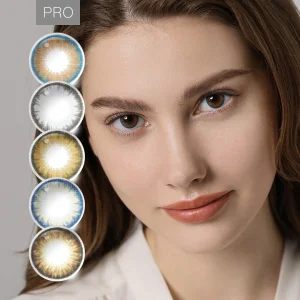
A wider selection of cosmetic corrective lenses, daily and yearly contact lenses optimized for volume distribution hubs.
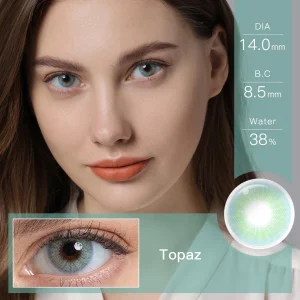
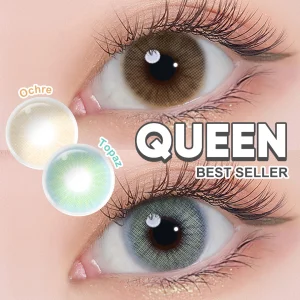

The technological and structural shifts driving the prescription lens market forward.
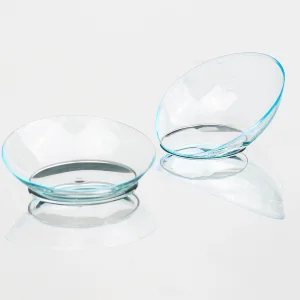
Traditional hydrogel materials are rapidly giving way to next-generation hybrid formulations. By optimizing the balance between water content and silicone monomer networks, modern lenses maintain high oxygen permeability (Dk/t) while resisting lipid deposition. This technical evolution ensures that contact lenses remain comfortable even in dusty, dry mountain environments like those found across Kyrgyzstan.
Precision manufacturing requires computer-controlled monomer dosage systems. The introduction of UV curing paths and ultra-smooth mold configurations minimizes surface defects down to the sub-micron scale. This drastically reduces localized friction between the eyelid and the lens surface, providing immediate comfort for end users.
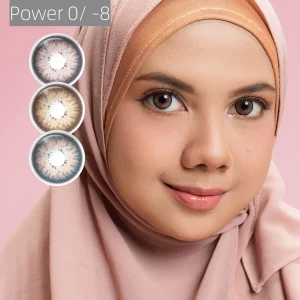
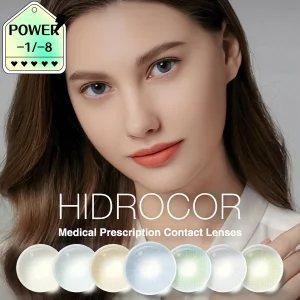
Corrective lenses are no longer purely medical devices; they are heavily utilized as cosmetic accents. Consumers require high-diopter corrective profiles (e.g., -1.00D to -8.00D or more) combined with multi-tonal print patterns. Maintaining exact print alignment within the lens structure while securing physiological safety remains our core manufacturing competitive advantage.
With volatile market demands, distributors cannot afford to maintain months of idle inventory. We utilize ERP-integrated production systems to coordinate manufacturing schedules with transport routes, enabling rapid batch production of customized configurations within days.
Essential B2B answers regarding shipping, customization, compliance, and ordering procedures for Kyrgyzstan.
For shipments to Kyrgyzstan, we utilize land freight routes departing through Xinjiang customs ports (such as Kashgar or Irkeshtam), arriving in Bishkek within 8 to 12 business days under standard logistical conditions. We also support urgent air cargo shipping options which take approximately 3 to 5 days.
Yes, Shenzhen Fresh Vision Co., Ltd. operates under strict quality standards. We provide complete manufacturing documentation, raw material certification, and batch testing results that align with the import requirements of the Kyrgyz Republic and the broader EAEU market regulations.
MOQ requirements vary based on the level of customization. For standard stock prescription lenses, we offer very low MOQs starting from a few boxes. For customized private labeling, packaging branding, and custom color formulations, the MOQ typically begins at 500 to 1,000 pairs depending on the specifics of the design project.
Every production batch undergoes 100% inspection processes utilizing digital focimeters and advanced optical projectors. We maintain full traceability on all raw materials, sourcing monomer polymers exclusively from approved, medical-grade global suppliers.