 Fresh Lenses
Fresh Lenses
Fresh Lenses
Explore our leading export-grade optical systems customized for diverse physiological and cosmetic matching requirements.

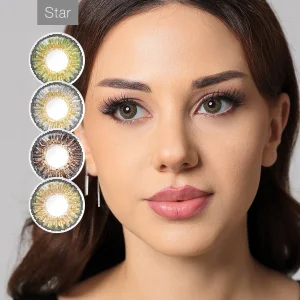
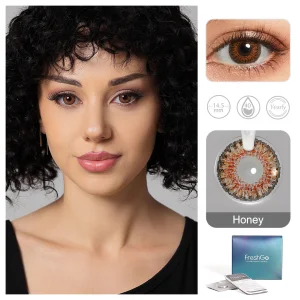

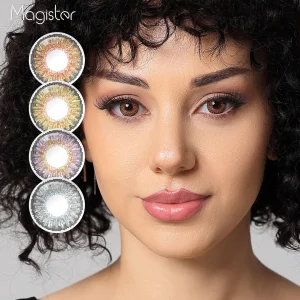
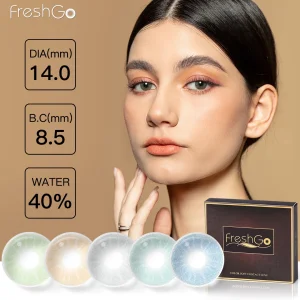
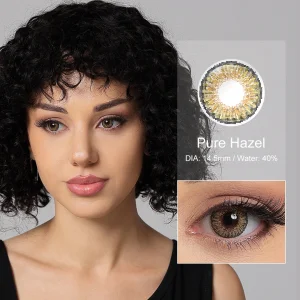
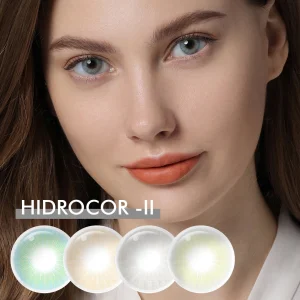
A rigorous review of how large-diameter rigid gas permeable systems are redefining treatment vectors for ocular surface disease and irregular corneas.
The early eras of corneal contact design were structurally limited by oxygen transmission. PMMA lenses offered optical clarity but virtually zero oxygen permeability, creating immediate hypoxic stress on the corneal epithelium. Modern scleral contact lenses have completely bypassed the cornea by landing exclusively on the fluid-filled sclera. Manufactured from ultra-high Dk fluorosilicone acrylate materials, today's scleral designs feature oxygen transmissibility ratings (Dk/t) exceeding 100, preventing corneal edema even when spanning high sagittal depths. Shenzhen Fresh Vision's design laboratory matches these material thresholds to ensure corneal health during long-wear therapeutic protocols.
For patients suffering from keratoconus, pellucid marginal degeneration (PMD), and post-LASIK ectasia, traditional spectacles and soft lenses fail to address the irregular wavefront aberrations generated by an asymmetrical corneal surface. Scleral lenses create an artificial, highly uniform refractive interface. By encapsulating a sterile saline reservoir between the posterior lens surface and the anterior cornea, they effectively neutralize all irregular astigmatism, restoring visual acuity up to 20/20 for patients whose options were historically limited to invasive corneal transplantations.
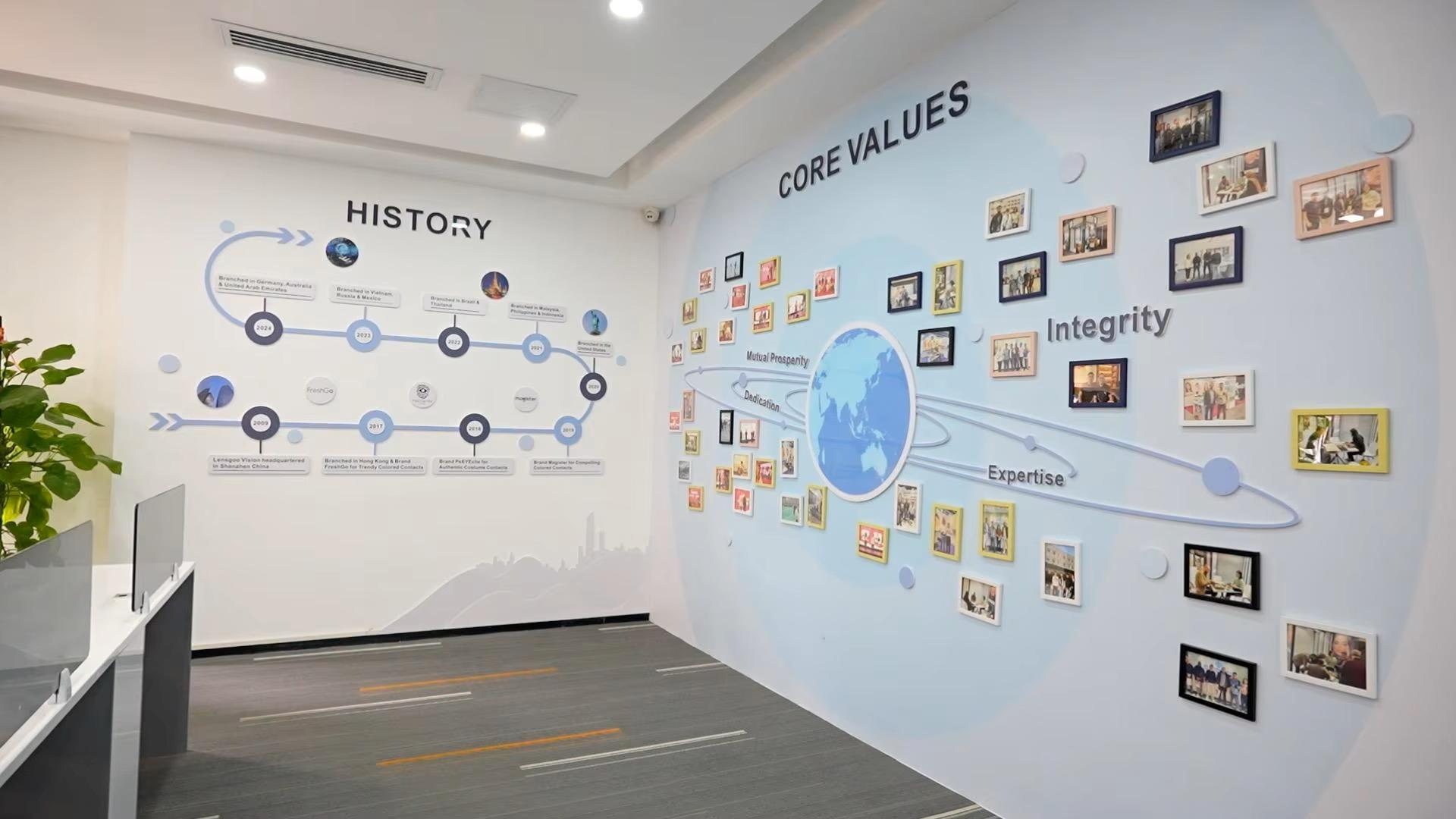
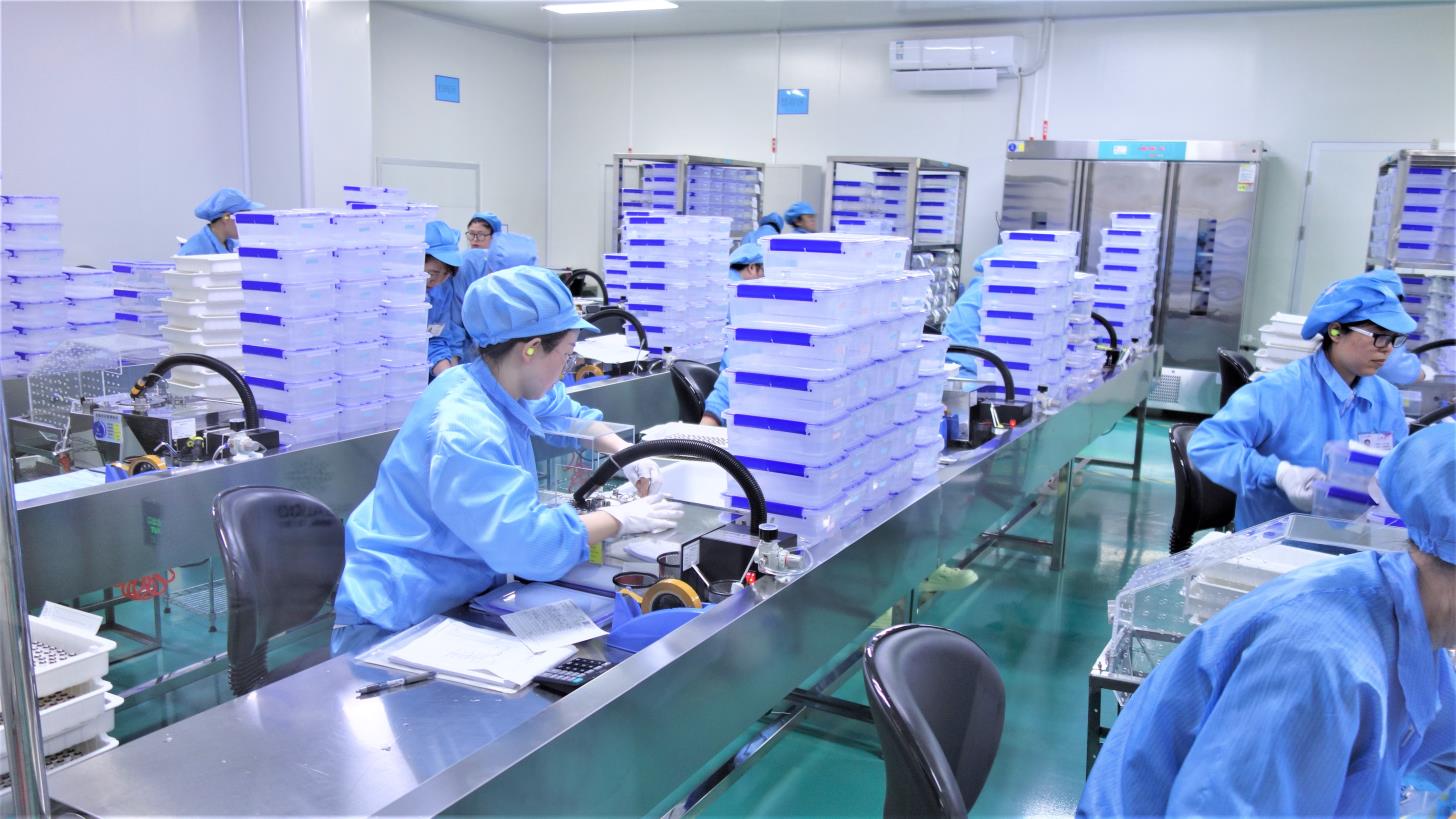
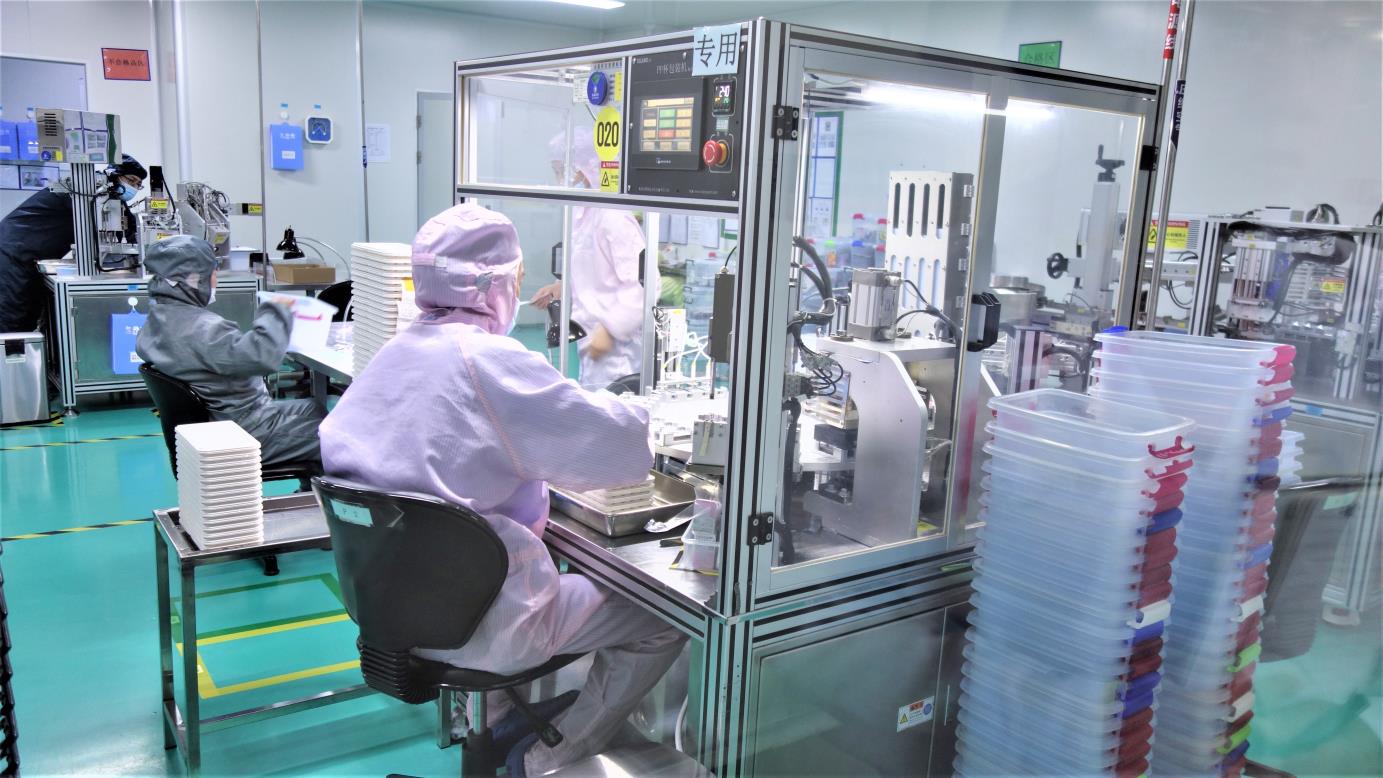
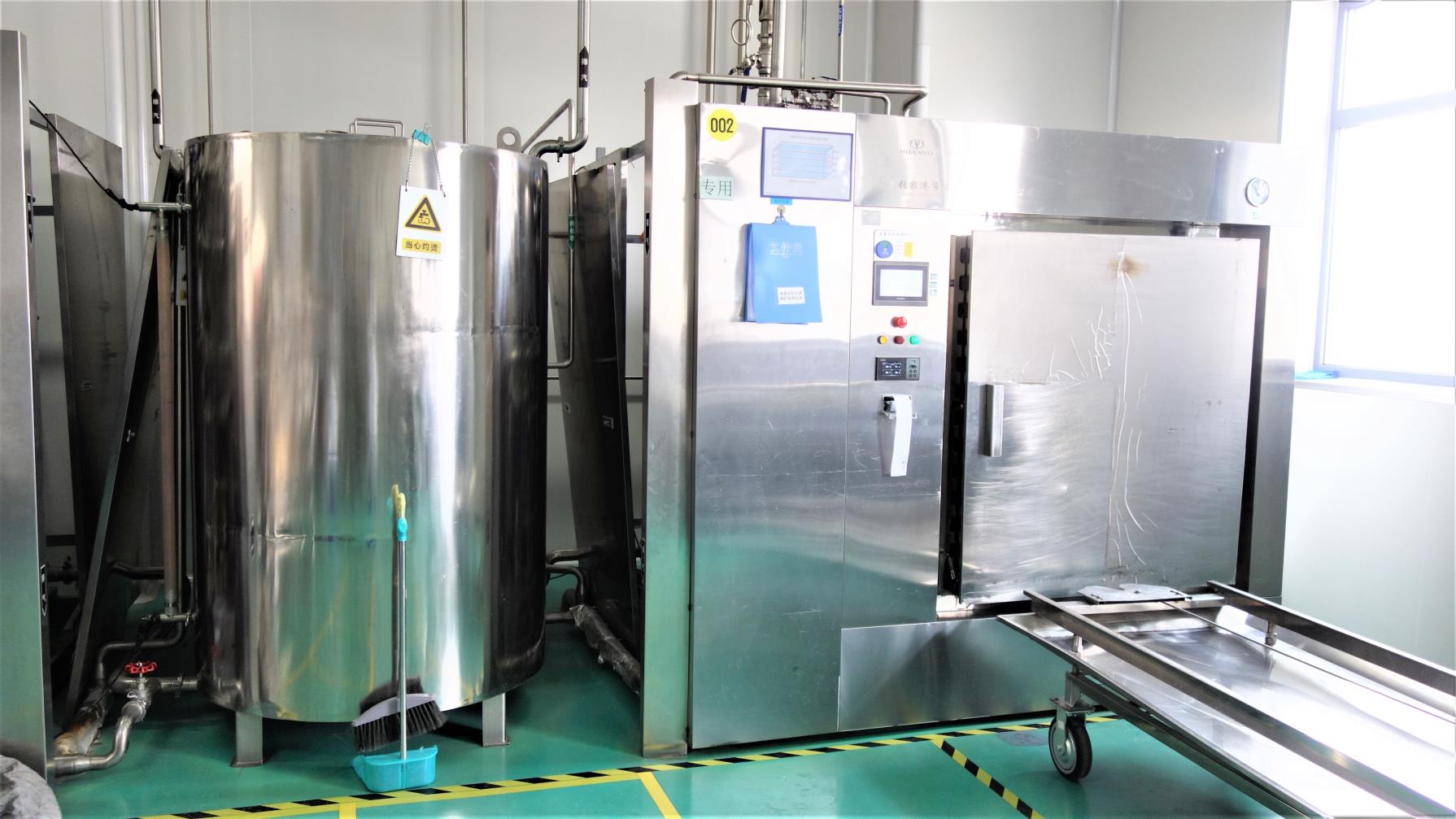
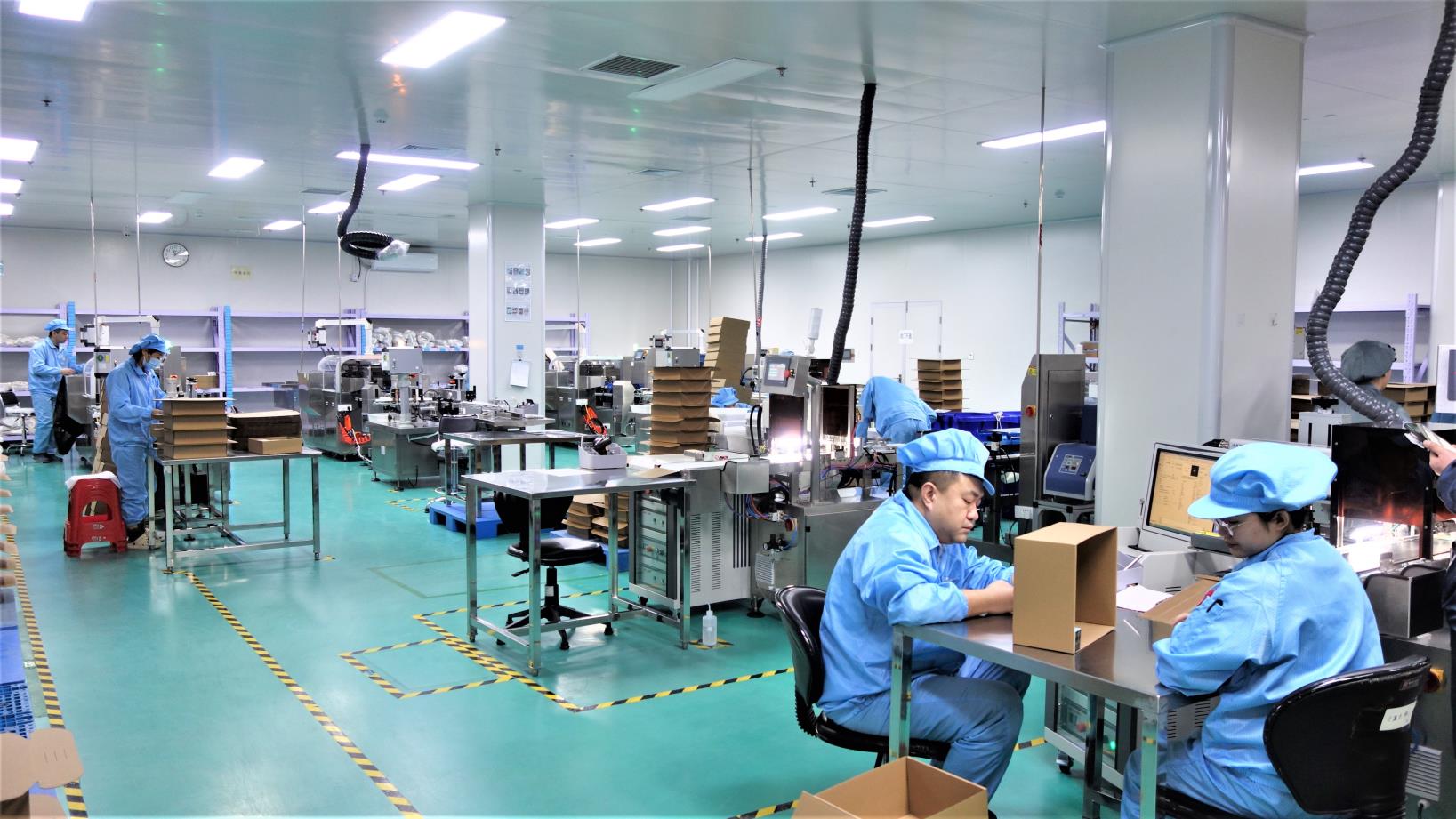
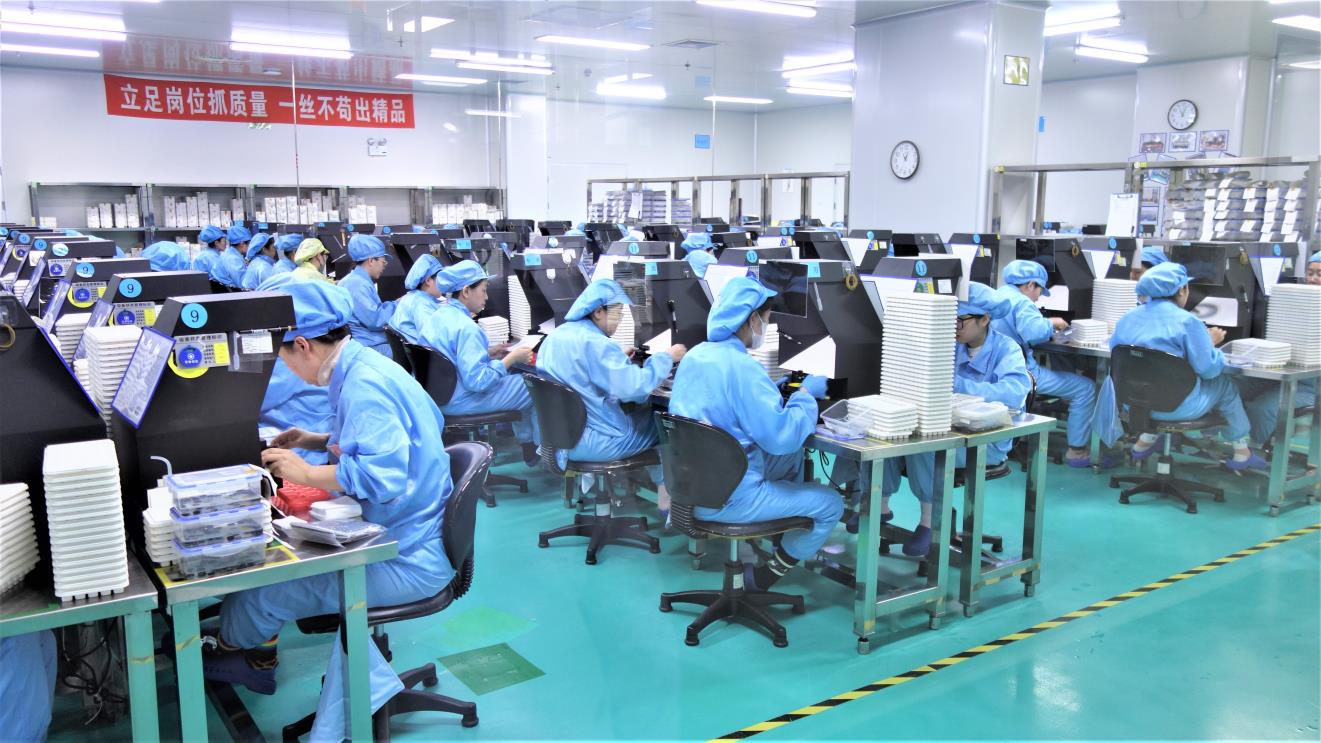
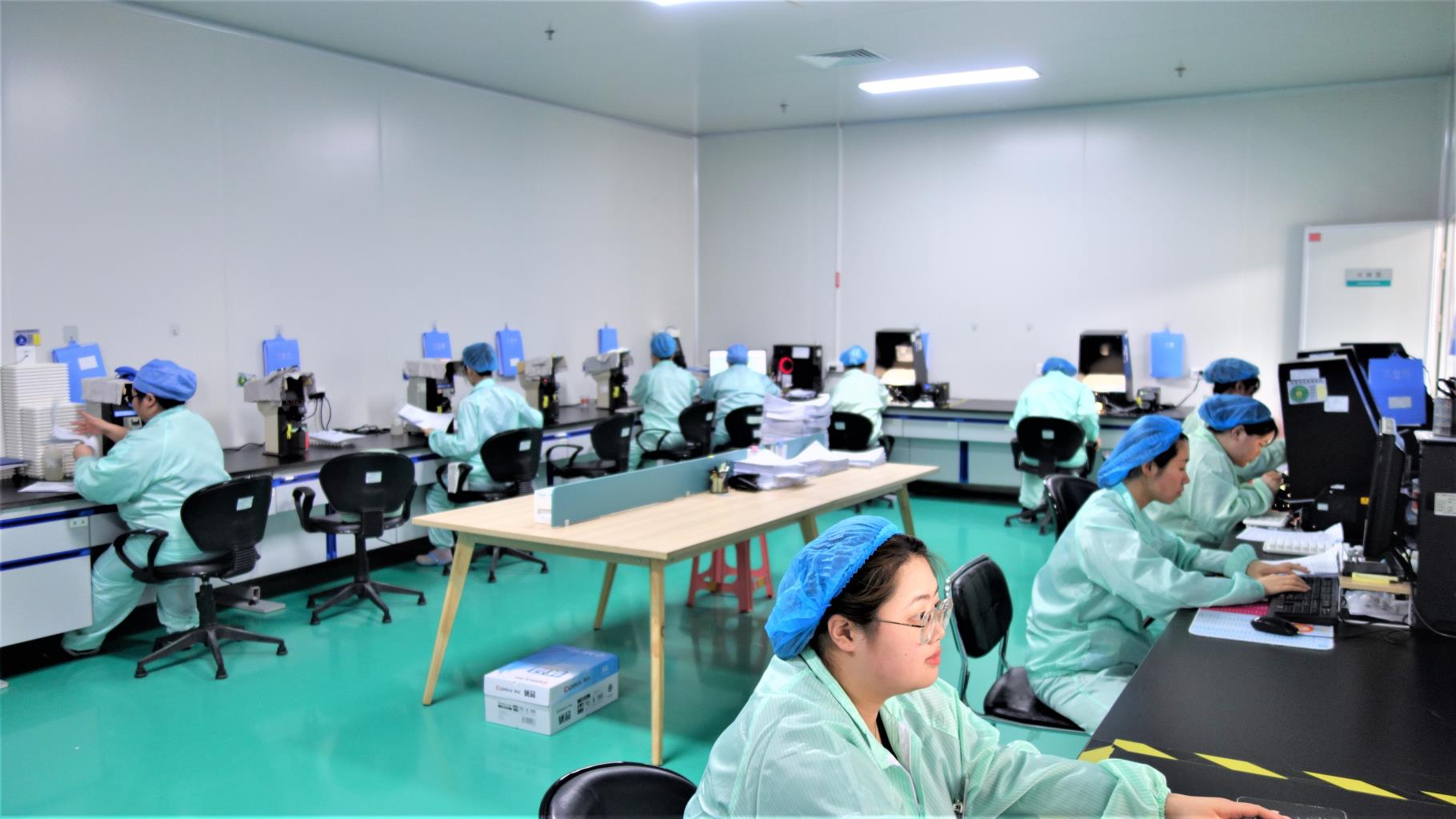
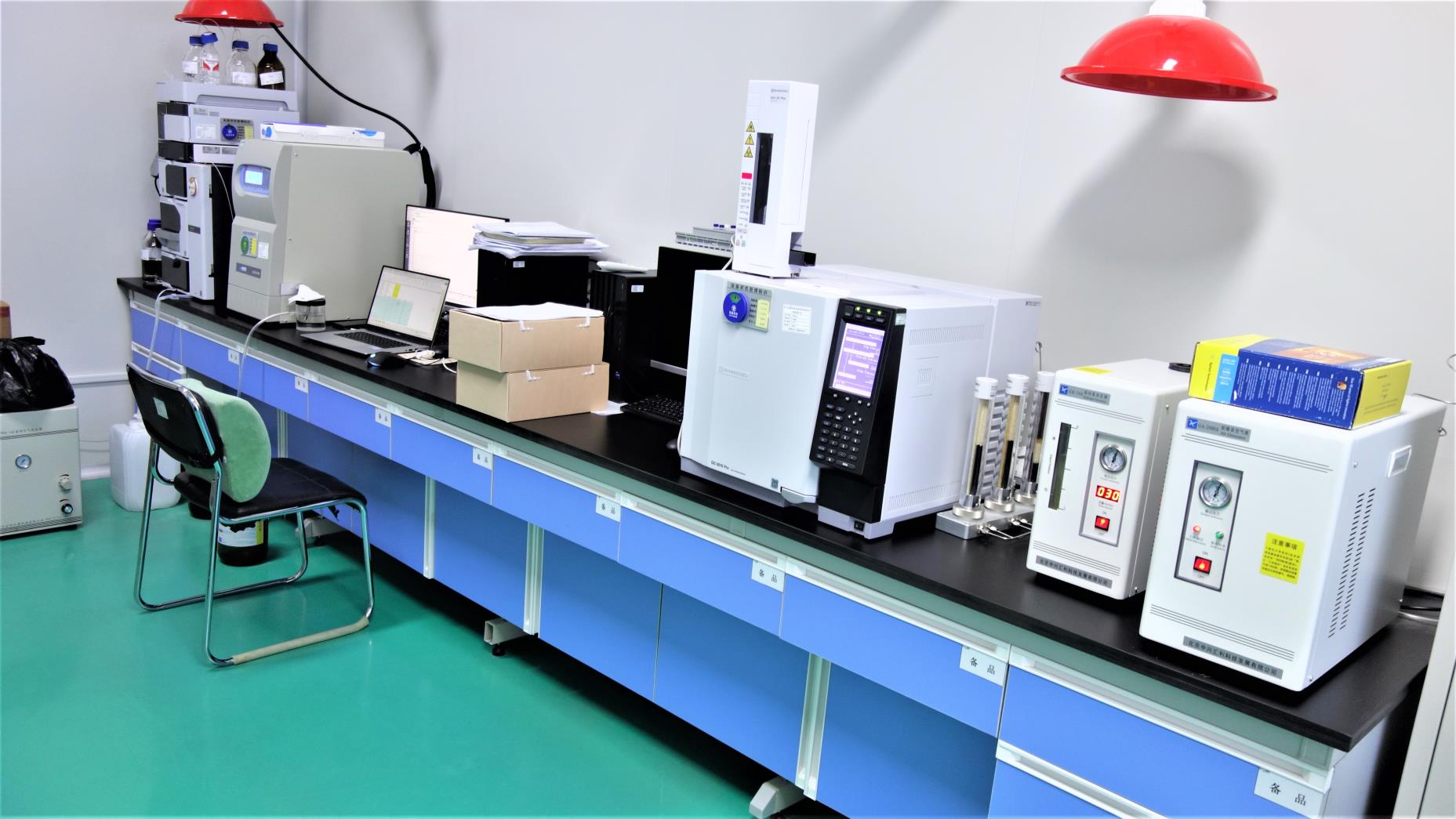
A look inside our 1100-square-meter state-of-the-art facility, operating automated clean-room production with 100% batch-level raw material verification.

Operating out of Shenzhen's high-tech industrial corridor, Shenzhen Fresh Vision Co., Ltd. has spent a decade refining the supply chains of specialty and cosmetic contact lenses. We support comprehensive raw material traceability, ensuring that every fluorosilicone acrylate disk and hydrophilic monomer is cataloged from its source of synthesis through to the final sterilized container.
Our clean-room and automated pipeline guarantees absolute sterility, geometric repeatability, and micro-surface accuracy.

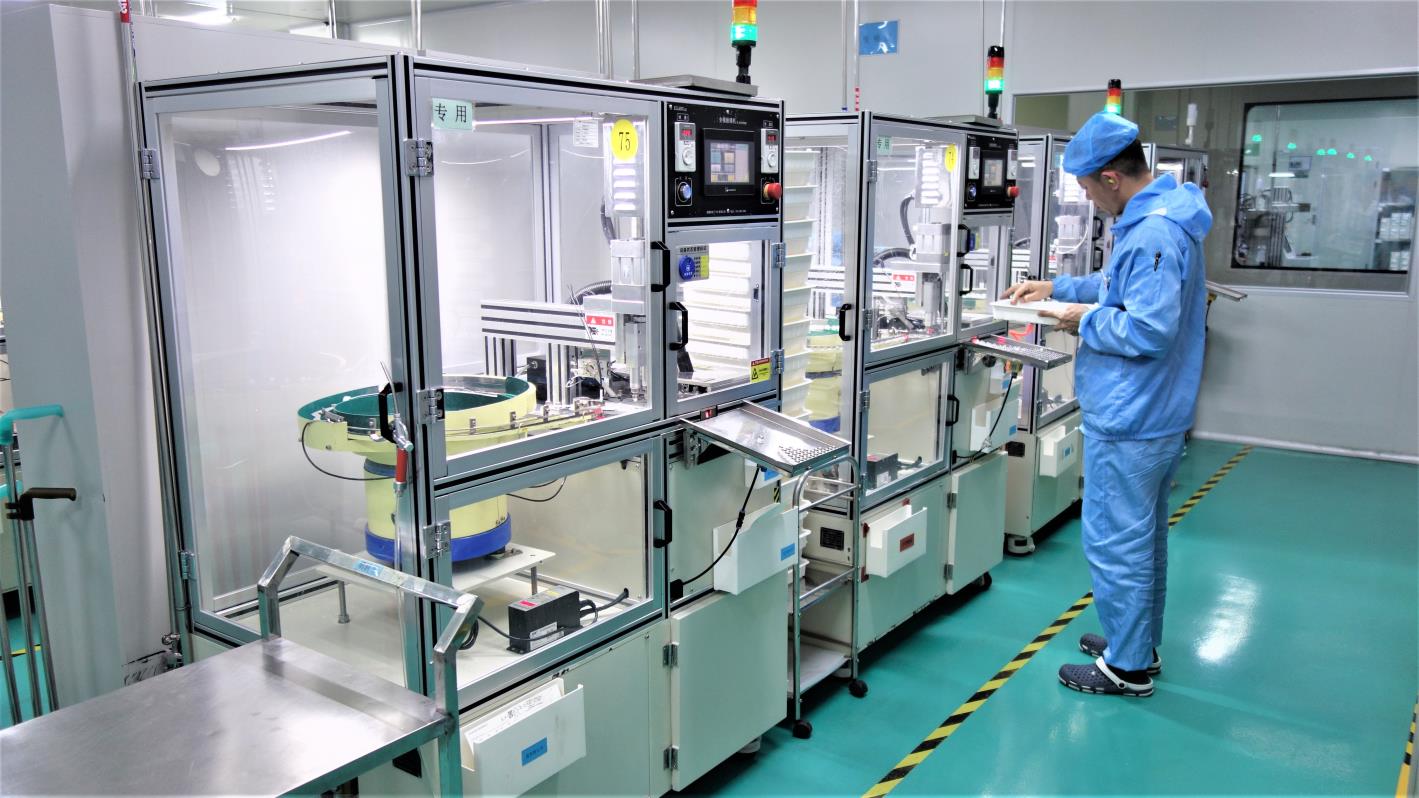
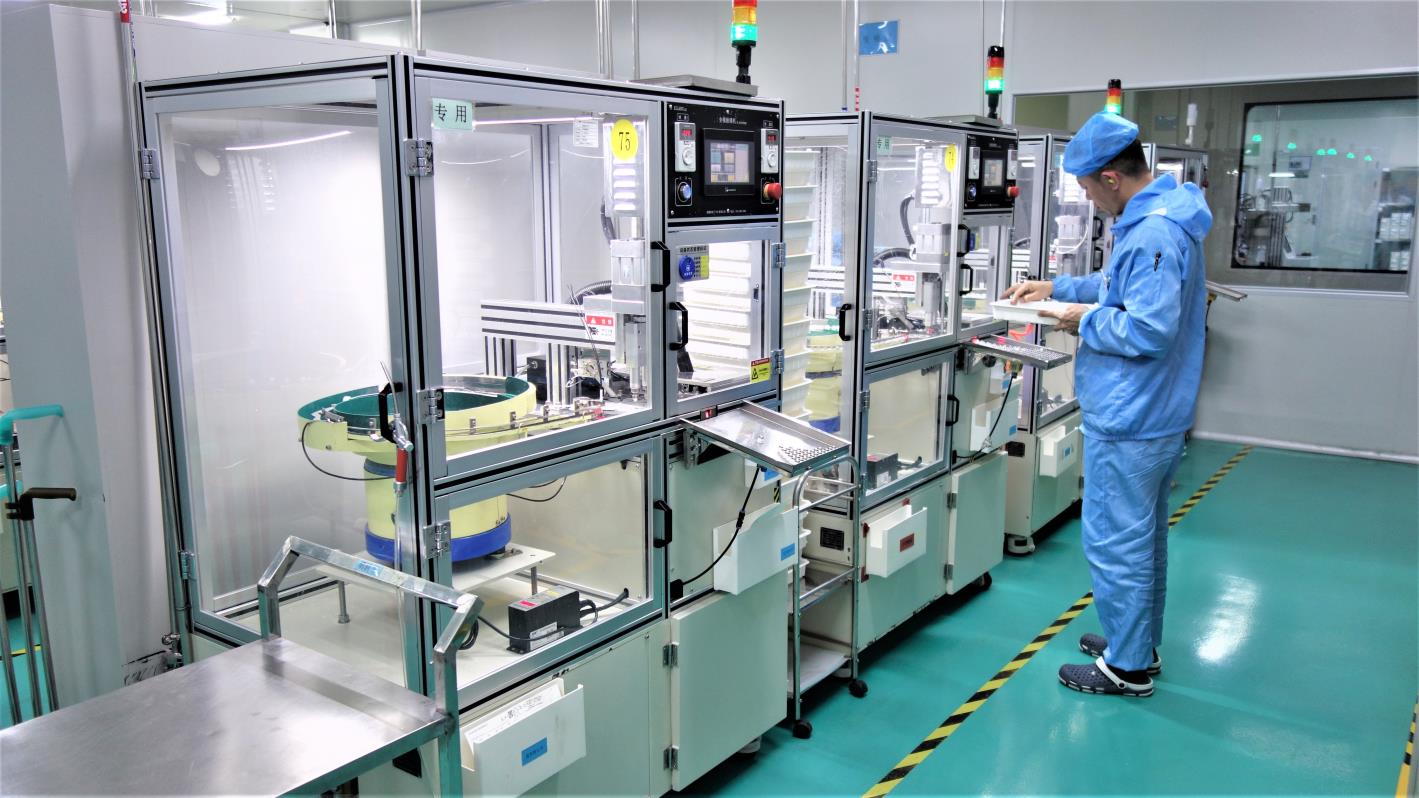
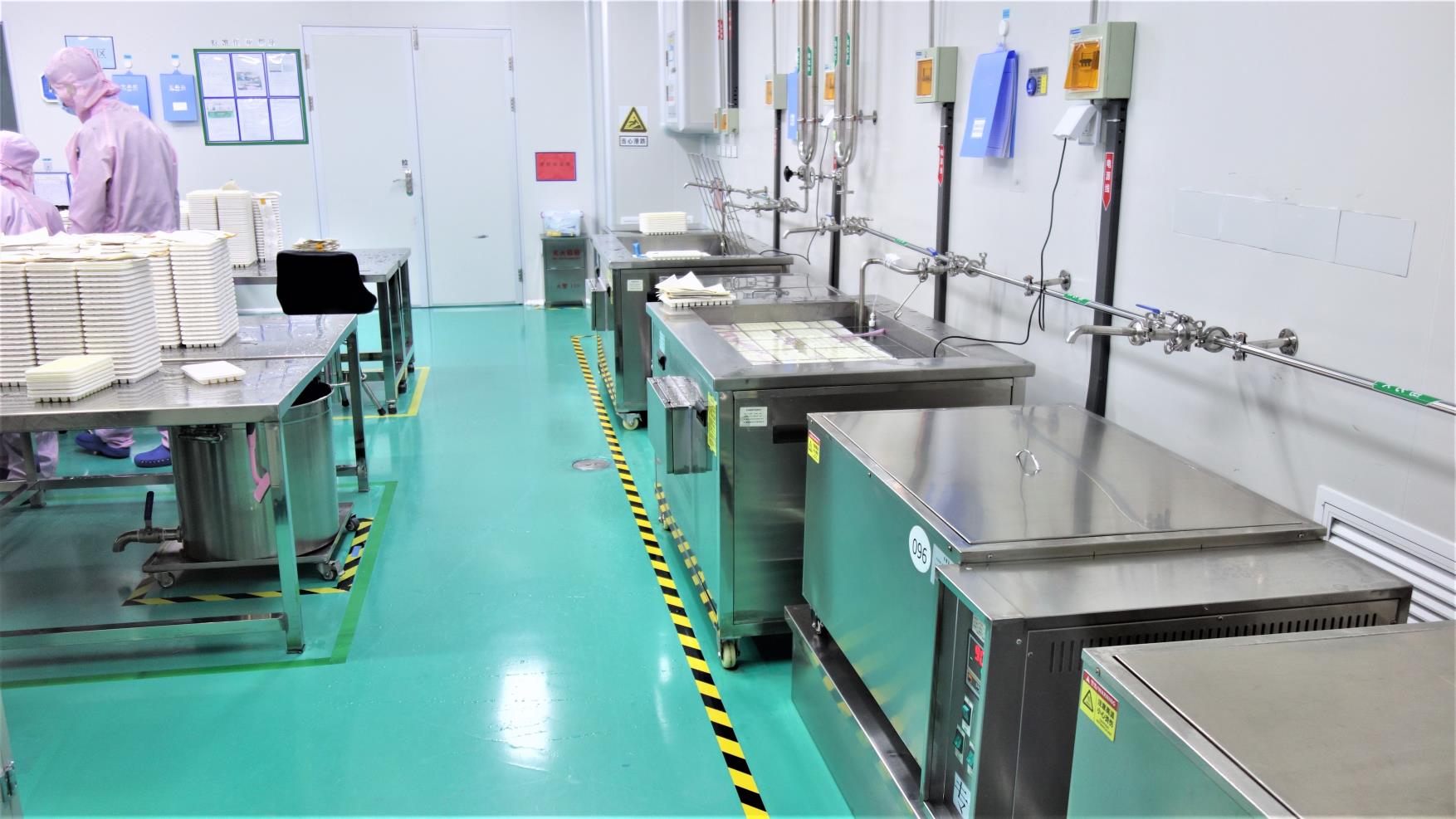
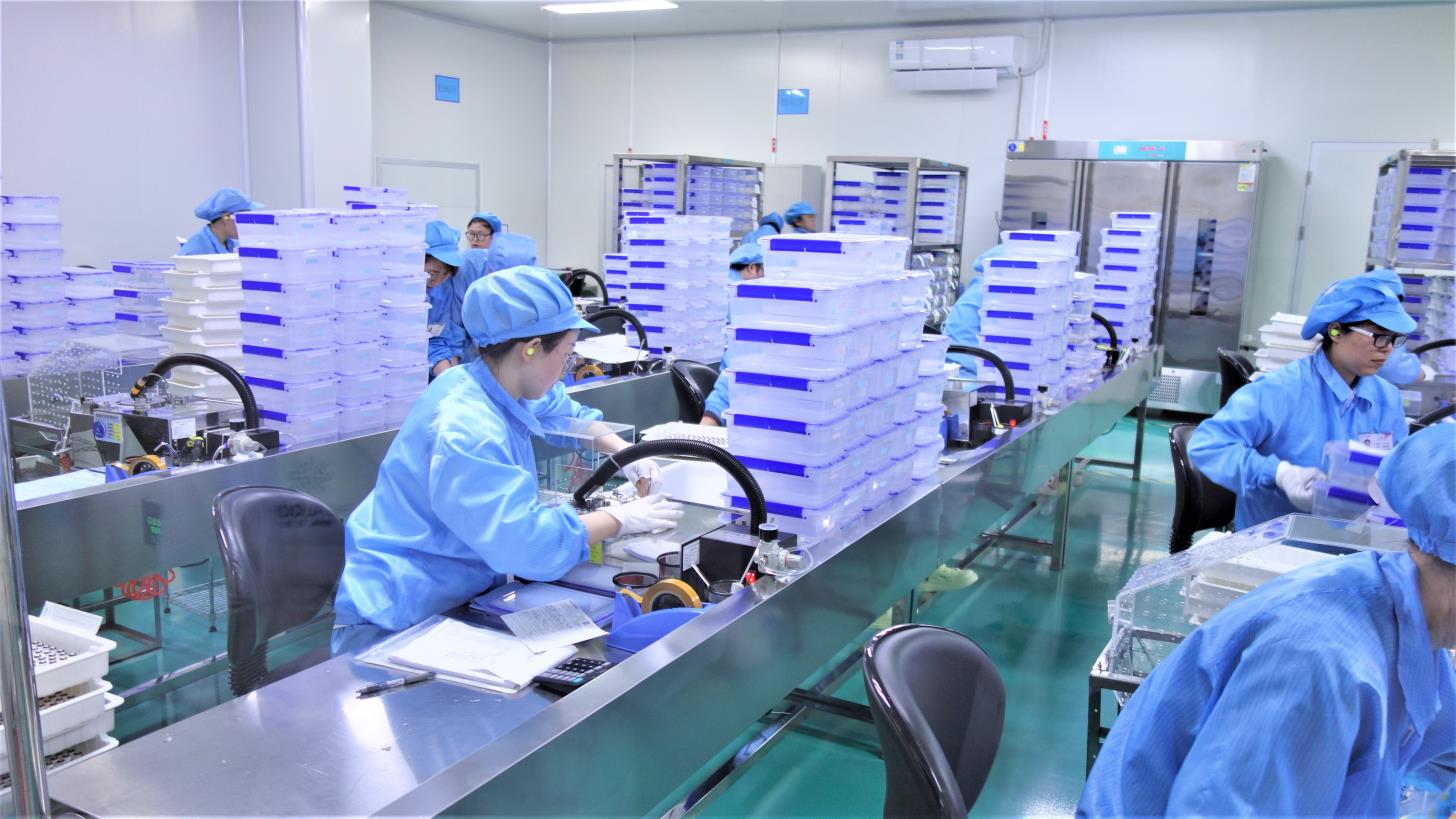
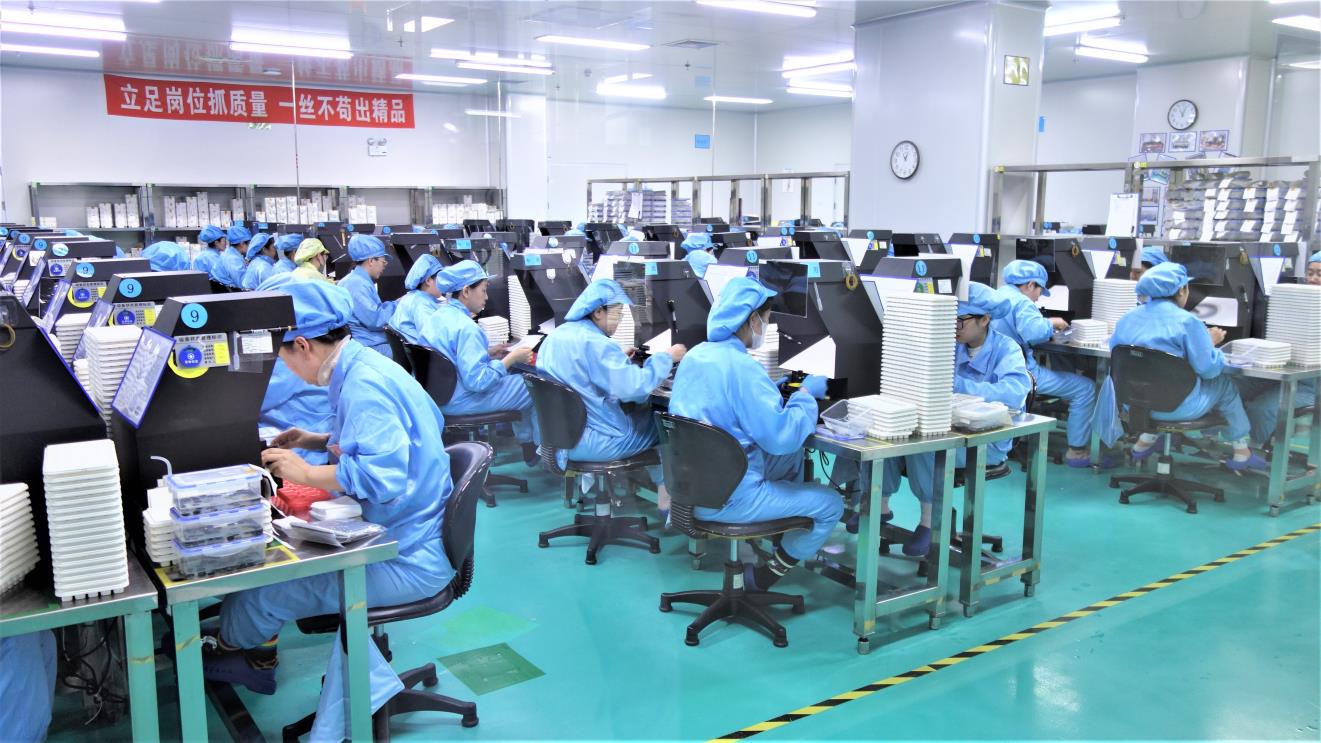
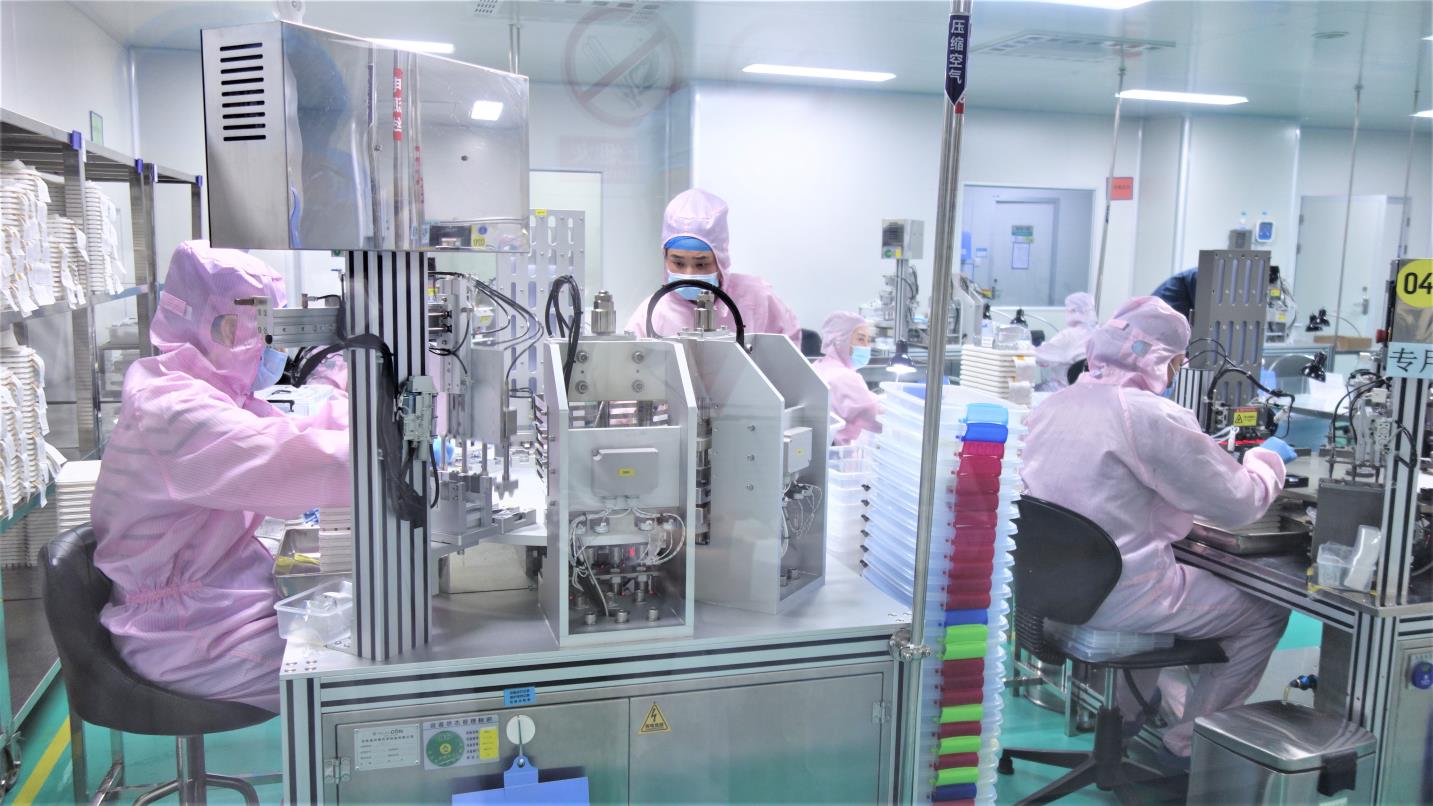
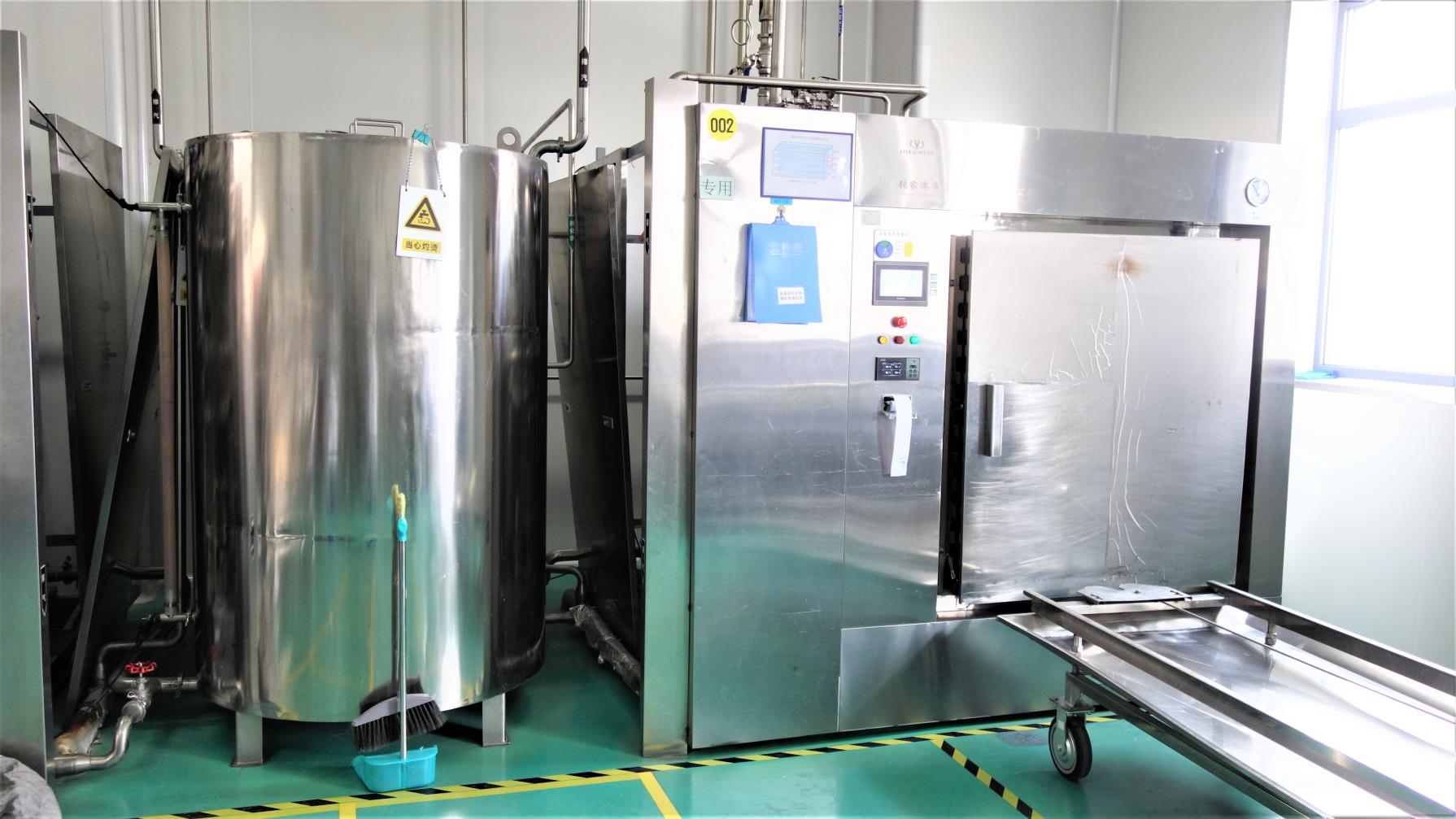
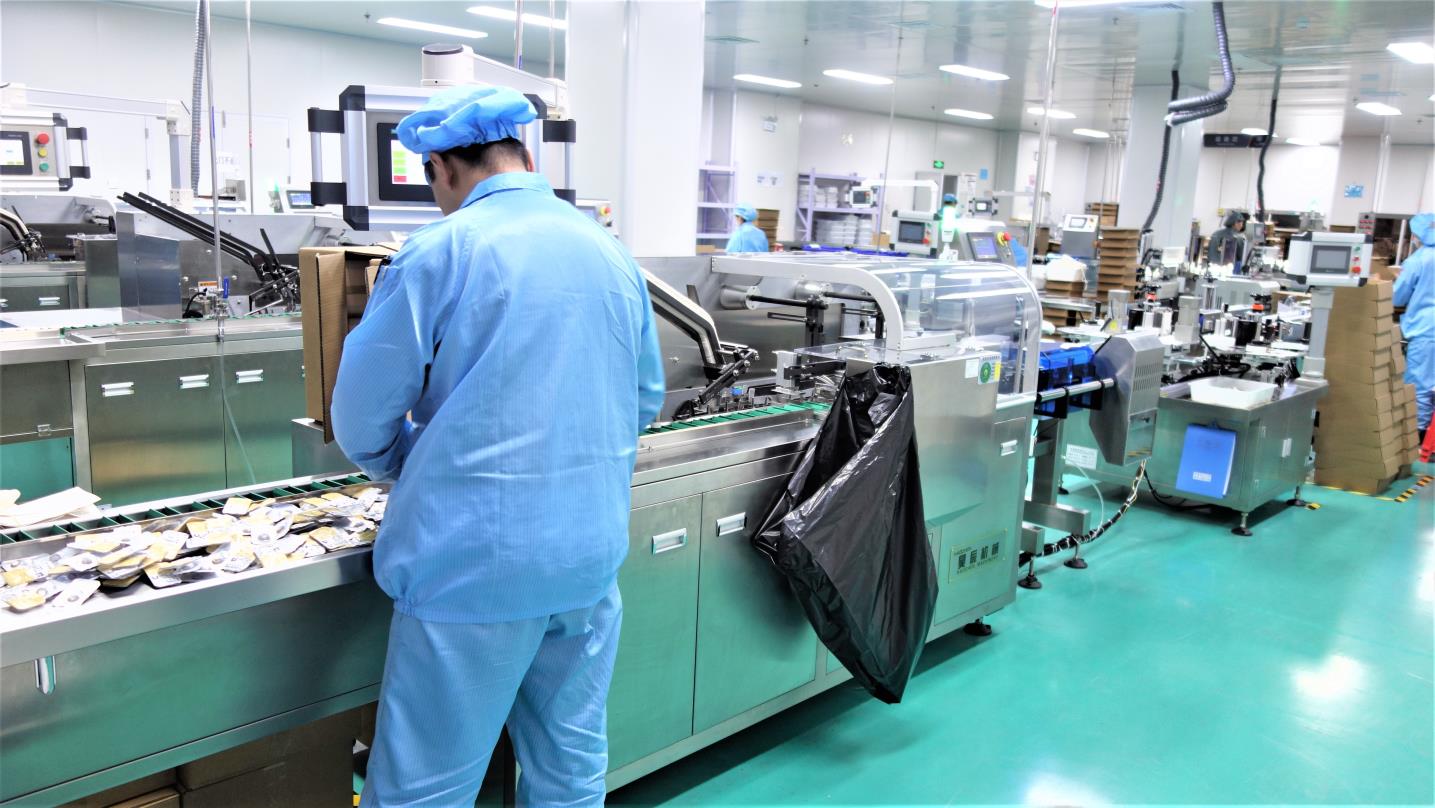
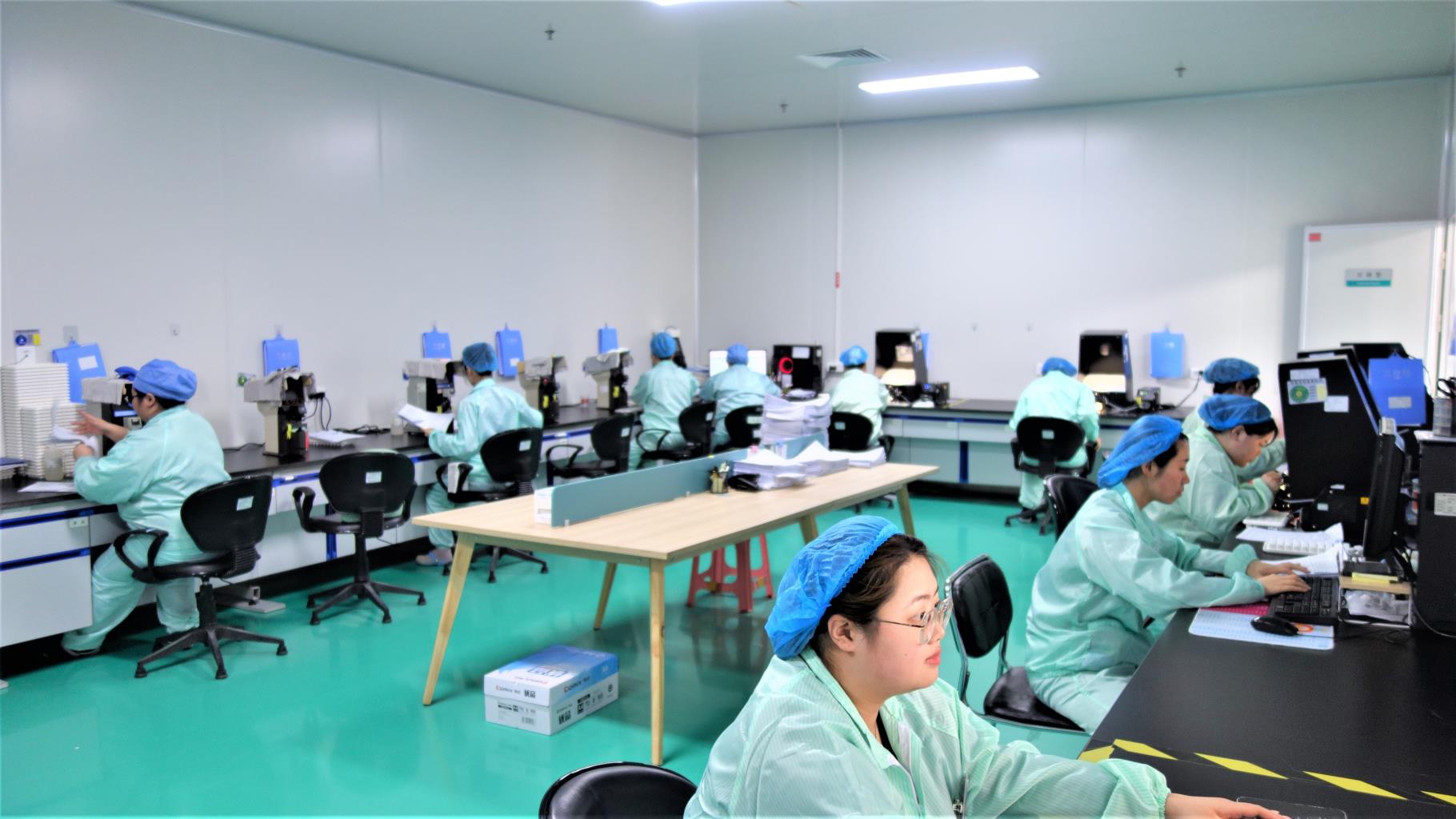
Investing in automation machinery to reduce variability in sag heights and color parameters.
Understanding clinical purchasing requirements and shifting distribution logistics in North America, Southeast Asia, and Europe.
North America constitutes 25% of our export trade portfolio. In this market, distributors prioritize compliance, oxygen transmissibility certification, and reliable supply chains. Optometry practices are increasingly scaling their specialty lens divisions to handle post-surgical corneal repairs and dry-eye management. Clinicians require manufacturers to support custom CAD parameter modification files, rapid turnaround times, and clear traceability of FDA-compliant raw materials.
Representing 20% of Fresh Vision's market share, Southeast Asia is seeing high growth driven by myopia progression control and cosmetic ocular solutions. The demand here transitions between daily wear soft designs and specialty rigid gas permeable structures. Procurement managers focus on finding reliable OEM setups that offer custom packaging, local regulatory registration support, and cost-effective bulk pricing.
The Middle Eastern medical distribution channel represents 10% of our business, characterized by demand for robust lens hydration profiles. High ambient heat and dust levels elevate the risk of dry eye and lens deposition. Scleral designs with advanced hydrophilic coatings (such as plasma treatments or Tangible Hydrate-PEG) are highly valued by clinical buyers to maintain ocular comfort and prevent lipid accumulation.
Modern optical component procurement requires more than just high-precision lathes; it relies on agile manufacturing networks. Shenzhen Fresh Vision's Factory 4.0 framework utilizes a digitised production pipeline that integrates raw material planning, CNC lathe programs, hydration timing, and laser serialization into a unified management system.
By digitizing production stages—such as automated demoulding, computer-aided inspection, and spectrophotometer verification—we reduce human error and keep lens surface finishes smooth. This digital integration helps us maintain standard lead times, even when global shipping routes or raw material access are disrupted.
Analyzing how scleral lenses help address severe ocular pathology and reconstructive requirements.
In cases of severe ocular chemical burns, Sjögren's Syndrome, or Stevens-Johnson syndrome, the corneal epithelium lacks the lubrication needed to stay healthy. Traditional drop therapy often fails to protect the cornea. Scleral contact lenses create a continuous liquid vault over the ocular surface, acting as a moist chamber that promotes cellular healing and prevents corneal scarring.
Following penetrating keratoplasty (corneal transplant), the interface between graft and host tissue often exhibits significant elevations and structural shifts. Normal contact lenses tilt, slide, or cause localized irritation. Scleral designs bypass the graft margin completely, resting on the more symmetrical sclera to eliminate mechanical stress on the donor tissue.
Beyond corrective optics, patients with aniridia, iris coloboma, or disfiguring corneal scars require combined prosthetic and optical correction. Our R&D division supports custom graphic processing, printing natural iris patterns directly onto hydrogel or RGP structures to help restore both ocular appearance and function.
Direct technical guidance on material properties, design parameters, and customization workflows for international buyers.
The ideal Sagittal Height is determined by the elevation profile of the cornea. For mild keratoconus, a SAG of 4,200 to 4,800 microns is typically sufficient. Advanced ectasia or post-surgical grafts may require values ranging from 5,000 to over 6,000 microns. The objective is to maintain approximately 100 to 200 microns of central fluid clearance after landing zone stabilization, ensuring the lens does not touch the corneal epithelium.
Traceability ensures that every polymer batch used can be tracked back to its original synthesis, providing documented purity, monomer ratios, and sterilization testing. This level of verification is a standard requirement for FDA, CE, and NMPA approvals, helping international importers navigate regulatory checks and customs clearance smoothly.
Our R&D division provides full OEM and ODM services. This includes custom structural designs, private label packaging development, and specialty color processing. Using multi-curve lathes and precise printing processes, we can reproduce detailed iris patterns and match complex fitting specifications.
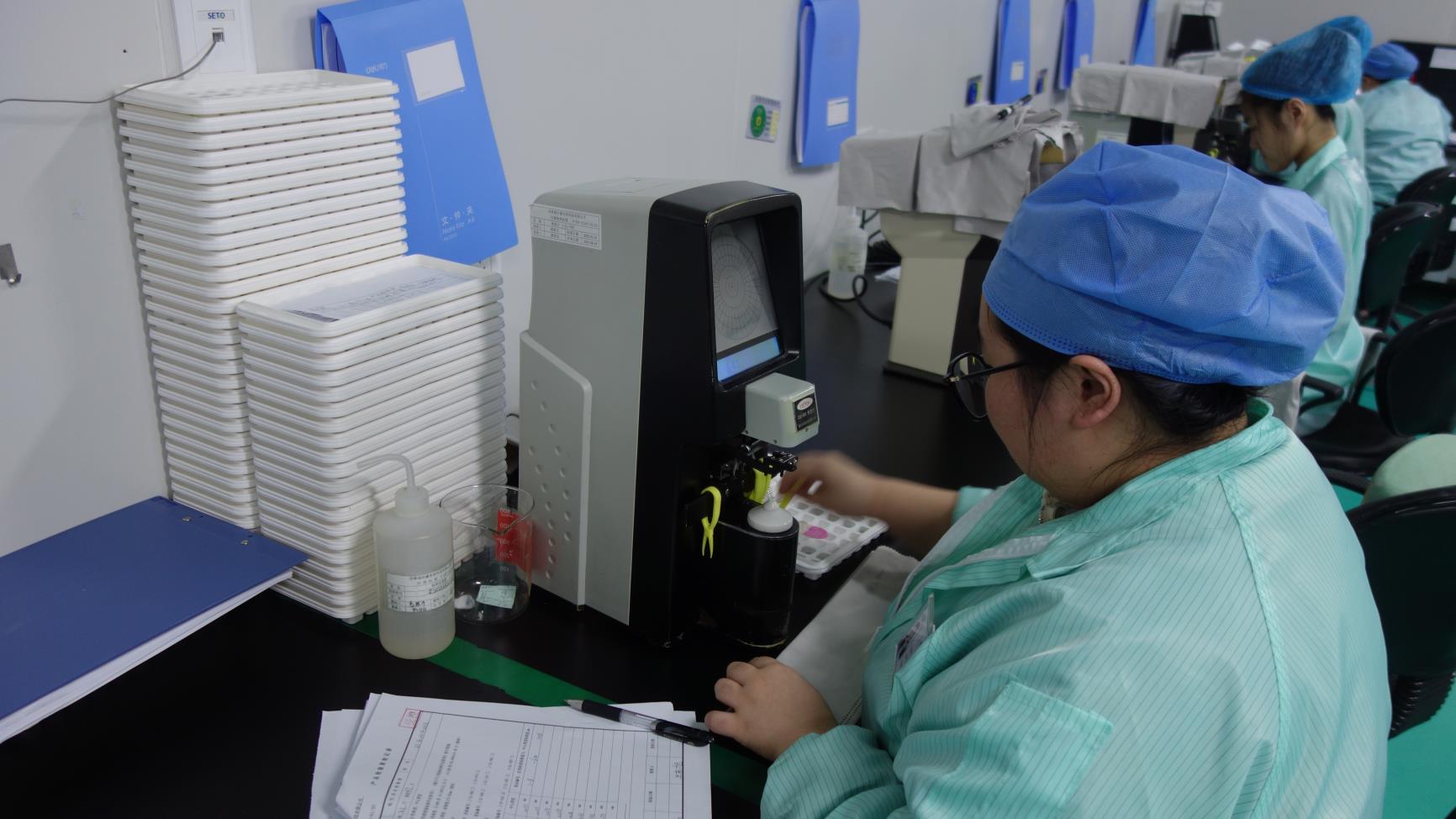
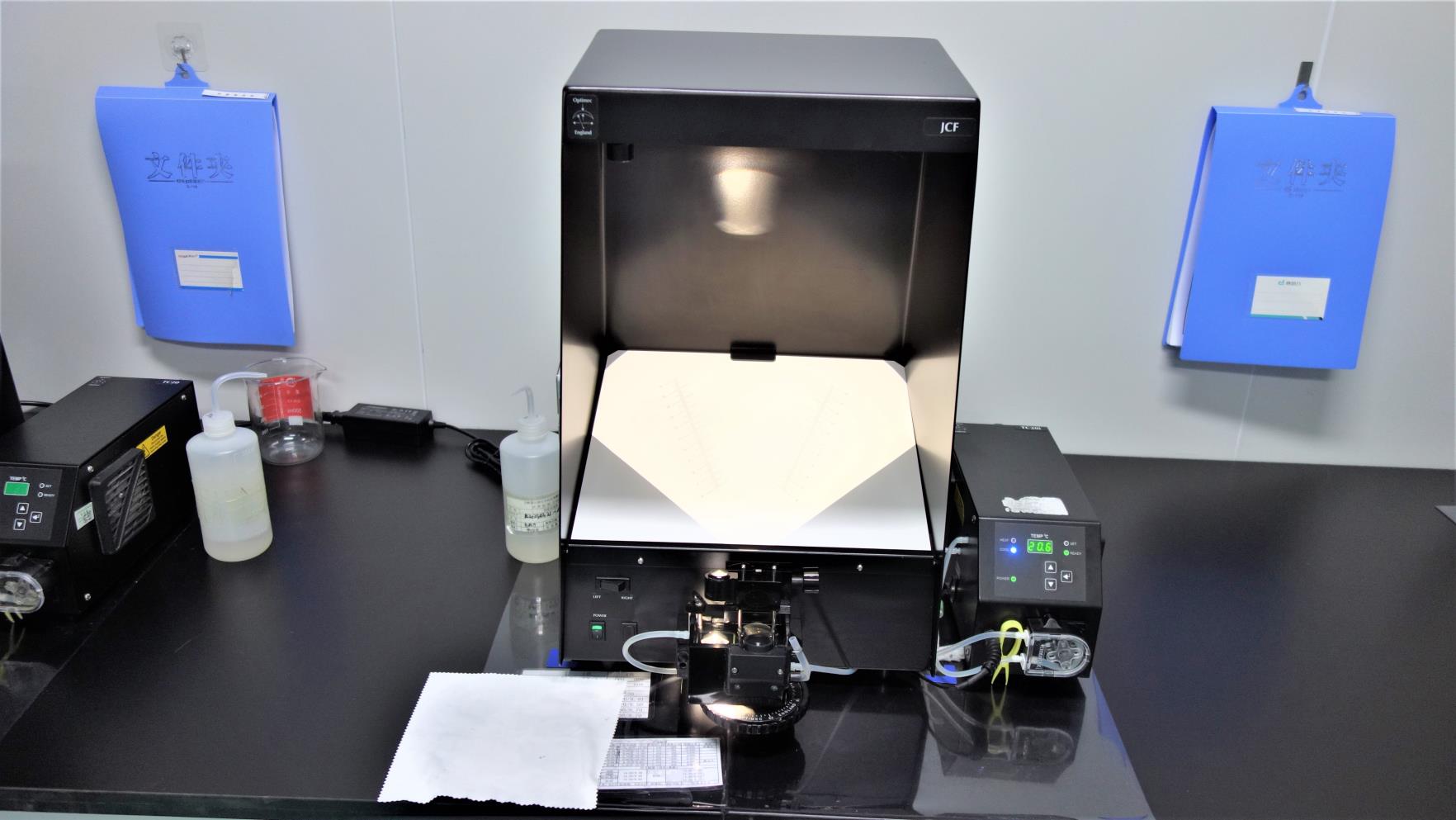
Quality control is integrated at each production stage. It starts with raw material inspection and continues through demoulding, automated polishing, laser measurement verification, and final sterilisation audits. Each lens batch undergoes optical power projection, surface finish inspection, and micro-defect screening before packaging.
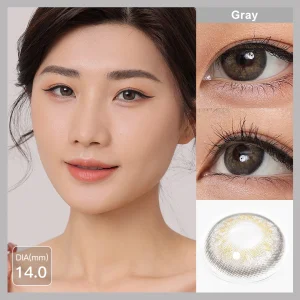
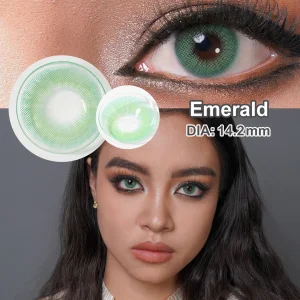
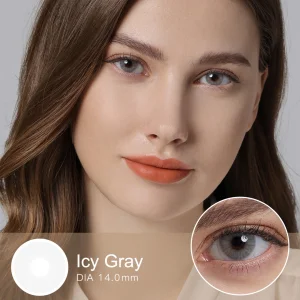
Browse our verified product inventory, designed for high comfort, optical clarity, and reliable wear profiles.



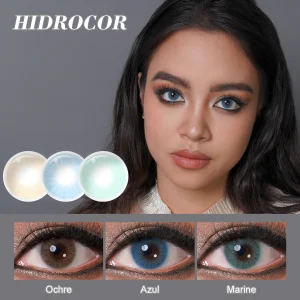

Connect with Shenzhen Fresh Vision's engineering team to request sample runs, configure custom SAG values, or finalize custom OEM print layout templates.
Contact R&D Division