Fresh Lenses
Fresh Lenses
Fresh Lenses
High-fidelity optical lenses crafted with medical-grade HEMA materials, prioritizing safety, color purity, and ultimate comfort.
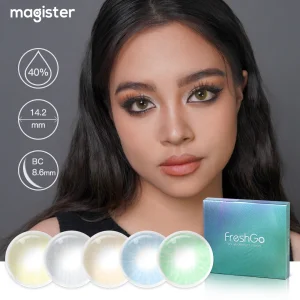
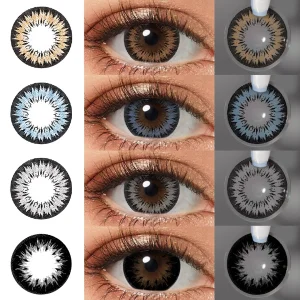
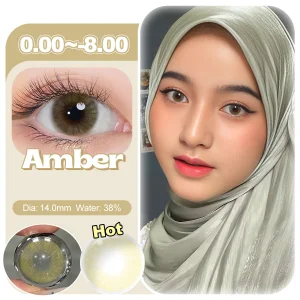
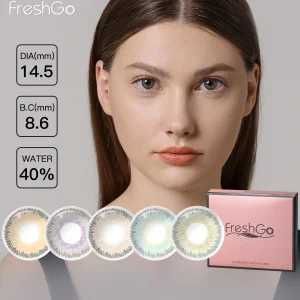
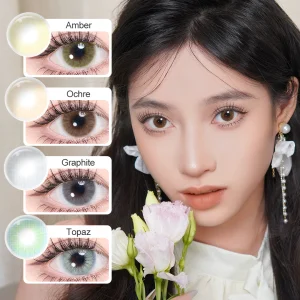
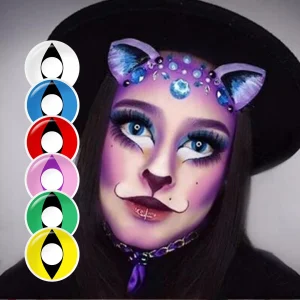
In the rapidly converging ecosystems of medical technology and consumer electronics, contact lenses and eye-care optoelectronics have transitioned from simple corrective elements to high-value smart aesthetic devices. As consumers demand higher biocompatibility, personalization, and interactive designs, manufacturers must utilize ultra-precision molding, automation, and state-of-the-art polymer formulations to meet global standards.
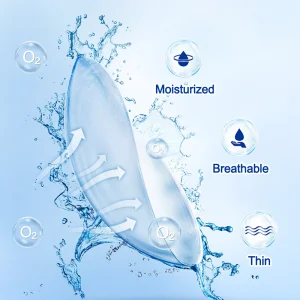
The integration of soft HEMA (Hydroxyethylmethacrylate) and advanced silicone hydrogels ensures maximum oxygen transmissibility, moisture retention, and zero-irritation wear cycles, meeting global health and cosmetic safety mandates.
Modern production utilizes automated demoulding, precision vacuum-filling, and ultra-high-definition optical projections to eliminate dimensional micro-deviations that compromise user comfort or visual acuity.
Looking forward, the optoelectronics sector is laying the foundation for smart contact lenses equipped with biosensors, augmented reality overlays, and dynamic drug-delivery mechanisms directly on the eye.
Leading manufacturers in China are spearheading this movement by moving away from labor-intensive assembly toward smart factories characterized by automated manufacturing execution systems (MES), ISO-certified cleanrooms, and automated optical inspection (AOI) technology. Achieving stability in tinting polymer metrics without degrading hydration thresholds represents the primary structural breakthrough in the specialized consumer optics field over the last decade.
Authorized credentials, operational metrics, and strict quality control pipelines.
Established on 2016-01-26, Shenzhen Fresh Vision Co., Ltd. has developed into a premier specialized optoelectronic manufacturer in Shenzhen, China's central consumer electronics hub. With over 10 years of export experience and a matching 10 years in the industry, the organization merges design innovation with medical-grade product control metrics.
The company serves global target markets, focusing heavily on North America (25%), Southeast Asia (20%), and the Mid East (10%). Partners range from global brand businesses, large-scale retailers, wholesale distributors, to OEM manufacturers.
End-to-end visualization of our dust-free sterile facility, processing machinery, and optical diagnostics.
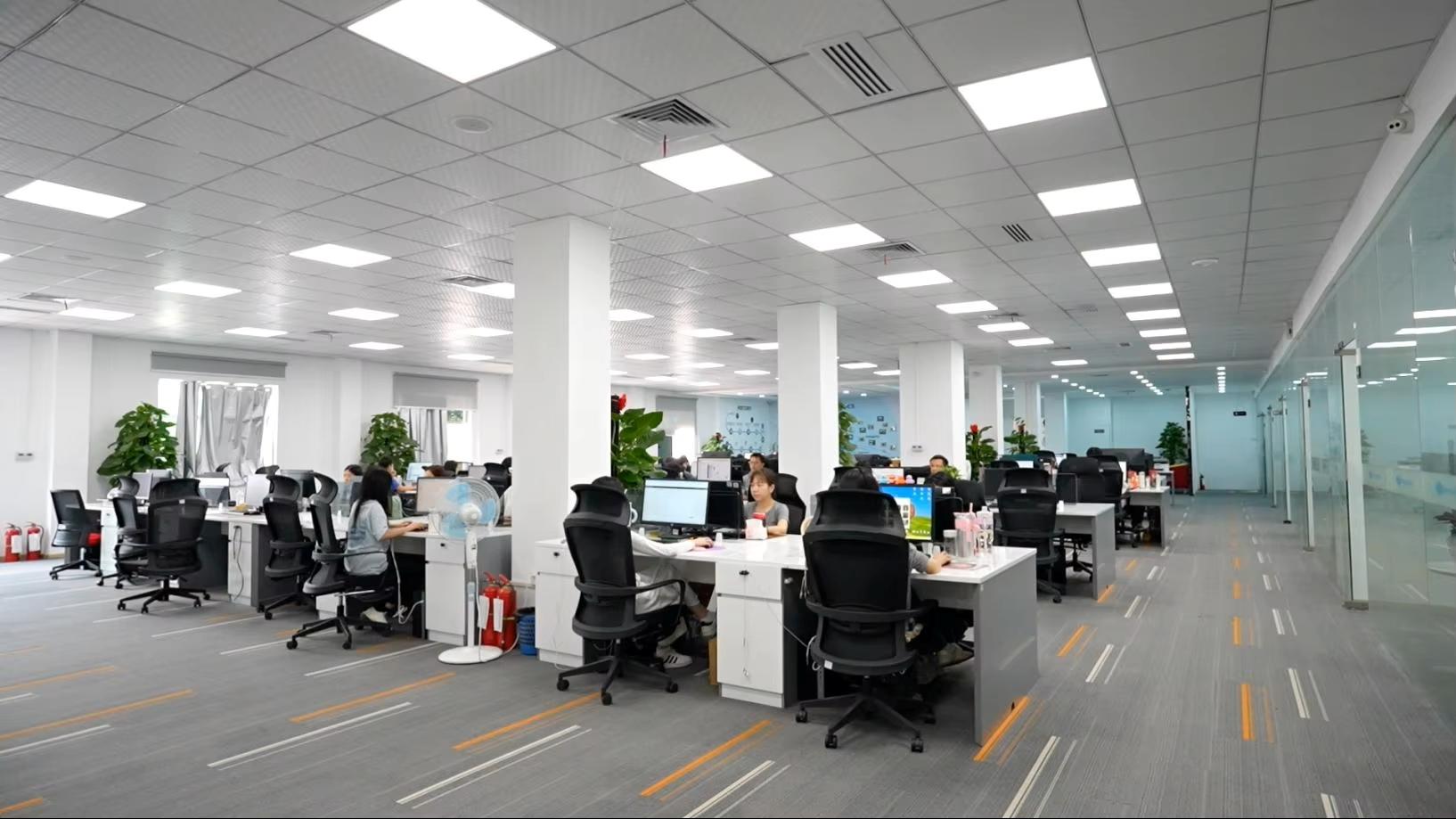
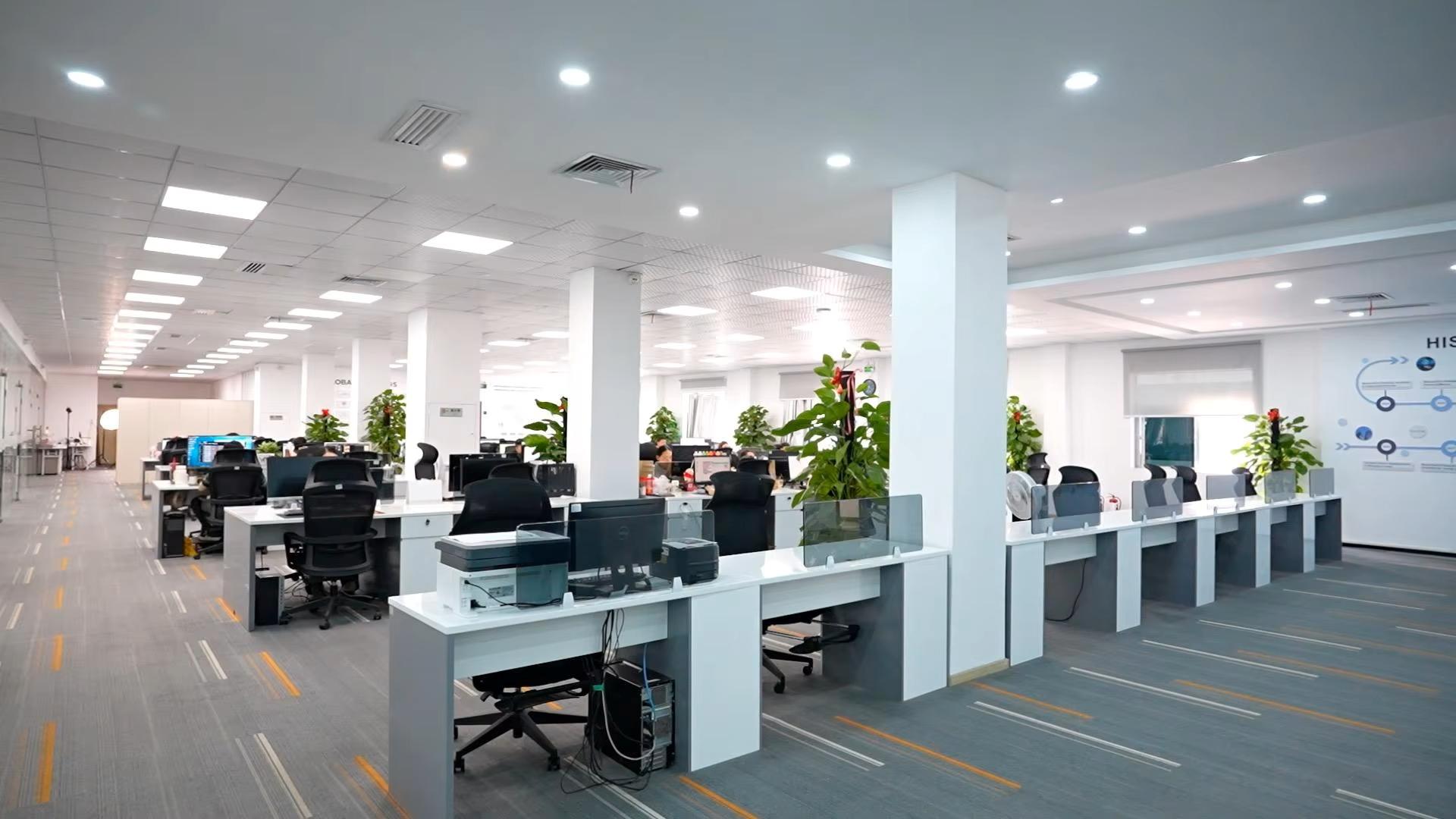
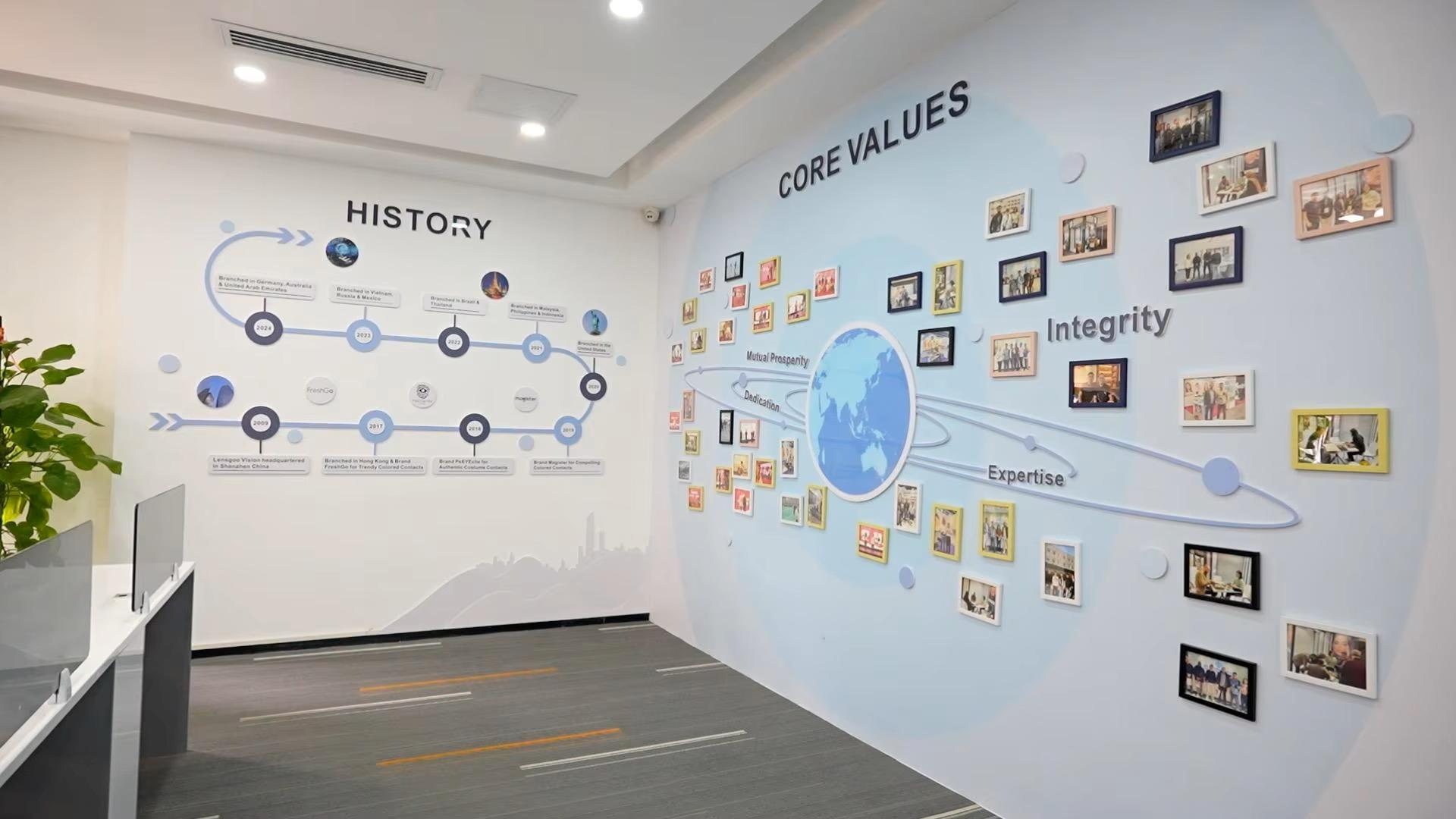
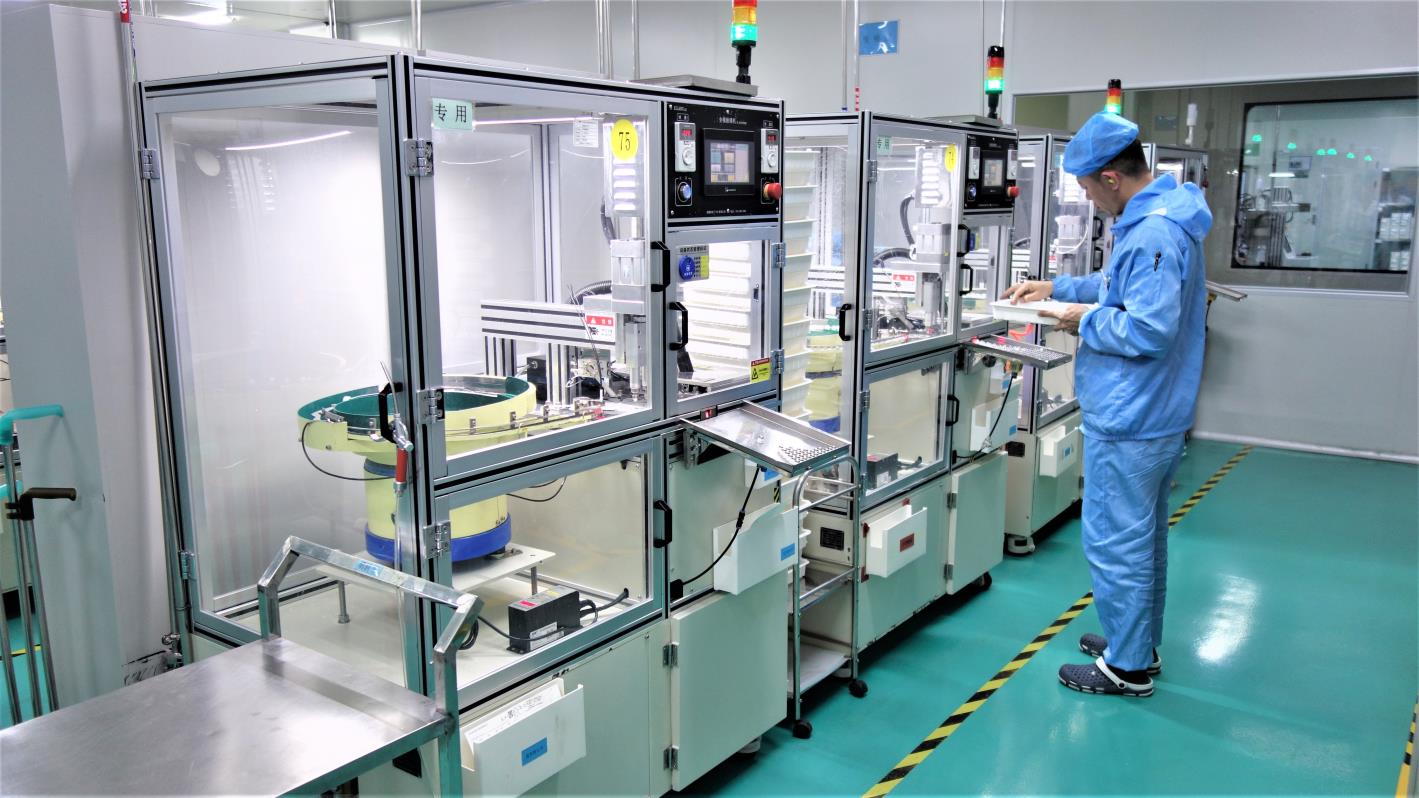
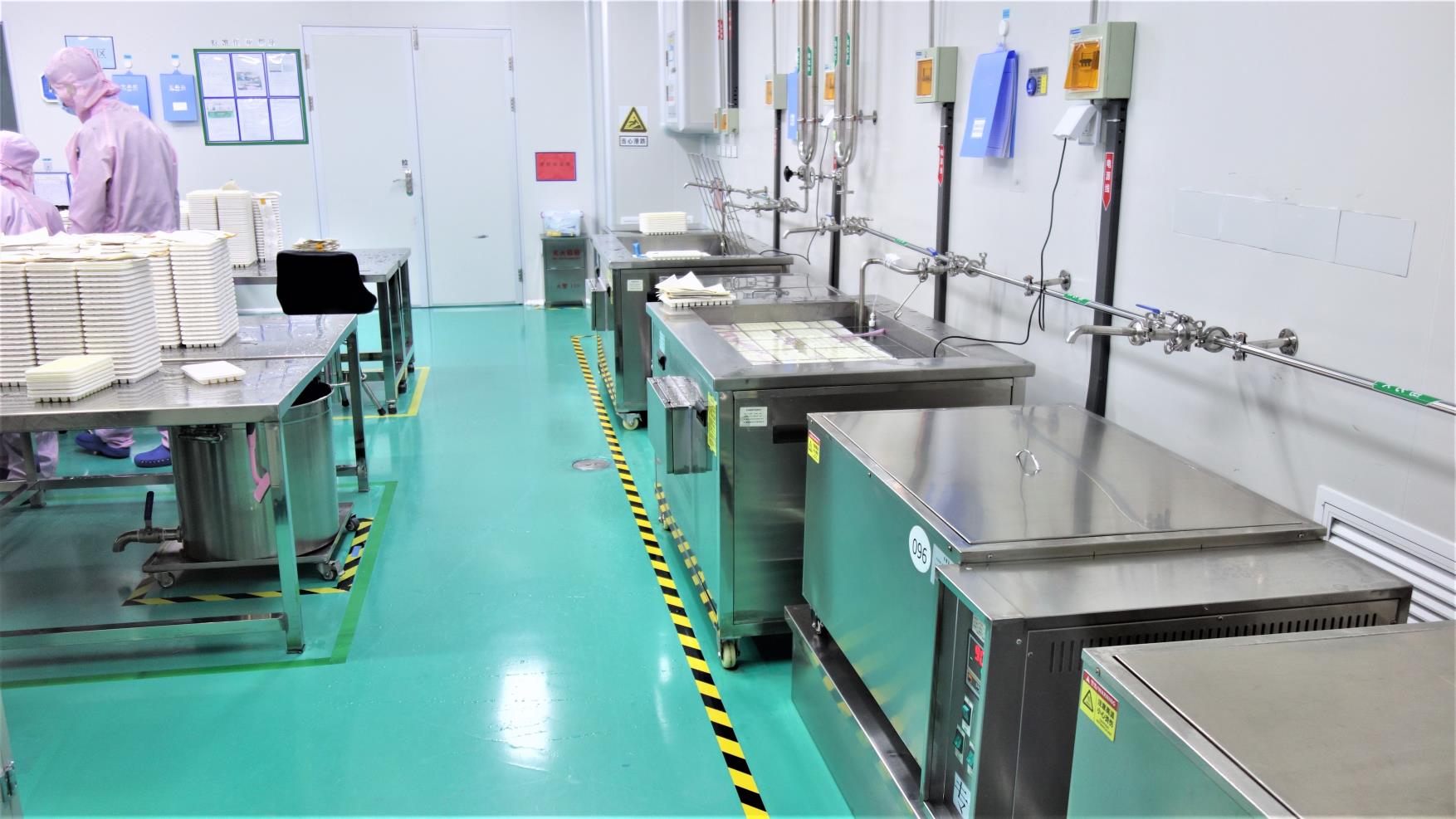
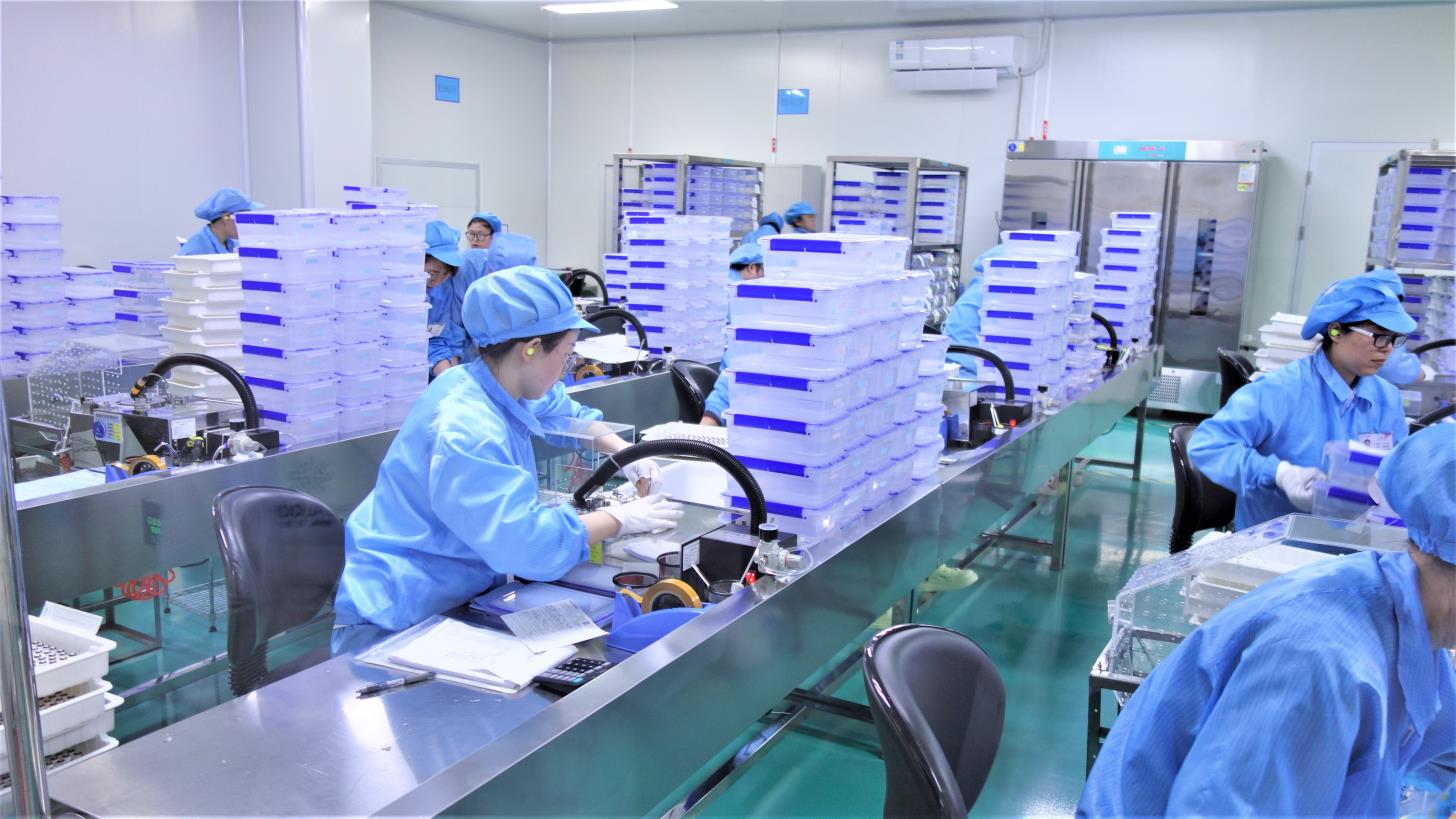
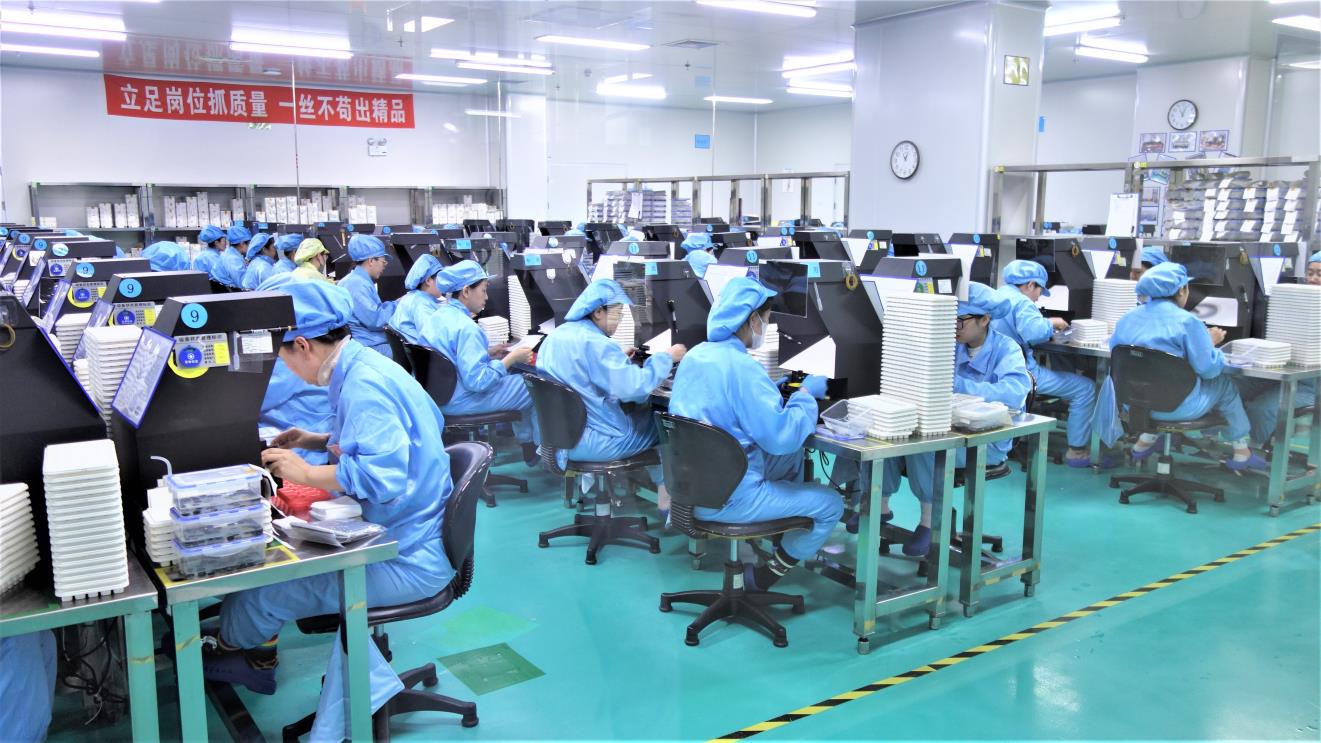
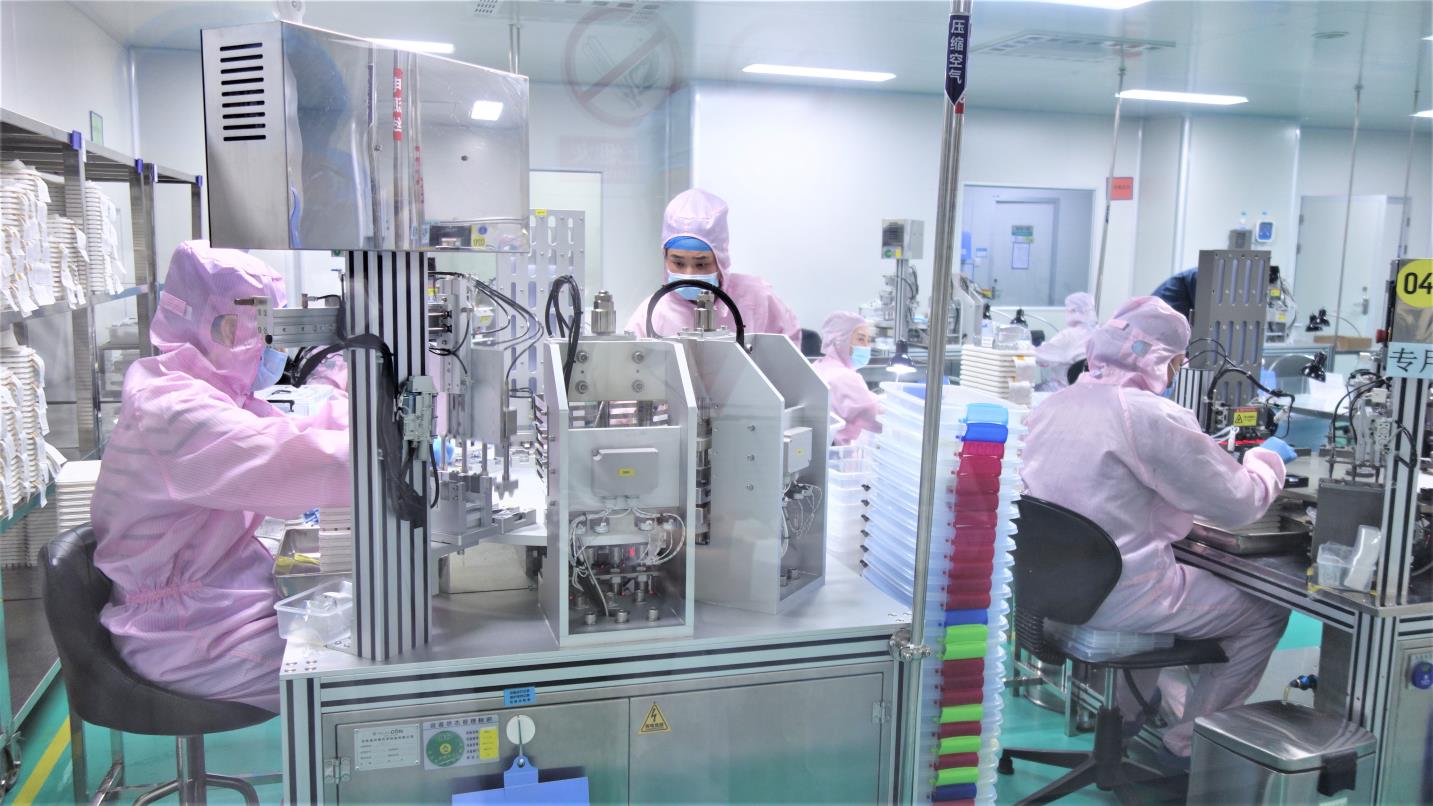
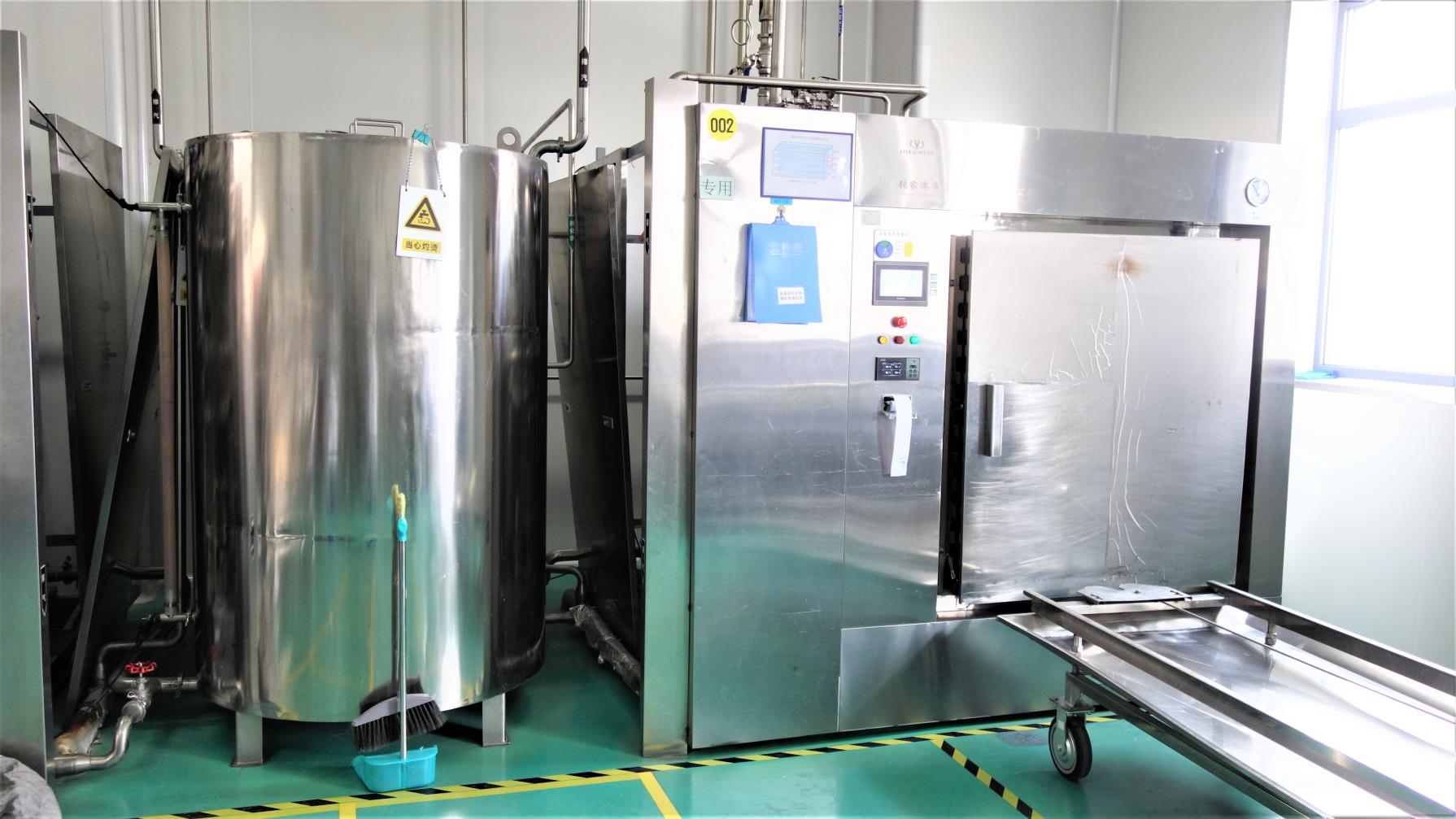
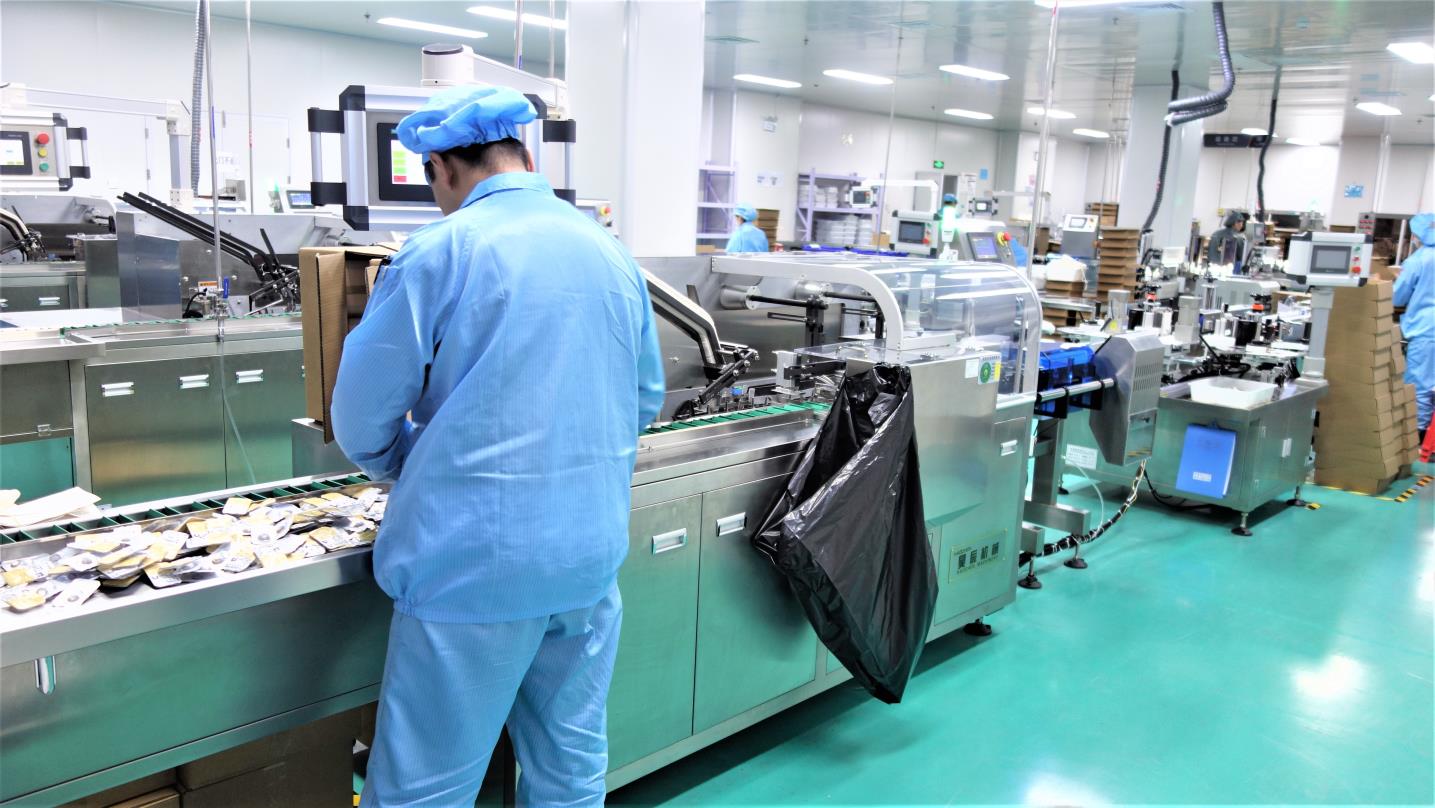
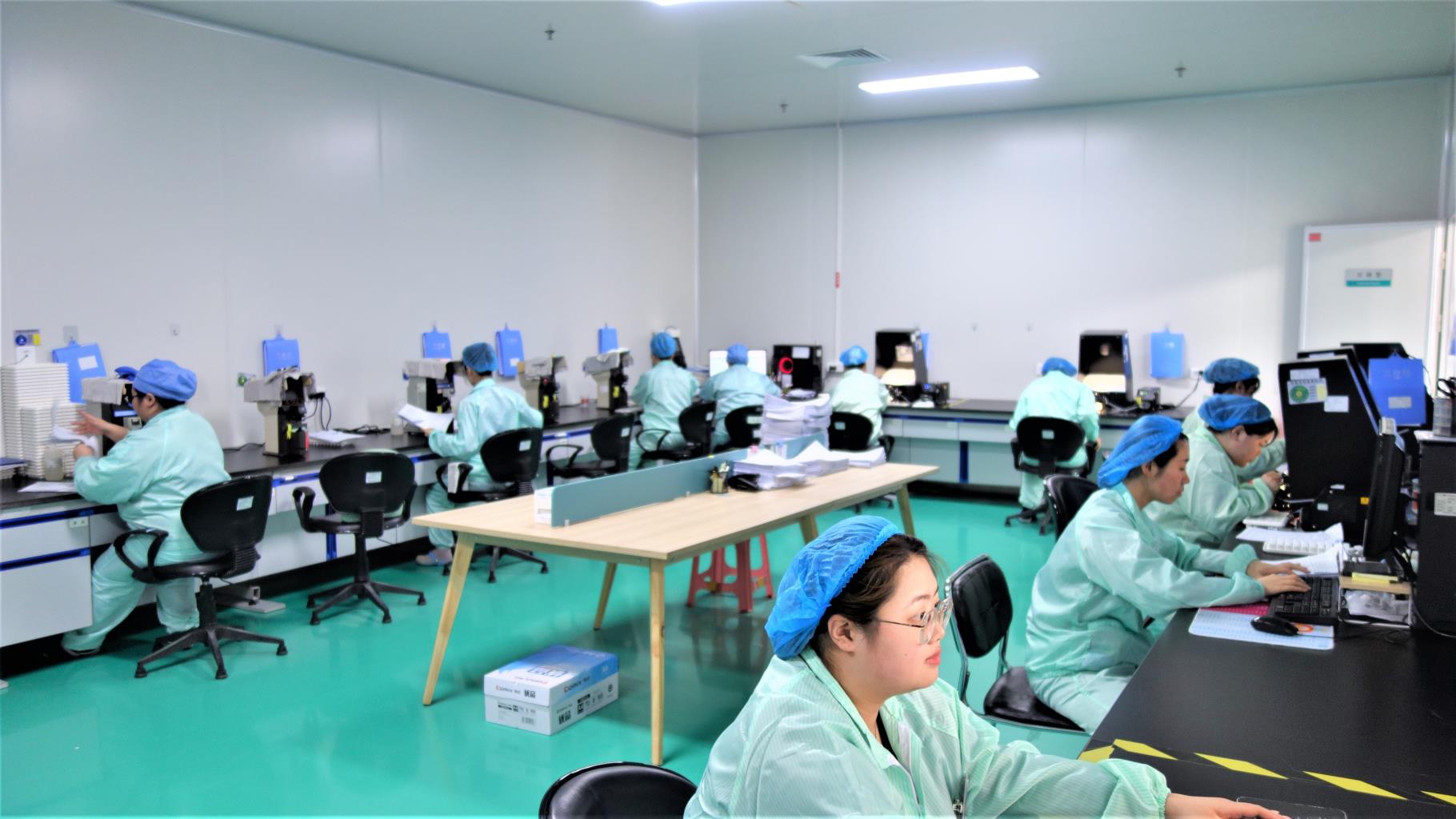
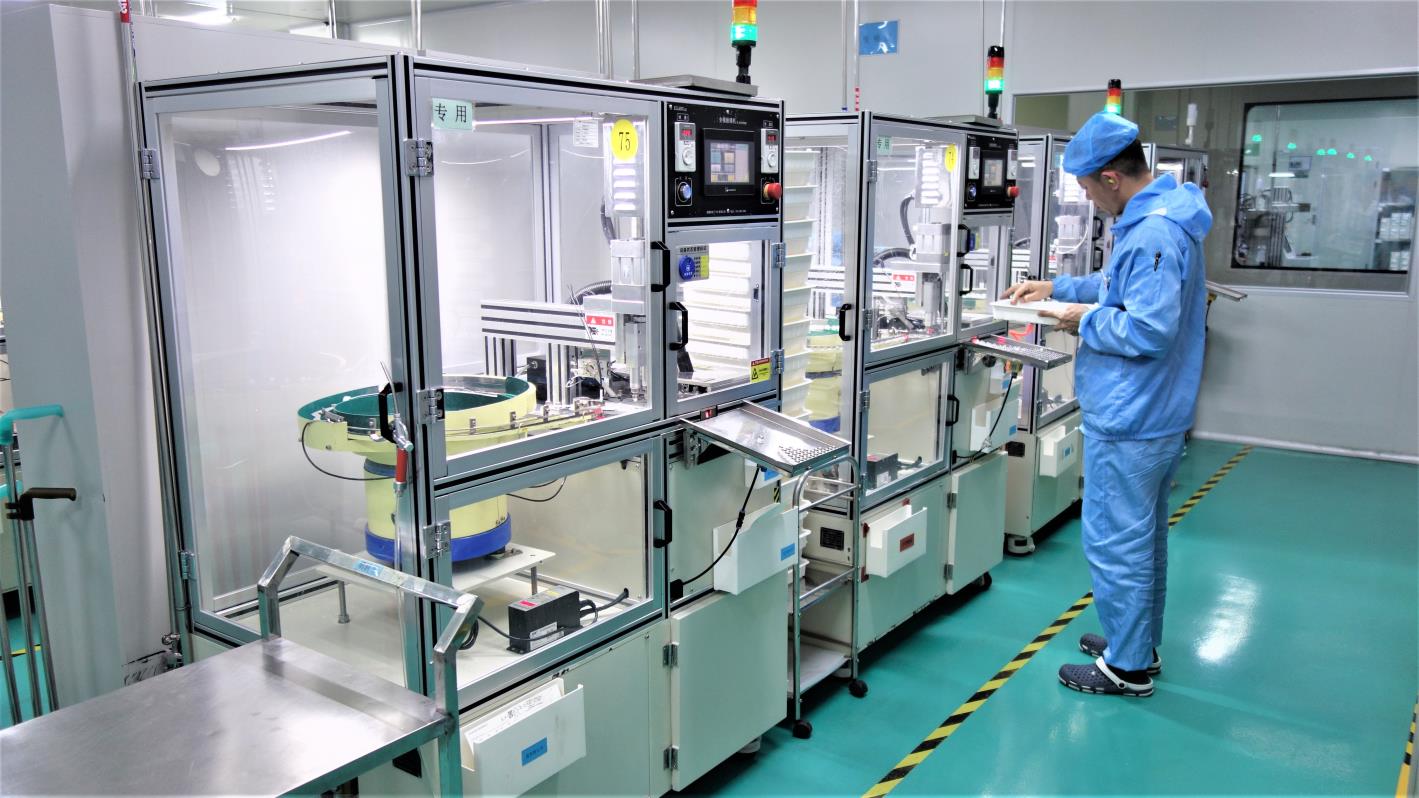
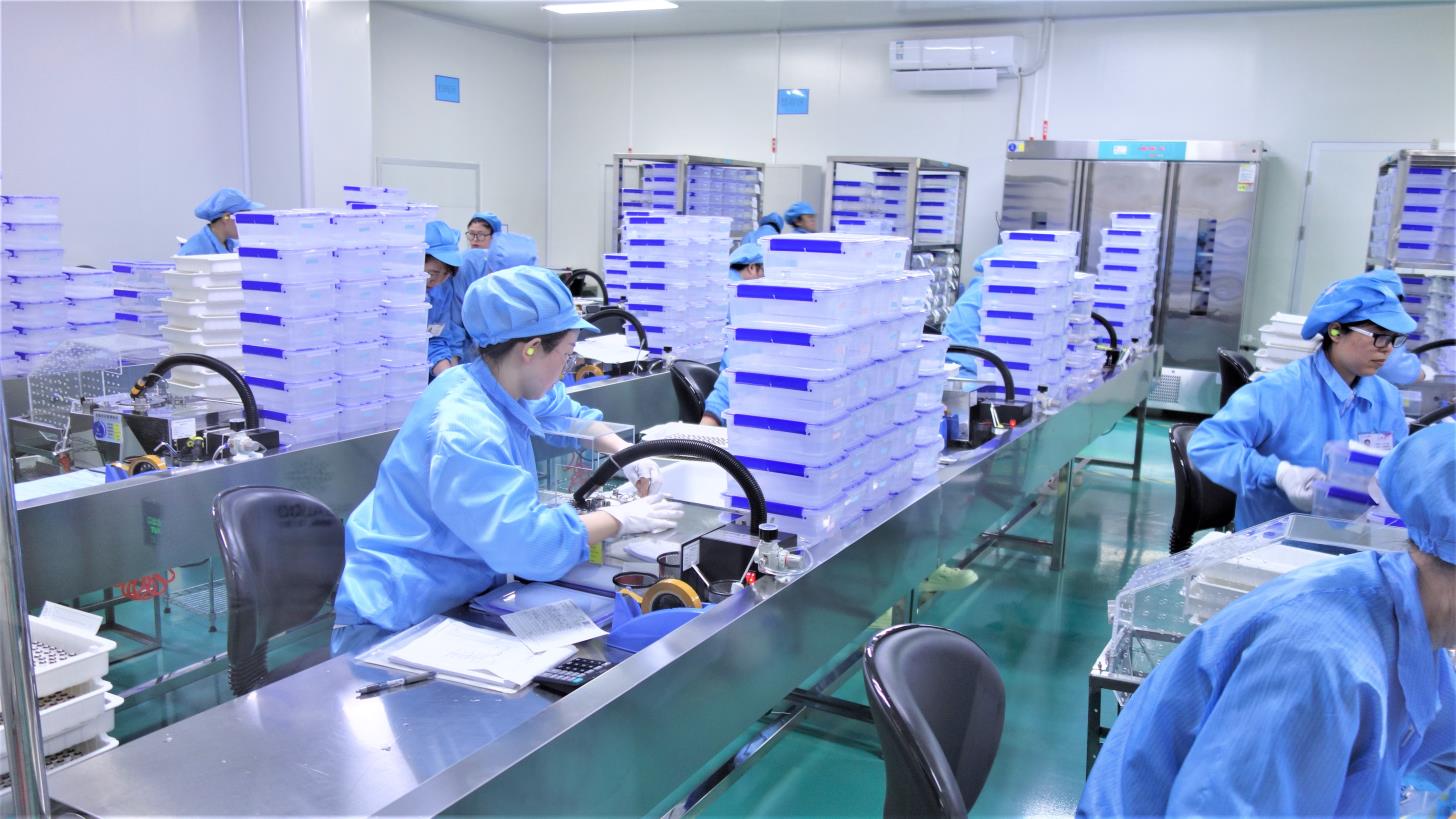
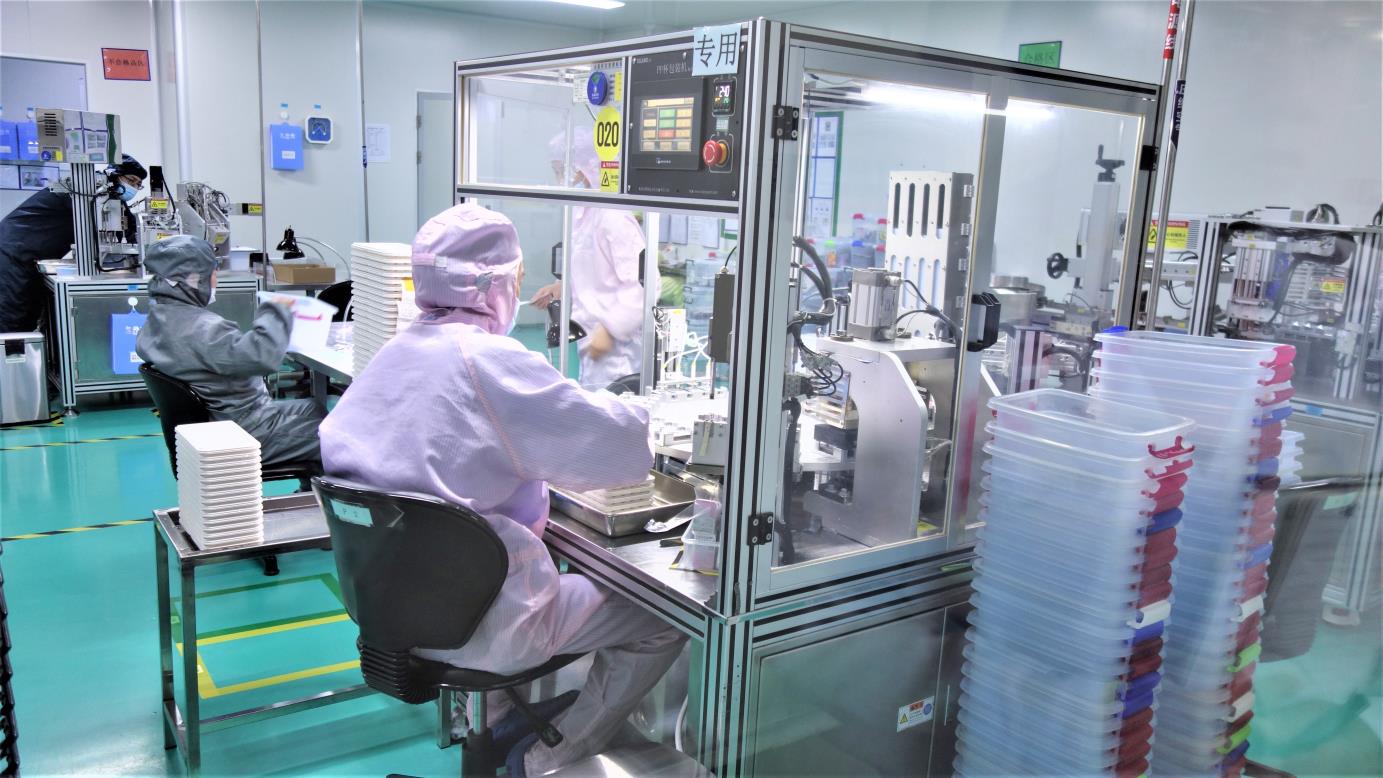
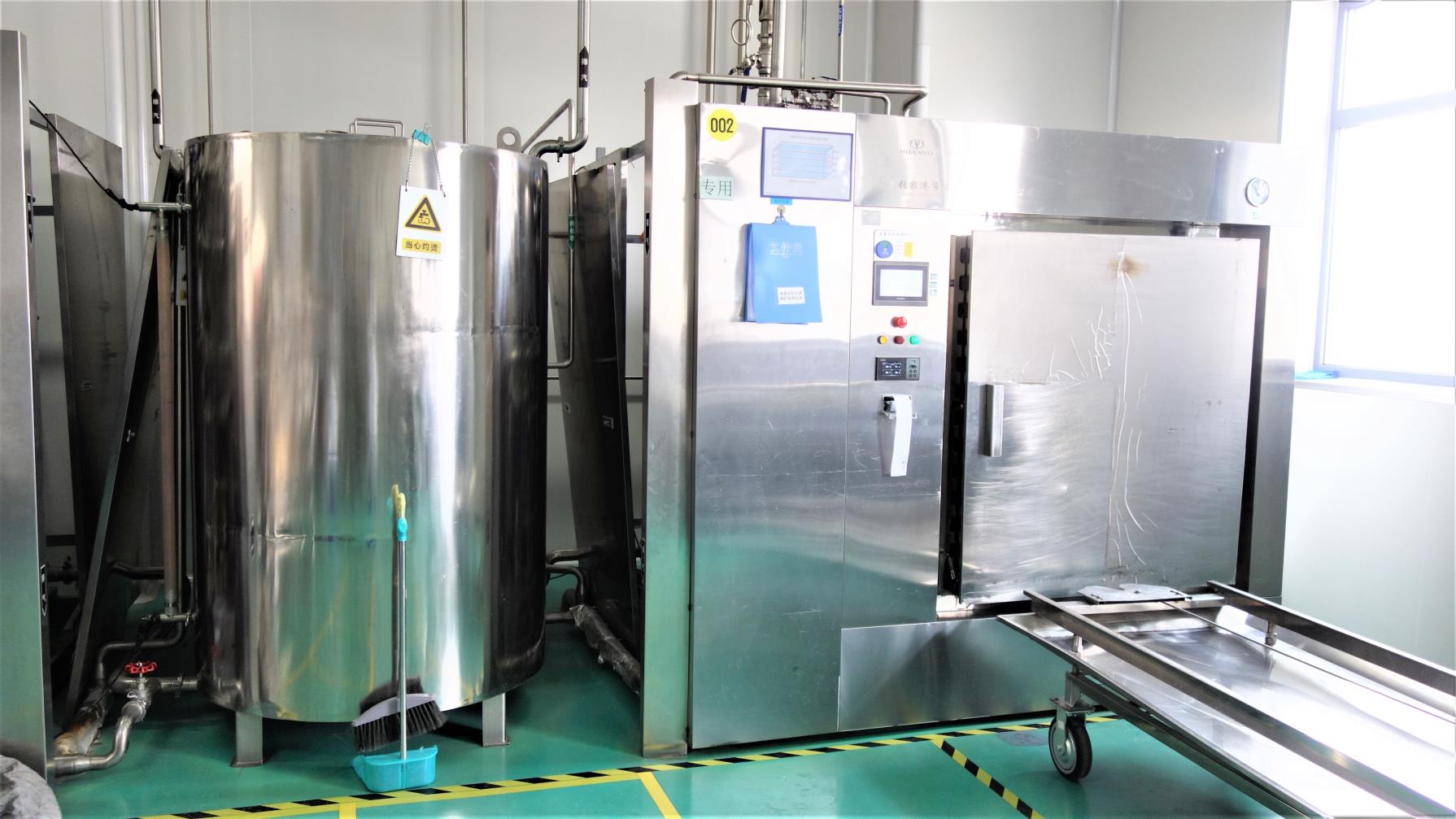
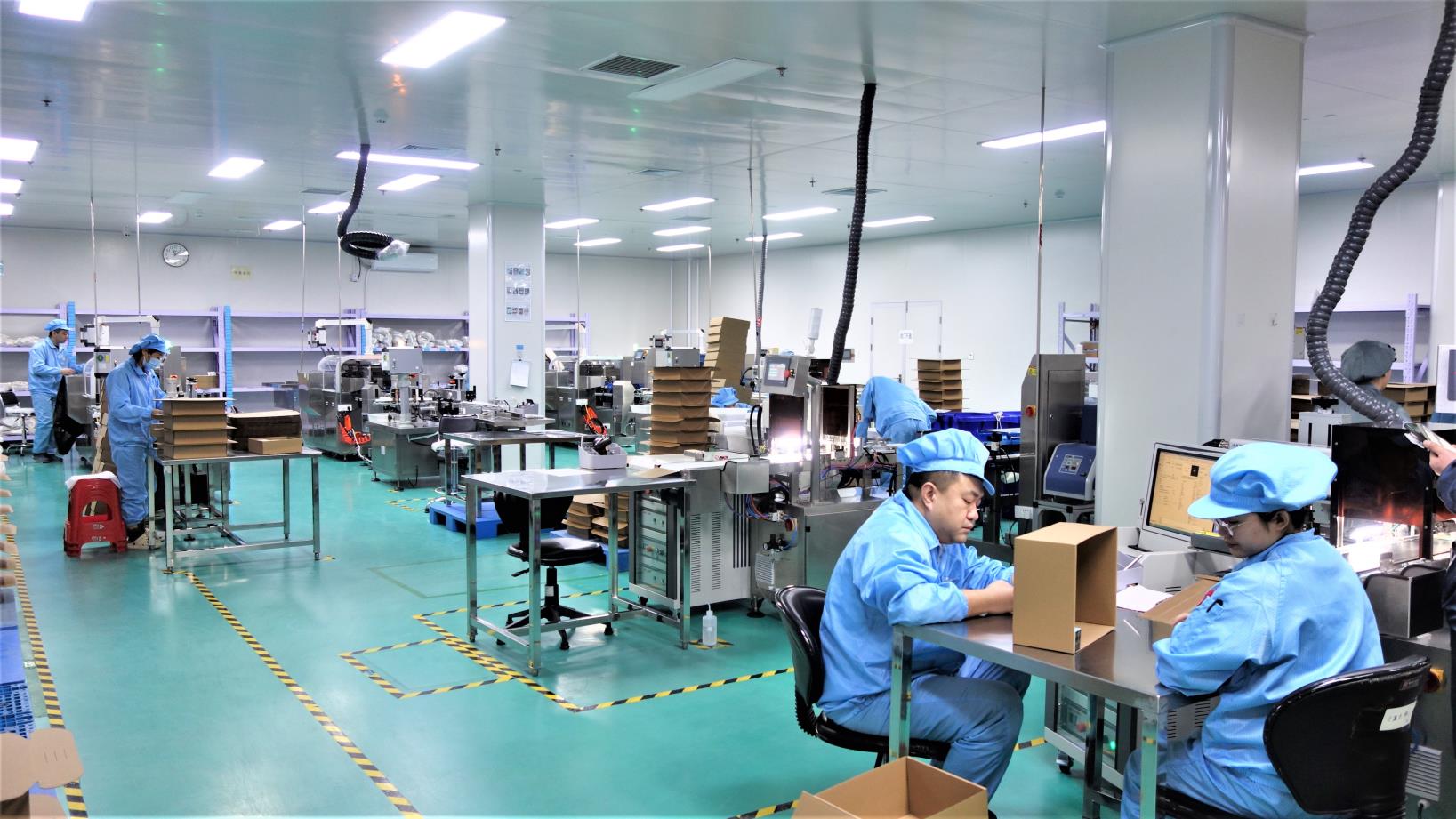
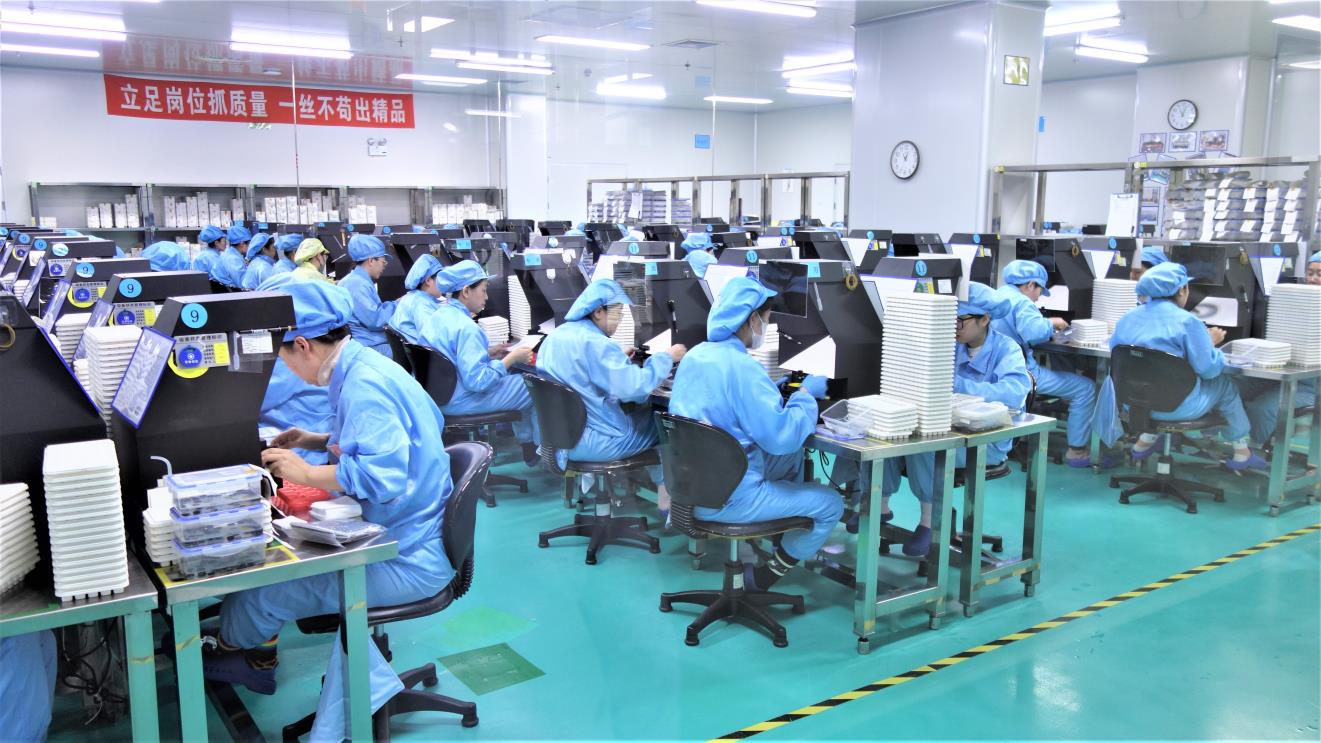
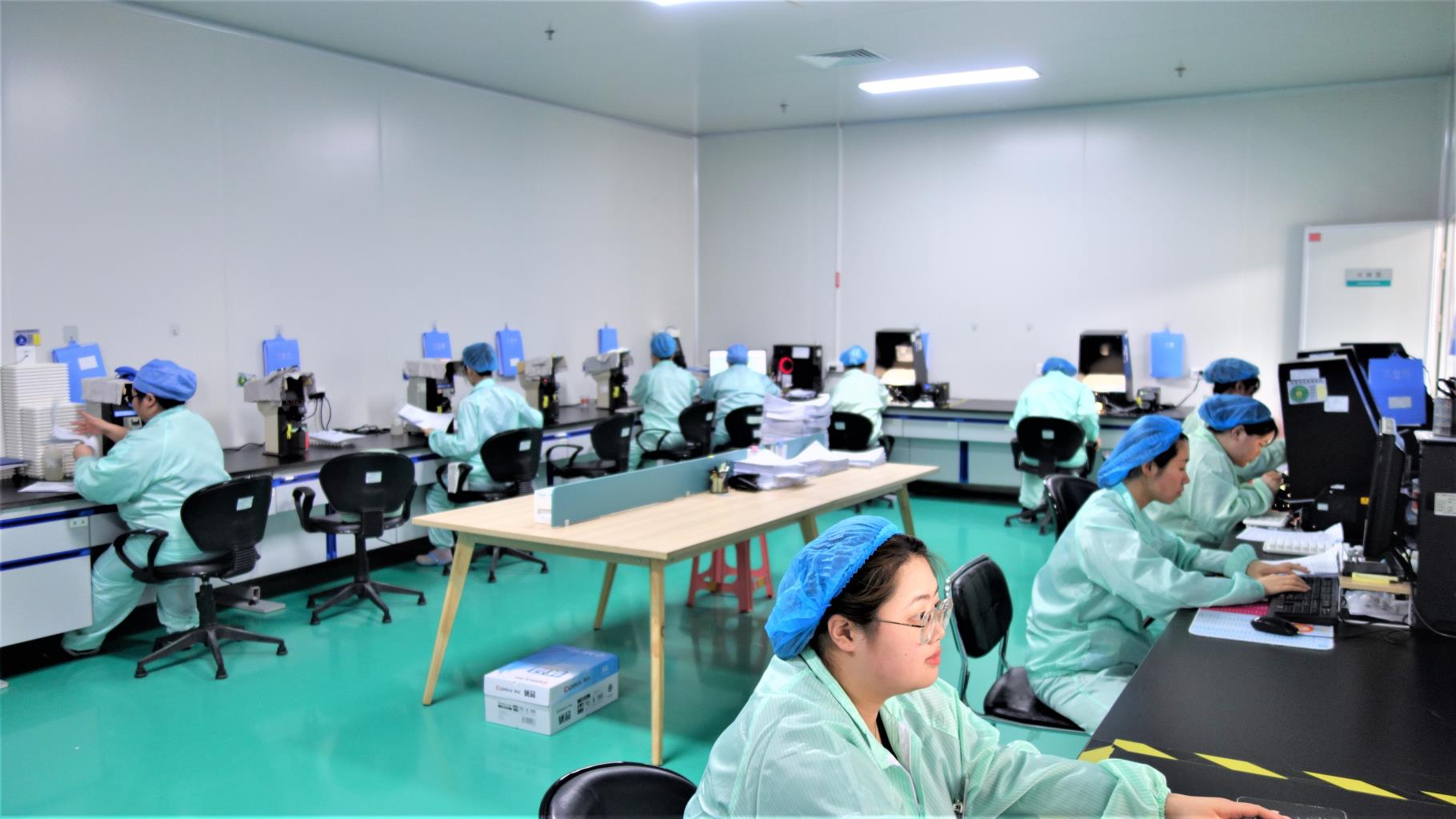
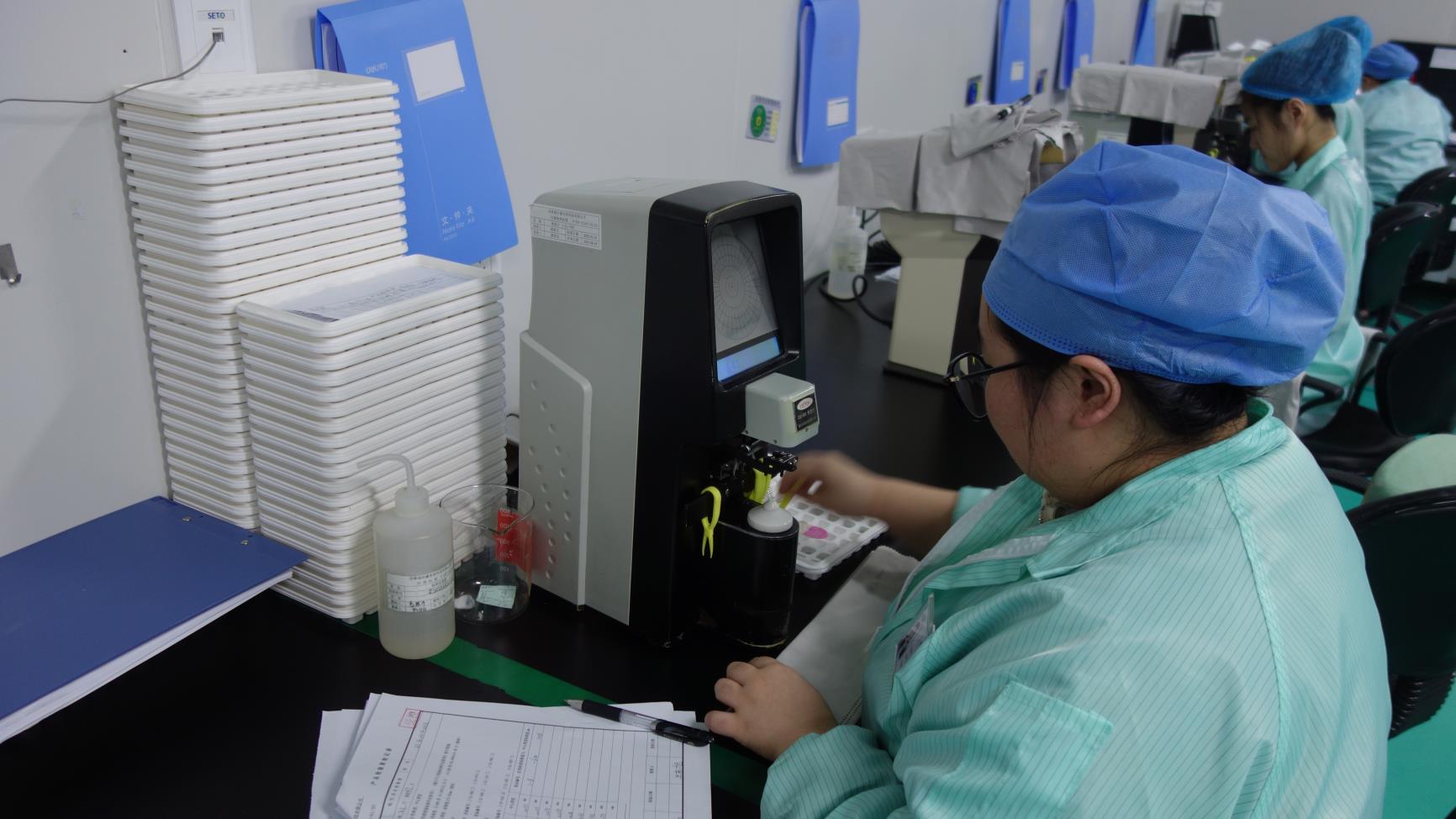
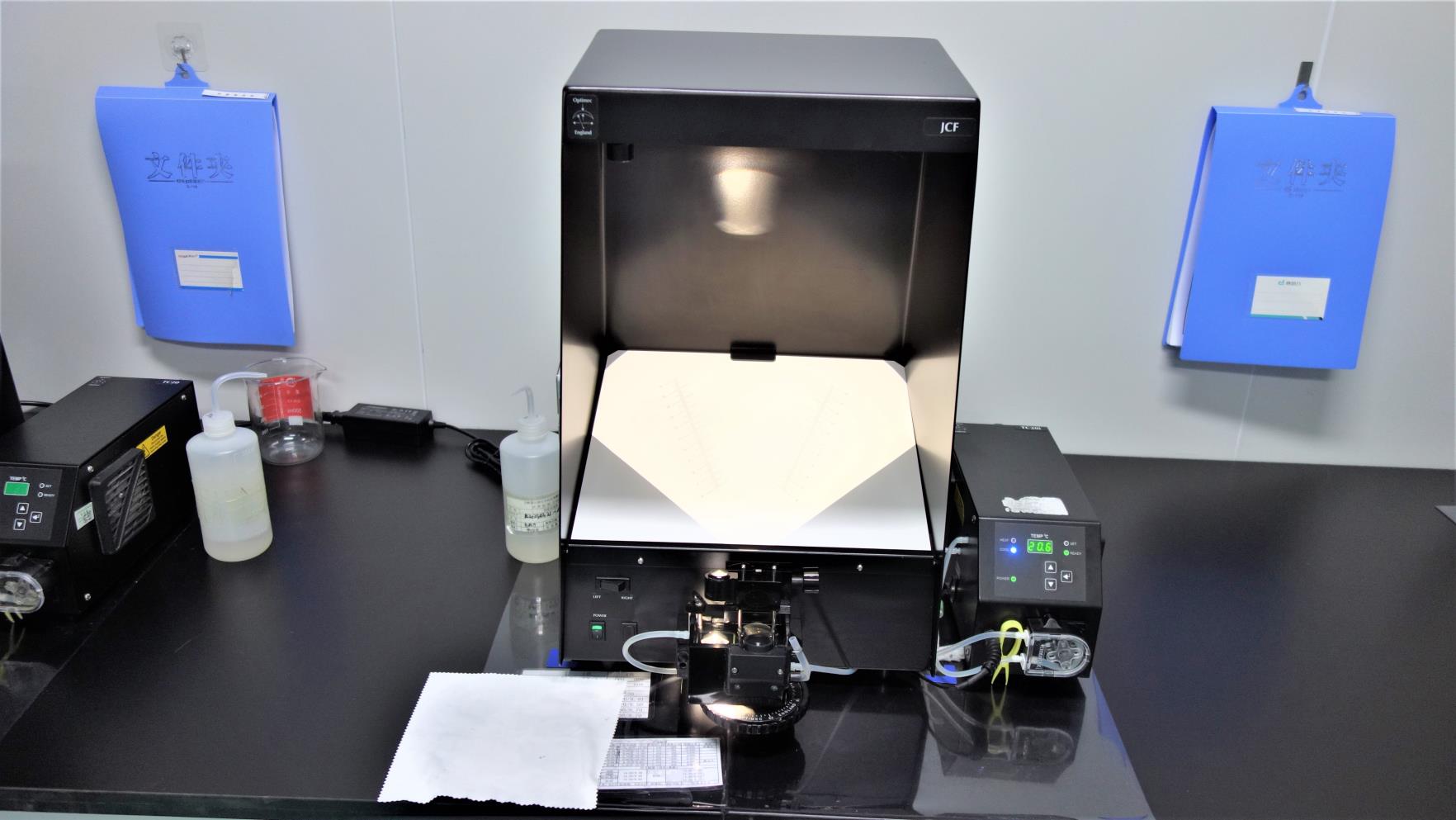
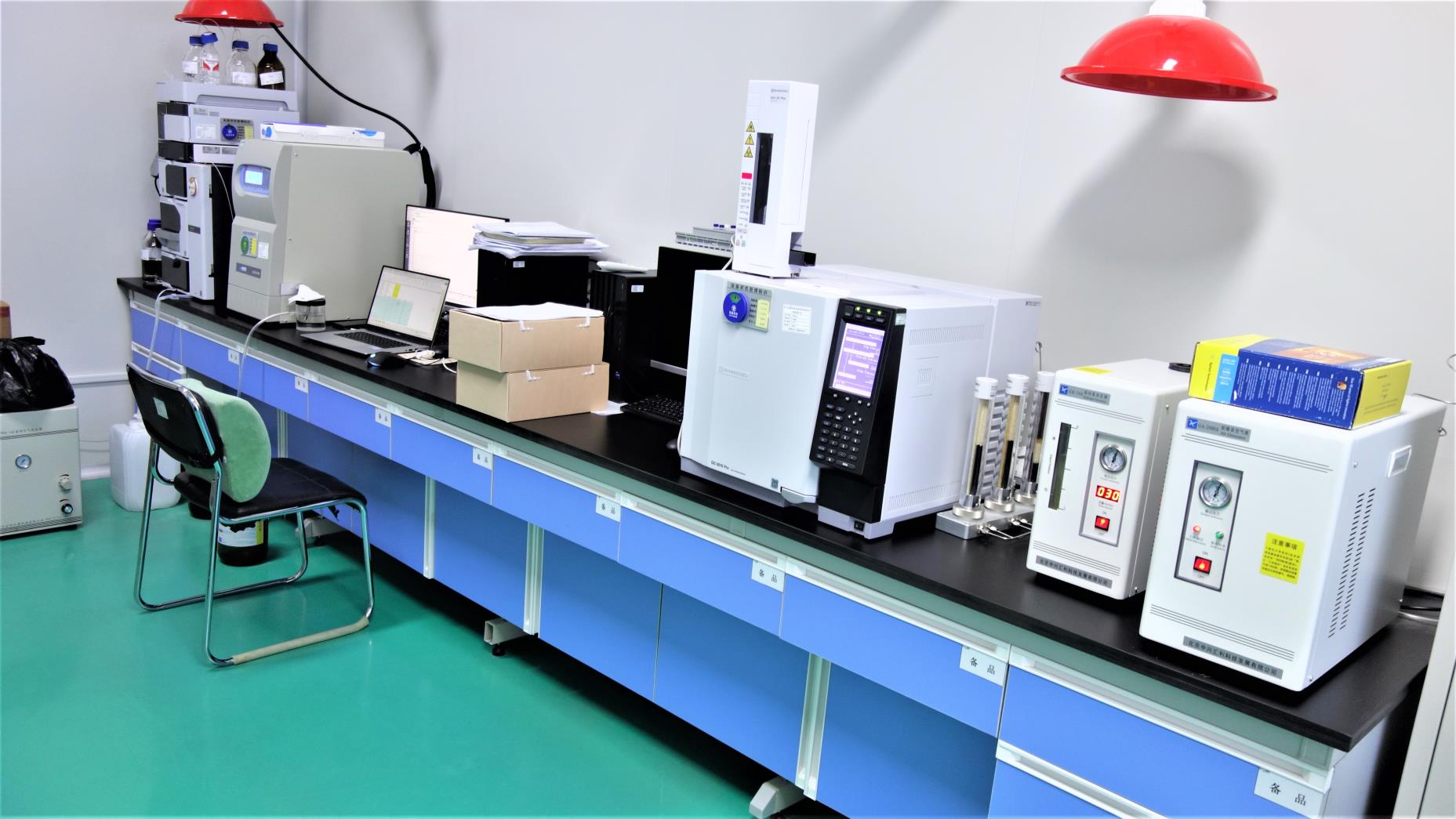
As globalization deepens, regional consumer profiles mandate distinct aesthetic and functional features. Understanding these localized trends allows us to develop customized formulas that align with regional regulatory standards and cosmetic preferences.
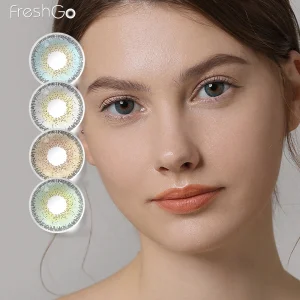
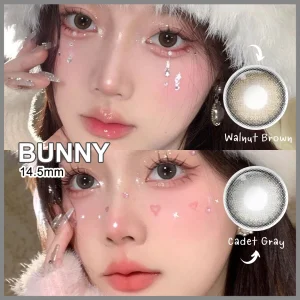
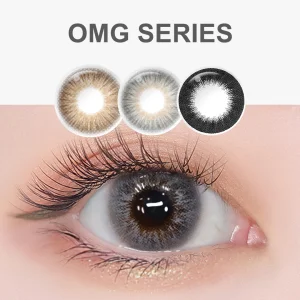
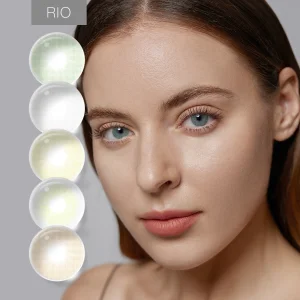
In North American markets, demand centers heavily on safety certifications (such as 510k compliance) and naturalistic cosmetic enhancements (e.g., Hidrocor and subtle tones). In Southeast Asia, trends favor dramatic styling, large-diameter circle lenses, and cosplay options (like sharingan and themed styles). Developing custom-tailored cosmetic profiles ensures that partners have products tailored for their localized demographic markets.
Traditional Hydroxyethylmethacrylate (HEMA) formulations are continually updated with specialized co-polymers. The goal is clear: maximize oxygen permeability (Dk/t) while stabilizing hydration levels to prevent dry-eye symptoms during extended wear. Advanced models utilize hydrogel structures that minimize surface friction and repel lipids and proteins.
To protect eye health, pigments are completely encapsulated inside the lens material rather than printed directly onto the surface. This technique prevents the dye from contacting the cornea, guaranteeing absolute protection and long-term biological safety.
Enterprise growth relies on more than just raw manufacturing capabilities; it requires structural solutions that span product customization, logistical tracking, and regulatory support.
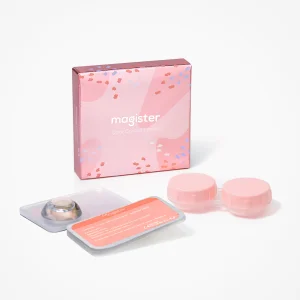
We provide full-spectrum graphic processing, customized packaging formats, and localized brand elements, allowing distributors to establish their own private labels.
Every step, from raw material procurement to demoulding and packing, is logged in our quality system, guaranteeing that all batches are traceable.
Incoming, in-process, and outgoing inspections utilize focimeters, projectors, and spectral analyzers to ensure optical perfection before shipment.
Essential insights for procurement departments, brand owners, and logistics professionals.
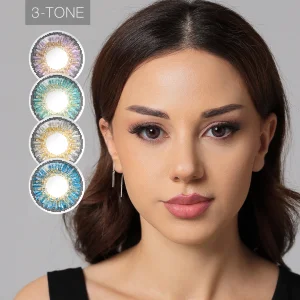
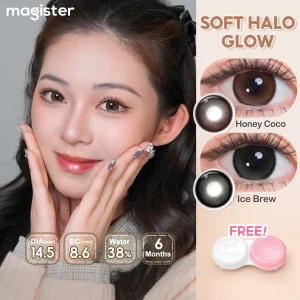
Most cosmetic contact lenses utilize HEMA (hydroxyethylmethacrylate) co-polymer structures. HEMA has a high water content (often around 38% to 42%) and offers excellent physical shape retention, making it ideal for multi-tone print encapsulation.
We operate a comprehensive batch tracking program. From the initial liquid monomer stage through polymer cross-linking, demoulding, sterilization, and final packaging, every step is recorded in our MES. This ensures that any finished lens can be traceably linked to its original raw material lot.
We use specialized optical metrology tools. Precision projectors verify lens edge profiles and centration, focimeters verify refractive power parameters, and spectral equipment confirms light transmission and color consistency.
Yes. We offer complete OEM and ODM customization. Our 5-member R&D team can design custom blister shapes, outer paperboard packaging, and graphical print parameters to align with your brand guidelines.
Standard OEM production runs are typically completed within 15 to 30 days of design sign-off. This timeline includes molding setup, polymer curing, hydration cycles, terminal sterilization, and quality control clearance.
Our manufacturing operations adhere strictly to international safety systems, including CE and ISO-equivalent standards. These certifications ensure our lenses meet global health regulations for import and retail distribution.
High-performance corrective and cosmetic lenses featuring advanced hydration retention and vibrant styling.