Fresh Lenses
Fresh Lenses
Fresh Lenses
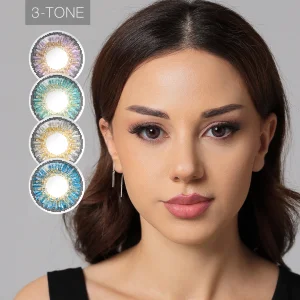

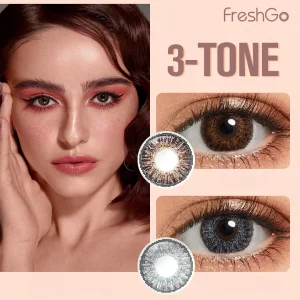


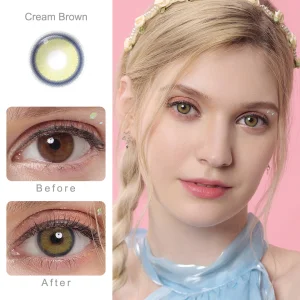
In the highly competitive beauty and wellness sector, the boundaries between traditional OEM cosmetics and medical-grade device manufacturing have blurred. Today's global brands require much more than a typical packaging facility; they seek end-to-end partner ecosystems capable of navigating advanced material science, complex biological safety testing, and automated cleanroom production. As contact lenses and ophthalmic cosmetics grow to represent a vital portion of the beauty market, sourcing departments must look beyond formulation to find manufacturers that carry certified compliance structures like ISO 13485 and global FDA approvals.
Strategic procurement professionals prioritize manufacturers who offer information gain through technical transparency. This includes revealing raw material traceability, oxygen permeability metrics (Dk/t values), and detailed sterilization validation. Below, we break down the definitive commercial and regulatory structures that distinguish top-tier OEMs from standard private label entities.
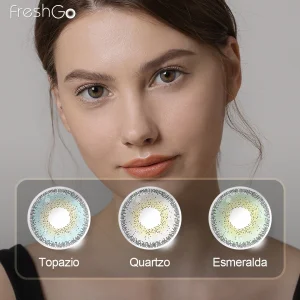
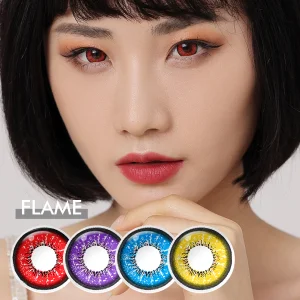
For brands seeking elite production in cosmetic contact lenses and related beauty technologies, Shenzhen Fresh Vision Co., Ltd. stands as a benchmark supplier. Established in 2016, this specialized manufacturer leverages a decade of industrial experience, serving the North American, Southeast Asian, and Middle Eastern markets with custom-engineered medical cosmetics and colored contact lenses.
| Company Name | Shenzhen Fresh Vision Co., Ltd. |
| Registration Date | 2016-01-26 |
| Floor Space | 1,100 Square Meters (㎡) |
| Export Target Markets | North America (25%), Southeast Asia (20%), Mid East (10%) |
| Supported Languages | English, Spanish, Chinese |
| R&D Engineers | 5 Specialized Engineers (3 Graduate, 2 Junior College) |
| Raw Material Traceability | Yes, 100% trace verification through global supply chains |
| QC Methods | 100% Inspection of all finished products, plus randomized structural test protocols |
| Customization Options | Sample processing, graphic rendering, customized on-demand design |
| Major Client Profiles | Brand businesses, Retailers, Wholesalers, and Global OEM Manufacturers |
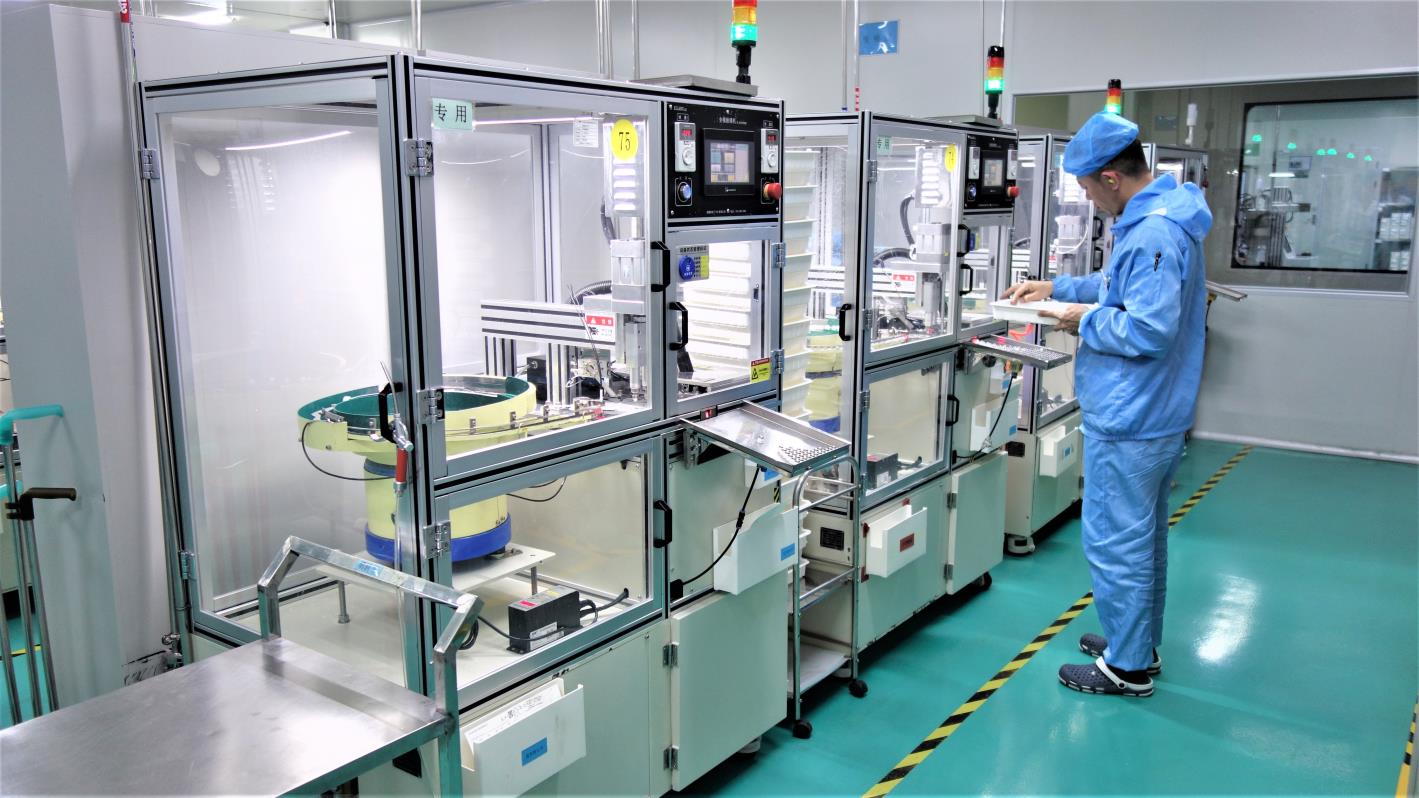
Maintaining optical and cosmetic integrity requires rigorous control over each step of the manufacturing chain. Shenzhen Fresh Vision's production infrastructure relies on advanced cast-molding technology, dynamic sterilization, and multi-stage testing equipment to eliminate defects such as edge deformation or pigment leakage.
Separation of polymerized lens materials from custom-cut curved optical molds with zero edge damage.
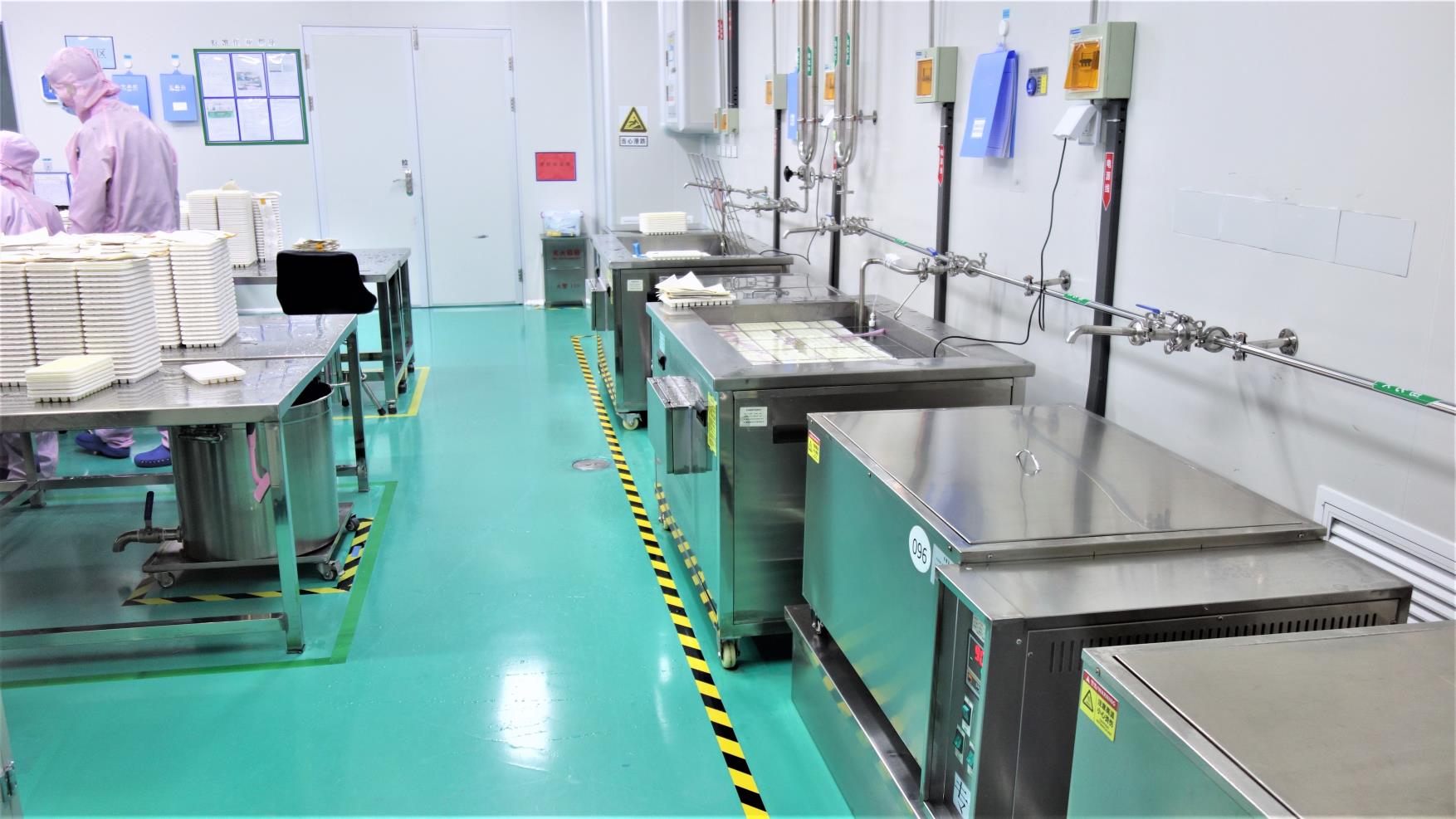
Lenses are hydrated in specialized saline solutions to achieve physiological equilibrium and remove monomer residues.
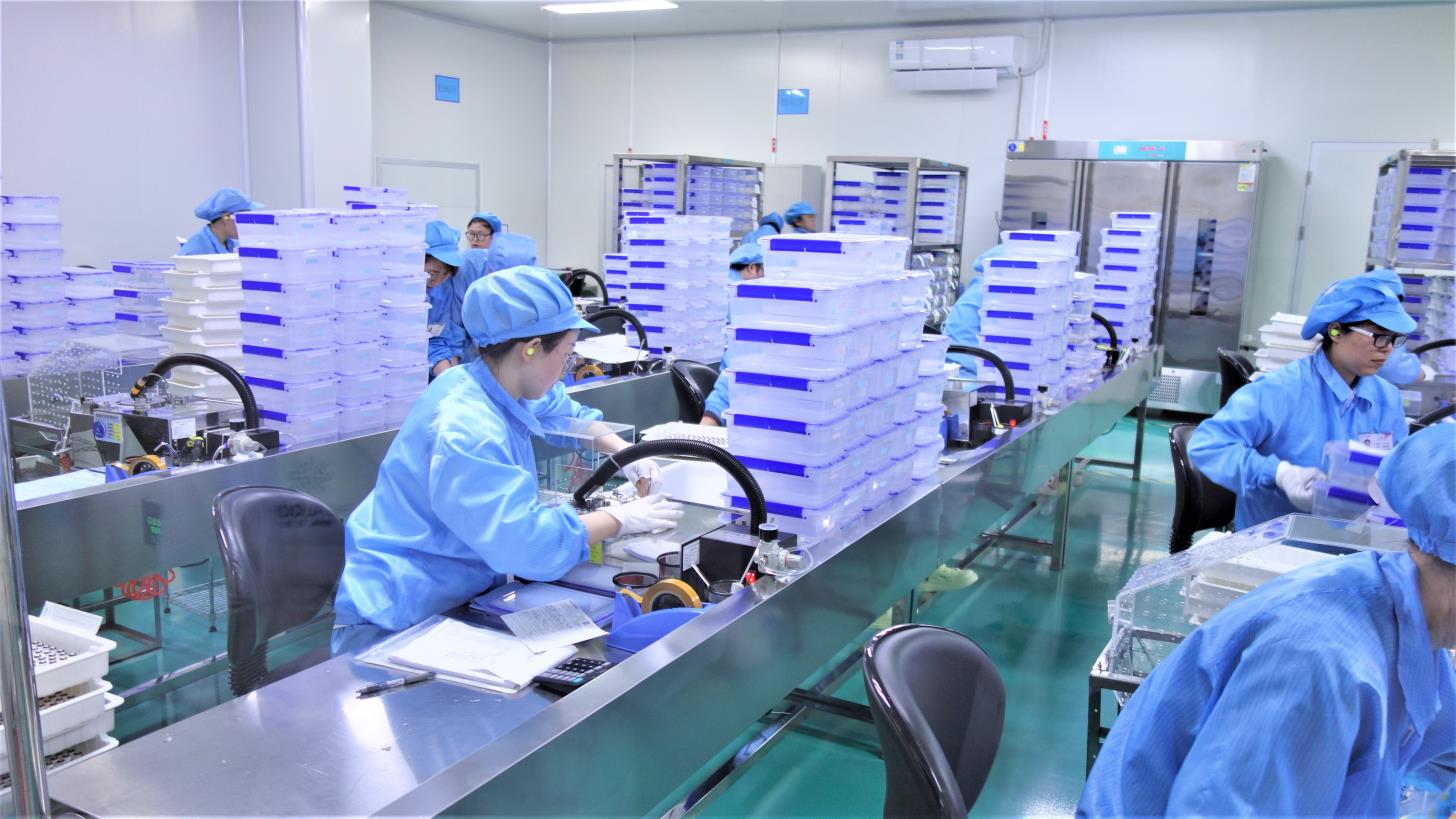
Automated vacuum suction transfer arrays lift delicate contact lenses without inducing mechanical strain.
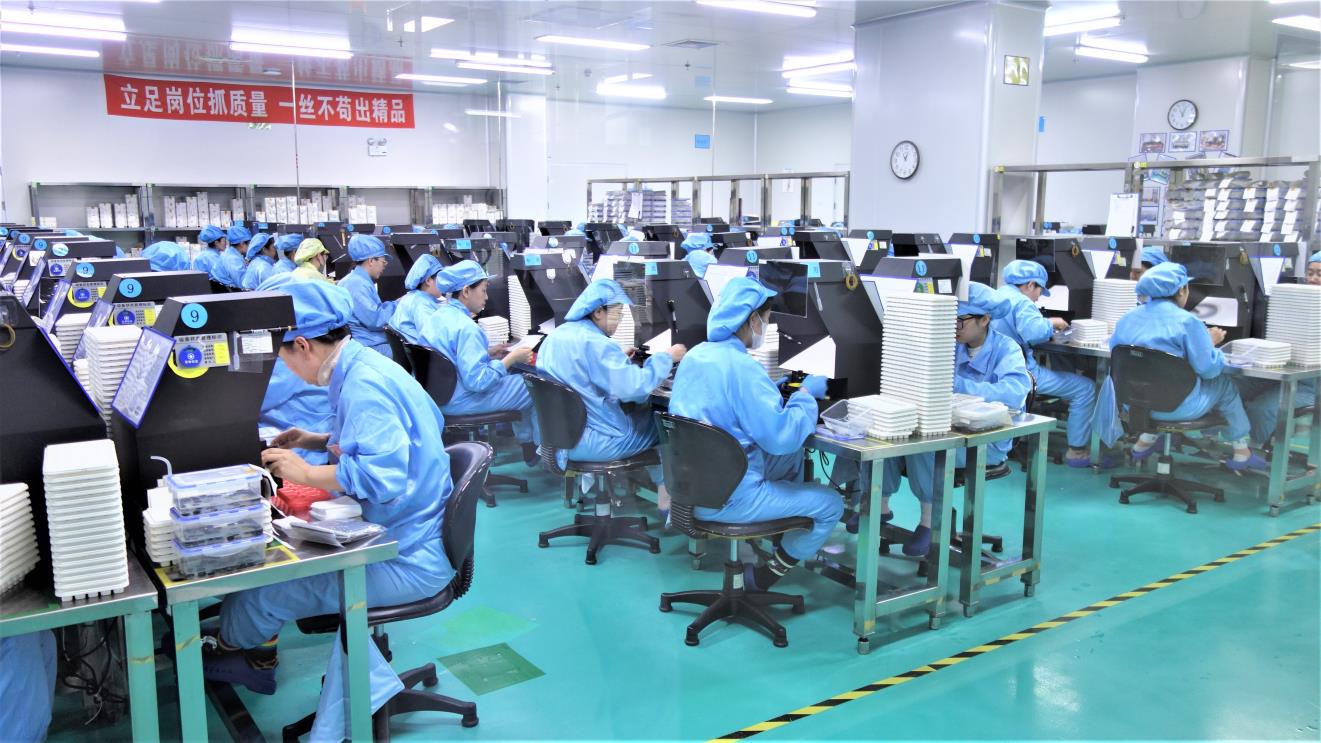
Projection microscopy checks lenses for cosmetic centering, pigment coverage, and particulate inclusion.
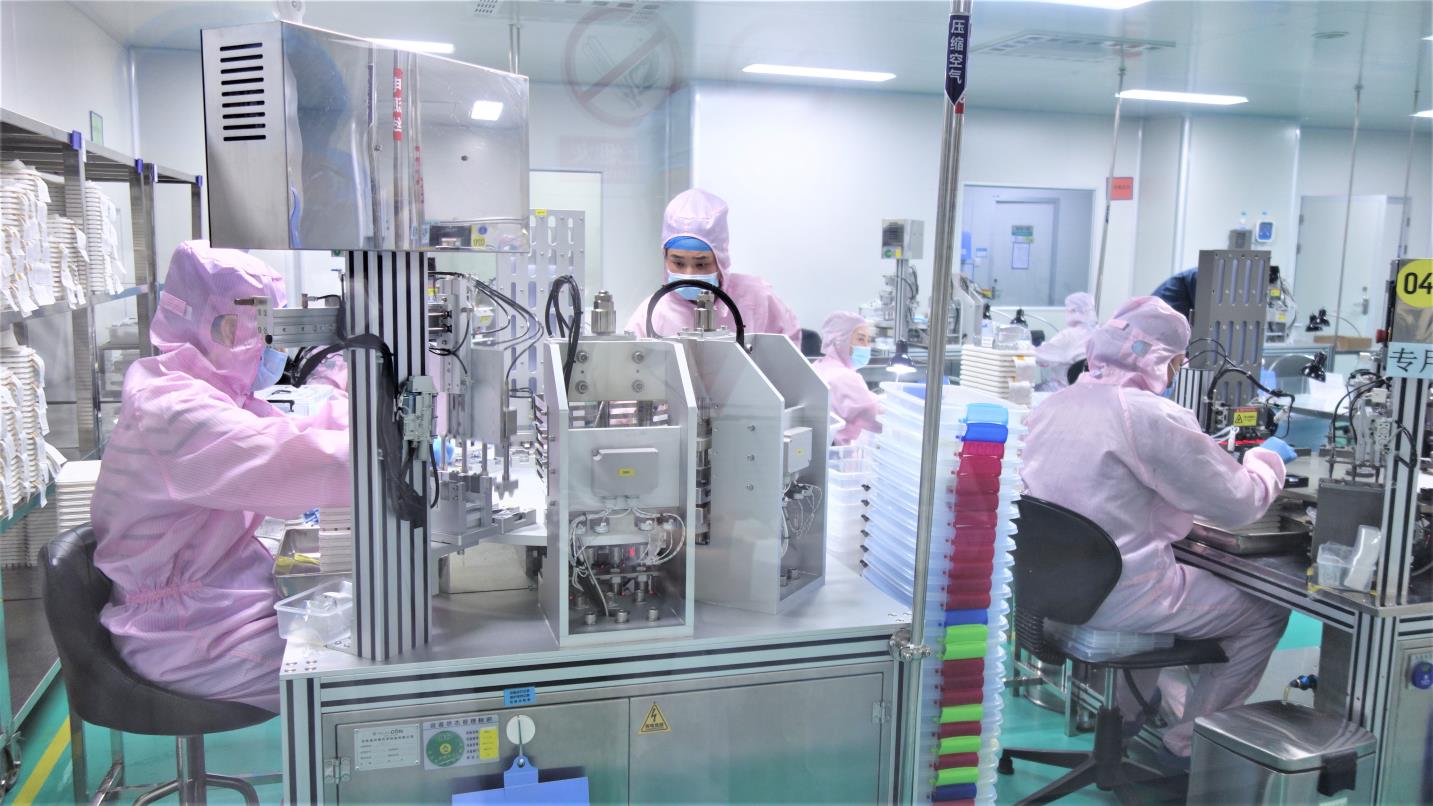
Lenses are nested in sterile blister packs prefilled with buffered physiological saline formula.
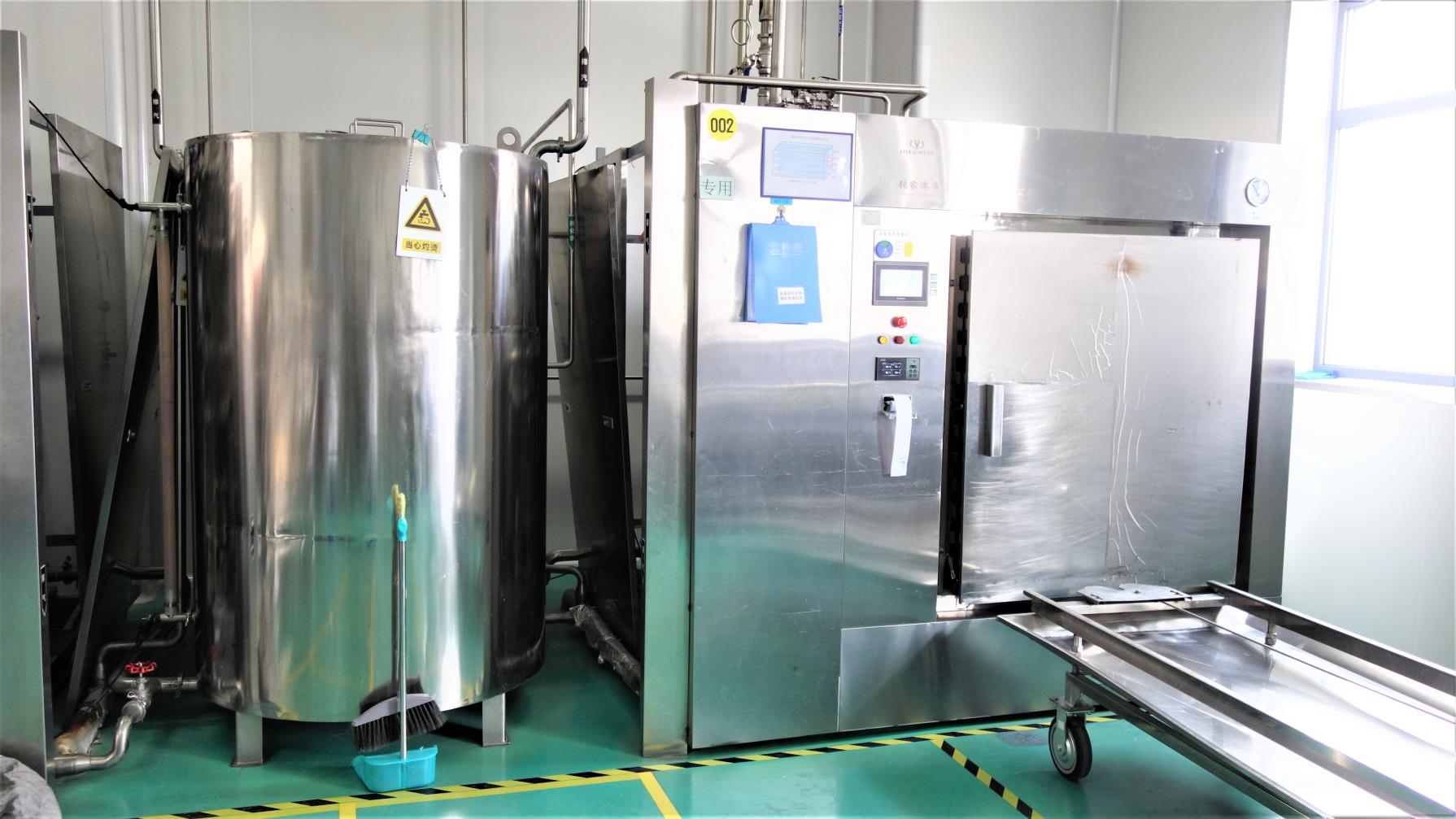
High-temperature, high-pressure steam sterilization cycles guarantee a sterility assurance level (SAL) of 10^-6.
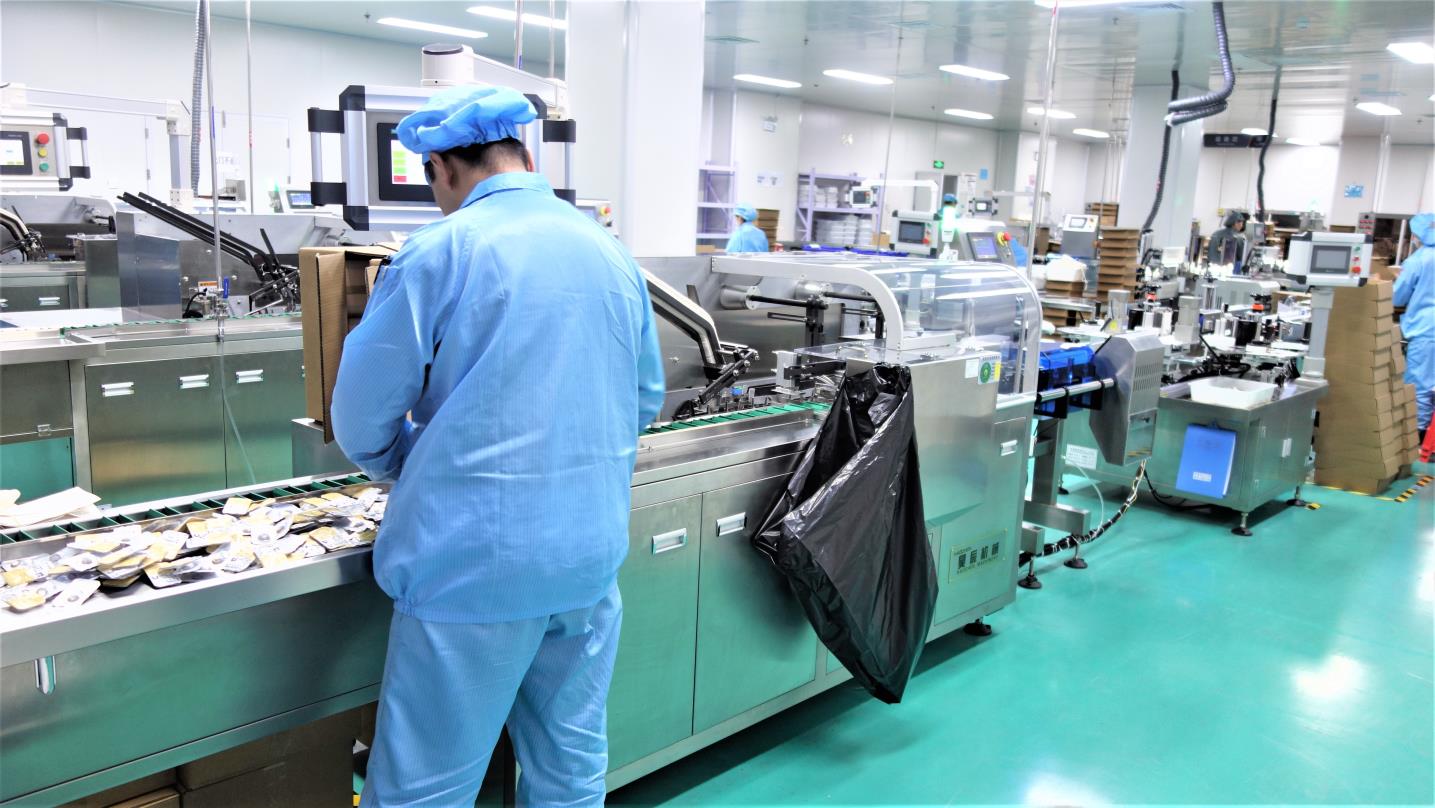
Sealing of blister packages with heat-stamped foil covers detailing batches, base curves, and shelf life.
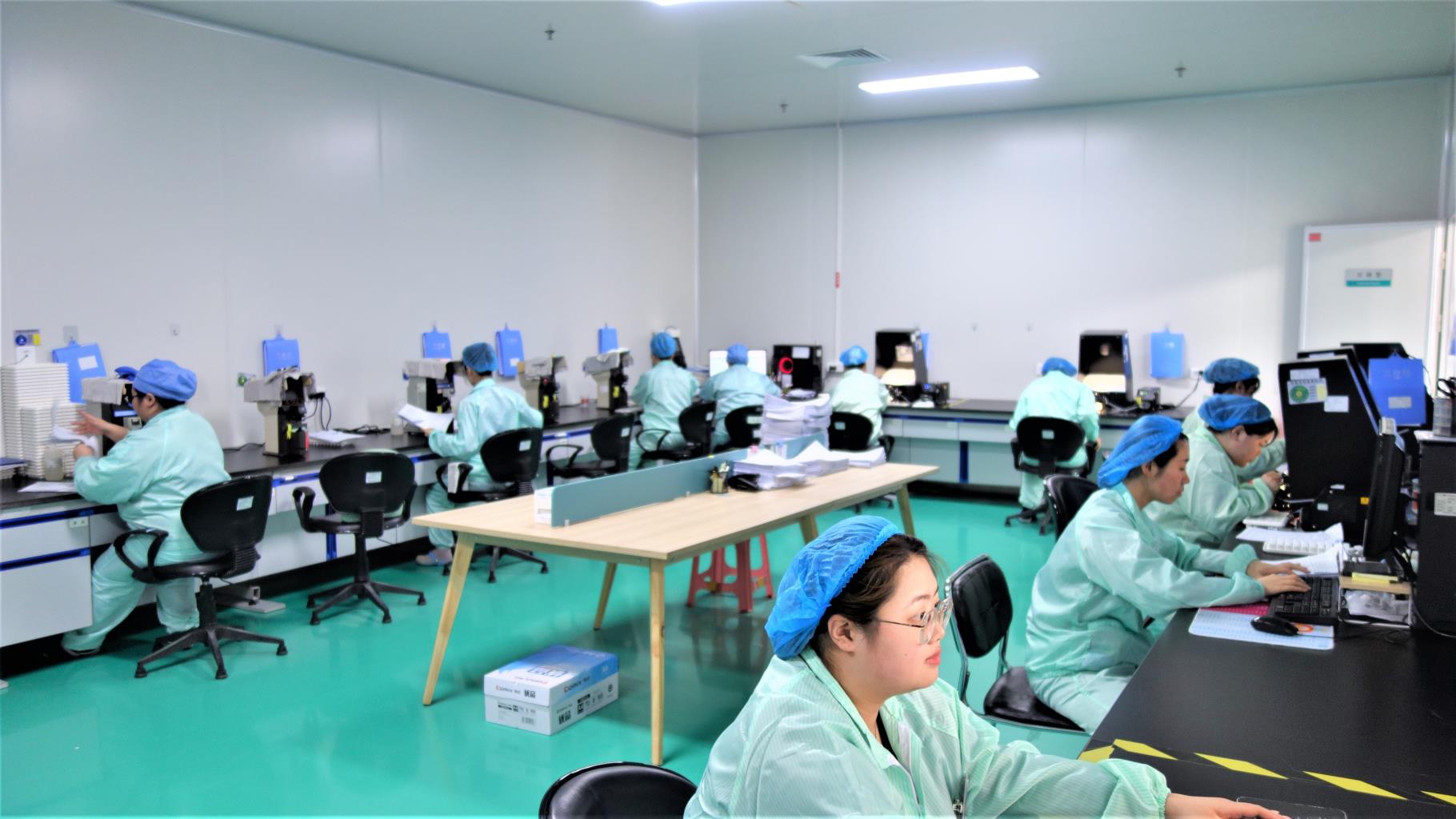
Final optical, physiological, and package-integrity tests are run prior to batch release and shipment.
High quality standards require matching investments in production hardware. Fresh Vision integrates specialized instrumentation directly into their Cleanroom spaces:
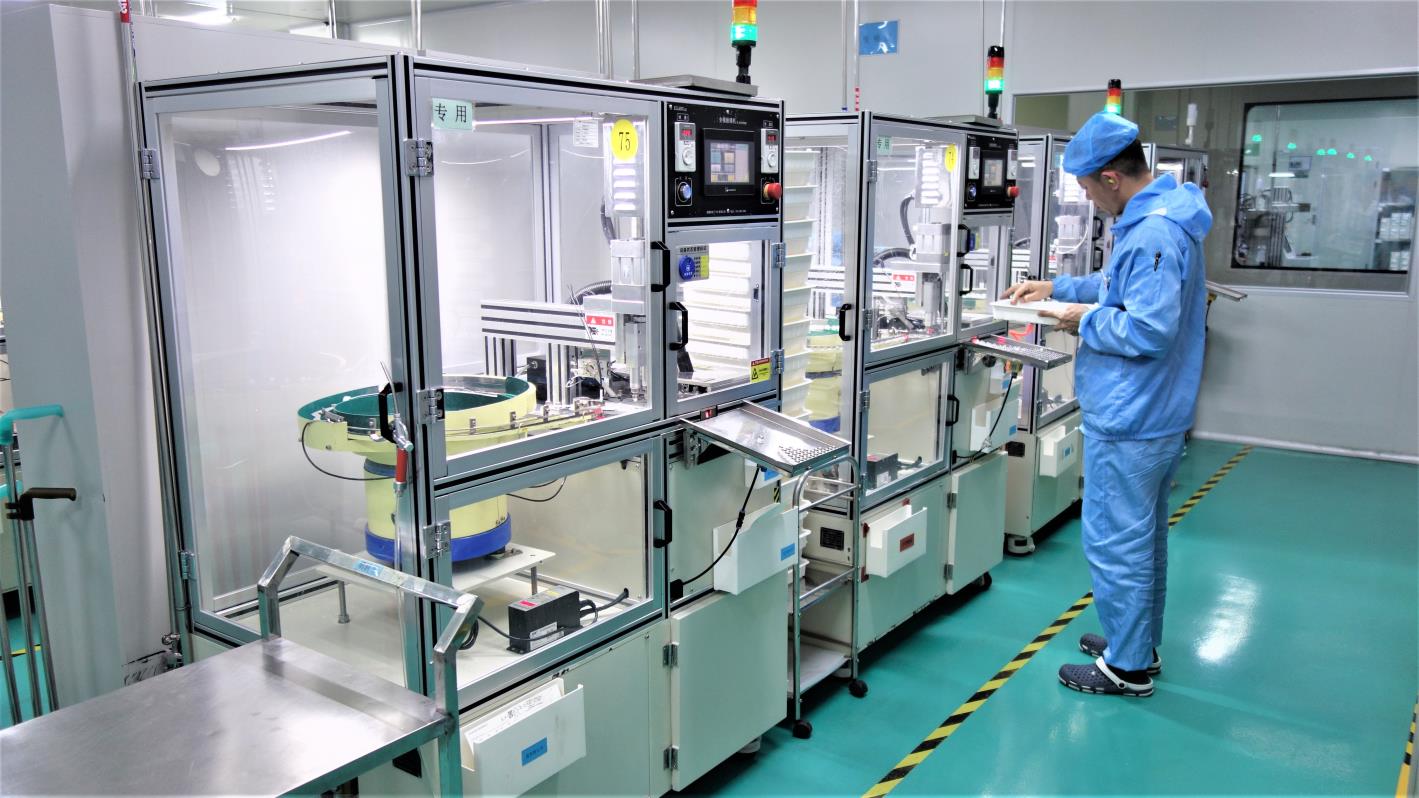
Ensures mechanical stability during separation, preventing microscopic edge cracks.
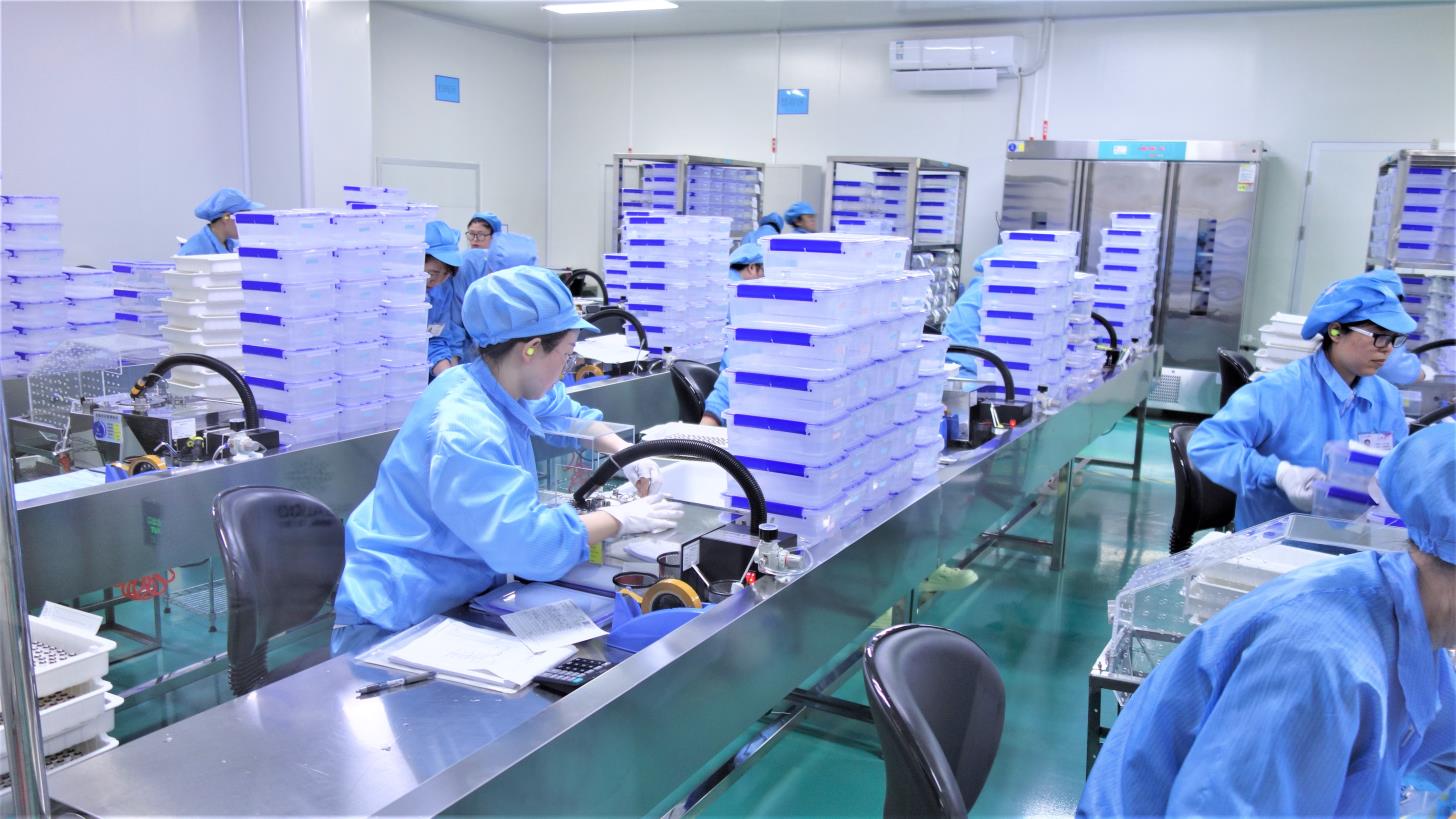
Minimizes human contact, dramatically lowering particulate contamination risks.
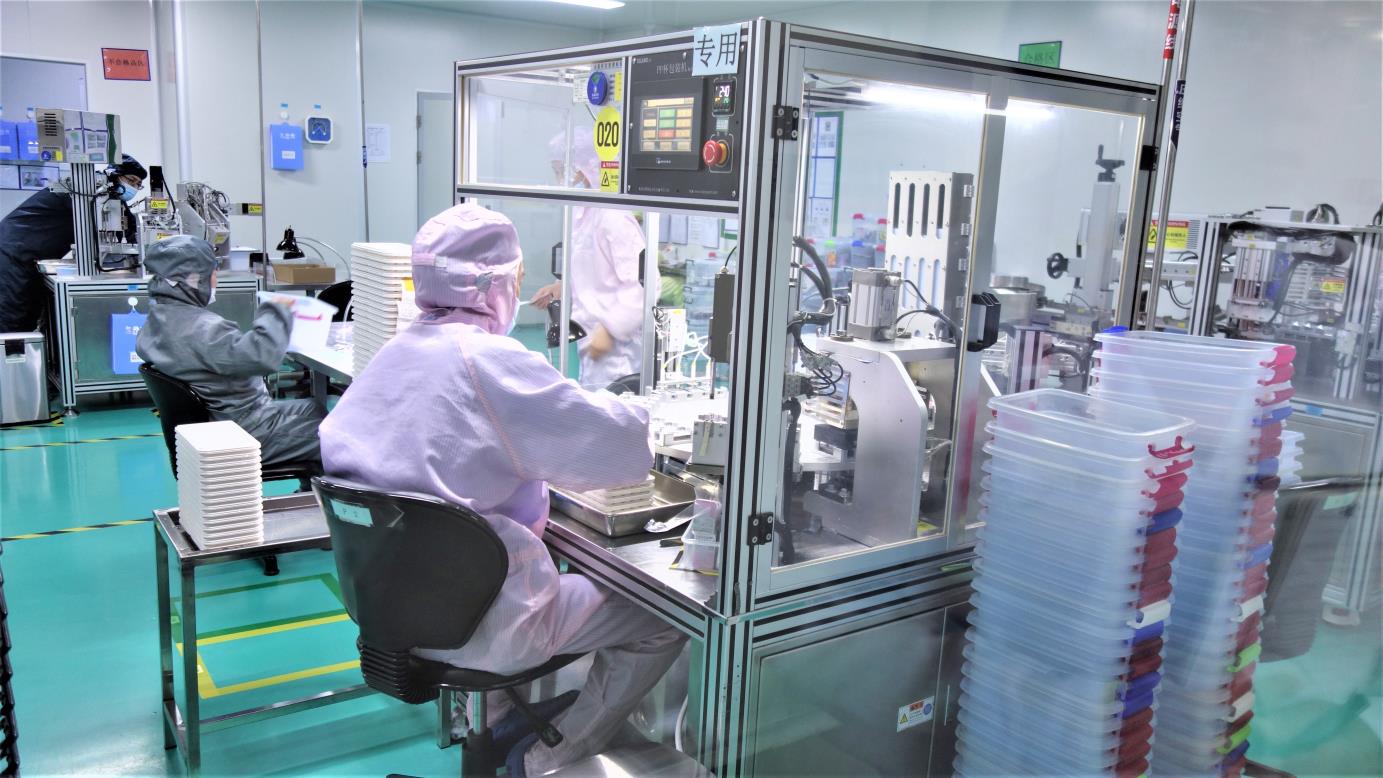
Regulates liquid volume under sterile conditions to assure uniform lens hydration.
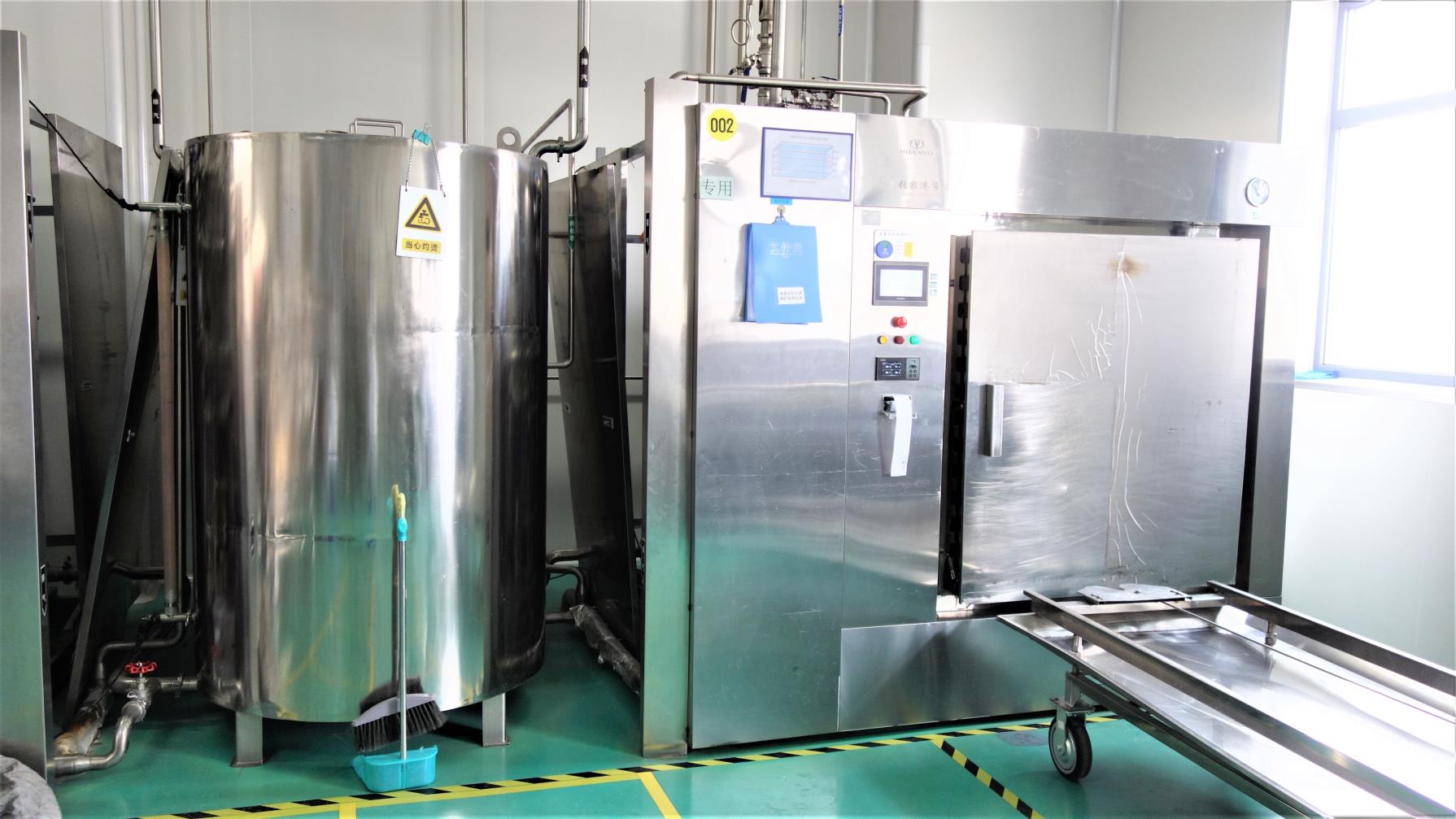
Continuous cycle logging ensures every batch complies with medical sterilization norms.
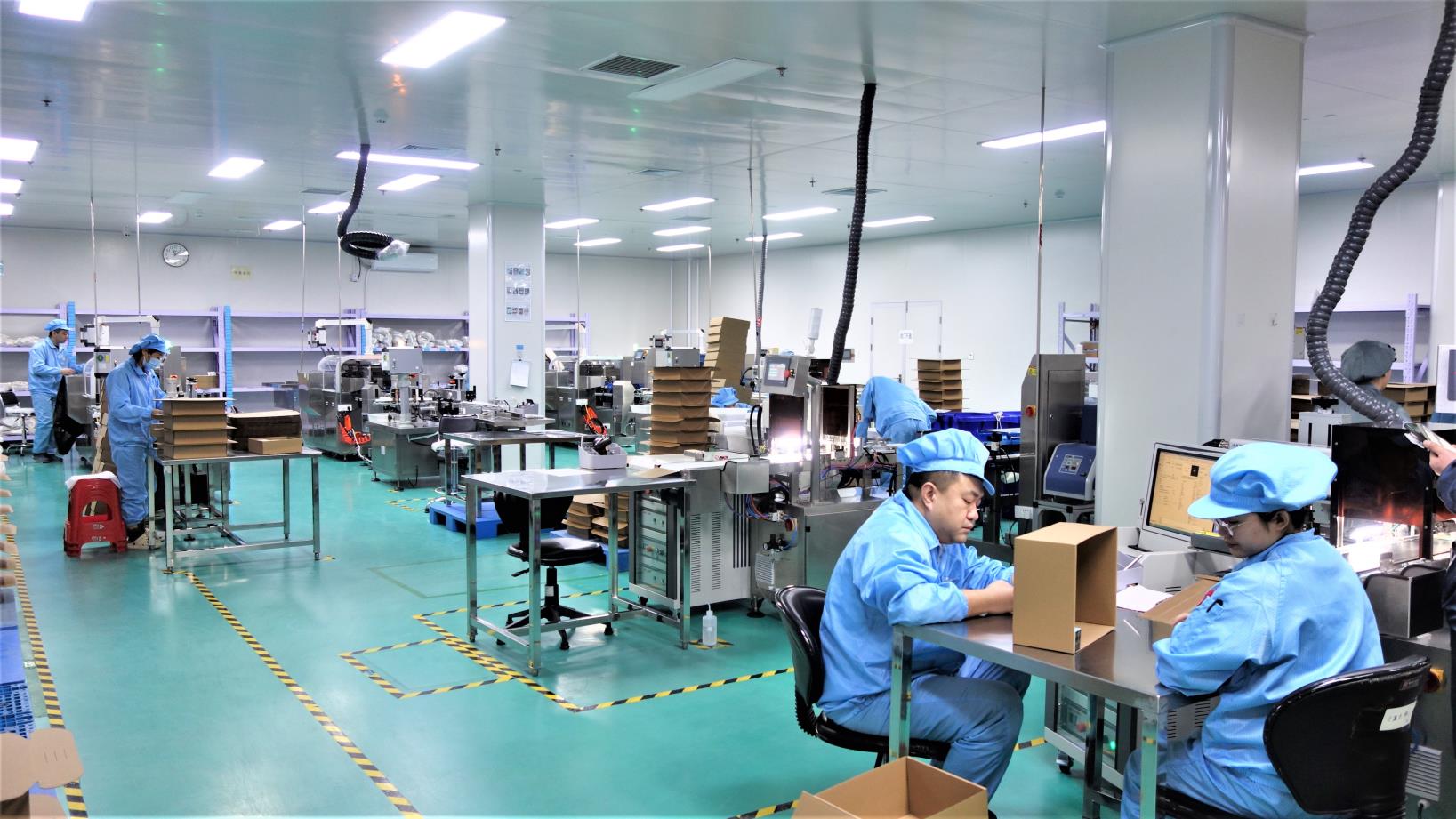
Maintains hermetic seals to isolate products from external air over multiple years of storage.
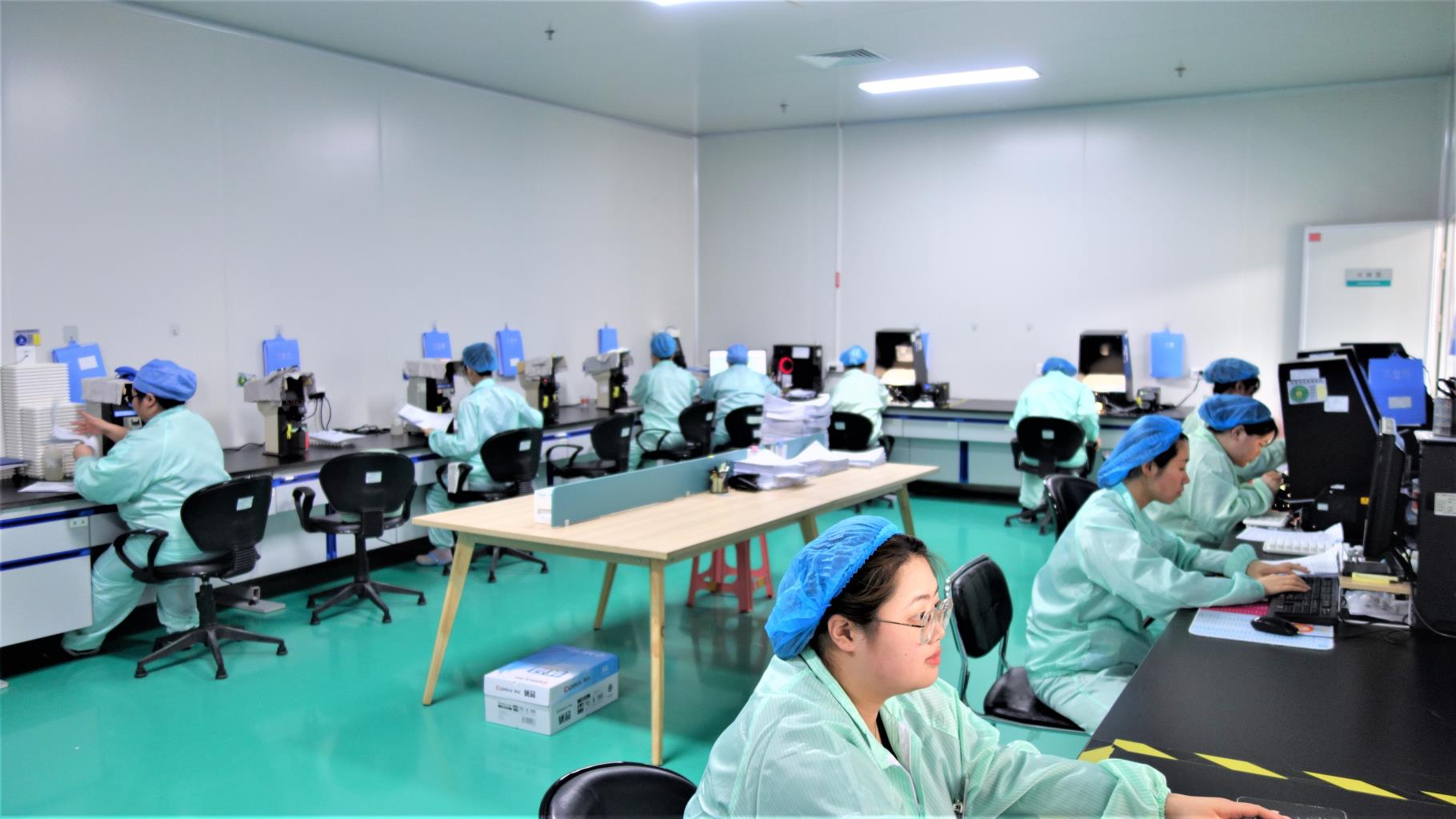
Dedicated test laboratory setups inspect physical properties prior to global export.
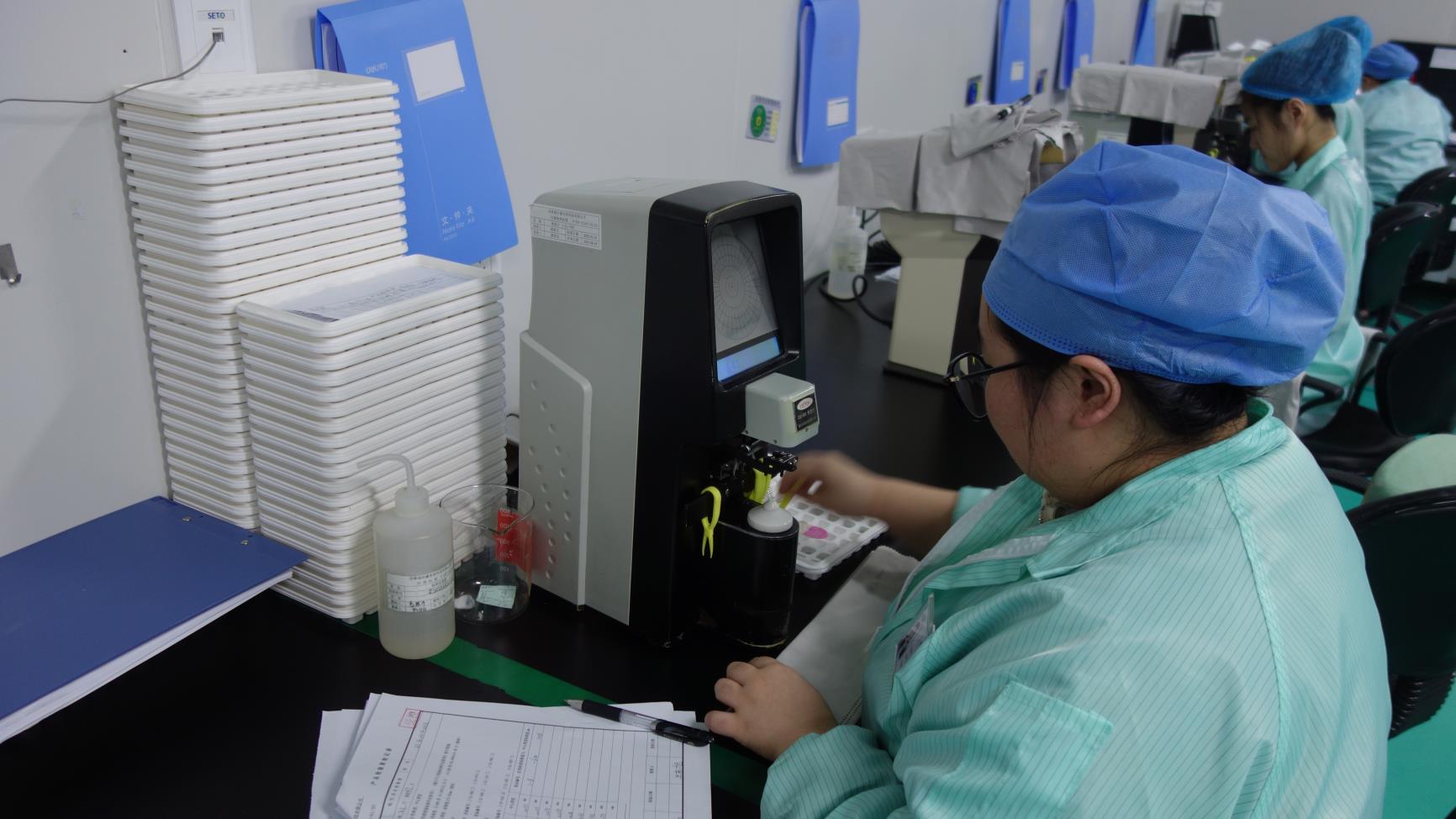
Verifies focal power and optical distortion tolerances across corrective colored lenses.
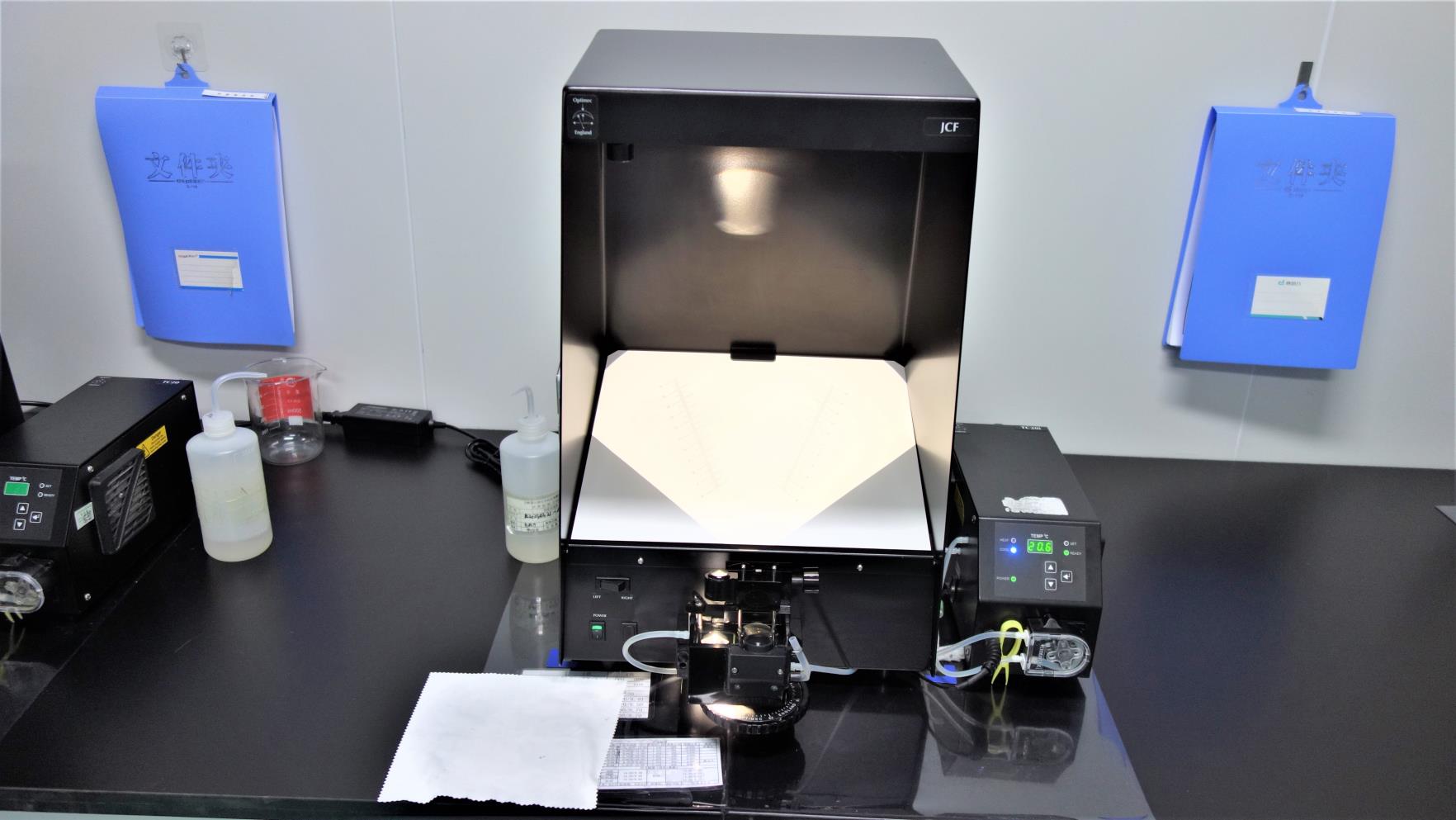
Measures physical dimensions, including base curve radius and outer diameter, at high magnification.
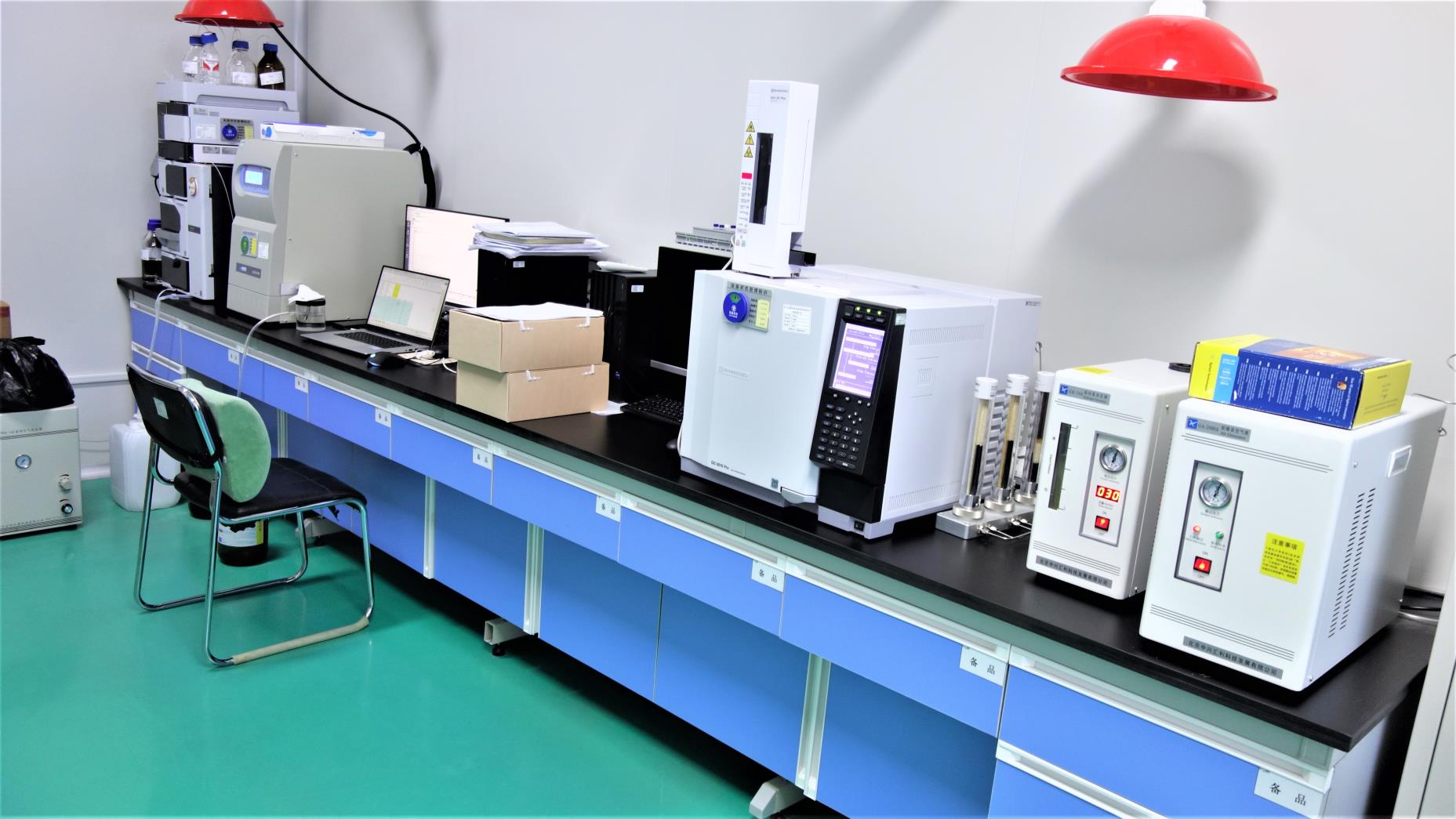
Measures light transmission, UV filtration performance, and color consistency of pigments.
Procurement directors face unique challenges when auditing suppliers for cosmetic contact lenses. Because these products contact the ocular surface, they are regulated as Class II or Class III medical devices across most jurisdictions. Sourcing strategies require strict attention to several key operational parameters:
Industrial formulations must isolate pigment within the hydrogel matrix (the sandwich method) to prevent direct contact with corneal tissues. This technique prevents mechanical rubbing, pigment dissolution, and allergic reactions.
A higher water content (typically 38% to 42% for daily/yearly hydrogels) prevents corneal dehydration. Leading OEMs utilize advanced hydrophilic copolymers like Polymacon and HEMA, which balance high tear-film stability with robust structural strength.
Managing fast-changing fashion seasons requires rapid prototyping capabilities. The ability to shift from digital designs to live production trials within a few weeks helps brands capture market demand without overproducing stock.
The cosmetic contact lens sector is rapidly evolving toward functional integration. Future designs are expected to combine visual enhancement with digital connectivity, active therapeutic delivery, and sustainable material designs.
Modern brand owners must navigate changing consumer preferences, including shifts from yearly disposable lenses to daily disposables. Leading OEMs are adapting their packaging lines to handle high-output daily blister runs. Additionally, green packaging, such as recyclable polypropylene blisters and reduced cardboard volumes, is becoming a key differentiator in European and North American markets.
To address these trends, top-tier manufacturers offer regional formulation services. For example, they adjust saline configurations with lubricating agents like hyaluronic acid (HA) to suit drier climates in the Middle East, or provide high-UV block formulations for sunny coastal areas.
Silicone Hydrogel Adoption: The next generation of cosmetic contact lenses will shift from classic HEMA to high-permeability silicone hydrogels. This transition increases oxygen transmission, extending safe wearing times.
Smart Printing Technologies: Direct digital printing directly onto the lens surface replaces traditional pad printing, allowing for complex, high-detail iris patterns and rapid custom production runs.
Ocular Health Integrations: Research is underway to incorporate blue-light filtering layers and photochromic agents that darken in sunlight, combining aesthetic customization with protective features.
Securing regulatory compliance is a critical step in the cosmetic contact lens supply chain. A single shipping delay or custom seizure due to missing paperwork can disrupt an entire product launch. As a result, premium manufacturers must maintain active certifications that align with international standards.
Required for distributing cosmetic contact lenses in the United States, classifying them as prescription devices. This process mandates bio-safety studies, validation of mechanical tolerances, and clear labeling guidelines.
Access to European markets requires compliance with Medical Device Regulation (MDR) standards. This framework demands clinical evaluations, post-market surveillance systems, and trace verification for every batch.
Specifies requirements for a comprehensive quality management system. Certified manufacturers must document every step of their process, from design control to sterilization verification.
Shenzhen Fresh Vision Co., Ltd. implements complete raw material traceability, verifying the purity of incoming monomers, colorants, and packaging components. In-line testing systems evaluate hydration levels, edge geometry, and color consistency, reducing final defect rates and ensuring reliable quality for international buyers.