Fresh Lenses
Fresh Lenses
Fresh Lenses
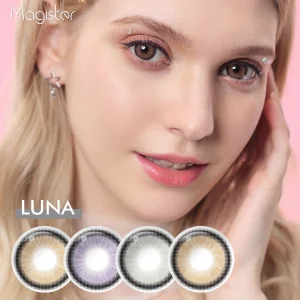

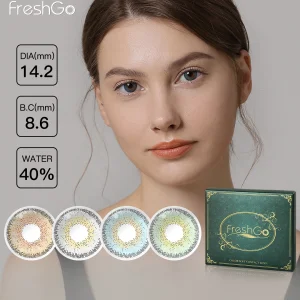
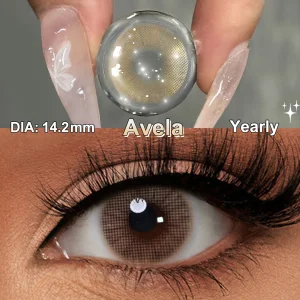
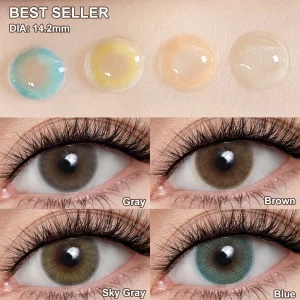

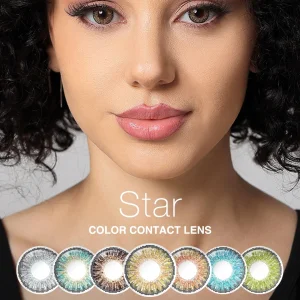
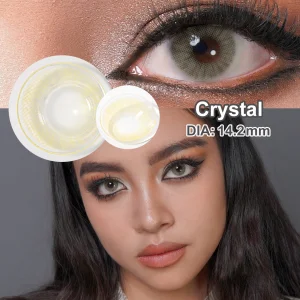
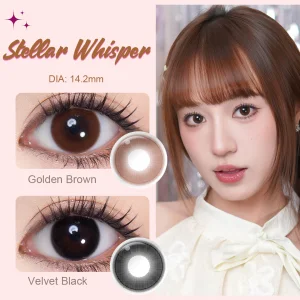
The global contact lens industry has transitioned from a standard corrective medical device sector to a highly customized, fashion-forward, and complex technological landscape. Today, the global demand for OEM contact lenses is propelled not only by vision correction needs but also by the soaring popularity of color cosmetic lenses, theatrical cosplay lenses, and therapeutic ocular solutions. Statistically, the contact lens market is projected to grow exponentially, driven by rising disposable incomes, shifting consumer demographics, and the expanding penetration of e-commerce channels.
Currently, the manufacturing landscape is characterized by a polarization of production facilities. While high-volume daily disposable spherical lenses are often manufactured in capital-intensive hubs across Western Europe and the United States, specialized cosmetic, colored, and custom-molded lenses have found their primary production capital in East Asia. In particular, Chinese manufacturing facilities have emerged as the global standard for high-mix, low-to-medium volume production agility, and complex custom lens designs.
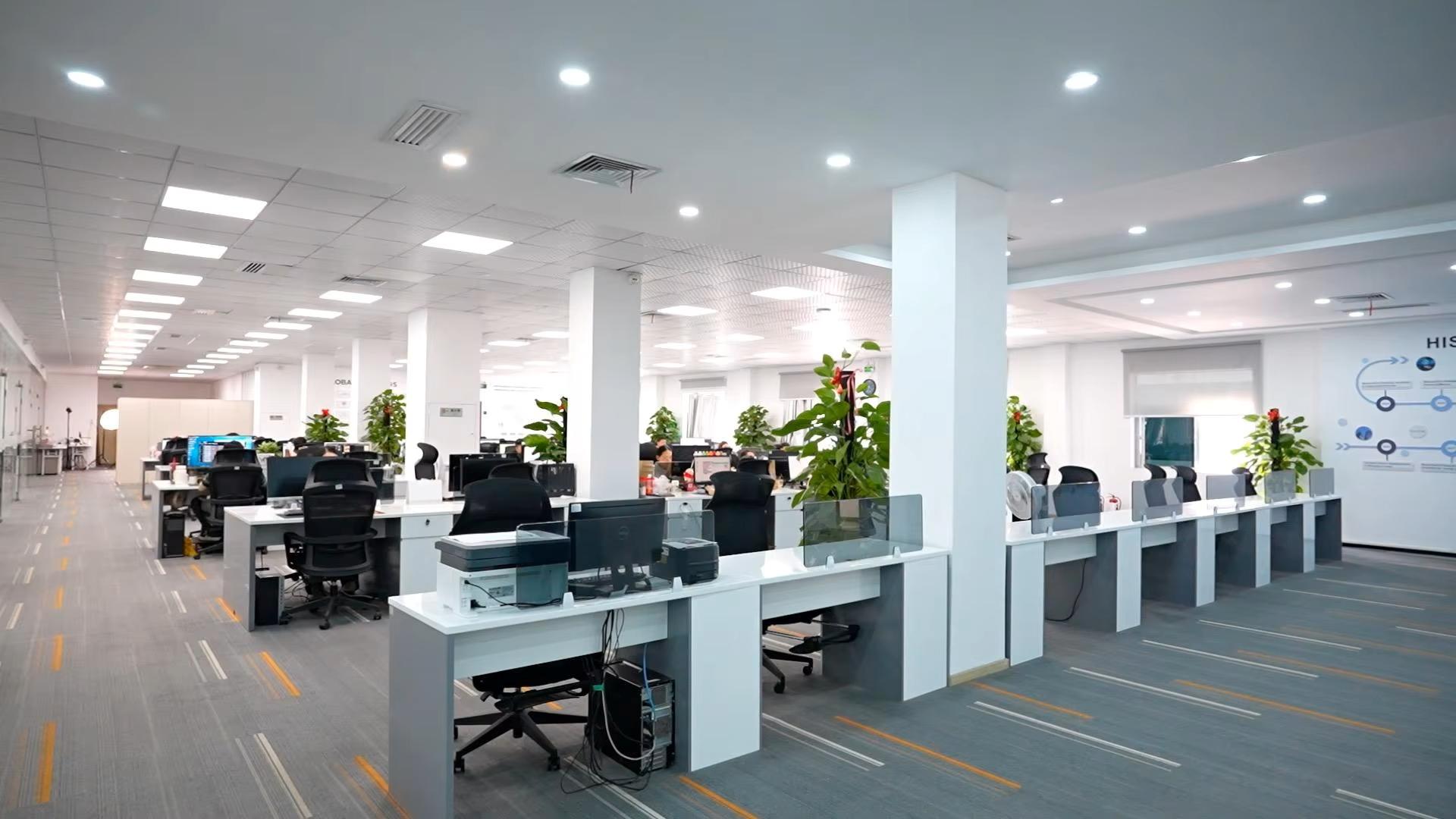
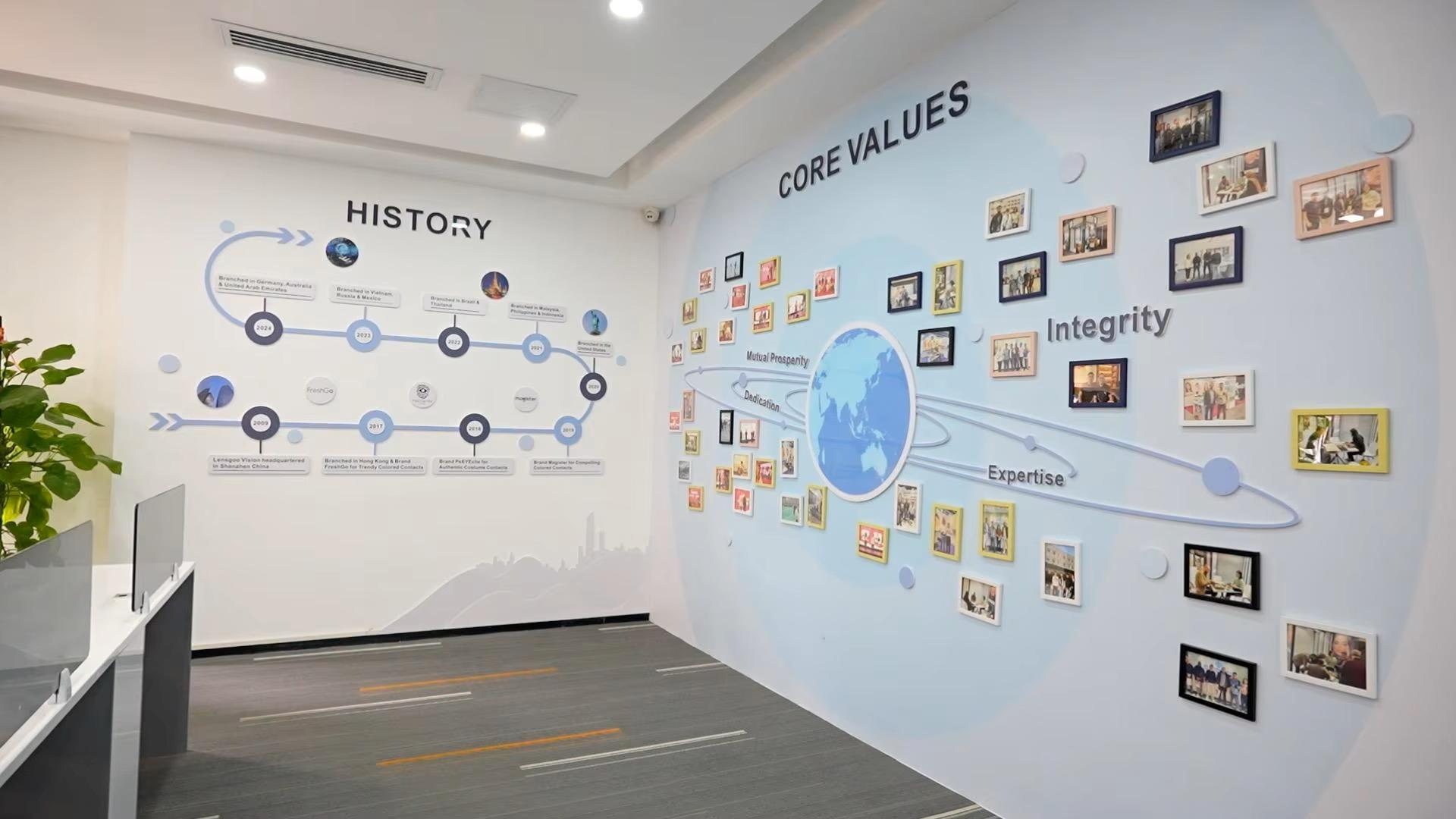
Established on January 26, 2016, Shenzhen Fresh Vision Co., Ltd. stands as a benchmark of engineering and operational excellence within the specialized contact lens sector. Located in the tech capital of China, Shenzhen, the company has leverages 10 years of exporting expertise and industry dominance to deliver turnkey manufacturing services to overseas brands.
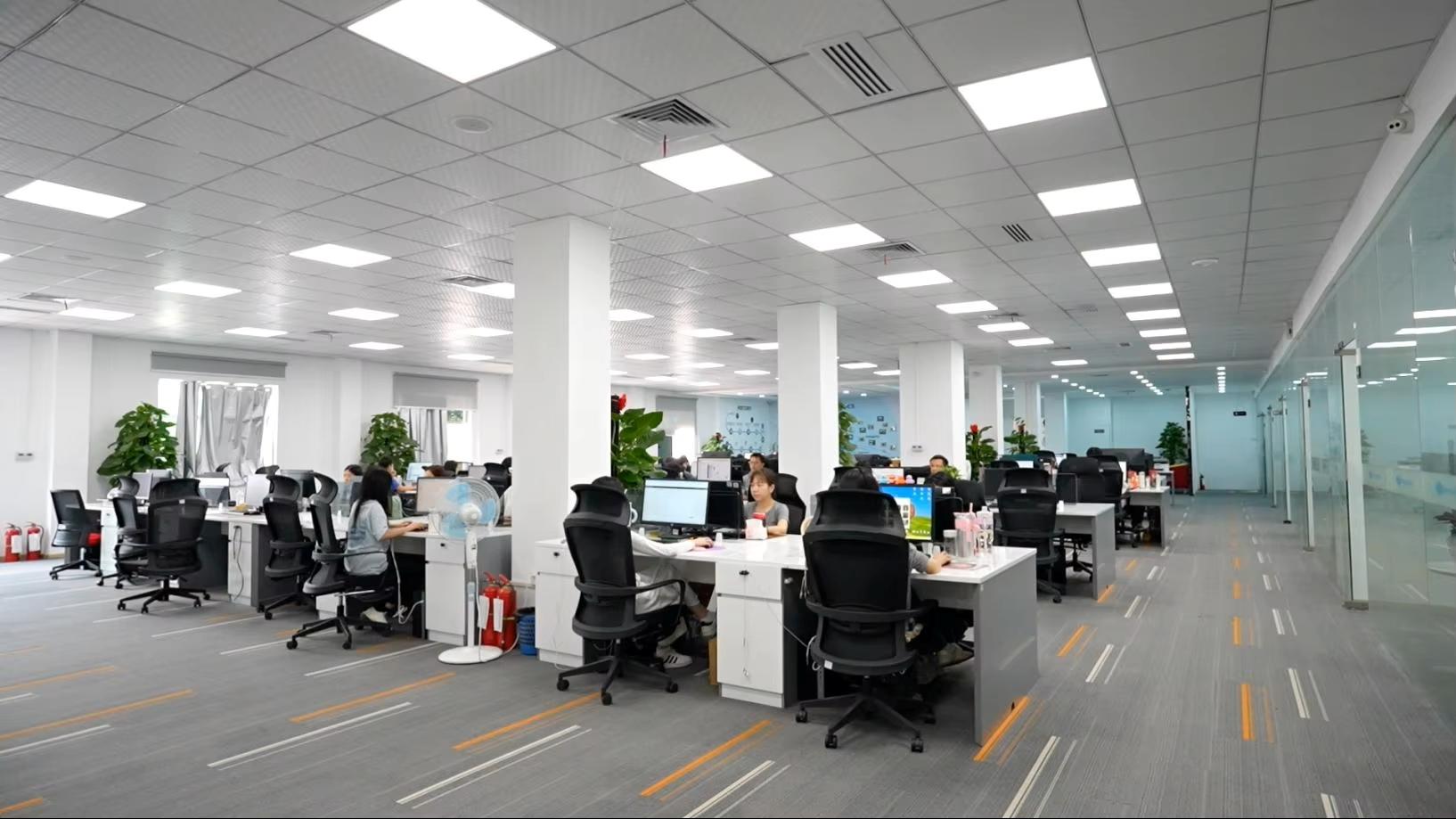
Operating out of an ultra-modern 1,100 square meter facility, Fresh Vision offers a diverse, multi-lingual client support framework speaking Spanish, English, and Chinese. This linguistic flexibility guarantees seamless, error-free communication during critical stages of technical specs definition, packaging customization, and regulatory clearance.
Full tracking systems for every polymer batch, colorant formulation, and packaging material to verify quality parameters from inception to delivery.
Our quality assurance framework implements random testing and total visual/optical inspections across all stages of the manufacturing cycle.
We provide full sample processing, graphic design layout, and customized packaging on demand, backed by a dedicated team of 5 veteran R&D engineers.
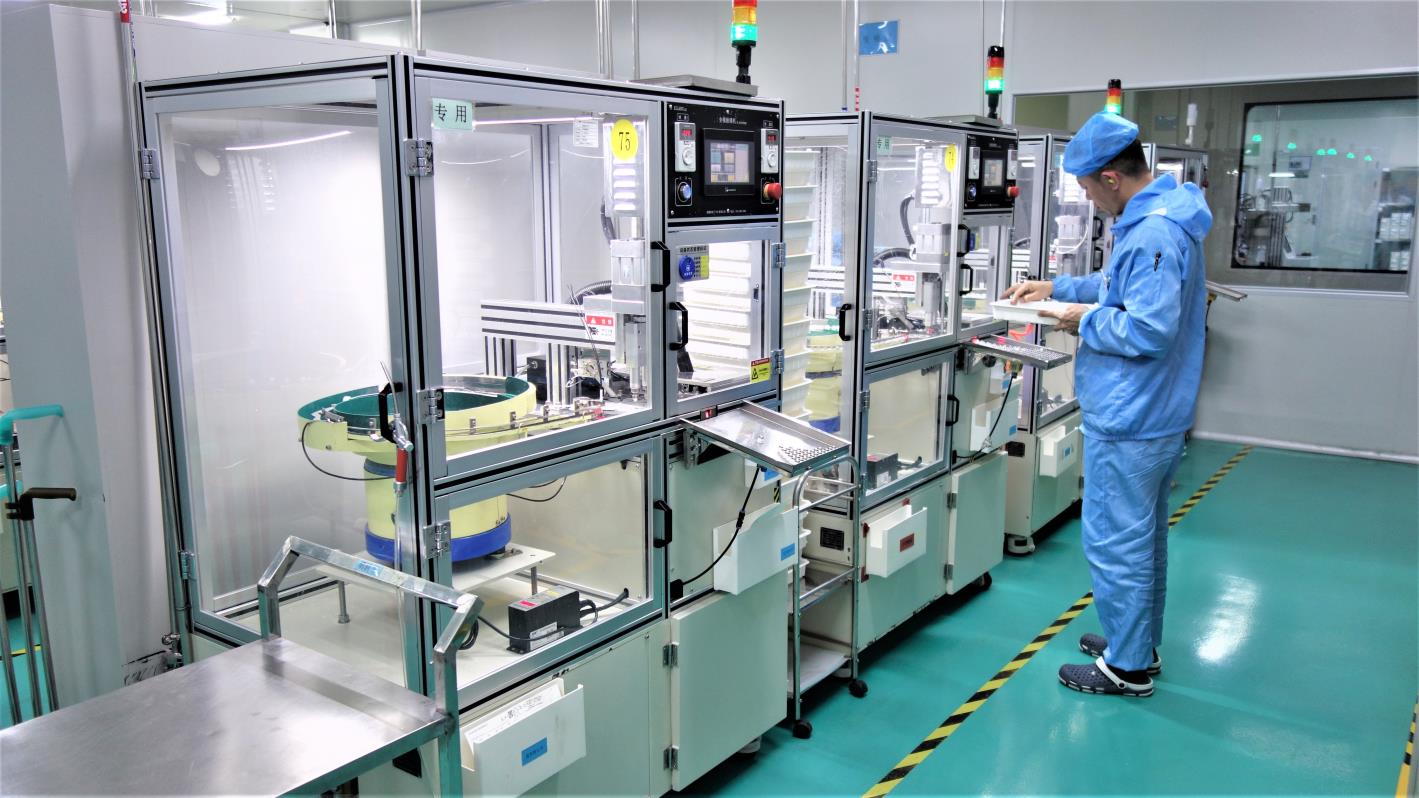
Our production floor employs ISO-certified cleanroom workflows and state-of-the-art machinery. Below is an in-depth view of the step-by-step physical transformations and quality checks performed on our lenses.
Our engineers formulate biocompatible hydrogels. The raw monomer goes through strict quality filtration and testing prior to being fed into the cast-molding machinery.
High-precision molds define the base curve and diameter. The liquid monomer is injected, then cured via UV thermal systems to set the solid matrix structure of the contact lens.
Advanced imaging arrays check every raw dry lens. Any mold defect, edge chipping, or particulate presence triggers automatic rejection via optical sorting systems.
Specialized Demoulding Machines extract the newly cured polymer lens from the high-precision mold halves without causing microscopic stress fractures or micro-tears on the delicate optical zone.
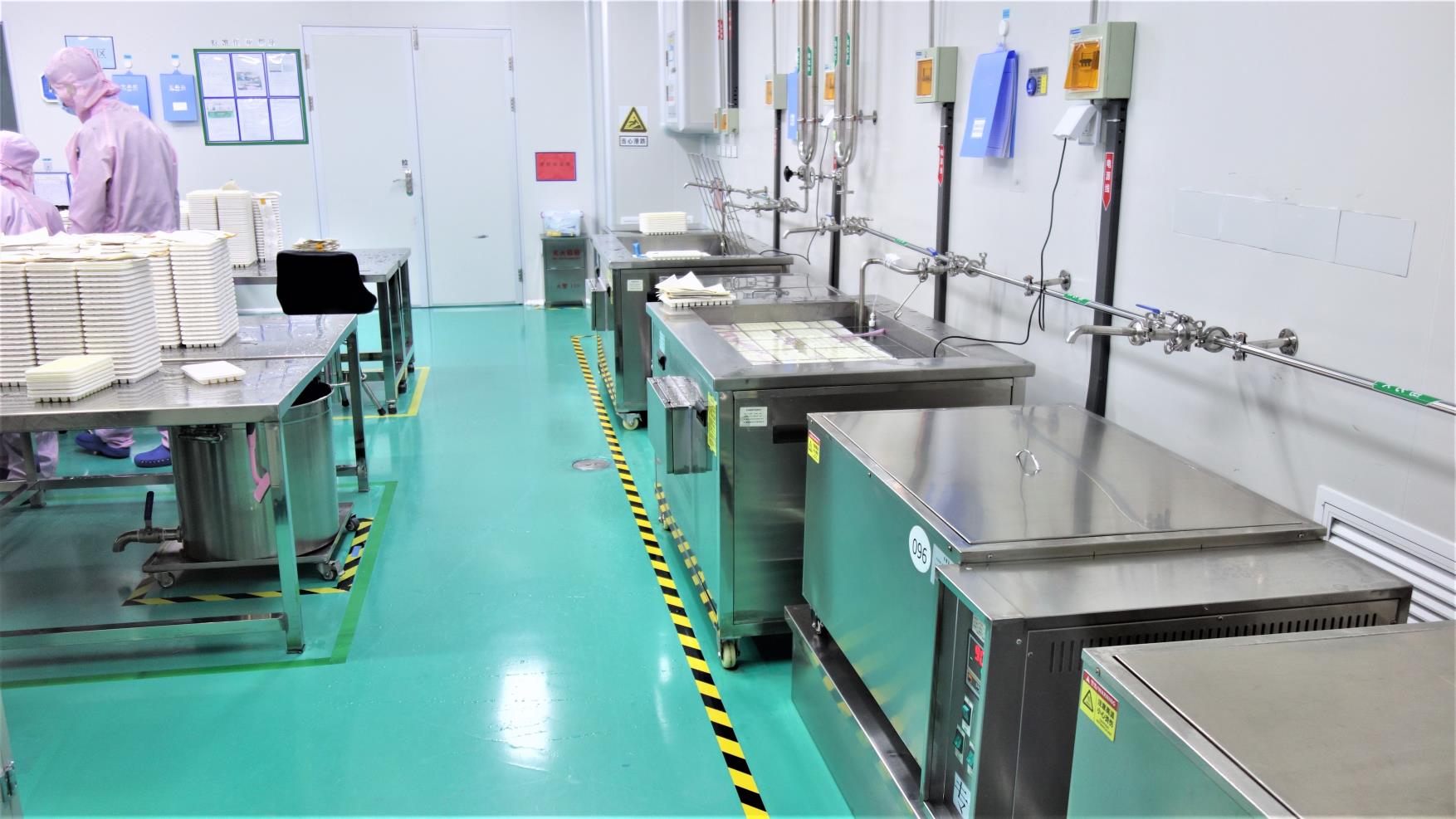
Lenses undergo intensive hydration in buffered saline baths. This stage removes residual unreacted monomers, expands the lens to its target water content, and ensures total chemical stabilization.
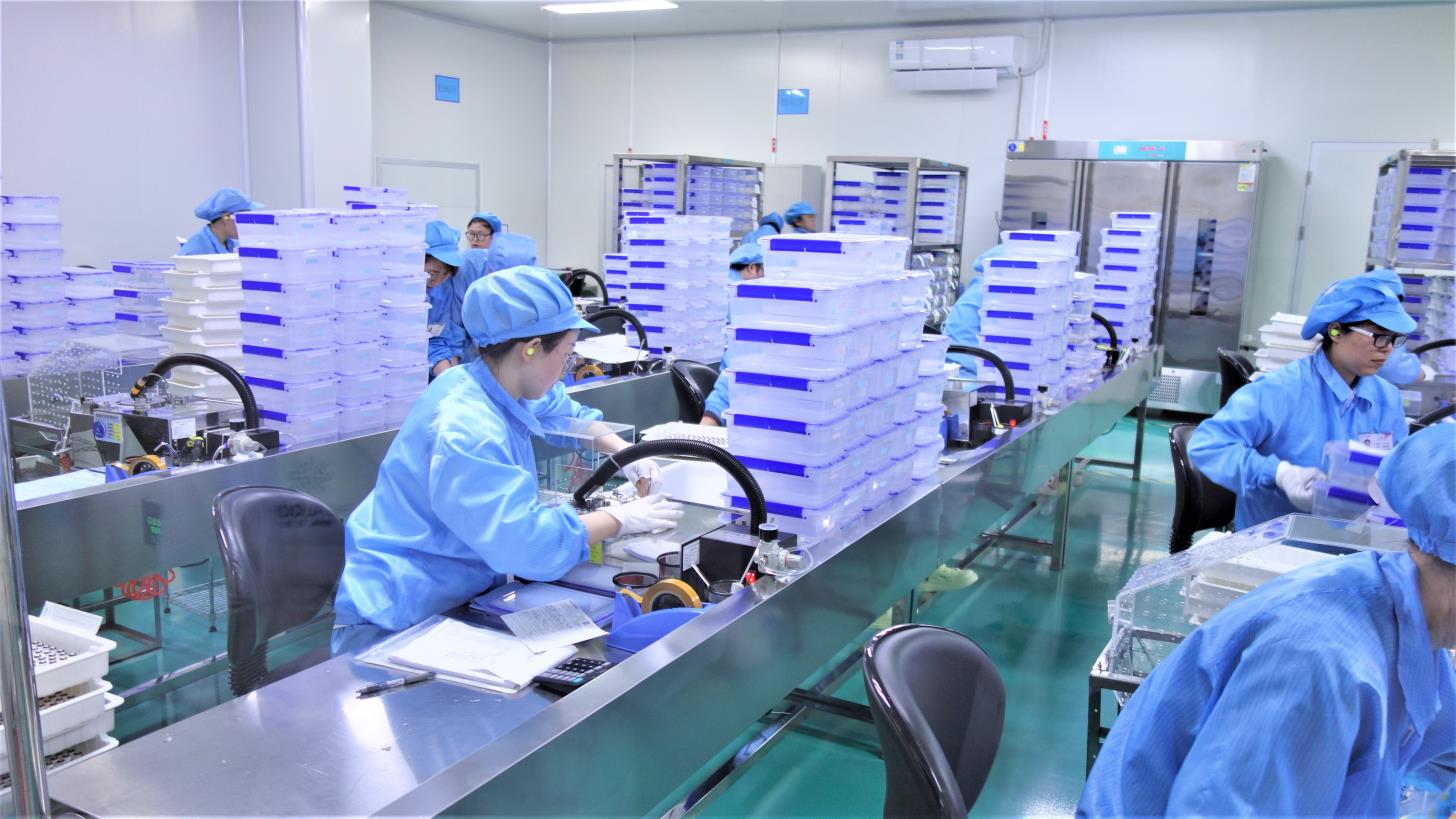
Using proprietary pneumatic Film Suction systems, hydrated lenses are safely transferred from hydration trays to inspection cells, minimizing human contact and preventing physical contamination.
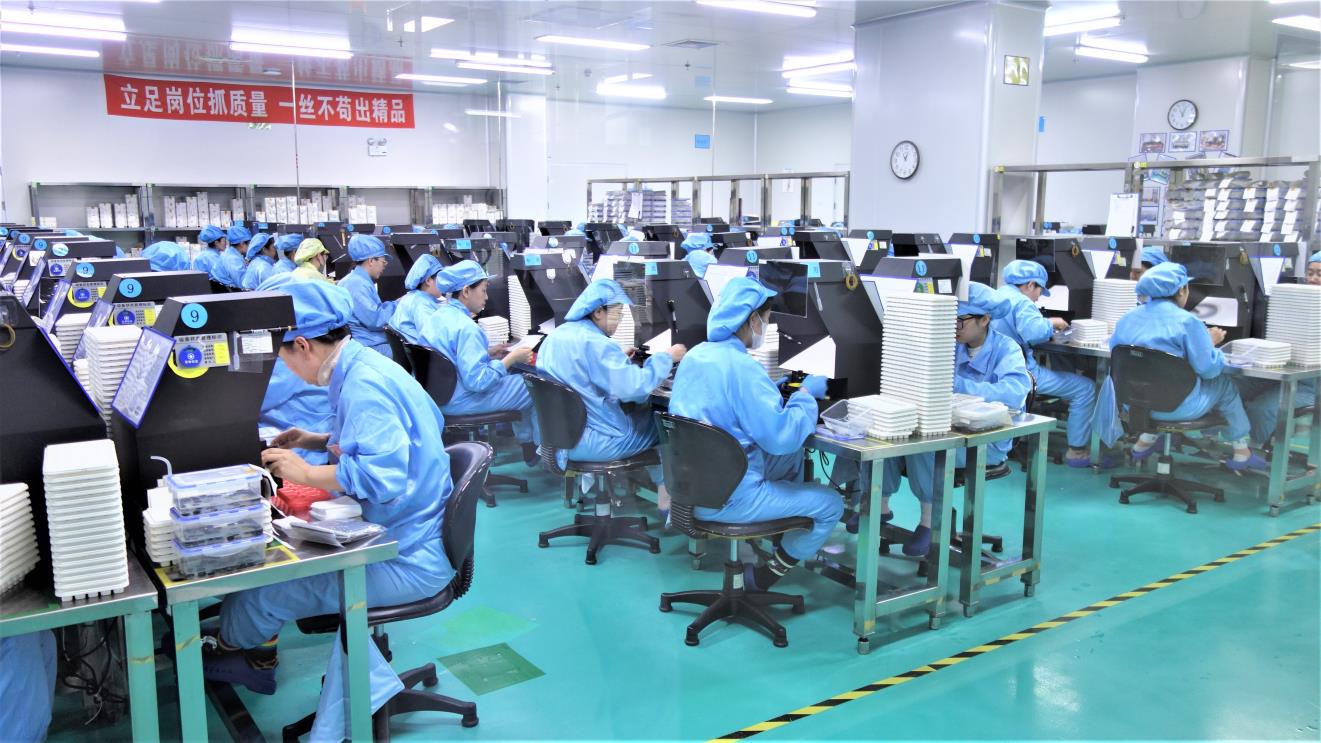
Operators perform micro-surface inspection on backlit projectors. This guarantees that cosmetic colored printing, design symmetry, and physical edge profiles are absolute flawless.
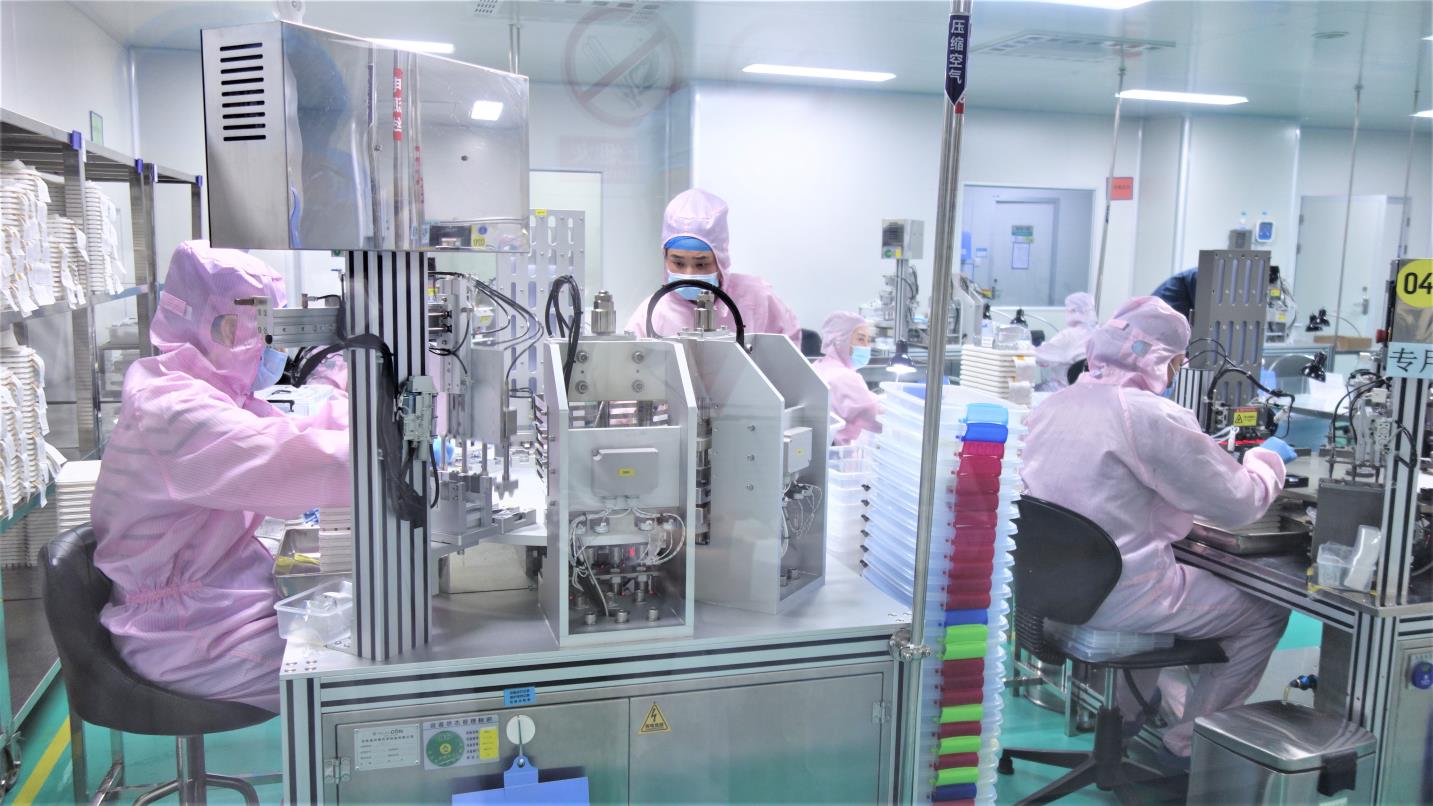
Lenses are positioned inside blister wells. The Filling Machine dispenses a precise volume of medical-grade isotonic buffered saline solution, optimizing long-term shelf stability.
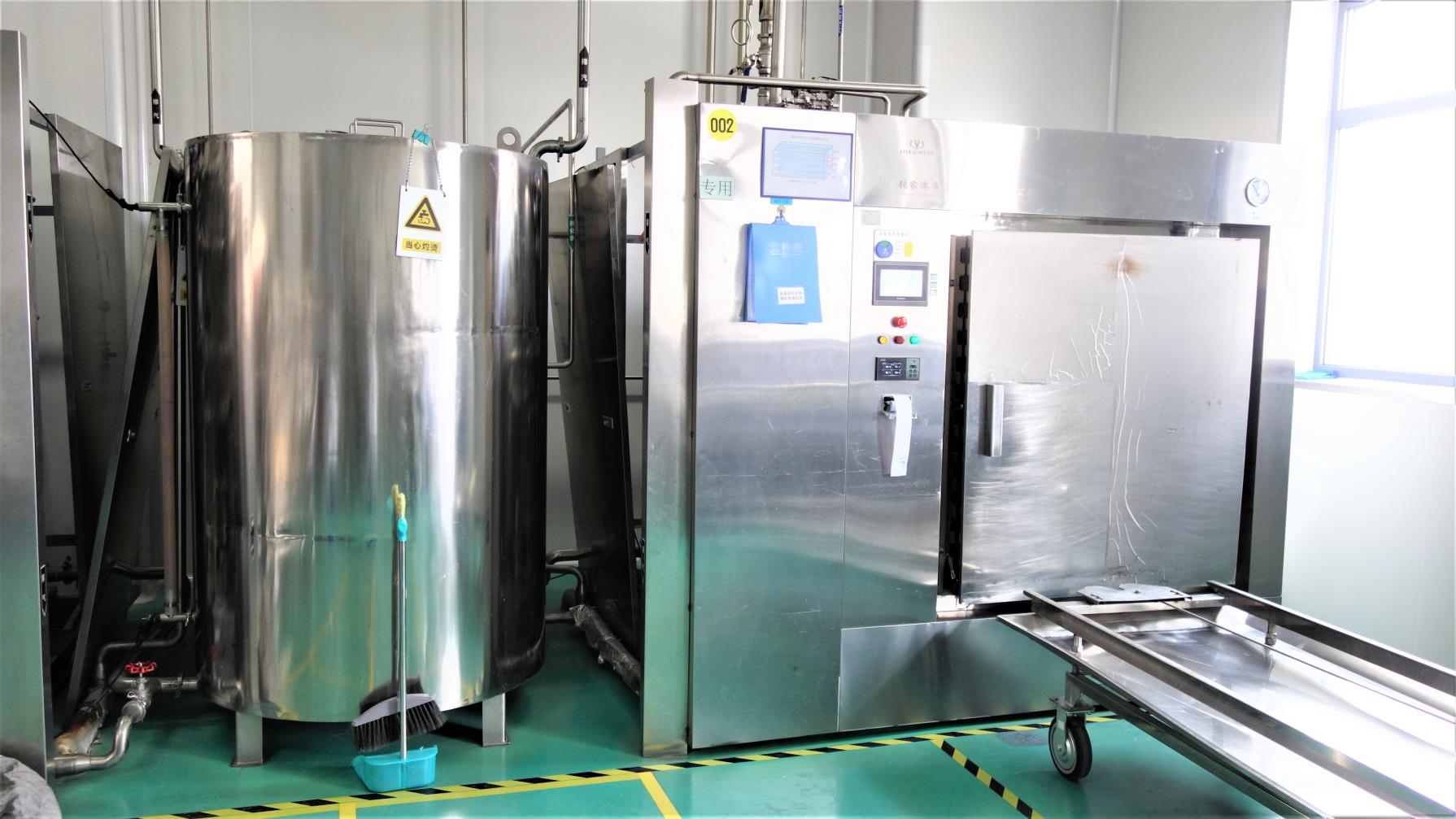
Completed blisters undergo moist-heat terminal sterilization within high-pressure Sterilization Cabinets, ensuring complete destruction of microbial life forms to achieve medical-grade safety.
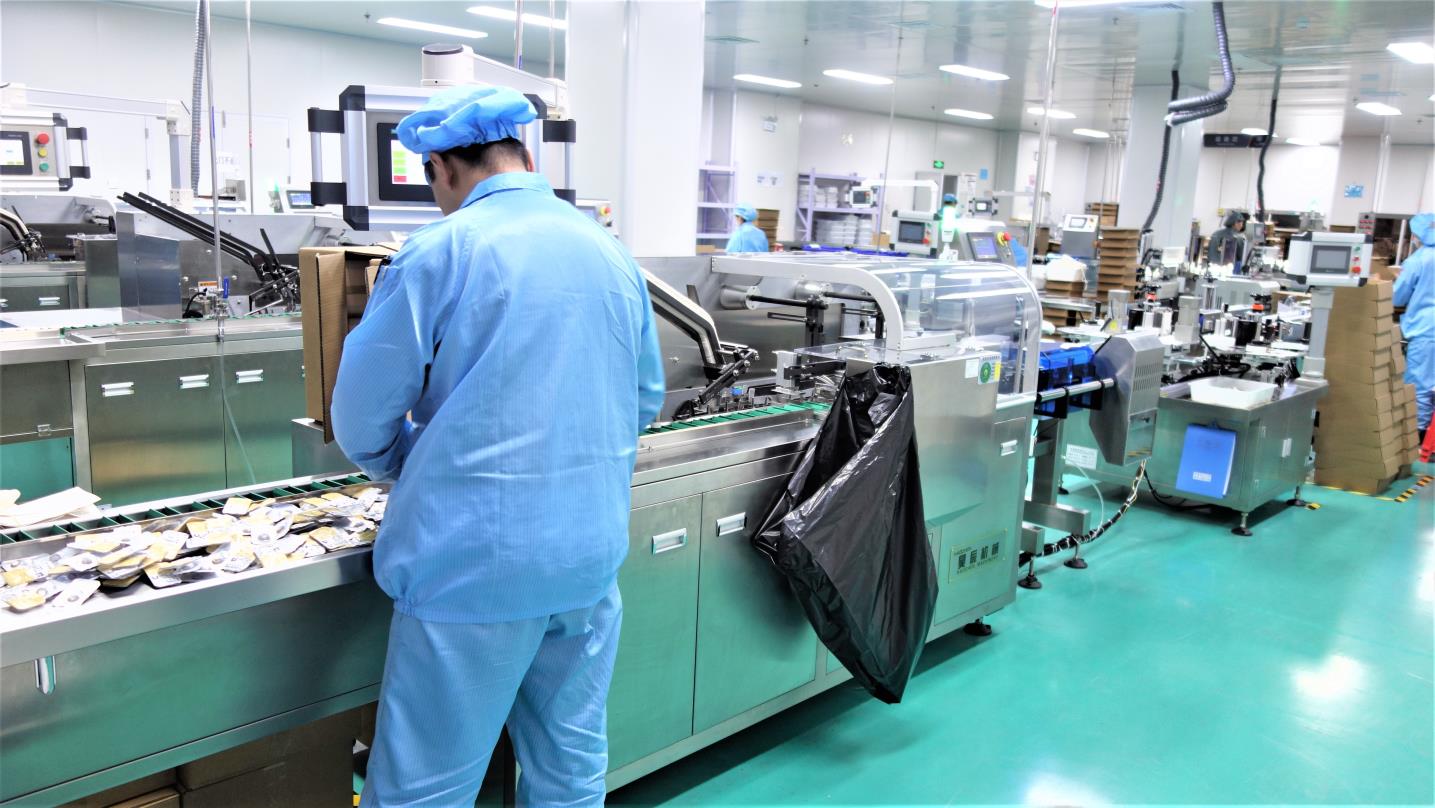
Sealing foils are applied, hot-stamped with batch numbers, barcodes, and expiration dates. Lenses are packed into customizable boxes for secondary protection and shipping aesthetics.
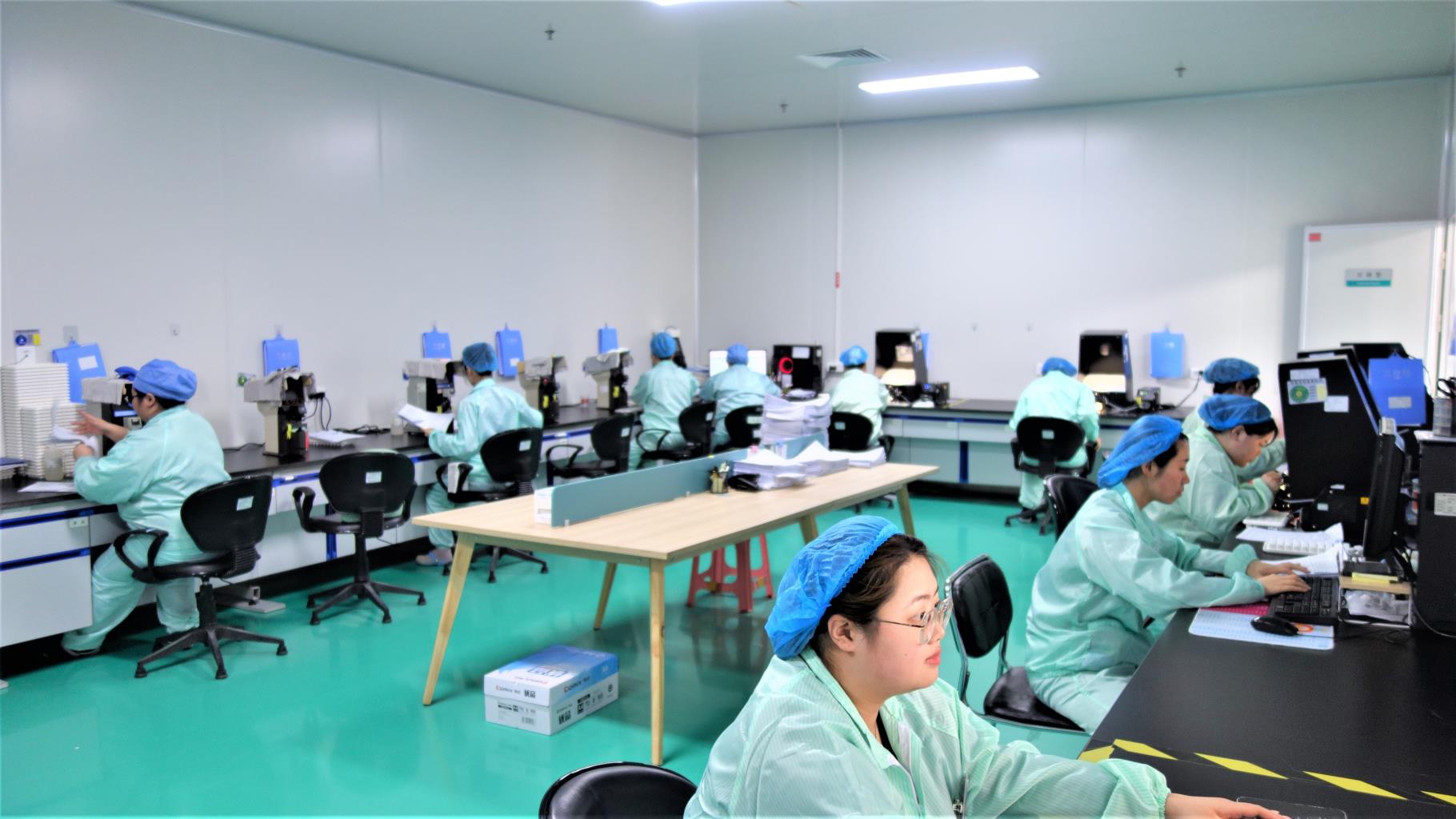
The OQC department pulls random samples from every packaged batch to verify sealing integrity, water-content ratios, pH balance, and structural packaging compliance before authorizing shipment.
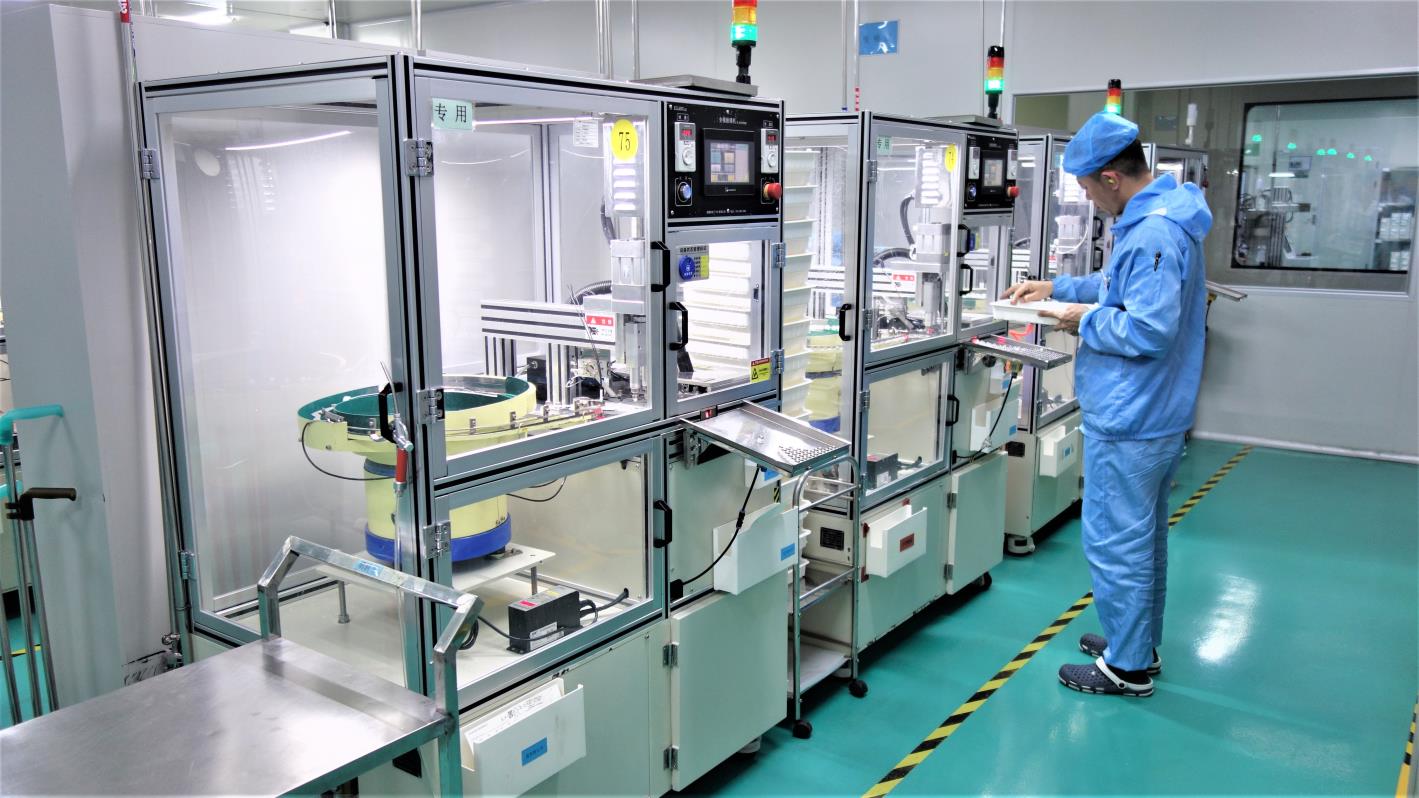
Our ongoing facility upgrades include multi-cavity pneumatic dry-demoulding machines that maximize throughput efficiency and scale up daily output parameters to support volume jumps.
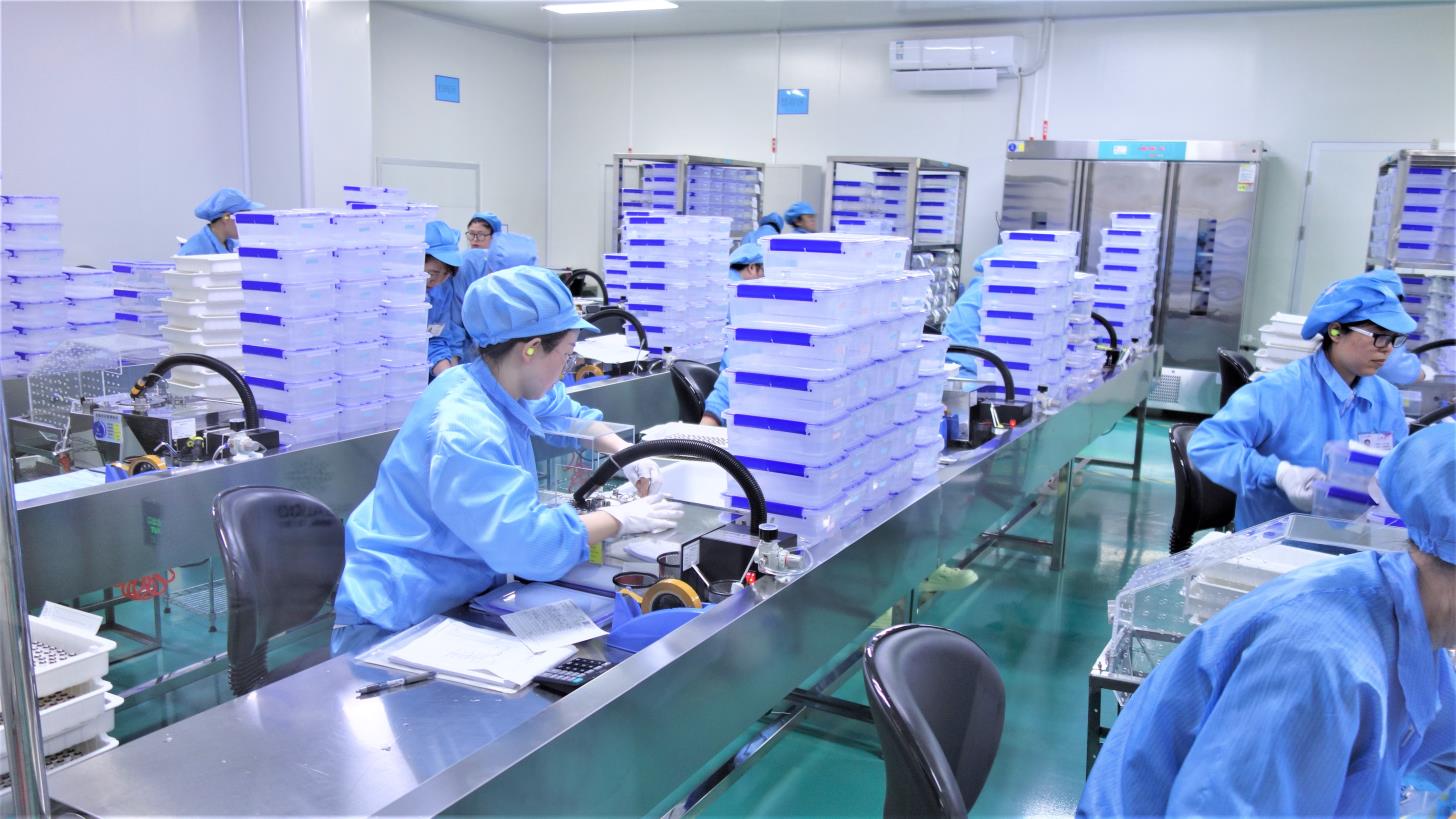
Our Film Suction Machines utilize medical-grade silicone suction cups and micro-vacuum controllers to guarantee soft contact lens handling, preventing surface scratching.
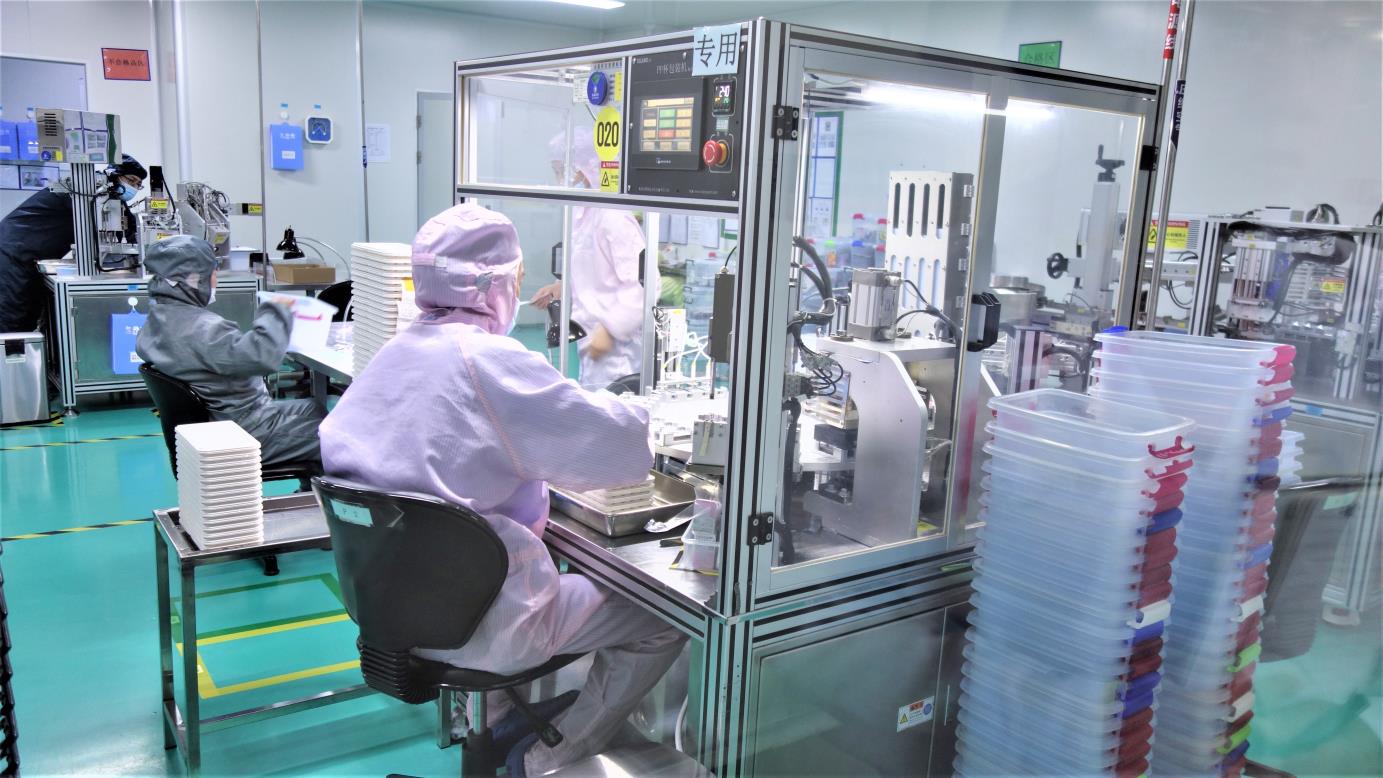
The high-speed Filling Machine integrates clean-in-place (CIP) and sterilize-in-place (SIP) lines, maintaining strict sterility zones during high-volume saline filling.
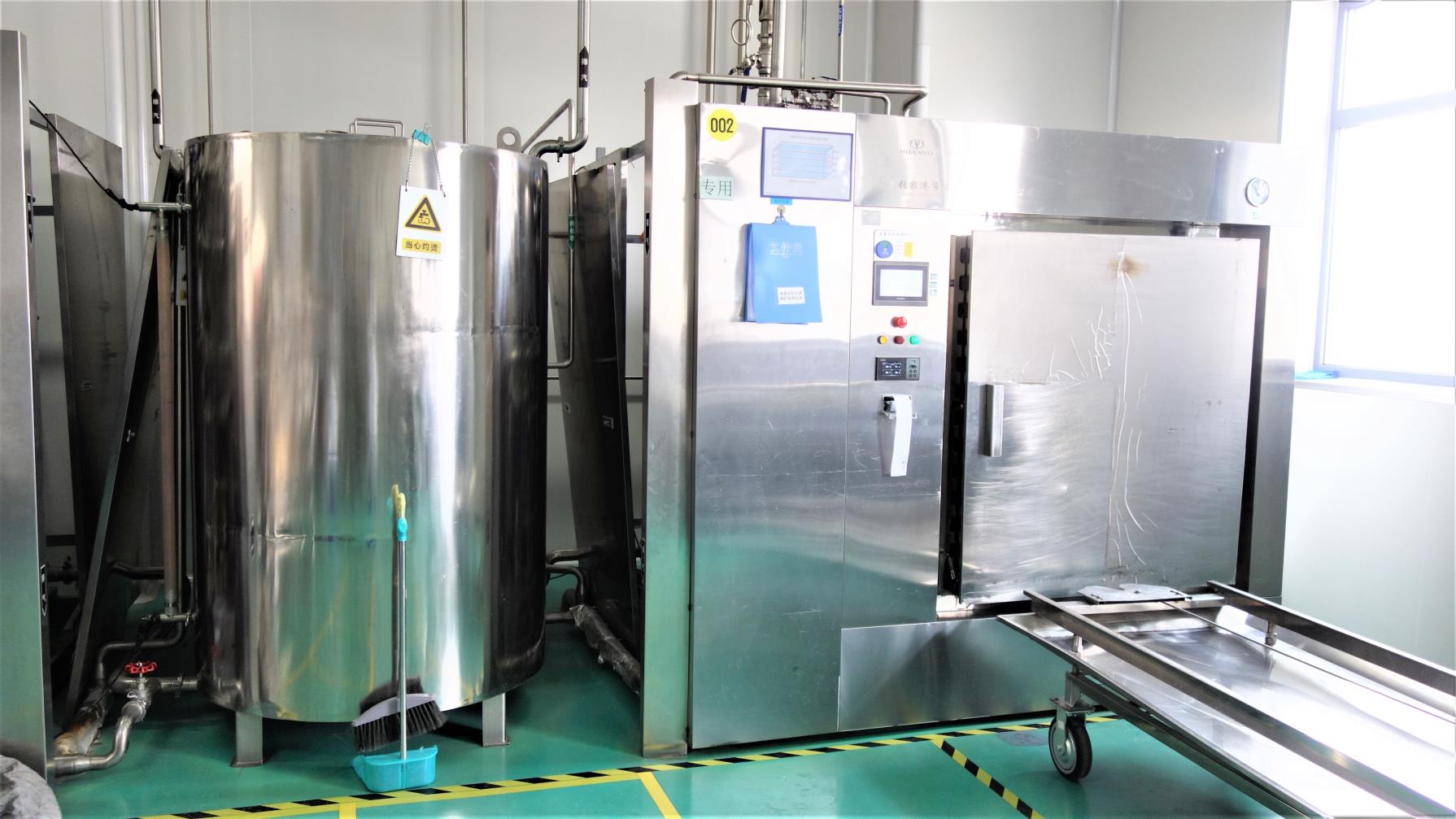
Our Sterilization Cabinets record temperature profiles continuously, storing time-temp sterilization graphs for every batch to assure global custom regulators of perfect sterility.
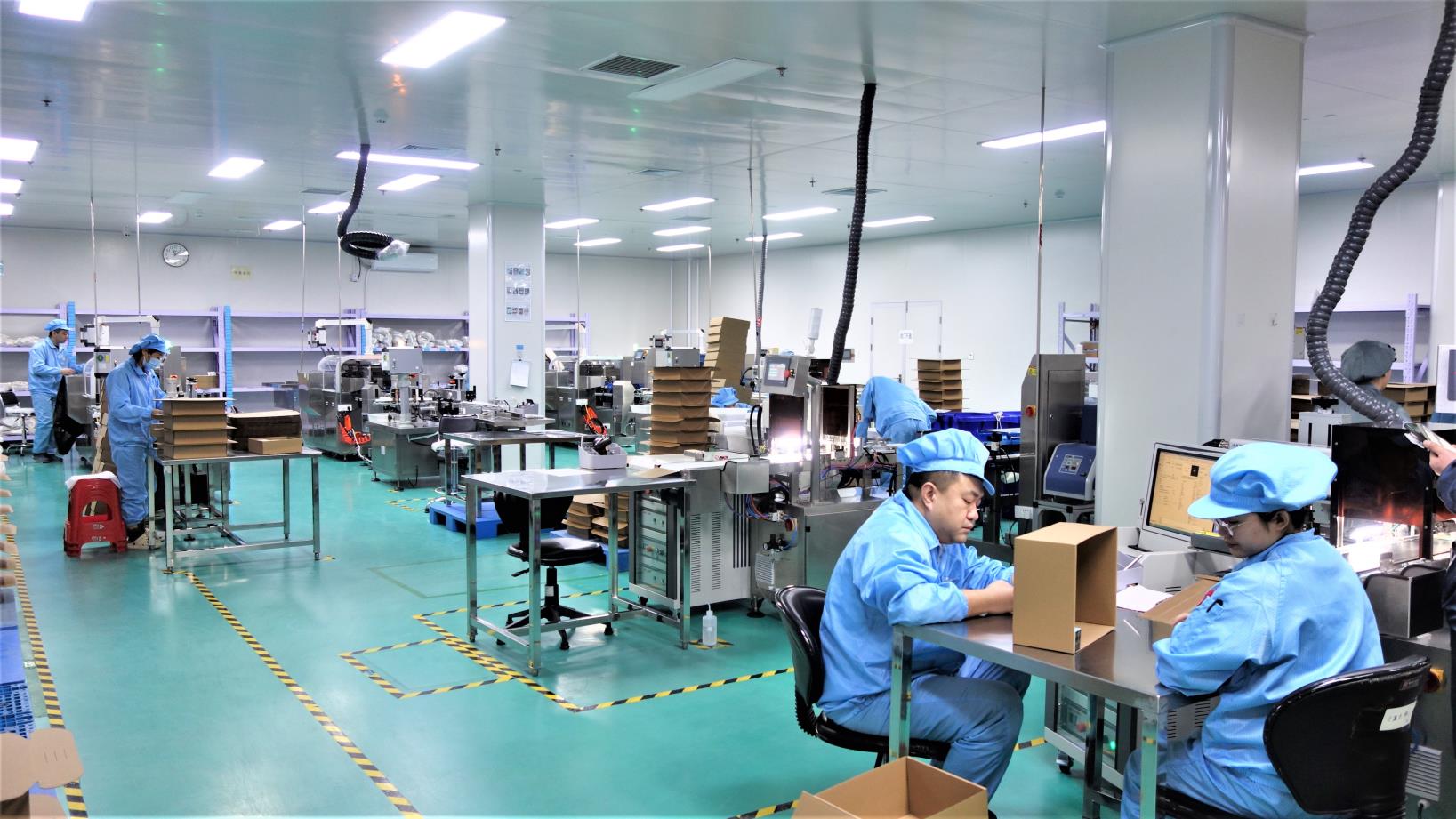
Our high-speed Packaging Machine system automatically cuts foil blisters, seals base cups under thermal controls, and prepares cartons in one continuous flow.
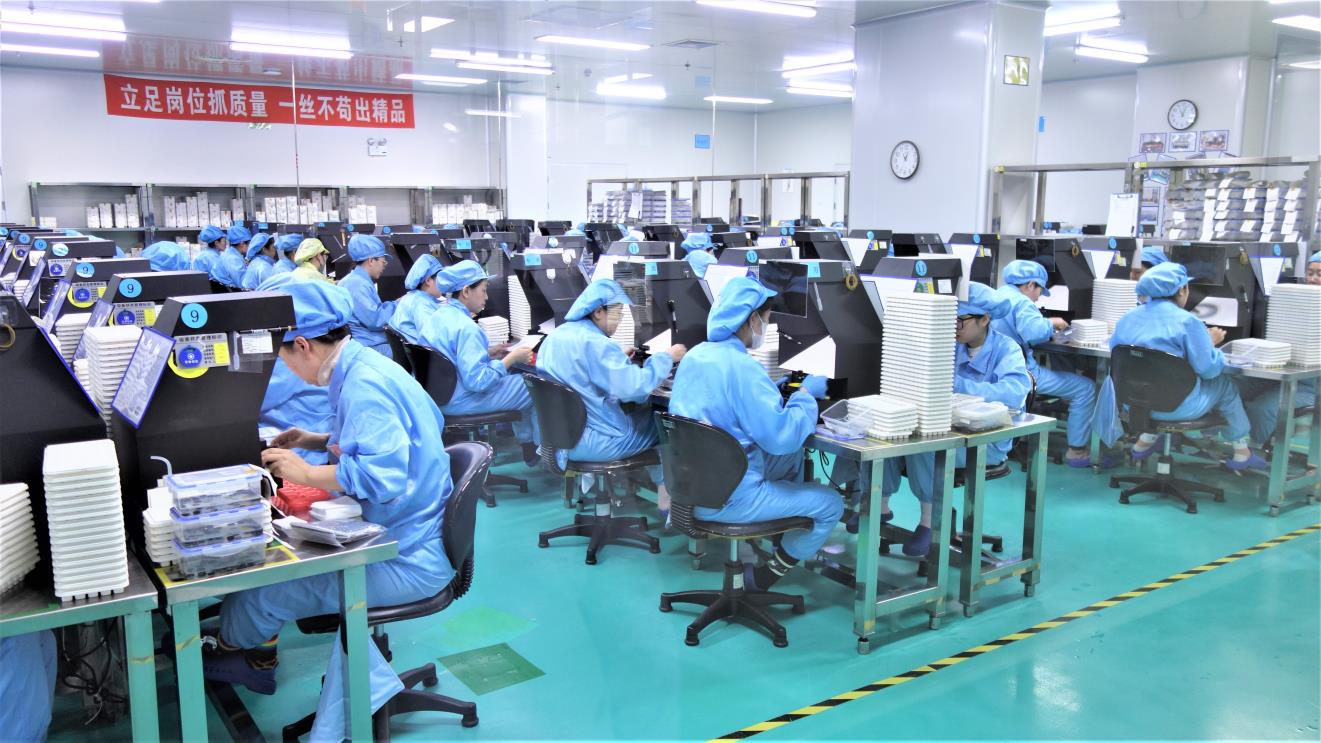
Through backlight magnification projection, our QA personnel inspect the fine print dot matrix of colored contact lenses, ensuring color consistency and design centering parameters.
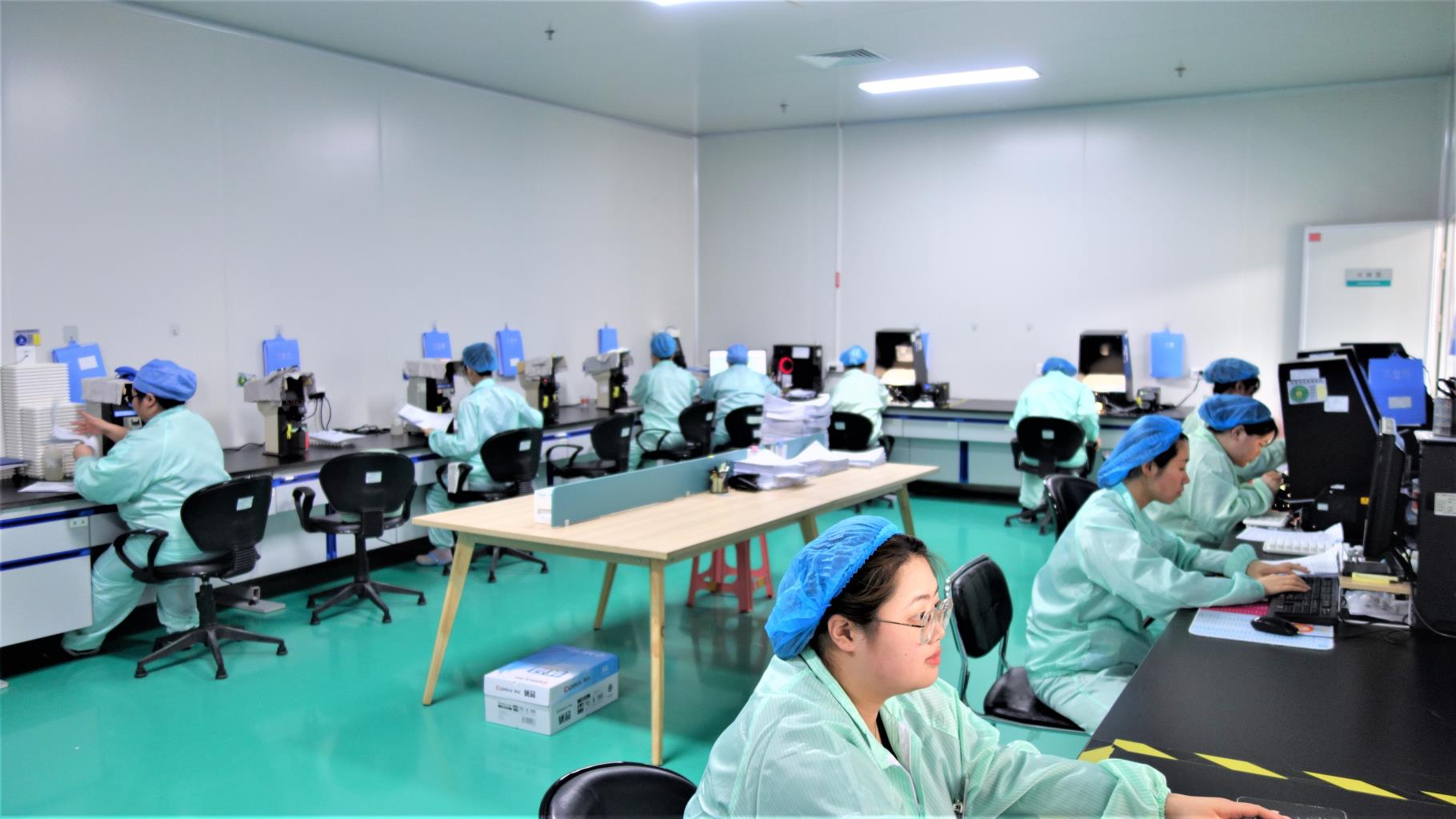
Additional spot checks examine blister seal strength, leakage thresholds, and packaging aesthetics to guarantee a zero-defect shipment reaches client warehouses.
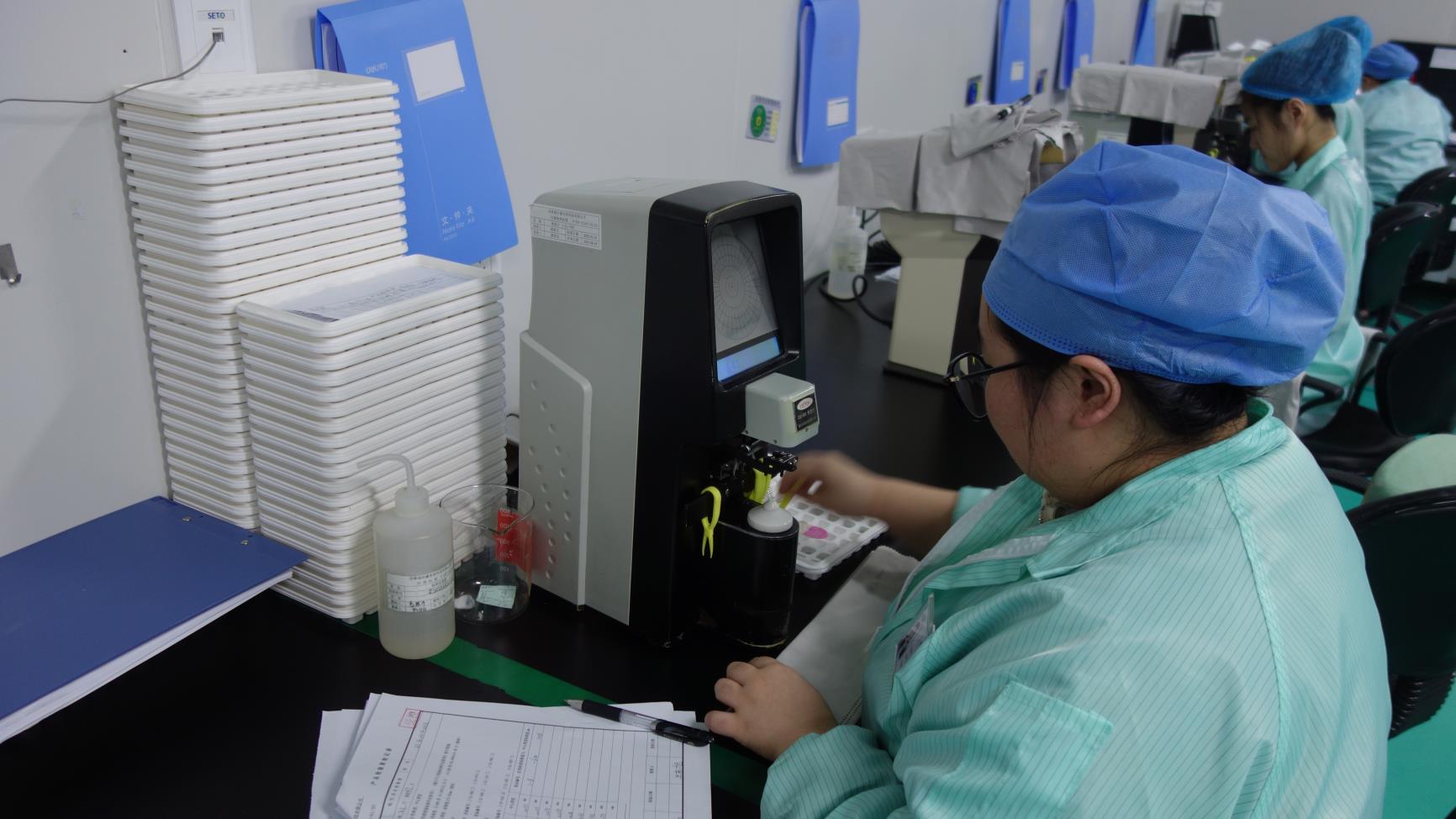
The Focimeter verifies the exact refractive power (diopter) of prescription lenses. Whether +6.00 or -6.00, our lenses must verify to 0.01D tolerance precision levels.
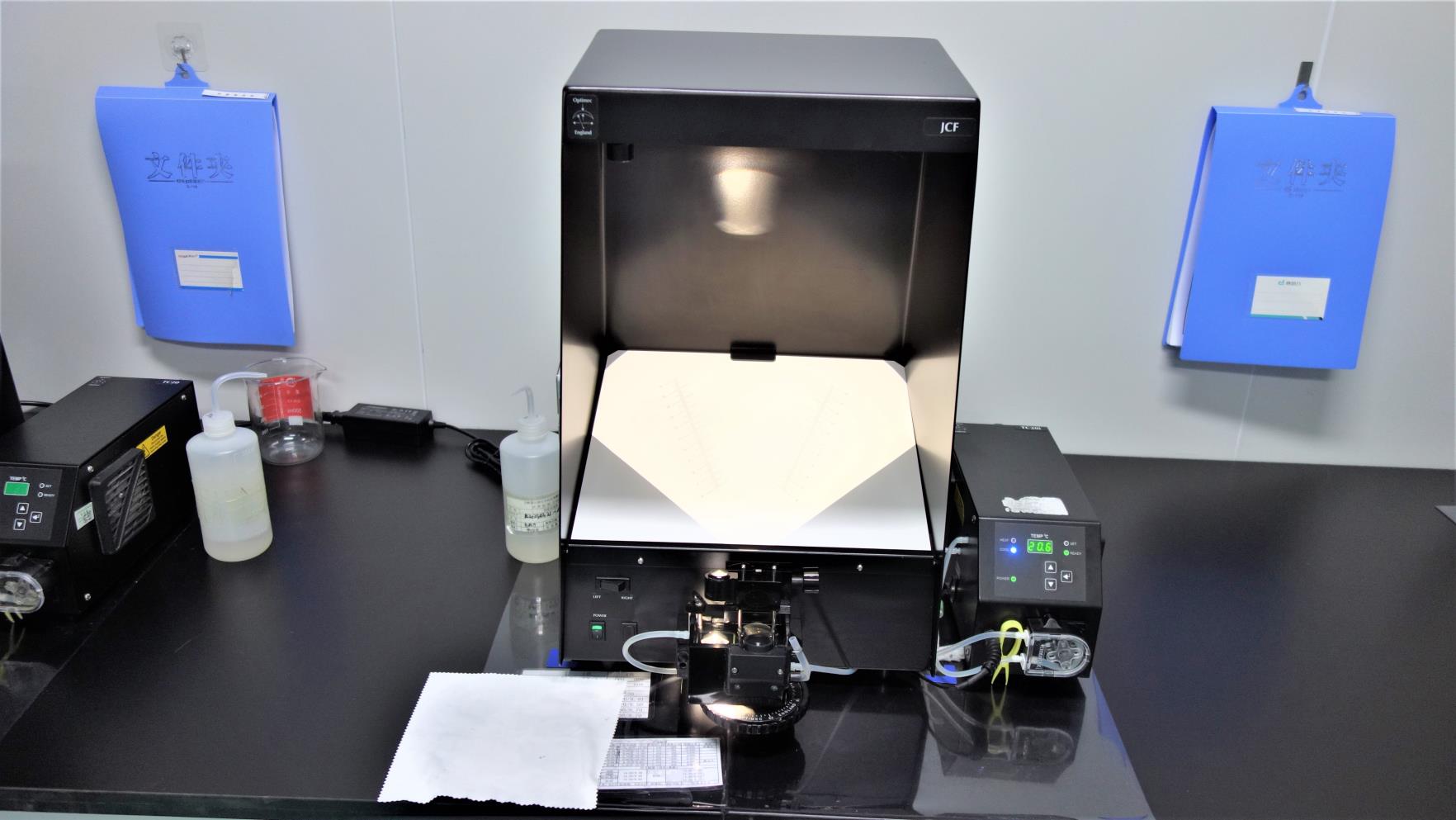
Our Optical Projector tracks the physical base curve radii and diameter dimensions, confirming the physical geometry matches standard comfort curves.
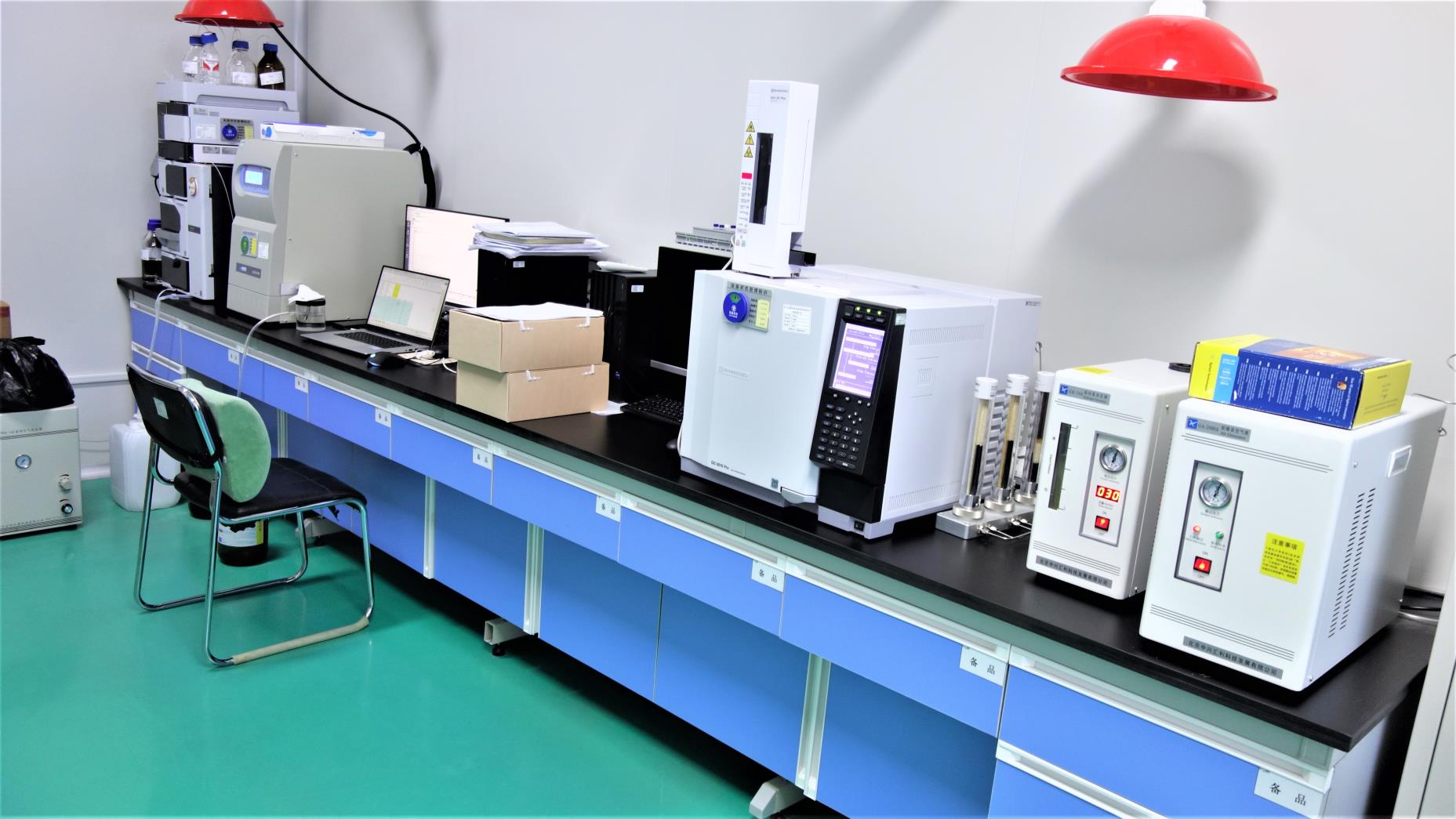
Advanced Spectral Equipment evaluates the UV transmission values. Lenses designed for eye protection must block UV spectrum limits according to global health directives.
The consolidation of the contact lens supply chain in China has resulted in structural advantages that Western manufacturers cannot easily replicate. For instance, Shenzhen’s proximity to advanced chemical providers, medical-grade blister foil manufacturers, and automated packaging plants translates to massive cost and lead-time reductions.
1. Manufacturing Scale and Cost Efficiency: Chinese plants operate at higher optimization levels, reducing tooling swap-out times for custom prints and designs. With advanced tooling machinery, changing visual designs takes hours rather than weeks, a crucial factor for cosmetic brand buyers.
2. Technology Integration and R&D: Backed by continuous technological innovation, Chinese engineers have optimized molding polymers like HEMA and Silicone Hydrogel. This optimization balances oxygen permeability (Dk/t values) and mechanical stiffness, yielding highly comfortable lenses that do not dry out during long wear cycles.
3. Dynamic Compliance Ecosystems: Factories are designed to align with major regulatory environments. This alignment includes ensuring compliance with the FDA, CE directives, ISO 13485 quality systems, and various local import licenses across diverse importing nations.
Consumer demand characteristics vary significantly across different global regions. As highlighted in Shenzhen Fresh Vision's market distribution profile:
To ensure a successful partnership, international procurement managers must systematically verify specific engineering and quality attributes: