Fresh Lenses
Fresh Lenses
Fresh Lenses

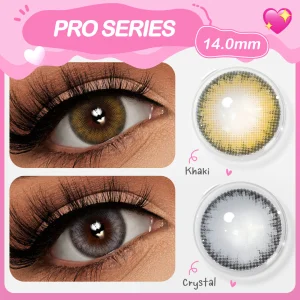
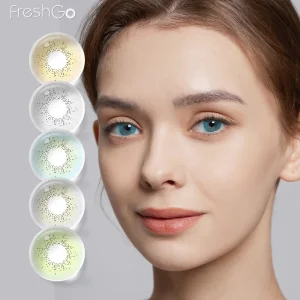

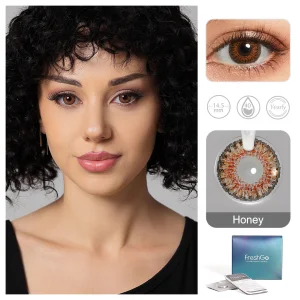
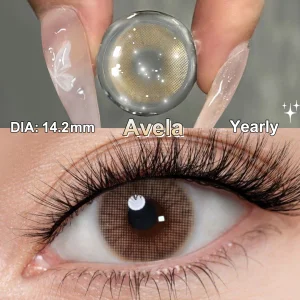
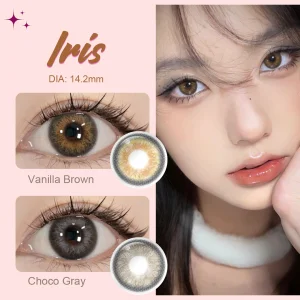
The global market for creative arts, theatrical cosmetics, and specialty craft supplies is undergoing a massive structural transformation. Driven by the democratization of content creation, global cosplay subcultures, and theatrical SFX (Special Effects) applications, what was once a highly fragmented, small-scale hobbyist sector has matured into a multi-billion dollar industrial network. Modern buyers no longer look for simple off-the-shelf catalog products; the industry demand has shifted decisively toward custom OEM/ODM integrations that require medical-grade safety compliances, material purity, and robust supply chains.
For enterprise procurement officers, specialized cosmetics, novelty ocular prosthetics, and intricate craft accessories form a highly sensitive product category. When dealing with products that come in contact with the human body—such as cosmetic lenses, prosthetic pigments, or facial adhesives—safety and quality control are paramount. The emergence of strict standards like the European Union's CE markings, US FDA evaluations, and local ISO quality systems has forced factories to transition to advanced laboratory environments. This cross-industry convergence of visual artistry, cosplay craft, and medical-grade manufacturing is where modern factories establish their competitive edges.
B2B sourcing strategies for specialty craft and cosplay items vary significantly across target markets. Enterprises demand strict adherence to technical specification criteria, manufacturing timelines, and raw material compliance protocols. The primary goal is reducing regulatory liability while optimizing visual appeal.
Global sourcing agents prioritize suppliers that can deliver customization at scale. The custom design cycle requires a seamless pipeline: from initial digital modeling (graphic processing) to sample development and, ultimately, automated mass run. Factories like Shenzhen Fresh Vision Co., Ltd. address this demand by employing specialized R&D divisions (including graduate-level engineers) who handle custom-on-demand designs, ensuring that cosmetic properties align with strict biological safety profiles.
| Region/Target Market | Primary Sourcing Priorities | Key Compliance Standards Required |
|---|---|---|
| North America (25%) | High volume consistency, bio-compatibility, custom packaging & design branding, fast prototyping cycles. | FDA Compliance, GMP, ISO 13485 |
| Southeast Asia (20%) | Competitive price-to-quality ratios, immediate logistics flexibility, diverse localized design variations. | Local Regulatory Certificates, Halal certification interest |
| Middle East (10%) | Premium premium luxury cosmetic line designs, packaging customized with high graphic resolutions. | Import Cleansings, Local Quality Marks |
The narrative of Chinese manufacturing has undergone a radical shift. It is no longer about cheap, labor-intensive production lines. Today, the competitive advantage lies in Industry 4.0 capabilities: integrated automation, real-time quality control feedback loops, and unparalleled supply chain resilience.
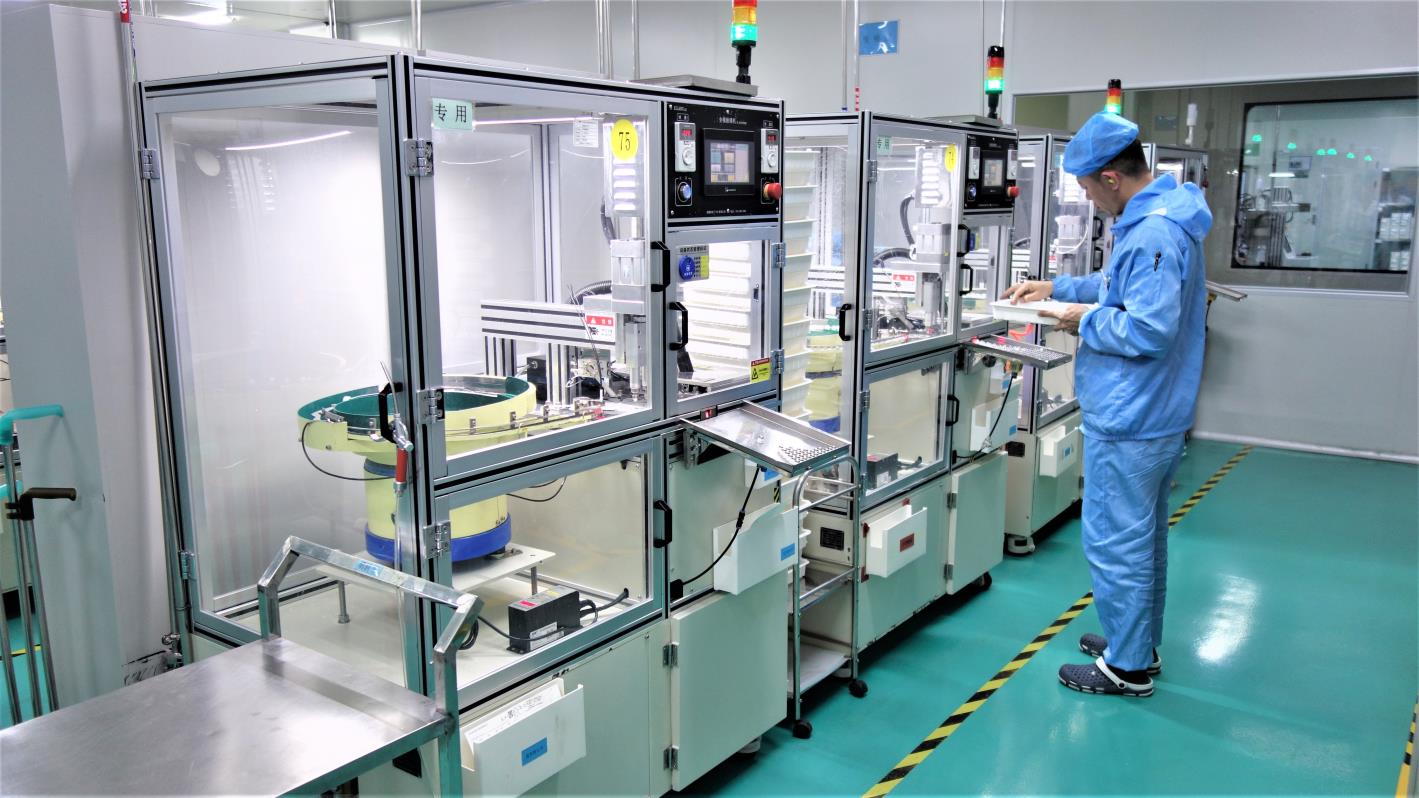
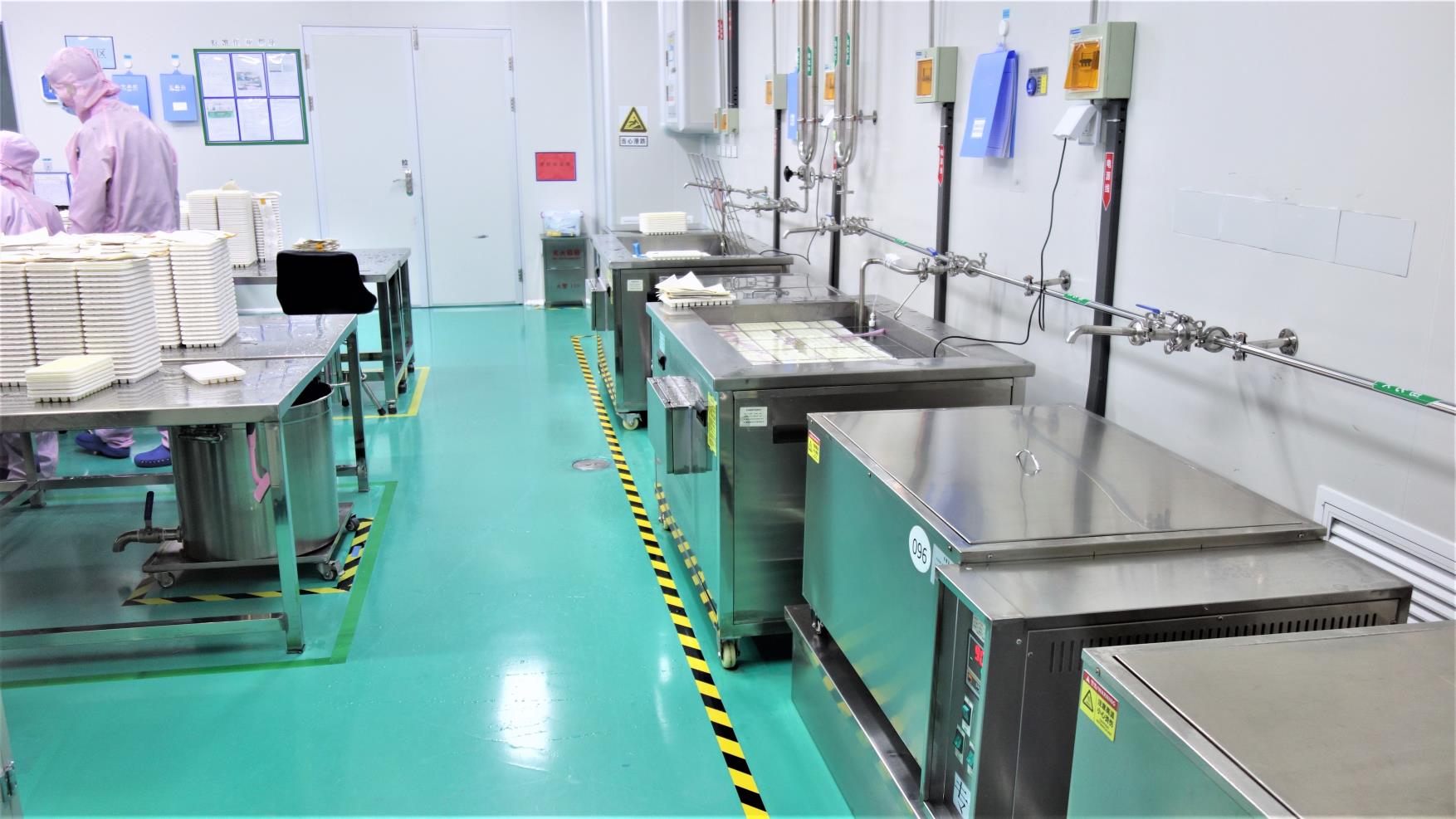
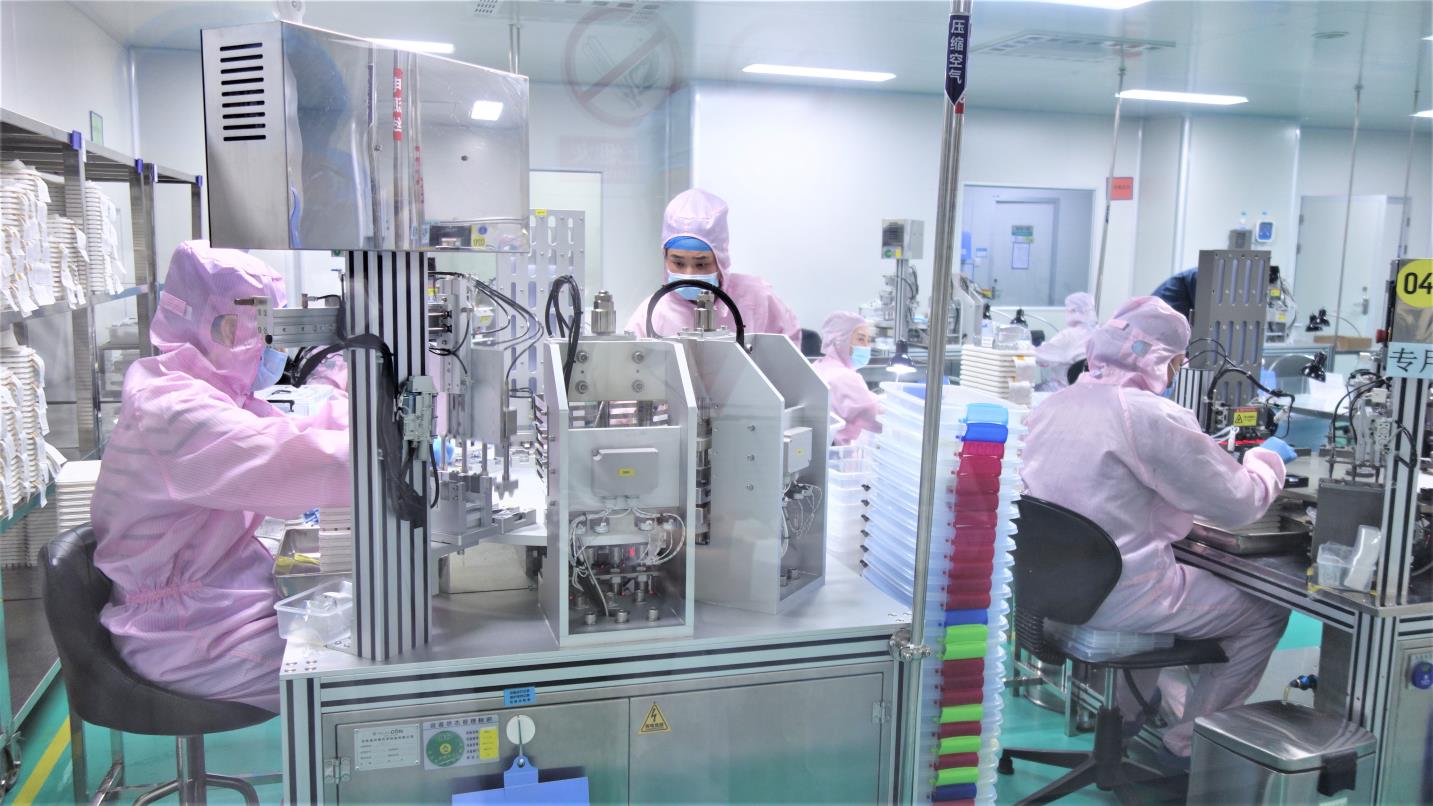
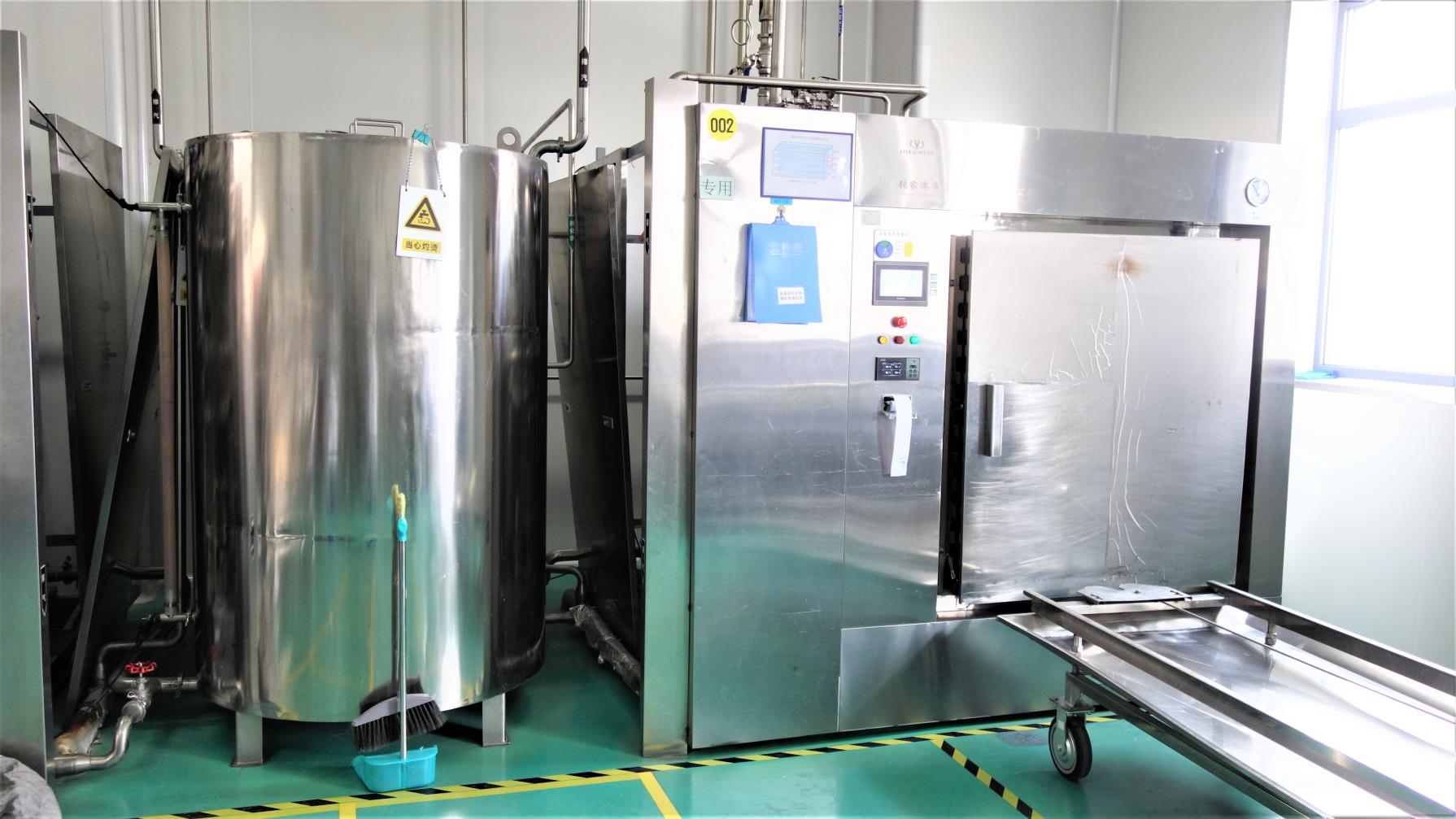
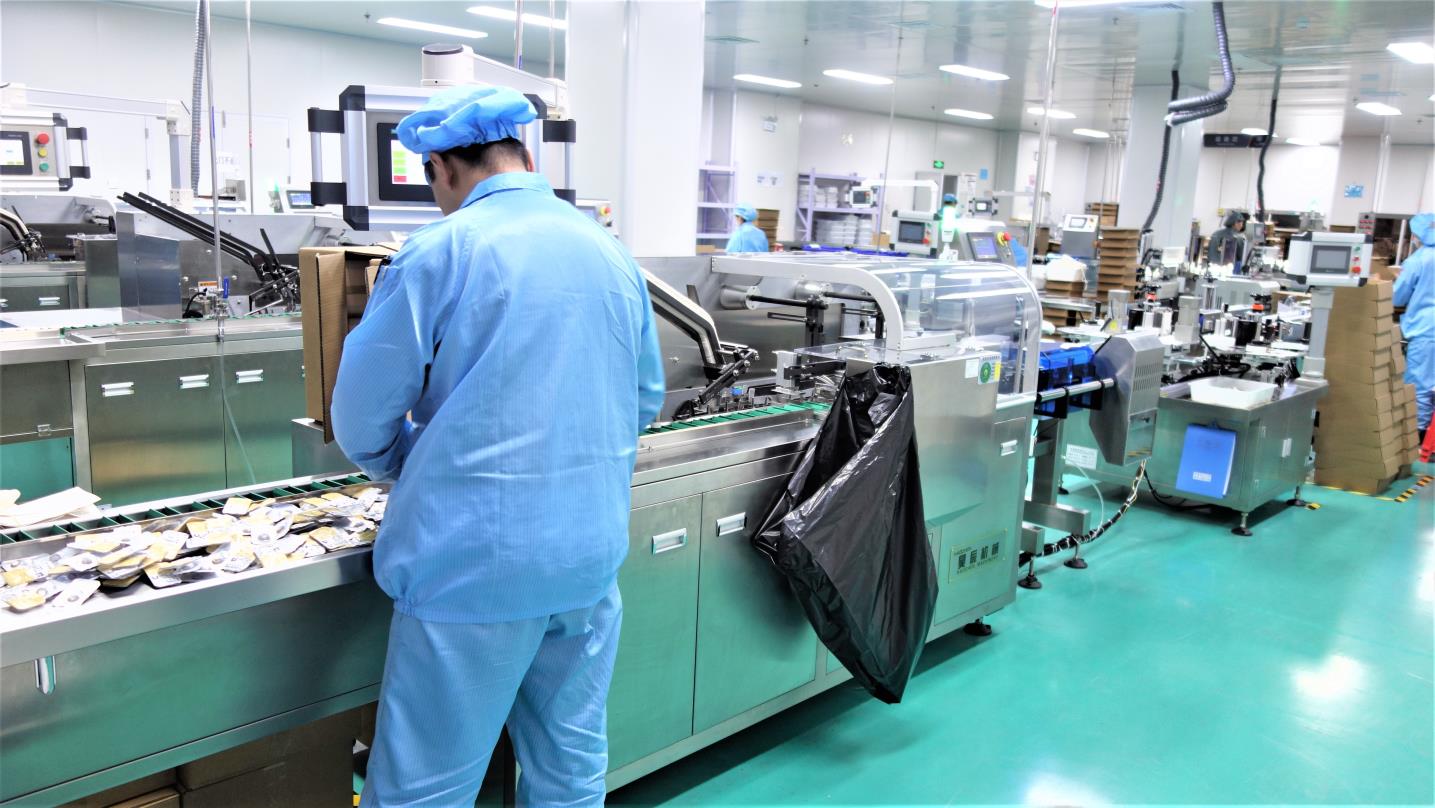
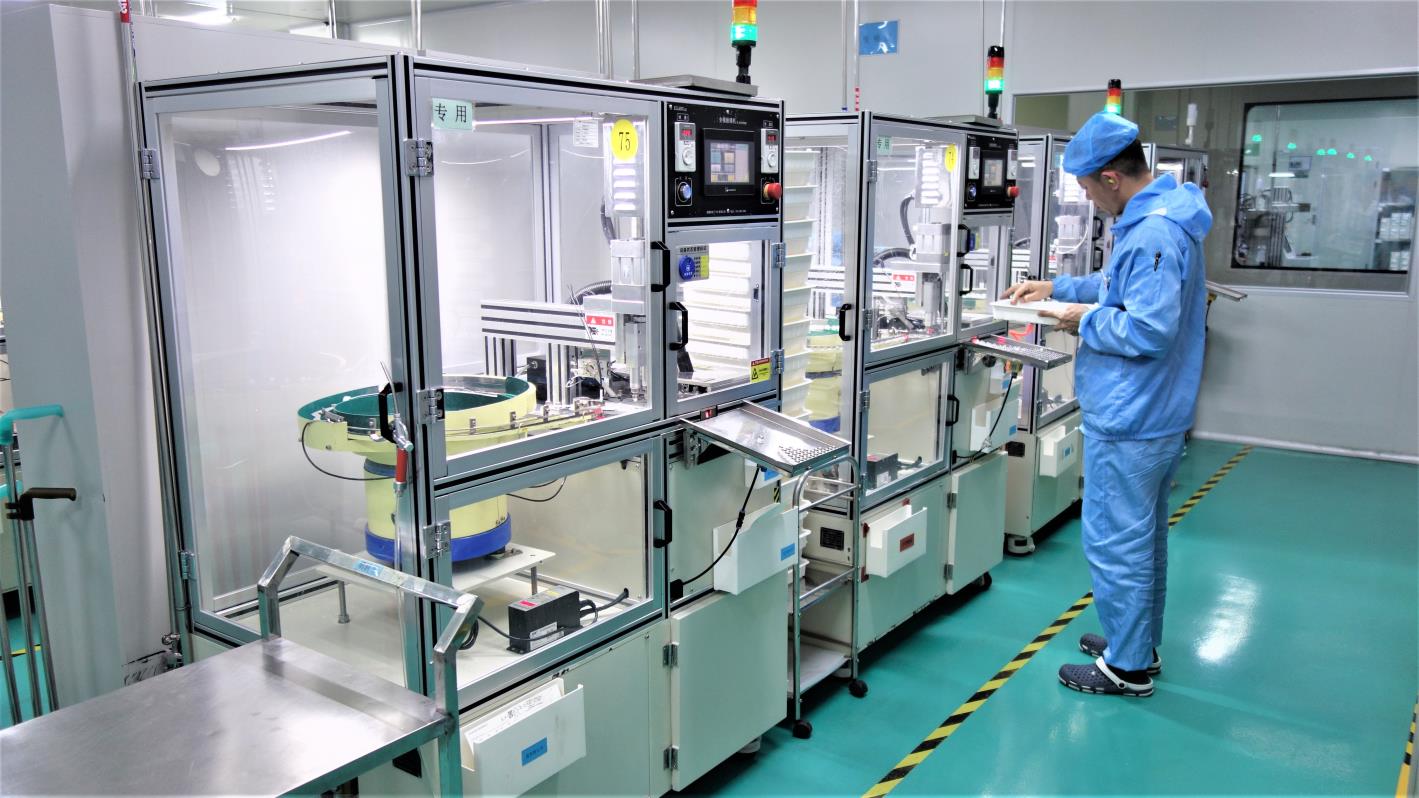
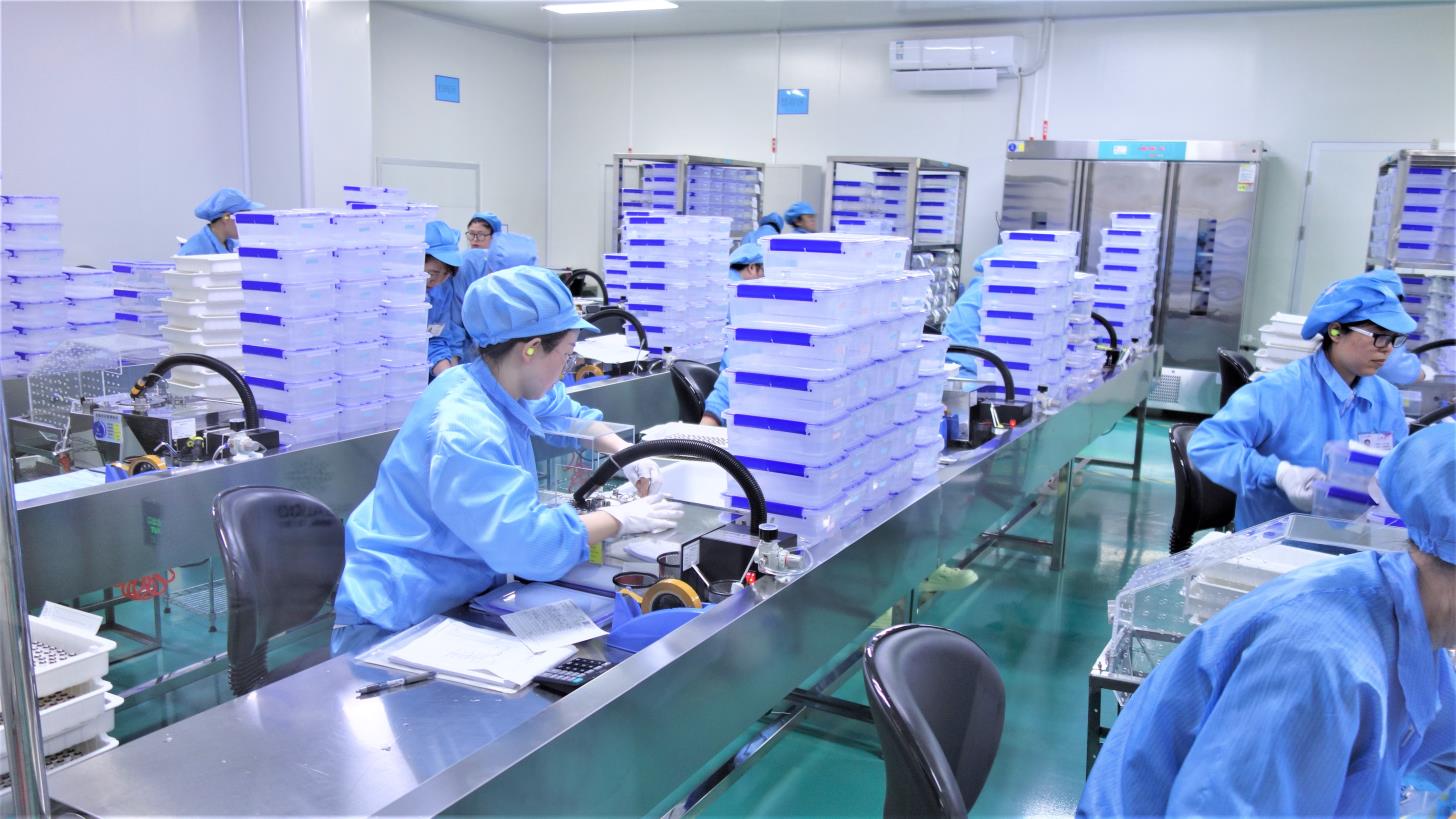
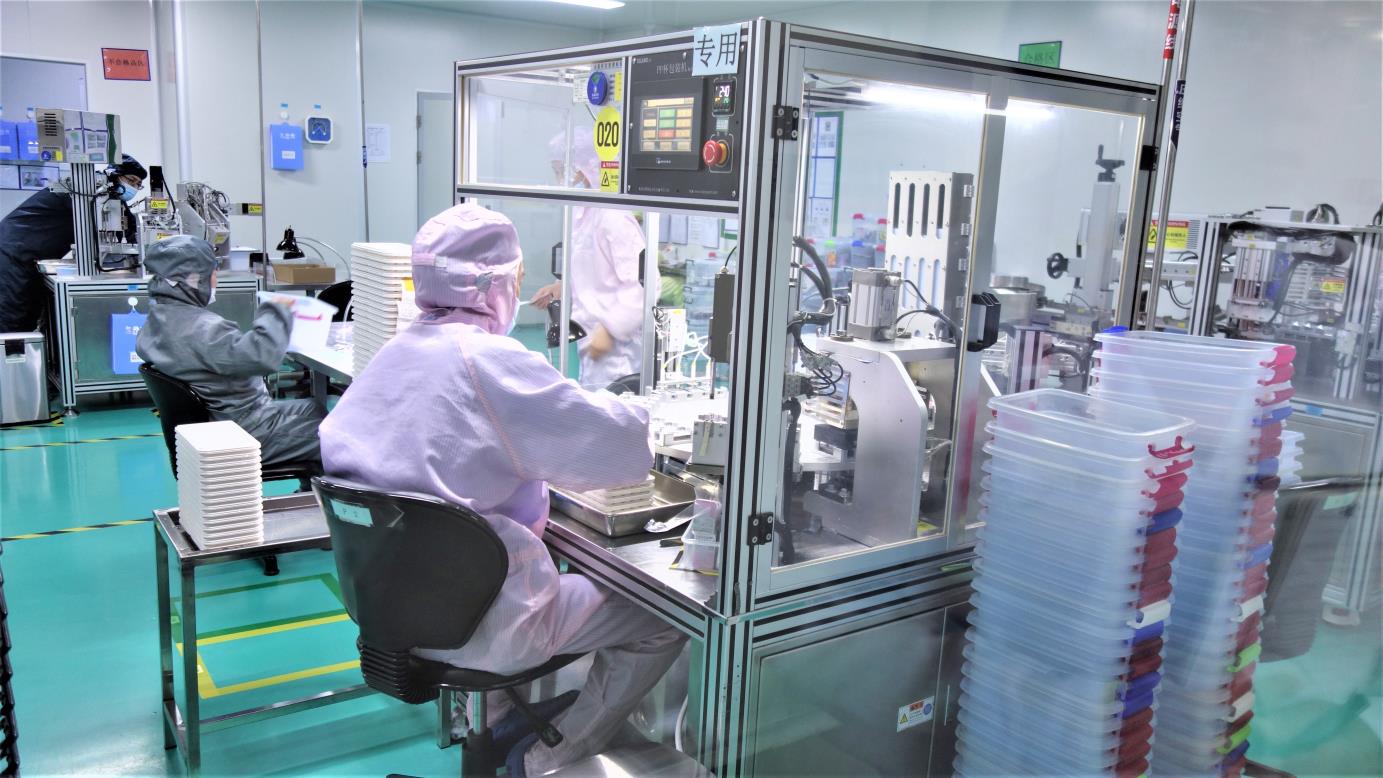
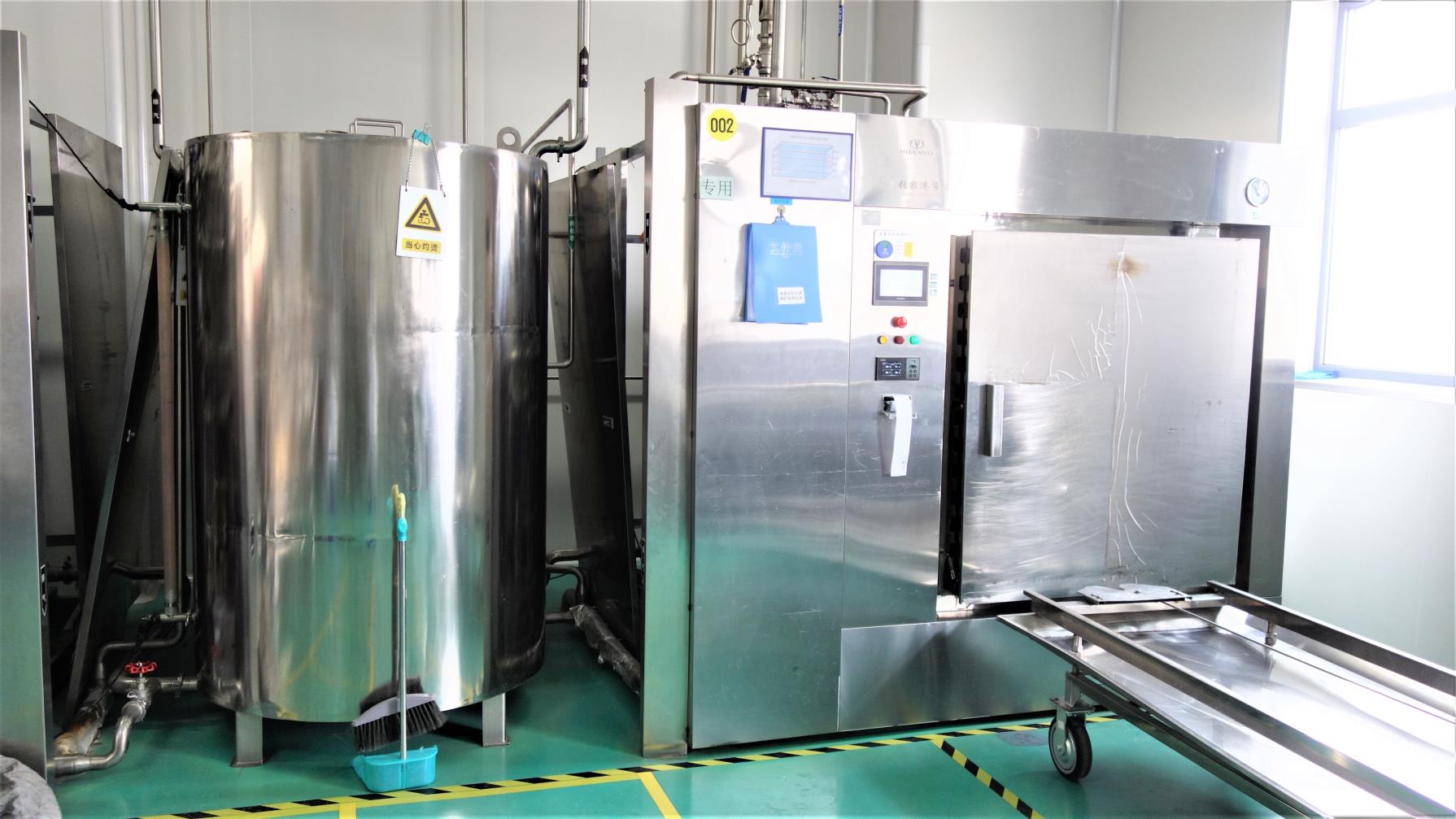
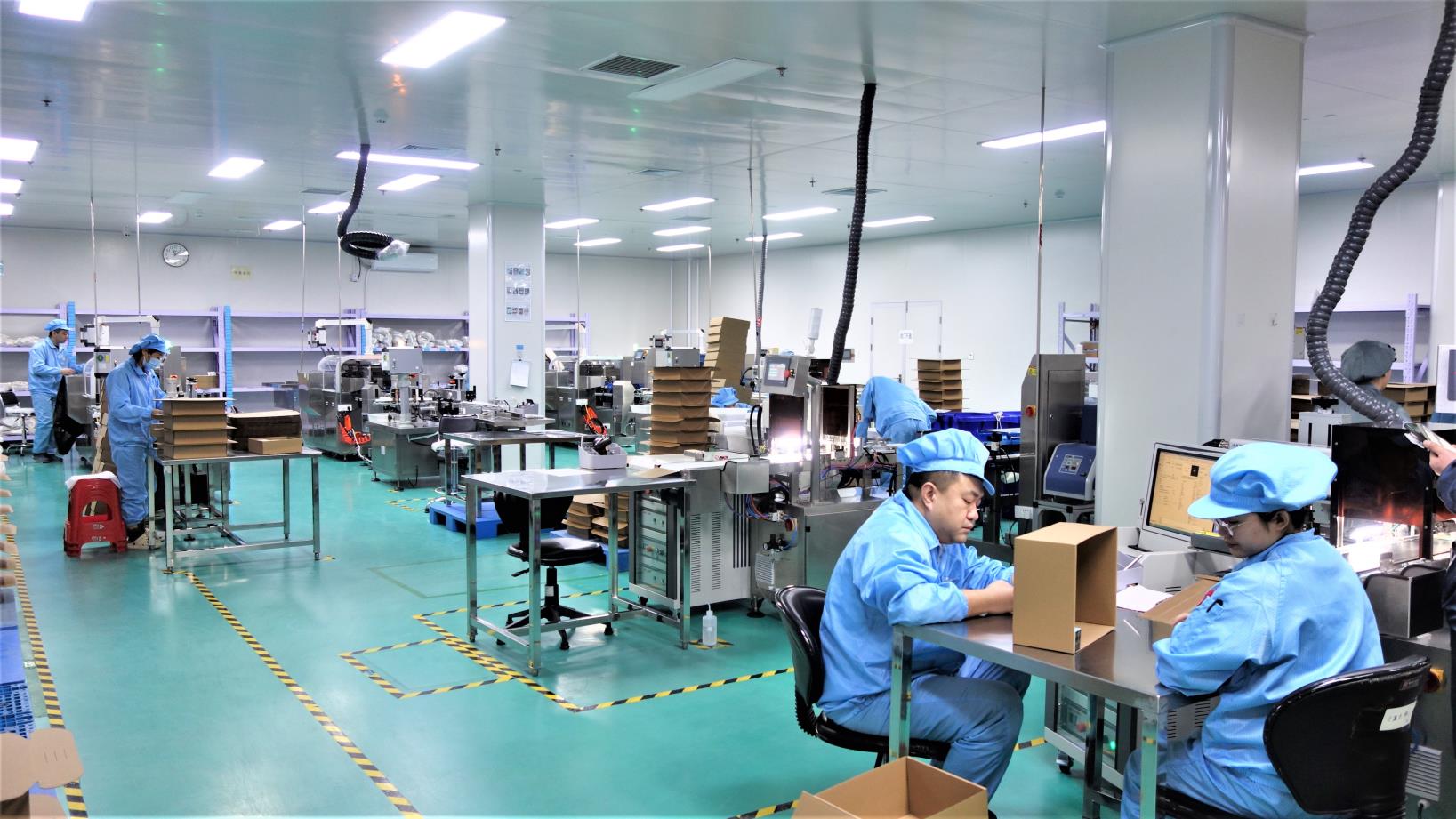
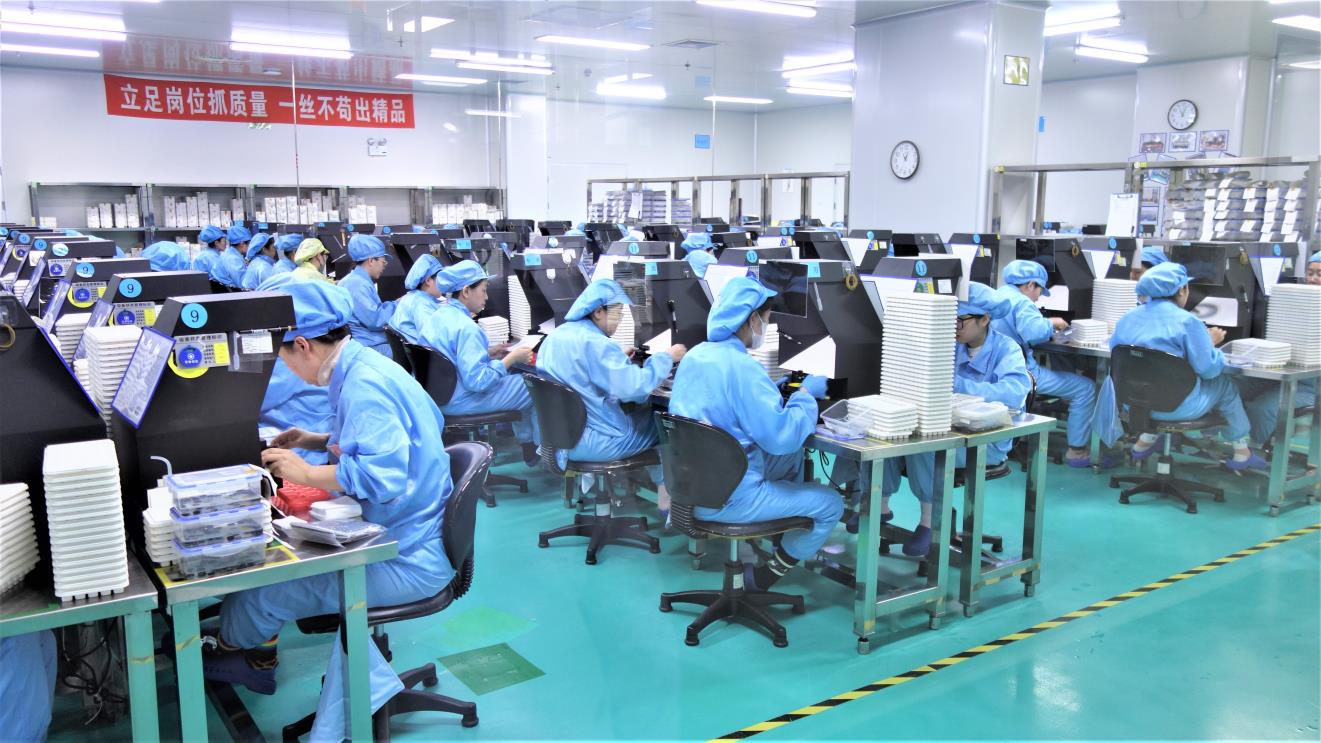
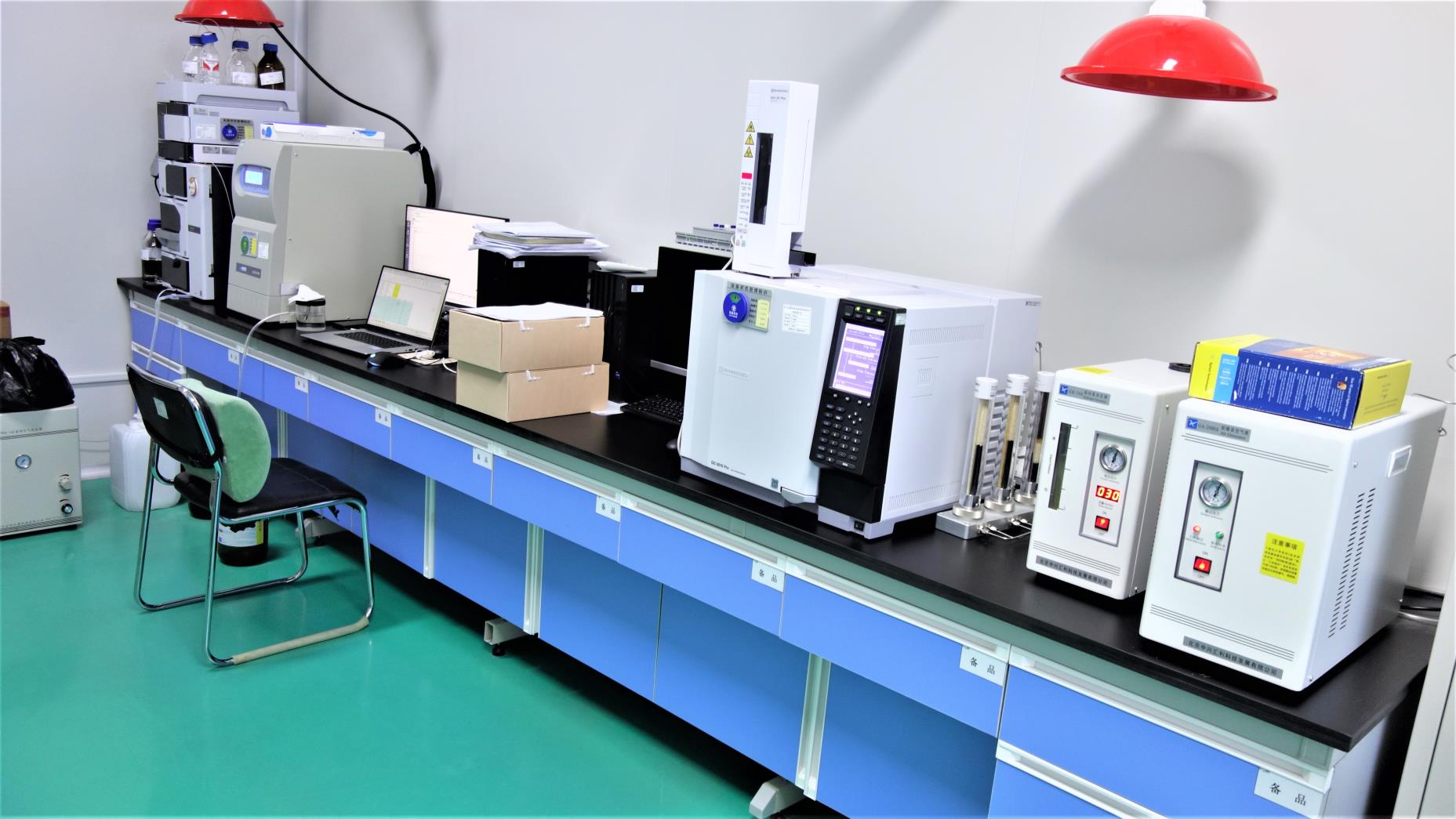
At our partner manufacturing facility in Shenzhen, we utilize state-of-the-art specialized demoulding machinery, automatic film suction devices, dynamic liquid filling machinery, and precision sterilization cabinets. By replacing manual interventions with automated control systems, the error margins drop to negligible fractions. For instance, color application in contact lenses requires micro-layer technology where pigments are safely sealed between hydrogel polymers. This cannot be done reliably with outdated hand-casting processes; it requires the precise machinery displayed below in our factory workflow sequence.
Utilizes computer-controlled pressure and temperature metrics to ensure identical dimensional stability for every batch, reducing structural deformities to under 0.05%.
By blending advanced HEMA and NVP polymers, our materials maintain ideal oxygen transmissibility and constant hydration profiles suitable for prolonged wear.
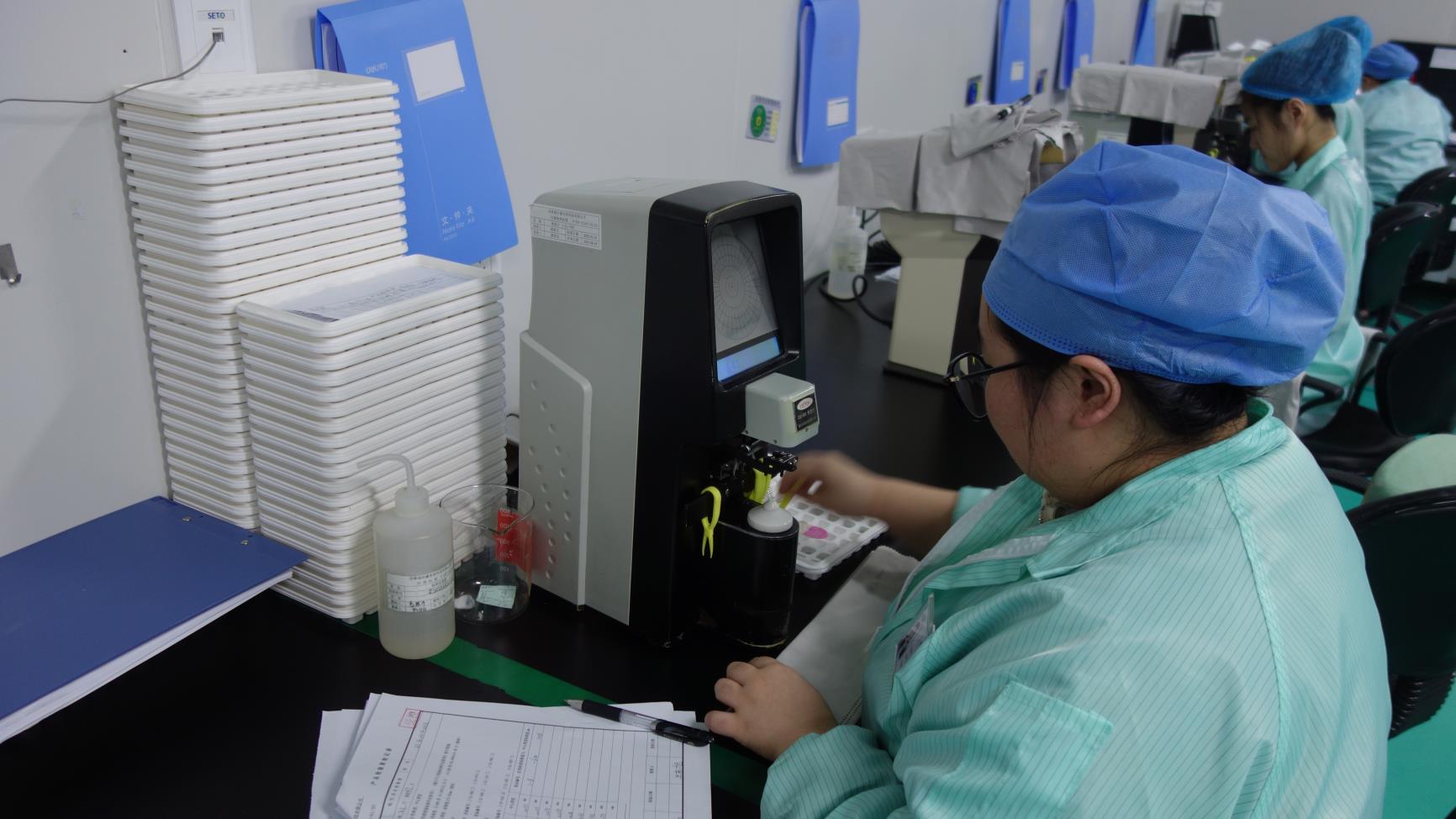
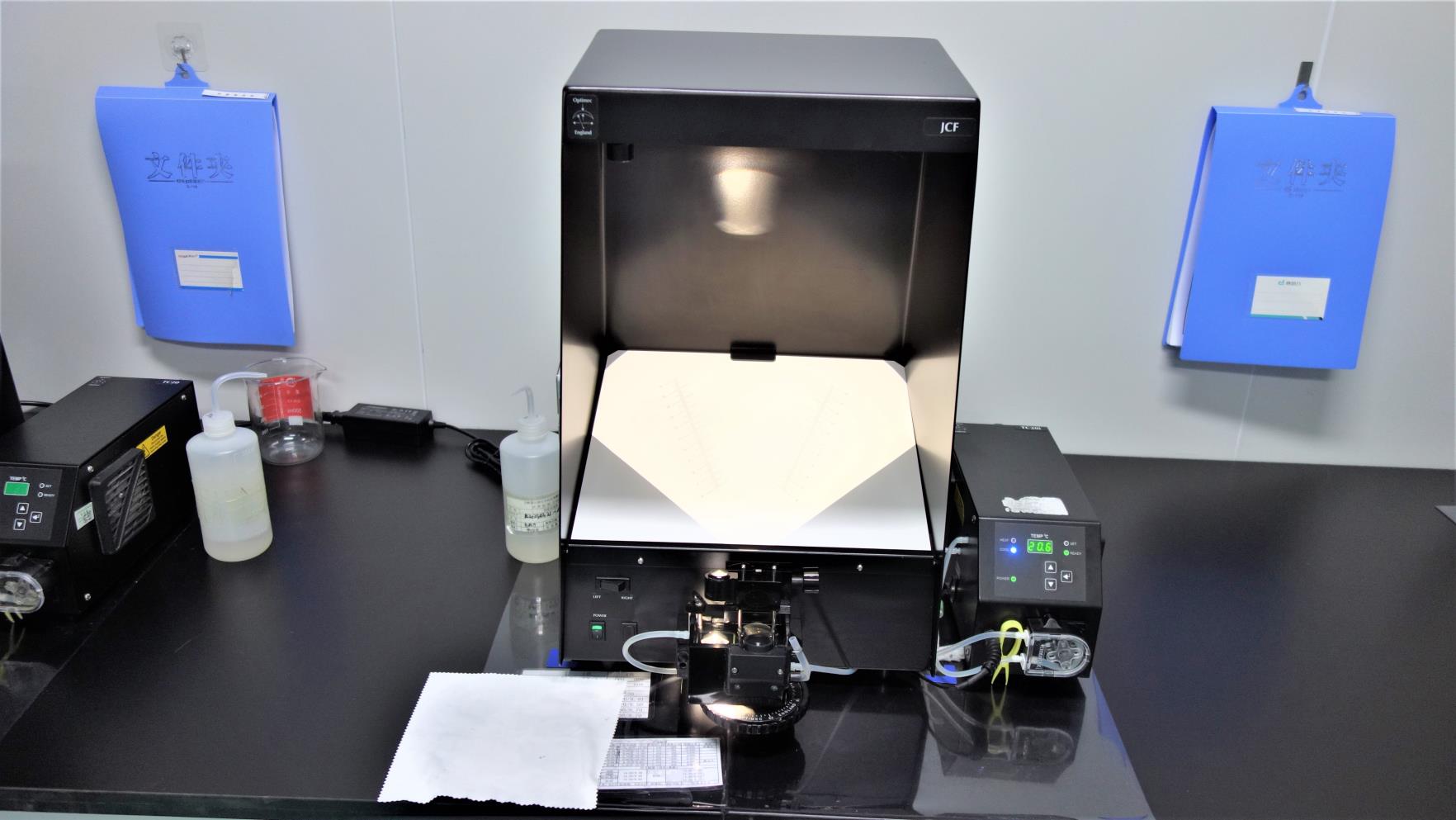
Optical spectrum equipment verifies that every design offers accurate color representation and zero light refraction deviations that could affect visual health.
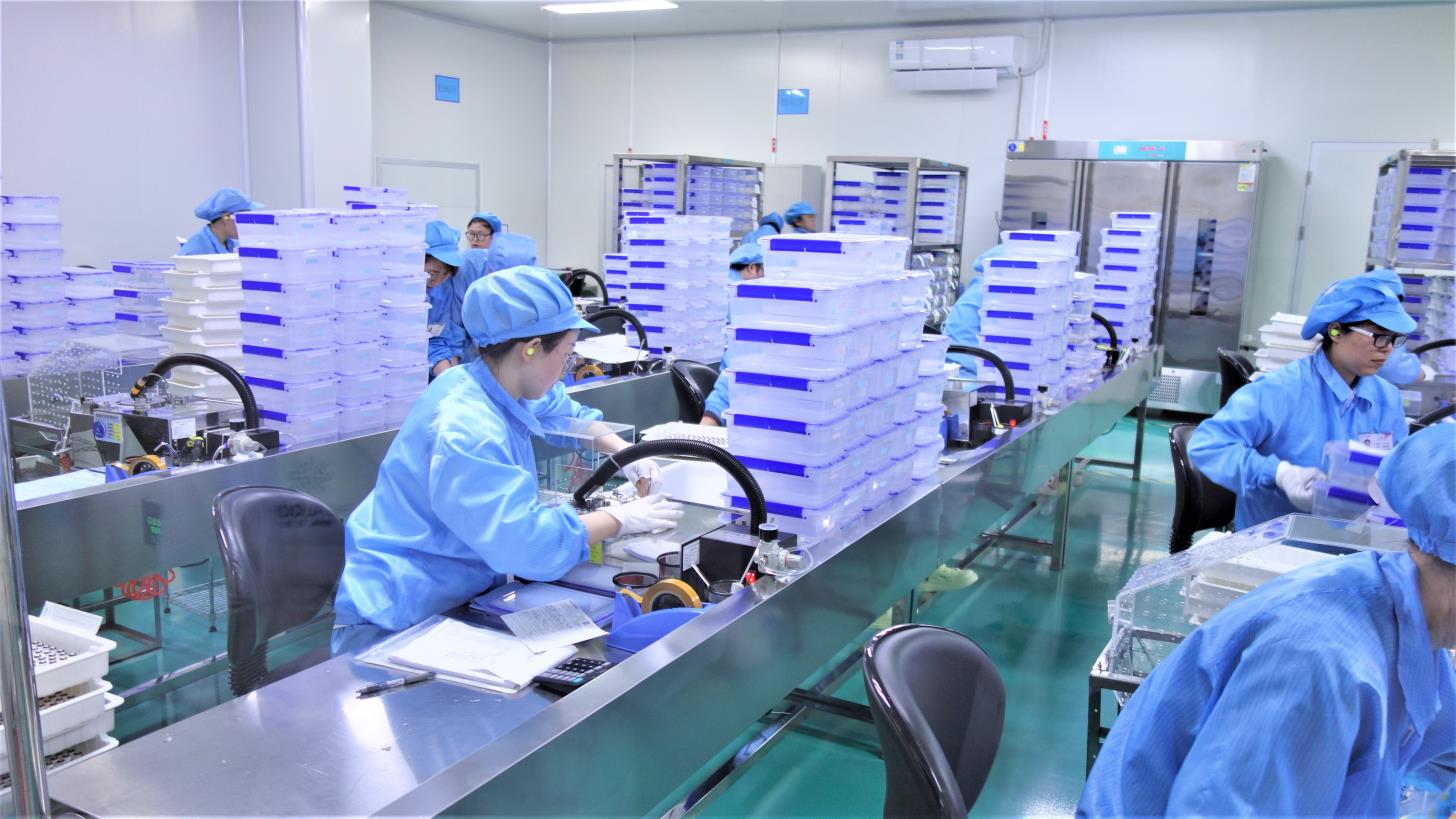
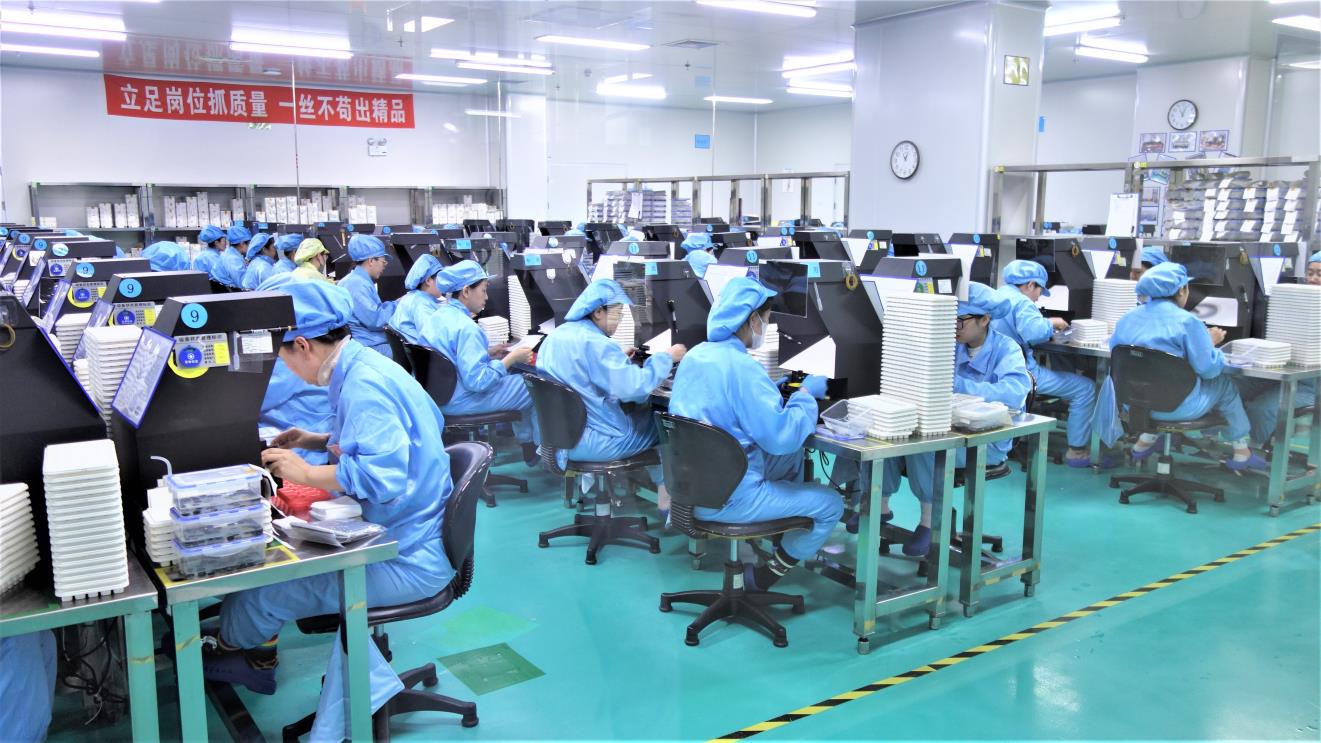
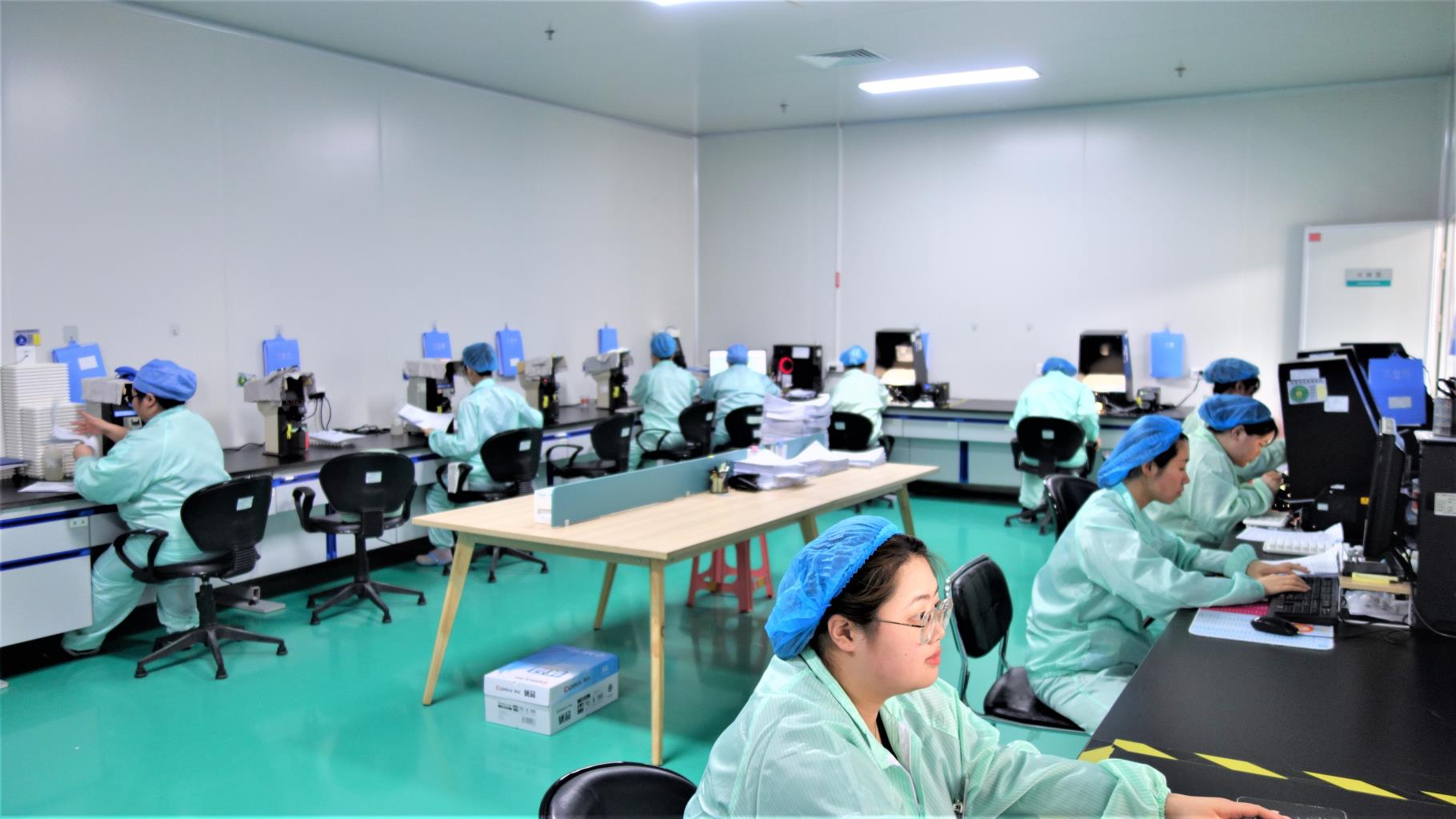
Every product undergoes a rigorous multi-stage production protocol. Below is the technical visualization of the engineering workflow implemented at our facility:
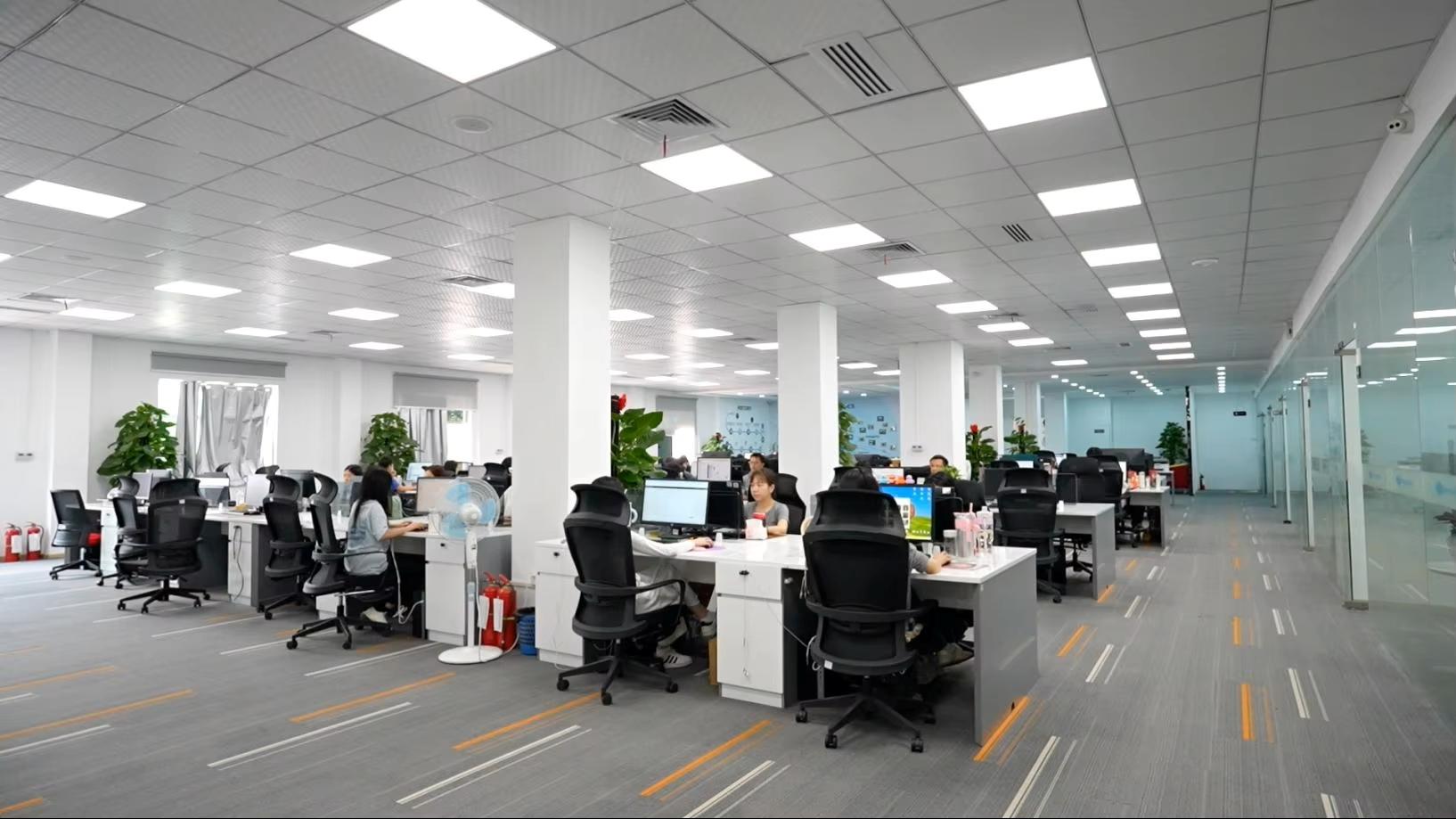
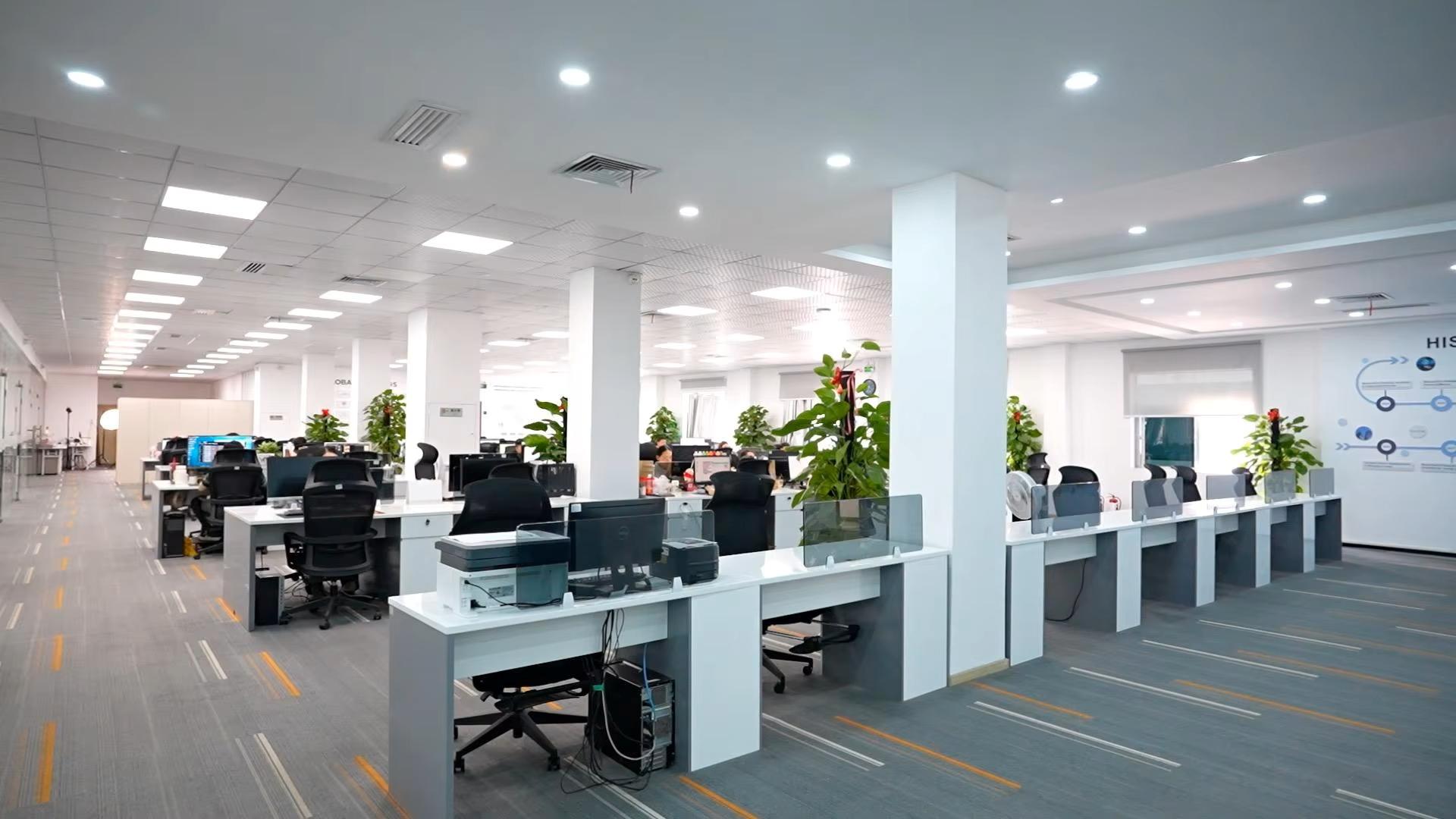
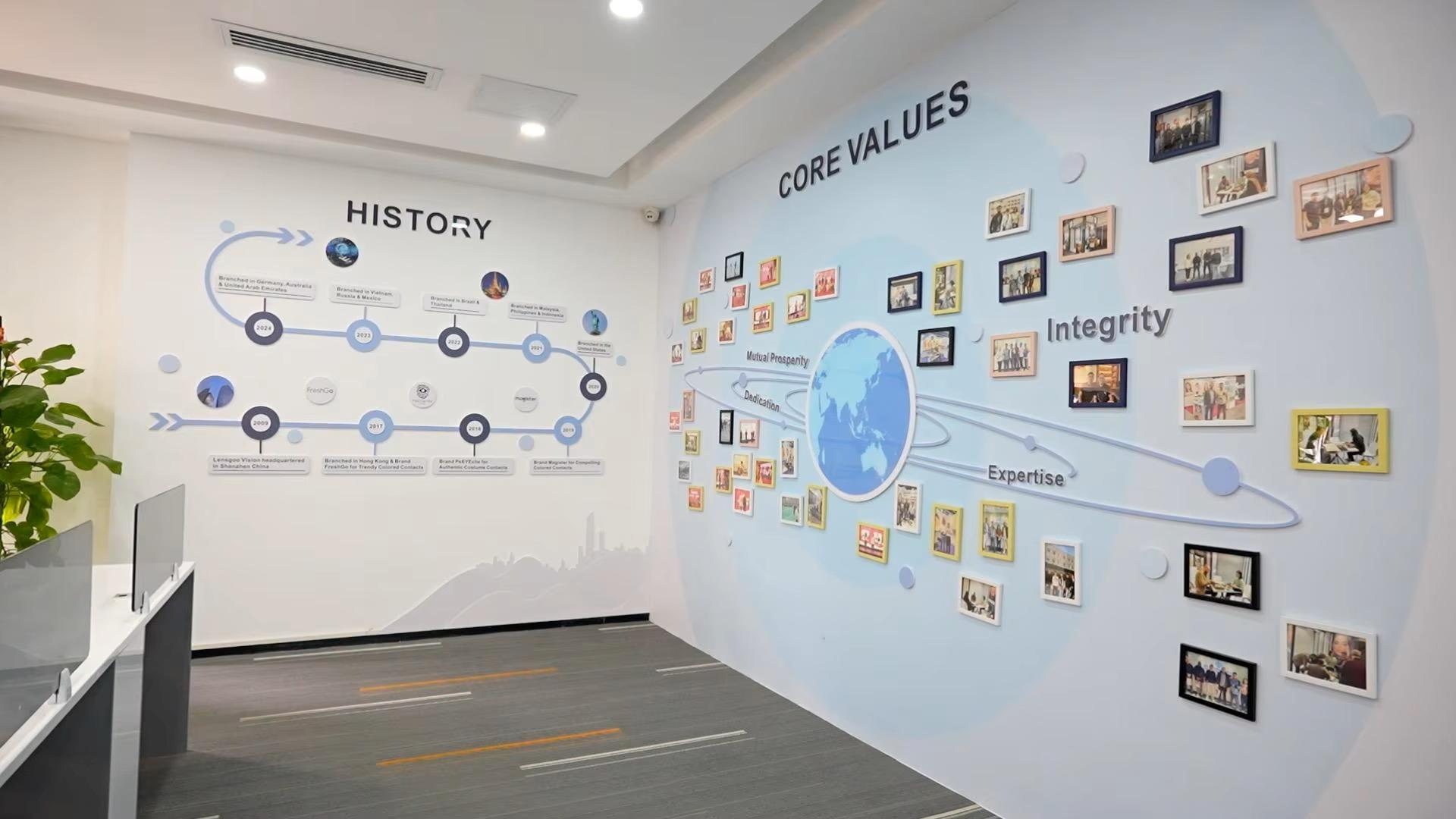
The demands of different market domains require distinct product attributes. When we analyze custom craft supplies and specialty cosmetics, three primary application vectors emerge as major profit centers for buyers and distributors:
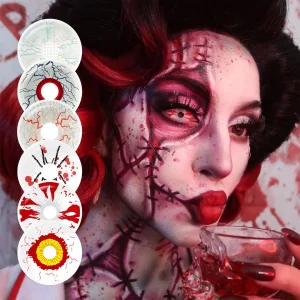
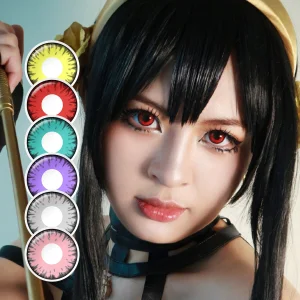
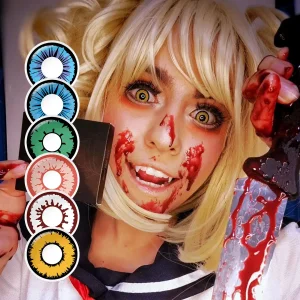
Events like San Diego Comic-Con, Tokyo Game Show, and global cosplay festivals create seasonal spikes for highly specific items. Standard accessories are no longer sufficient. Fans want character-accurate contact lenses, including glowing designs, intricate pattern rings, and complete sclera lenses (such as the 22mm Bloody Crack and Zombie series). Sourcing from a factory that has existing production runs for cosplay designs allows distributors to scale their catalogs rapidly before peak seasons.
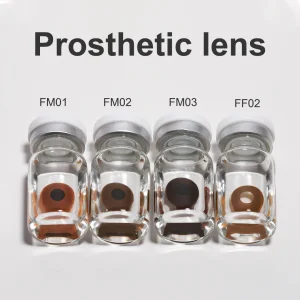
For movies, theatrical productions, and TV sets, makeup artists require absolute reliability. If a prosthetic causes eye irritation or fails in durability under bright stage lights, the production suffers expensive downtime. The demands here shift to premium water-retention contacts, soft hydrogels, and colors calibrated for high-definition digital cameras (validated by spectral equipment).
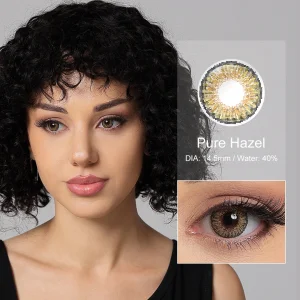
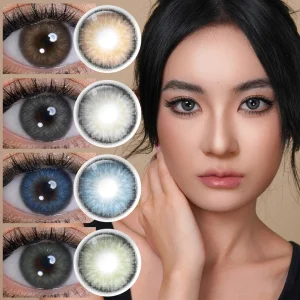
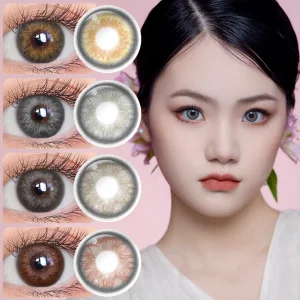
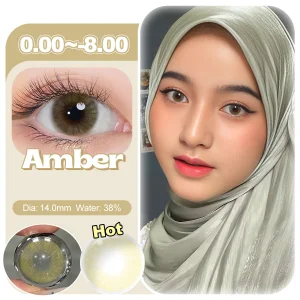
Beauty and fashion brands utilize novelty color lenses as catalog additions. They require custom box packaging, graphic processing, and custom brand printing (e.g., Magister and Freshgo branding options). Having an OEM partner with low entry barriers, rapid sample turns, and raw materials traceability allows beauty brands to test new color lineups without heavy capital expenditures.
Established in 2016, Shenzhen Fresh Vision Co., Ltd. has developed into a leading high-precision visual OEM manufacturer. Our facility, covering an administrative and manufacturing footprint of 1100 square meters, serves as the production hub for world-famous cosmetic lens brands.
Over 10 years of export experience in the global manufacturing industry has refined our team's operational processes. Our personnel operate comfortably in Spanish, English, and Chinese, providing smooth communication channels for global supply chains. With a dedicated team of 5 R&D engineers (3 holding graduate degrees and 2 from specialized engineering colleges), we offer flexible sample processing, graphic design translation, and custom-on-demand mold configurations.
Our Quality Control framework covers all operational stages. We conduct 100% inspections of all active batches, random audits, and specialized alignments based on our clients' requirements. Traceability of raw materials is guaranteed, ensuring each batch complies with regional chemical, thermal, and biological health requirements.