Fresh Lenses
Fresh Lenses
Fresh Lenses
Discover our highly specialized, export-grade optical and food-contact polymer products manufactured under rigorous international regulations.
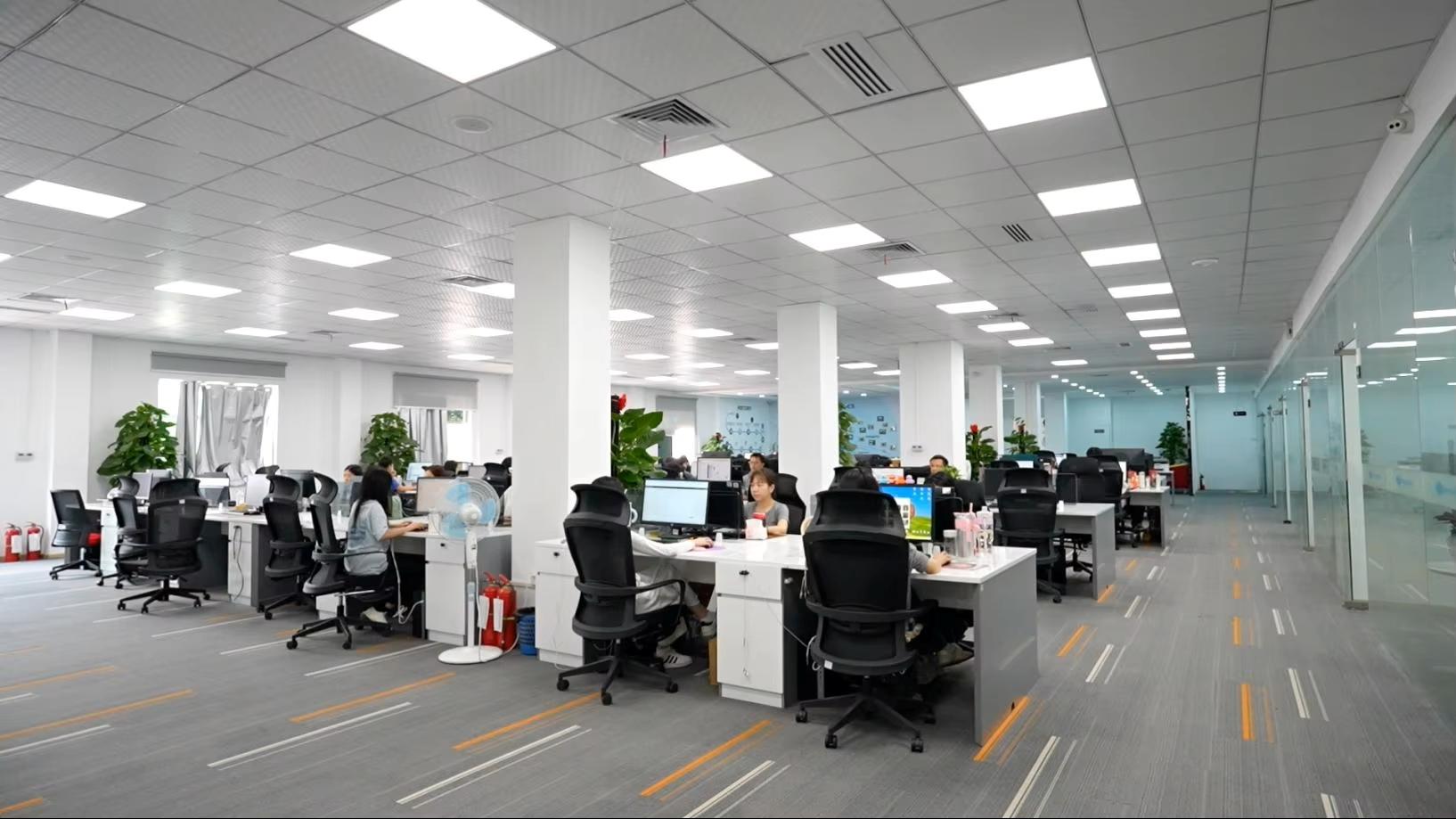
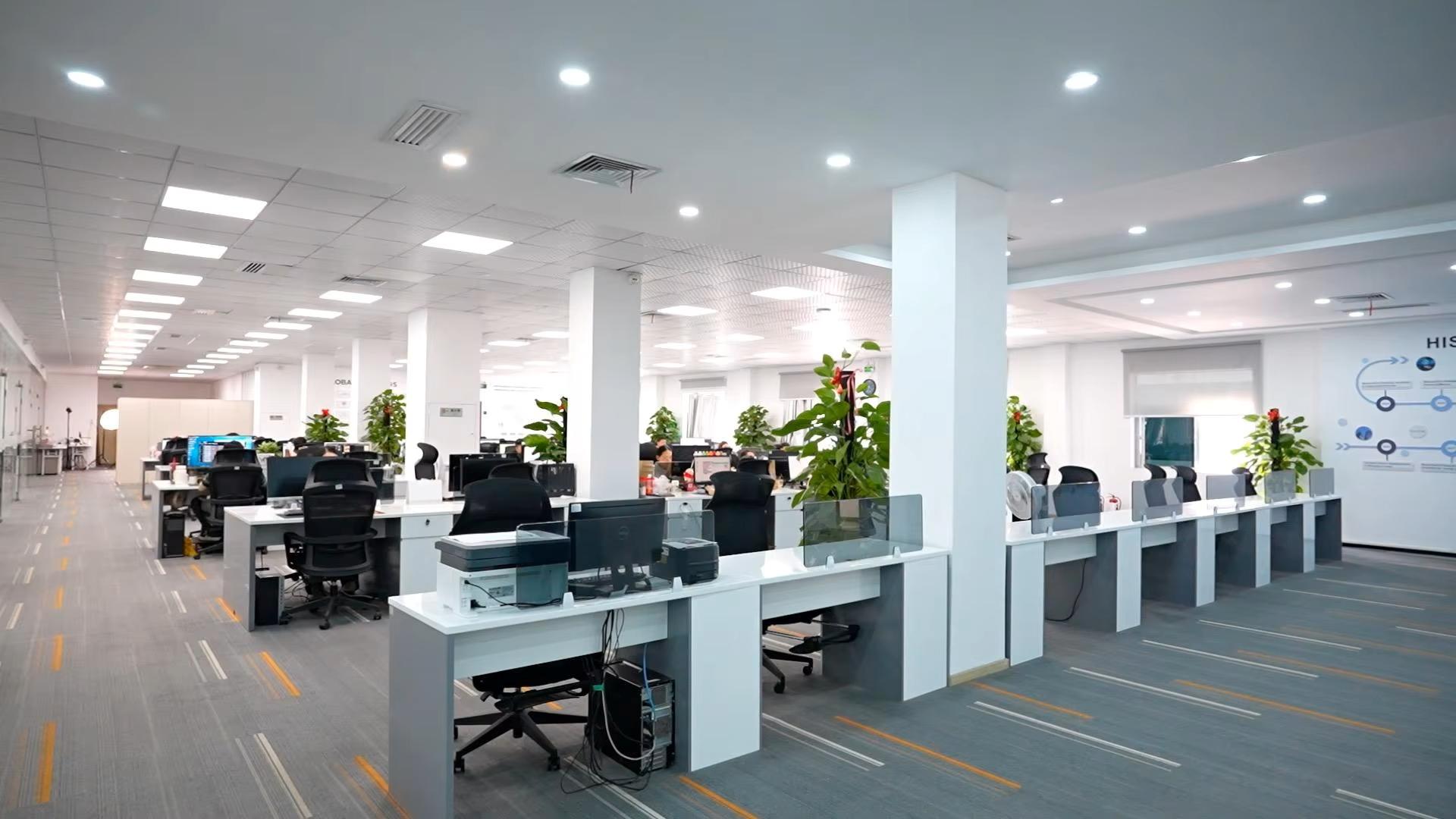
The global commercial baking sector demands unmatched thermal efficiency, structural integrity, and regulatory compliance. As a premier Custom OEM Bakeware Manufacturer, we integrate specialized polymer science and structural metallurgy to serve international food processing conglomerates, commercial baking chains, and high-end consumer cookware brands. We do not just build bakeware; we build technical solutions that decrease cycle times and optimize bake consistency.
Leveraging our extensive manufacturing facility in Shenzhen, we design and produce custom molds, baking sheets, and non-stick solutions that meet FDA, LFGB, and RoHS compliance standards. Our research and development focuses on solving core industrial pain points: thermal warping, uneven crust formation, and early coating degradation.
| Shenzhen Fresh Vision Co., Ltd. — Operational Profiles | |
|---|---|
| Company Registration Date | 2016-01-26 |
| Floor Space (㎡) | 1,100 Square Meters |
| Industry & Export Experience | 10 Years Professional Track Record |
| Core Languages Supported | Spanish, English, Chinese |
| Main Markets Served | North America (25%), Southeast Asia (20%), Mid East (10%), Western Europe (15%) |
| Primary Clients | Global Brands, Wholesalers, Retailers, Commercial Kitchens, Private Labels |
Underpinning our manufacturing excellence is a data-driven infrastructure that ensures absolute predictability in delivery and quality.
Raw Material Traceability
Fully documented chain of custody from ingot/polymer to final output.
R&D Core Engineers
3 Graduate and 2 Junior College level mechanical & polymer engineers.
Inline QA Inspections
Comprehensive random & structural stress testing on all active lines.
Years Global Exporting
Pioneering distribution channels across major industrial corridors.
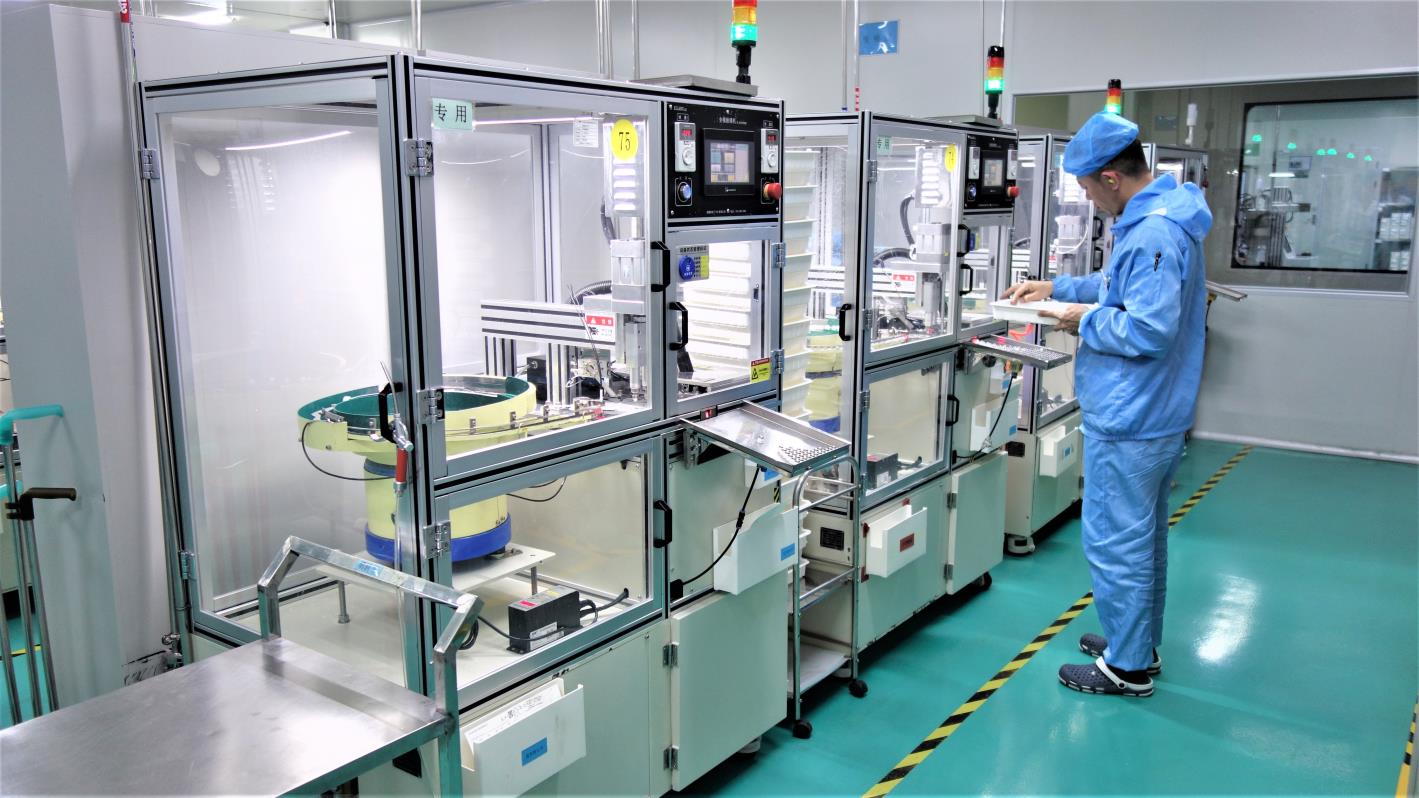
From polymer processing and mould design to automated injection, sterilization, and optical calibration, our facilities maintain world-class cleanliness and safety.
Advanced tooling & CNC machining of bakeware master moulds.
Compounding high-grade food safe silicone & metal bases.
Injecting and forming with micro-tolerances.
Careful extraction to preserve delicate surface structures.
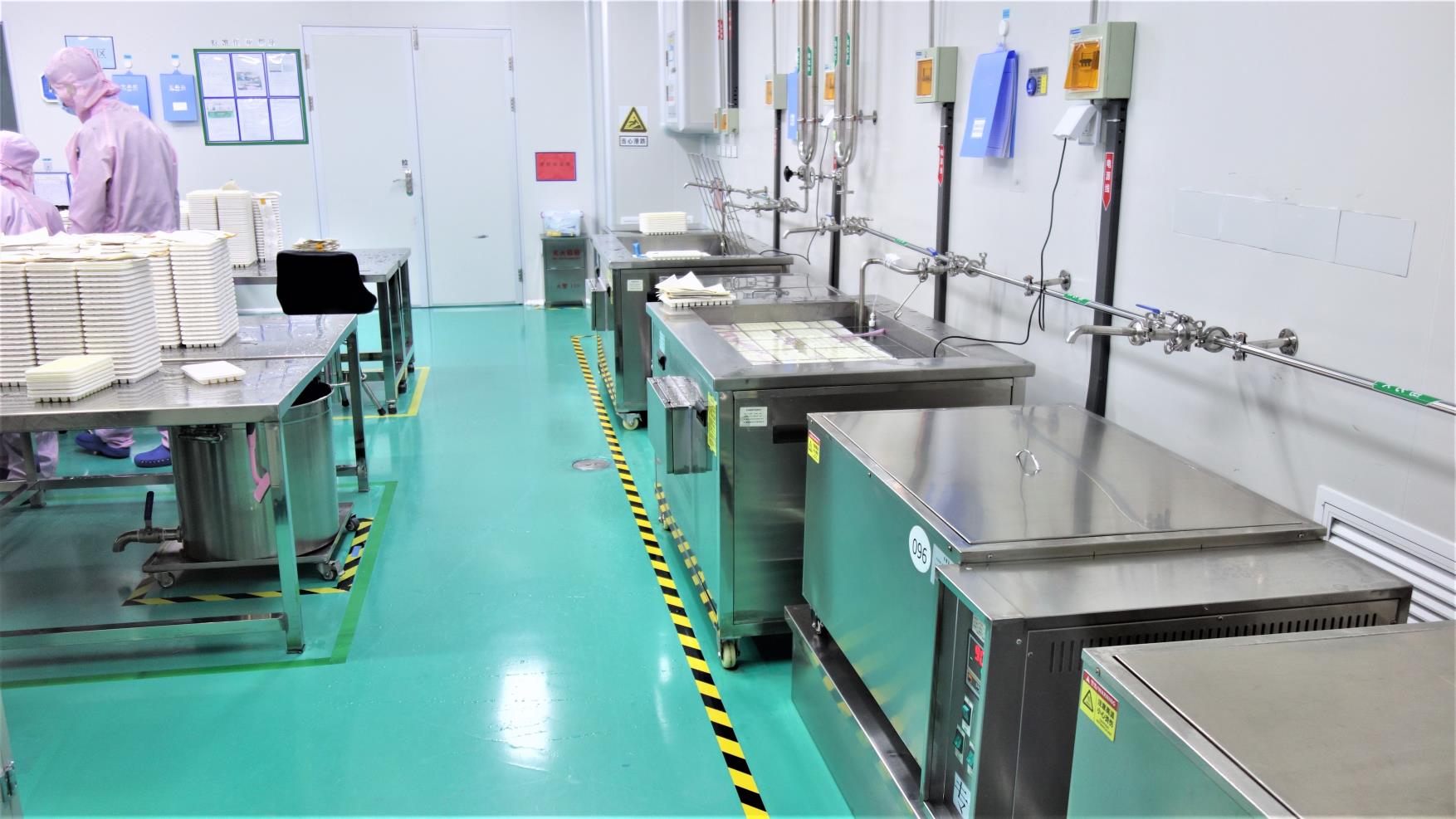
Removing synthetic residuals and ensuring biological cleanliness.
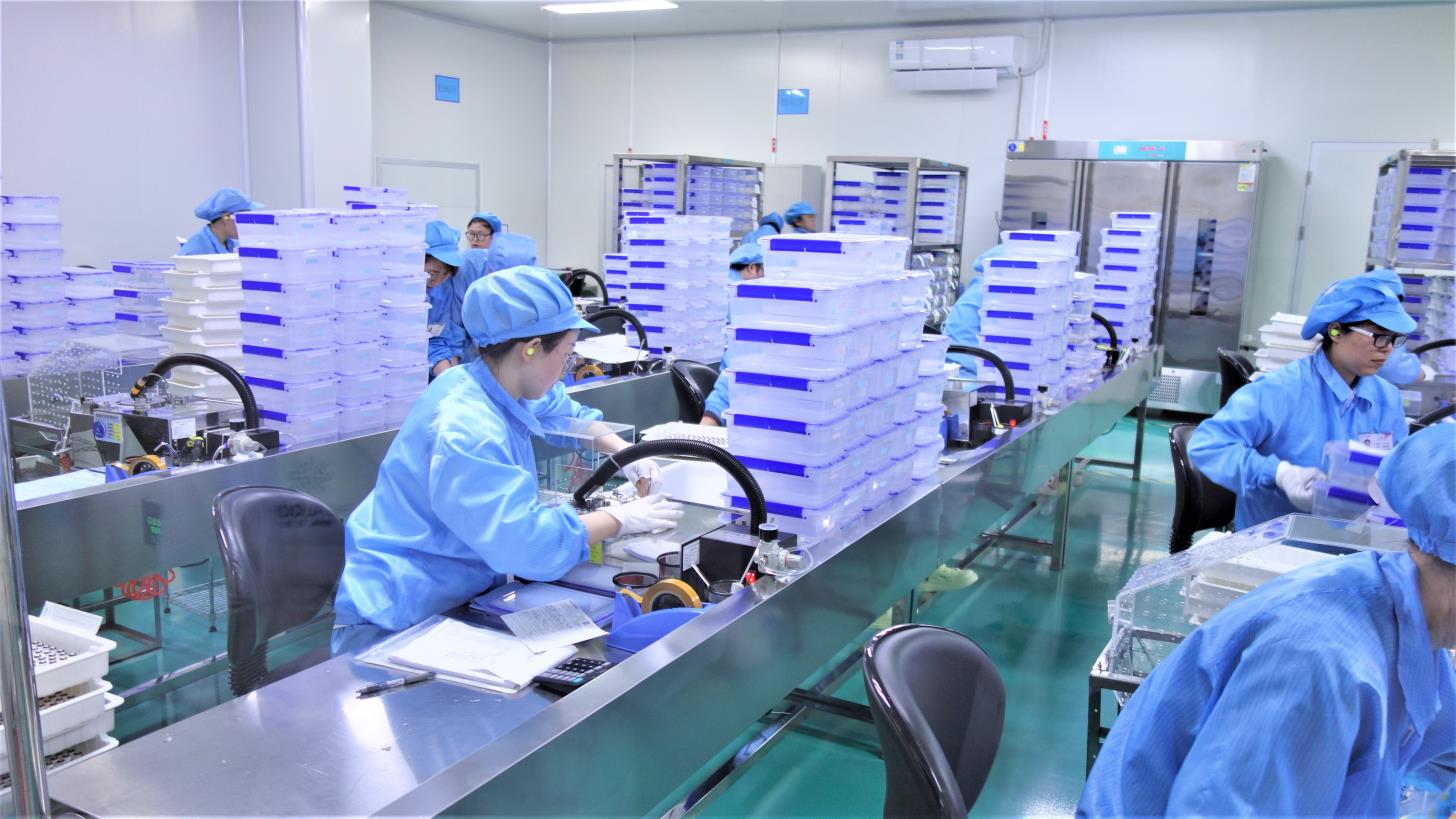
Automated transfer using negative pressure suction technology.
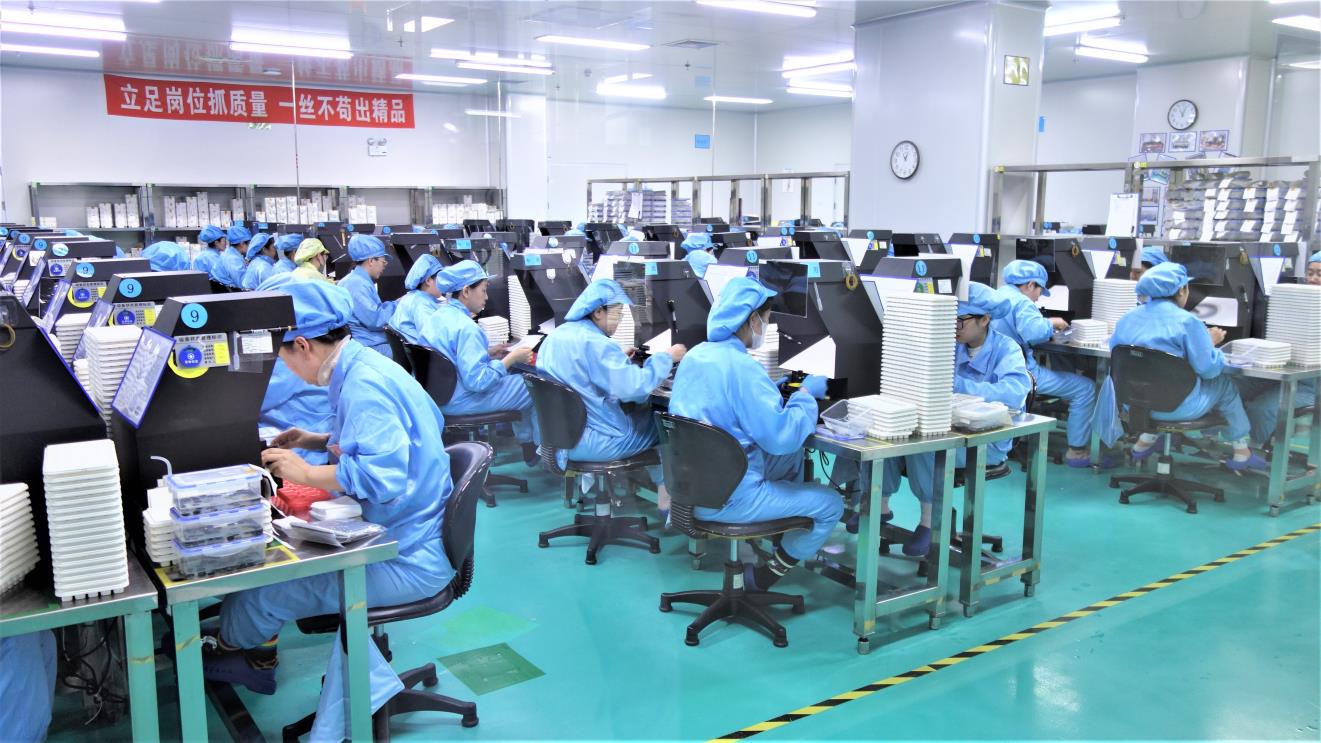
Visual and structural analysis by certified personnel.
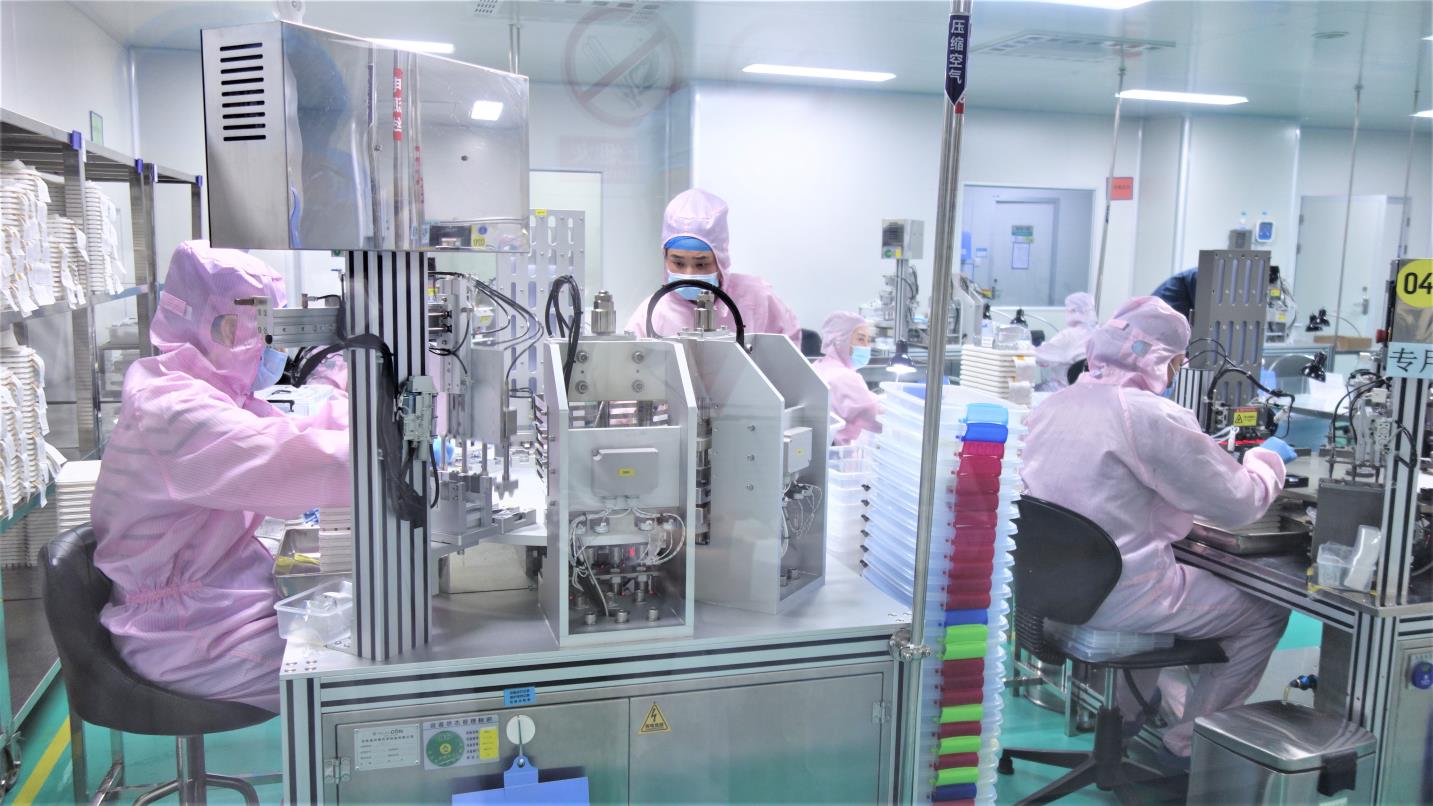
Application of secondary coating layers or filling actions.
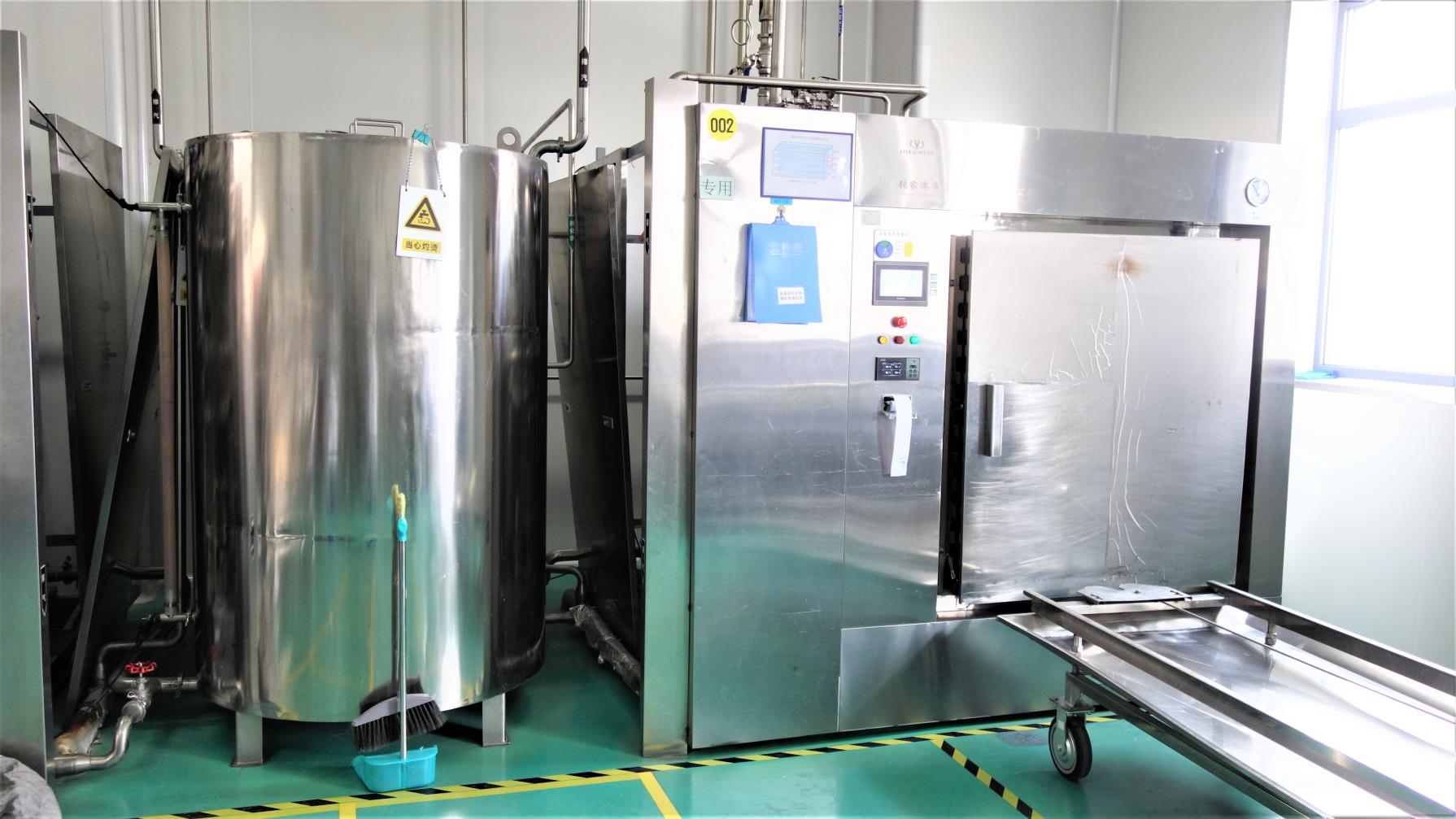
High-temp autoclaves ensure microbial decontamination.
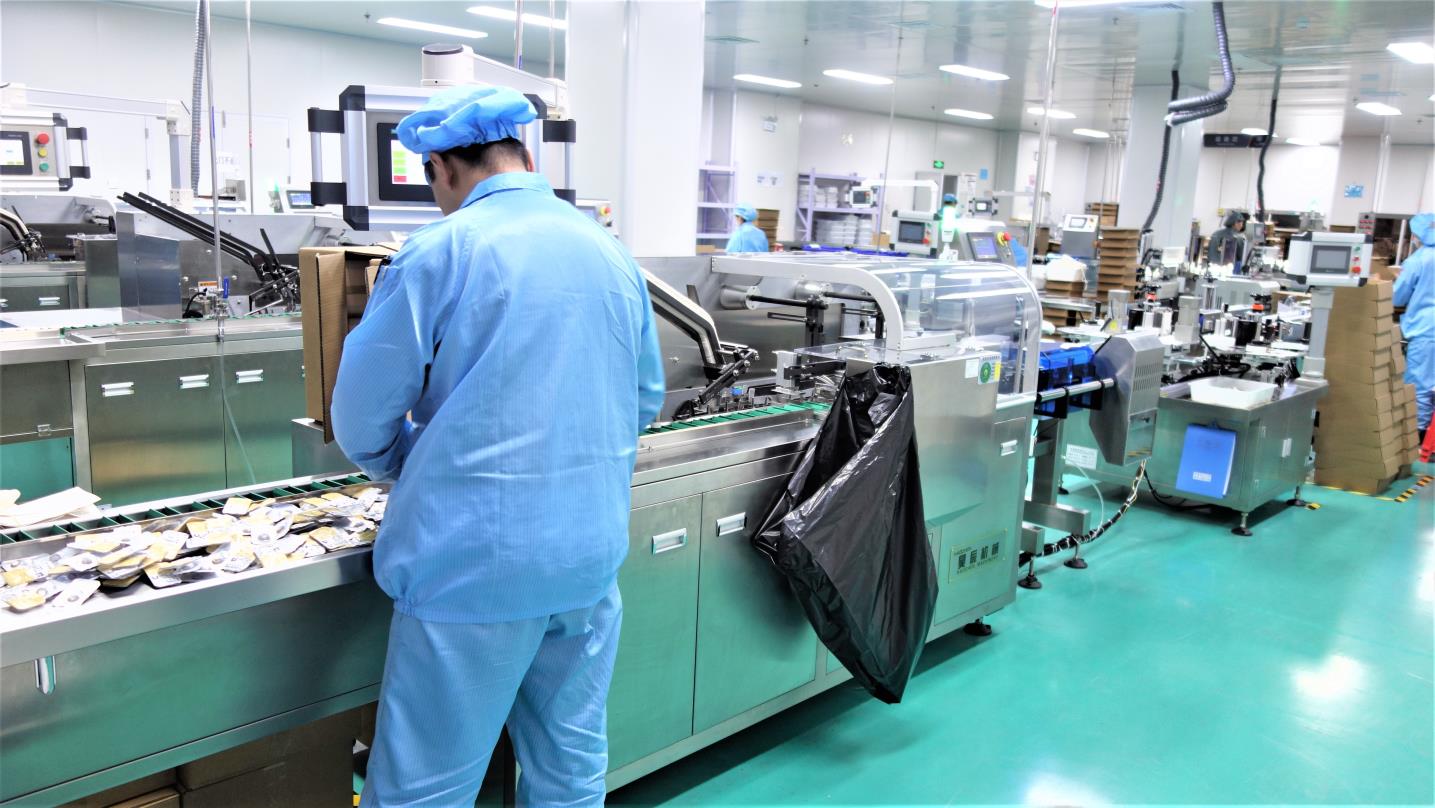
Hermetic barrier packaging protecting from airborne debris.
We deploy sophisticated automation systems and spectral calibration gear to enforce sub-millimeter geometric accuracy across all custom products.
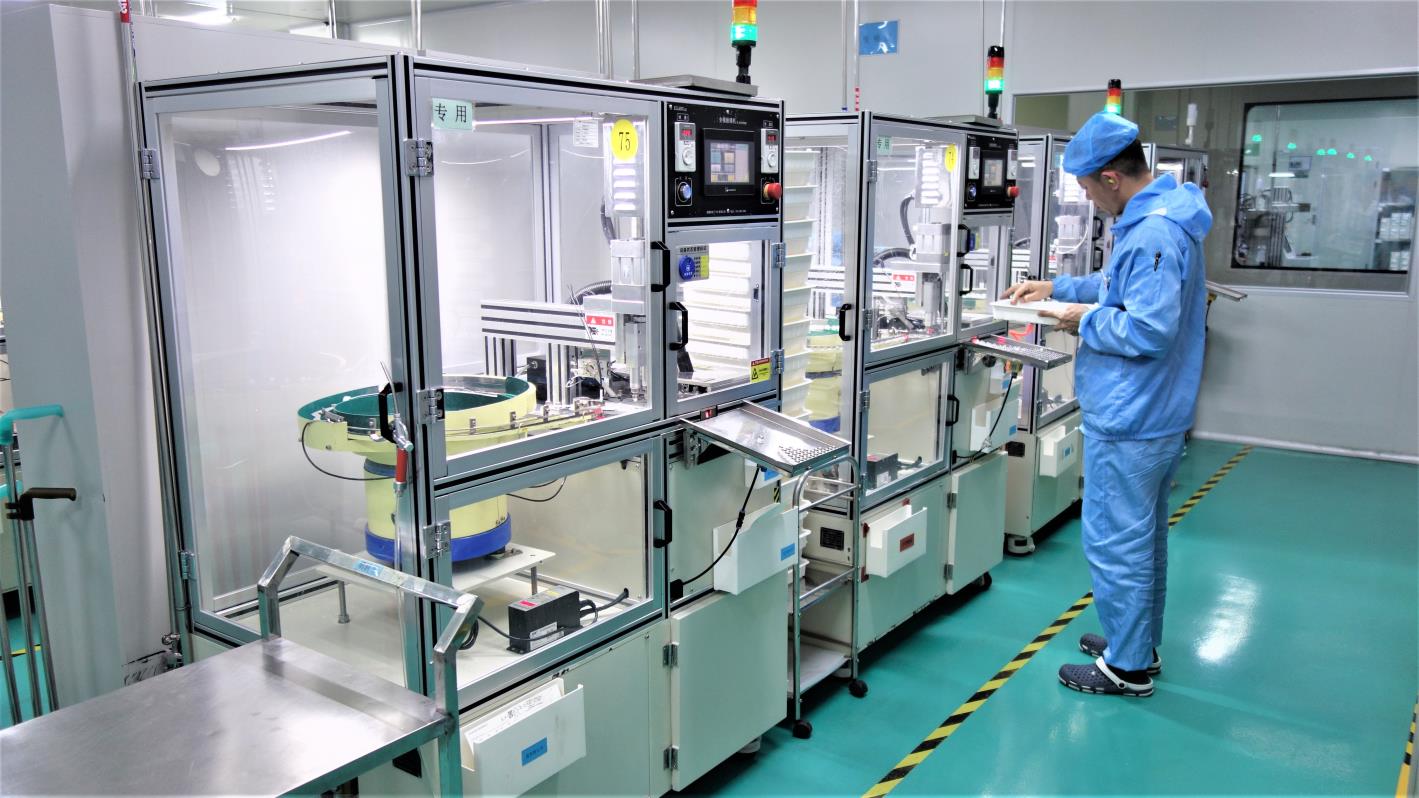
Automatic mechanical lifters prevent micro-fractures in materials.
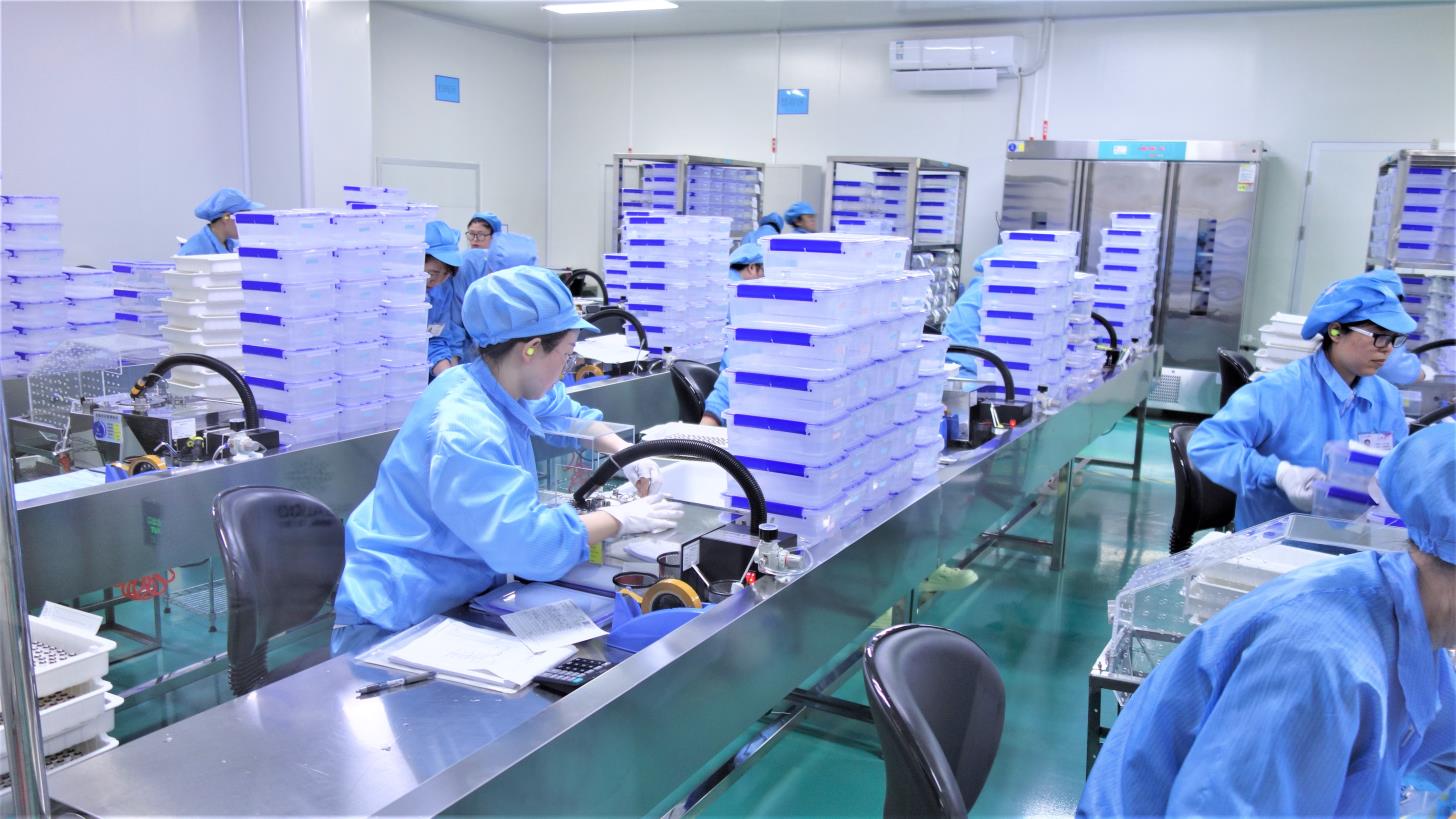
Ultra-clean vacuum pickup handling soft polymers safely.
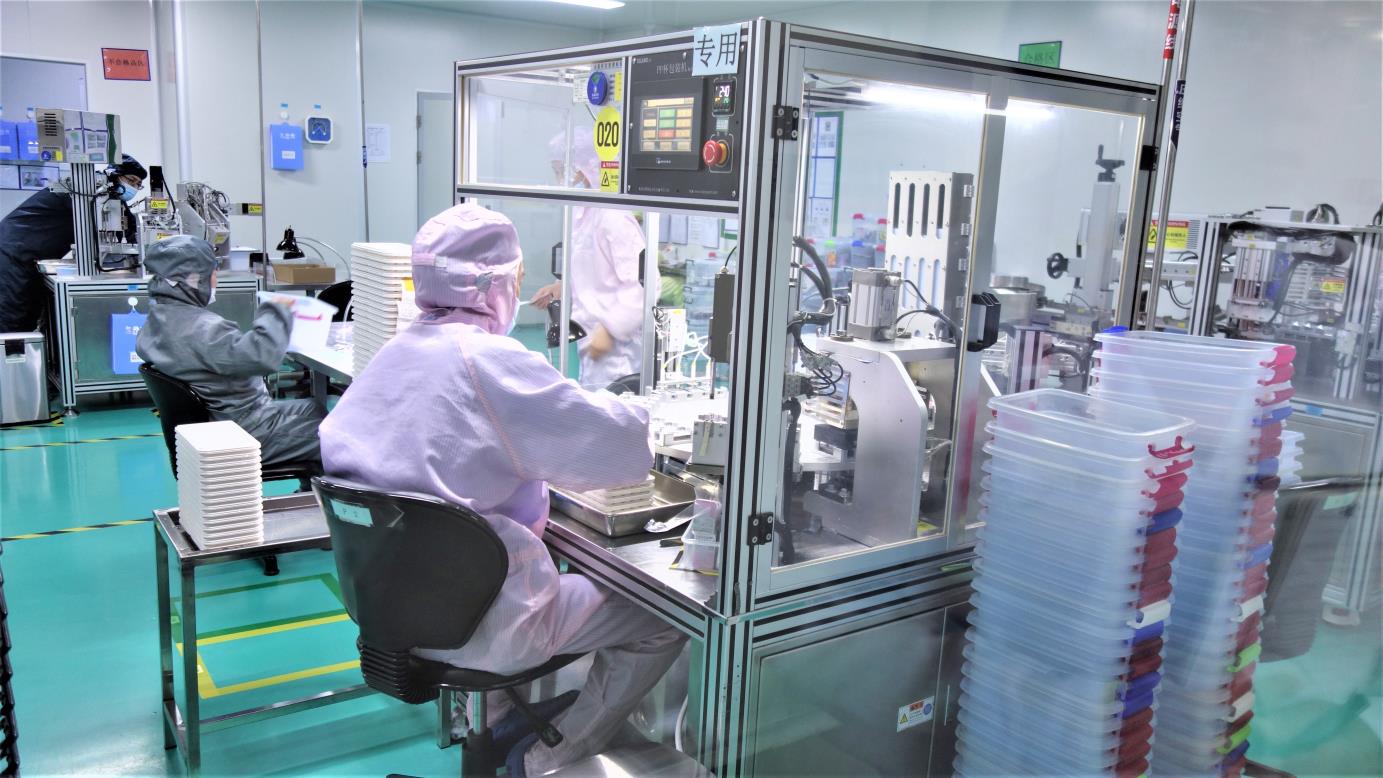
Precision volumetric dispensing within ±0.05g variance.
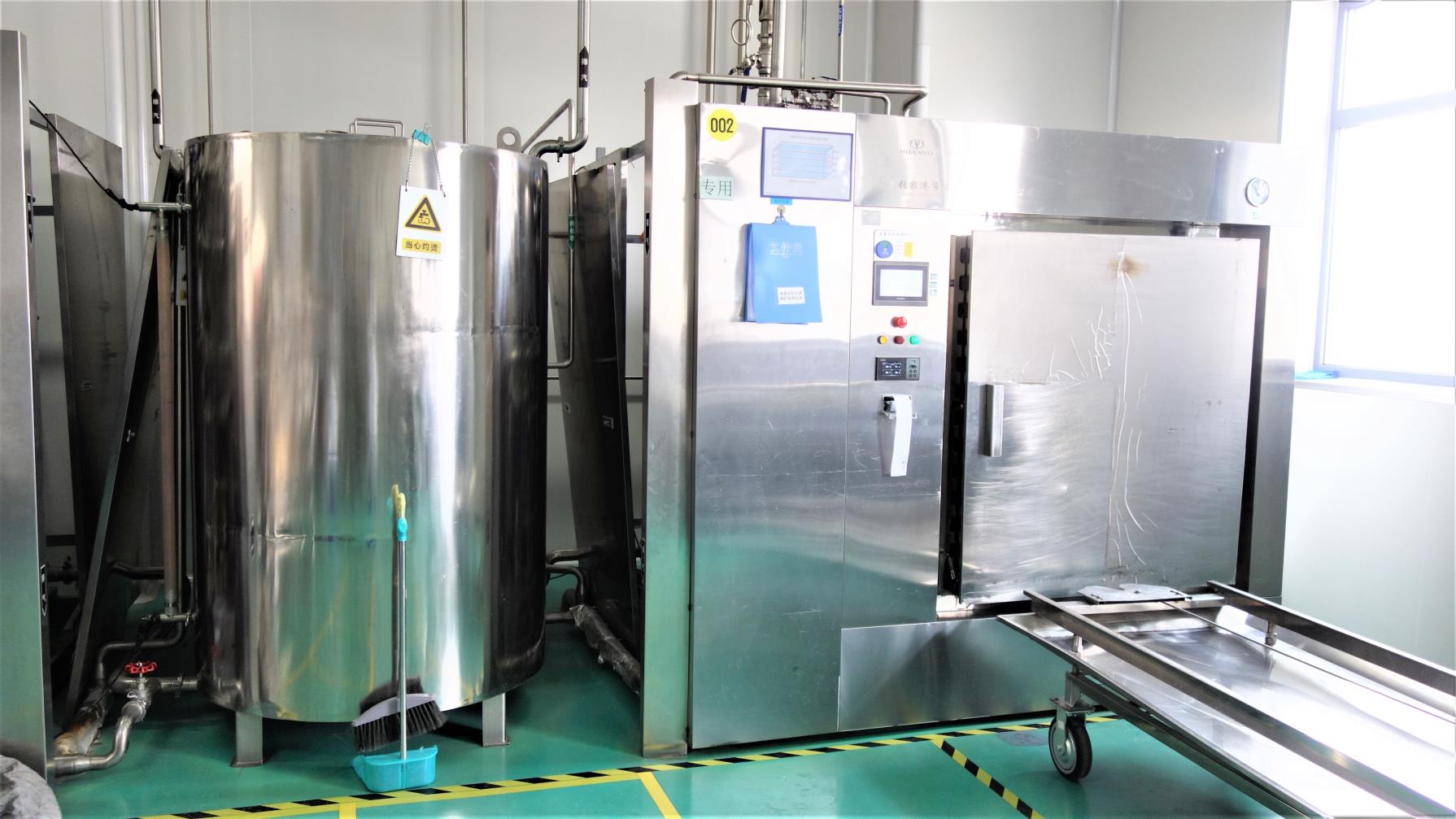
Controlled industrial heating chambers for final curing.
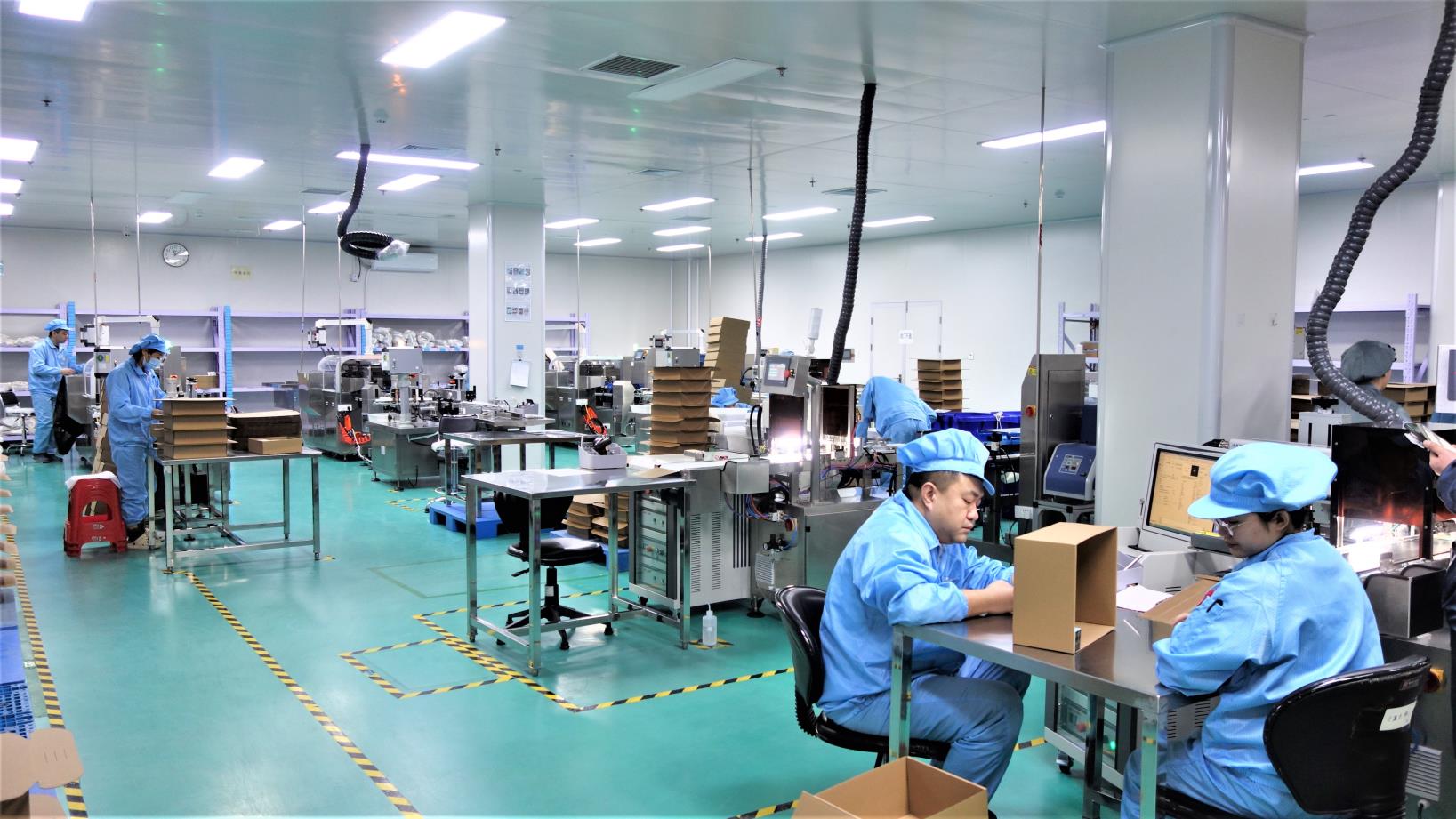
Continuous sealers for protective outer packaging.
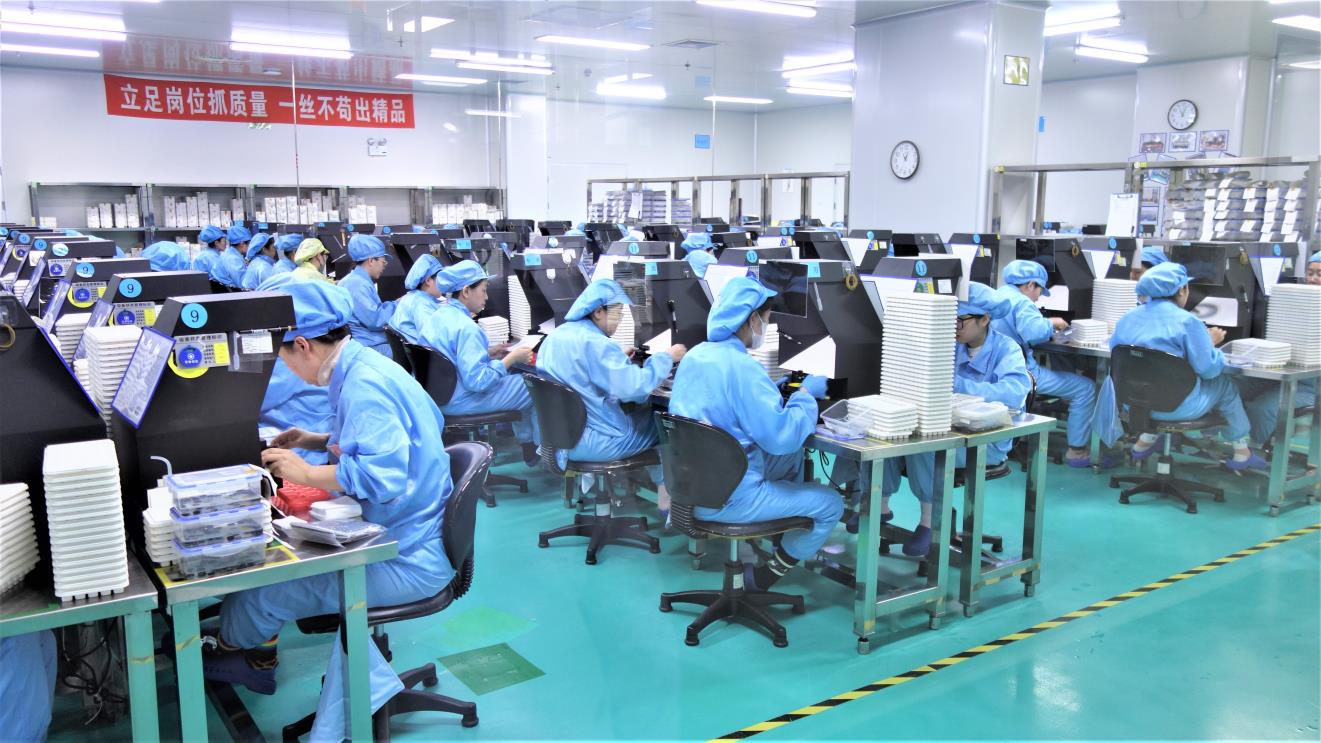
Human-in-the-loop and high-resolution camera diagnostics.
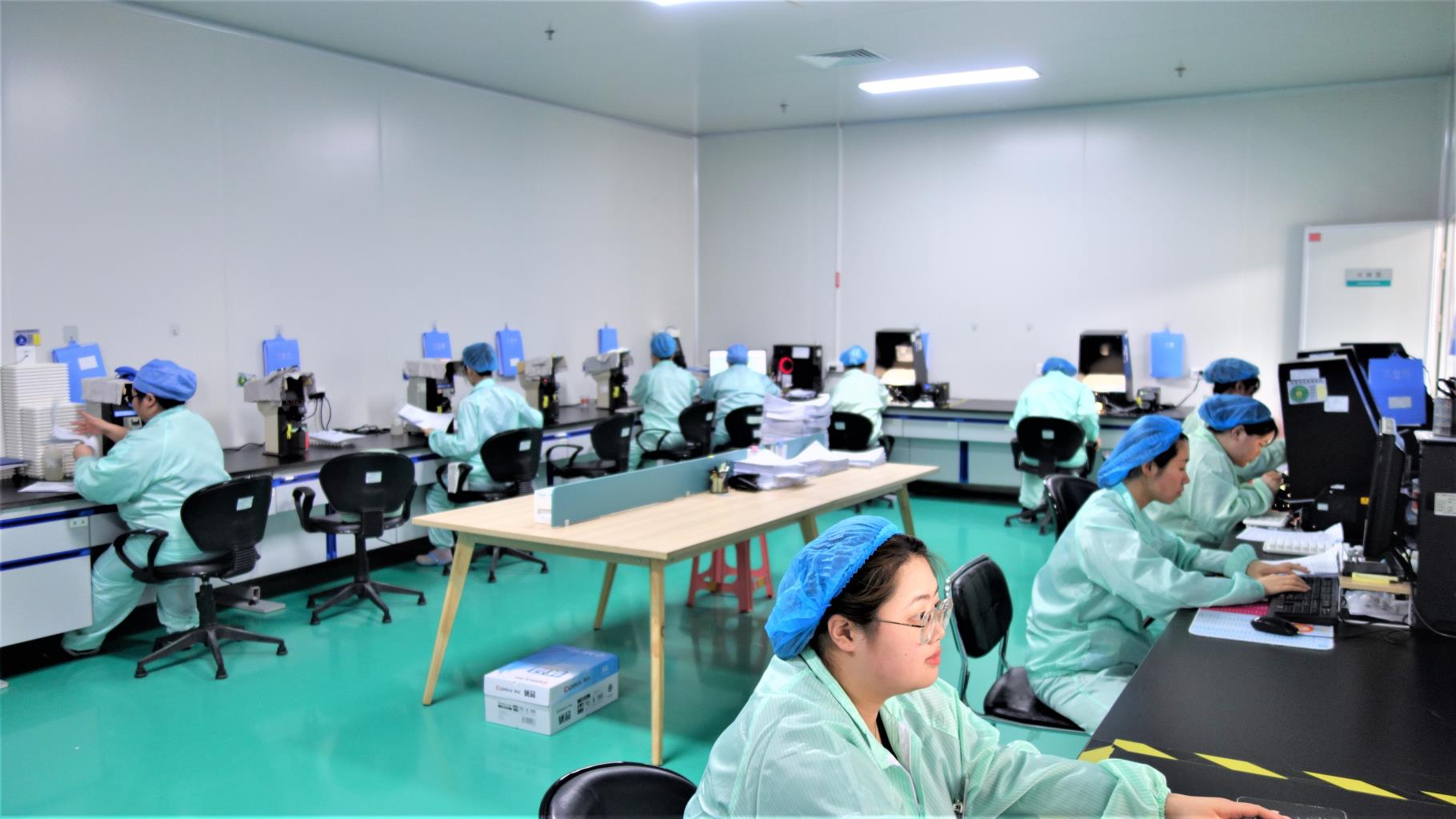
Outgoing quality control inspecting density and structure.
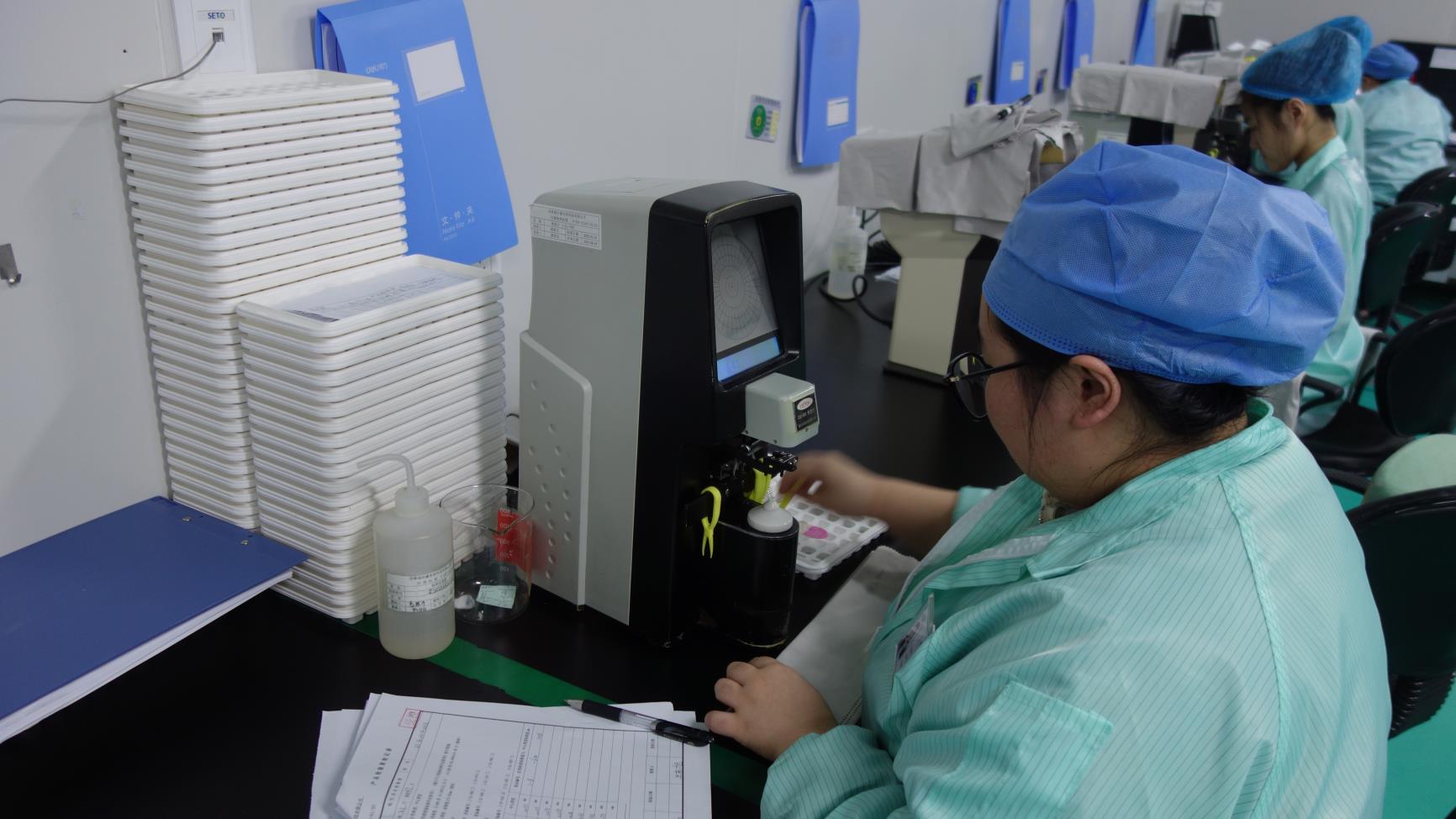
Used to verify absolute flatness and surface curves.
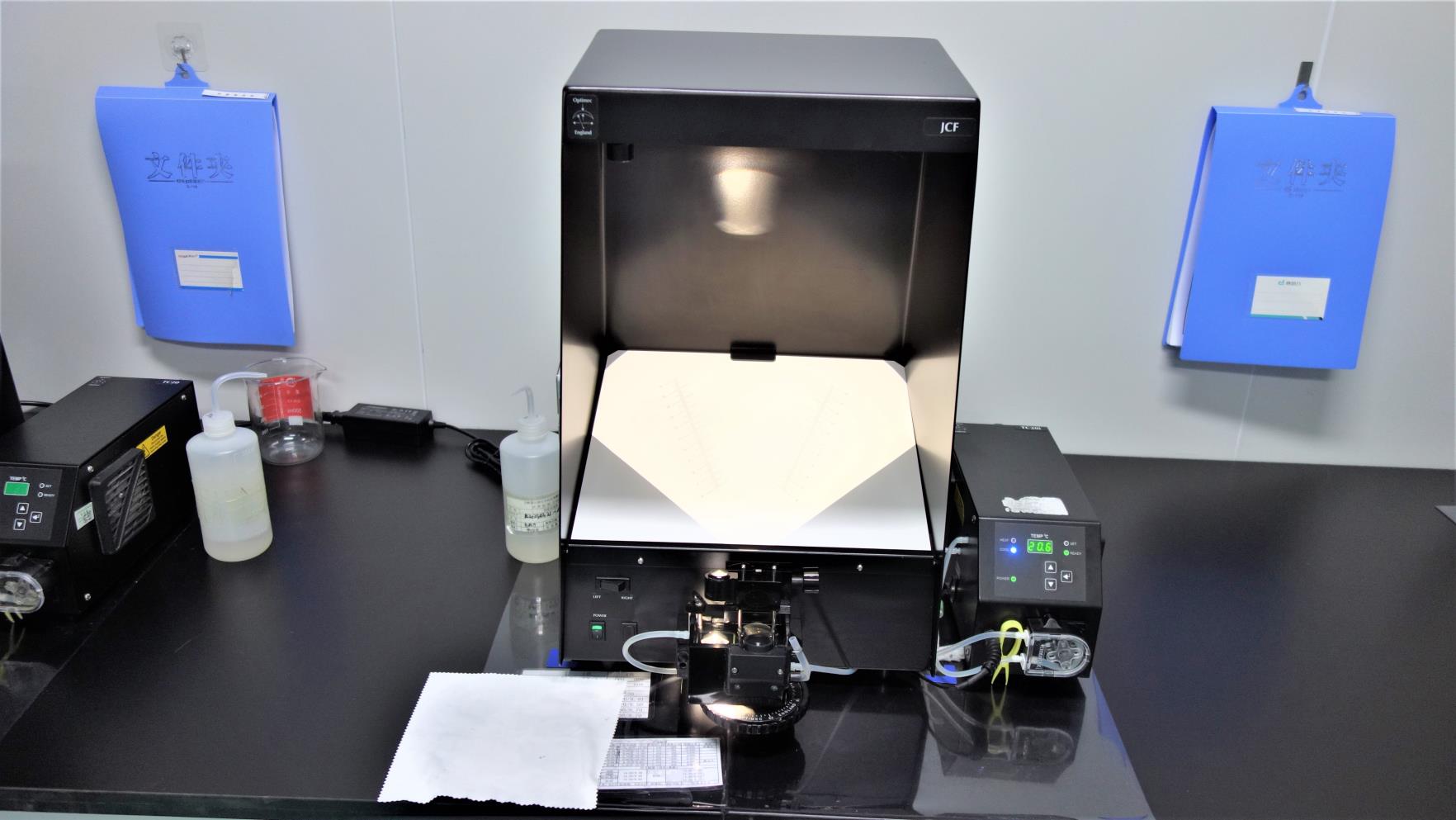
Validates geometry against 2D blueprint files.
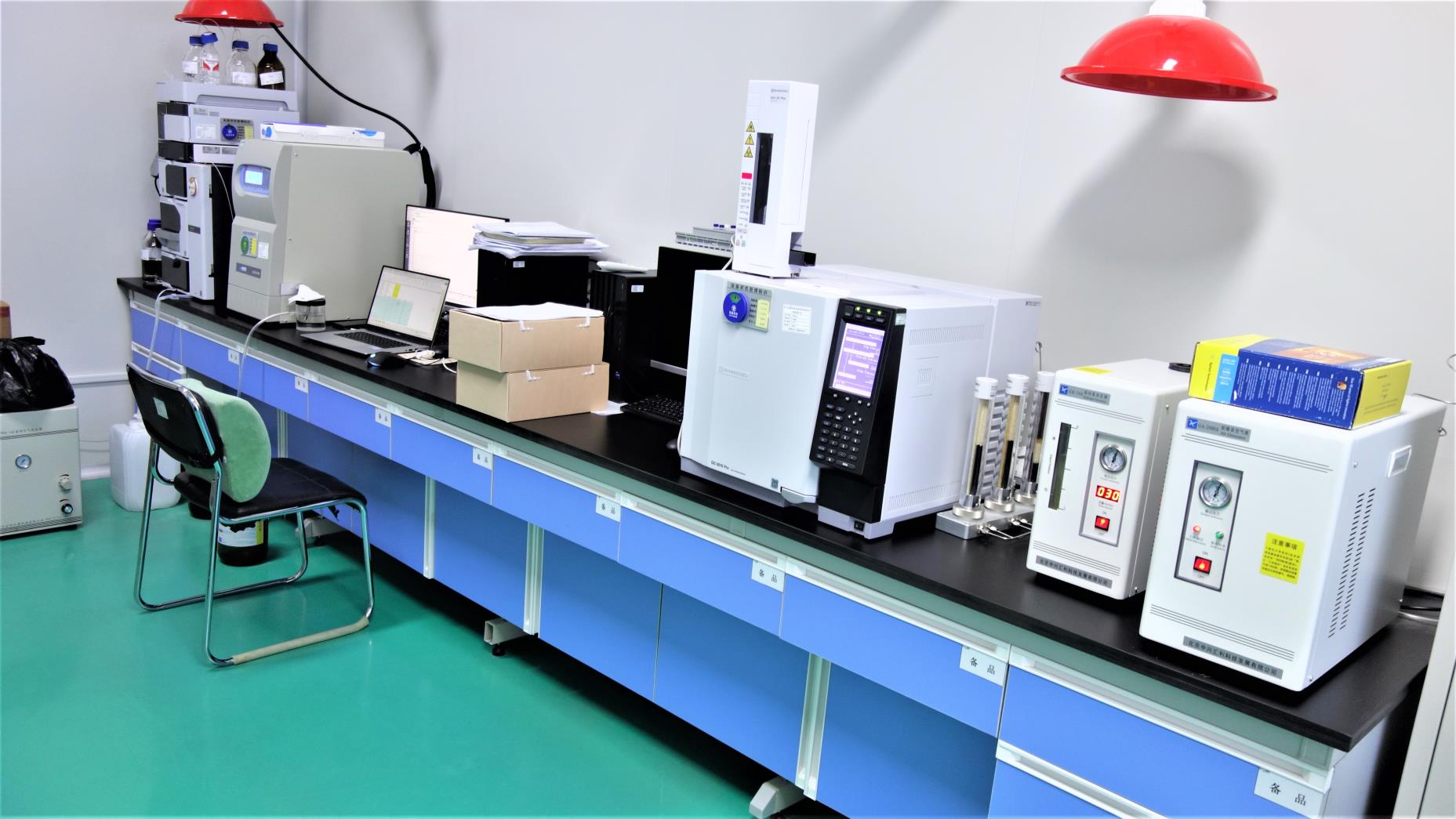
Verifies material composition and coating thickness.
Analyzing global commercial demand patterns, regulatory pathways, and technical engineering roadmaps.
Industrial baking groups and global consumer retailers require strict logistical consistency. We support multi-port customs routing, flexible raw material hedging to combat metal price volatility, and high-volume output capacity. Our 1,100 square meter factory operates multiple semi-automated lines, minimizing lead times to under 30 days for major shipments.
Typical non-stick bakeware degrades quickly due to high temperature and acidic/alkaline dough components. Our R&D division specializes in high-durability coatings, including food-grade PTFE/PFOA-free silicone, and organosilicon hybrid formulas. These innovations extend the life cycle of commercial bake sheets by up to 300% compared to standard consumer-grade alternatives.
With regulations tightening across North America (FDA CFR Title 21) and Europe (LFGB, Regulation EC 1935/2004), we ensure each production run is accompanied by raw material mill sheets and compliance declarations. Product support traceability begins with raw material verification and carries through final Outgoing Quality Control (OQC).
| Solution Domain | Technical Roadmaps | Future Outlook (2025–2030) |
|---|---|---|
| Thermal Engineering | Implementing 3D Finite Element Analysis (FEA) to structure localized thickness. Resolves center-to-edge browning variations. | Adoption of smart, thermal-reactive alloy structures that dynamically control heat radiation. |
| Eco-Friendly Non-Stick | Transitioning to water-based silicone coatings and inorganic ceramic matrices. Total elimination of PFAS compounds. | Nano-textured surfaces inspired by natural hydrophobic structures, minimizing chemical non-stick dependence. |
| Process Automation | Robotic demoulding, automated fill controls, and vision-guided optical inspections for geometric variance. | End-to-end dark factory operations powered by real-time IoT diagnostic arrays and predictive wear indicators. |
A deep dive into structural alloy selection and surface science for high-volume commercial applications.
In high-throughput bakery environments, the mechanical stress placed on pans is immense. Factors such as rapid cooling cycles (thermal shock), constant mechanical abrasion from cleaning tools, and chemical interaction with sanitizers will degrade low-quality bakeware rapidly. Our engineering team selects materials based on a rigorous performance matrix.
While carbon steel is appreciated for its structural strength and low raw material cost, it is highly susceptible to corrosion if not properly sealed. We leverage Aluminized Steel (steel dip-coated in an aluminum-silicon alloy) for the majority of our heavy-duty commercial cake pans and bread pans. This hybrid material combines the high structural strength of steel with the superior thermal conductivity and corrosion resistance of aluminum.
One of our core "Information Gain" design methodologies involves FEA modeling before building the physical injection or stamping mould. Modern commercial ovens distribute heat via convection currents, which can leave corner pastries underbaked. By profiling the heat-absorption curve of different metals, our graduate-level engineering team calculates the ideal thickness profile across the pan base, adding micro-grooves to critical heat zones to encourage uniform crust formation.
Just as medical contact lenses require Class 100,000 cleanroom environments to prevent particulate contamination, high-end non-stick coatings must be applied in controlled environments. Dust particulates trapped beneath a cured PTFE layer form structural weak points, causing the coating to peel prematurely. By utilizing our advanced sterile production infrastructure, we maintain coating integrity and ensure food-safe cleanliness from the start.
Addressing technical, logistical, and compliance questions for global procurement managers.
Explore our extended portfolio of precision polymer products and customized export items.