Fresh Lenses
Fresh Lenses
Fresh Lenses
Explore our factory-direct wholesale collections. High-demand aesthetic enhancers curated for international distributors and importers.
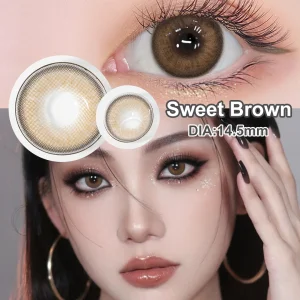
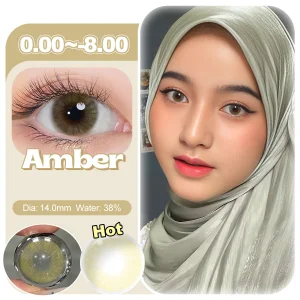

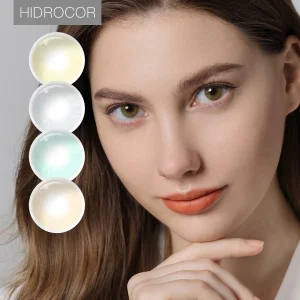

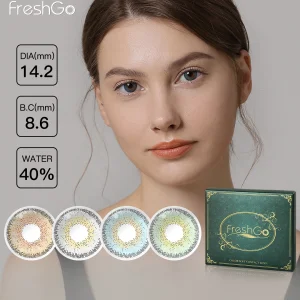

Decoding the Convergence of Clinical Safety and High-Fashion Aesthetics in the Ocular Cosmetic Arena.
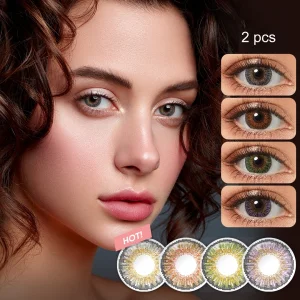
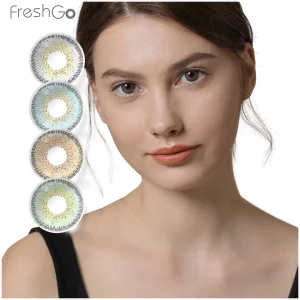
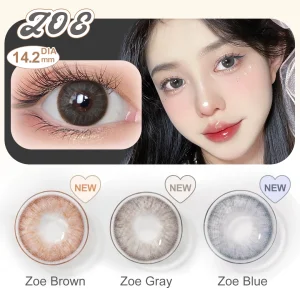
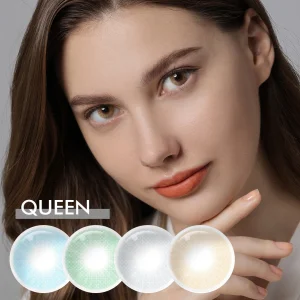
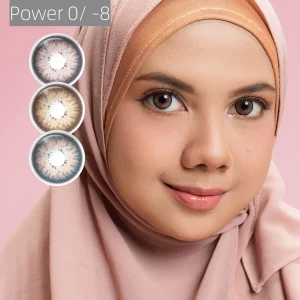
Historically, the definition of a "makeup tool" was limited to mechanical applicators—brushes, sponges, and eyelash curlers. In the contemporary digital beauty landscape, however, cosmetic color contact lenses have redefined the beauty paradigm, transcending basic vision correction to emerge as the foundational ocular makeup accessory. This crossover product functions as a dynamic canvas, dramatically shifting spatial geometry, iris tone, and visual impact to complement modern cosmetics.
By integrating material biocompatibility with cosmetic design, leading-edge manufacturers like Shenzhen Fresh Vision Co., Ltd. (established in 2016) demonstrate that high-performance ocular makeup tools require clinical-grade compliance. For global B2B procurement officers, sourcing from a manufacturer with a certified ISO environment and 100% component inspection is no longer optional—it is a critical prerequisite to protect brand integrity and avoid cross-border regulatory liabilities.
Standard cosmetic pigments can interact poorly with human eyes if not encapsulated properly. Industrial manufacturing breakthroughs rely on 3D sandwich printing processes, sealing the pigment matrix within inert polymer membranes (HEMA). This design eliminates chemical leaching, ensuring that the visual effect remains intense and vivid while the physical structure remains biocompatible and breathable for the wearer.
"Ocular cosmetics represent the highest margin tier of modern beauty accessories. By sourcing direct from verified China hubs, international brands achieve the perfect nexus of agility, volume pricing, and stringent medical-grade quality verification."
A decade of exporting excellence, cutting-edge R&D infrastructure, and global supply chain integration.
| Operational Dimension | Factory Capability Specification |
|---|---|
| QA Inspection Method | Full 100% inspection on all production lines, plus random OQC and tailored client-specific check protocols. |
| R&D Strength | 5 dedicated design and chemical engineers (3 Graduate level, 2 Junior College specialists). |
| Primary Export Regions | North America (25%), Southeast Asia (20%), Mid East (10%), with expanding footprints in EU markets. |
| Client Demographics | Brand business owners, retail cosmetic chains, regional wholesale distributors, and custom OEM label clients. |
| Customization Capabilities | Comprehensive OEM/ODM support, including sample processing, design mockups, and tailored retail packaging. |
In the Western hemisphere, particularly North America, the market is characterized by two distinct segments: daily natural modification (blends of grey, green, and hazel) and highly theatrical designs for performance art and seasonal cosmetic events (Halloween/Cosplay). Procurement officers targeting these territories must secure manufacturers with agile tooling capabilities to pivot quickly between daily-wear hydrogel runs and high-pigment specialty batches.
Southeastern markets exhibit high volume velocity with a strong preference for "Circle Lenses" that visually expand the iris diameter. The local market dynamics require cost-effective, daily disposable options that do not compromise on water content or oxygen transmissibility. China's Industry 4.0 production lines are uniquely engineered to optimize the cost-per-unit for these high-volume SKU requirements.
Consumers in the Middle East prioritize dense, multi-tonal opaque lenses capable of transforming dark brown irises into striking light shades while maintaining natural depth. These designs demand sophisticated 3-tone or 4-tone printing technology that keeps the pupil opening clear while graduating colors smoothly to the outer ring.
Modern retail cycles have contracted from months to weeks. Brands that rely on traditional, slow-turnaround supply chains risk missing critical seasonal trends. By consolidating production in an advanced manufacturing hub like Shenzhen, buyers benefit from adjacent component access: premium blister packaging, sterilization chemistry, local export infrastructure, and direct access to state-of-the-art optical engineering labs. This network integration ensures that design modifications, prototyping, and large-scale manufacturing runs can be completed within tight lead times, reducing opportunity costs and safeguarding inventory availability.
Every step in our ISO-compliant manufacturing pipeline is automated and monitored to eliminate human error and chemical cross-contamination.
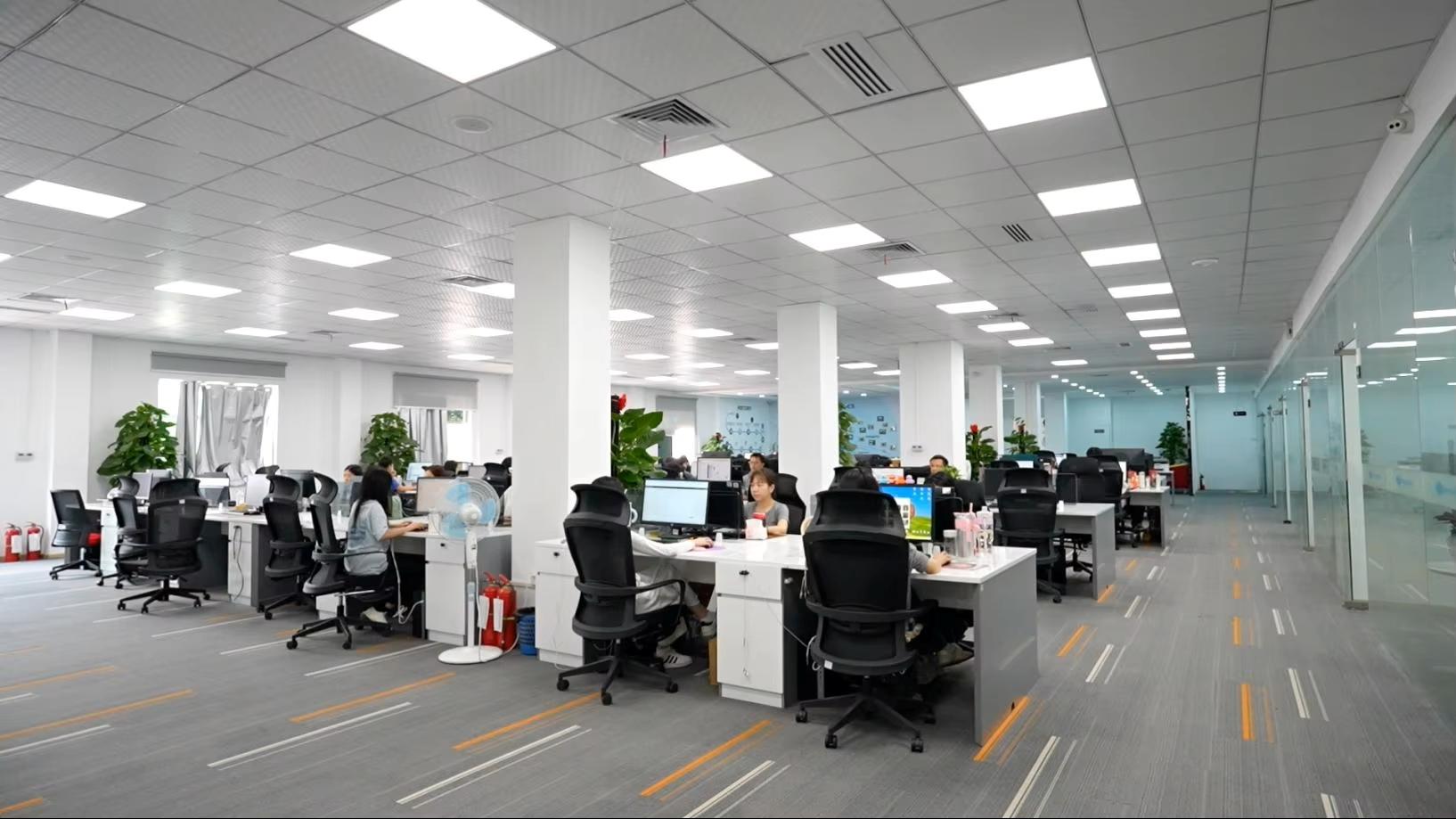
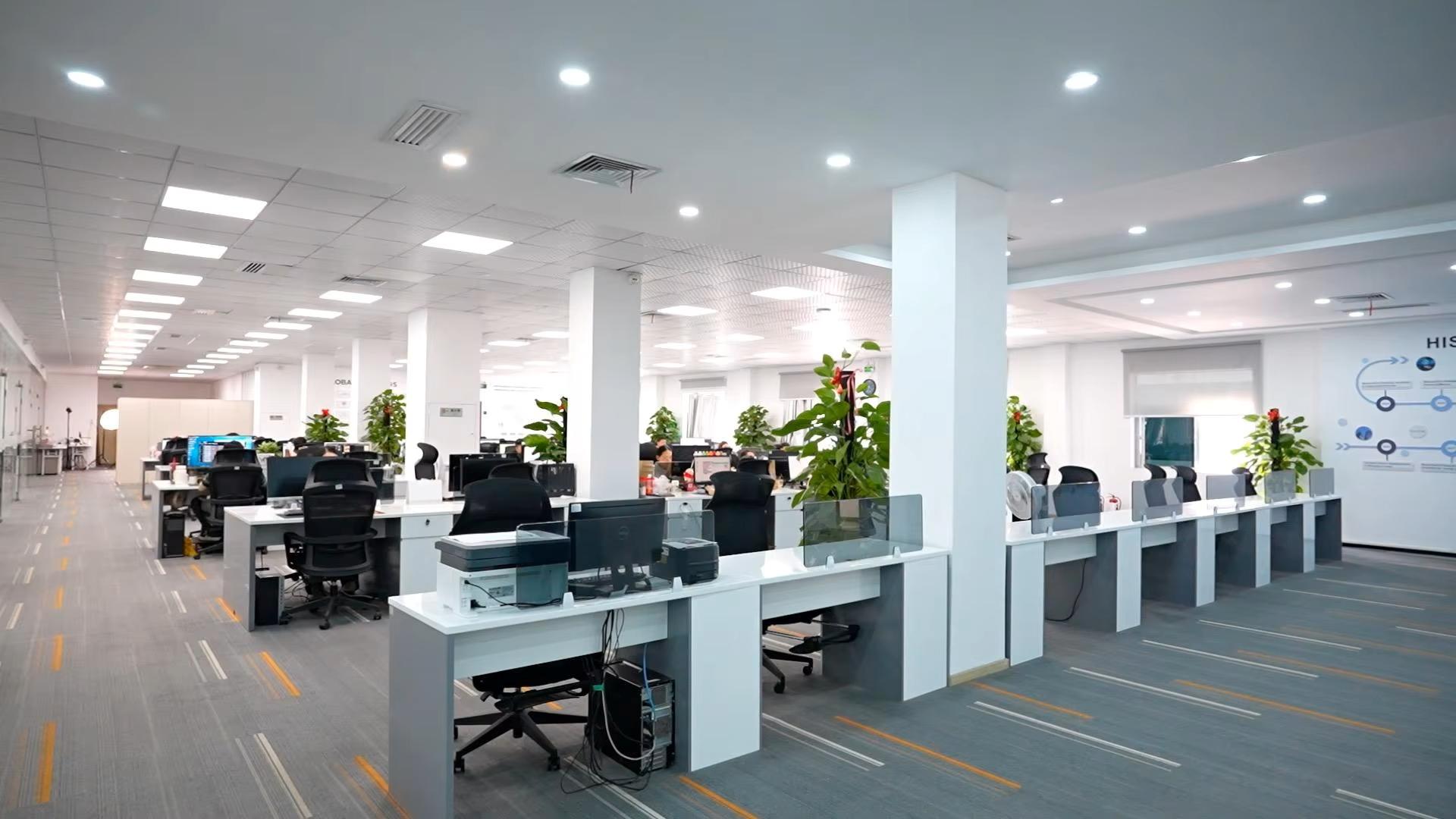
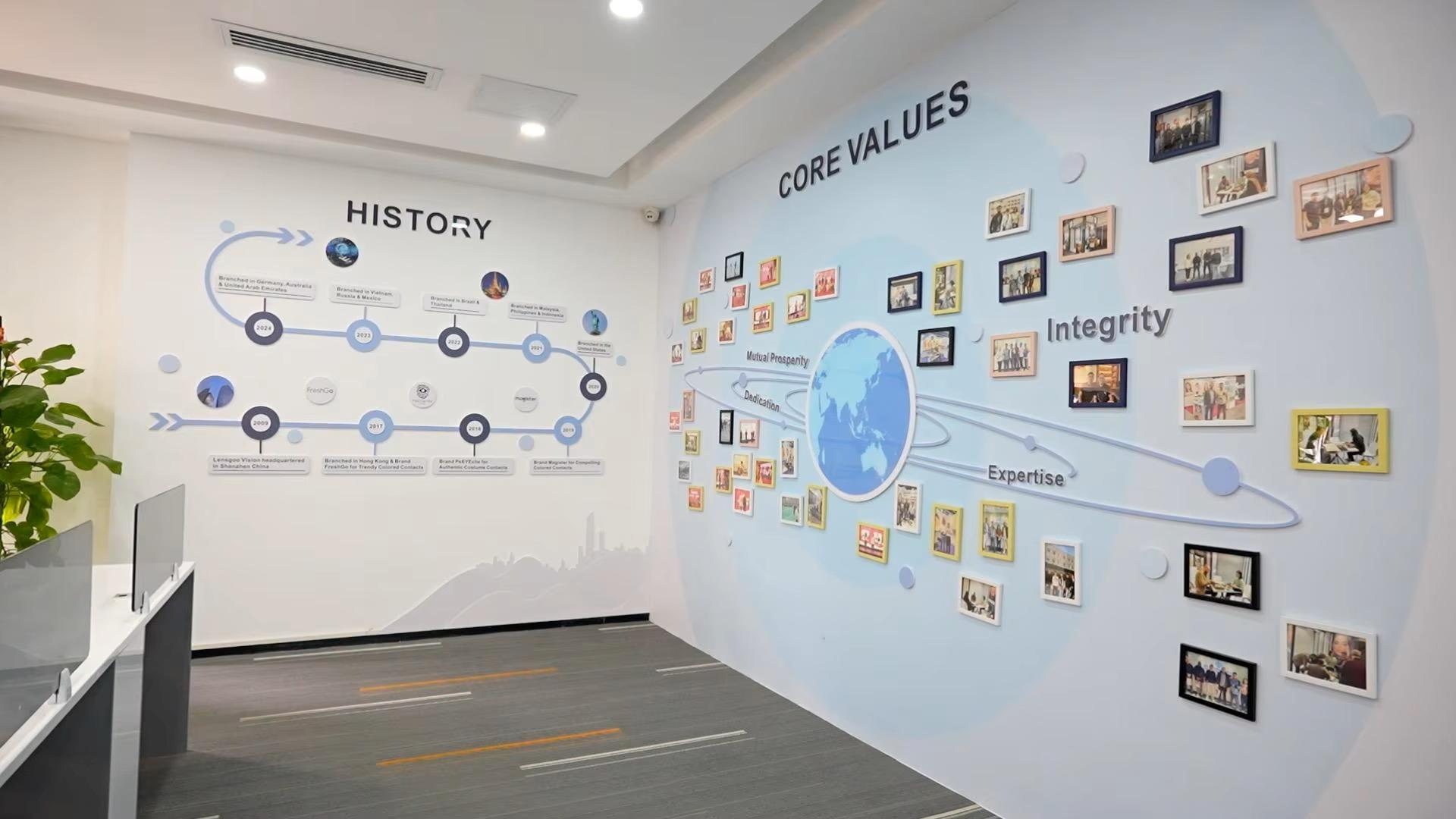
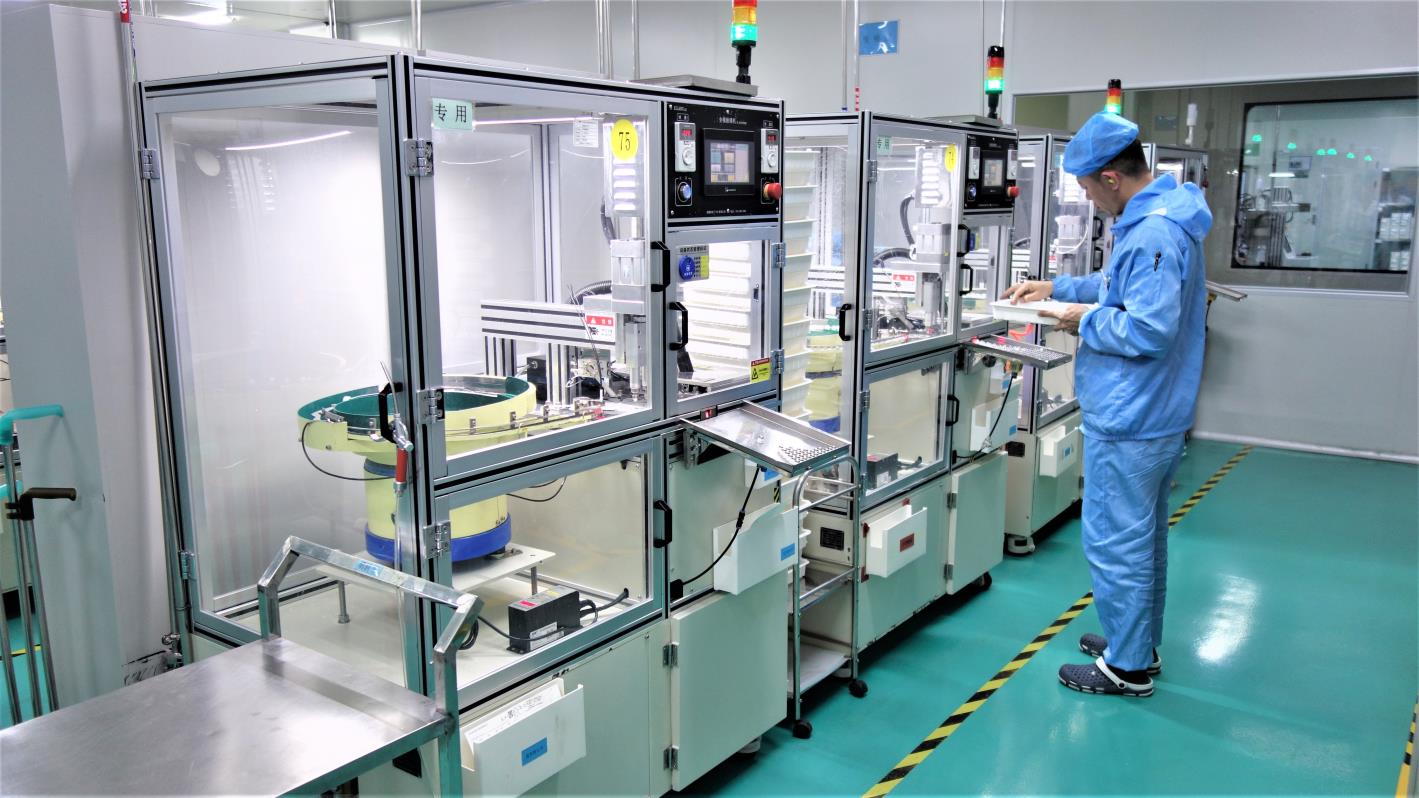
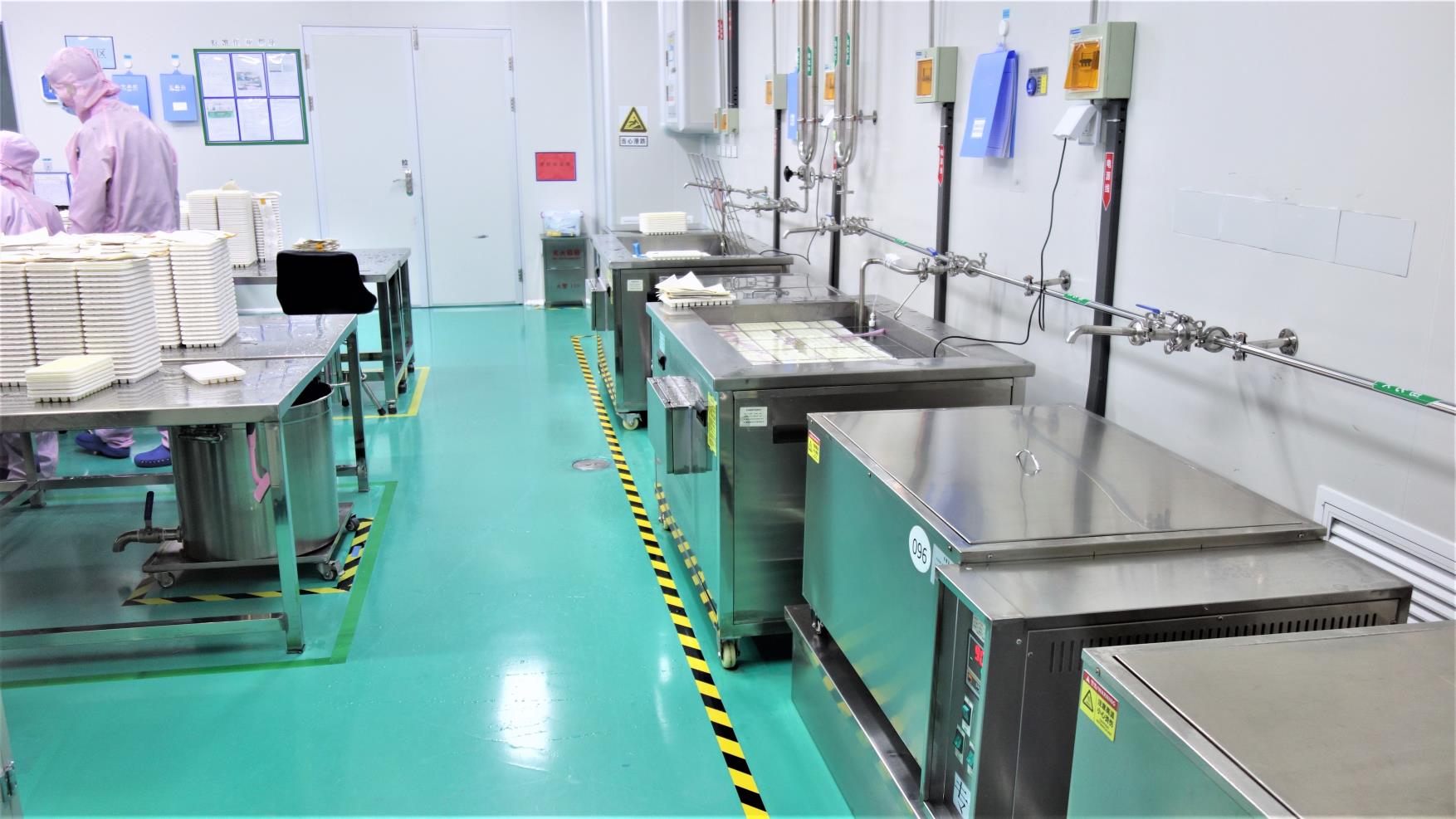
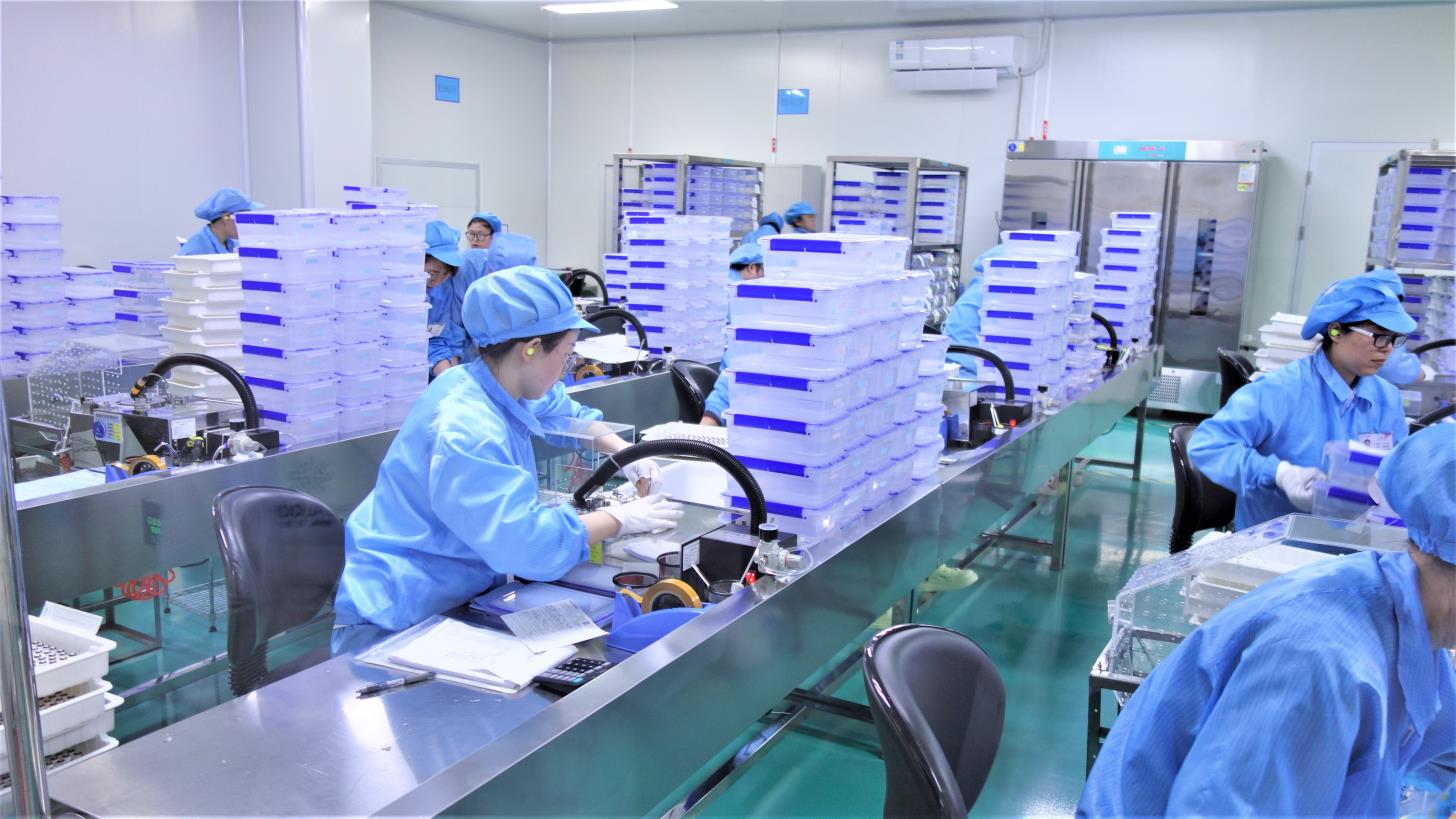
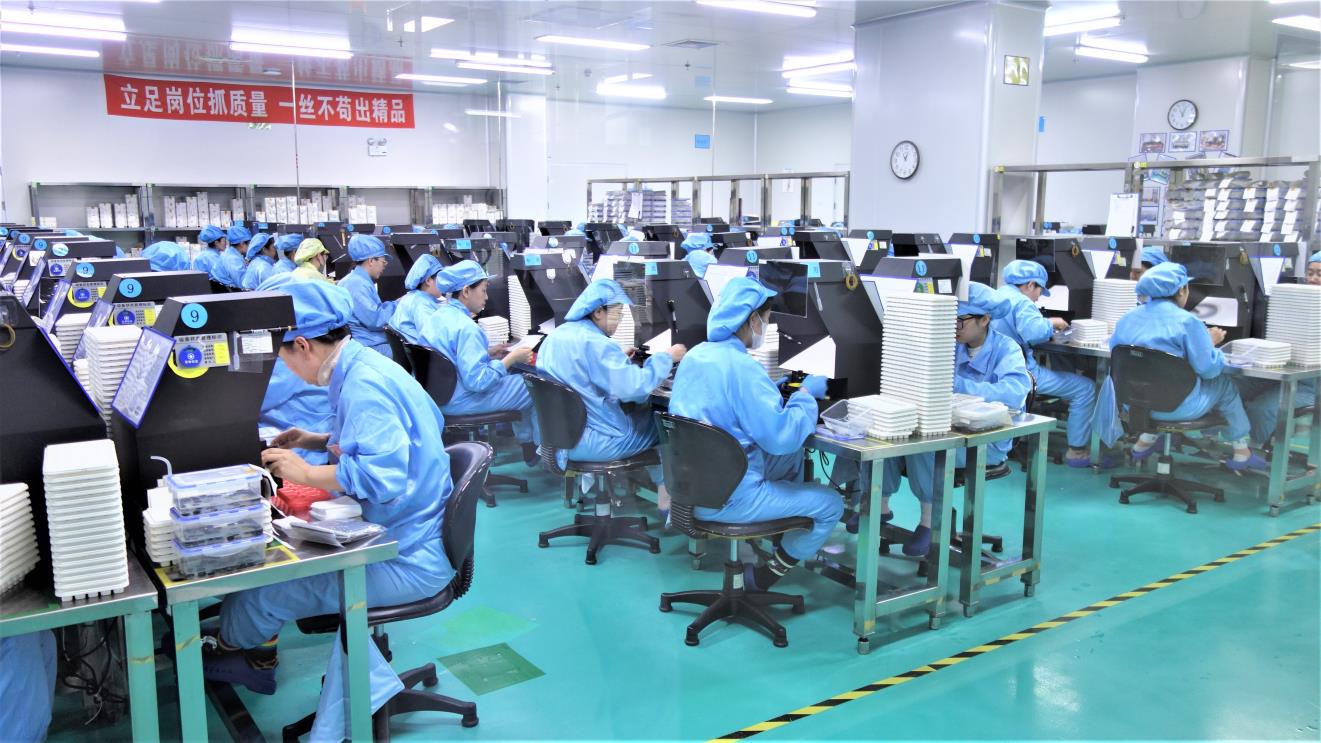
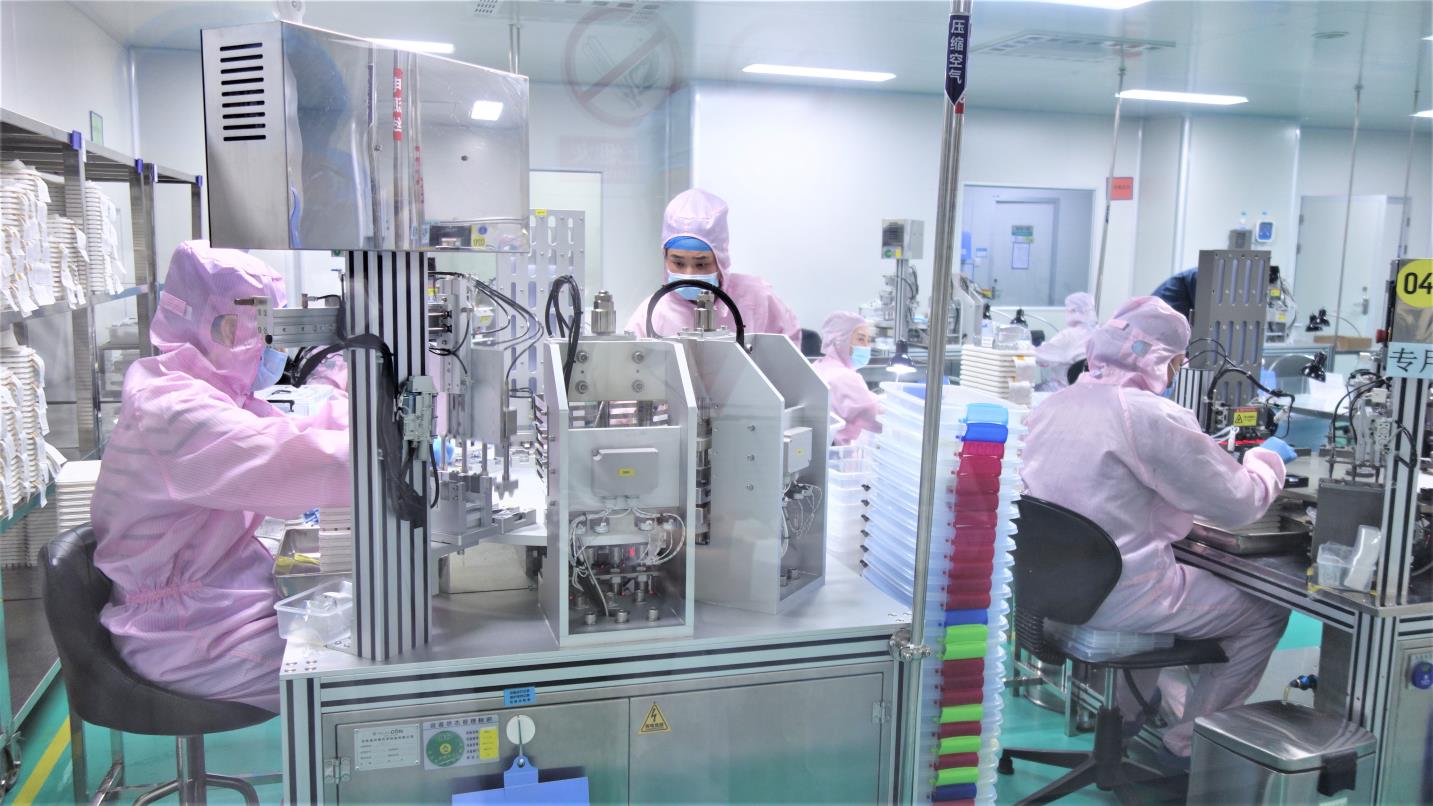
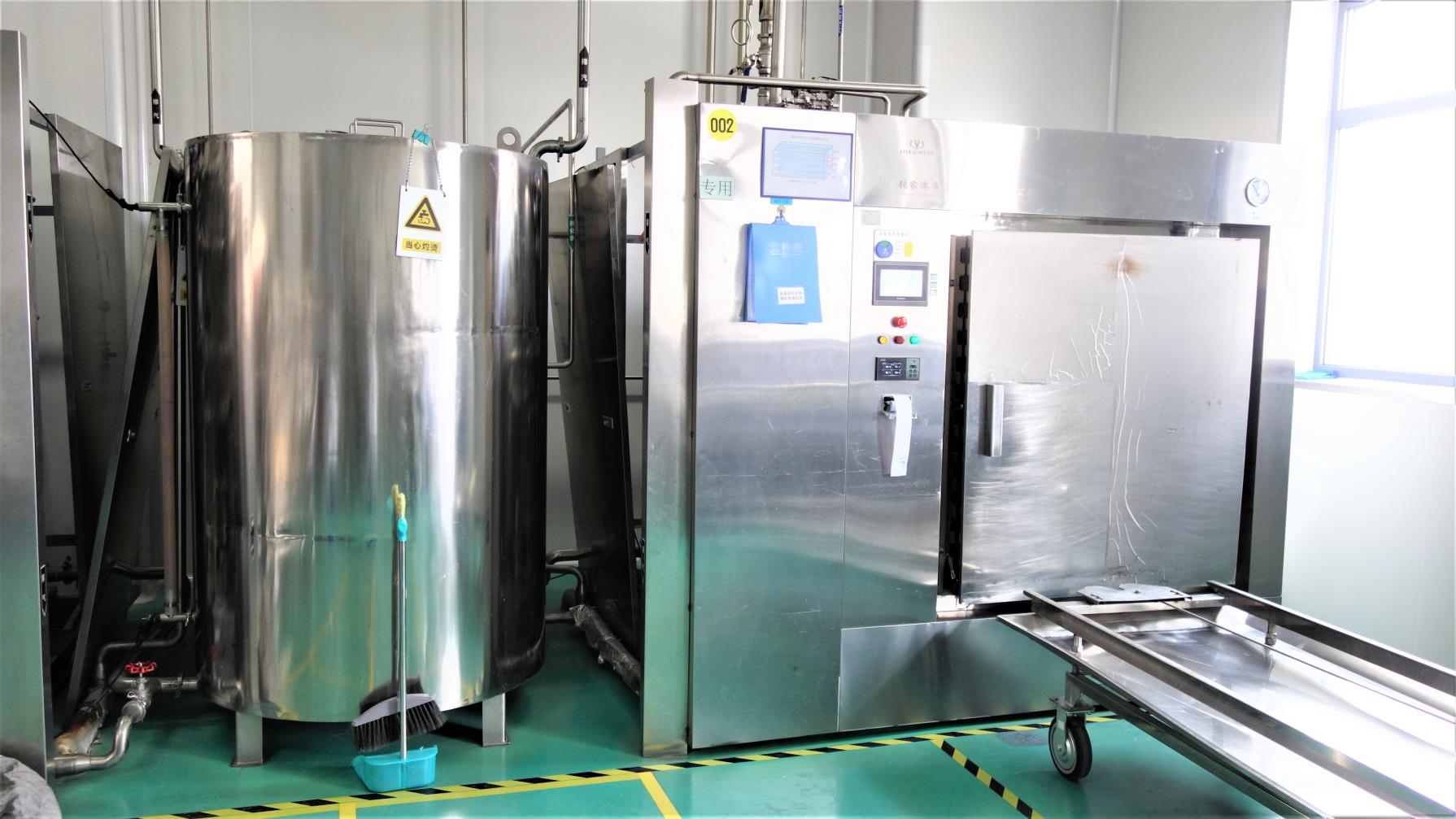
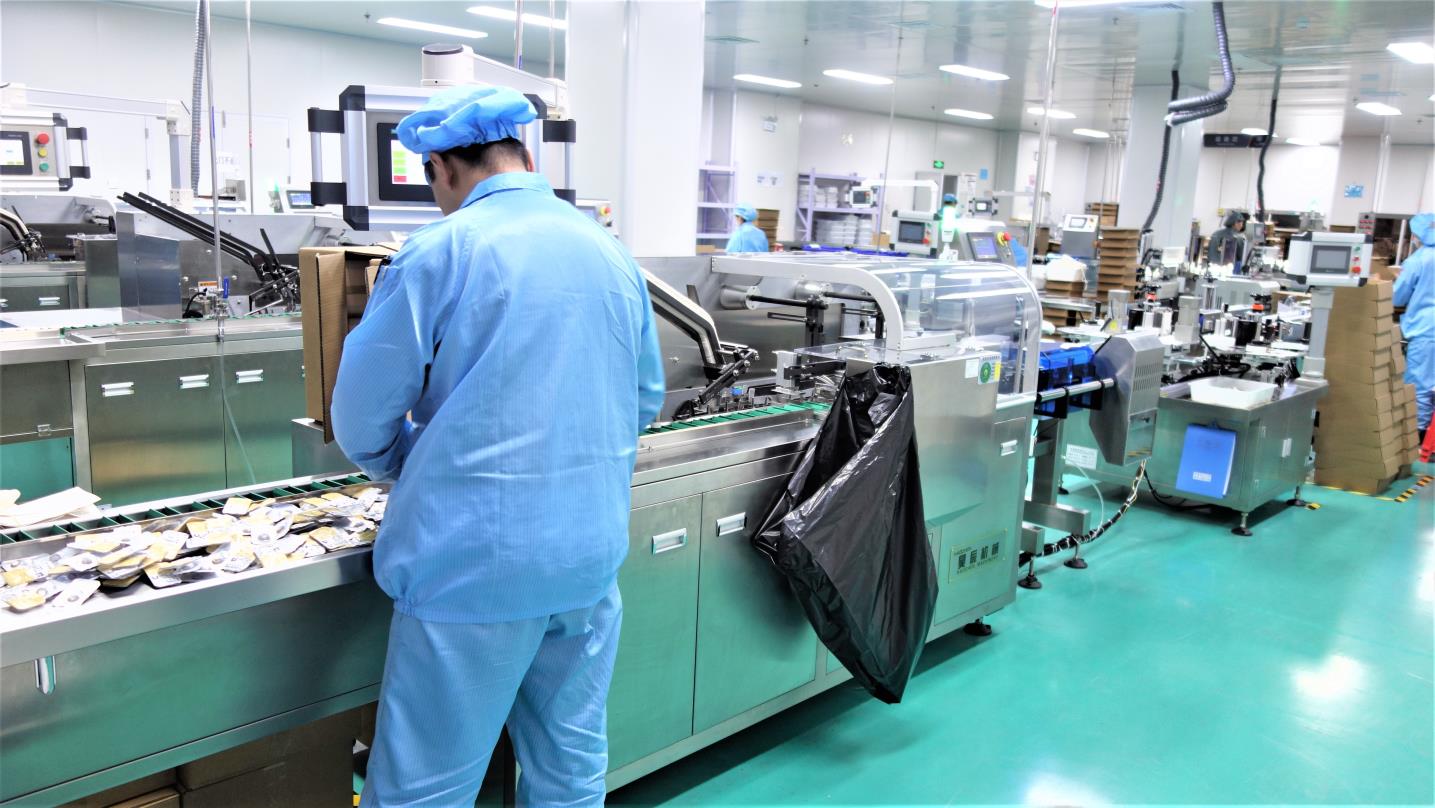
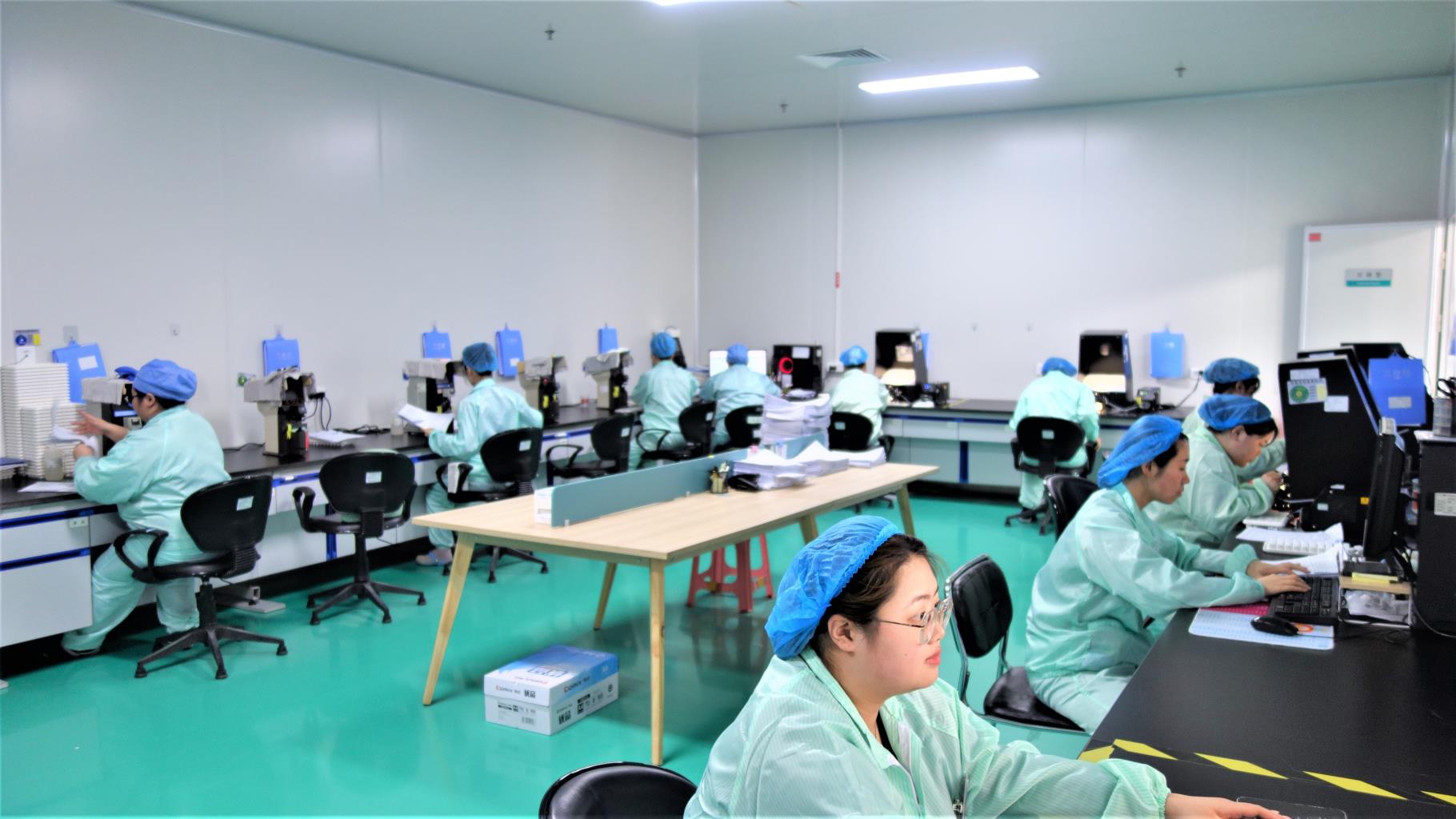
High-speed machinery ensures high repeatability, minimal dimensional tolerance, and cost-controlled production scaling.
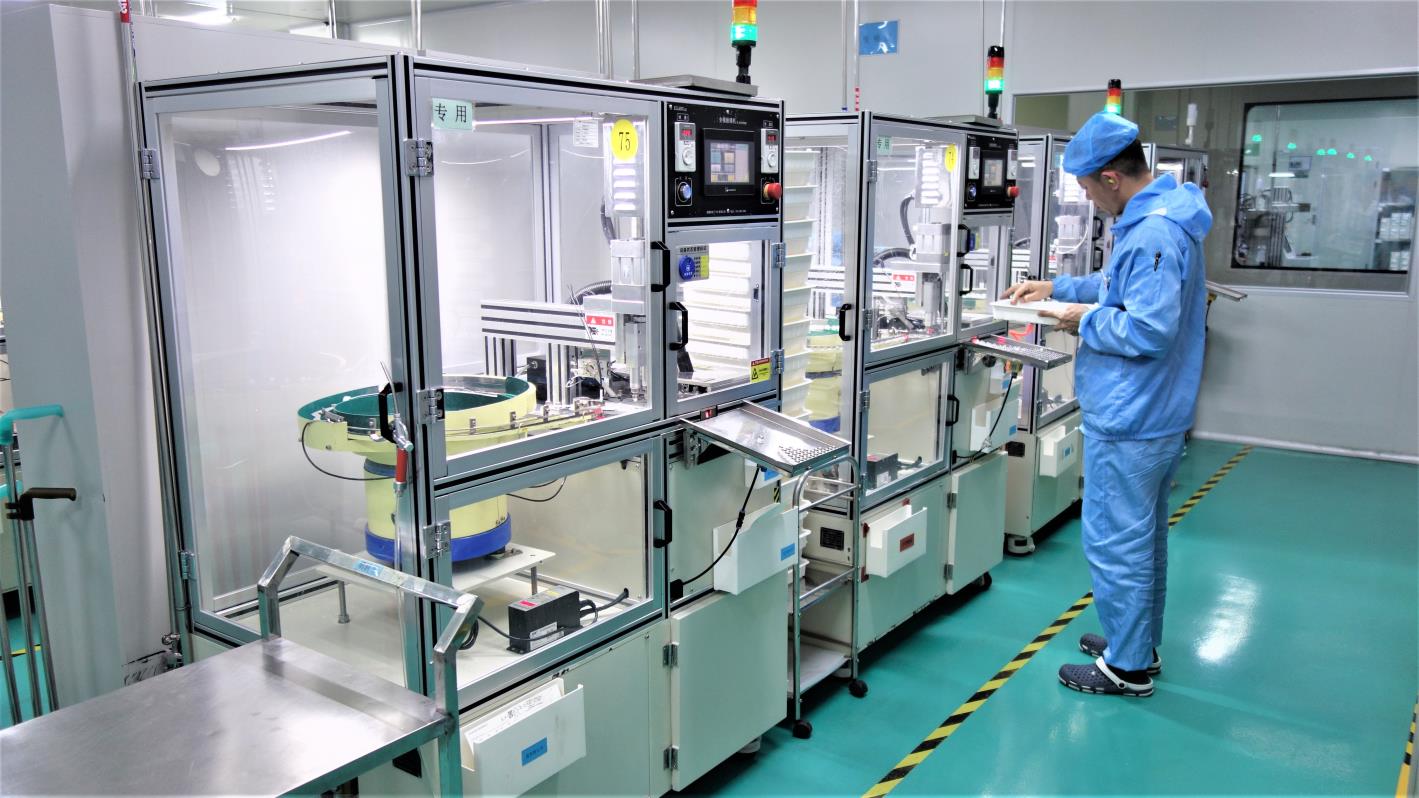
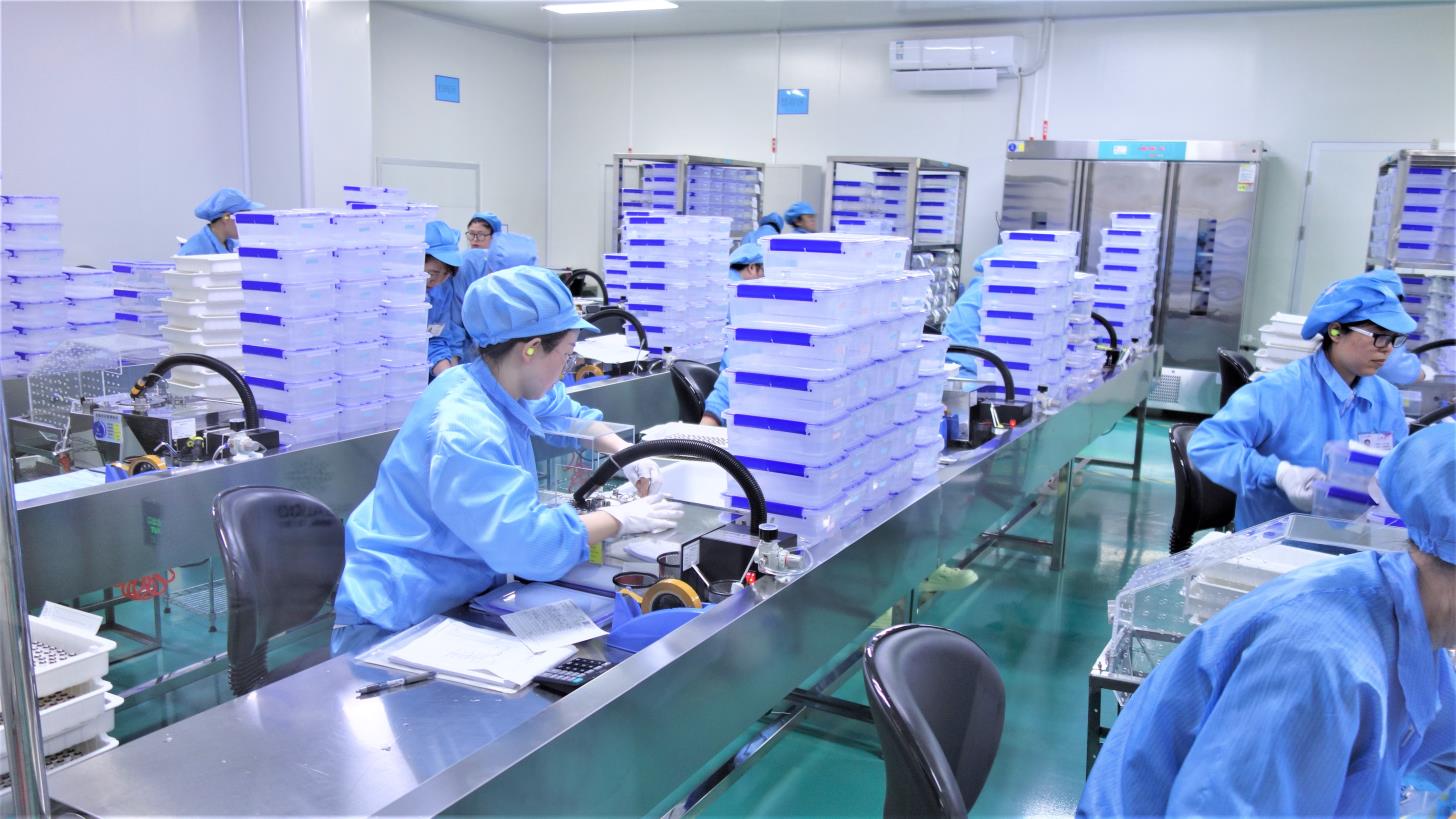
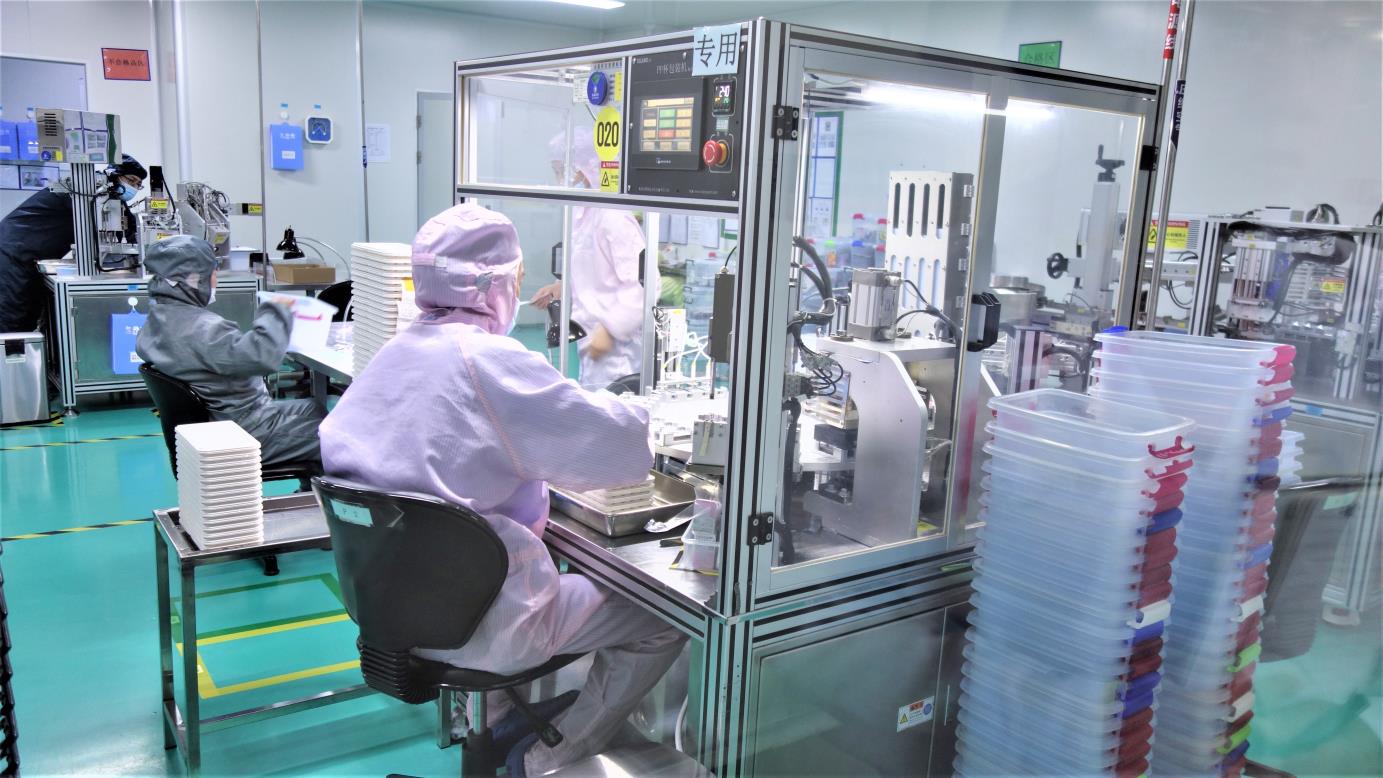
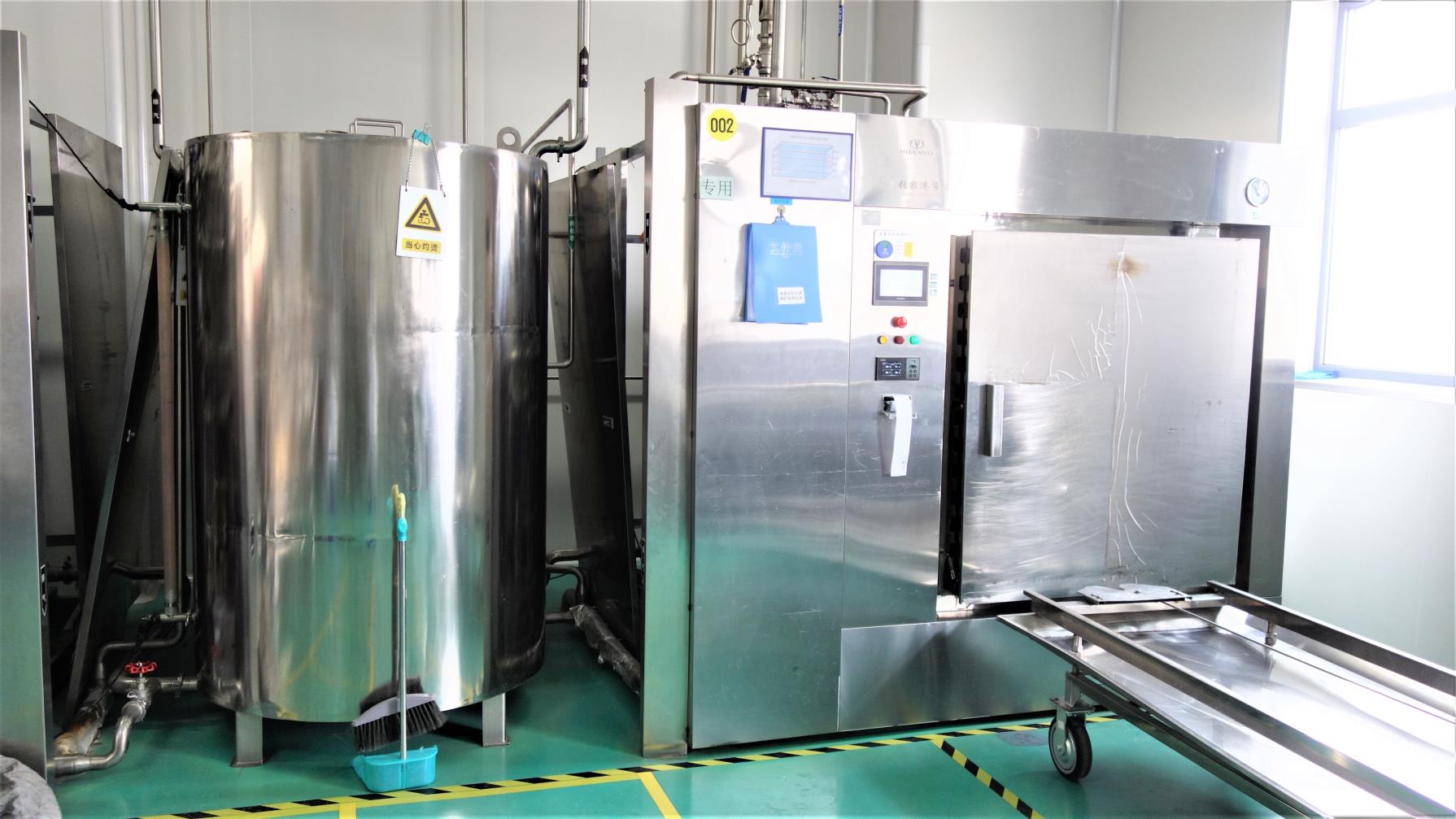
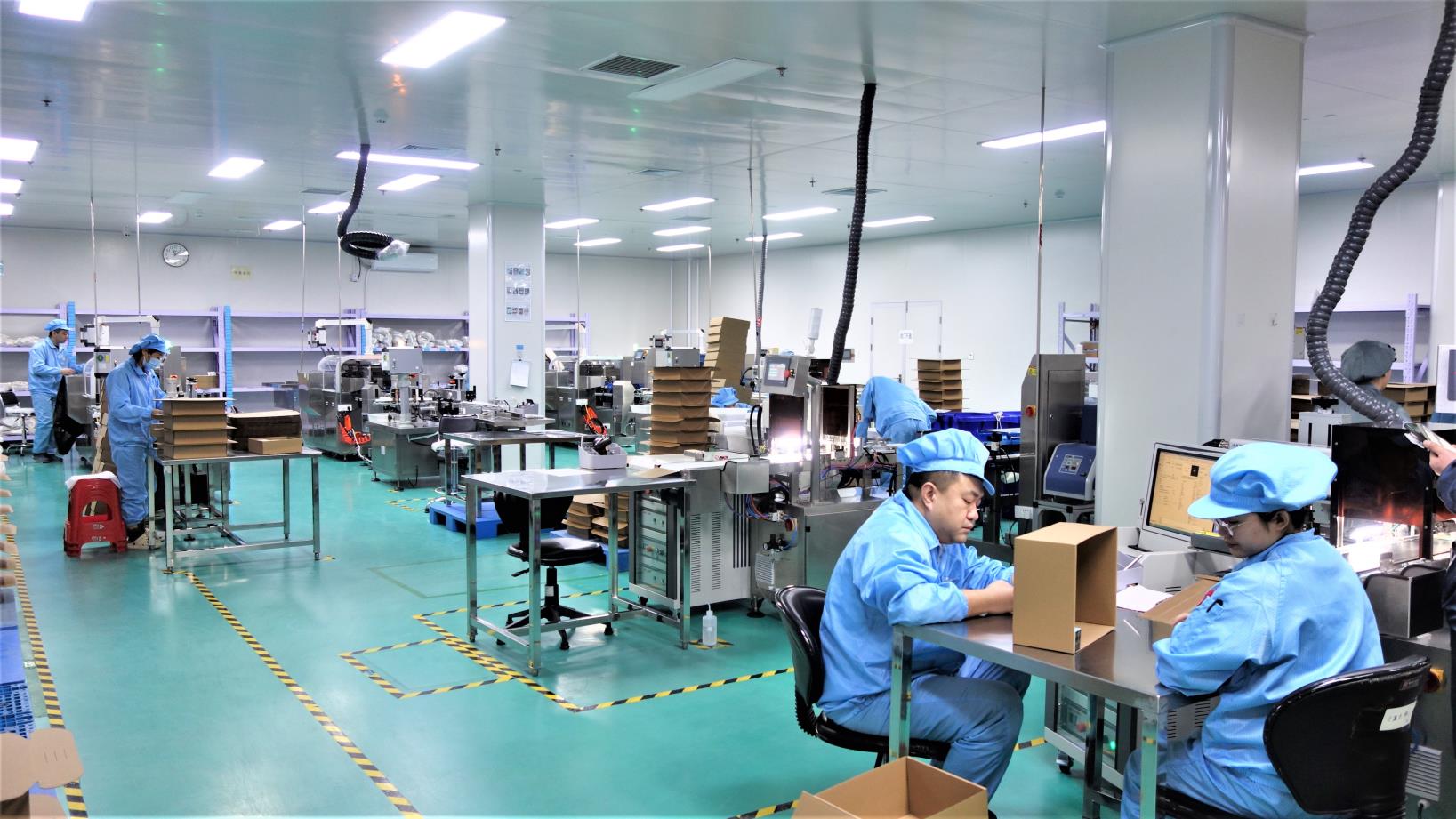
Continuous testing for optical power precision, surface geometry deviations, and spectral transmission characteristics.
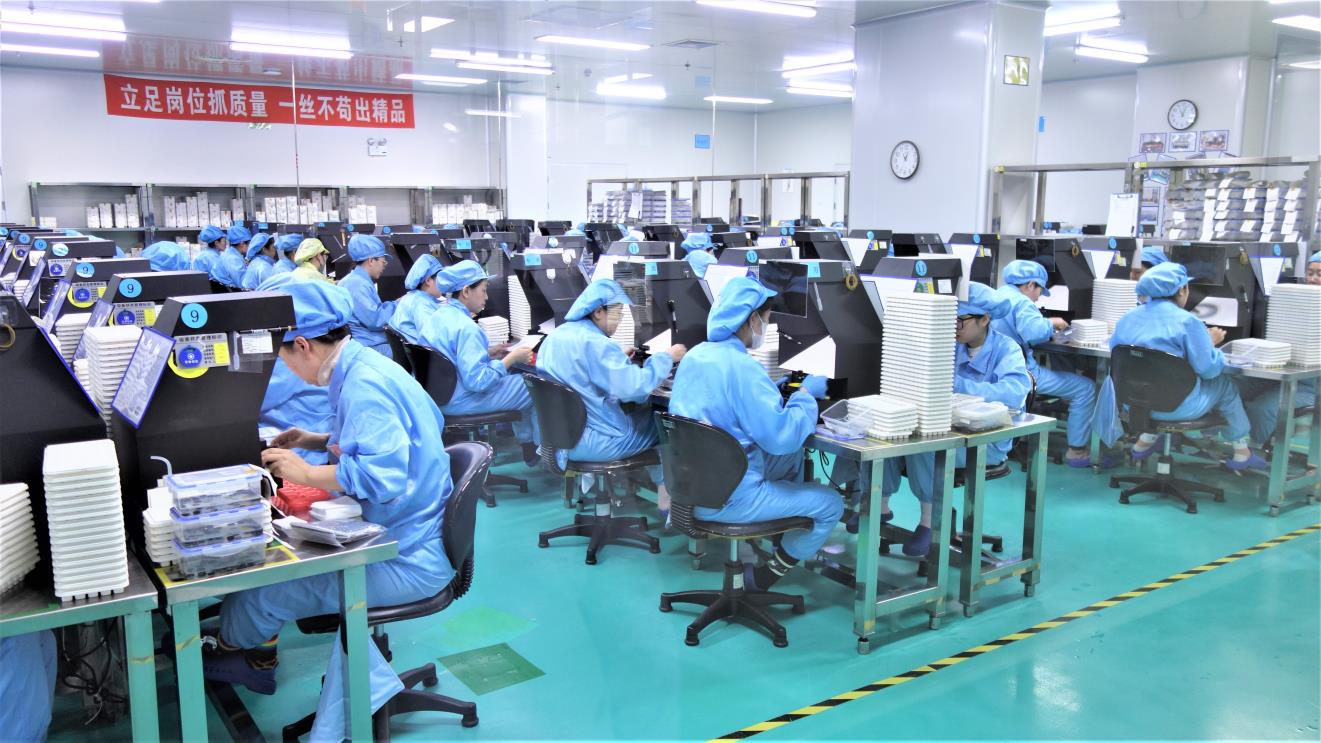
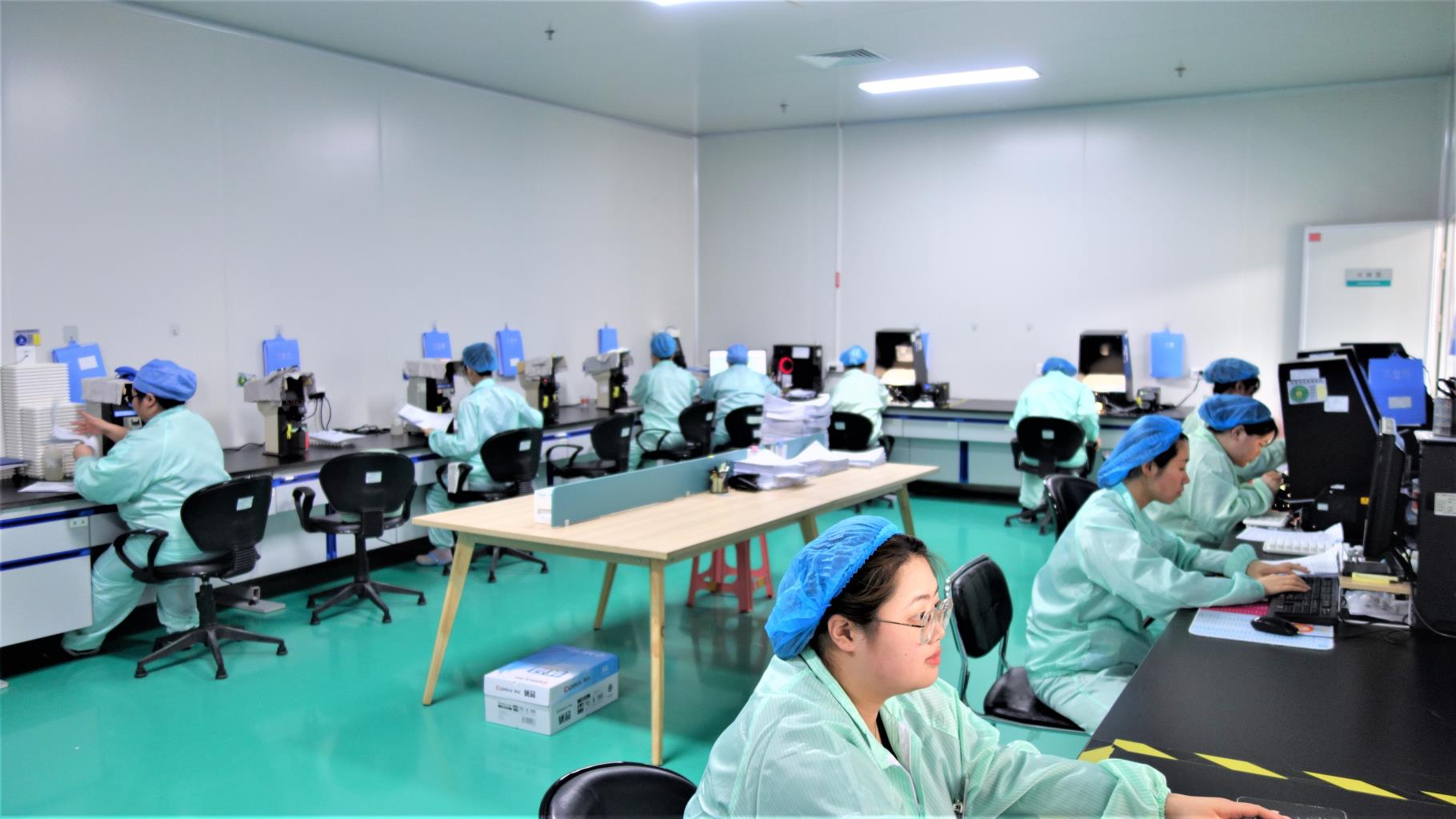
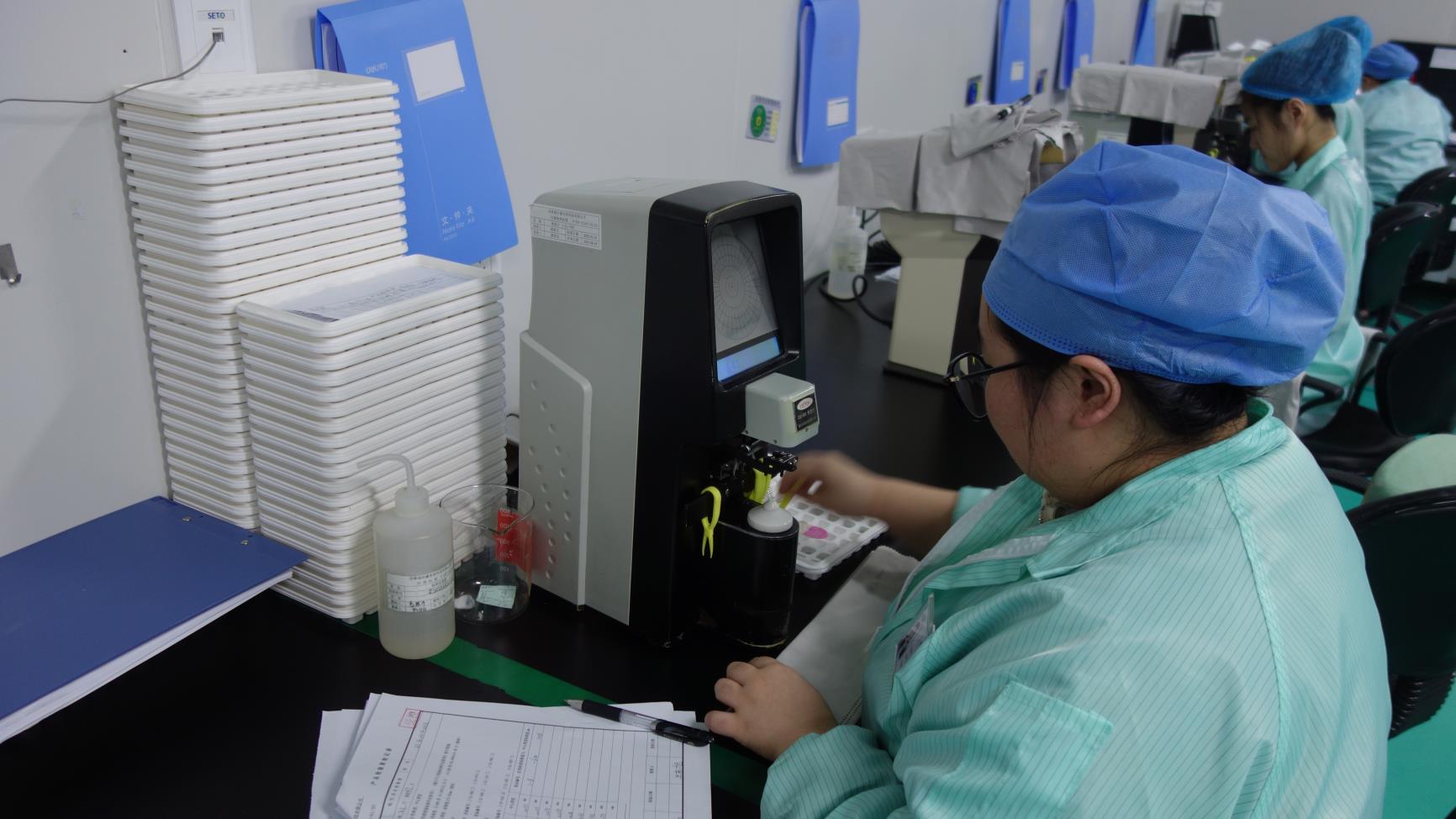
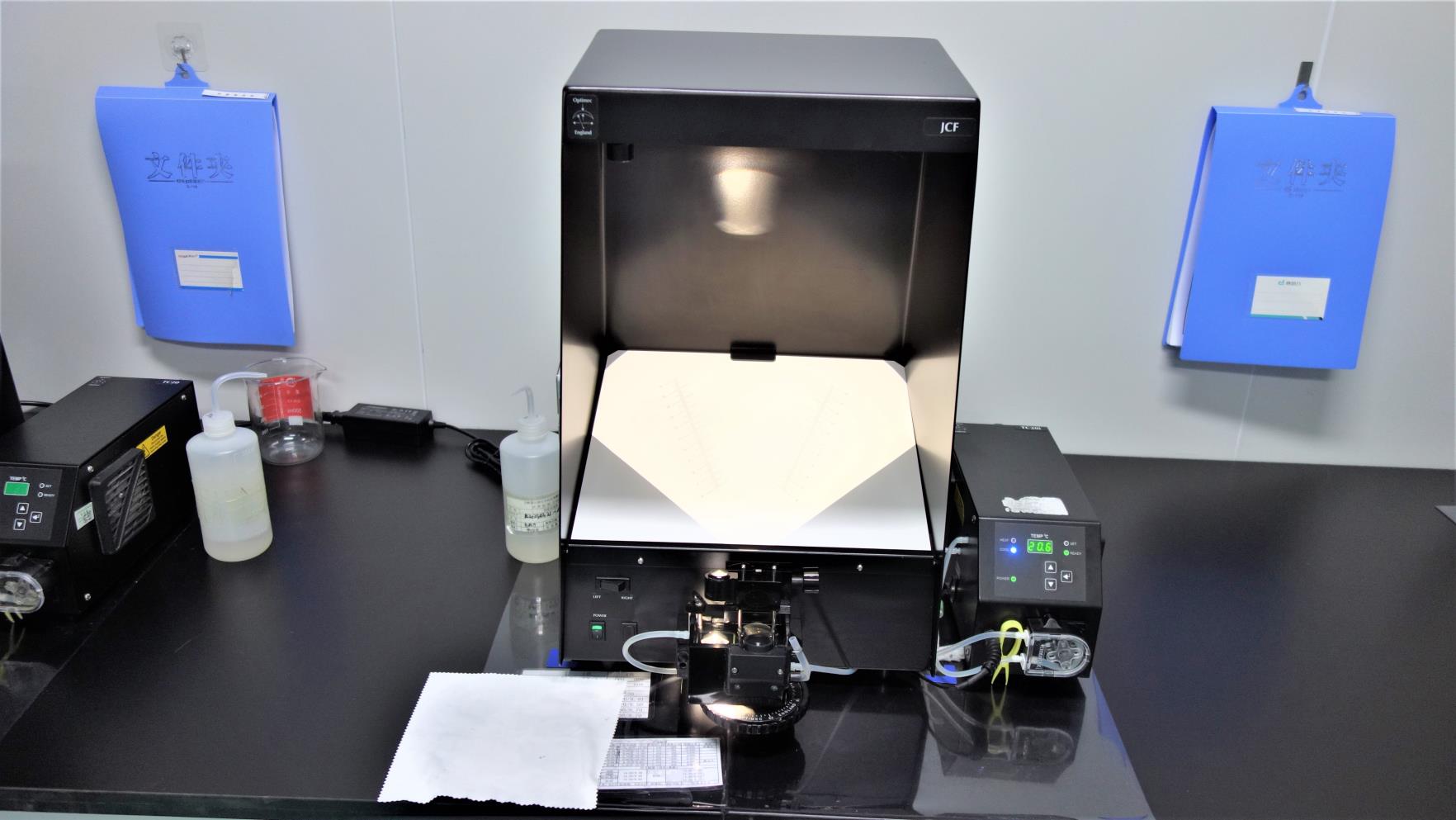
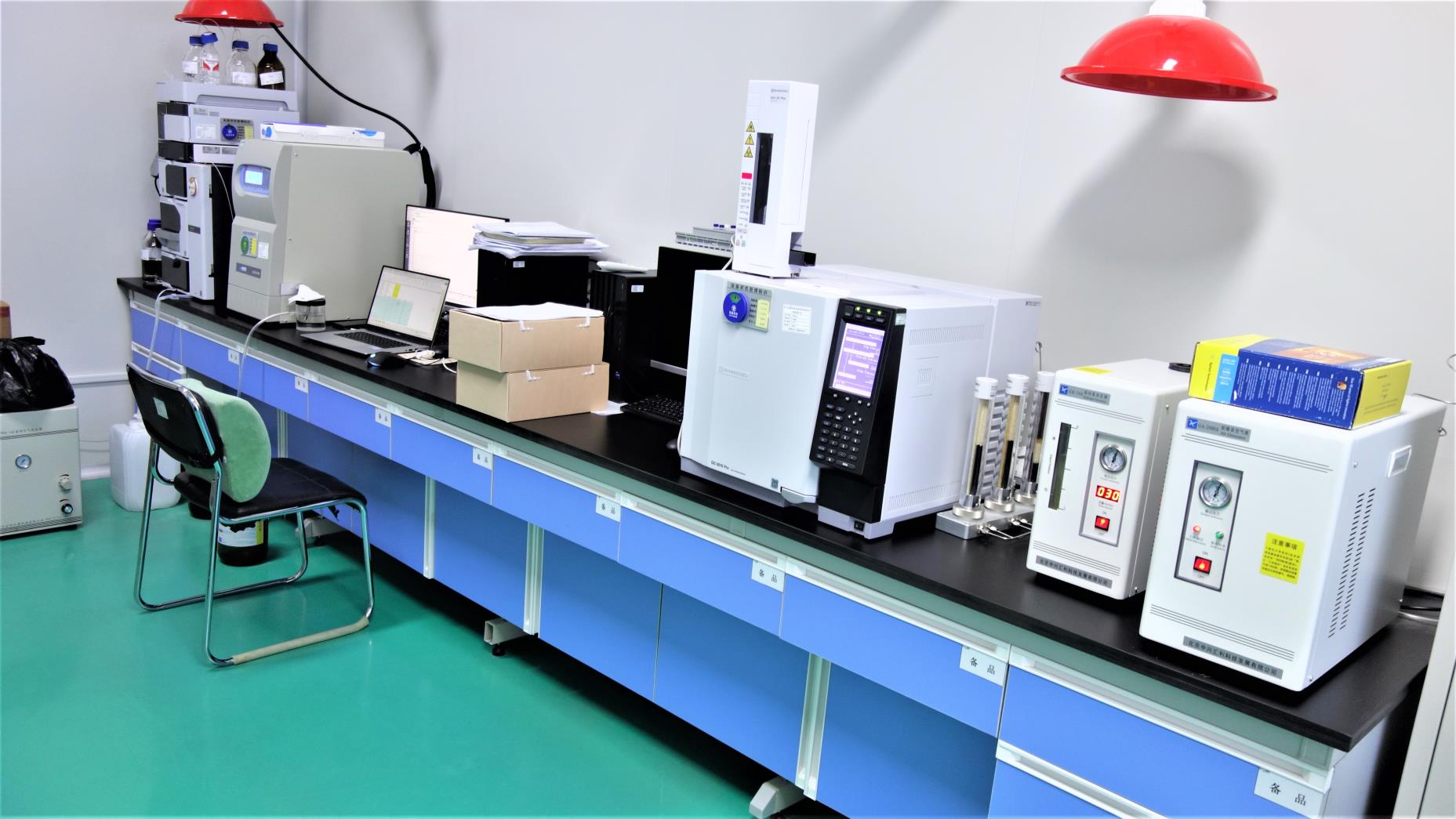
The core of ocular cosmetic tool manufacturing lies in polymer synthesis. Shenzhen Fresh Vision Co., Ltd. utilizes HEMA (2-Hydroxyethyl methacrylate) copolymer formulations blended with cross-linking agents like EGDMA (Ethylene glycol dimethacrylate). This combination creates a hydrophilic polymer network capable of absorbing and retaining water, ensuring the lens remains hydrated throughout daily wear. The water content is calibrated to maintain soft mechanical properties while ensuring adequate oxygen transmissibility (Dk/t), which is critical for corneal health.
Our facility employs automated injection molding machines to fabricate high-precision male and female mold inserts. The monomer mixture is metered into the molds, followed by thermal or UV polymerization. This process minimizes thermal stresses in the polymer chain, preventing deviations in back vertex power (BVP) and sagittal depth. Automated demolding systems separate the cured lenses without micro-tearing, ensuring smooth edges that prevent ocular discomfort.
To prevent pigment migration and contact with the ocular surface, we employ double-sided sandwich printing. The pigment layer is applied using silicone pads to the front curve of the mold before polymerization, locking the color inside the polymer matrix. This design ensures that the pigment layer does not modify the surface roughness of the lens, protecting both the wearer's cornea and the structural stability of the product.
"From chemical synthesis to mechanical design, our production line maintains tight dimensional control, ensuring that beauty products conform to medical-grade safety standards."
Direct answers regarding lead times, regulatory compliance, product customization, and logistics protocols.
High-transmissibility HEMA matrices and stable color blends for various application requirements.