Fresh Lenses


Advanced Technical Whitepaper
Sourcing Protocols, Production Systems, Quality Diagnostics, and Strategic Market Trends in Contact Lens Supply Chains.
1. The Paradigm Shift in Contact Lens Manufacturing and Global Sourcing
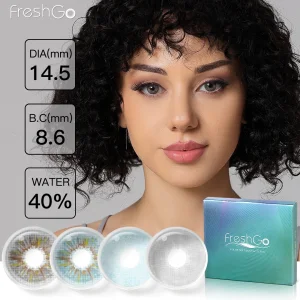
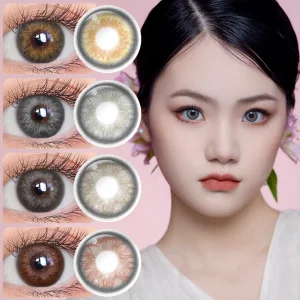
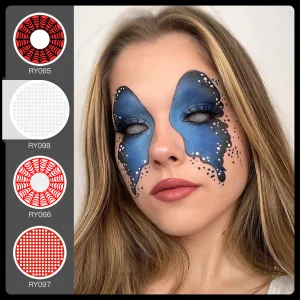
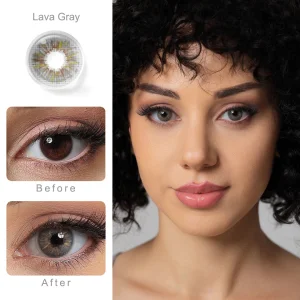
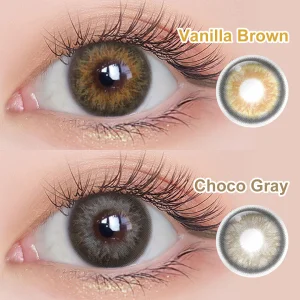
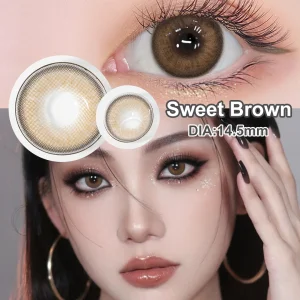
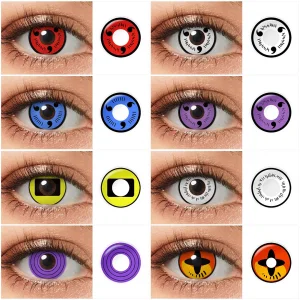
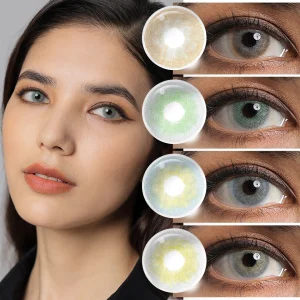
The contact lens and optical accessories industry is transitioning from simple commodity production to precision medical manufacturing. Modern contact lenses require advanced material compositions, such as Hydrogel (HEMA, NVP) and Silicone Hydrogel, to maximize oxygen permeability (Dk/t value) and mechanical flexibility. As cosmetic patterns (e.g., Cosplay, Sclera, natural iris lenses) experience unprecedented growth, global enterprises require highly agile production lines capable of supporting small-batch variety as well as high-volume runs without compromising physiological biocompatibility.
“The primary driver for next-generation contact lens supply chains is the balance between visual aesthetics and physiological safety. A partner must satisfy rigorous clinical standards to shield end-users from ocular infections, corneal hypoxia, and mechanical abrasions.”
2. Core Strengths of China's Contact Lens & Accessories Supply Chain
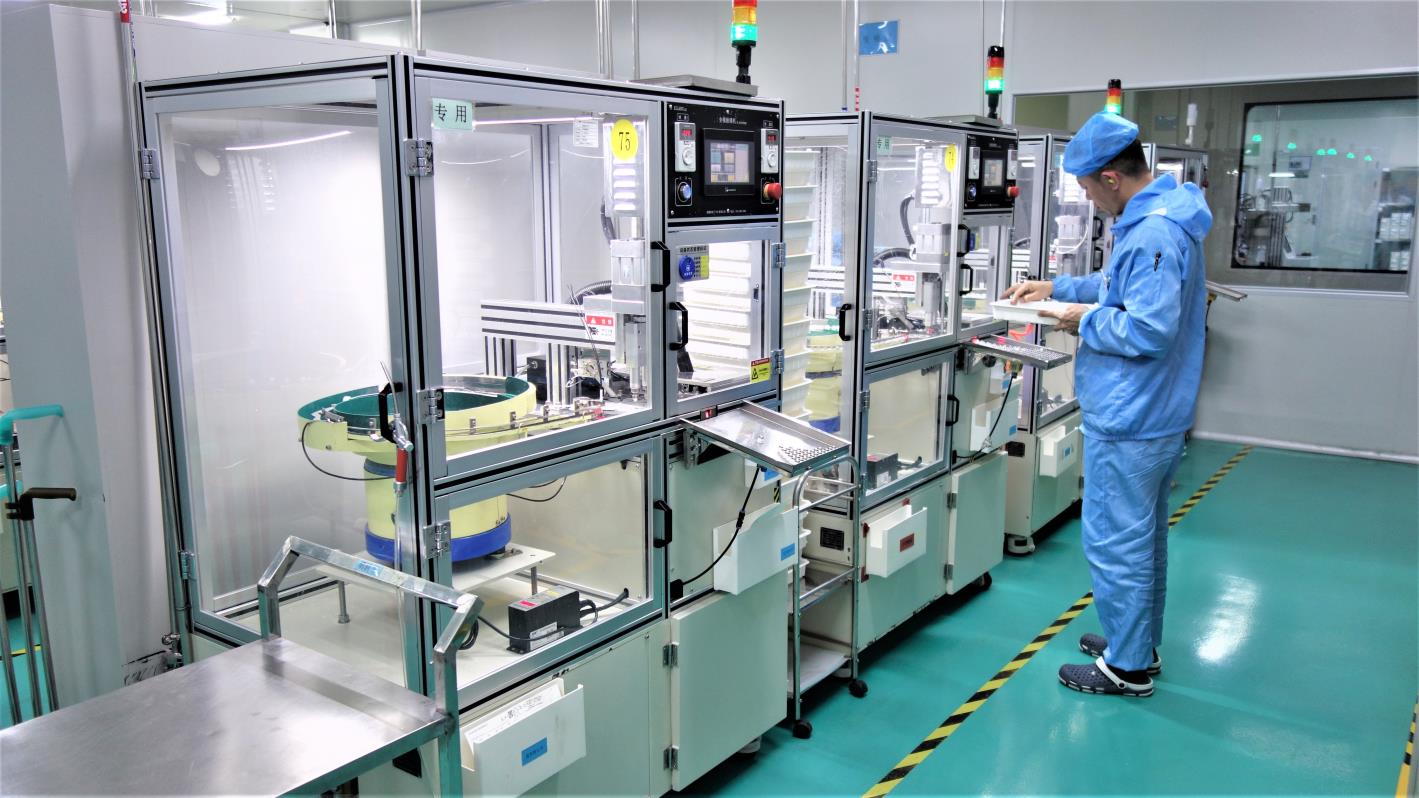
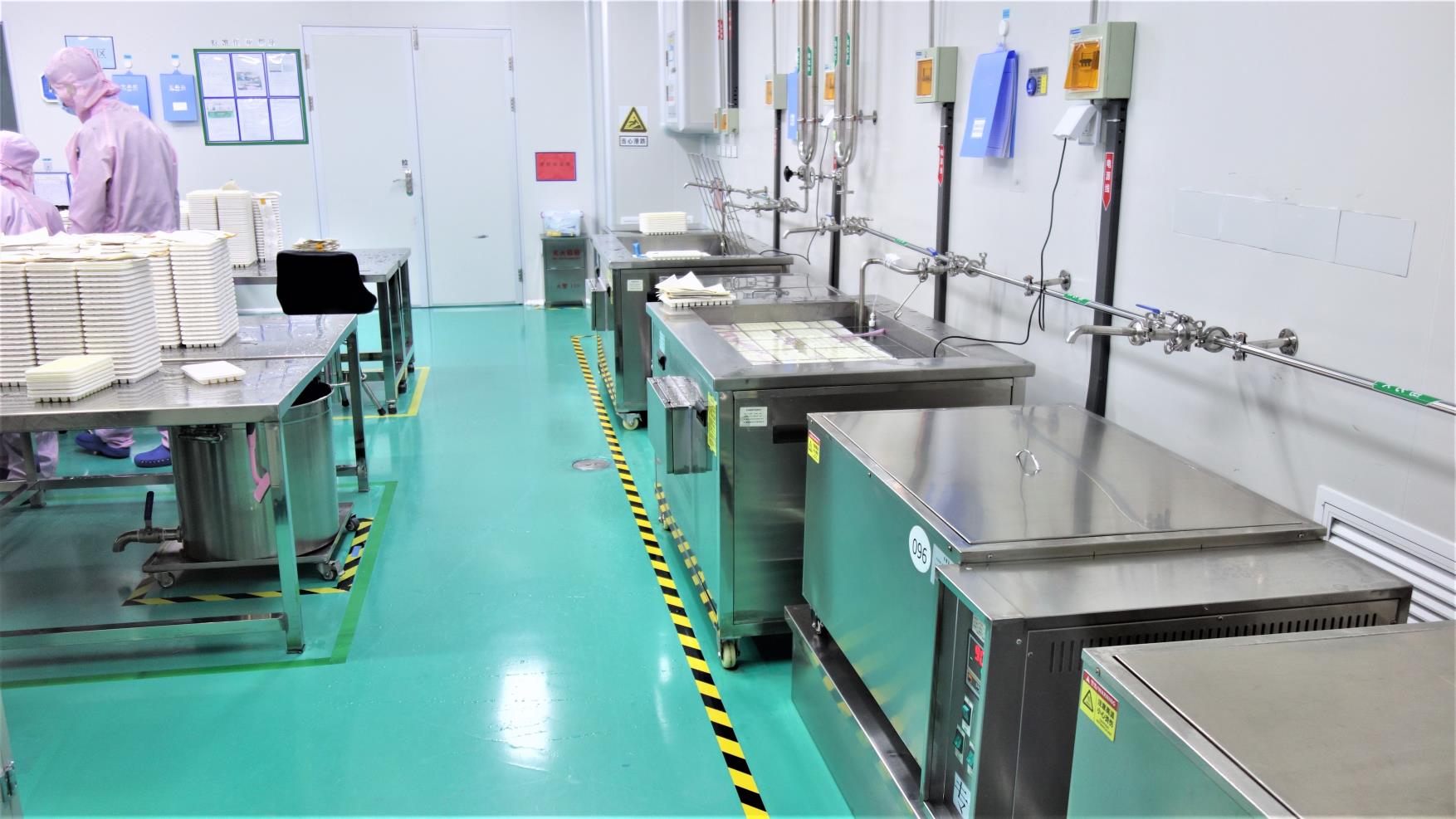
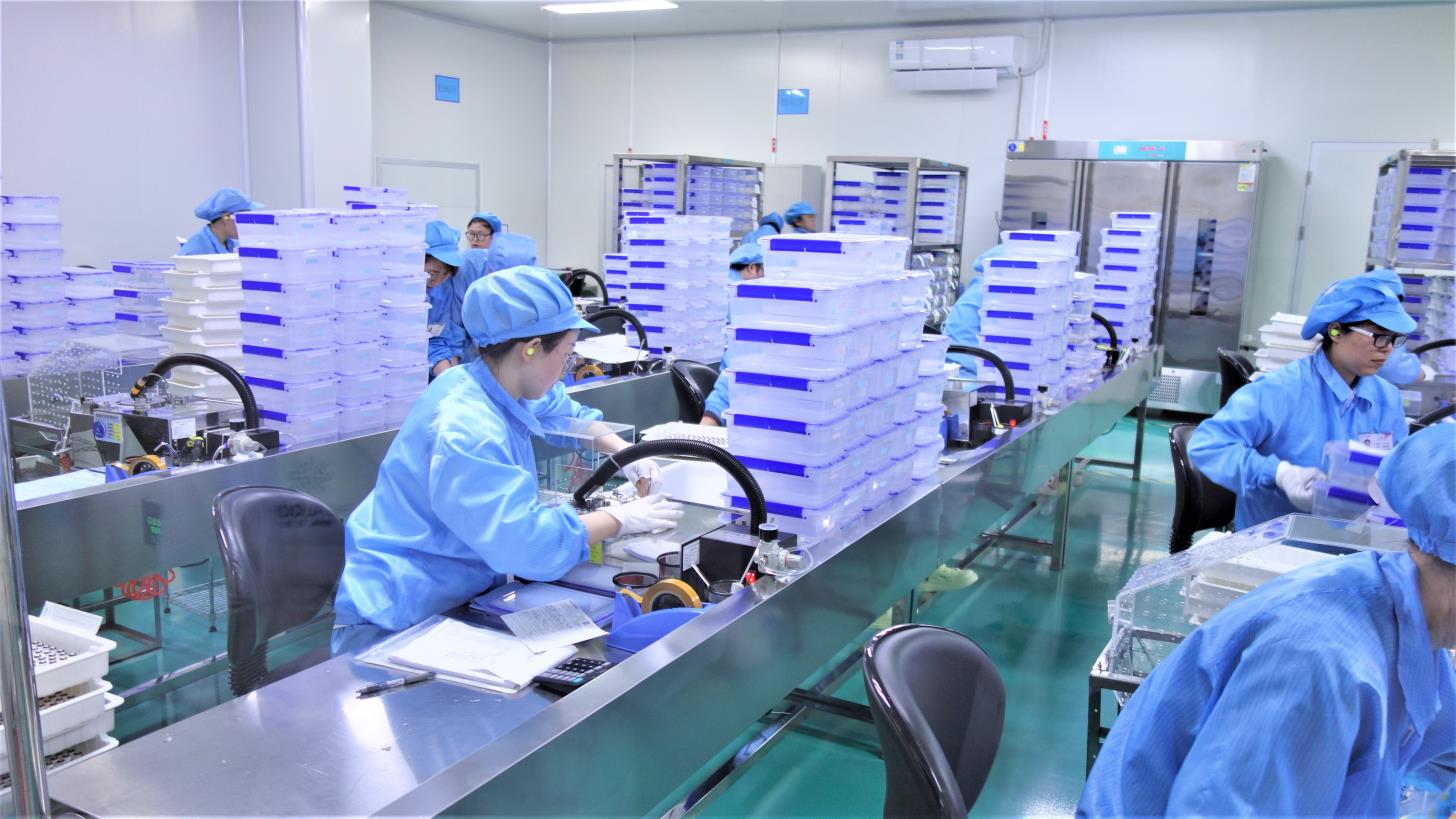
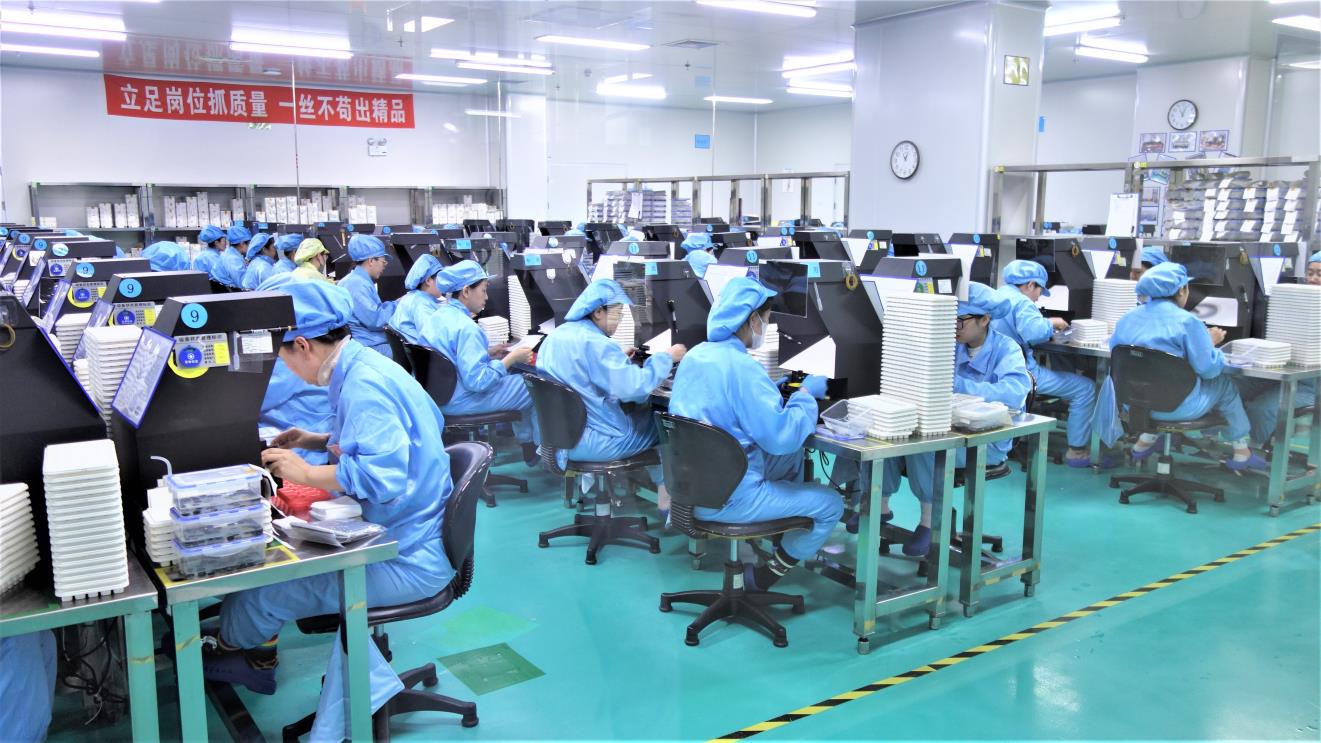
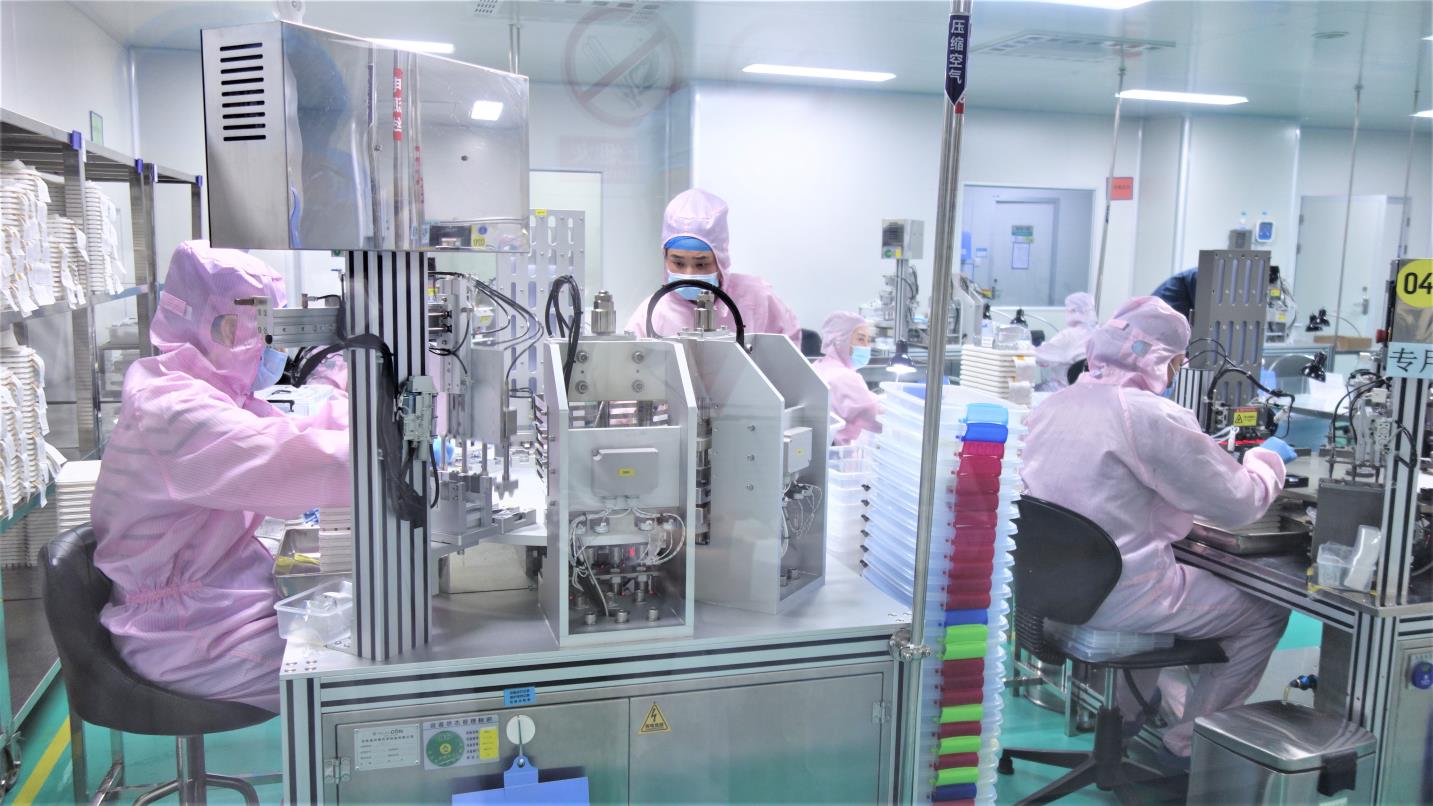
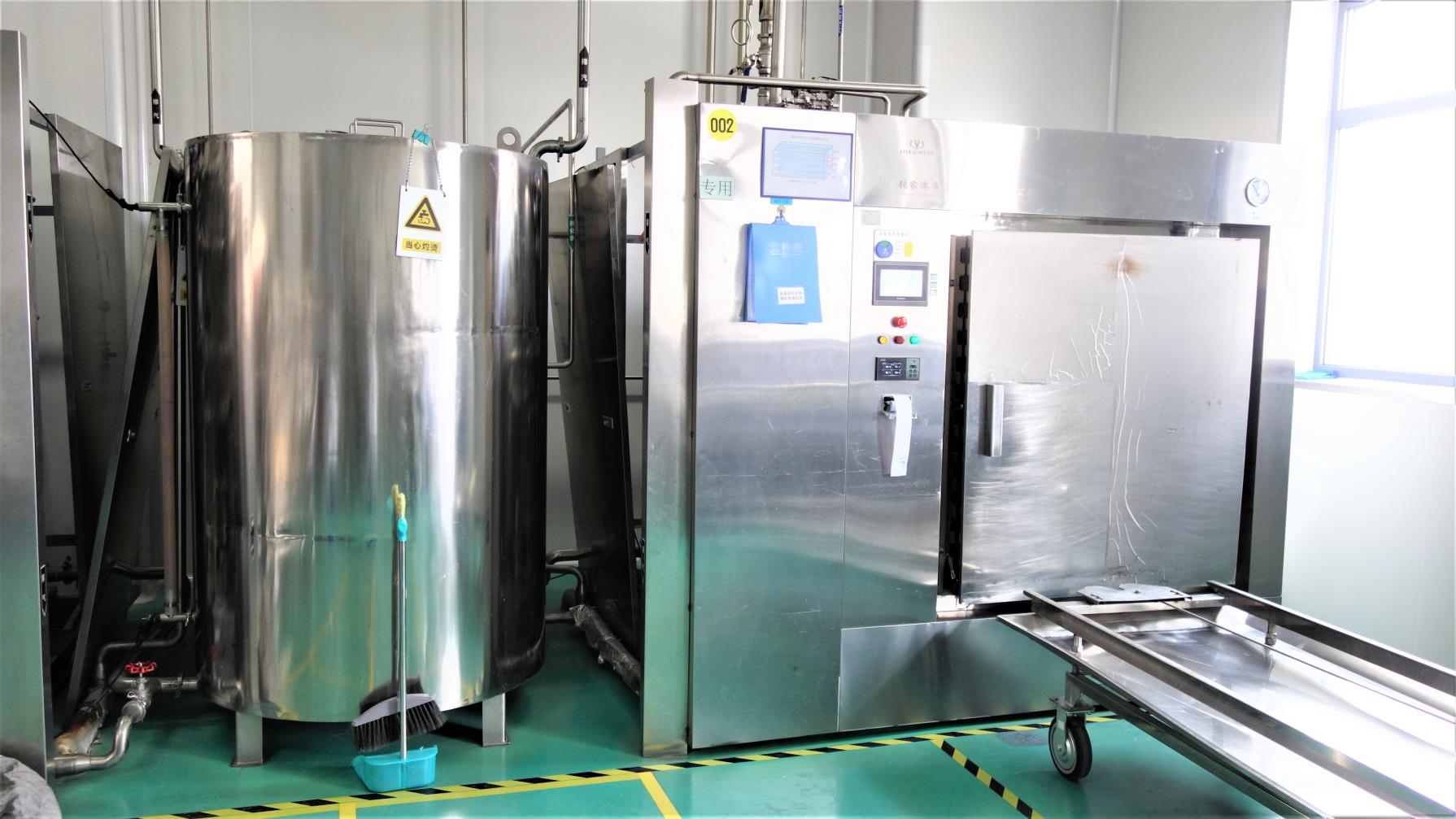
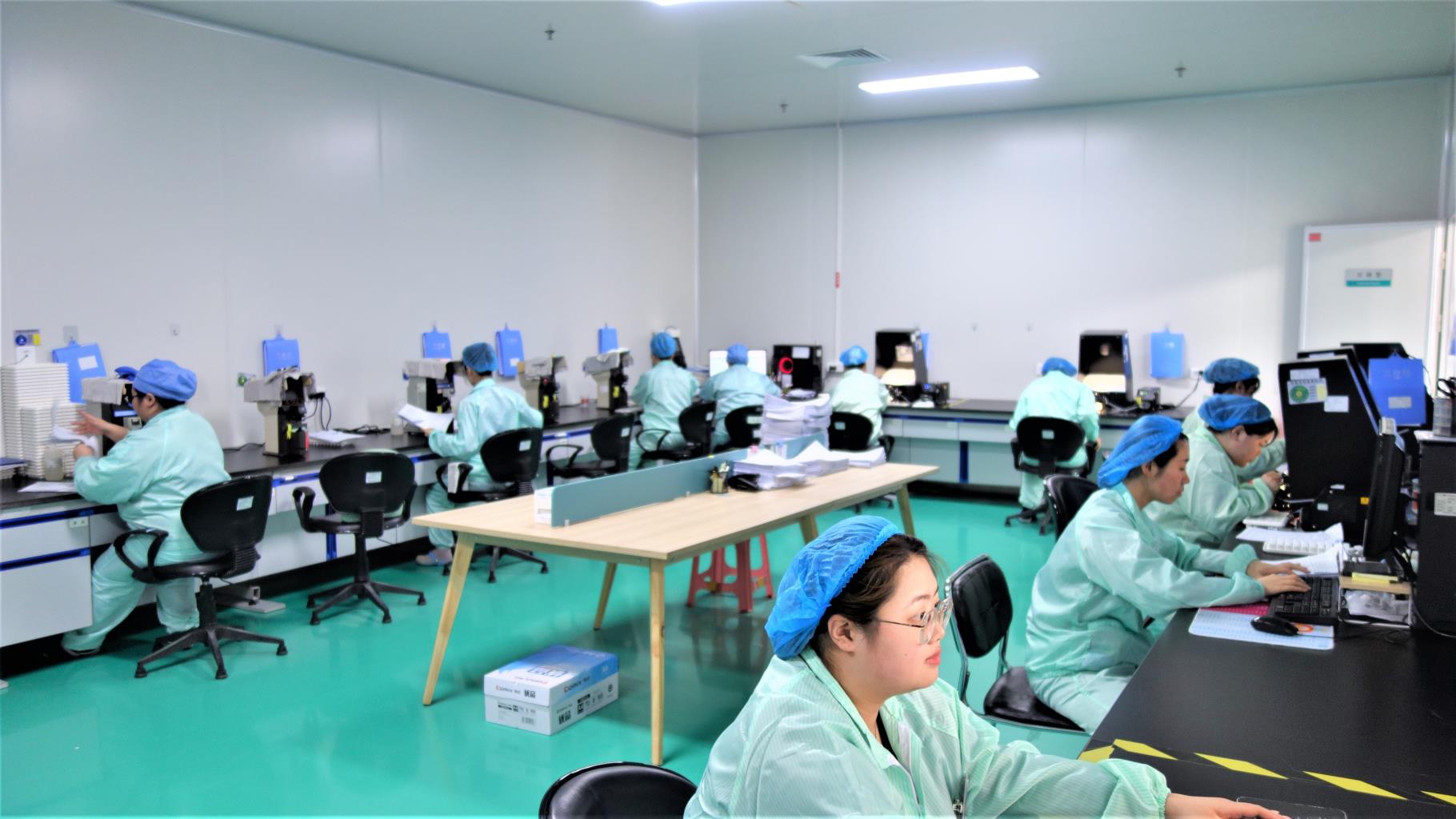
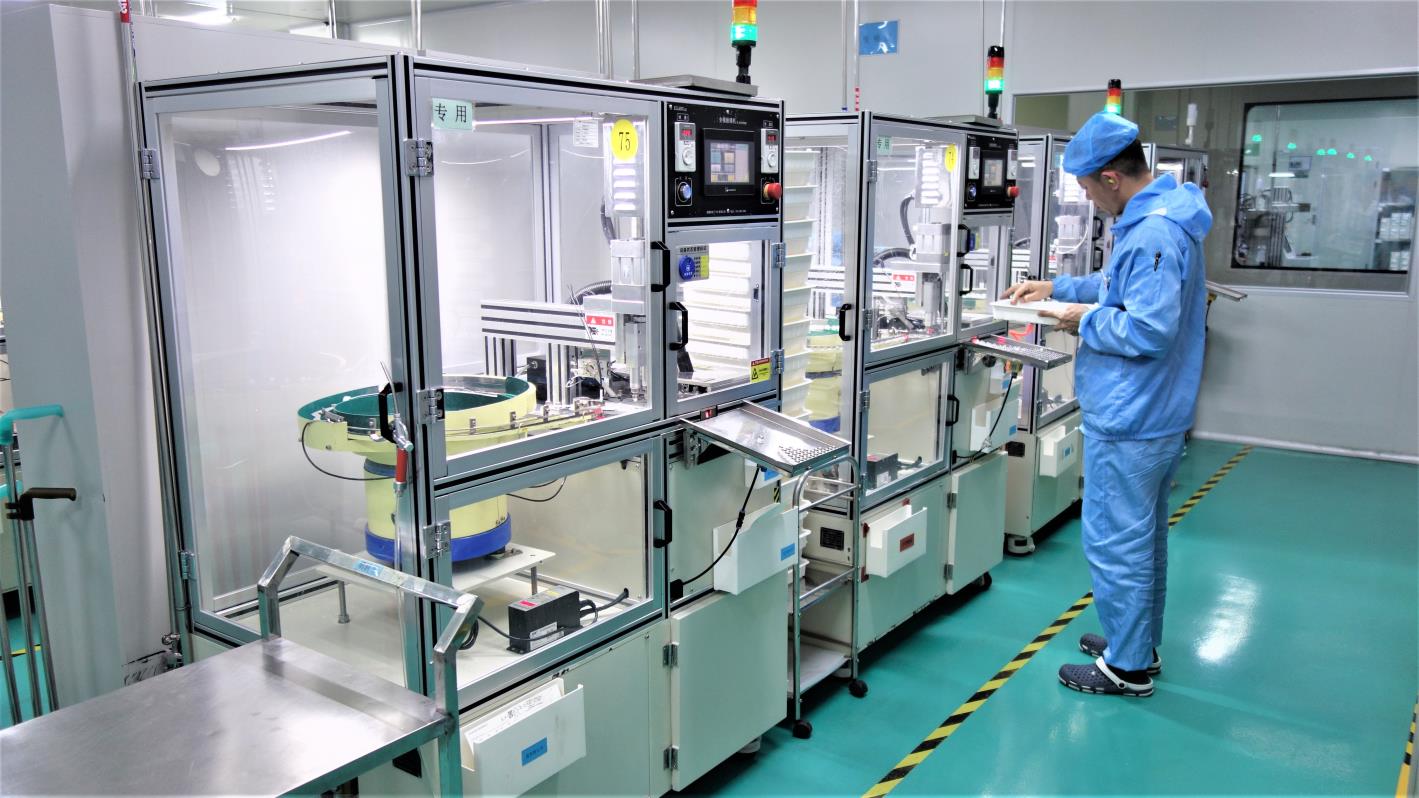
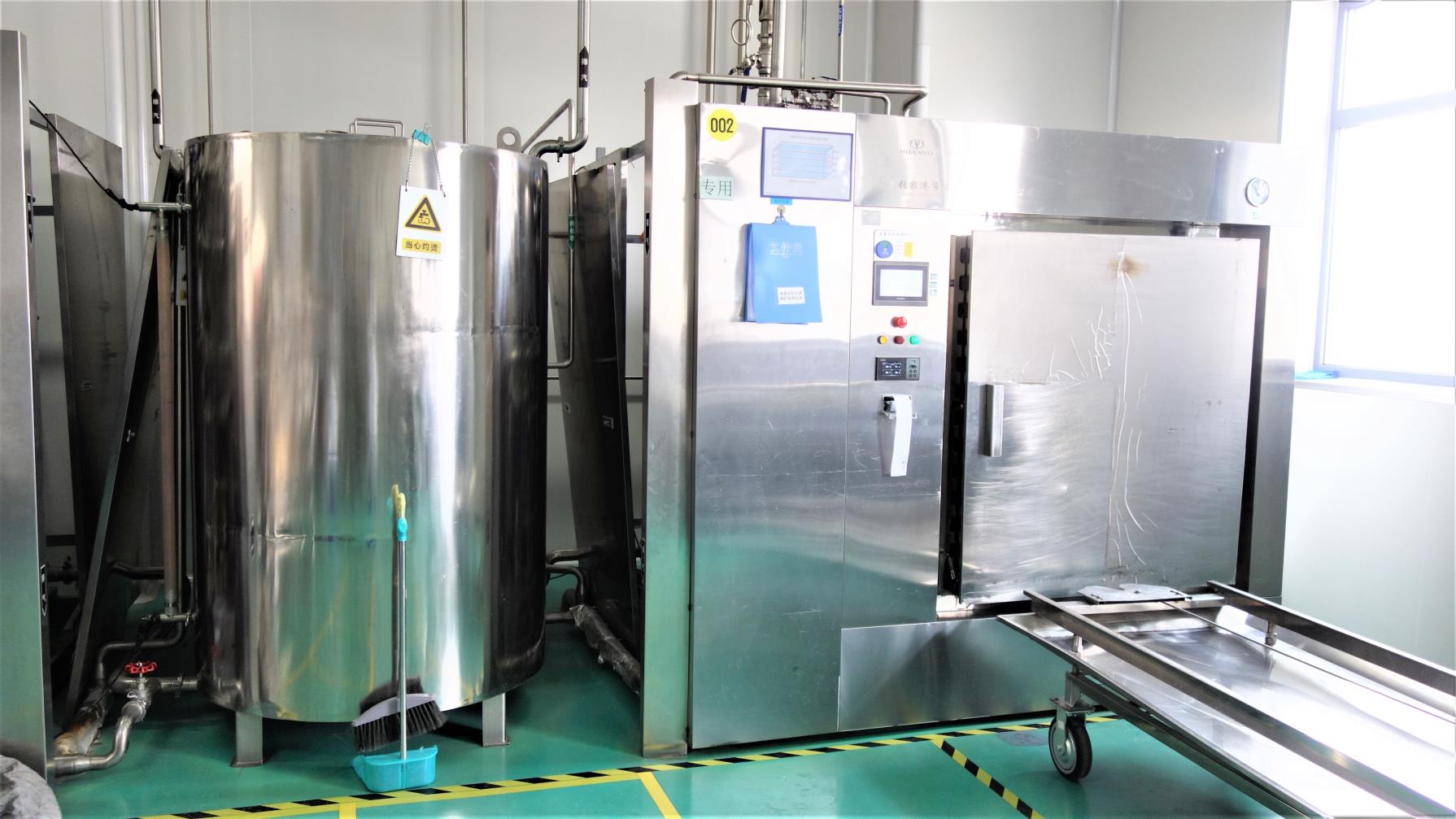
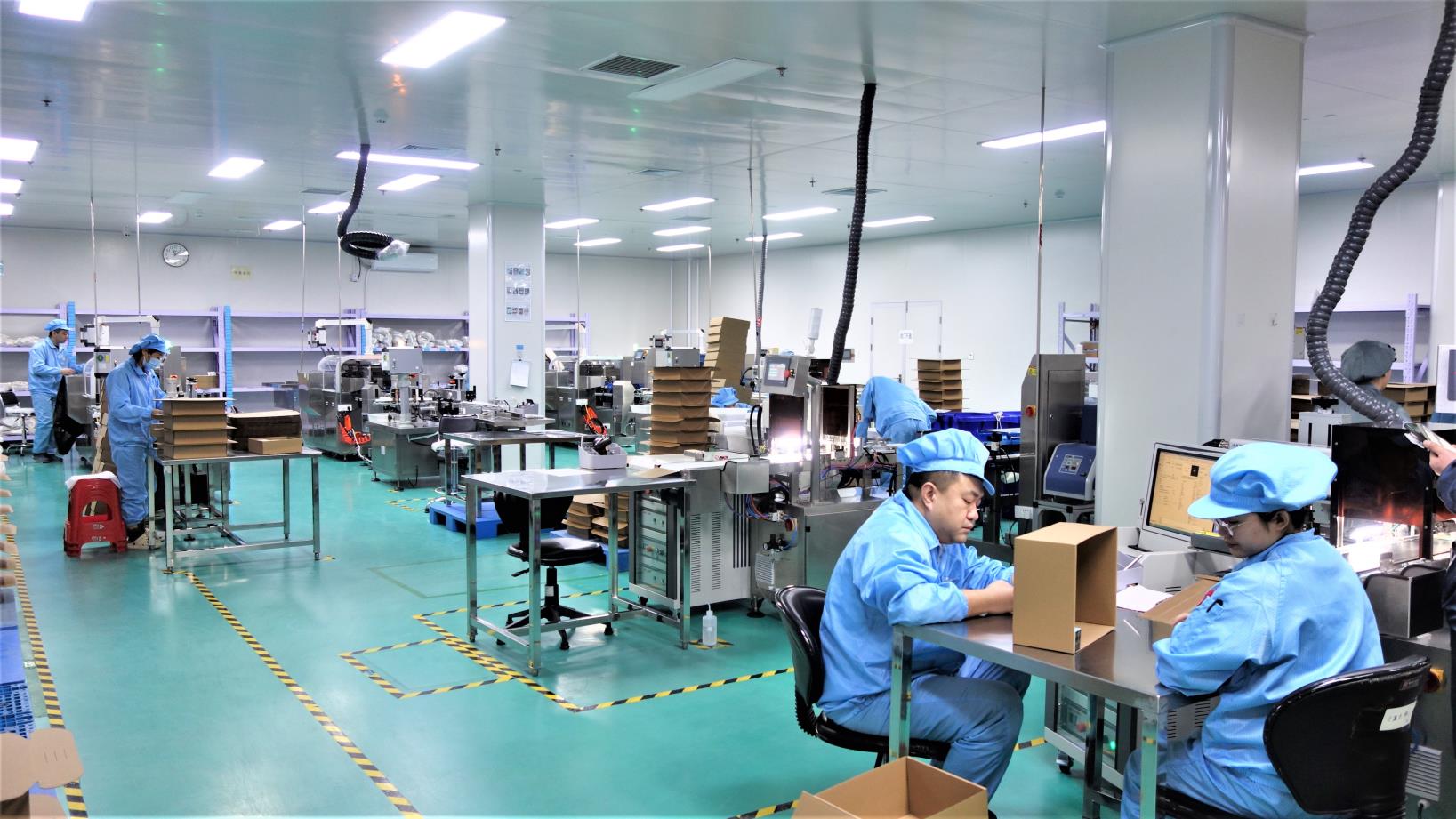
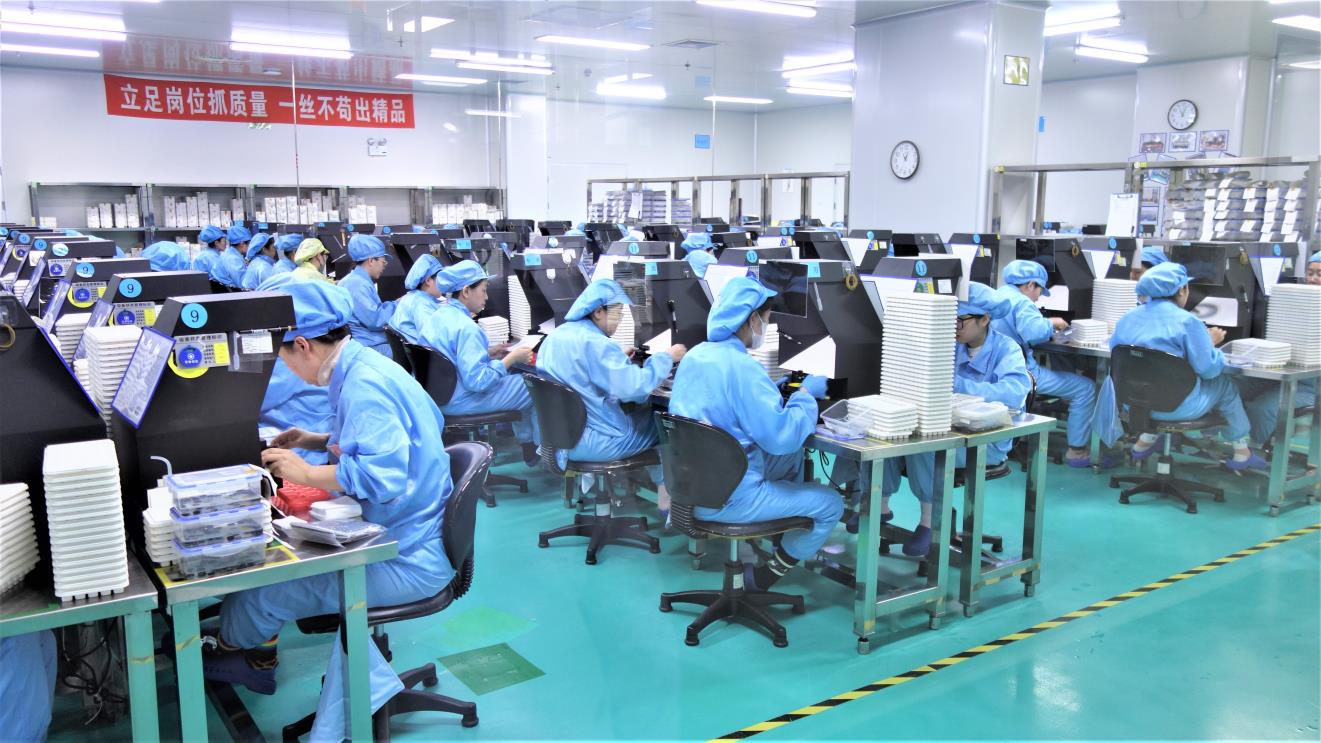
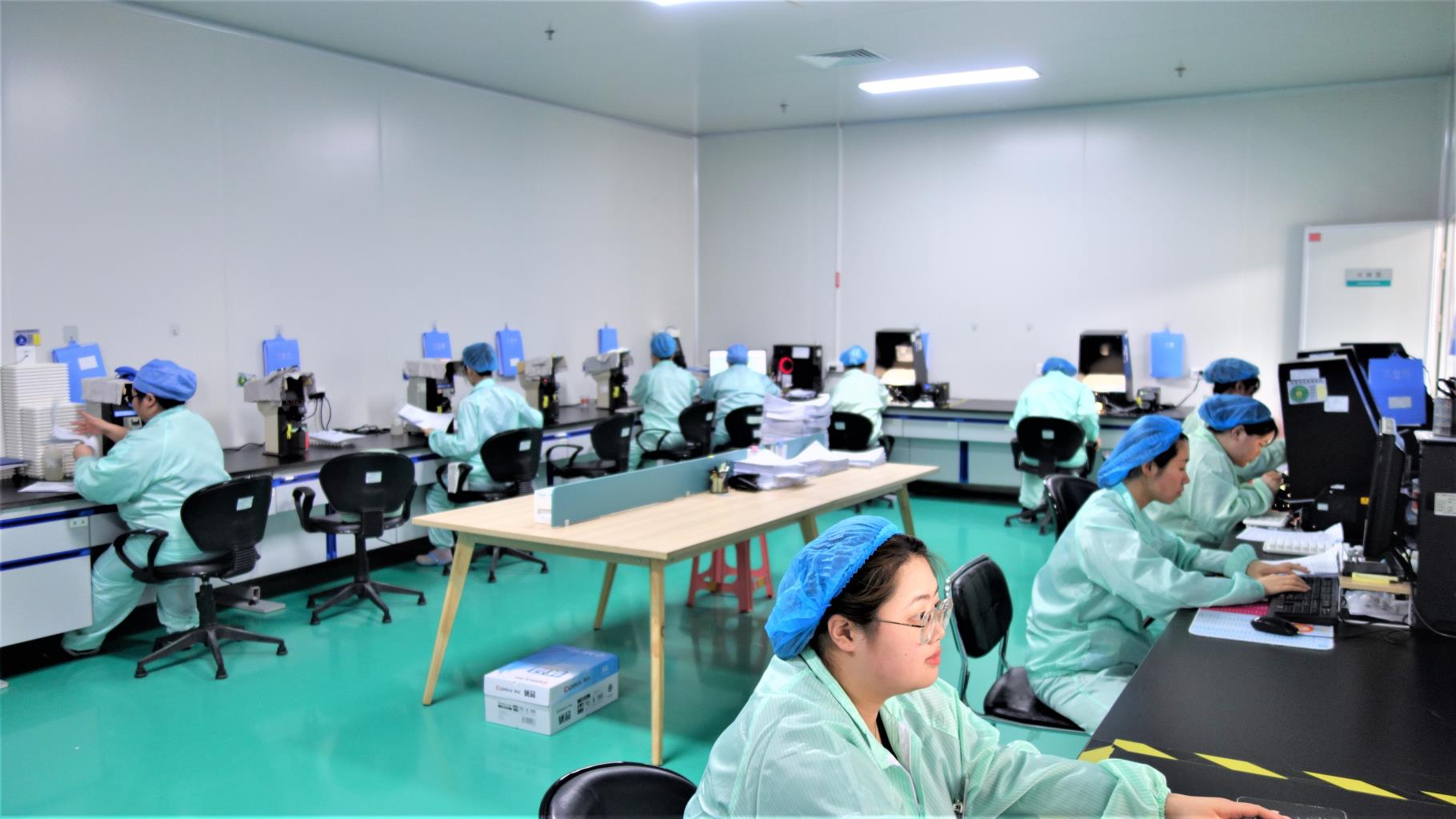
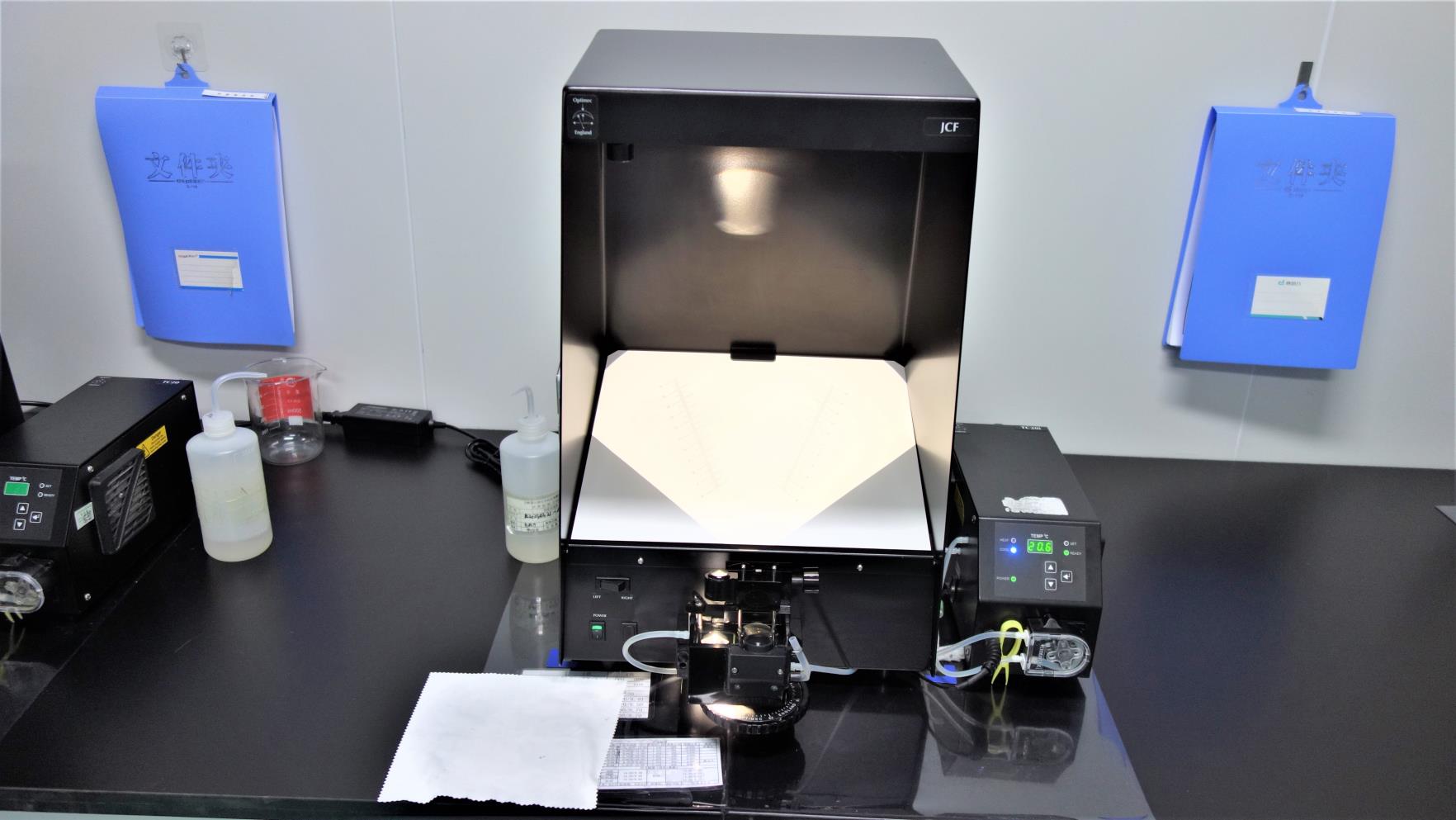
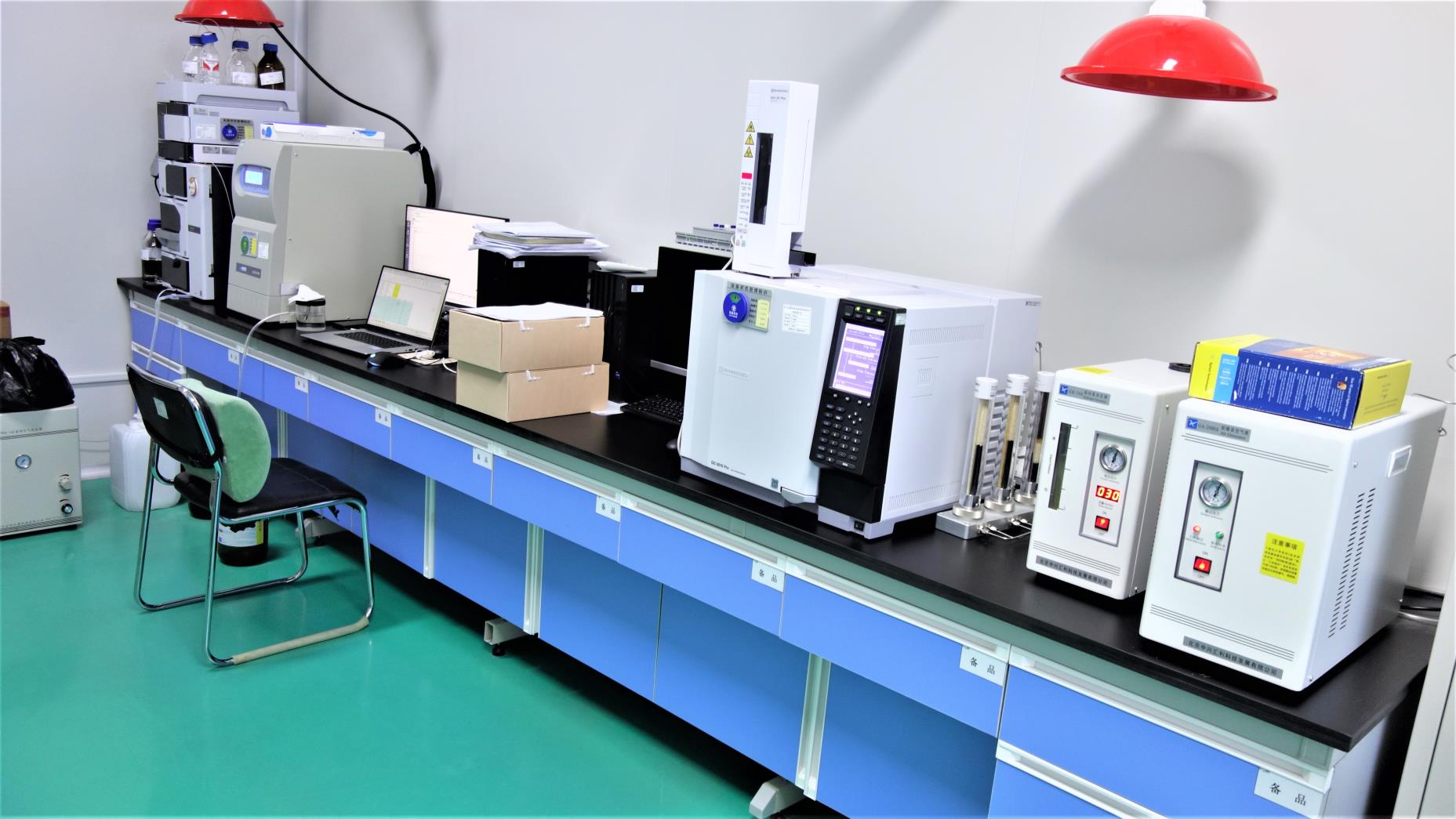
China's dominance in the global optical industry is not solely built on cost efficiencies; rather, it is anchored in a comprehensive ecosystem integration. Centered in advanced industrial parks such as Shenzhen, factories like Shenzhen Fresh Vision Co., Ltd. leverage localized access to engineering expertise, automated demoulding technology, ultra-pure sterilization systems, and robust quality control logistics.
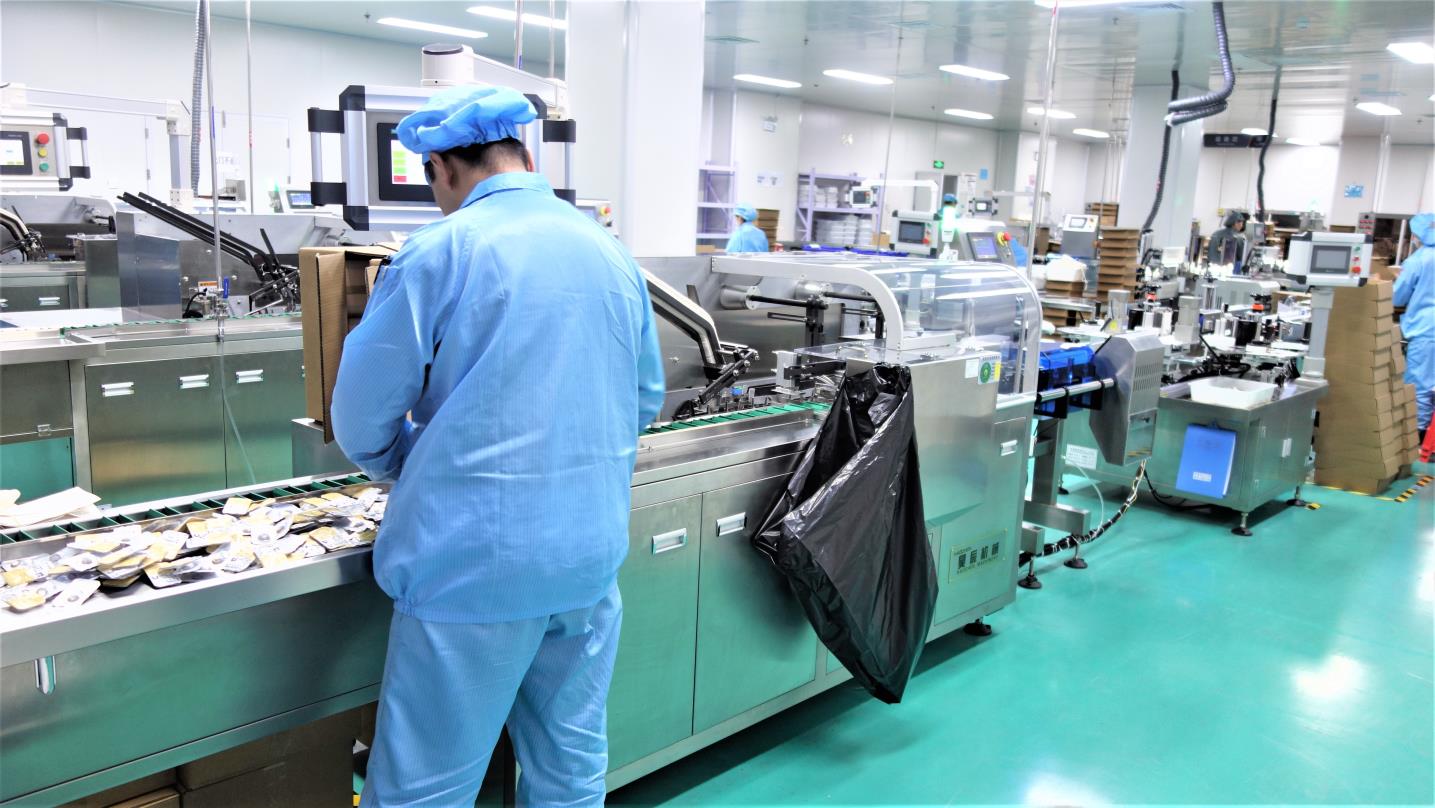
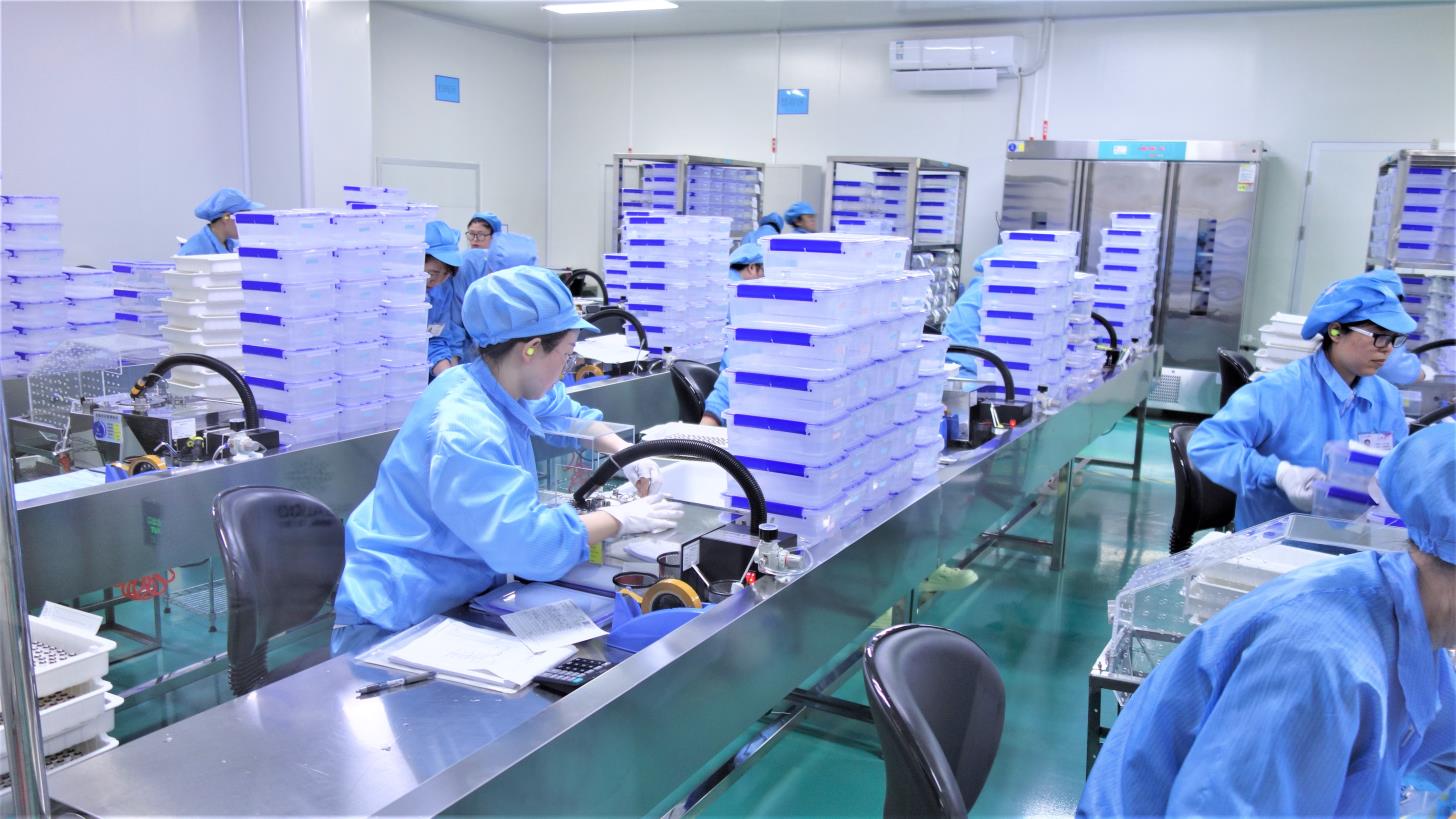
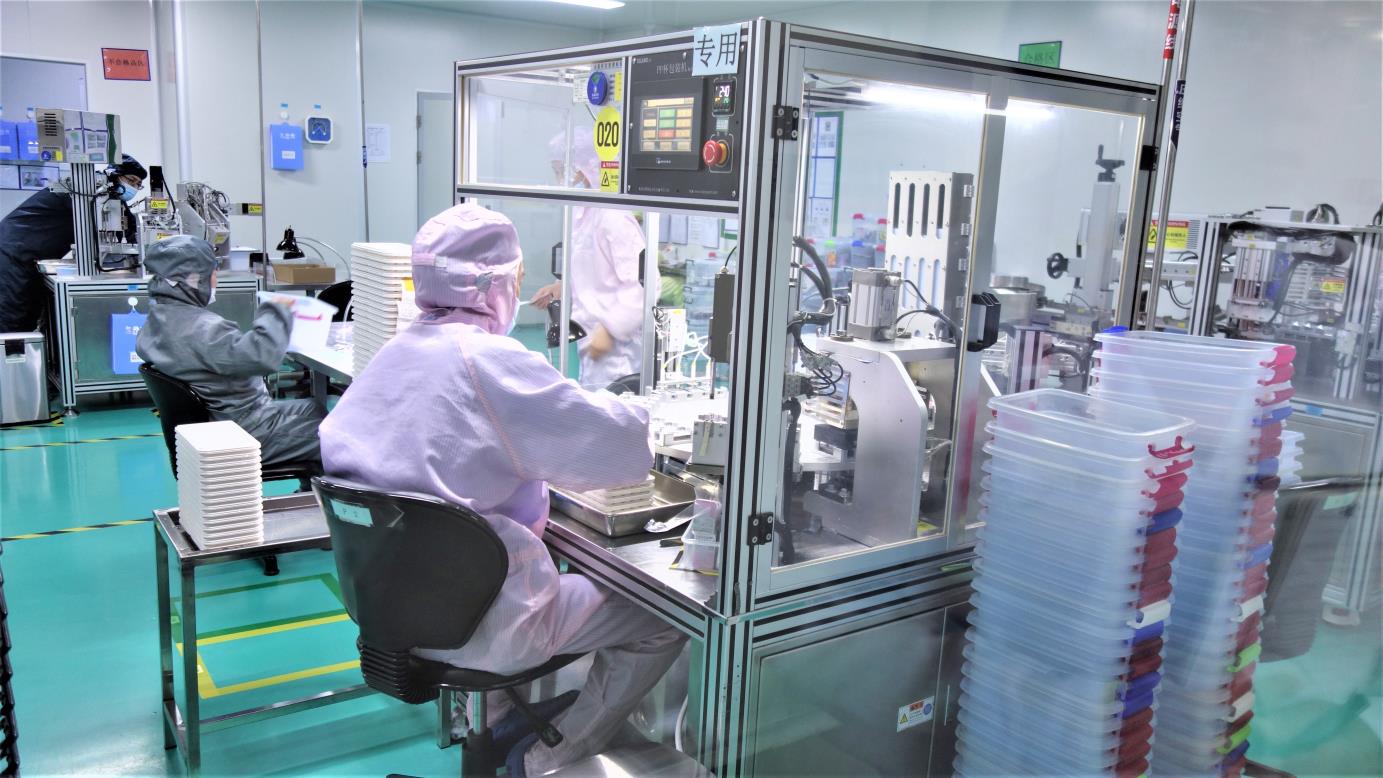
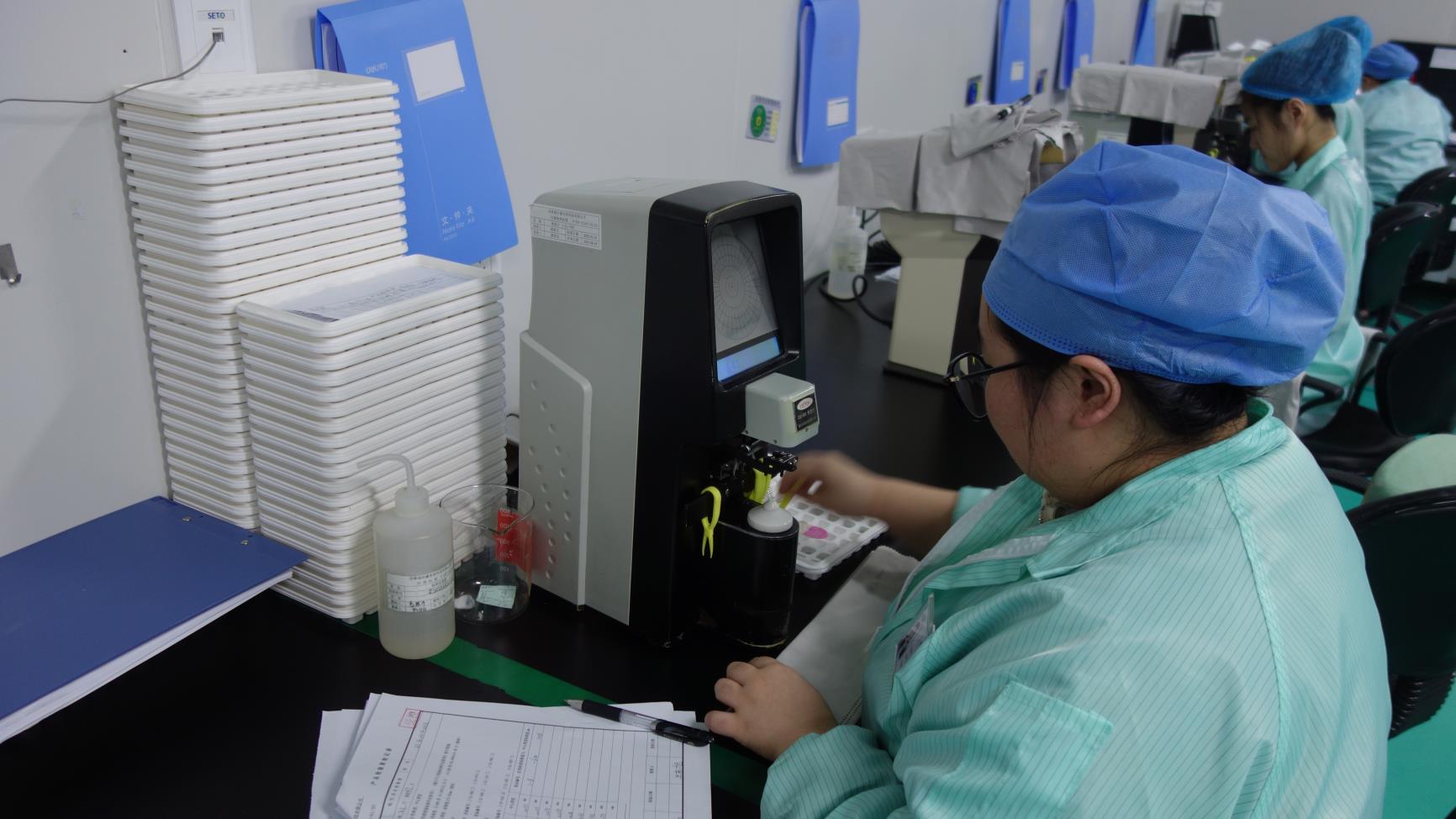
Unlike fragmented manufacturers, Chinese suppliers offer fully vertically integrated pipelines. From initial raw material testing and polymer synthesis (using certified biocompatible monomers) to high-speed blister sealing, sterilizing, and laser-assisted optical center validation, every step is consolidated. This eliminates intermediary handling risks, shortens global delivery times, and provides robust customization capabilities (including custom base curves, water contents, and pigment-lock printing technologies).
3. Deep Customization: R&D, Graphic Processing, and Packaging Customization
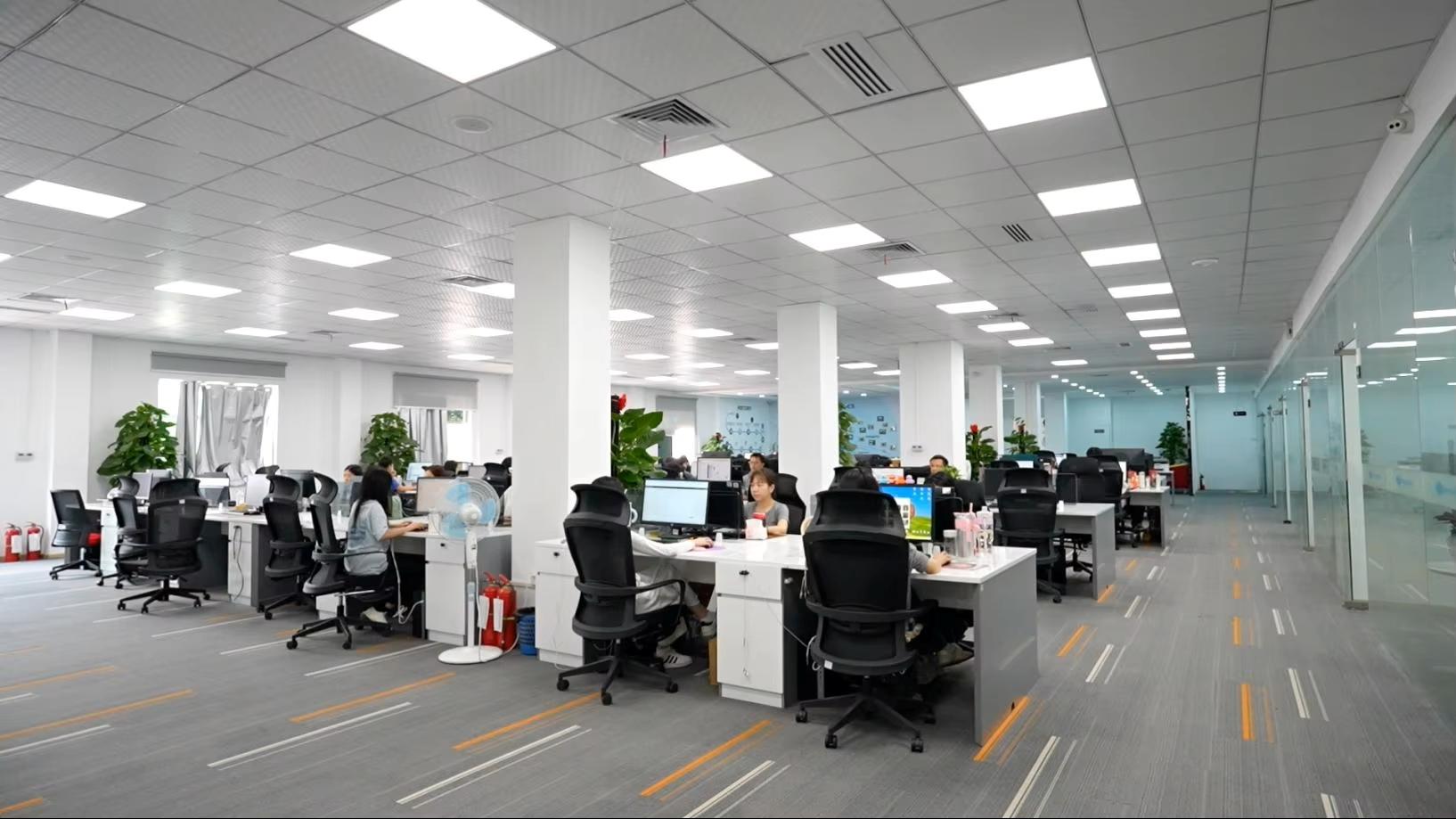
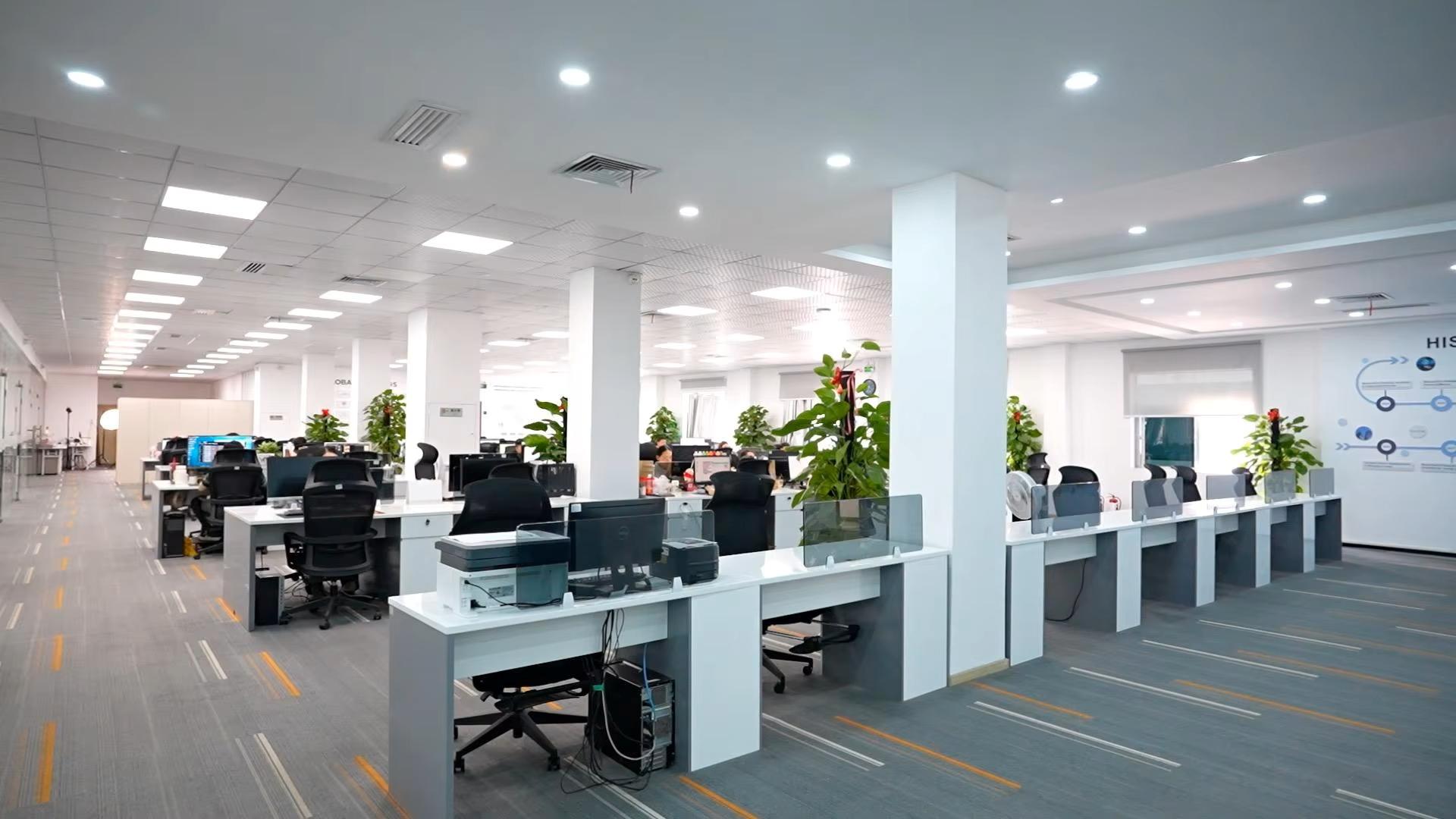
Enterprises entering the contact lens market require unique aesthetic patterns to distinguish their brands. Shenzhen Fresh Vision's engineering team, comprised of seasoned graduate and junior college developers, utilizes advanced CAD/CAM modeling tools to bring complex designs to life. The process begins with digital graphic rendering, followed by high-precision mold manufacturing. During the wet state hydration phase, pigments are safely encapsulated between layers of polymer (sandwich structure), ensuring the colorant never contacts the corneal epithelium. This double-sided curing method represents the absolute gold standard for safety in cosmetic contact lens production.
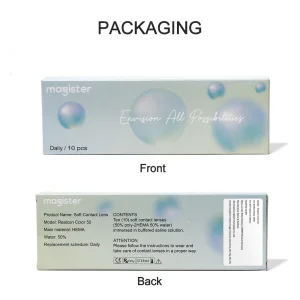
Packaging options are similarly customizable. B2B clients can choose between standard medical-grade blister packaging for high-volume daily/monthly disposables, and sterile glass vials designed for premium cosmetic or yearly wear products. OEM services extend to outer paper boxes, custom instruction leaflets, and specialized accessory kits (such as tweezers, suction applicators, and clean-case modules) to offer a complete consumer-ready product package.