Fresh Lenses
Fresh Lenses
Fresh Lenses
Explore our leading product lineup manufactured using high-precision German molding systems and ultra-traceable biocompatible polymer formulations.

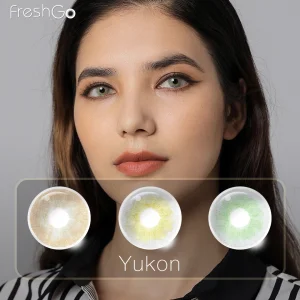
Deep insight into clinical shifts, polymer breakthroughs, and critical global procurement indicators.
The global contact lens industry is experiencing an irreversible structural pivot. Vision science research and contact lens compliance guidelines show that daily disposable (daily wear) systems are the gold standard for ocular health. Daily wear contact lenses dramatically minimize risks of microbial keratitis, giant papillary conjunctivitis, and dry eye syndrome caused by lipid deposits. By eliminating the necessity for chemical multi-purpose solutions, daily wear lenses bypass preservative-induced allergy issues, satisfying the demand for comfort and ocular biosafety.
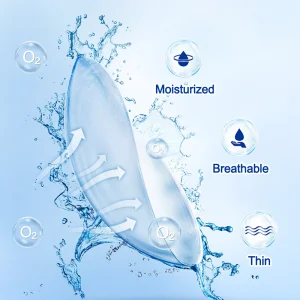
Innovative manufacturing requires complex material engineering. Today's soft contact lenses have progressed from traditional Polymacon (HEMA-based low Dk hydrogels) to advanced silicone hydrogel formulations (such as Senofilcon, Somofilcon, and custom fluorosilicone matrices). These materials achieve high oxygen transmissibility (Dk/t values exceeding 80–150) while maintaining ideal modulus and water content parameters. This dynamic balanced technology ensures the cornea receives sufficient oxygen even during prolonged wear times.
Contact lenses are classified as Class II or Class III medical devices across key regulatory regions including the US FDA, EU MDR, and China NMPA. Manufacturers must adhere to strict quality control, full raw material traceability, cleanroom environmental monitoring, and comprehensive ISO 13485 standards. Shenzhen Fresh Vision Co., Ltd. ensures every batch meets global export standards through modern, documented validation protocols.
A trusted global partner for high-compliance soft contact lens development and scalable OEM/ODM manufacturing.
| Operational Parameters | Technical Capabilities & Specifications |
|---|---|
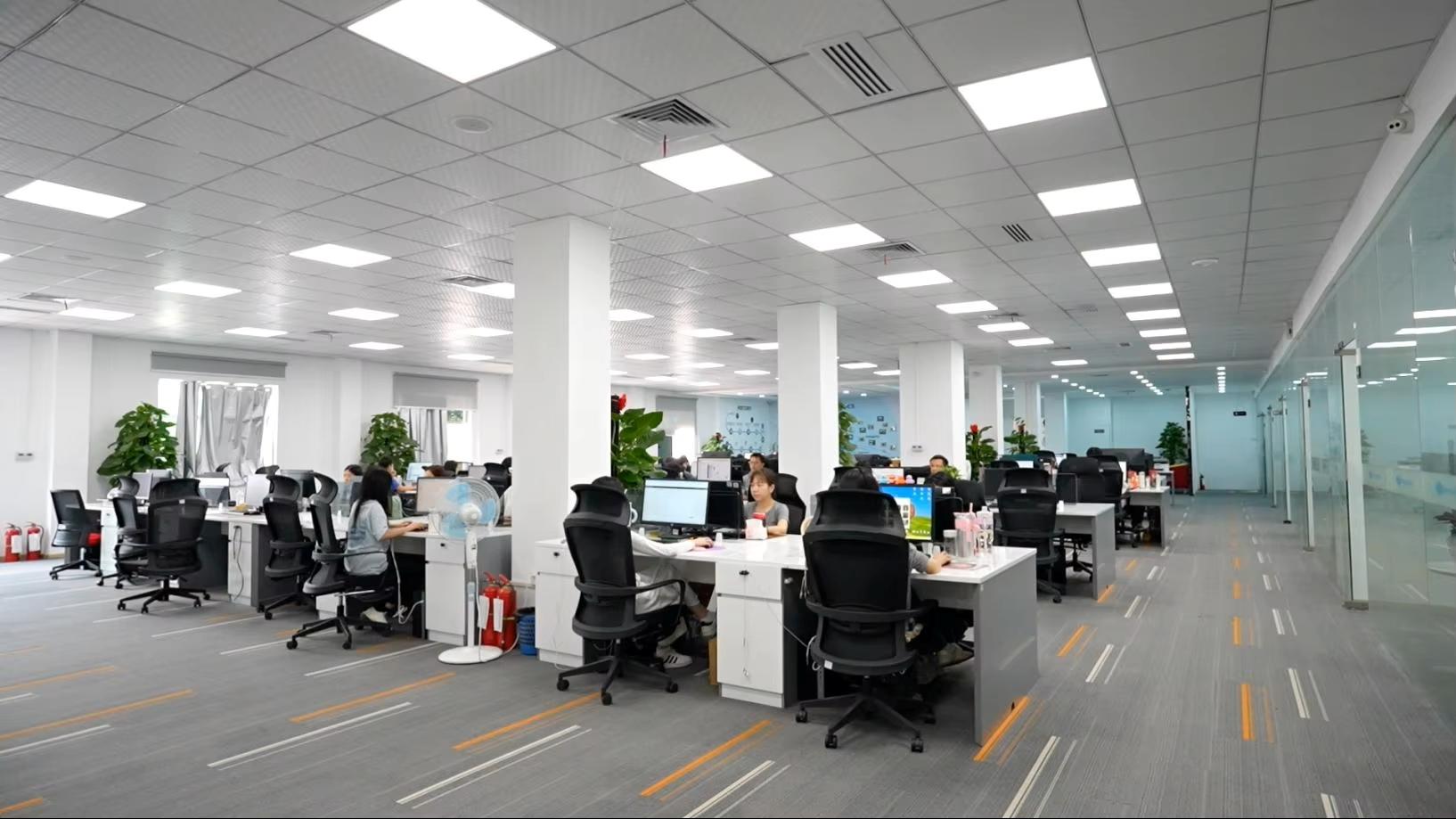
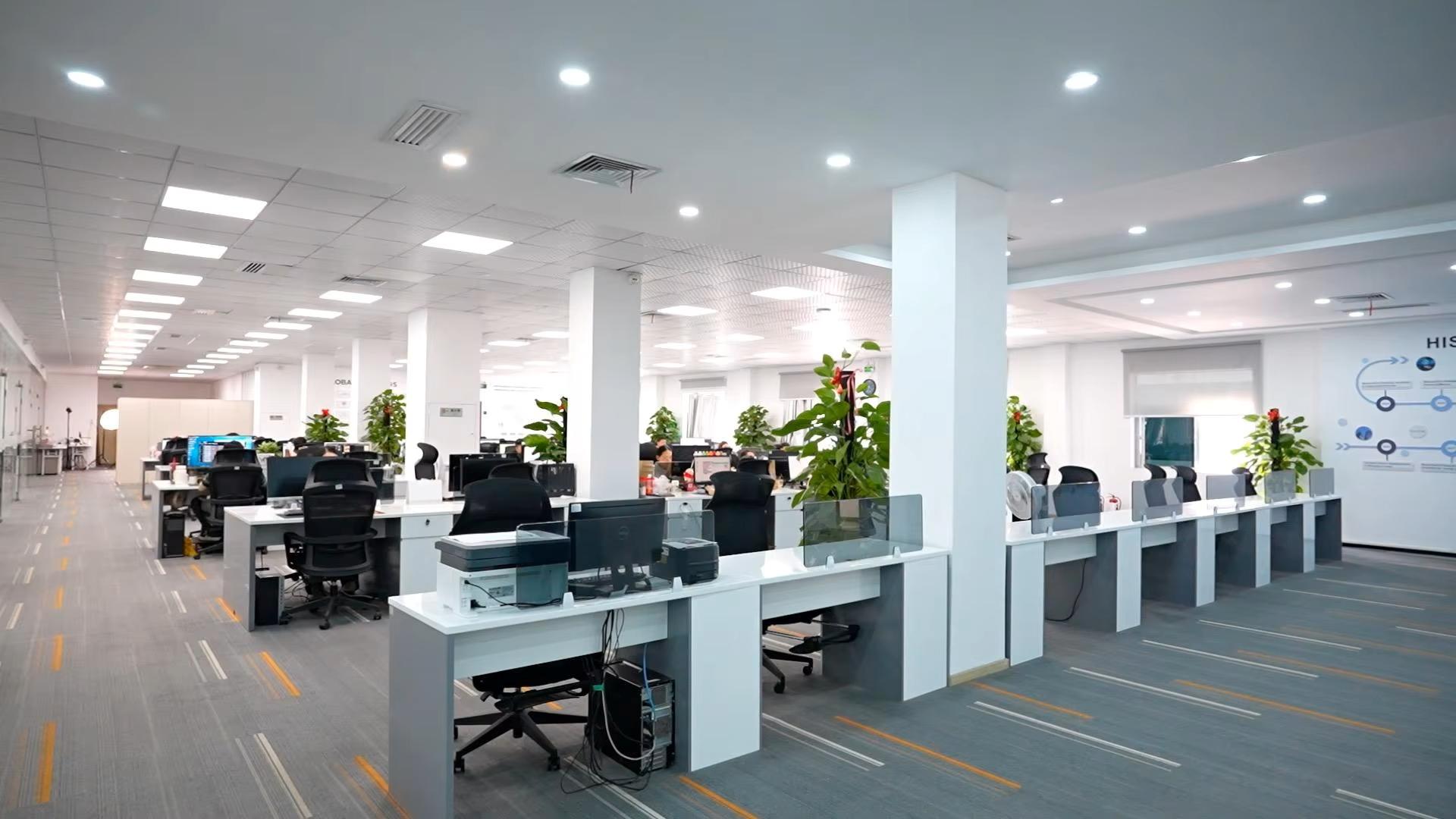
| Factory Infrastructure | 1100 square meters of specialized medical-grade contact lens cleanrooms. |
| Quality Control Systems | Comprehensive inspection on all production lines, random inspection, and strict client-specific testing protocols. 100% full raw materials traceability. |
| OEM/ODM Customization Options | Advanced sample processing, graphic design packaging, and customized mold and color development. |
| R&D Personnel | 5 dedicated research and development engineers (3 holding Master/Graduate degrees, 2 holding Junior College degrees). |
| Primary B2B Export Markets | North America (25%), Southeast Asia (20%), Middle East (10%), and Western Europe. |
| Accepted Communication | Multilingual global support in English, Spanish, and Chinese. |
A look into our GMP-compliant, high-precision automation process that ensures consistency and sterile packaging.
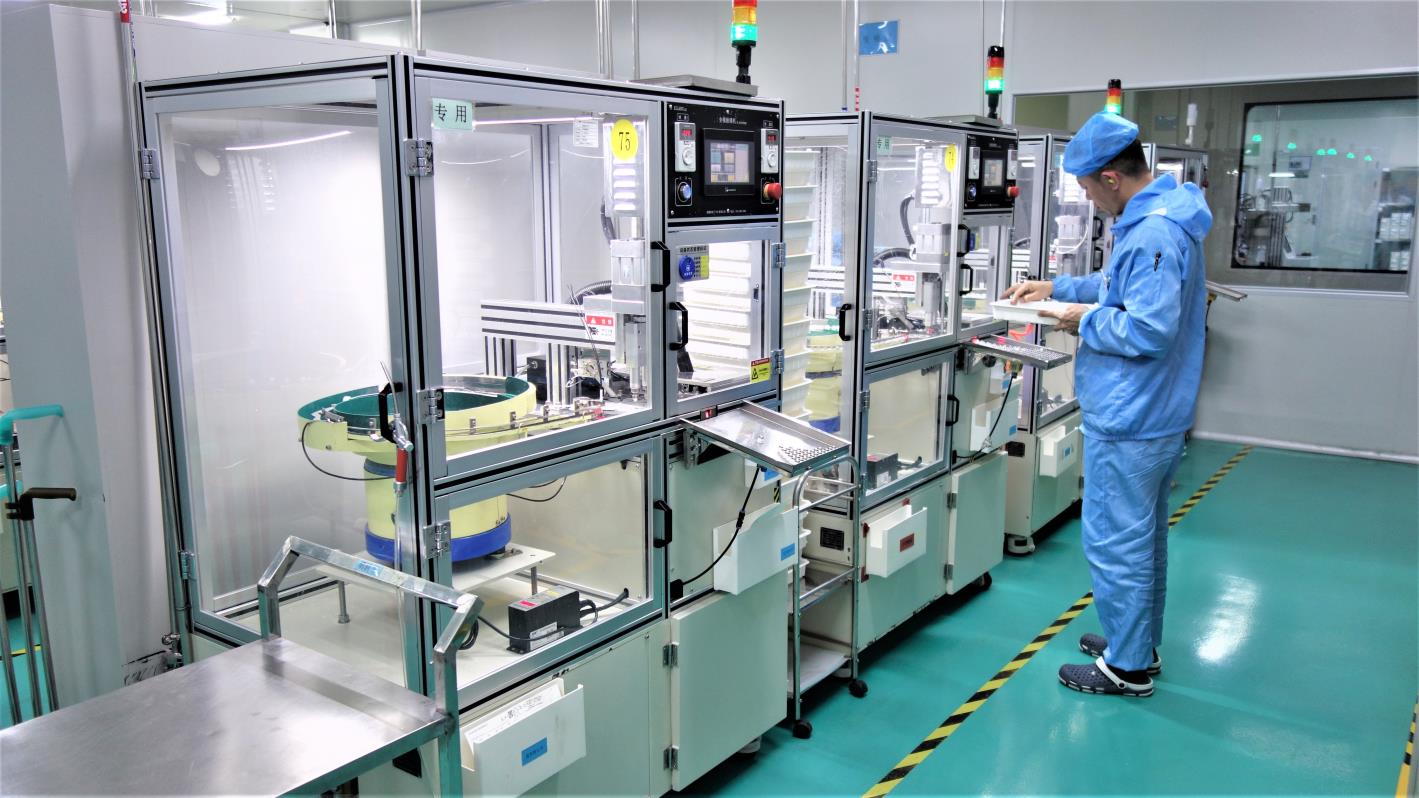
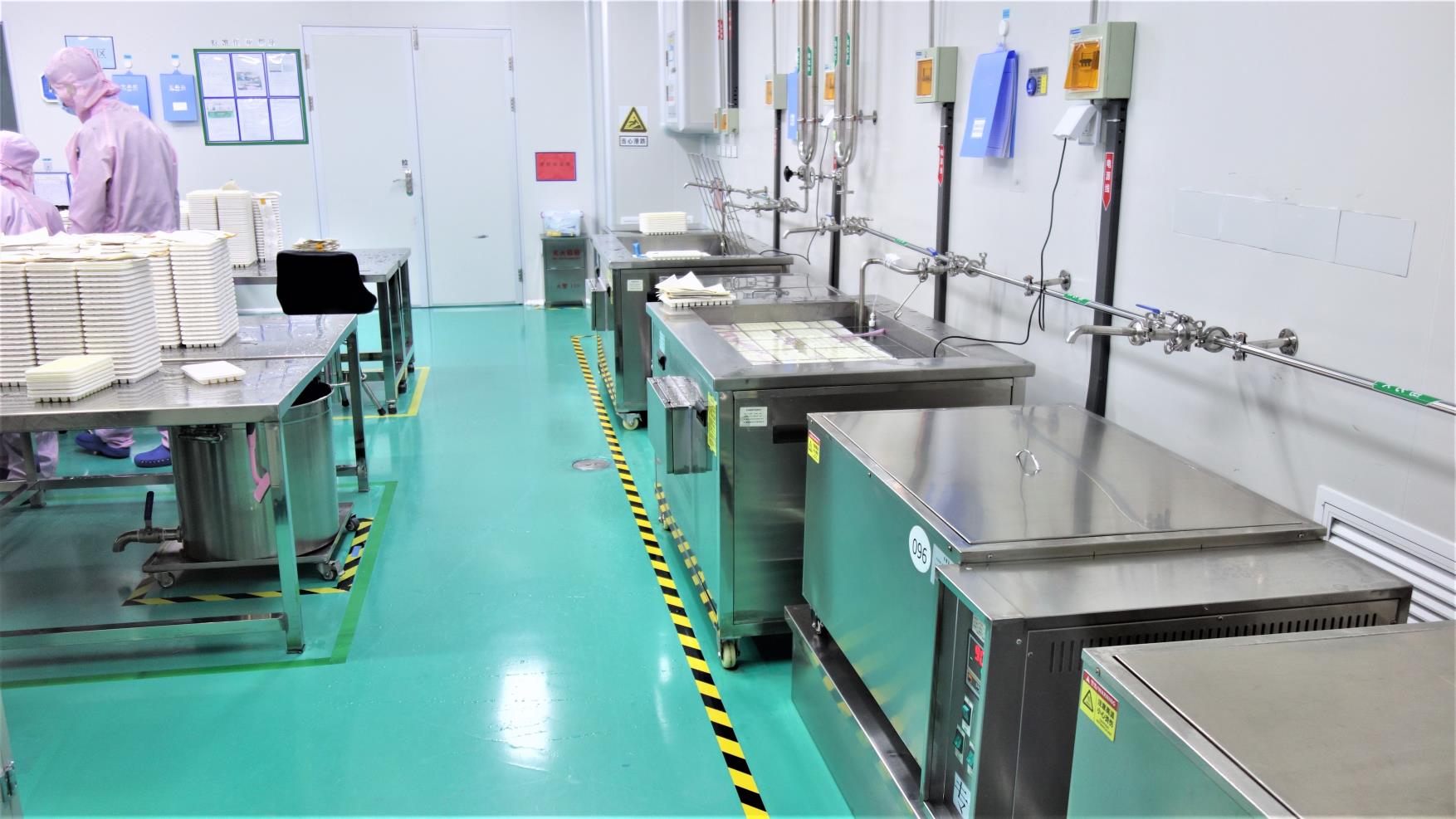
Extended saline hydration cycles ensure the lens matrix achieves equilibrium, removing any trace unreacted monomers.
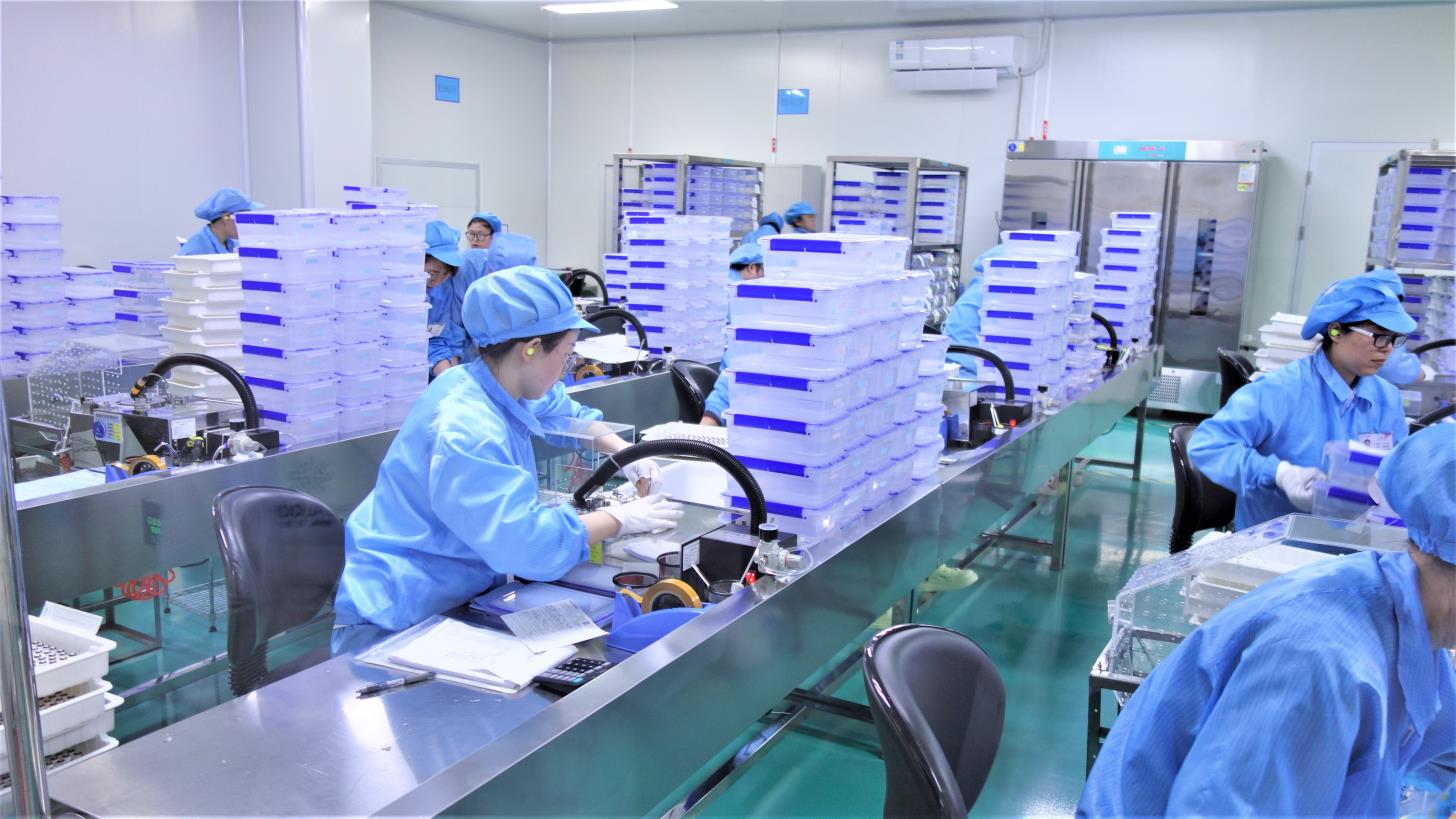
Automated robotic pick-and-place systems transfer the cured lens with minimal mechanical friction.
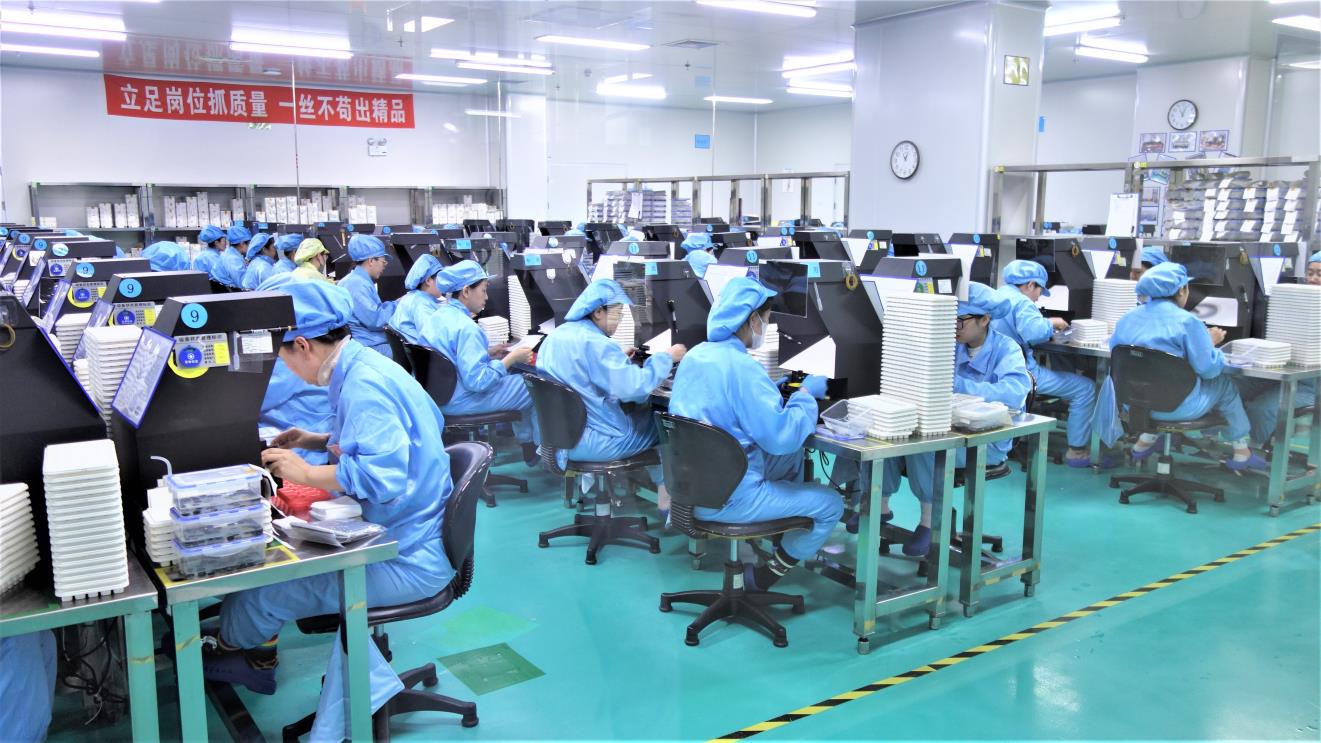
High-resolution camera systems perform sub-pixel visual inspections, scanning for edge tears or particulate defects.
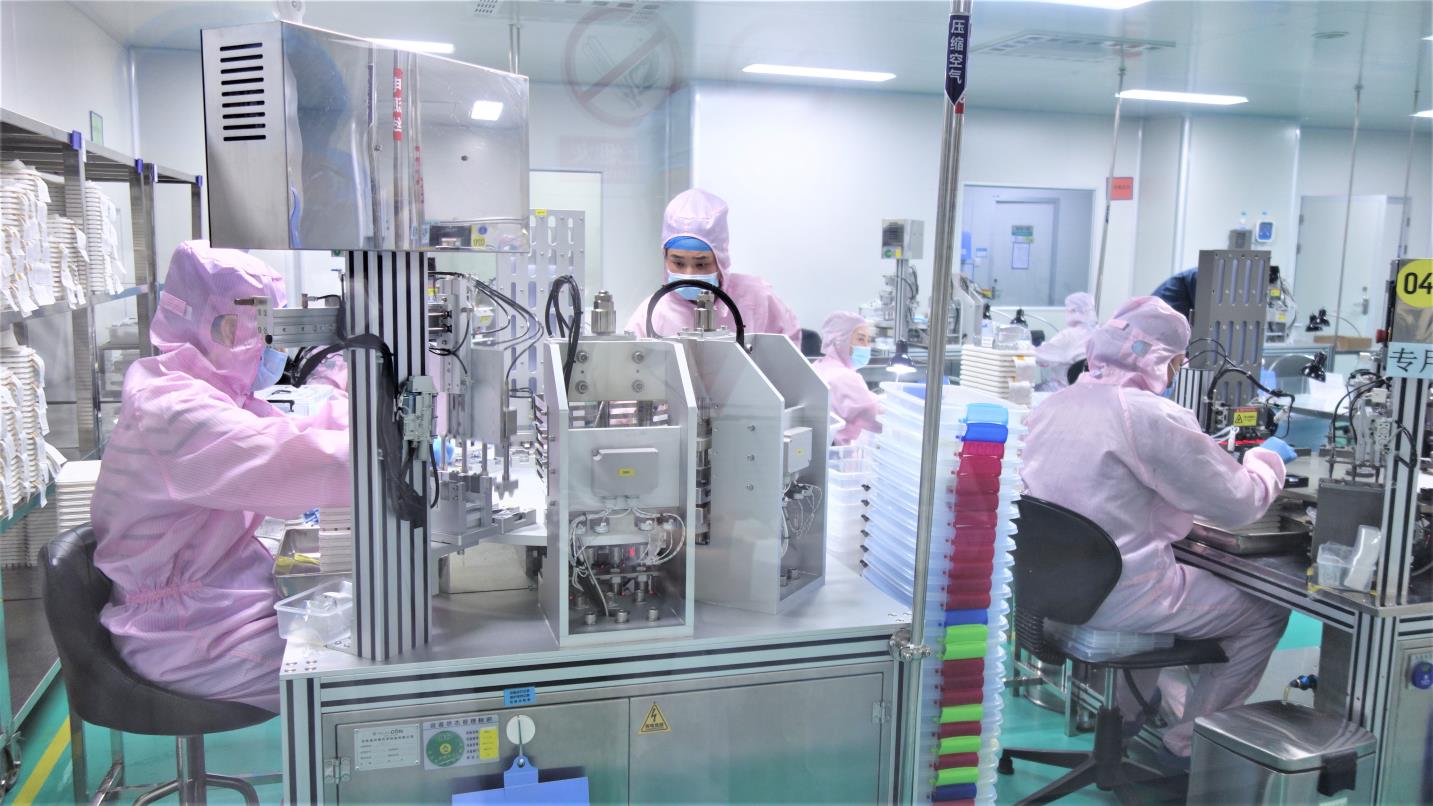
Automated filling systems inject sterile buffered saline into blister trays prior to foil heat-sealing.
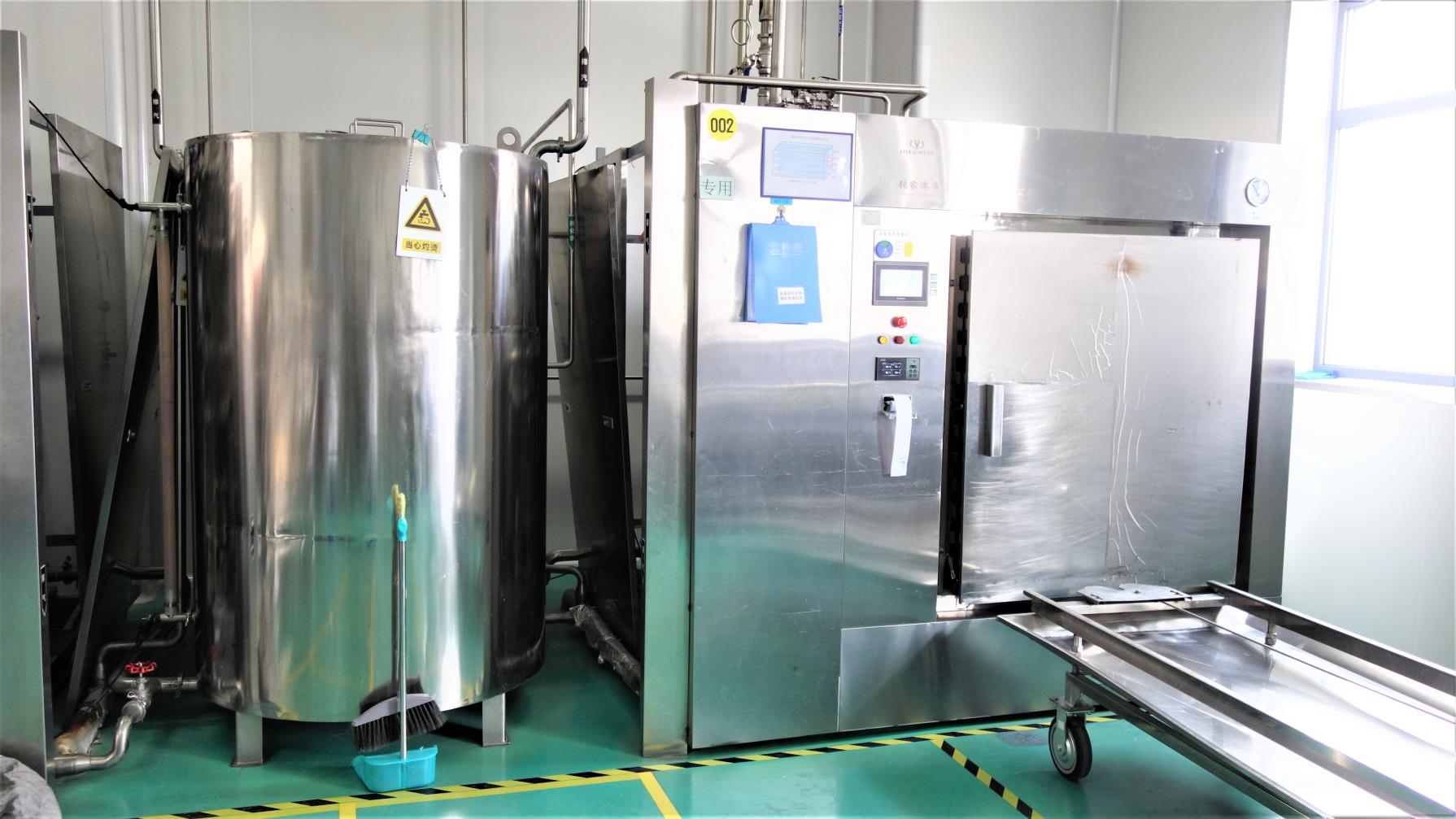
Terminal sterilization using high-pressure steam at 121°C guarantees a Sterility Assurance Level (SAL) of 10⁻⁶.
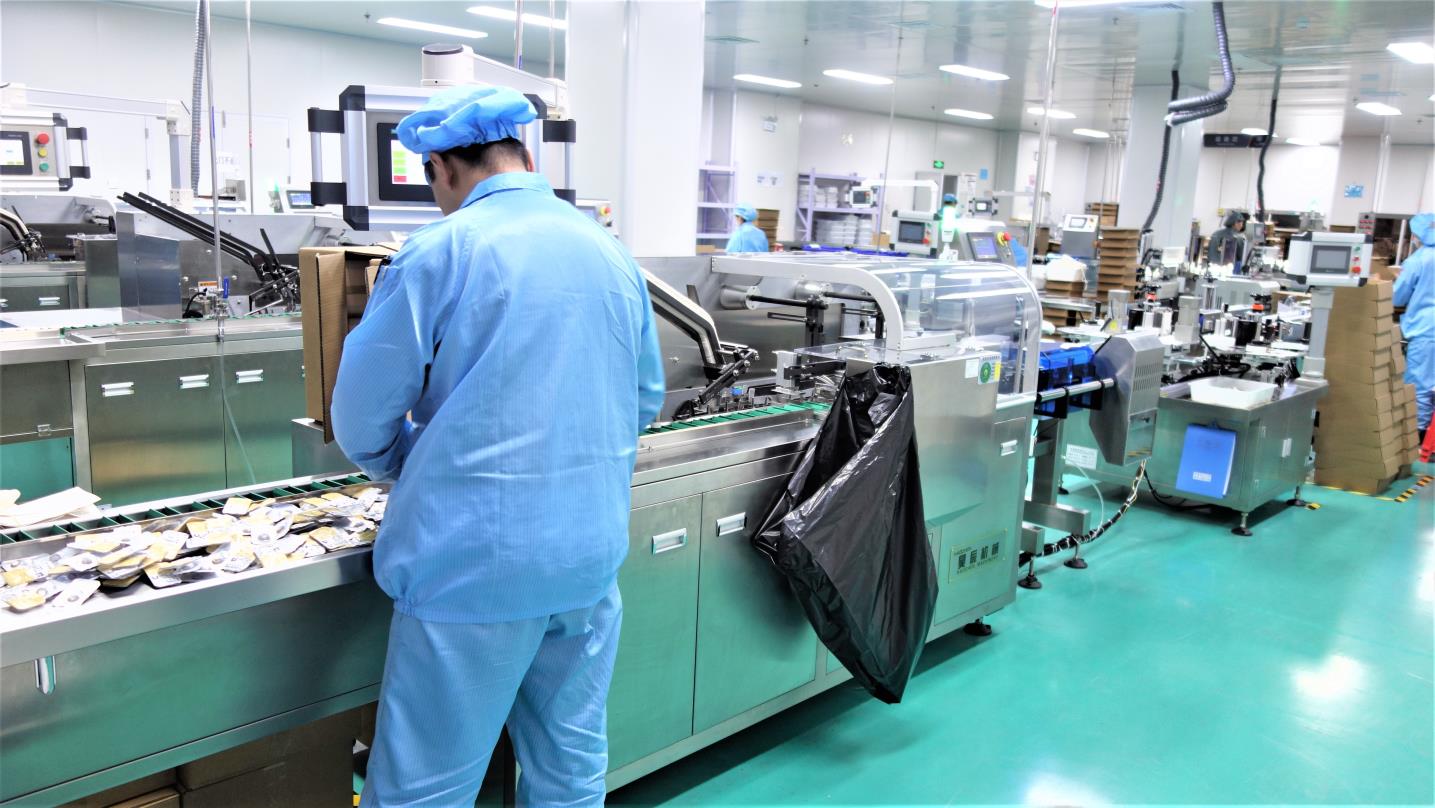
Primary blister units are packed into carton boxes with matching barcode tracking tags.
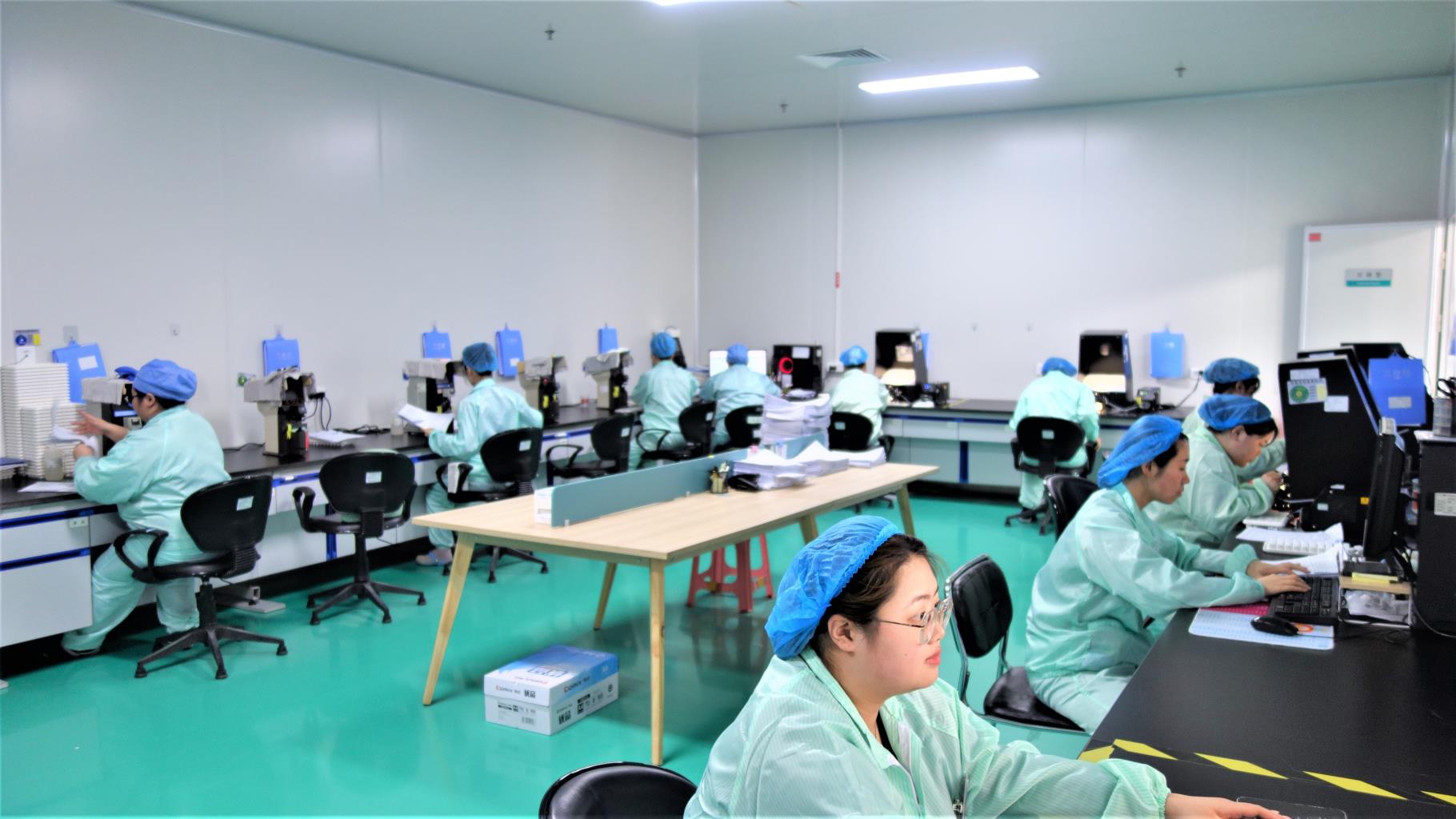
Final physical audit verifies critical parameters, ensuring compliance before shipment release.
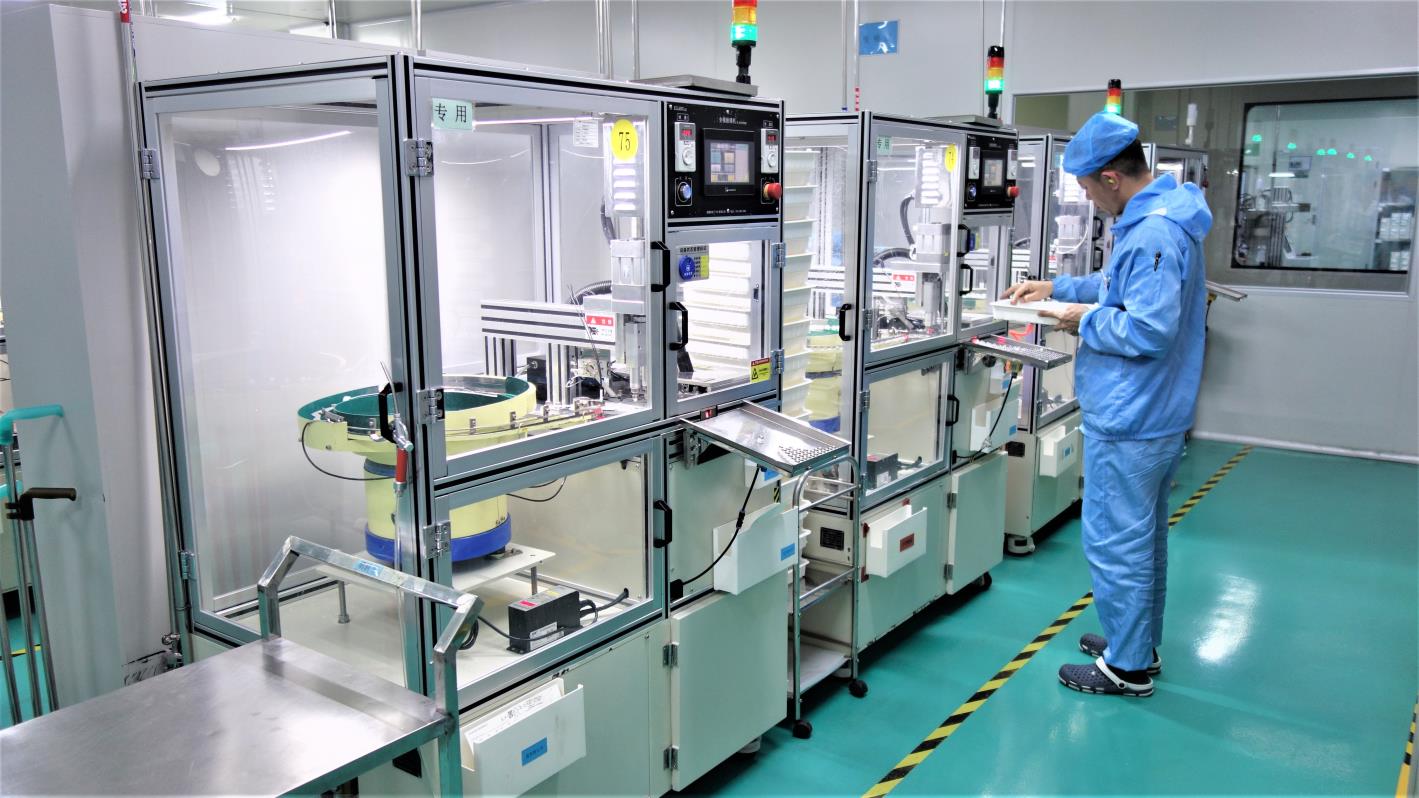
Ultra-precise master metal molds ensure consistent spherical geometries and back-curve stability.
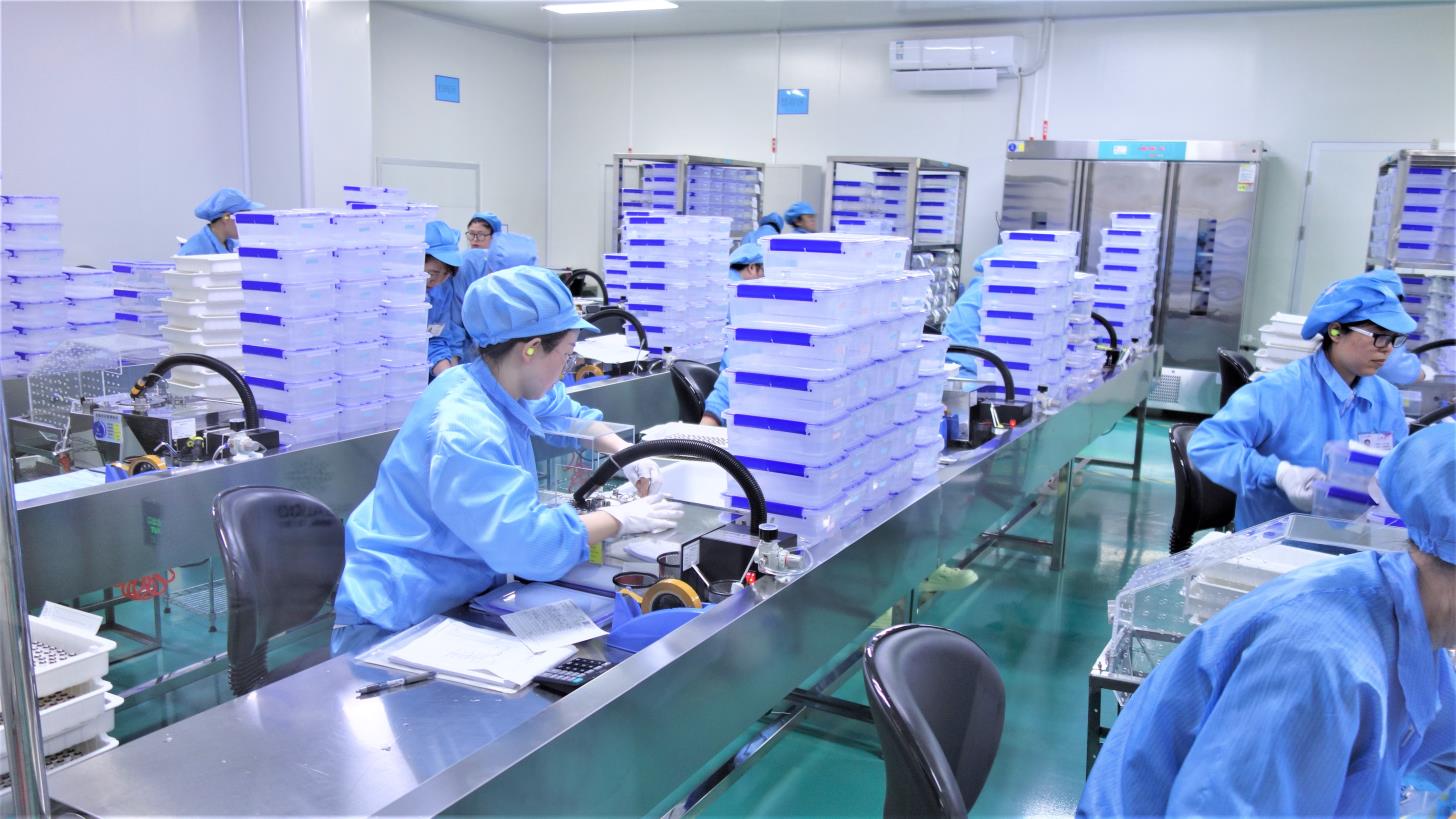
A closed mechanical de-molding unit maintains production speed while protecting delicate lens edges.
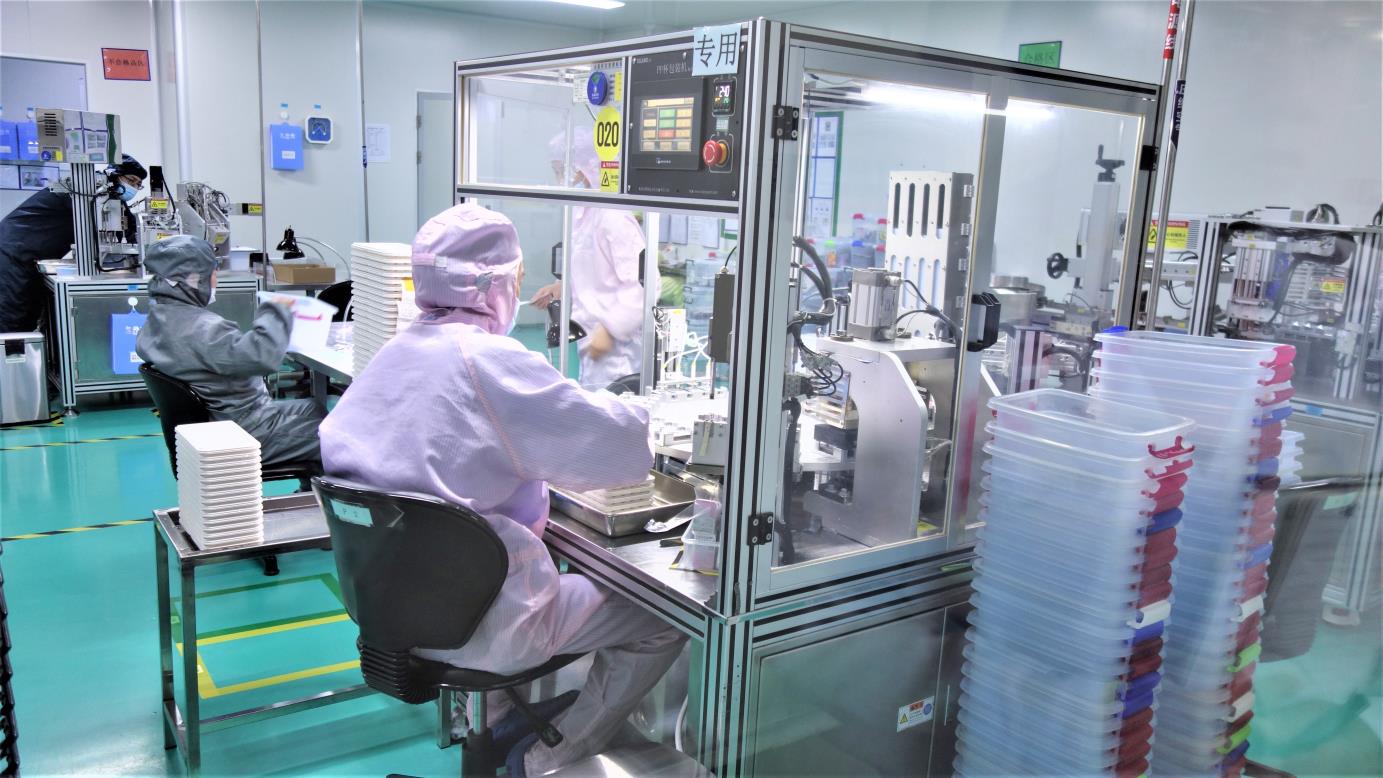
Volumetric filling with high accuracy guarantees precise saline levels for every blister package.
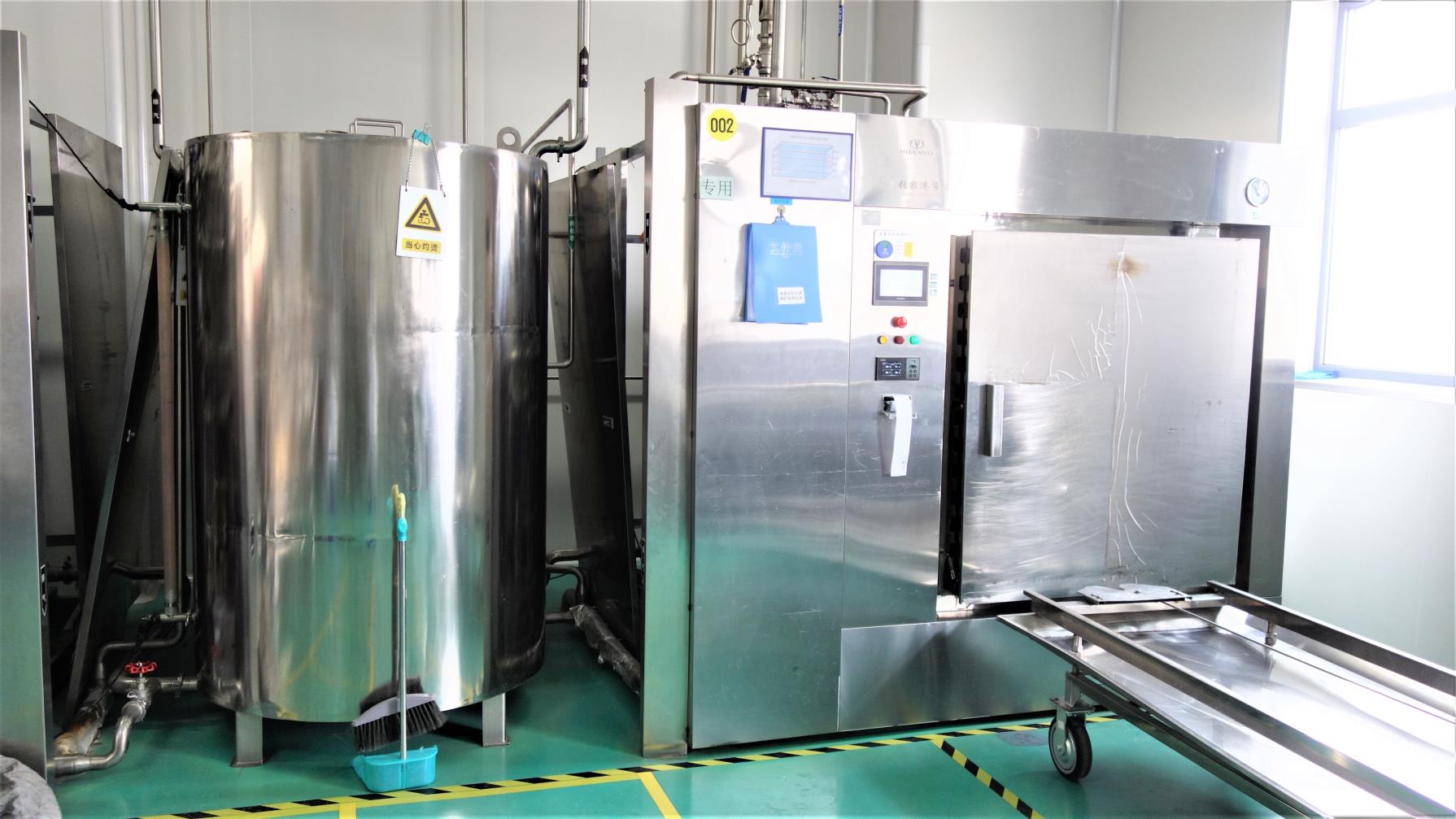
Data-logged autoclave parameters ensure complete sterilization records for quality audit purposes.
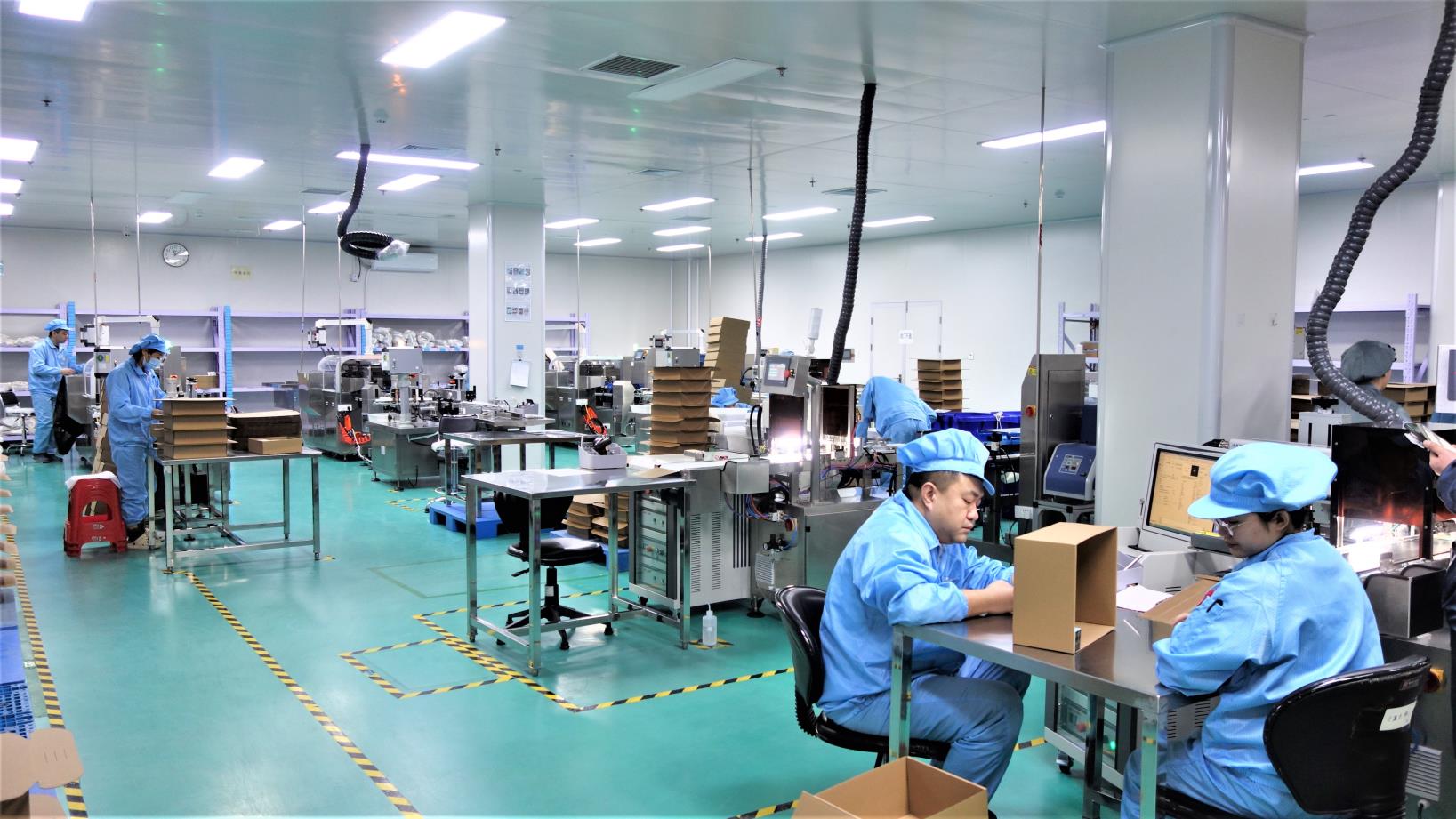
High-speed hot plate sealing ensures airtight packaging, with batch numbers and expiration dates printed automatically.
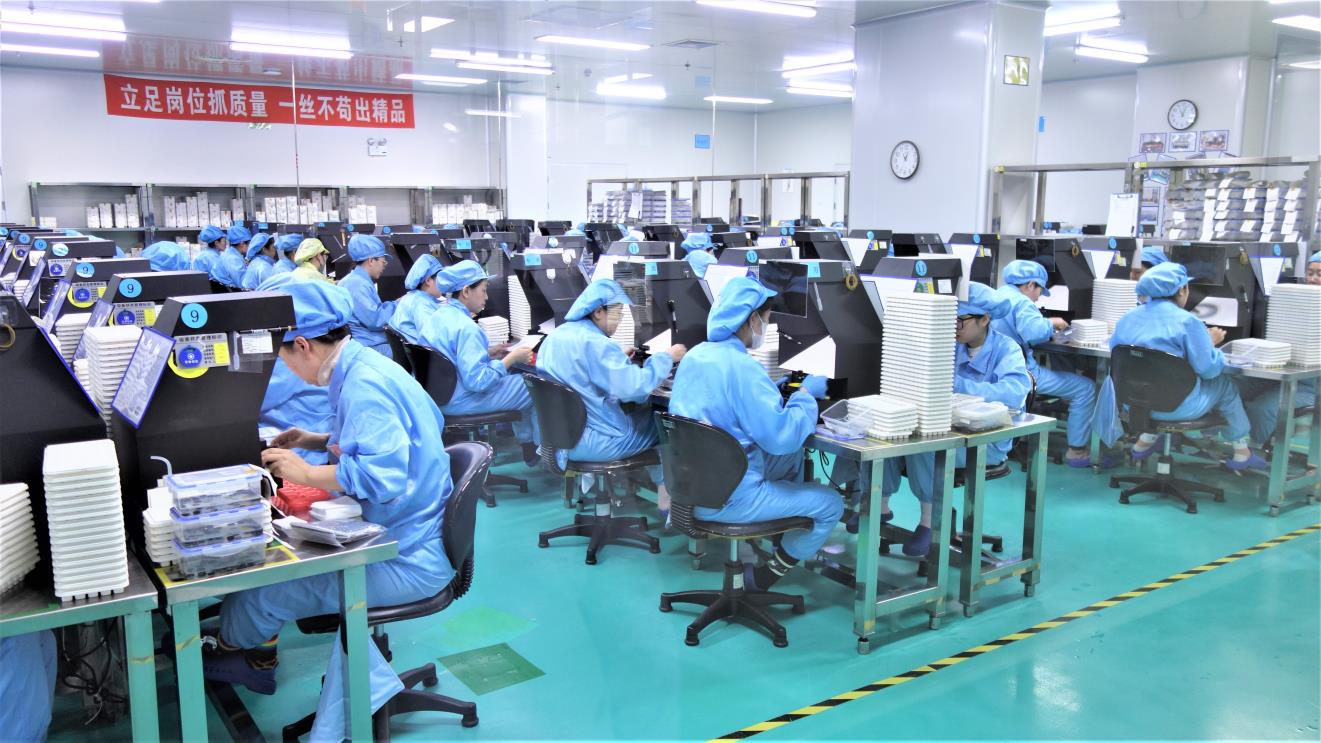
Detailed magnification systems check internal and external surface profiles for micro-defects.
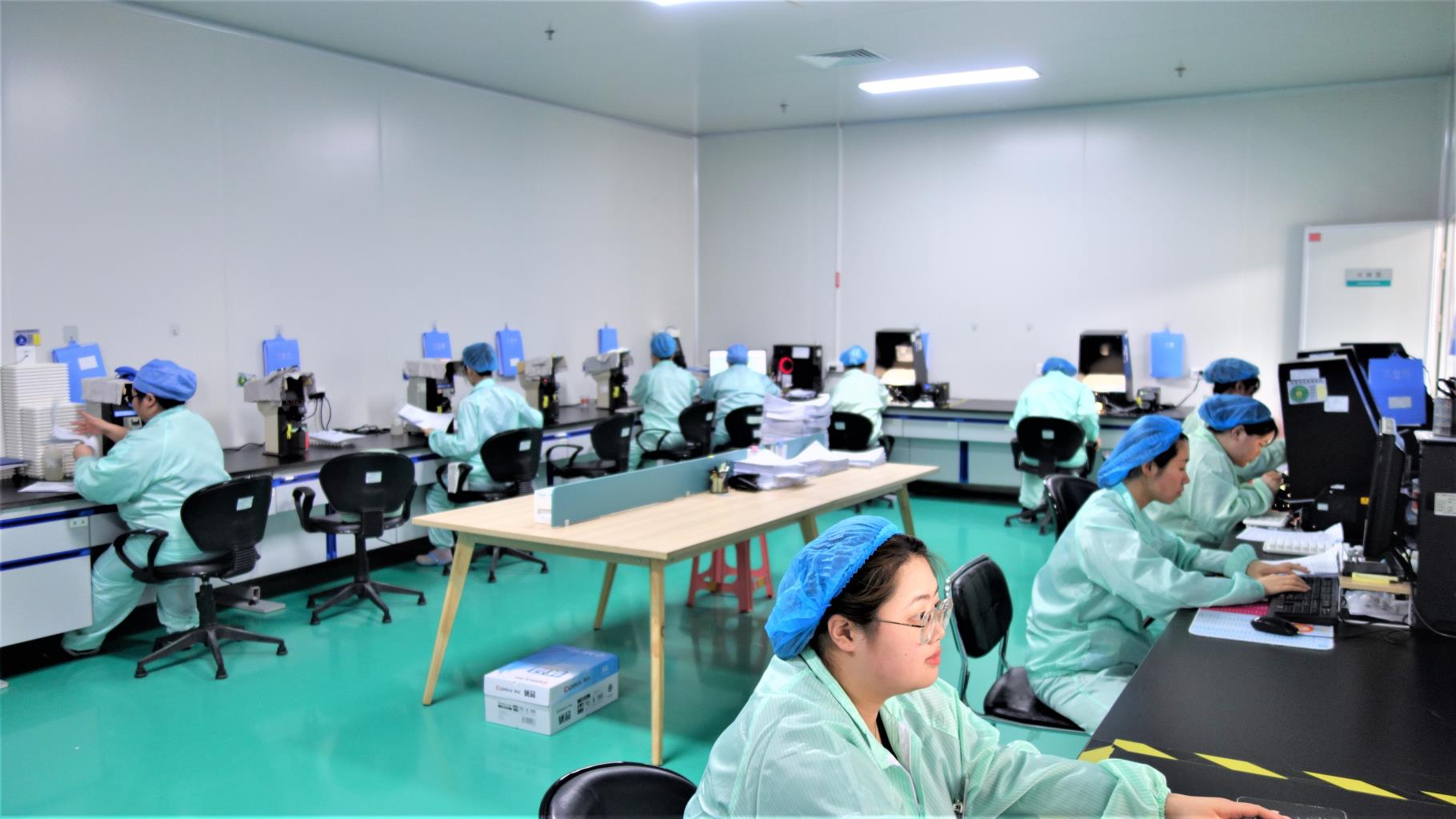
A final random batch sampling process verifies mechanical, optical, and biological parameters.
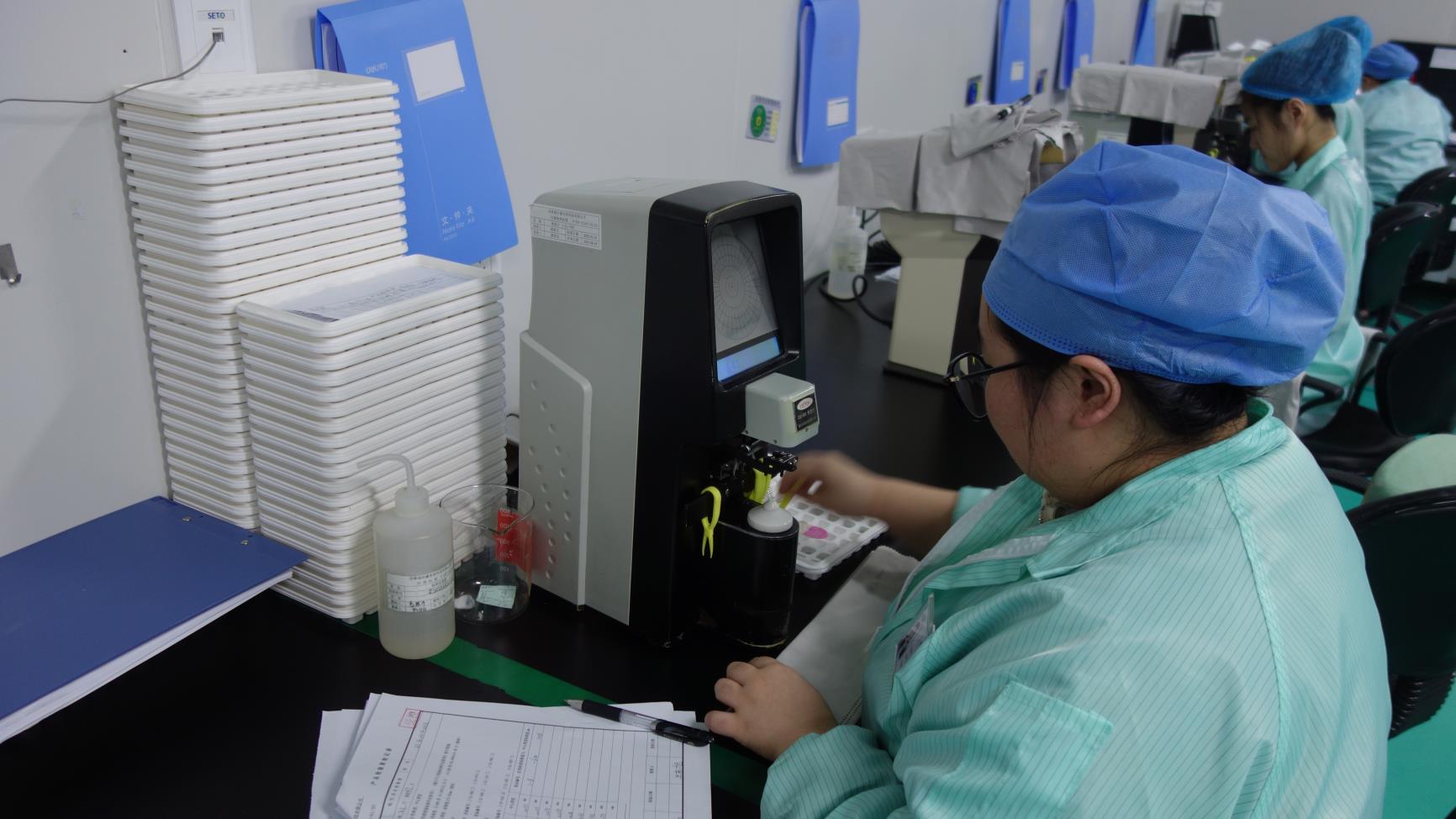
Precisely measures diopter sphere values, cylinder power, and optical center alignment parameters.
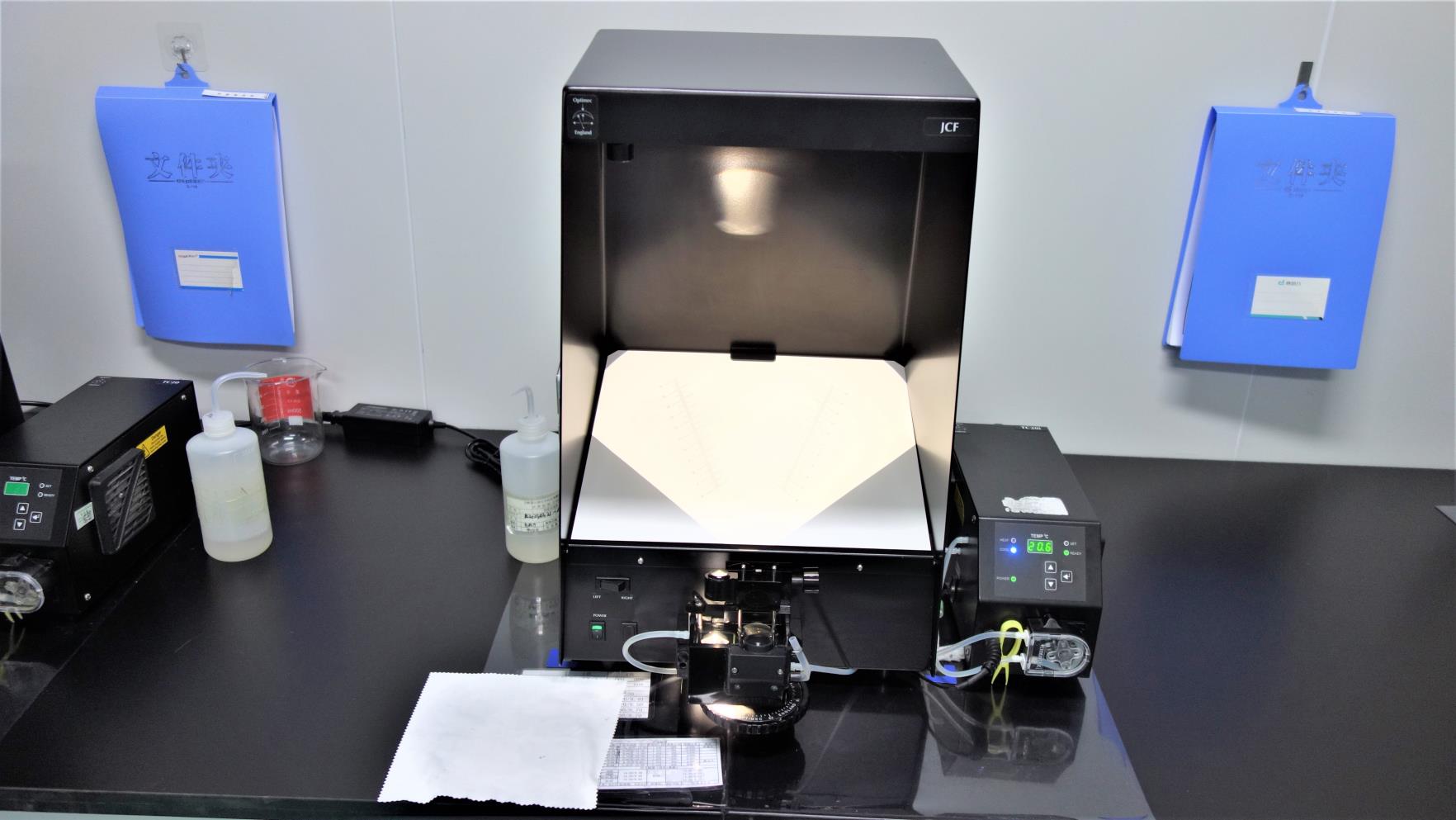
Inspects dimensional properties, base curve radius, and sagittal height at high magnification.
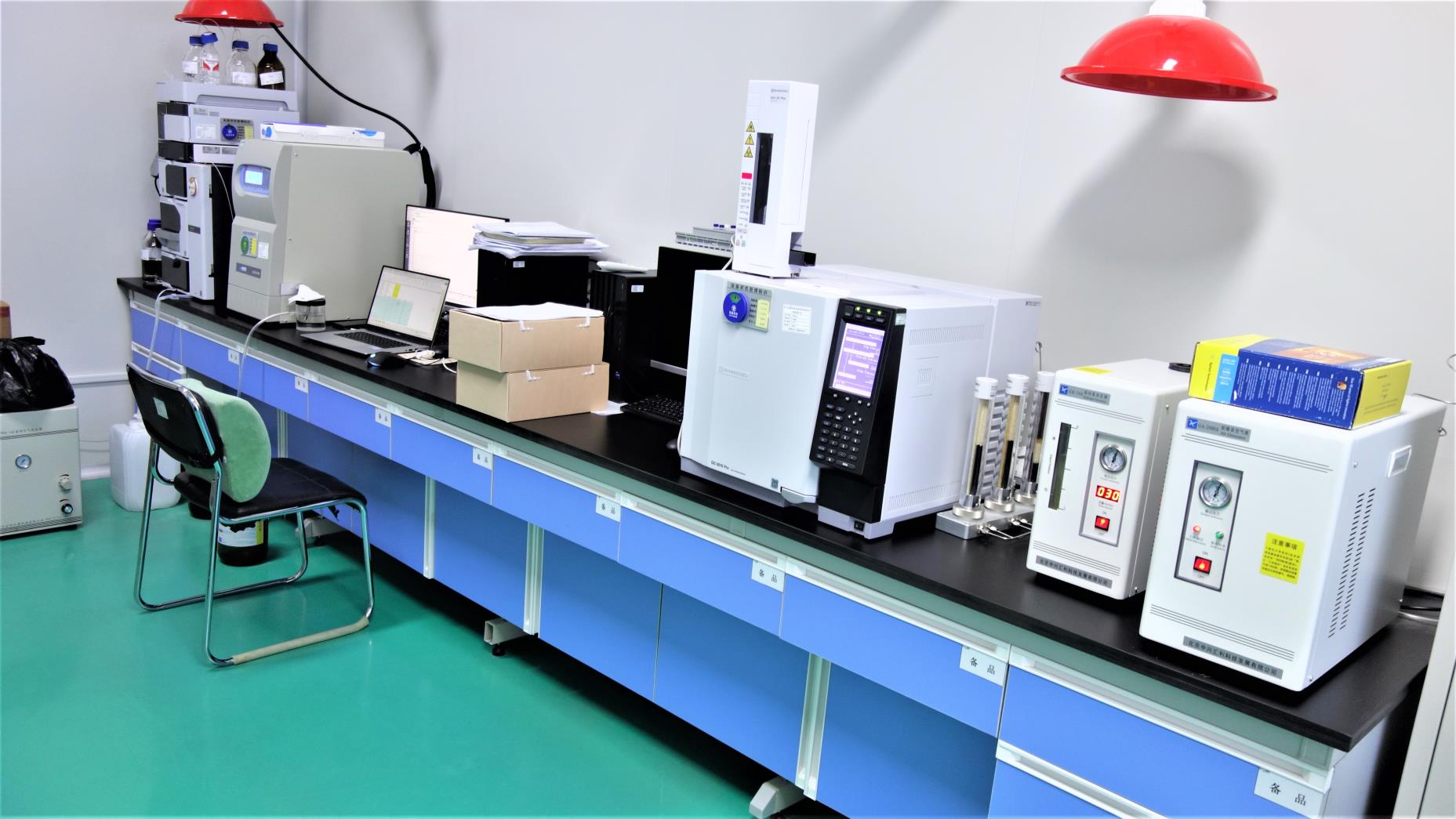
Verifies UV-blocking performance and evaluates the light transmission characteristics of our colored lenses.
Aligning raw-material quality with your brand parameters and regional regulatory structures.
We provide comprehensive private label (ODM) support, including custom packaging, box design, blister foil printing, and branding strategies. Our design team assists clients in building distinct product positionings for cosmetic, daily wear, or costume contact lenses.
Every batch of HEMA and silicone hydrogel monomer is fully traceable. Certified chemical raw materials ensure biocompatibility, stable water content, and consistent elasticity. This rigorous quality control minimizes consumer complaints and product returns.
We work with international logistics providers to offer efficient shipping options, custom clearing support, and temperature-controlled transport. This ensures our sterile contact lenses reach regional warehouses safely and on schedule.
How Shenzhen Fresh Vision Co., Ltd. is preparing for the next generation of ocular science.
We are tracking developments in smart contact lenses, which integrate micro-electronics to measure physiological indicators like intraocular pressure or tear glucose levels. These advances will help support patients managing conditions such as glaucoma or diabetes.
Our research team is developing silicone hydrogels with lower modulus and higher water content. By optimizing molecular cross-linking, we aim to deliver daily disposable lenses with Dk/t values over 150, supporting comfortable, extended daily wear.
Contact lens production consumes significant amounts of water and single-use packaging. Our roadmap includes transitioning to bio-based polymers, optimizing water recycling systems, and using recyclable blister materials to lower the carbon footprint of daily wear lenses.
Key information regarding international logistics, production capacities, product compliance, and custom ordering.
Shenzhen Fresh Vision Co., Ltd. operates under strict compliance systems. Our products and manufacturing facilities meet key international safety standards, facilitating smooth import clearance processes in markets across North America, Southeast Asia, and the Middle East.
Every batch of raw monomers (such as HEMA and customized silicone formulations) undergoes incoming material inspections. Production logs trace each batch from polymerization through cast-molding, sterilization, and final packaging, ensuring high compliance and easy audits.
Our standard MOQs depend on customization requirements. For private-label packaging boxes with custom graphic designs, the MOQ generally starts at 500 to 1,000 boxes per design. We also provide initial sample runs for market validation before scale production.
We utilize high-precision wet cast-molding systems. This technique ensures high consistency, a smooth lens edge profile, stable base curves, and comfortable wear, outperforming traditional lathe-cutting processes.
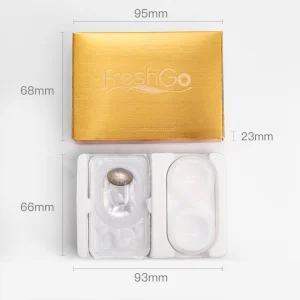
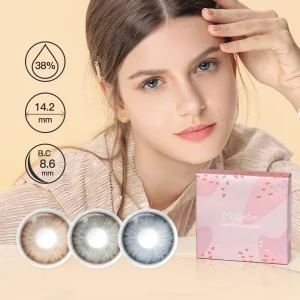
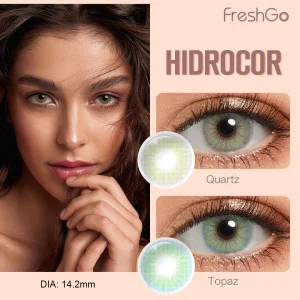
Yes, we provide free samples of our standard contact lenses (including Freshgo, Magister, and Pseyeche ranges) for professional distributors and brand owners to test fit, material comfort, and pigment stability.
Our lenses undergo terminal steam sterilization inside high-temperature autoclaves, achieving a Sterility Assurance Level (SAL) of 10⁻⁶. Properly stored in original sealed blister packs, our lenses maintain sterile integrity and are shelf-stable for up to 5 years.
From high-power corrective lenses to custom cosplay and Halloween designs, we provide diverse manufacturing options.