Fresh Lenses
Fresh Lenses
Fresh Lenses
High-permeability, ISO-compliant soft contact lenses designed for natural aesthetics, cosmetic modification, and therapeutic correction.
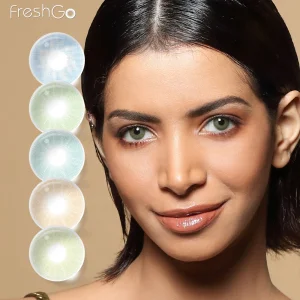
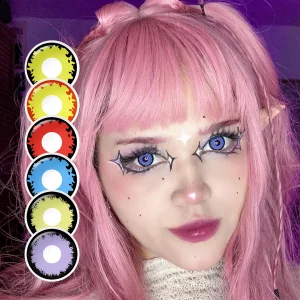
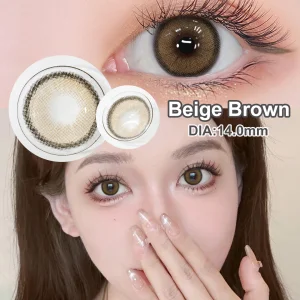
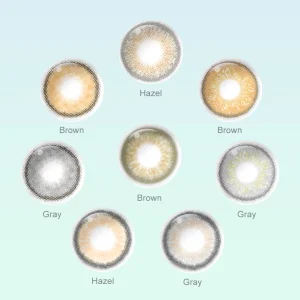
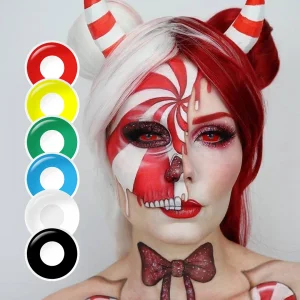
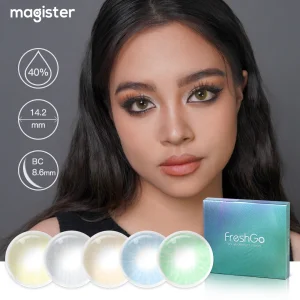
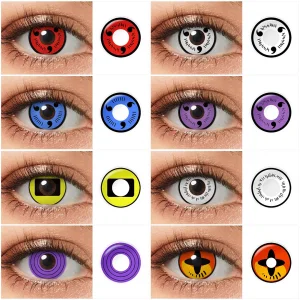
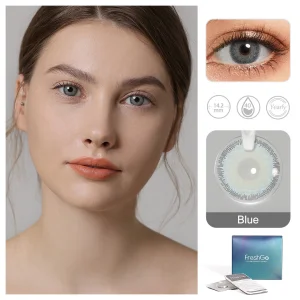
The global corrective optical industry is undergoing a structural paradigm shift driven by demographic shifts, escalating rates of myopia, and the convergence of medical efficacy with cosmetic customizability. As corrective contact lenses transition from purely functional devices to lifestyle accessories, managing the regulatory landscape—most notably the CE Certification Framework (MDR EU 2017/745)—becomes paramount for international brands, wholesalers, and healthcare distributors.
For B2B buyers and brand operators, partnering with a fully compliant manufacturer is not merely an operational convenience; it is a fundamental pillar of risk mitigation and market access. Shenzhen Fresh Vision Co., Ltd. serves as an industry-leading OEM/ODM partner, integrating high-level material science with state-of-the-art optical manufacturing infrastructure to deliver certified prescription contacts that comply with global public health directives.
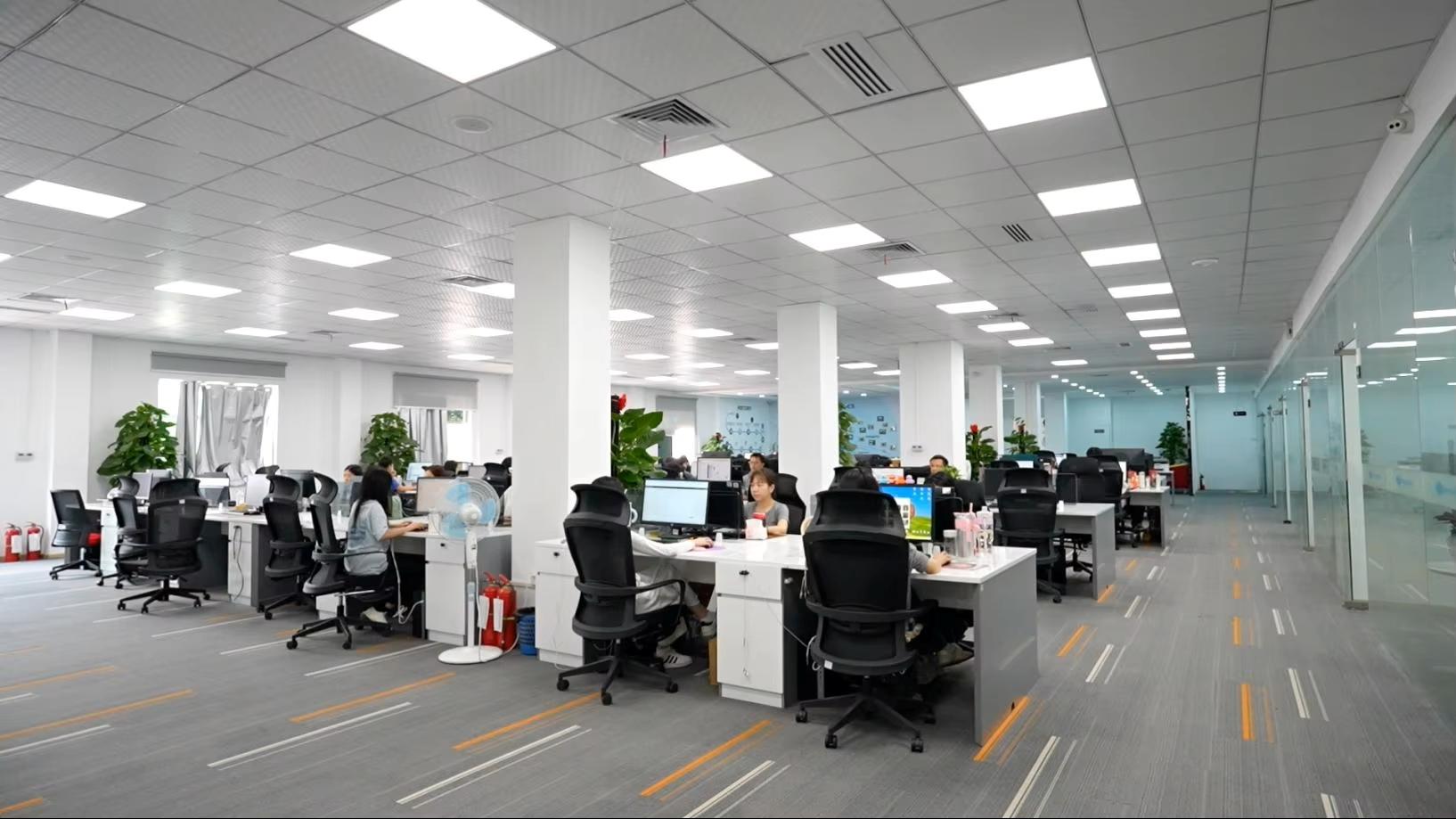 ISO 13485 Facility
Navigating regional optical standards requires technical compliance, sterile manufacturing protocols, and end-to-end traceabilities.
Exporting to highly regulated domains like North America (25%), Southeast Asia (20%), and the Middle East (10%) requires a robust understanding of medical regulatory landscapes, enabling smooth market penetrations and brand reliability.
Corrective contact lenses are classified as Class IIa or Class IIb medical devices. Our facilities adhere to strict European Medical Device Regulation requirements, including comprehensive risk assessments and bio-compatibility profiles.
We guarantee full tracking of raw chemical components (monomers, polymer initiators, and dynamic color pigments). Each production batch undergoes comprehensive logging to ensure consumer safety and strict regulatory transparency.
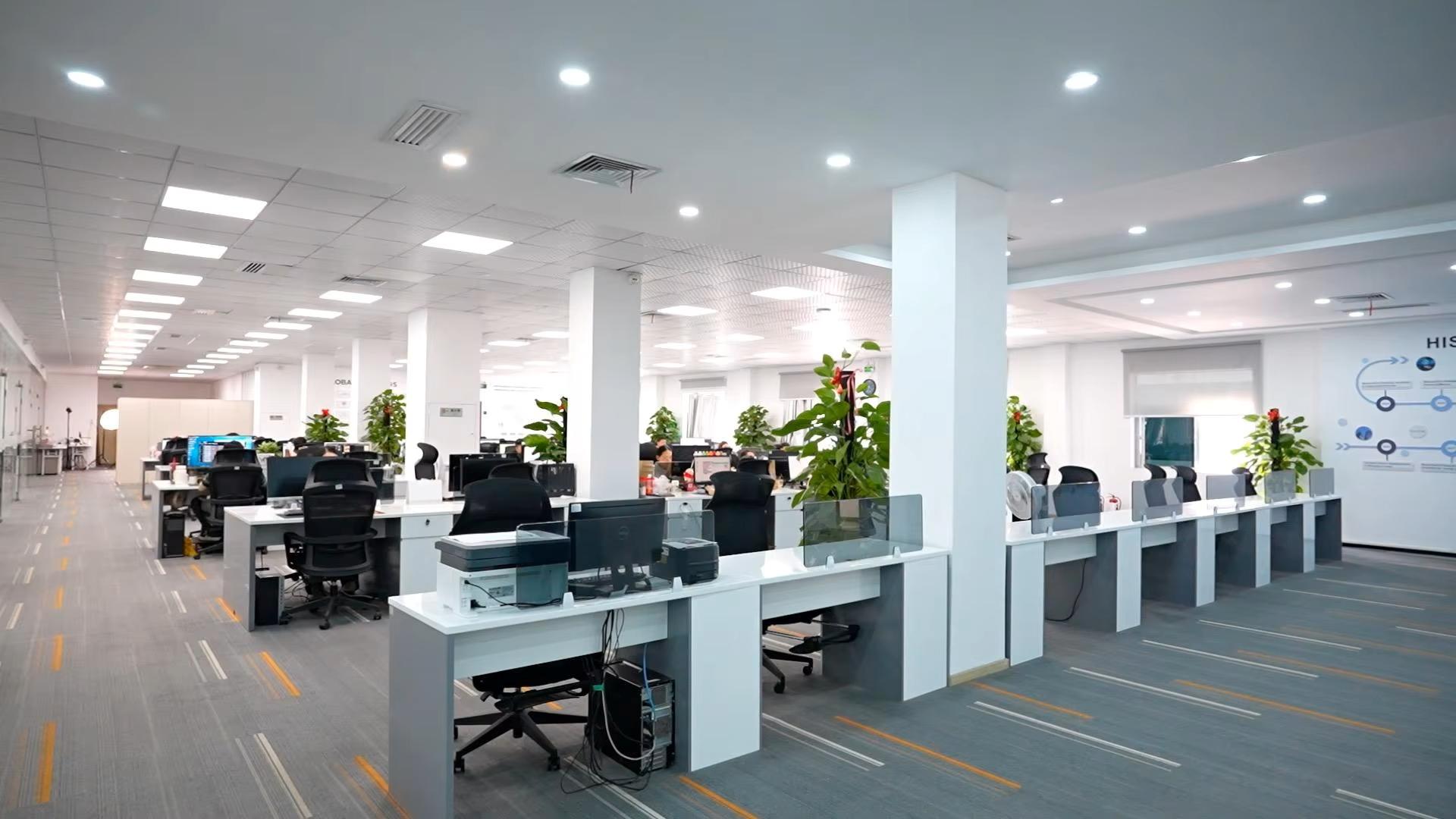 Est. 2016-01-26
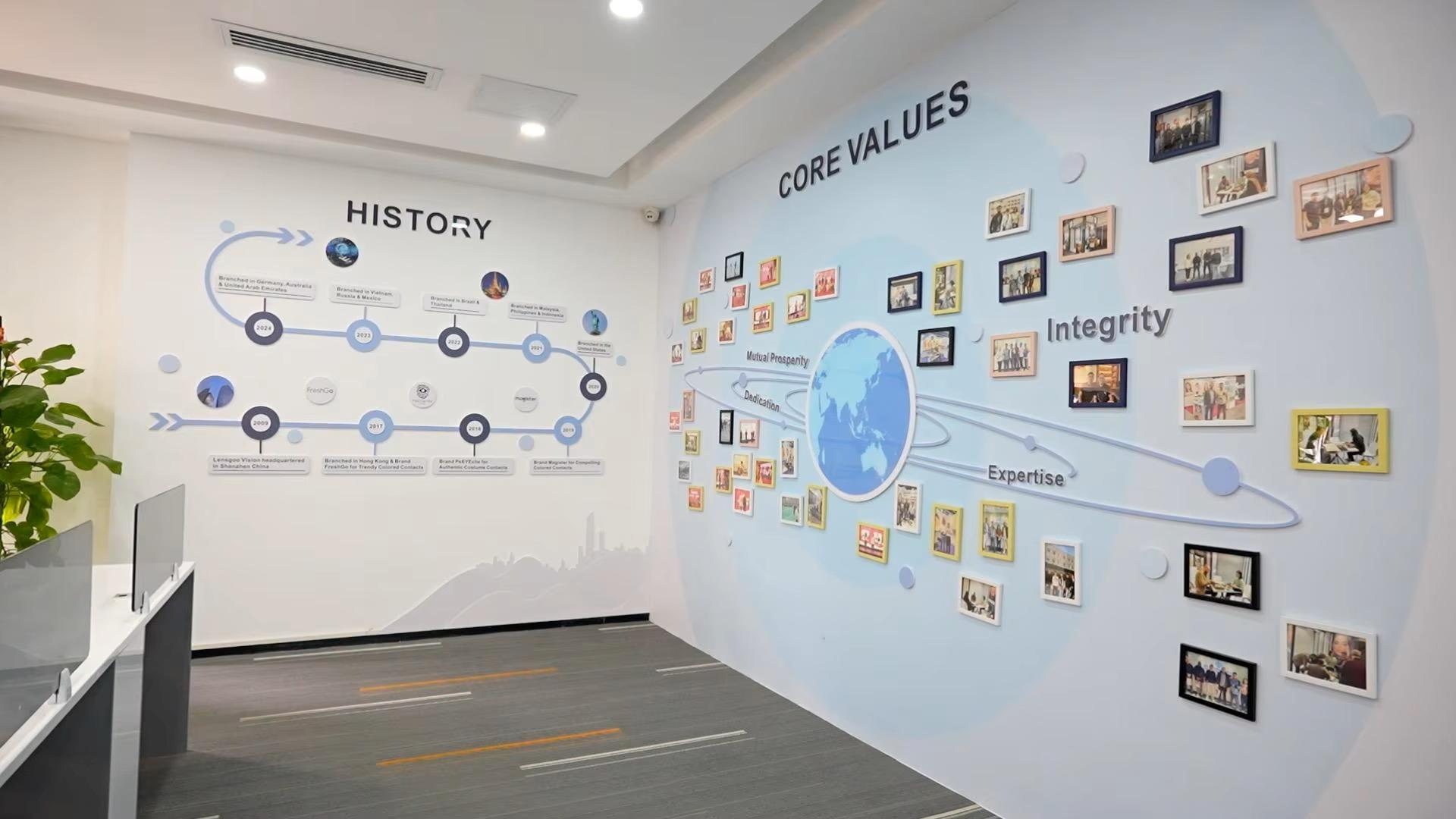
Established on January 26, 2016, Shenzhen Fresh Vision Co., Ltd. has grown to become a premium manufacturer of contact lenses, medical-grade ophthalmic solutions, and customizable cosmetic eyewear. operating an advanced 1,100 square meter production facility equipped with high-precision molding and automated sterilization lines.
With over 10 years of export experience, we cater to brand businesses, retailers, wholesalers, and manufacturers across the globe. Our operational workflows are optimized for multilingual commercial collaboration, with active commercial support in Spanish, English, and Chinese.
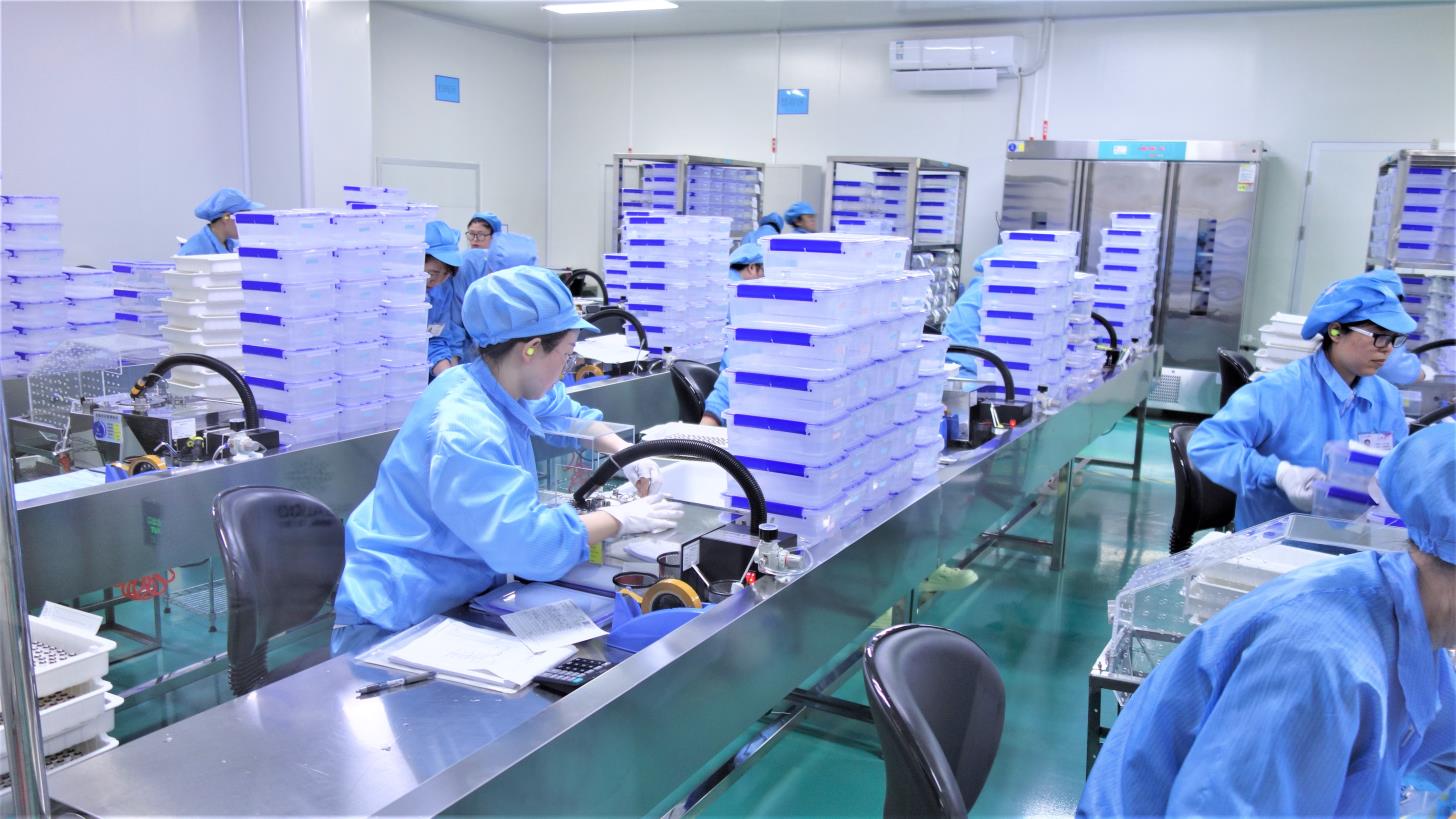
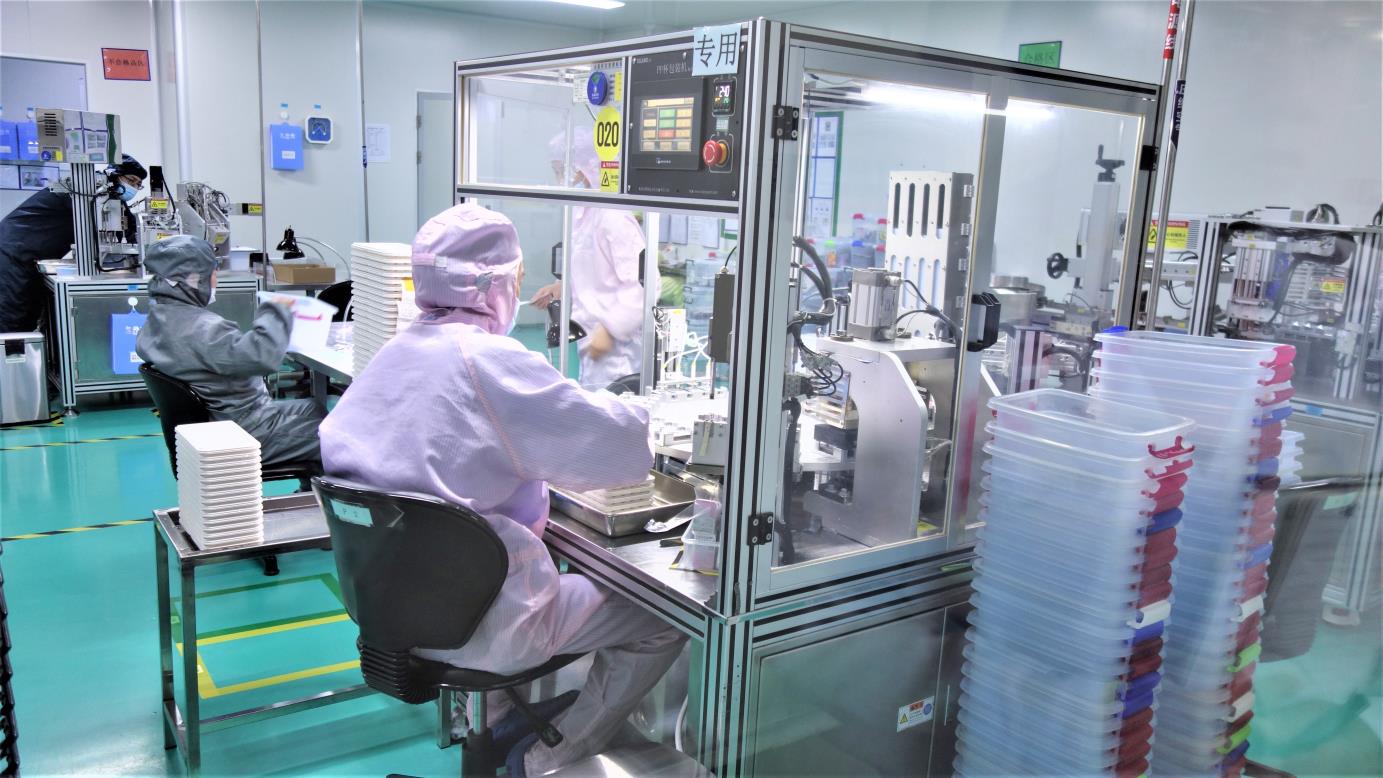
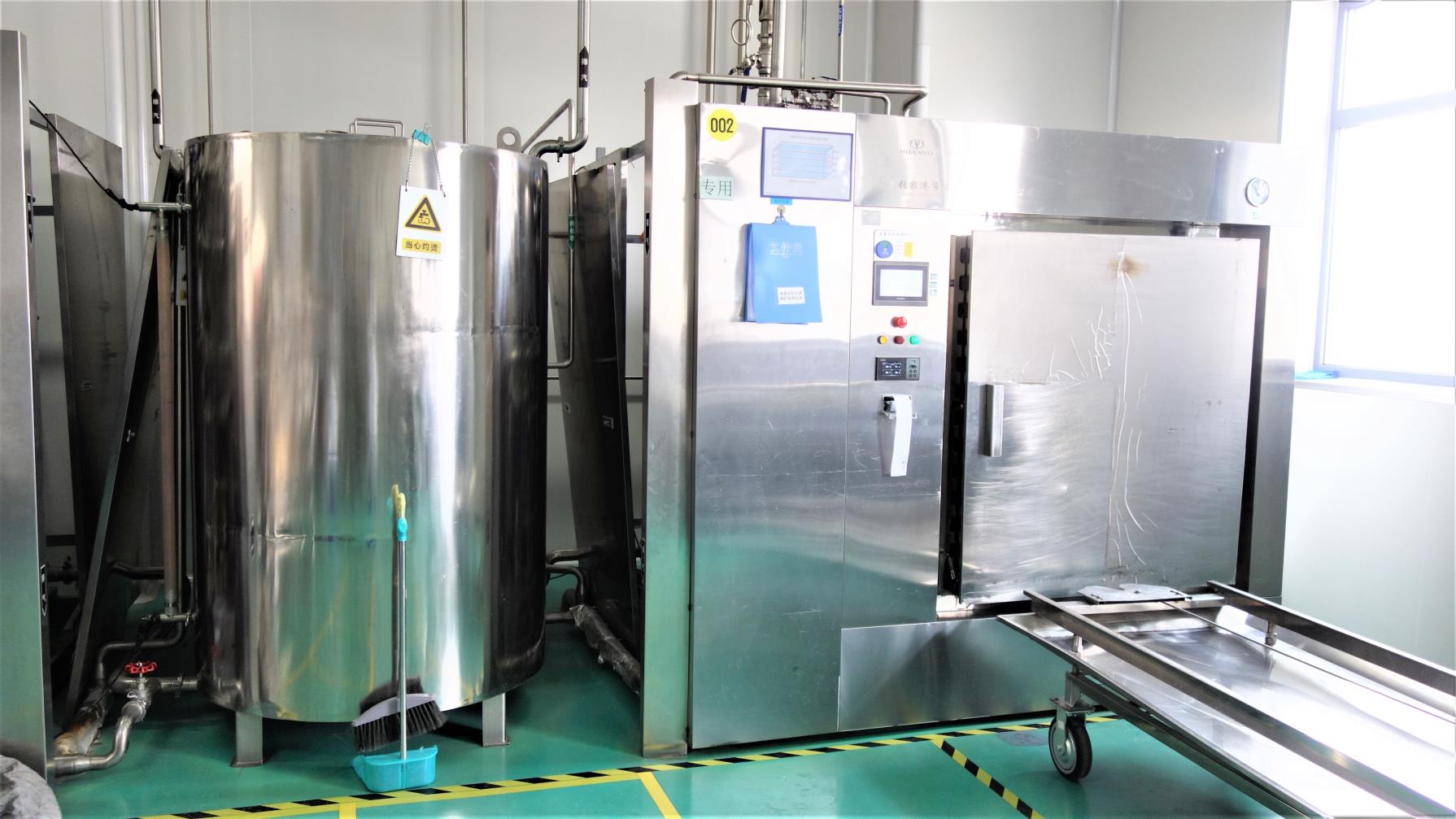
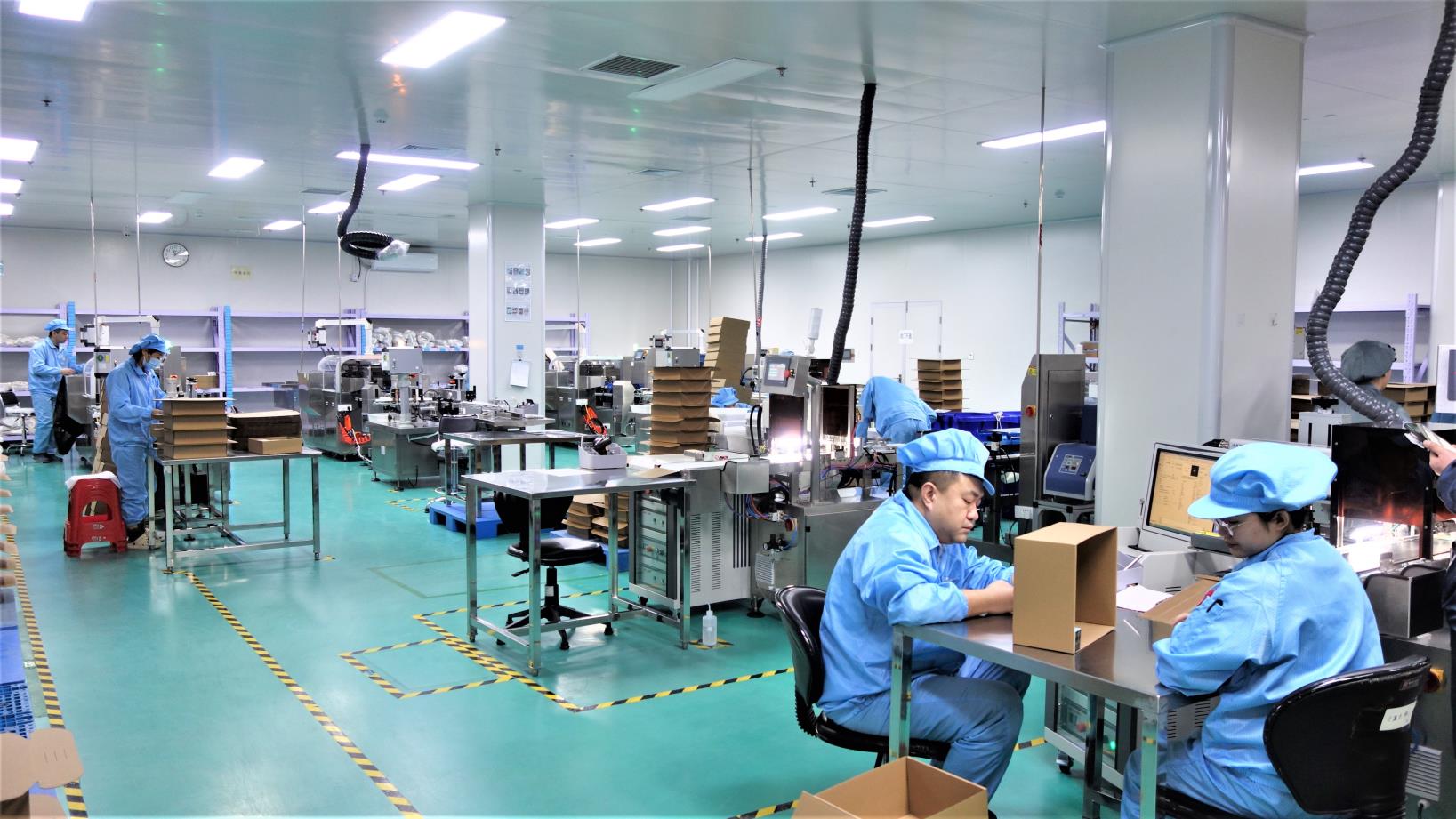
Every step in our ISO 13485 cleanroom environment is automated and verified to guarantee optical centering, hydration stability, and surface smoothness.
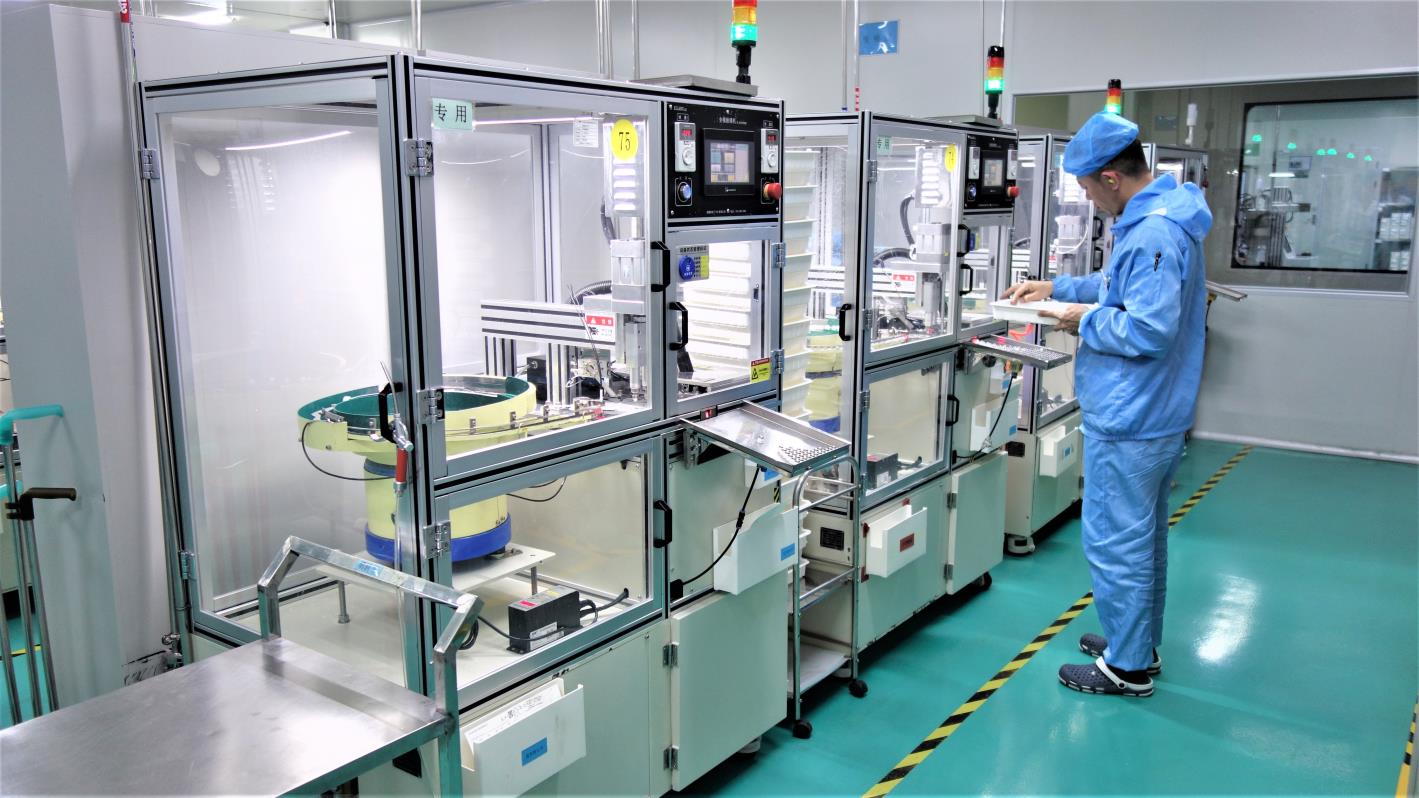
Carefully releasing cured hydrogel matrices from precision-turned molds without creating micro-tears or edge imperfections.
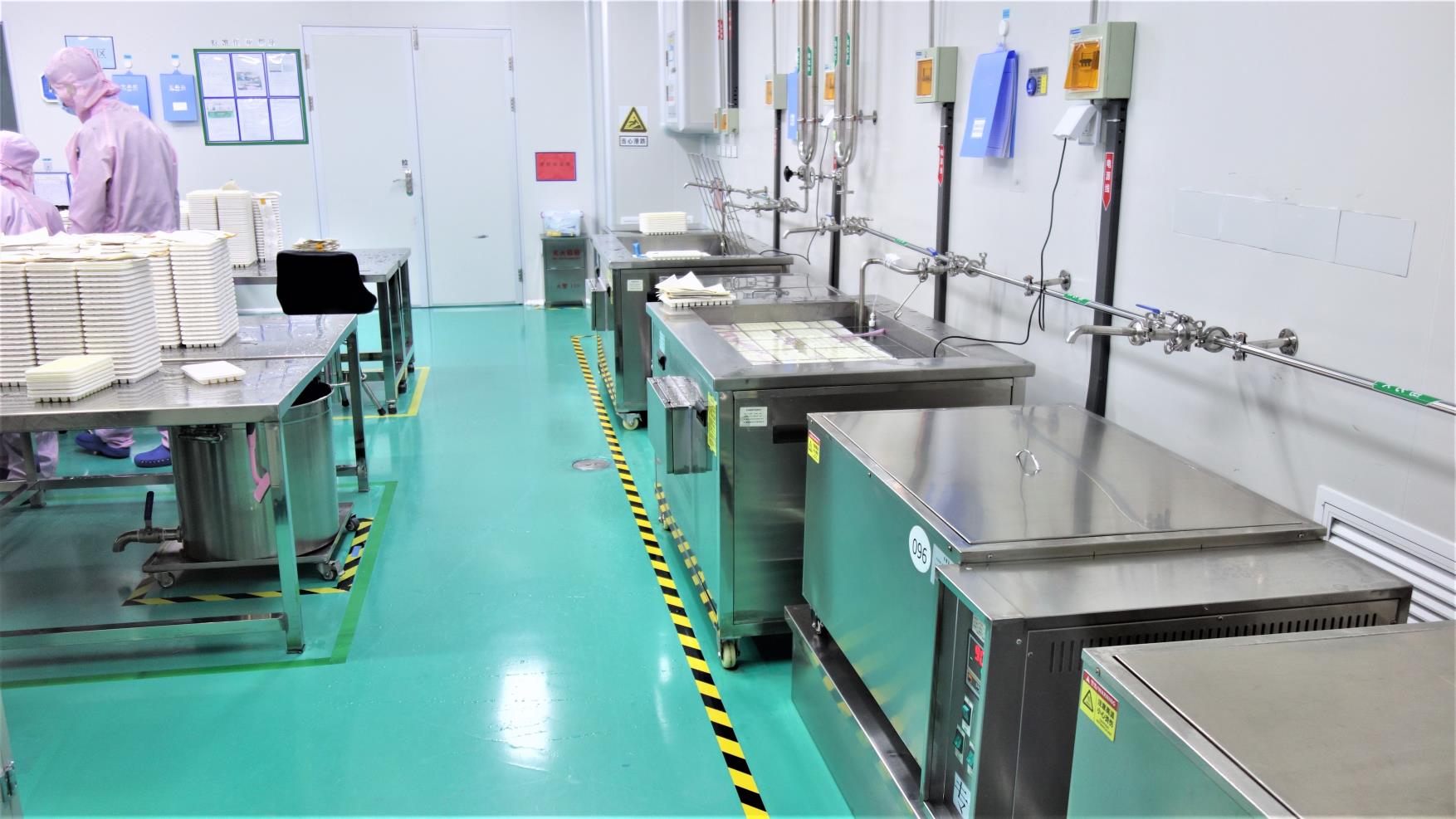
Purging remaining monomer residues through continuous hydration baths to secure high bio-compatibility and ocular safety.
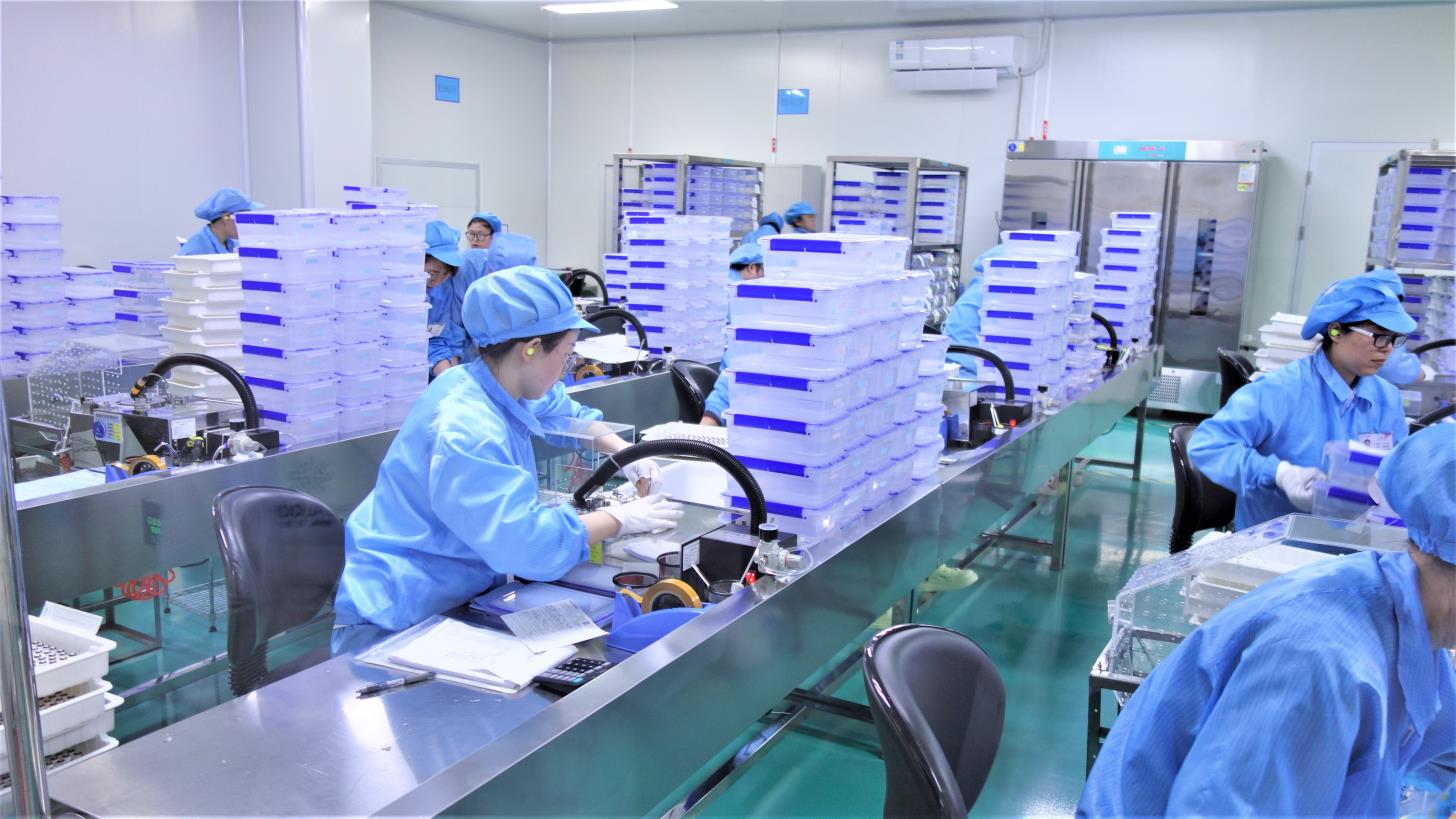
Automated pick-and-place transfer systems using medical-grade vacuum cups to safely transport wet lenses between processing trays.
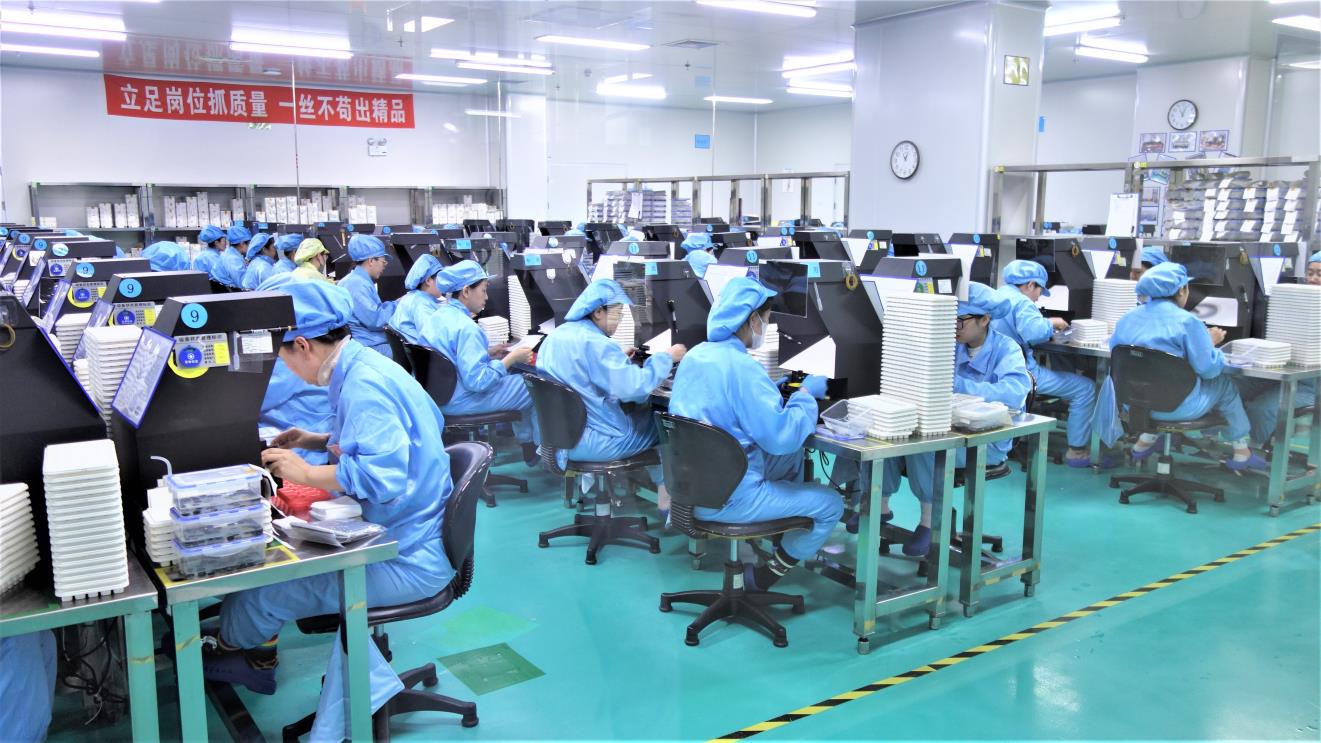
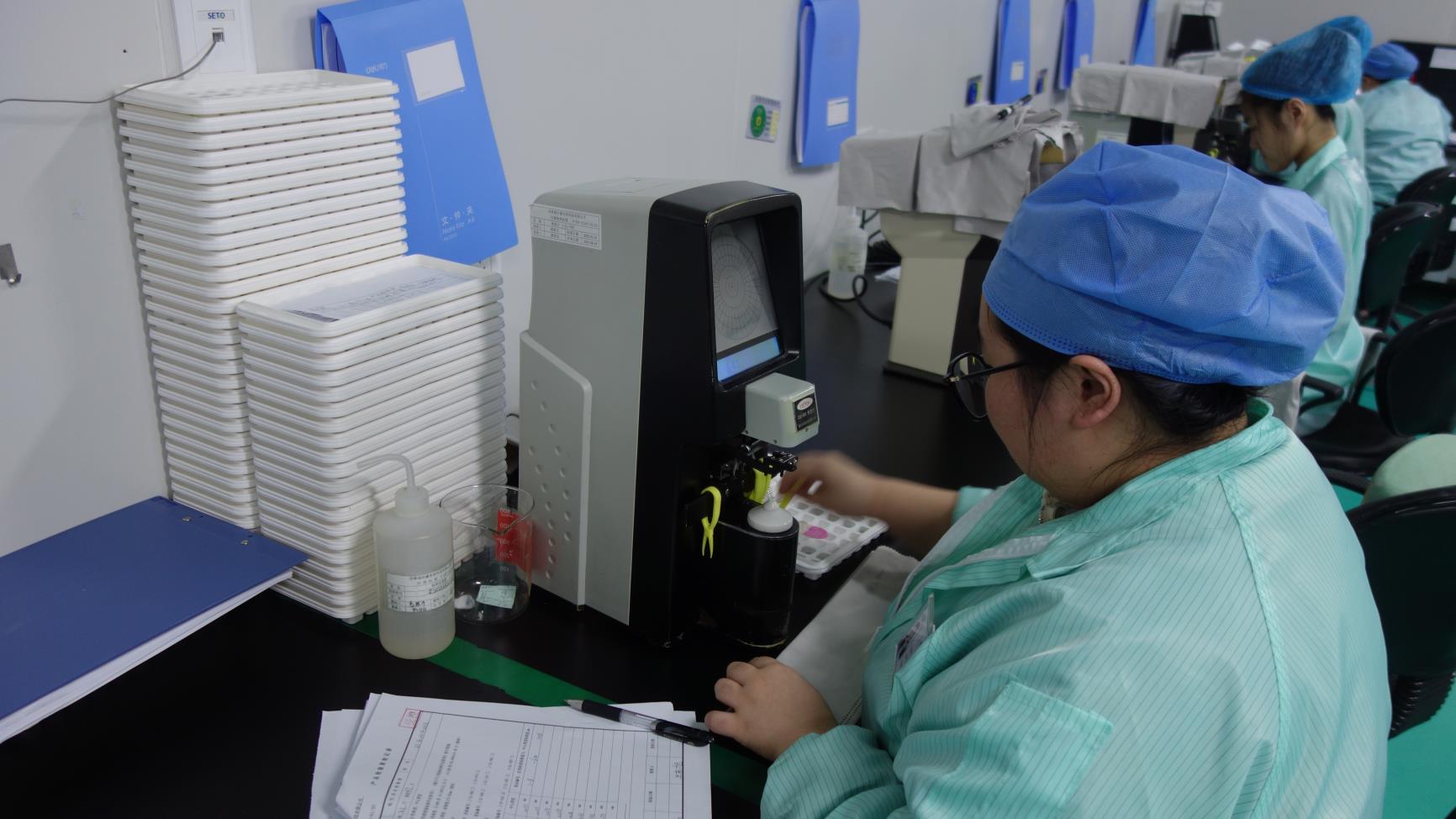
High-resolution projection systems verify structural circularity, edge contours, and check for presence of micro-air bubbles.
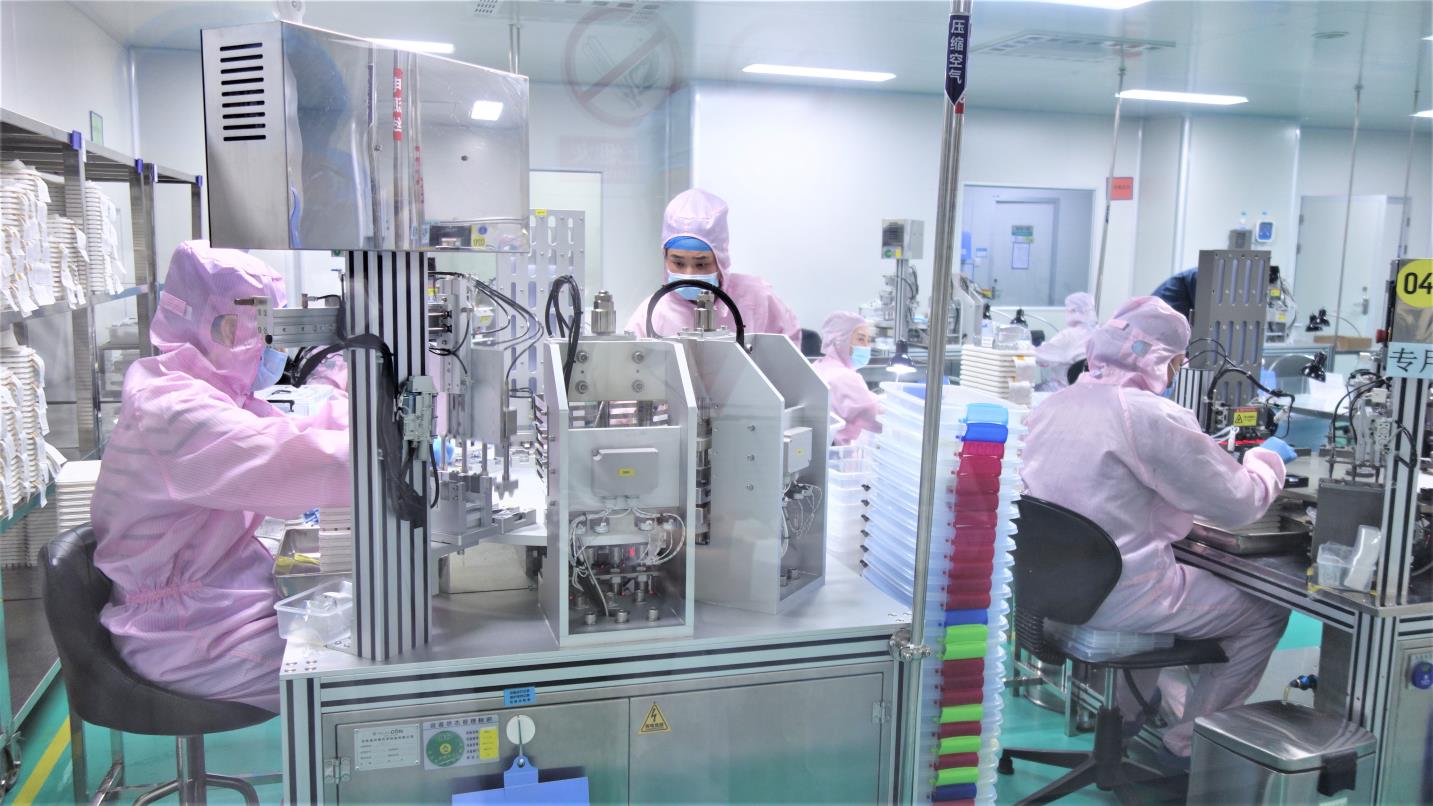
Injecting exact quantities of buffered, isotonic saline solution containing wetting agents to maintain long-term lens equilibrium.
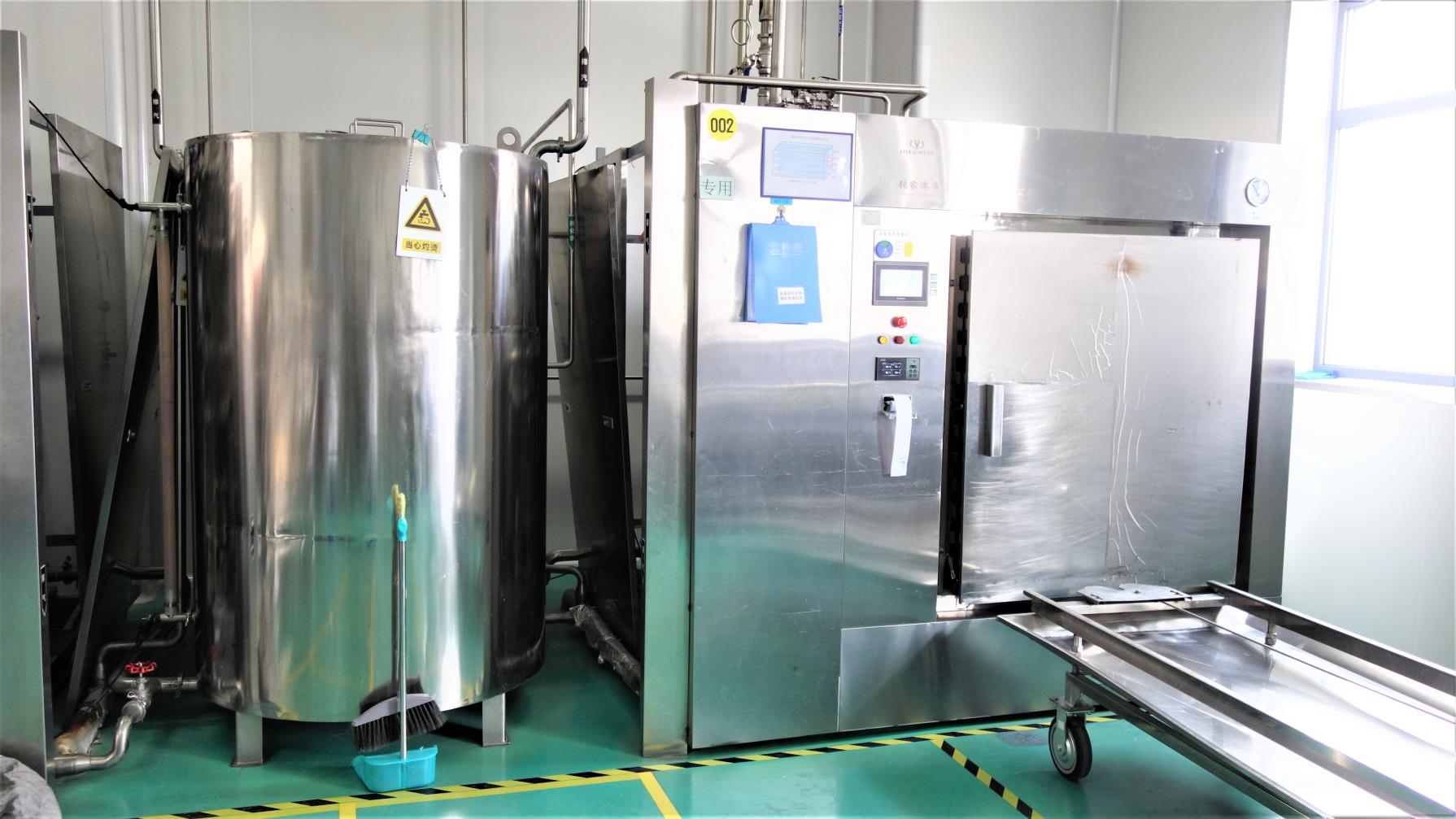
High-temperature steam sterilization cycles inside pressurized cabinets to eliminate bacterial endospores.
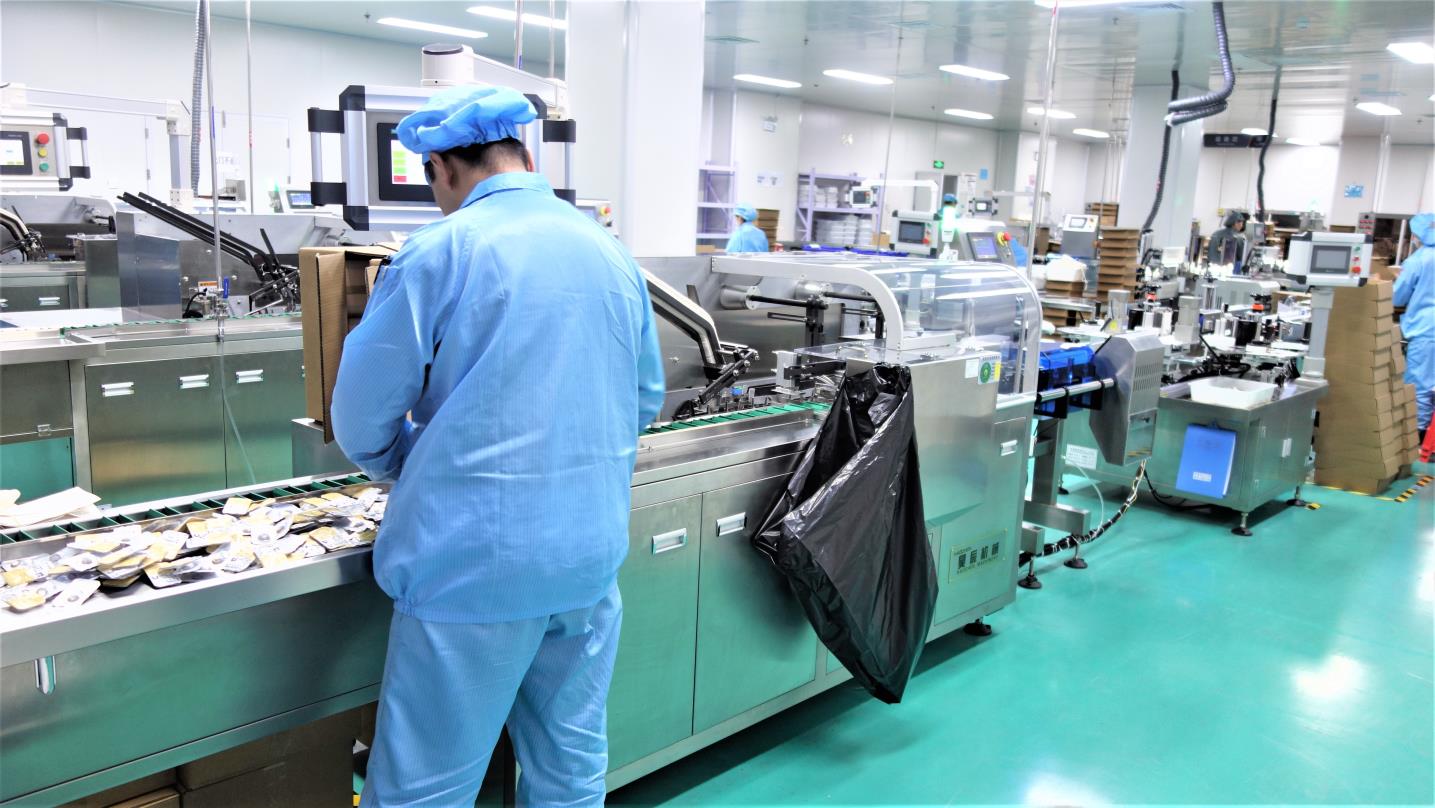
Sealing lenses inside medical-grade composite PP cups with medical-grade aluminum lidding foil to ensure sterile barrier integrity.
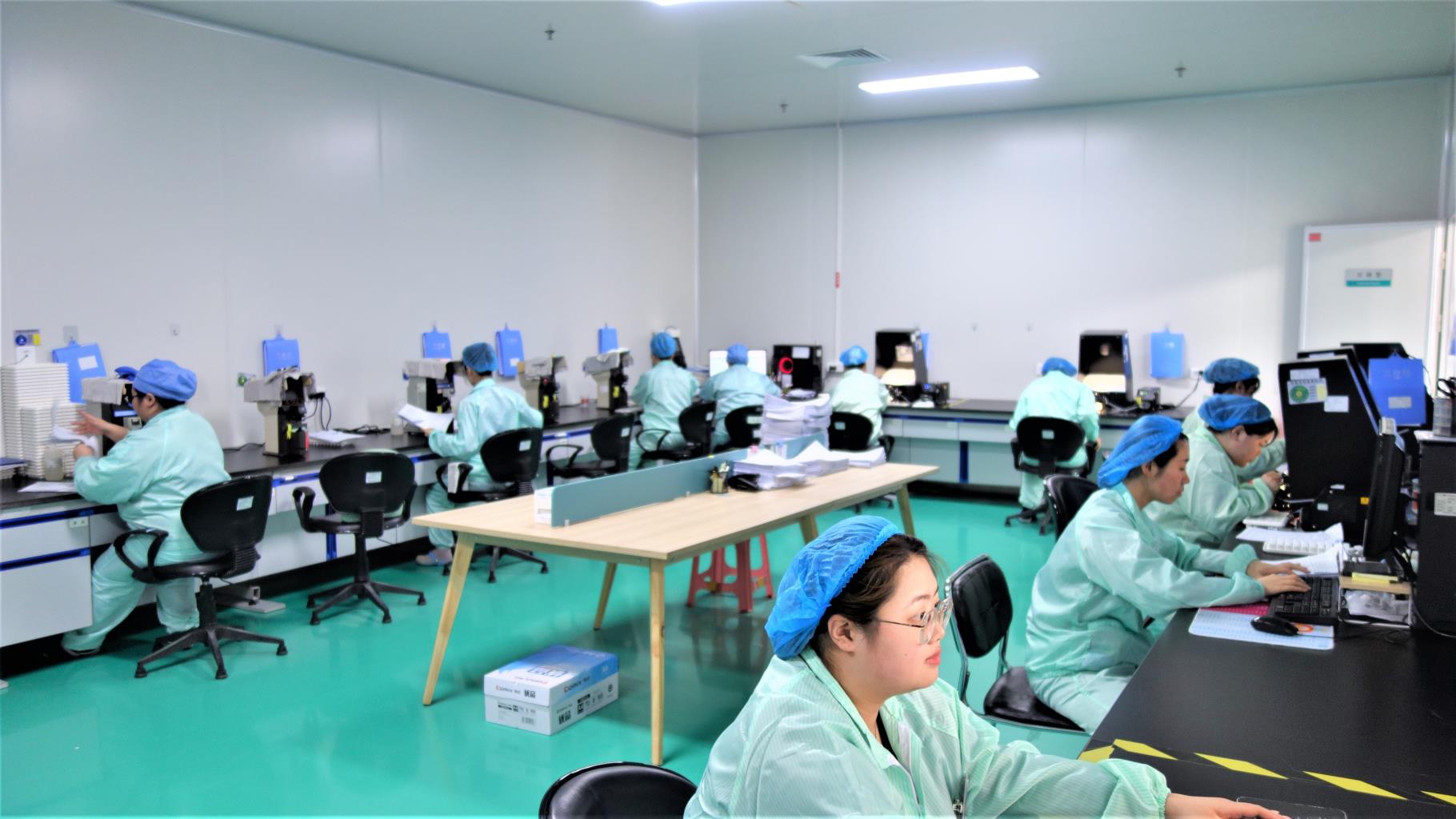
Statistical quality audits verification to check package seal force, correct label printing, and lot number coding.
Need specialized packaging, custom base curves, or graphic styling? Our engineers design tailor-made manufacturing runs for your specific business requirements.
View Technical FAQ →Our facility relies on high-grade clinical instrumentation to maintain product integrity and check correct material formulation.
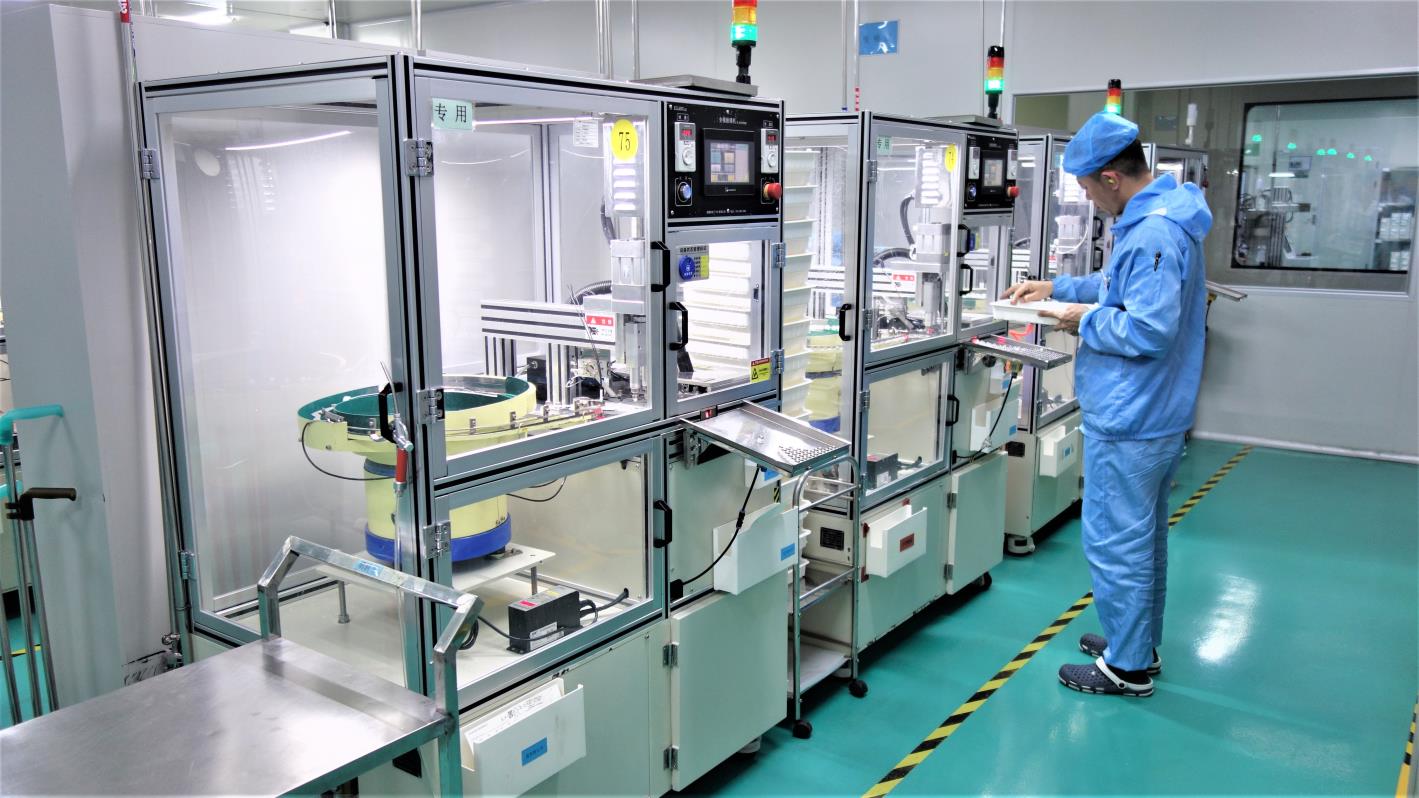
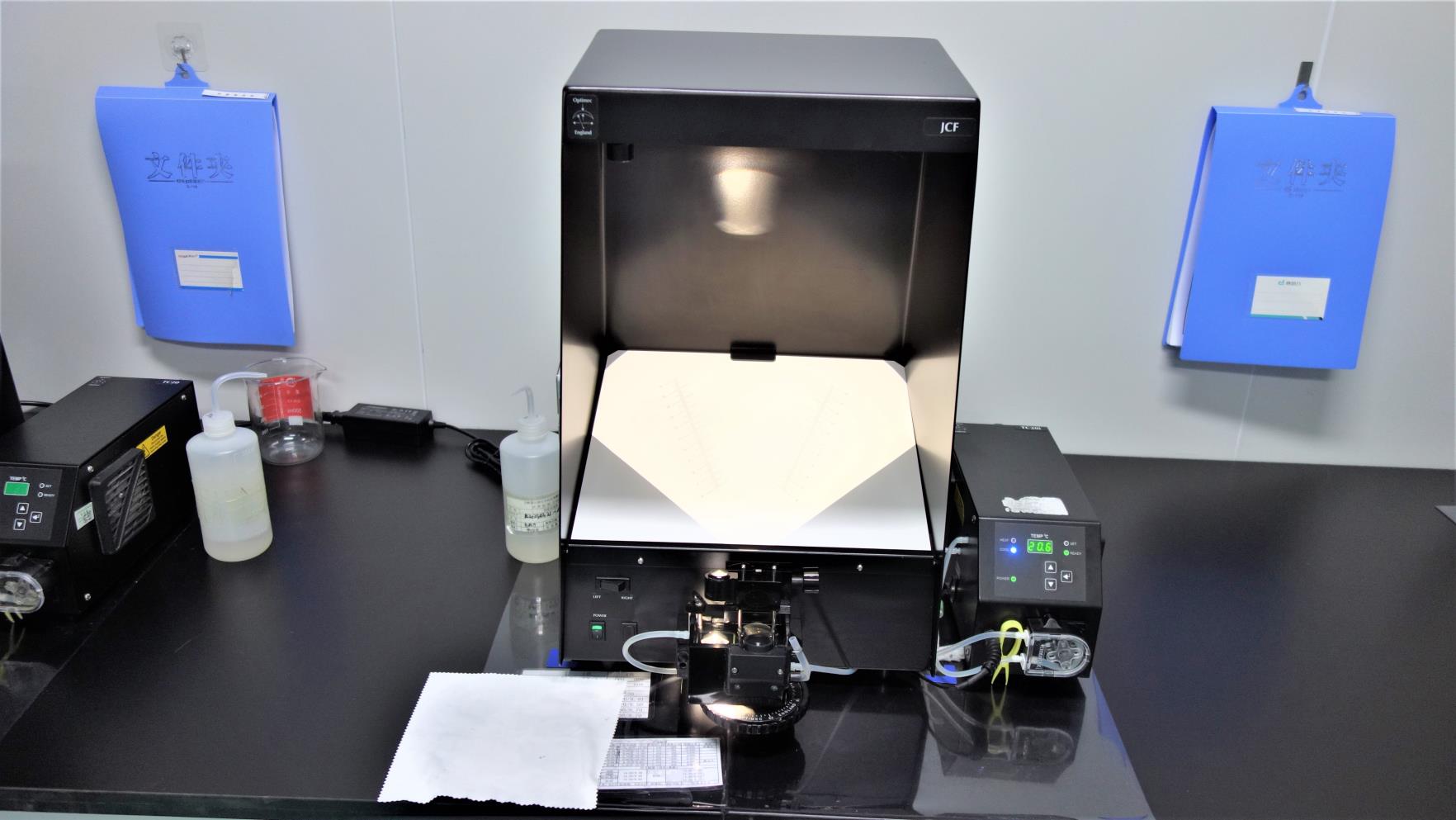
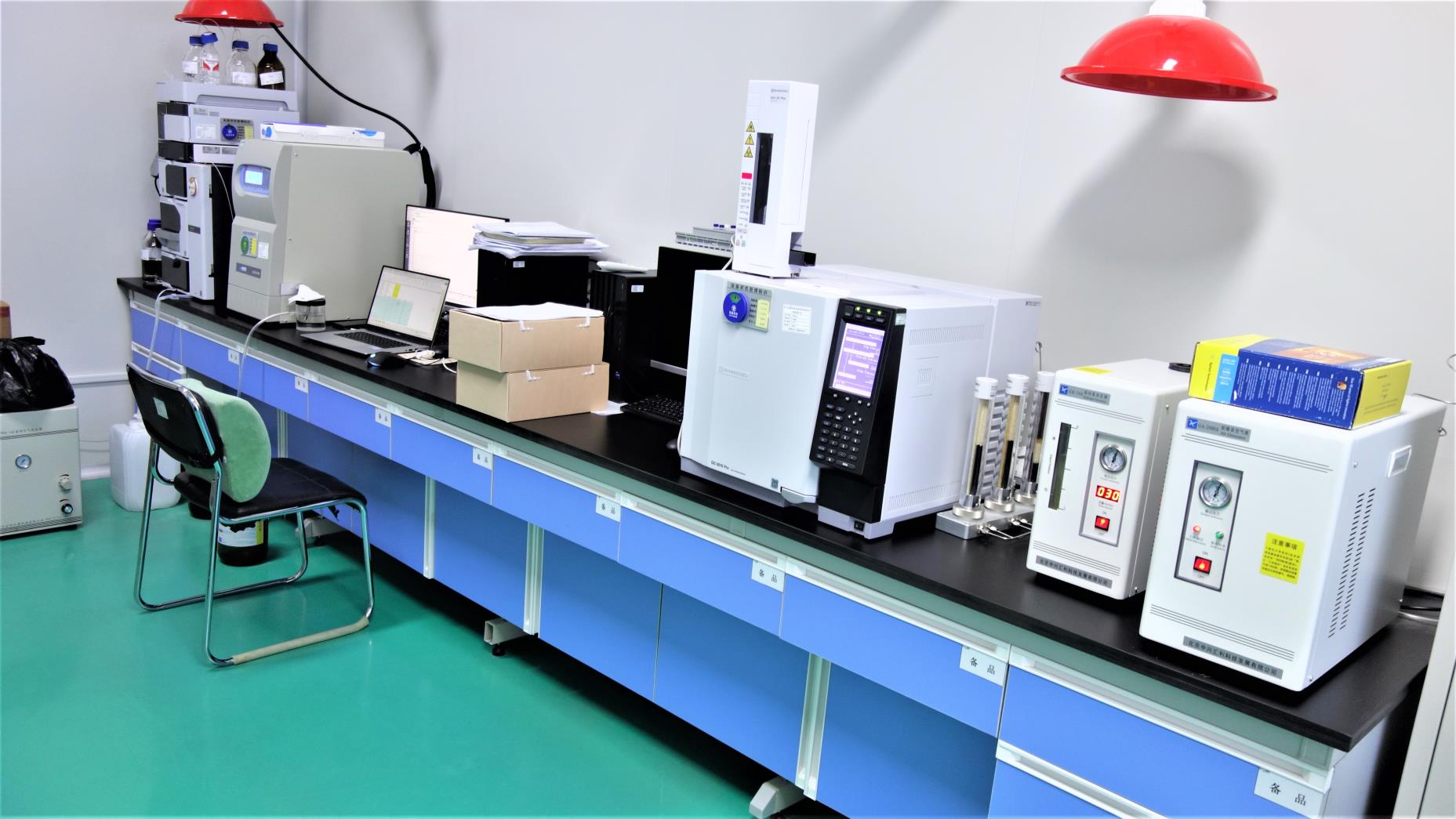
We support custom base curves (BC), diameters (DIA), and high-diopter corrections.
When engineering prescription color contacts, maintaining a proper balance between material softness, oxygen permeability (Dk value), and water content is essential. Soft contact lenses are manufactured using hydrophillic copolymers (like HEMA) or advanced silicone hydrogels that absorb water to stay pliable, soft, and comfortable.
Our research and development processes focus on optimizing the lens profile. An ultra-thin edge design reduces interaction with the eyelid during blinking, minimizing foreign body sensation. By incorporating advanced UV filters into the monomer mixture, we help protect the cornea and internal ocular structures from harmful ultraviolet radiation.
Color Integration Technology: Traditional cosmetic lenses can carry risks of pigment migration if the colorants are printed directly onto the lens surface. Fresh Vision utilizes a Sandwich Injection Molding technology. The color layer is fully encapsulated between two thin layers of clear hydrogel material. This prevents pigments from making contact with the cornea or palpebral conjunctiva, maintaining safety during daily wear.
 Spectral Testing Approved
We offer end-to-end customization of packaging solutions, including blister foils, custom paper boxes, outer cartons, and complete multi-lens kits. We support brand owners in developing unique, localized retail presentations that comply with local labeling regulations.
We understand that dynamic market testing requires flexibility. We offer scalable order sizes for private labels, helping distributors introduce new colors, seasonal designs, or unique correction ranges without excessive initial inventory risk.
Leveraging our strategic location in Shenzhen, we utilize reliable air and sea shipping networks. This helps maintain stable shipping lead times to key hubs in North America, Europe, Southeast Asia, and the Middle East.
Interested in starting a custom brand run? Contact our multilingual account managers to get started on your technical dossier and sample runs.
Key compliance and production details for purchasing managers, optometrists, and private label importers.
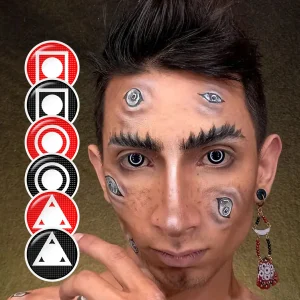
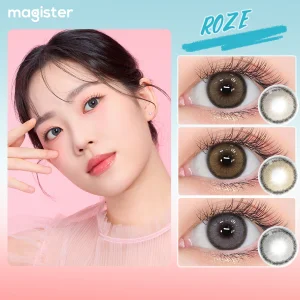
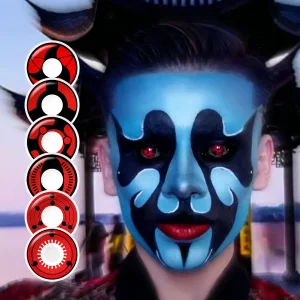
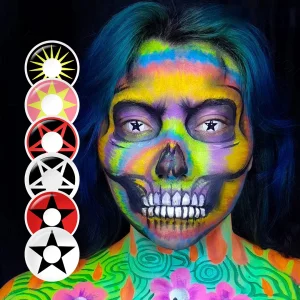
High-contrast, cosplay, yearly cosmetic, and corrective lenses suited for global wholesale, retail distribution, and brand partnerships.