Fresh Lenses
Hydrogel Contacts have gained traction in the eyewear market due to their unique properties. According to a report by Grand View Research, the global contact lens market is projected to reach USD 11.69 billion by 2025, with hydrogel lenses playing a significant role. Hydrogel Contacts are known for their moisture retention and comfort, making them a popular choice among wearers. They allow for a greater flow of oxygen to the eye, crucial for maintaining eye health, as highlighted in numerous studies.
Research shows that around 85% of contact lens wearers prefer hydrogel materials over traditional options. However, it’s essential to acknowledge that not every individual will find them suitable. Factors such as eye sensitivity and lifestyle can significantly impact comfort levels. Moreover, wearers should be aware of the maintenance required for hydrogel lenses to prevent complications. While these contacts offer numerous benefits, it’s vital to weigh personal needs and consult an eye care professional before making a decision. With the right guidance, Hydrogel Contacts can provide an impressive solution for vision correction.
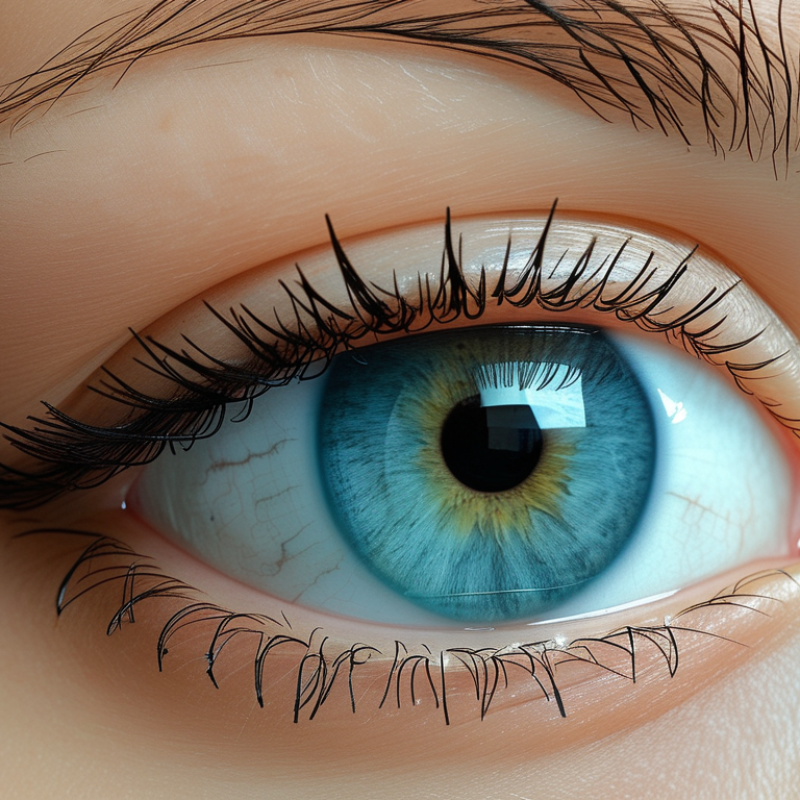
Hydrogel contacts are a popular type of soft contact lens. They are made from a water-absorbing polymer that maintains moisture, offering enhanced comfort. Studies show that approximately 70% of contact lens users prefer hydrogel due to its softness and flexibility. This material allows enough oxygen to reach the cornea, improving eye health.
Recent reports indicate that hydrogel lenses can hold up to 60% water content. This high water retention helps to minimize dryness and irritation, which many wearers experience. However, not all users find hydrogel lenses perfect. Some report discomfort after prolonged wear, revealing that sensitivities can vary significantly.
While hydrogel lenses provide several benefits, wearers should consider their unique eye conditions. Certain individuals may require more specialized options for optimal comfort. Moreover, evolving technology in lens materials often leads to varying performance in daily use. As with any optical product, personal experience plays a key role in determining the best option.
Hydrogel contact lenses are made of hydrophilic polymers. They contain a high water content, making them soft and flexible. This unique composition allows oxygen to pass through the lens. As a result, they provide comfort and healthier wear for users. The gel-like texture helps retain moisture, reducing dryness during use.
When considering hydrogel lenses, it's crucial to understand their properties. Their high-water content can lead to greater oxygen permeability. However, they can be more prone to protein deposits. Regular cleaning is essential to maintain lens clarity and comfort.
Tips: Always wash your hands before handling lenses. Store them in a clean case with fresh solution. If any discomfort occurs, remove the lenses immediately. Regular eye check-ups can ensure your lenses suit your specific needs.
Hydrogel contacts are a popular choice for many due to their unique advantages. These lenses are made from a soft, flexible material that retains moisture. This property makes them more comfortable for extended wear compared to traditional hard lenses. Users often report fewer symptoms of dryness and irritation. This can be particularly beneficial for individuals with sensitive eyes.
Another significant advantage is the breathability of hydrogel materials. They allow more oxygen to pass through to the eye, promoting better eye health. Many enjoy the feeling of wearing them for long periods without discomfort. Yet, it's essential to remember that not every eye will respond the same way. Some wearers may experience issues related to improper care or fit.
The lens's softness means they adapt quickly to the eye's surface. This feature can enhance visual clarity. However, hydrogel contacts can accumulate deposits more readily. Regular cleaning is crucial to prevent this. Users should consult eye care professionals to ensure they choose the right type for their needs. Each wearer's experience with hydrogel lenses may differ, prompting the need for personal trial and guidance.
Hydrogel contact lenses offer a comfortable option for many wearers. These lenses are made from a water-absorbing polymer, allowing high oxygen permeability. Research from the American Optometric Association indicates that proper care of hydrogel lenses can significantly enhance eye health.
To maintain your hydrogel lenses, regular cleaning is crucial. Use only the recommended solutions. Rinsing with water is not advisable. Many wearers overlook this step, leading to discomfort and potential infections. The CDC highlights that improper lens hygiene contributes to over 90% of contact lens-related issues.
Storage is another important aspect. Lenses should be kept in a clean case filled with fresh solution. Some users neglect to replace their storage cases regularly, which can harbor bacteria. According to the FDA, replacing your lens case every three months can minimize risks. Always adhere to the replacement schedule for your specific lenses. Keep an eye on your comfort levels; irritation could signify the need for a check-up or a change in your maintenance routine.
Hydrogel contacts are ideal for various individuals. They are crafted from soft, flexible materials that keep moisture close to the eye. This feature is beneficial for those who experience dryness or discomfort with traditional lenses. According to studies published in the Journal of Optometry, about 30% of contact lens users report discomfort. Hydrogel lenses can significantly reduce this problem, ensuring a more pleasant experience.
People with active lifestyles may also find hydrogel contacts appealing. Their lightweight design and high oxygen permeability allow for extended wear, even during sports or other physical activities. A report by the American Academy of Ophthalmology highlighted that over 50 million Americans wear contact lenses. Among them, a growing number are choosing hydrogel types for their comfort and performance.
However, certain individuals should approach hydrogel lenses cautiously. Those with severe eye allergies or specific eye conditions might not benefit as much. The materials can sometimes retain allergens and irritants. Moreover, cost can be a consideration, as these lenses may be more expensive than older models. It’s crucial to consult with an eye care professional to understand the best options for your unique needs.
| Feature | Description | Benefits | Who Should Consider? |
|---|---|---|---|
| Material | Soft, moisture-retaining polymer | Comfortable for extended wear | People with dry eyes |
| Oxygen Permeability | Allows good airflow to the cornea | Reduces risk of eye infections | Active lifestyle wearers |
| Vision Correction | Available for various prescriptions | Addresses myopia, hyperopia, and astigmatism | Individuals needing corrective vision |
| Maintenance | Easy to clean and store | Convenient for daily use | Busy professionals |
: Hydrogel contact lenses are made from hydrophilic polymers and have a high water content.
They allow oxygen to pass through, offering comfort and reducing dryness during use.
Not everyone should use them. Those with severe allergies or specific eye conditions may have issues.
They can collect protein deposits. Regular cleaning maintains clarity and comfort.
Those with dry eyes or active lifestyles may find these lenses more comfortable.
Always wash hands before handling, store in a clean case, and use fresh solution.
Regular check-ups help ensure your lenses fit well and suit your specific needs.
They can retain allergens and may be more expensive than older lens models.
Yes, if discomfort happens, it’s important to remove the lenses immediately.
About 30% of users report discomfort with traditional lenses.
Hydrogel Contacts are a type of contact lens made from a soft, gel-like material that contains water, allowing for enhanced comfort and breathability. These lenses are composed of hydrophilic polymers, which retain moisture, making them a popular choice for individuals seeking a more comfortable wearing experience. The key properties of hydrogel materials include high water content, UV light protection, and flexibility, which contribute to their suitability for daily wear.
One of the main advantages of Hydrogel Contacts over traditional lenses is their ability to provide superior hydration to the eyes, reducing the risk of dryness and irritation. They are often recommended for those with sensitive eyes or those that experience discomfort with rigid lenses. However, proper care and maintenance are crucial for longevity and eye health. Regular cleaning and adhering to recommended wearing schedules will ensure optimal performance. Individuals who spend long hours in front of screens, engage in physical activities, or have specific vision needs may particularly benefit from choosing Hydrogel Contacts.
