 Fresh Lenses
Finding reliable wholesale suppliers often begins with better research, not a bigger spreadsheet. Bulk Contacts can help buyers identify manufacturers, distributors, and regional wholesalers, but a long list is not automatically a useful one. Thomas C. Redman, a recognized data-quality expert, has emphasized that data quality is a business responsibility, not merely a technical task. That principle matters here. A wrong email address or outdated phone number can waste a day and weaken a promising supplier conversation.
Start with a clear buying profile. Note the product category, target market, expected order volume, and required certifications. Then compare supplier directories, trade-show exhibitor lists, industry associations, and company websites. Look for concrete details: a matching product catalog, a working business address, recent activity, and clear wholesale terms. Check each lead before outreach. Small checks matter.
Bulk Contacts should be evaluated for source transparency, update frequency, and relevance to your niche. Ask how records were collected and whether the provider supports appropriate, permission-conscious business outreach. Avoid lists that promise huge volumes without explaining their origin. A polished dashboard cannot fix poor data. Even careful research has limits: supplier details change, and a directory may miss smaller manufacturers. Treat every contact as a lead to verify, not a confirmed partnership. This guide explores practical ways to find, assess, and organize supplier contacts, while keeping accuracy and responsible outreach at the center.
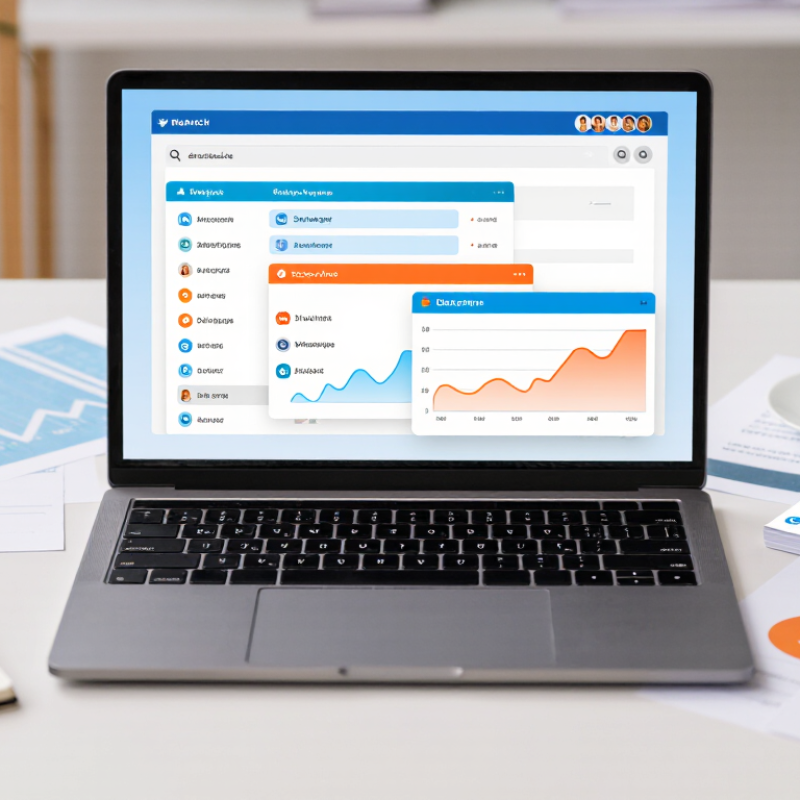
Bulk contacts for wholesale suppliers should mean more than a spreadsheet of names. A useful record links each company to the people who can approve purchasing, manage products, or handle receiving. Include the business name, location, product category, verified email or phone, role, and preferred contact channel. Add practical details: minimum order quantity, payment terms, shipping region, and the date each item was checked. Small details matter. A buyer’s direct line is not helpful if it belongs to a former employee.
Contact quality also affects how suppliers communicate. McKinsey’s 2024 B2B Pulse reports that buyers use an average of ten interaction channels during the purchasing journey. That makes channel preference and accurate contact details useful fields, not extras. Keep sourcing notes too, such as whether information came from a trade directory, a company’s public supplier page, or a direct conversation. Record permission and opt-out requests, and avoid collecting personal details unrelated to business. One caveat: public listings can be stale, and a polished database can still be wrong. Verify a sample by calling or emailing, then correct bounced addresses and outdated roles before outreach. I would not treat a large contact count as proof of useful coverage. A smaller, current list with clear purchasing roles is often easier to work with.
| Contact category | Typical role or channel | Useful contact details | Why it matters to a buyer | How to find and verify it |
|---|---|---|---|---|
| Wholesale sales | Sales representative or wholesale sales inbox | Business email, phone number, product categories handled, service region | A direct route to product availability, wholesale pricing, minimum order quantities, and account requirements. | Check the supplier’s official website and confirm that the contact details match its published business information. |
| New-account onboarding | Account-opening team or wholesale application form | Application link, required business documents, resale or tax documentation requirements | Helps buyers understand eligibility checks and the steps required before placing an order. | Use forms hosted on the supplier’s official domain; avoid sending sensitive documents to unverified addresses. |
| Purchasing and sourcing | Buyer, sourcing manager, or purchasing department | Business contact channel, product scope, preferred inquiry format, sourcing region | Useful when discussing product specifications, recurring supply needs, or potential sourcing arrangements. | Look for role-based contacts in official directories or trade-event listings and confirm the role before outreach. |
| Order management | Customer service or order-support team | Support email, business phone, order inquiry process, operating hours | Provides a channel for order status, backorders, shipping questions, and routine account support. | Use contact details on official invoices, account portals, or the supplier’s website. |
| Logistics and fulfillment | Shipping, warehouse, or logistics department | Shipping origin, delivery regions, freight options, dispatch contact channel | Helps buyers assess delivery coverage, lead times, freight arrangements, and shipment coordination. | Request written shipping terms and confirm details with the supplier’s verified business contact. |
| Product and compliance support | Product specialist or compliance department | Technical documents, safety information, certificates where applicable, product specifications | Supports product evaluation and helps buyers identify documentation relevant to their market and product category. | Ask for documents relevant to the specific product and verify their validity with the issuing body when needed. |
| Trade and industry directories | Directory-listed supplier contact or exhibitor contact | Business name, general contact channel, product categories, location, directory listing date | Can help build an initial prospect list and identify suppliers by product type or market. | Treat directory records as leads, check whether they are current, and cross-check with official sources before contact. |
| Contact-list data fields | Record-level information for each supplier contact | Contact category, public business email or phone, source URL, date checked, verification status, notes | Keeps a bulk contact list organized, traceable, and easier to update or remove when details change. | Record the source and check date; use publicly available business details and follow applicable privacy and marketing rules. |
Write down your target unit cost, minimum order quantity, monthly capacity, packaging needs, and acceptable lead time. Be precise about dates.
Filter listings by product category, location, order size, and export experience. Save the source and check date. Contact details can go stale.
Request a dated quotation, product specifications, a sample, and references for similar orders. Ask where the goods are made.
Compare the email domain with the supplier’s official website. Confirm the address and product range, then call to identify the wholesale contact.
Yes. Industry associations, trade fairs, and sourcing groups can offer practical context. Ask about repeat orders, specifications, and response times.
Note the representative’s name and the products discussed. Send a brief follow-up email that refers to your conversation.
Compare landed costs, not just unit prices. Packaging fees and inconsistent carton counts can change the total. Check the details.
No. They describe a shipping environment, not an individual business. Verify details yourself; I may still miss something.
Finding Bulk Contacts for wholesale suppliers begins with understanding what useful contact information includes, such as a supplier’s business name, sales or inquiry details, product categories, and preferred communication channels. Before searching, define your needs: the products you want, expected order quantities, quality requirements, delivery preferences, and budget. Clear criteria make it easier to focus on suppliers that are a practical match rather than collecting a large number of irrelevant leads.
Supplier directories and trade networks can help you discover potential contacts, but every listing should be checked before you reach out. Confirm that contact details are current, review the supplier’s business information and product capabilities, and look for consistent, credible signals of legitimacy. Then organize verified contacts in a simple record with notes on products, conversations, and follow-up dates. A well-maintained contact list supports focused, professional outreach and makes it easier to compare suppliers and build reliable wholesale relationships.
