Fresh Lenses
Choosing Vision Correction Contacts in 2026 requires more than comparing prices, colors, or advertised comfort. The right lens must match your prescription, corneal health, wearing schedule, and daily environment. A lens that feels comfortable in a quiet office may perform differently beside a dusty road or under dry air-conditioning. Comfort is personal. Sometimes, convenience wins over better habits. That deserves honest reflection.
The U.S. Centers for Disease Control and Prevention estimates that about 45 million Americans wear contact lenses. Its safety guidance also reports that most wearers have practiced at least one risky behavior, such as sleeping in lenses or extending replacement schedules. These findings make professional fitting essential, not optional. The World Health Organization’s World Report on Vision identified at least 2.2 billion people with vision impairment worldwide, highlighting the wider importance of accessible, accurate correction. Market analysts also expect the global contact lens market to keep expanding through 2030, according to Grand View Research’s 2024 industry analysis.
Dr. Thomas L. Steinemann, an ophthalmology professor and contact-lens safety researcher, has emphasized, “Contact lenses are medical devices, not cosmetics.” That principle should guide every 2026 decision. This article will examine silicone hydrogel materials, daily disposables, multifocal designs, toric lenses, blue-light claims, and smart purchasing. It will also question popular assumptions. More oxygen does not automatically mean better comfort. A premium brand cannot compensate for poor hygiene or an outdated prescription. Readers should use these insights with an eye-care professional, because online advice cannot measure tear quality, corneal shape, or fit.
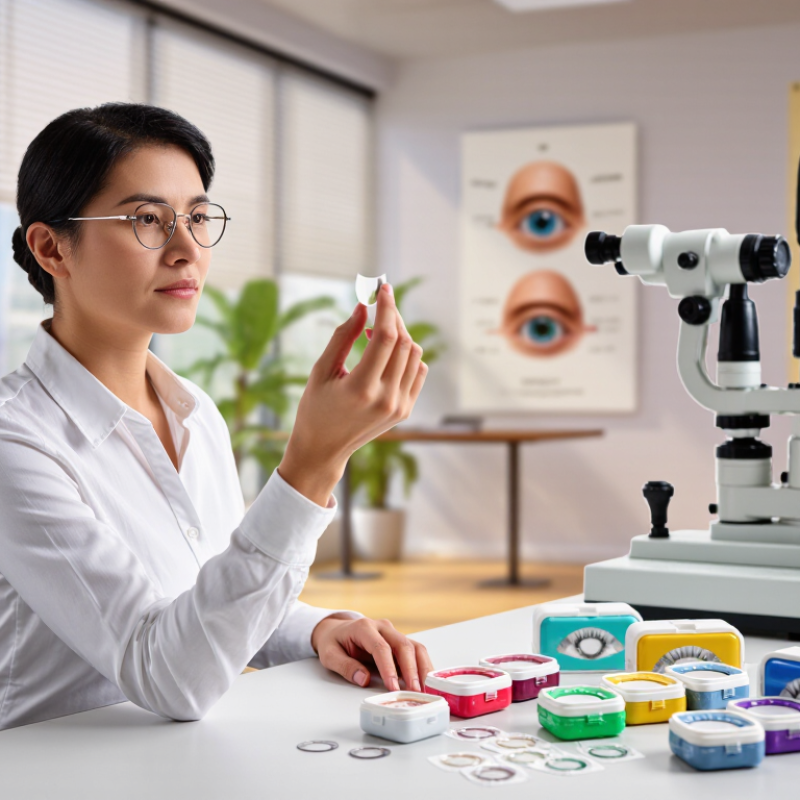
How to Choose Vision Correction Contacts in 2026?
Vision correction contacts are small medical devices resting on the cornea. They correct refractive errors by redirecting incoming light toward the retina. The prescription may address nearsightedness, farsightedness, astigmatism, or age-related focusing changes. Soft lenses contain substantial water, while rigid gas-permeable lenses preserve a sharper shape and may suit irregular corneas. The U.S. Food and Drug Administration classifies contact lenses as medical devices, not ordinary accessories. The World Health Organization’s World Report on Vision estimates that at least 2.2 billion people have vision impairment worldwide. That figure shows the scale of correction needs, but it does not make contacts suitable for everyone. A proper eye examination remains essential.
Choosing lenses involves more than matching numbers. An eye-care professional checks corneal shape, tear quality, eyelid movement, and wearing habits. Toric designs can reduce astigmatism-related blur. Multifocal designs may reduce dependence on reading glasses, though adaptation can be imperfect. Comfort can mislead. A lens may feel fine while causing redness or reduced oxygen exposure. The CDC estimates that about 45 million people in the United States wear contact lenses, and it emphasizes handwashing, correct replacement, and avoiding water exposure. Those details are not minor.
Tips: Ask how many hours the lenses are designed for. Confirm the replacement schedule in writing. Never sleep in lenses unless specifically approved. If vision fluctuates, pain appears, or light becomes uncomfortable, remove the lenses and seek professional advice. My practical caution is simple: convenience is useful, but eye health deserves the final decision.
Vision correction contacts are thin lenses placed on the tear film over the cornea to redirect light onto the retina. The chart compares commonly prescribed soft-lens replacement schedules. Daily disposable lenses are replaced after one day, two-week lenses after 14 days, and monthly lenses after approximately 30 days. The correct option depends on eye health, prescription, comfort, lifestyle, and guidance from an eye-care professional. Never wear lenses beyond their recommended schedule.
Choosing vision correction contacts in 2026 should begin with your eyes, not a shopping page. A contact lens prescription differs from a glasses prescription. An eye-care professional should measure refraction, corneal shape, tear quality, and eye health. Ask for a fitting trial. Notice movement, comfort, and clarity during blinking.
Your daily vision needs matter. Driving at night may require stable distance vision. Long screen sessions can expose dryness and fluctuating focus. Sports may require secure movement and wider peripheral vision. The World Health Organization reported that at least 2.2 billion people had near or distance vision impairment in its World Report on Vision. That figure reminds us that “clear enough” is not always functionally clear.
Myopia deserves careful discussion. The International Myopia Institute cites projections that nearly half the world’s population could be myopic by 2050. However, population estimates cannot decide your lens type. Your examination must. Tell the clinician about headaches, glare, allergies, previous infections, and wearing time. Small details can change the recommendation.
Be honest about habits. I once underestimated how quickly comfort problems become safety problems. The U.S. Centers for Disease Control and Prevention reported that 99% of surveyed contact lens wearers practiced at least one risky behavior in a 2014 study. Do not sleep in lenses unless specifically prescribed. Replace them on schedule. Never use water for storage. If redness or pain appears, remove the lenses and seek professional care promptly. Some choices seem convenient, but convenience is a poor test of eye health.
Choosing contact lenses in 2026 should begin with your daily habits, not only your prescription. Daily disposable lenses suit people with busy schedules, travel plans, or seasonal allergies. A fresh pair each morning can reduce deposit buildup and simplify care. They can still feel dry during long screen sessions. Blink breaks matter.
Reusable lenses may suit someone seeking a predictable monthly routine. They require clean hands, fresh disinfecting solution, and strict replacement dates. Never rinse lenses with tap water. If you play basketball or cycle outdoors, ask about a stable fit and wear protective eyewear. Soft toric lenses can help correct astigmatism, though rotation may affect sharpness. Small details matter.
Multifocal lenses support people who need help with distance and near vision. Reading menus may become easier, but night vision can take adjustment. Results vary between eyes. Some wearers need several fitting visits. Specialty options, including rigid gas-permeable designs, may help with irregular corneas or demanding visual needs. An eye care professional should assess corneal health, tear quality, prescription changes, and comfort before recommending any lens. A perfect match on paper may disappoint in real life. That is worth reconsidering.
How to Choose Vision Correction Contacts in 2026?
Safety should come before price. The CDC estimates that about 45 million Americans wear contact lenses. Its published survey found that 99% of users reported at least one risky hygiene habit, such as sleeping in lenses or replacing cases too rarely. These figures are older, but the warning still feels current. Check the replacement schedule, oxygen transmission, and approved wearing time. The FDA also advises discarding daily lenses after one use, without extending wear because they look clean.
Comfort depends on more than water content. Compare hydrogel and silicone-hydrogel materials, then ask about oxygen transmissibility, surface moisture, and lens stiffness. The TFOS Contact Lens Discomfort reports link discomfort with dryness, deposits, poor fit, and environmental exposure. Air conditioning can turn a comfortable morning into a scratchy afternoon. A professional fitting matters. My own practical view is imperfect: a lens with higher oxygen flow may still feel worse if its edge irritates your eyelid.
Daily cost needs honest math. Add lens costs, solution, replacement cases, examinations, and missed wearing days. For example, a daily lens may cost more per unit but remove solution and storage expenses. A reusable lens can appear cheaper, yet careless cleaning raises safety risks. Compare annual totals, not package prices. Ask how many hours you realistically wear lenses each day. If you frequently nap, travel, or work near screens, your cheapest option may not be your most usable one. Get advice from a licensed eye-care professional before changing materials or schedules.
Choosing vision correction contacts in 2026 starts with a current eye examination, not an online prescription. A qualified eye-care professional checks refraction, corneal shape, tear-film stability, eyelids, and medical history. Contact lens power may differ from spectacle power. Daily disposable, reusable soft, rigid gas-permeable, toric, multifocal, and scleral designs serve different needs. The right option depends on dryness, astigmatism, work demands, and tolerance. Comfort matters.
During fitting, wear trial lenses long enough to reveal late-day dryness or fluctuating vision. Ask about movement, centration, oxygen needs, replacement timing, and backup glasses. A lens may feel excellent for ten minutes, then fail during screen-heavy work. I would not treat one comfortable trial as proof of a safe fit. Follow-up matters after prescription changes, pregnancy, surgery, or new medicines.
Maintenance protects the cornea. Wash and dry hands before handling lenses. Use fresh approved disinfecting solution, never tap water or saliva. Do not top off old solution. Replace the case regularly. Follow the prescribed replacement schedule. Remove lenses before sleeping or swimming unless specifically approved by a clinician. The CDC’s 2016 MMWR found that 99% of surveyed wearers reported at least one risky hygiene behavior. The CDC also estimates that about 45 million Americans wear contacts. Small habits matter. Redness, pain, light sensitivity, discharge, or sudden blur requires prompt professional care. Remove the lens first. Don’t tough it out.
They are small medical devices placed on the cornea. They redirect light toward the retina for clearer vision. They can correct nearsightedness, farsightedness, astigmatism, and age-related focusing changes.
No. Contact lenses sit directly on the eye. An eye-care professional must measure corneal shape, tear quality, and eye health. Using glasses numbers alone can create blurry or uncomfortable vision.
Soft lenses contain substantial water and often feel flexible. Rigid gas-permeable lenses keep a sharper shape. They may help with irregular corneas. The best choice depends on examination results and daily habits.
Think about driving, screen time, sports, allergies, and wearing hours. Night driving may require stable distance vision. Long screen sessions can worsen dryness and fluctuating focus. Be honest about your routine.
Toric lenses can reduce blur linked to astigmatism. Multifocal lenses may reduce dependence on reading glasses. Adaptation can be imperfect. A fitting trial helps reveal real-world clarity.
Yes. Comfort can fool me. A lens may feel fine while causing redness or reduced oxygen exposure. Clear vision does not prove healthy wear. Eye checks still matter.
Do not sleep in lenses unless specifically approved. Avoid water exposure, including shower water and tap water. Never store lenses in water. Convenience is a poor safety test.
Remove them if pain, redness, fluctuating vision, or light sensitivity appears. Seek professional advice promptly. Do not simply wait for symptoms to disappear. That delay may be a mistake.
Choosing Vision Correction Contacts in 2026 begins with understanding how contact lenses correct refractive errors by reshaping the way light enters the eye. The right choice depends on a professional assessment of your prescription, eye health, tear production, corneal condition, and visual goals. Nearsightedness, farsightedness, astigmatism, and age-related focusing changes may require different lens designs, while daily routines and personal preferences can influence the best option.
When comparing lenses, consider replacement schedules, breathable materials, moisture retention, comfort, safety, and the total daily cost rather than price alone. A qualified eye-care professional should complete the fitting and help evaluate how well each option performs during work, exercise, screen use, and changing environments. Proper cleaning, storage, replacement, and wearing habits are essential for maintaining eye health. Regular checkups also allow adjustments as your prescription or comfort needs change, making lens wear safer and more practical over time.
