Fresh Lenses
Choosing the best Extended Wear Contacts in 2026 requires more than comparing oxygen ratings or online prices. Your eyes have different needs, and convenience can hide important risks. A lens that feels comfortable at noon may feel dry, gritty, or painful after overnight wear.
Dr. Lyndon Jones, a leading contact-lens researcher, has warned, “Sleeping in contact lenses increases the risk of eye infection.” That caution should guide every buying decision. Extended Wear Contacts must match your prescription, corneal health, tear quality, and approved wearing schedule. An eye-care professional can check the fit with a slit lamp and evaluate whether your eyes tolerate reduced blinking during sleep.
Small details matter. Look for clear manufacturer instructions, high oxygen permeability, and a replacement plan you can follow. Ask whether the lens is approved for overnight use, rather than assuming every “extended wear” label means continuous wear. Never stretch replacement dates because the lenses still look clean. That shortcut can leave invisible deposits on the lens surface.
Comfort is not proof of safety. It is only one signal. Redness, discharge, light sensitivity, or sudden blurred vision require immediate lens removal and professional advice. Do not keep testing the lens through worsening symptoms.
This guide compares materials, fit, breathability, care routines, and clinical suitability for 2026. It also questions a common assumption: longer wear is not automatically better. Your lifestyle, work environment, allergies, and sleep habits may matter more than marketing claims. The best choice may be a lens worn for fewer hours. That is easy to overlook.
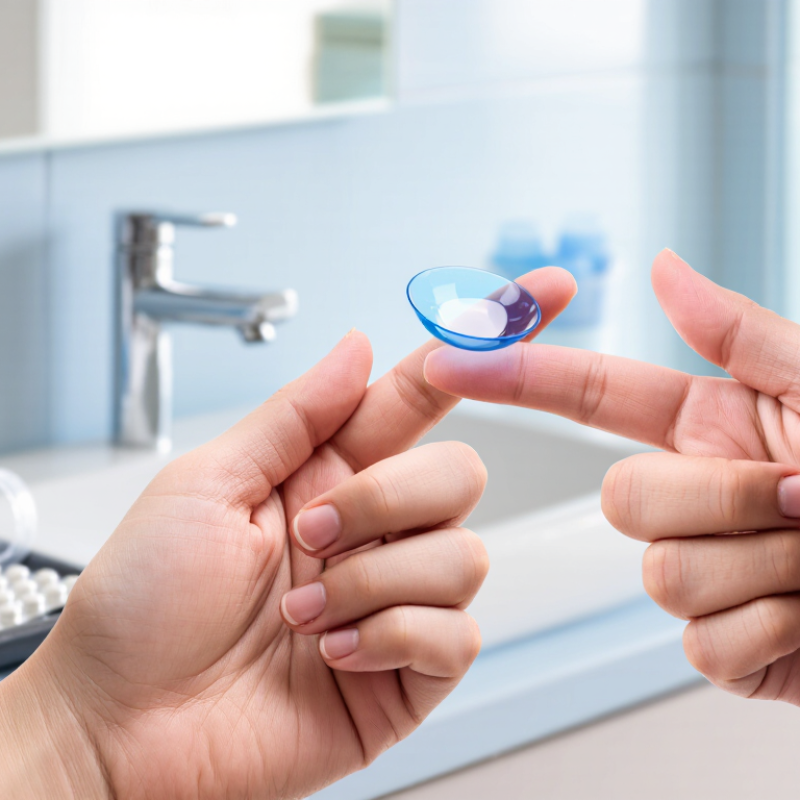
How to Choose the Best Extended Wear Contacts in 2026?
Extended wear contacts are designed for longer wearing periods, including overnight use. Some products receive regulatory approval for continuous wear of up to 30 days. The approved schedule depends on oxygen transmission, lens material, and individual eye health. U.S. Food and Drug Administration guidance makes one point clear: extended wear is a medical-use schedule, not a guarantee of safety.
Most modern extended wear lenses use silicone hydrogel materials. These materials allow more oxygen to reach the cornea than older hydrogel lenses. Oxygen transmission is measured through Dk/t, which combines material permeability and lens thickness. Tears also move beneath the lens, carrying nutrients and removing waste. The process is helpful, but limited. Deposits, dryness, and poor blinking can still disturb the tear film. No lens is risk-free.
The Centers for Disease Control and Prevention reported that sleeping in contact lenses increases infection risk six to eight times. Its surveillance data also estimated about 45 million U.S. adults wear contact lenses. Those figures make daily habits impossible to ignore. Wash and dry hands before handling lenses. Never use tap water or saliva. Replace the lens according to its prescribed schedule, even when it looks clean. It is tempting to choose the longest approved period. That may be the wrong measure. A shorter schedule can fit better when eyes feel gritty, red, or unusually tired. An eye-care professional should assess corneal health before approving overnight wear.
What Extended Wear Contacts Are and How They Work
Extended-wear contact lenses are designed for overnight use, but the approved wearing schedule depends on the specific lens and the wearer’s eye health. Daily-wear lenses are removed every night, some extended-wear lenses may be worn for 1–6 consecutive nights, and certain lenses may be approved for continuous wear for up to 30 days. Sleeping in lenses increases the risk of serious eye infection, so extended wear should only be used under an eye-care professional’s direction.
Reference: U.S. Food and Drug Administration, “Contact Lens Risks” and contact-lens wearing guidance. Actual limits vary by lens design, prescription, and clinical evaluation.
Choosing extended wear contacts starts with checking whether your eyes can safely tolerate overnight use. An eye-care professional should examine your cornea, tear film, eyelids, and prescription. FDA guidance allows certain lenses to stay overnight for one to 30 nights, depending on approval and individual suitability. That range is not a personal target.
Your medical history matters. Dry eye, allergies, frequent redness, previous corneal infections, or eyelid inflammation may increase complications. The CDC’s MMWR report found that sleeping in contact lenses can raise infection risk by six to eight times. Even accidental naps matter. A fitting experience can feel comfortable at first, yet comfort does not prove safety. Ask about oxygen transmission, replacement timing, cleaning requirements, and a backup glasses plan. Stop wearing lenses and seek prompt professional care if you notice pain, light sensitivity, unusual discharge, blurred vision, or persistent redness.
Tips: Book a follow-up after the first wear period, not only when problems appear. Keep a written schedule beside your bathroom mirror. Never extend wear because the lenses “still feel fine.” Replace the storage case regularly, wash and dry your hands, and keep lenses away from shower or swimming water. The CDC’s contact-lens safety guidance stresses hand hygiene, fresh disinfecting solution, and avoiding water exposure. I would also question any fitting completed without a detailed health history; convenience can hide risk.
Material matters, but oxygen delivery matters more. Silicone hydrogel lenses usually allow more oxygen to reach the cornea than older hydrogel materials. Check the Dk/t value, not only the water percentage. A high-water lens may feel soft initially, then become dry as it loses moisture during a long day. Comfort can change by evening.
Small details matter.
A contact lens fitting should match your tear film, eyelid movement, prescription, and typical screen time. A lens that feels comfortable in a clinic may feel different after eight hours beside a heater or air conditioner. Ask an eye-care professional about surface treatments and edge design. These features can reduce friction, although no design suits every eye.
Wear schedules require honest self-assessment. Daily wear means removing lenses before sleep. Flexible or continuous wear should only follow professional approval for lenses specifically cleared for that schedule. Sleeping in lenses increases the risk of serious corneal infection, even when the lenses transmit plenty of oxygen. Never rinse them with tap water or wear them while swimming. Remove the lens immediately if you notice pain, unusual redness, light sensitivity, discharge, or blurred vision. I would rather accept a shorter schedule than ignore a warning sign. My first choice would not always be the lens with the highest oxygen rating; real-life dryness and cleaning habits can matter just as much.
How to Choose the Best Extended Wear Contacts in 2026?
Extended wear contacts should feel comfortable beyond the first few hours. Look for a smooth, stable fit that does not slide when you blink. Your eyes should not feel gritty after reading, driving, or working on a screen. A lens can feel fine at noon and fail by evening. That detail matters.
Prescription fit involves more than your basic power. An eye care professional should check your base curve, diameter, astigmatism, and near-vision needs. Follow-up measurements can reveal movement or dryness that home testing misses. Extended wear is not suitable for every eye, especially with frequent irritation or previous corneal problems. Be honest about your sleeping habits. Comfort alone does not prove safe wear.
Vision quality should remain sharp in changing conditions. Test clarity outdoors, under office lights, and in dim rooms. Notice halos around lamps, blurred text, or doubled edges. Good lenses should not require constant blinking to restore focus. Still, comparisons are imperfect. One person’s comfortable lens may feel unstable to another.
Tips: Ask for a trial period and record comfort at morning, afternoon, and night. Never extend wear beyond the prescribed schedule. Remove lenses if pain, unusual redness, discharge, or sudden blur appears. Professional guidance is essential, even when the lenses seem comfortable.
| Lens option | Typical wear schedule | Comfort factors | Prescription fit | Vision quality | Extended-wear suitability | Important considerations |
|---|---|---|---|---|---|---|
| Standard hydrogel soft lenses | Usually daily wear; remove before sleeping unless specifically approved otherwise. | Often comfortable at insertion, but lower oxygen transmission may contribute to dryness or end-of-day discomfort for some wearers. | Commonly available for spherical prescriptions; toric and multifocal availability varies. | Generally clear for uncomplicated prescriptions; rotation or lens movement can affect astigmatic correction. | Not usually the first choice for overnight wear because oxygen delivery is generally lower than with silicone hydrogel materials. | Sleeping in lenses not approved for overnight use increases the risk of serious eye infection. |
| Silicone hydrogel soft lenses | Available in daily-wear designs and in selected designs approved for overnight or extended wear. | Higher oxygen transmission can support corneal oxygenation; some users notice initial stiffness, edge awareness, or dryness. | Widely available in spherical, toric, and multifocal designs, but exact power ranges and parameters differ. | Often provides stable clarity when base curve, diameter, orientation, and prescription are properly matched. | The main soft-lens material category to discuss when overnight wear is medically appropriate and specifically prescribed. | Higher oxygen transmission does not eliminate infection risk; overnight wear remains riskier than daily wear. |
| Toric soft lenses | Usually daily wear; only selected designs may be approved for overnight use. | Comfort depends on edge design, stabilization method, tear film, and whether the lens remains centered during blinking. | Designed for astigmatism; cylinder power, axis, lens rotation, and corneal shape must be evaluated during fitting. | Can provide sharp distance vision when orientation is stable; fluctuating blur may indicate rotation or an unsuitable fit. | Consider only an approved extended-wear design and only after a professional fit confirms stable orientation. | Do not self-adjust the axis or power; even small fitting differences can noticeably affect vision. |
| Multifocal soft lenses | Most commonly daily wear; overnight availability depends on the specific prescription and approved design. | Comfort is influenced by tear stability, pupil size, near-vision demands, and adaptation to simultaneous-focus optics. | Requires distance prescription, near-addition requirement, age-related focusing needs, and eye dominance to be assessed. | Can reduce dependence on reading glasses, but contrast and night vision may be less crisp than with single-vision lenses. | Overnight use should be considered only when the exact design is approved and the wearer has been individually evaluated. | Allow an adaptation period; persistent halos, glare, or blurred vision require a follow-up fitting. |
| Rigid gas-permeable lenses | Generally daily wear and removed at night. | May require an adaptation period; smaller lenses can move more with blinking, while tear exchange can help maintain a healthy corneal environment. | Highly customizable for irregular corneas, higher astigmatism, and specialty prescriptions. | Often delivers excellent optical sharpness because the rigid front surface masks some corneal irregularity. | Usually not selected for overnight wear; removal before sleep is the standard approach. | Dust and debris can be noticeable; careful handling and consistent cleaning are essential. |
| Scleral gas-permeable lenses | Usually worn during the day and removed before sleep. | A fluid reservoir can improve comfort for some people with irregular corneas or severe ocular-surface dryness, but application is more involved. | Specialty fitting is needed for keratoconus, post-surgical corneal changes, and significant surface irregularity. | Can provide highly stable vision by creating a smooth optical surface over the cornea. | Generally unsuitable for sleeping; overnight wear can reduce tear exchange and increase complications. | Use only sterile, preservative-free filling solution as directed; tap water should not contact the lens or eye. |
| Bandage or therapeutic lenses | Schedule varies and must be controlled by an eye-care professional. | May protect the cornea and reduce discomfort during healing, but comfort does not indicate that unsupervised wear is safe. | Selected for therapeutic rather than routine vision correction. | Vision may be secondary to corneal protection and healing. | Never use as ordinary extended-wear lenses unless specifically prescribed and monitored. | Follow-up appointments, medication instructions, and replacement timing are essential. |
How to Choose the Best Extended Wear Contacts in 2026?
Extended wear contacts should match your eyes, prescription, lifestyle, and tear health. An eye care professional must confirm whether overnight wear is suitable for you. Some lenses are approved for several nights, while others should be removed daily. Do not rely only on packaging claims. Your corneal health matters more than convenience.
Wash and dry your hands before touching the lenses. Use fresh approved disinfecting solution each time. Never rinse lenses with tap water, saliva, or homemade mixtures. Avoid sleeping in lenses unless your eye care professional has specifically approved it. Also remove them before swimming or showering. Keep backup glasses nearby, especially during travel or long workdays.
A common mistake is ignoring mild dryness because the lens still feels wearable. That can become a serious warning. Remove the lens if you notice pain, redness, unusual sensitivity to light, discharge, or blurred vision. Contact an eye care professional promptly if symptoms continue. Never reinsert a damaged lens. Replace lenses and storage cases according to instructions, even when they look clean. I used to think a comfortable lens needed little attention. That assumption was wrong. A quick handwashing routine and regular checkups can prevent careless habits from becoming eye problems.
Silicone hydrogel materials usually deliver more oxygen to the cornea than older hydrogel materials. Check the Dk/t value. Water percentage alone can mislead. A soft lens may feel dry by evening.
Check comfort in the morning, afternoon, and evening. Notice dryness after reading, driving, or using screens. Test lenses near heaters and air conditioners. Comfort can change later.
A professional should check power, base curve, diameter, astigmatism, and near-vision needs. Eyelid movement and tear quality also matter. A stable lens should not slide with every blink. Home testing misses important details.
No. Overnight wear requires professional approval and suitable lenses. Sleeping in contacts can increase the risk of serious corneal infection. Comfortable does not mean safe.
Remove it immediately for pain, unusual redness, light sensitivity, discharge, or sudden blurred vision. Do not reinsert a damaged lens. Seek professional advice if symptoms continue. Do not wait.
Wash and dry your hands before touching the lenses. Use fresh, approved disinfecting solution every time. Never use tap water, saliva, or homemade mixtures. Small routines matter.
Remove lenses before swimming or showering. Water can introduce harmful microorganisms and contaminate the lenses. Keep backup glasses nearby. Travel makes this easier to forget.
Check clarity outdoors, under office lights, and in dim rooms. Watch for halos, doubled edges, or blurred text. You should not need constant blinking to focus. Comparisons remain imperfect.
Choosing the best Extended Wear Contacts in 2026 begins with understanding how they are designed to let more oxygen reach the cornea during approved periods of continuous or overnight wear. However, not every eye is suitable for this schedule. An eye-care professional should evaluate your prescription, tear film, corneal health, lifestyle, and history of irritation or infection before recommending extended wear. Professional guidance is especially important because sleeping in lenses can increase the risk of complications.
When comparing options, consider the lens material, oxygen transmission, authorized wear schedule, prescription accuracy, comfort, and visual stability. A lens that feels comfortable at first may still be unsuitable if it causes dryness, redness, blurred vision, or discomfort. Safe use requires clean hands, proper application and removal, fresh care solution when applicable, regular replacement, and never exceeding the recommended wearing time. Do not swim or shower in lenses unless specifically advised, and remove them promptly if symptoms occur. Regular eye examinations help confirm that your lenses remain safe and effective.
