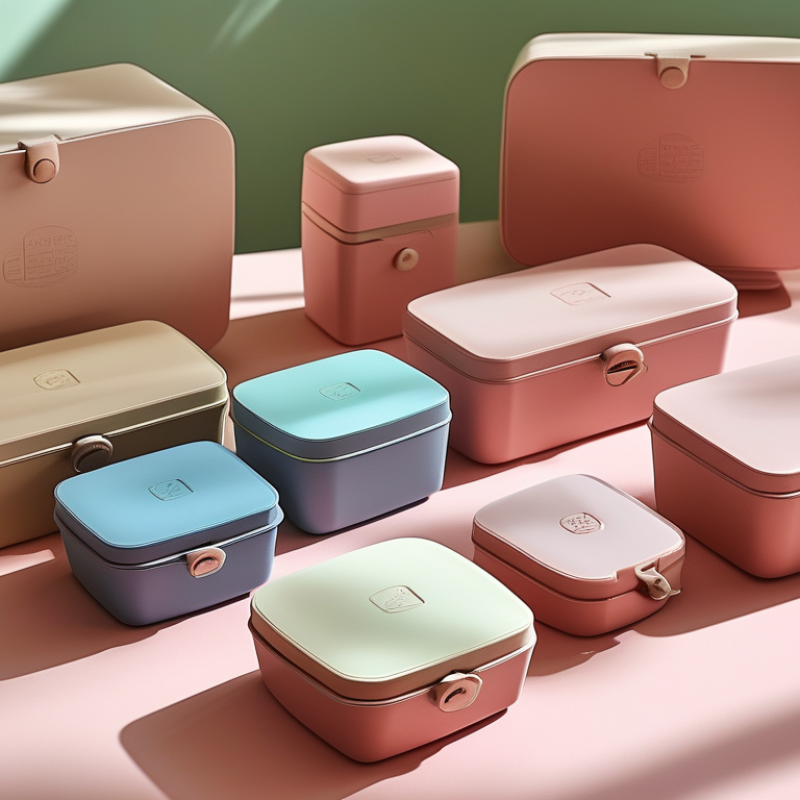
When it comes to choosing the best Contact Lens Cases, expert insights can make a difference. Dr. Alice Thompson, an optometrist with over 15 years of experience, emphasizes, "A proper contact lens case is essential for eye health." This statement highlights the critical role these cases play in maintaining the quality of your lenses.
Choosing the right Contact Lens Cases involves understanding your unique needs. Some cases prioritize portability; others focus on durability. Material matters too. High-quality plastic cases can prevent harmful bacteria from thriving. Unfortunately, many people overlook this aspect, putting their eye health at risk.
Consider the design as well. A case with a secure closure is vital for anyone on the move. While many options exist, not all are created equal. It's important to invest time in selecting the best one. A careful choice can lead to better lens performance and eye comfort.
Understanding Different Types of Contact Lens Cases
Choosing the right contact lens case is essential for proper lens care. Various types of cases serve different purposes. Basic plastic cases are the most common. They are lightweight and portable. However, they may not provide the best protection against contamination.
Some cases feature a UV sanitizing option. These use light to kill bacteria. While effective, they can be bulkier and more expensive. Travel-sized cases are also available. These compact options are convenient for on-the-go users but may sacrifice capacity.
A good case should also have a tight seal. This prevents leakage and contamination. Checking for signs of wear is vital. A cracked case may lead to lens exposure to harmful elements. Reflecting on your lifestyle needs can help refine your choice.
Contact Lens Case Materials Usage
Evaluating Material Durability and Safety for Contact Lens Cases
When selecting contact lens cases,
material durability and safety should be top priorities. High-quality materials resist wear and tear.
Look for cases made from durable plastics or
silicone. These materials typically handle daily use better, maintaining their integrity over time.
A reliable case protects your lenses from dirt and damage.
Safety is equally crucial.
Ensure the material is non-toxic and free from harmful chemicals. Some plastics can leach chemicals,
affecting lens hygiene. Even minor scratches on the case can harbor bacteria.
This can lead to potential eye infections. Regular inspection for wear and contamination is important.
Keep in mind that not all cases are created equal. Users may overlook the importance of durability, opting for cheaper options.
However, a flimsy case can compromise lens safety. Consider your lifestyle.
If you travel often, your lens case needs extra resilience. A robust choice can save you from costly eye health issues later.
Identifying Essential Features: Closure Type and Design
When selecting a contact lens case, the closure type is critical. Many cases feature screw-on lids, while others have flip-top designs. Screw-on lids provide a secure closure that minimizes leaks. However, they can be challenging for those with dexterity issues. Flip-top designs offer convenience and ease of access. But they may not seal as tightly as screw-on versions.
Consider how you handle your contact lens case daily. If you travel frequently, a case with a robust closure can prevent spills during transit. On the other hand, if you keep your case at home, ease of use may take precedence. Selecting the right design will ultimately enhance your lens care routine.
Tip: Always check the interior of the case for cleanliness. Regularly replacing your case can help eliminate bacteria buildup. Store it in a dry place, away from sunlight. This helps maintain the integrity of your lenses. Keep in mind that not all cases are created equal; some may wear down faster than others. Reflect on your usage and adjust accordingly.
Considering Size and Portability for Travel Needs
When choosing a contact lens case for travel, size and portability are essential factors. A compact design can save valuable space in your bag. According to the Contact Lens Society of America, over 30% of lens wearers face challenges with lens care during travel. Therefore, a lightweight, travel-friendly case is vital for on-the-go users.
Tips: Opt for cases that offer secure seals. This helps prevent leaks, keeping lenses safe. Look for dual-compartment designs, allowing storage of multiple lens types or solutions. A hard shell case adds protection, which is especially important during physical activities.
Traveling can lead to oversights. Many forget to pack their lens solution, leading to discomfort. Without proper care, lenses can cause irritation. Always ensure your case is clean and dry before use. These small details impact daily comfort significantly and can prevent potential eye infections, which is a concern highlighted by the American Optometric Association. Prioritize the right case for your lifestyle demands to ensure healthy and convenient lens usage.
How to Choose the Best Contact Lens Cases for Your Needs? - Considering Size and Portability for Travel Needs
| Type of Case |
Size (cm) |
Weight (g) |
Portability Rating |
Material |
Price Range ($) |
| Standard Case |
7 x 5 |
15 |
Medium |
Plastic |
5 - 10 |
| Travel Case |
10 x 7 |
30 |
High |
Silicone |
10 - 20 |
| Mini Case |
6 x 4 |
10 |
Very High |
Plastic |
3 - 8 |
| Folding Case |
8 x 5 (folded) |
20 |
Medium |
Leather |
15 - 25 |
| Compact Case |
7 x 5 |
12 |
High |
ABS |
8 - 15 |
Assessing Cost and Brand Reputation for Quality Selection
When selecting contact lens cases, cost and brand reputation are critical factors. Numerous brands flood the market, each claiming to offer the best quality. However, it’s essential to evaluate beyond marketing claims. A budget-friendly case may seem appealing, but it could lack essential features like proper sealing or durability. Investing a bit more may prevent potential issues.
Brand reputation often reflects both quality and trustworthiness. Researching user reviews can provide valuable insights into real-world performance. Consistent negative feedback on durability or hygiene should raise red flags. It's wise to look for brands with a solid history in eye care products. These brands usually prioritize quality and consumer safety.
Yet, we shouldn't overlook that even reputable brands can disappoint. It’s essential to consider your unique needs. Evaluate if the case’s design meets your lifestyle. A perfect case for one person may not suit another. Reflect on your experiences and choose accordingly. This personalized approach helps ensure that your choice is not only informed but tailored to your specific requirements.
FAQS
: Look for durable plastics or silicone. These materials resist wear and tear well.
Safety is crucial to prevent harmful chemicals from leaching and causing eye infections.
Scratches can harbor bacteria. Regular checks for wear are necessary to maintain hygiene.
Cheap cases often lack essential features, and they may compromise lens safety in the long run.
Research user reviews for insights. Negative feedback on hygiene or durability should raise concerns.
Even well-known brands can fail. Assess if their case meets your unique needs and lifestyle.
If you travel often, choose a robust case that can endure frequent handling.
Your daily activities can dictate the durability required. A suitable case should reflect your habits.
Conclusion
When selecting the best contact lens cases, it's crucial to understand the various types available and their specific features. Different materials offer varying levels of durability and safety, which can impact the longevity of your contact lenses. Essential features such as closure type and design also play a significant role, as they ensure the lenses are securely stored and easily accessible.
In addition to durability and design, considering the size and portability of contact lens cases is vital for those who travel frequently. Compact and lightweight options can enhance convenience on the go. Finally, evaluating the cost and the reputation of the brand can guide you in choosing high-quality contact lens cases that meet your needs without compromising safety or performance. By carefully considering these factors, you can make an informed decision that best suits your lifestyle and lens care requirements.
 Fresh Lenses