Fresh Lenses
Scleral contacts have gained popularity in recent years for their ability to provide exceptional vision correction. According to the American Optometric Association, 1 in 4 individuals with vision problems may benefit from scleral lenses. These specialized lenses rest on the white part of the eye, creating a tear-filled vault over the cornea. This design is particularly beneficial for those with irregular corneas, such as keratoconus, or for individuals who suffer from severe dry eye syndrome.
Choosing the right scleral contacts involves understanding various factors. Factors include the size, curvature, and material of the lenses. Incorrect choices can lead to discomfort or inadequate vision correction. A recent study in the *Journal of Clinical Optometry* highlighted that 30% of patients reported dissatisfaction due to improperly fitted lenses. This emphasizes the importance of a professional fitting and thorough consultation with an experienced optometrist.
In a world where vision can significantly impact quality of life, understanding how to choose scleral contacts is essential. Every eye is unique, requiring personalized evaluation. Patients are encouraged to explore options, ask questions, and share their experiences to ensure optimal results with their scleral contacts.
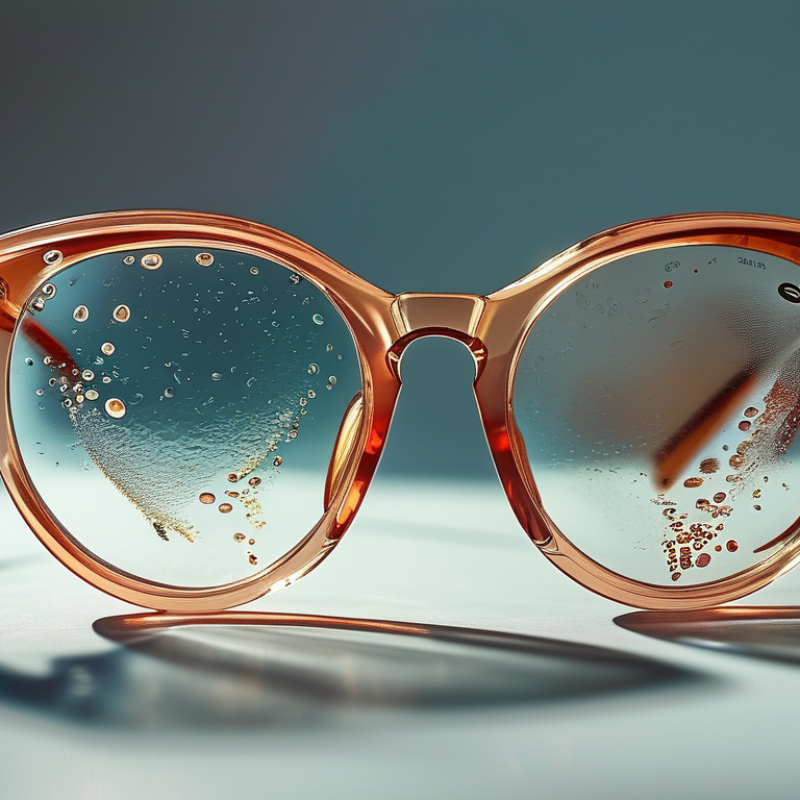
Scleral contacts are specialized lenses designed for specific vision needs. These lenses sit on the sclera, or the white part of the eye. They create a space over the cornea, which helps in providing clear vision. Understanding the characteristics and benefits of scleral contacts is crucial for making an informed choice.
When choosing scleral contacts, consider your comfort and lifestyle. Some individuals may find them initially difficult to wear. It might take time to adjust to the feeling of the lens. Make sure to consult with an eye care professional to find the right fit for your eyes.
**Tips:** Regular cleaning and proper storage of the scleral lenses are essential for eye health. Consider practicing putting them in and taking them out in a well-lit area. Keep track of any discomfort or changes in vision, as these can indicate issues with the fit. It's also effective to read reviews and experiences from other users, keeping in mind that personal experiences may vary.
Choosing the right scleral contacts requires a clear understanding of your vision needs and lifestyle. Are you an athlete, artist, or someone who spends long hours on screens? Each scenario has unique demands. Active individuals may need lenses that stay secure during movement. Artists often need precision vision for detailed work. Knowing your situation helps narrow down options.
Your daily routine impacts your lens selection too. Do you work indoors or outdoors? Are you prone to allergies? These factors influence material choice and the need for moisture retention. Comfort is crucial. Many overlook this aspect, only to regret it later. A good fit isn’t solely about size; it also involves curvature and vault. Each individual's eye is unique, and custom lenses might be necessary. Consulting a professional can provide valuable insights.
Reflecting on lifestyle is essential. Consider how often you change environments. Are you always on the go, or do you spend more time at home? Vision needs can shift as life changes. It’s a good practice to reassess your lens choice regularly. Embrace the idea that finding the perfect fit may take time and experimentation. This journey, though sometimes frustrating, is worth it for clear vision and comfort.
When considering scleral contacts, consulting an eye care professional is essential. This appointment helps you understand your unique vision needs. You’ll discuss your lifestyle, comfort concerns, and the specific visual challenges you face. Expect a thorough eye examination, which may include various tests for curvature, dryness, and other factors. Each step is crucial for ensuring proper fit and optimal vision correction.
During the consultation, your eye care provider will explain the benefits and potential drawbacks of scleral lenses. Not everyone may have a straightforward experience. Some individuals might struggle with insertion and removal at first. Others may experience discomfort initially, as adjusting to these lenses can vary significantly from person to person. A skilled eye care professional can guide you through these challenges. They’ll tailor their advice based on your personal experiences and preferences, ensuring that you are well-prepared for wearing scleral contacts.
Choosing the right scleral contact lenses is crucial for achieving optimal vision. When evaluating options, the fit is paramount. According to a 2022 report by the American Academy of Ophthalmology, a well-fitted lens can reduce discomfort and promote better vision. Measurements of the eye’s curvature and diameter will aid in selecting the correct lens size. Each eye is unique. Therefore, what works for one patient may not work for another.
Another key feature is the material of the lens. Scleral lenses are often made from gas-permeable materials, which allow oxygen to pass through. This is essential for eye health. A study from the Contact Lens Association revealed that 75% of users reported improved comfort with these materials. However, some users might struggle with the learning curve to insert and remove them correctly. This process demands practice and patience.
Additionally, finding the right prescription is vital. Some patients may require specialized lenses for specific conditions like keratoconus. While many options exist, it is vital to consult an eye care professional for guidance. Inherent challenges can arise, such as lens fogging or deposition of proteins, further complicating usage. Addressing these issues is necessary for a successful scleral lens experience.
Caring for scleral contacts involves diligent maintenance, ensuring optimal comfort and vision. Proper cleaning is crucial. Studies indicate that improper cleaning can lead to infections, which affect about 40% of contact lens users. Rinse your lenses daily with a sterile solution, avoiding tap water. This prevents contamination and prolongs their lifespan.
Regular replacement of scleral lenses is also essential. While many lenses last up to a year, signs of wear should prompt immediate changes. Look for scratches or cloudiness; these can distort vision. According to research, 20% of lens wearers experience discomfort due to inadequate lens hygiene or replacement.
Storage is another key aspect. Always keep your lenses in a clean case filled with fresh solution, changing it every three months. Never mix solutions. This simple step can prevent harmful interactions that jeopardize lens integrity. If discomfort arises, reevaluate your routine and consult your eye care professional. Even minor issues should not be ignored, as they could escalate into serious problems.
| Aspect | Details |
|---|---|
| Lens Type | Scleral lenses provide greater comfort and improved vision for those with irregular corneas. |
| Fitting Process | An eye care professional should perform a detailed fitting to ensure optimal lens position and comfort. |
| Maintenance | Use a proper cleaning and storage solution, and follow a daily cleaning regimen. |
| Wearing Schedule | Establish a wearing schedule based on your eye health and lens type. |
| Signs of Problems | Be alert for discomfort, redness, or reduced vision, and consult your optometrist if these occur. |
| Visual Acuity | Scleral lenses can significantly improve visual acuity in patients with conditions like keratoconus. |
: Understand your vision needs, activities, and comfort requirements before making a decision.
Your environment, allergies, and daily routine can affect which materials are best for you.
Many overlook comfort and later regret it. It involves both fit and lens features.
It’s wise to evaluate your lenses regularly as your vision needs may change over time.
Reevaluate your routine and consult a professional, as discomfort may indicate a larger issue.
Clean them daily with a sterile solution and keep them in a fresh storage case.
Look for scratches, cloudiness, or discomfort, as these suggest it's time for a change.
Don’t use tap water for rinsing and mix different solutions, as this can lead to contamination.
Yes, inserting and removing scleral lenses may take practice and patience to master.
Each eye is unique; what fits one person may not work for another, affecting comfort and vision.
Scleral contacts are specialized lenses designed to provide enhanced vision correction and comfort, particularly for individuals with irregular corneas or other eye conditions. Understanding the fundamentals of scleral contacts is crucial, as they differ in size and design from traditional lenses. When selecting these lenses, it's important to consider your specific vision needs and lifestyle, ensuring that the lenses fit seamlessly into your daily activities.
Consulting with an eye care professional is essential to assess your requirements and evaluate various scleral contact lens options. This consultation will help determine the best features for your needs. Additionally, proper care and maintenance of scleral contacts are vital for optimal use, ensuring their longevity and effectiveness in providing clear vision. With the right selection and care, scleral contacts can significantly enhance your quality of life.
